
Best Microphones for YouTube and Podcasting on a Budget (2026)
As an Amazon Associate I earn from qualifying purchases. Some links on this page earn us a small commission, at no extra cost to you. Full disclosure.
Quick answer
Among the best budget microphones for YouTube, the Rode NT-USB Mini is the pick for most creators: one USB-C cable, warm clear sound with no post processing, and it is about the size of a coffee cup. On a tight budget and want the option to go XLR later? Go for the Samson Q2U. Recording in a noisy apartment or cafe? The Shure MV7+ ignores the room.
Our top picks
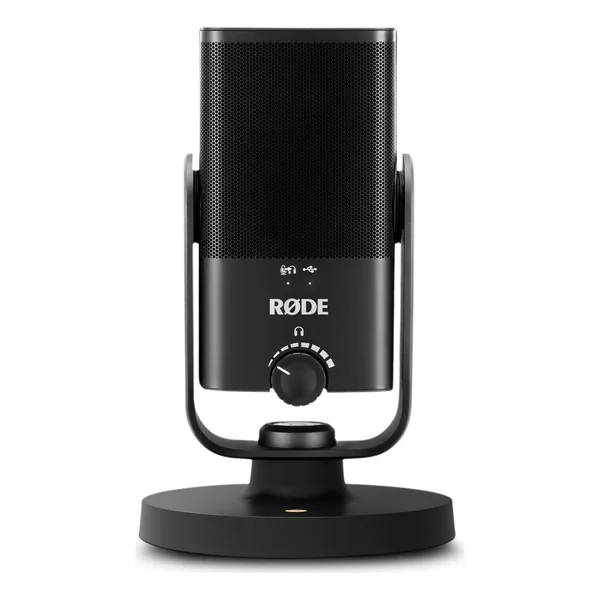
Rode NT-USB Mini
Warm, clear sound over one USB-C cable, and it is the size of a coffee cup Read more
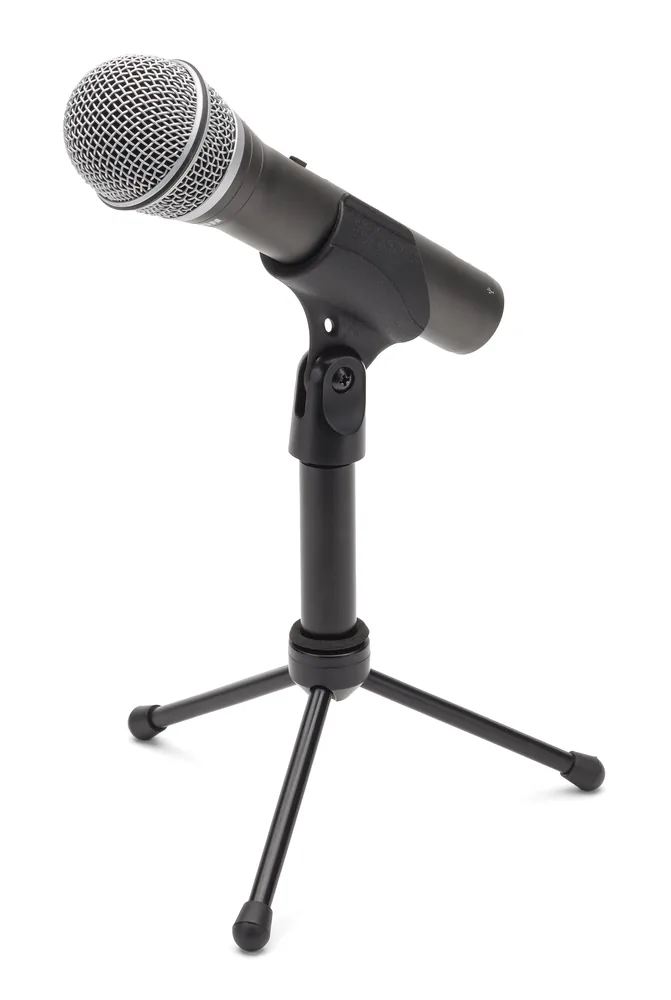
Samson Q2U
USB now, XLR later, so it grows with you instead of being replaced Read more
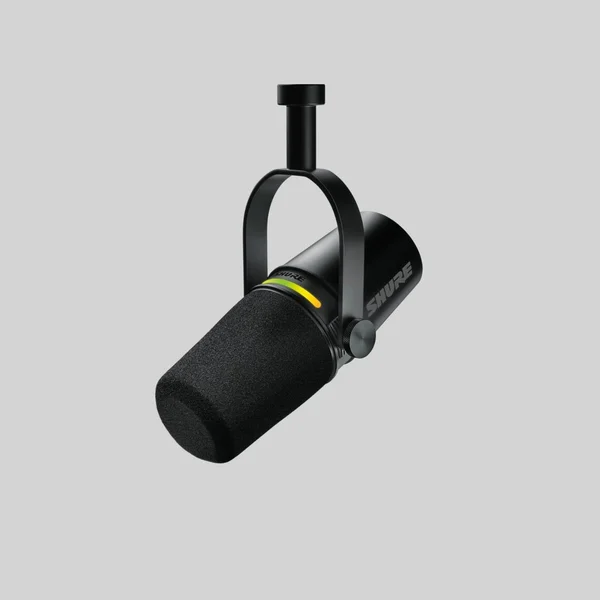
Shure MV7+
Dynamic capsule that ignores the room, for noisy apartments and cafes Read more
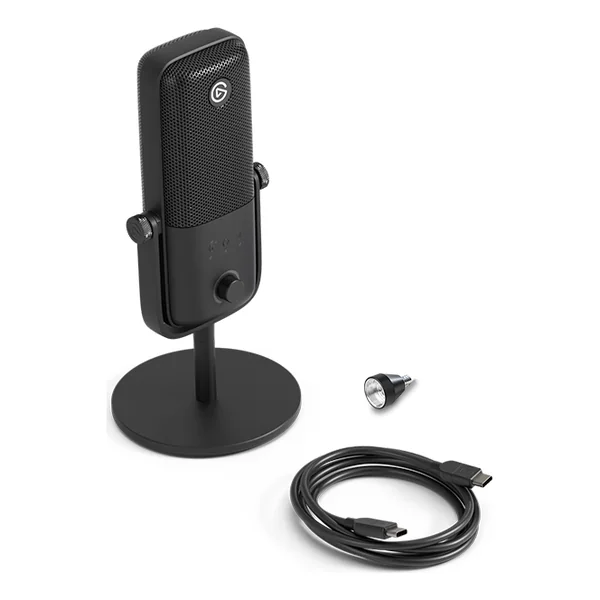
Elgato Wave:3
Onboard mixing and a multifunction dial, built for live streaming Read more
Quick Comparison: All 5 Microphones
| Microphone | Type | USB-C | XLR | Best For | Shop |
|---|---|---|---|---|---|
| Condenser | Yes | No | Overall pick | Get yours on Amazon |
| Samson Q2U | Dynamic | Yes | Yes | Budget + flexible | Get yours on Amazon |
| Dynamic | Yes | Yes | Premium quality | Get yours on Amazon |
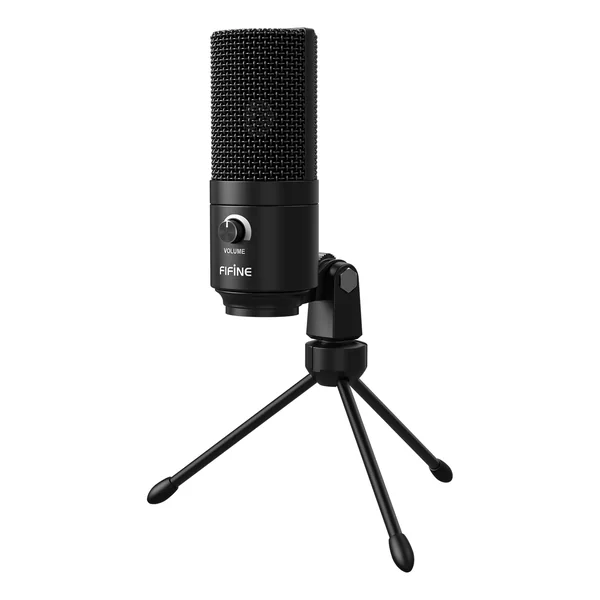 | Condenser | No | No | Ultra-budget | Get yours on Amazon |
| Condenser | Yes | No | Streaming | Get yours on Amazon |
1. Rode NT-USB Mini, Best Overall
Rode NT-USB Mini
PROS
- Outstanding sound quality for the price
- Incredibly compact and travel-friendly
- USB-C plug and play - no interface needed
- Built-in headphone monitoring
- Magnetic stand included
CONS
- No physical gain control
- Desktop stand picks up some desk vibrations
- Condenser picks up more room noise than dynamic
Best for: YouTube creators and podcasters who want studio quality in a tiny package
The Rode NT-USB Mini is ridiculously small - about the size of a coffee cup - but the sound it produces is genuinely impressive. Warm, clear, and professional without any post-processing needed.
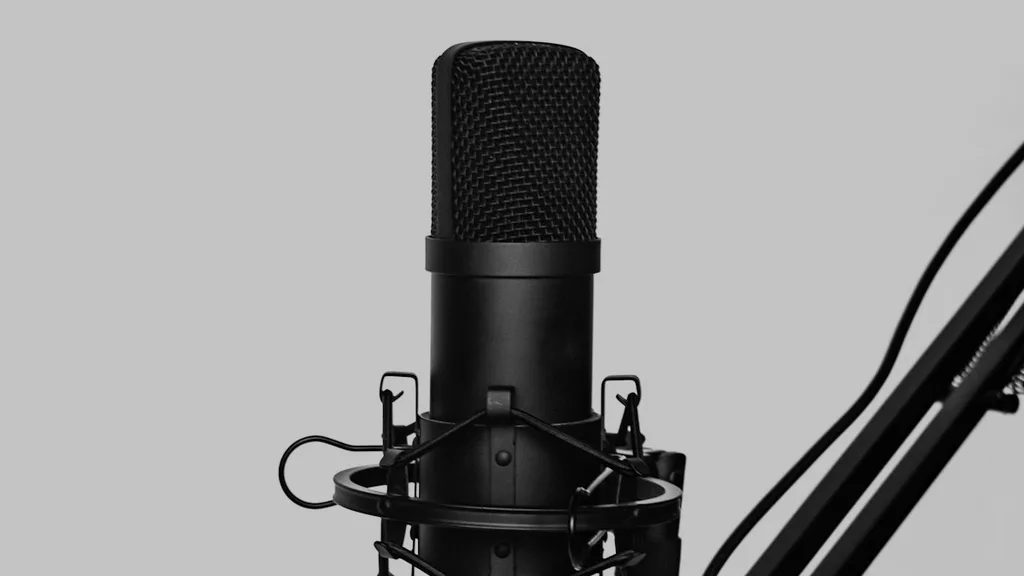
It suits YouTube voiceovers, podcast episodes and client calls from changing rooms, and it handles different room acoustics surprisingly well because of its cardioid pattern, which mostly picks up what is directly in front of it and rejects noise from the sides and back.
Setup is dead simple: one USB-C cable to your laptop and you are done. No audio interface, no drivers, no headaches. The built-in headphone jack gives you zero-latency monitoring, which is a must for podcast recording. And the magnetic desktop stand is actually good enough that you do not need to buy a separate boom arm right away.
The only thing we wish it had is a physical gain knob. You have to adjust input levels in software, which is fine but slightly less convenient than having a dial on the mic itself.
| Type | USB Condenser (Cardioid) |
|---|---|
| Connection | USB-C |
| Sample Rate | 24-bit / 48kHz |
| Headphone Jack | Yes (3.5mm, zero-latency) |
| Weight | 585g (with stand) |
| Price | Check price on Amazon |
2. Samson Q2U, Best Budget Pick
Samson Q2U
PROS
- Incredible value for the price
- USB and XLR dual output - future-proof
- Dynamic capsule rejects background noise well
- Good for noisy environments
- Headphone monitoring included
CONS
- Build quality feels a bit cheap
- USB audio quality slightly below the Rode
- Needs to be close to your mouth for best results
Best for: Beginners who want flexibility and great sound on a tight budget
If you are just getting started and do not want to spend a lot on a mic, the Samson Q2U is the answer.
What makes the Q2U special is that it works both as a USB mic and as an XLR mic. Right now, you plug it into your laptop via USB and it works perfectly. Later, when you upgrade to a proper audio interface, you can use the XLR output without buying a new microphone. That is genuinely smart design.
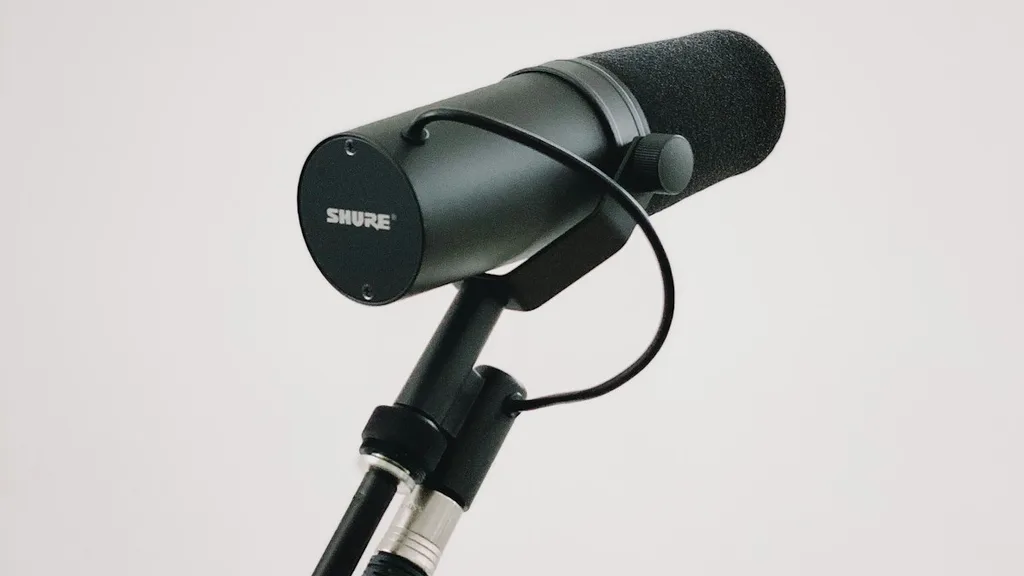
Being a dynamic microphone, it naturally rejects more background noise than condensers. This is a huge advantage for nomads working in noisy environments. That makes it a good pick for cafes and shared spaces.
The build quality feels a bit plasticky compared to the Rode, and it is not the most exciting looking mic. But for pure value? Nothing else comes close at this price.
| Type | Dynamic (Cardioid) - USB + XLR |
|---|---|
| Connection | USB / XLR (both included) |
| Sample Rate | 16-bit / 48kHz |
| Headphone Jack | Yes (3.5mm) |
| Weight | 320g |
| Price | Check price on Amazon |
3. Shure MV7+, Best Premium Pick
Shure MV7+
PROS
- Broadcast-quality audio
- USB-C and XLR dual output
- Shure MOTIV Mix app for fine-tuning
- Voice Isolation Technology for noisy rooms (Shure)
- LED touch panel, tap to mute
CONS
- Shure’s page does not list the weight as text, so check it on the listing before you pack it
- Expensive compared to other options
- Really benefits from a boom arm (extra cost)
Best for: Serious creators who want broadcast-level audio and total control
The Shure MV7+ is what you buy when you are ready to take your audio seriously. It is Shure’s podcast microphone, refreshed with an LED touch panel and voice isolation.
Like the Samson, it has both USB and XLR outputs. But the audio quality is in a completely different league. The MV7+ produces rich, warm, broadcast-quality sound that makes your voice sound like you are in a professional studio, even when you are sitting in an Airbnb with bare walls.
Shure has a free companion app, MOTIV Mix, that lets you adjust settings such as sound signature, gain, EQ and compression on your computer. Dial in your settings once and recordings need far less post-production.
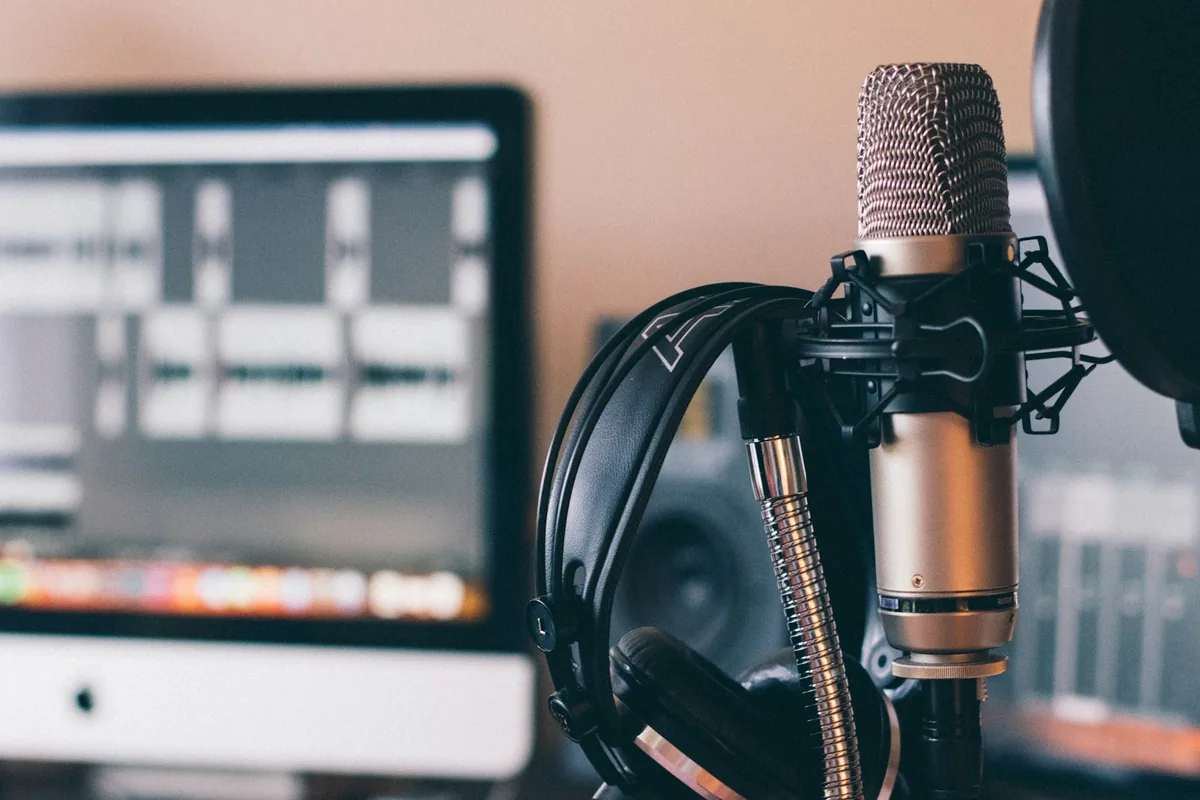
The downside? Shure’s page does not list the weight as text, so check the weight and size on the listing if you are constantly on the move. But if you have a semi-permanent setup or you prioritize audio quality above everything else, the MV7+ is worth the investment.
| Type | Dynamic microphone, USB-C + XLR |
|---|---|
| Connection | USB-C / XLR |
| Sample Rate | Not listed as text by Shure |
| Headphone Jack | Yes (3.5mm) |
| Weight | Not listed as text by Shure |
| Price | Check price on Amazon |
4. Fifine K669B, Best Ultra-Budget
Fifine K669B
PROS
- Unbeatable price point
- Solid metal build quality
- Surprisingly good audio for the cost
- Simple plug and play
- Comes with tripod stand
CONS
- No headphone monitoring
- USB-A only (need adapter for newer laptops)
- Picks up more background noise than dynamic mics
- Limited compared to pricier options
Best for: Remote workers and beginners who need decent audio on a tiny budget
The price feels too good to be true, but the Fifine K669B punches way above its weight class.
It is good enough for Zoom calls, voice-overs and even your first podcast episodes.
Let us be clear: this does not sound as good as the Rode or Shure. You can tell the difference in a blind test. But for remote meetings, basic content creation, and getting started? It is honestly more than enough. And at this price point, the barrier to entry is basically zero.
It is also surprisingly sturdy for the price. The metal body feels solid, and the included tripod stand is functional even if it is not winning any design awards.
| Type | USB Condenser (Cardioid) |
|---|---|
| Connection | USB-A |
| Sample Rate | 16-bit / 48kHz |
| Headphone Jack | No |
| Weight | 286g |
| Price | Check price on Amazon |
5. Elgato Wave:3, Best for Streamers & Multi-Use
Elgato Wave:3
PROS
- Excellent audio quality
- Wave Link software mixing is powerful
- Clipguard prevents distortion automatically
- 24-bit / 96kHz - highest quality on this list
- Capacitive mute button
CONS
- Stand is a bit wobbly
- Included cable is USB-A to USB-C
- Software only works on desktop (not mobile)
- More expensive than Rode NT-USB Mini
Best for: Creators who stream, record, and take calls - and want software control
The Elgato Wave:3 is the Swiss Army knife of USB microphones. It does everything well, and the software integration is where it really shines.
Elgato's Wave Link software lets you mix multiple audio sources on your computer - your mic, music, game audio, Discord - all with separate volume controls. If you stream, this is a game changer. If you do not stream, the mic itself still sounds excellent for YouTube and podcasting.
The audio quality is clean and detailed, sitting somewhere between the Rode NT-USB Mini and the Shure MV7+. The built-in clipguard feature automatically prevents distortion if you suddenly laugh or shout, which saves recordings from sudden peaks.
Our one complaint is that the stand wobbles slightly, and it does not come with a USB-C cable - you get USB-A to USB-C, which is an odd choice in 2026. A minor thing, but worth knowing.
| Type | USB Condenser (Cardioid) |
|---|---|
| Connection | USB-C (USB-A cable included) |
| Sample Rate | 24-bit / 96kHz |
| Headphone Jack | Yes (3.5mm) |
| Weight | 280g (without stand) |
| Price | Check price on Amazon |
Want a clip-on wireless mic instead of a desk mic? Our Hollyland Lark M2 vs DJI Mic 2 comparison covers weight, range and battery.
What to Look for in a Microphone
Before you buy, here are the things that actually matter for nomad creators:
Dynamic vs Condenser: Dynamic mics (like the Samson and Shure) reject background noise better. Condensers (like the Rode and Elgato) capture more detail but also more room sound. If you work in noisy spaces, lean dynamic. If you have a quiet setup, condenser will sound richer.
USB vs XLR: USB mics plug directly into your laptop. XLR mics need an audio interface (extra cost, extra gear). For most nomads, USB is the way to go. If you want future flexibility, get a mic with both (Samson Q2U or Shure MV7+).
Portability: If your setup changes every few weeks, weight and size matter. The Rode NT-USB Mini and Fifine are the most travel-friendly. The Shure MV7+ is the one to check first for weight and size. For clip-on mics that travel with you, see DJI Mic 2 vs RODE Wireless GO.
Headphone monitoring: Being able to hear yourself in real-time while recording helps you catch audio problems immediately. Every mic on this list has this except the Fifine.
Our remote work setup
The gear guides we compare for working from cafes, coliving rooms and rentals:
Frequently Asked Questions
Do I need a boom arm?
Not necessarily, but it helps. A boom arm gets the mic closer to your mouth and off your desk, which reduces vibration noise. For the Rode NT-USB Mini and Samson Q2U, the included stands work fine to start. For the Shure MV7+, we would strongly recommend a boom arm - it really benefits from being positioned precisely.
Can I use these for Zoom and remote meetings?
Absolutely. Every mic on this list will make you sound dramatically better on video calls compared to your laptop mic or AirPods. The Samson Q2U is especially good for meetings because the dynamic capsule keeps background noise out.
Which microphone is best for recording in noisy places?
The Samson Q2U or Shure MV7+, both dynamic mics. They are designed to pick up what is right in front of them and ignore everything else.
Should I buy a condenser or dynamic mic?
If you mostly record in a quiet, controlled space: condenser (Rode NT-USB Mini or Elgato Wave:3). If you record in unpredictable environments like cafes, Airbnbs with thin walls, or coworking spaces: dynamic (Samson Q2U or Shure MV7+).
Is the Shure MV7+ worth the extra over the Rode?
Depends on how seriously you take audio. The Rode NT-USB Mini sounds great and is the better value. The Shure MV7+ sounds noticeably better and gives you more control with the MOTIV Mix app. If audio is central to your content and income, the Shure pays for itself. If you are starting out, the Rode is the smarter buy.

Why this matters
A video can have decent visuals and solid content, and still lose viewers because the audio sounds like a tin can in a rainstorm.
Viewers forgive a lot, but not bad sound.
This guide compares the microphones that give you great audio without destroying your budget.
Whether you are starting a YouTube channel, launching a podcast, or just want to sound professional on remote calls, here is what we recommend.

Why Audio Quality Matters More Than Video
Here is something most people get wrong: they spend all their budget on cameras and lighting, and then record audio with their laptop mic. Big mistake.
Viewers tend to tolerate lower video quality far more than bad audio. Your audience will watch a 1080p video with great audio all day long. But 4K footage with echoey, tinny audio? They are gone.
For digital nomads and creators who work from different locations constantly, this is even more important. You can not control the acoustics of every Airbnb, coworking space, or cafe you work from. A good microphone compensates for that by picking up your voice clearly and rejecting background noise.
The Bottom Line
Here is our honest recommendation after researching all of these:
Starting out or on a tight budget? Get the Samson Q2U. It sounds great, works in noisy environments, and the USB + XLR combo means you will not outgrow it quickly.
Want the best balance of quality and portability? The Rode NT-USB Mini is the all-rounder here. It sounds incredible for the size and price.
Ready to invest in premium audio? The Shure MV7+ is the gold standard. If you are making money from your content, this is the mic that makes you sound like a pro.
Just need something decent right now? The Fifine K669B will surprise you. No shame in starting here and upgrading later.
Whatever you choose, the most important thing is to start creating. A budget mic with great content beats an expensive mic with no uploads every single time.
Related: Best Cameras for YouTube Creators on a Budget
Related: My Complete YouTube Setup for Under $500
Related: Best Noise Cancelling Headphones for Remote Workers
Related: Best Portable Lights for Content Creators

The Nomad Toolkit
Tools We Recommend on the Road
These four cover the boring but essential parts of nomad life. These are the four we recommend first for most nomads:
- SafetyWing, monthly nomad insurance, subscribe once, keeps running as you move country to country
- Airalo, eSIM for 200+ countries, activate before you land, no more SIM card hunting
- Revolut, multi-currency account with real exchange rates, my daily card abroad
- DiscoverCars, best car rental prices worldwide, filter for automatic and unlimited km
Updated:
Affiliate disclosure. This post contains affiliate links. If you click and buy something, this site earns a small commission at no extra cost to you. Picks are based on published specs, independent reviews and manufacturer information, and we only recommend what we would use ourselves. As an Amazon Associate I earn from qualifying purchases. Read the full affiliate disclosure. Amazon and the Amazon logo are trademarks of Amazon.com, Inc. or its affiliates.
Your next step