Best Coworking Spaces in Chiang Mai for Digital Nomads (2026)
Some links on this page earn us a small commission, at no extra cost to you. Full disclosure.
Chiang Mai is one of the classic nomad cities: great food, a cost of living that is gentle on your wallet, fast internet and a large community of remote workers.
This guide to the best coworking spaces in Chiang Mai covers spaces we could verify on their own websites, the neighborhoods that fit different work styles, and where to stay.

Quick answer
Punspace is the most established coworking in Chiang Mai and a great default. Hub53 is the budget pick with day access from 189 baht, and Alt_ChiangMai combines coliving and coworking. For a bed, compare ZenHotels and Booking.com.
Checked on 5 October 2026: the Thailand DTV visa details below against Thai Ministry of Foreign Affairs documents.
Where to stay
The Quick Picks
Punspace, with two old town locations, is the most established coworking and a great default. Hub53 is the budget pick with day access from 189 baht. Alt_ChiangMai combines coliving and coworking. The neighborhoods that matter are Nimman, Santitham, the Old City and Hang Dong.
1. Punspace (The Original, Old City)
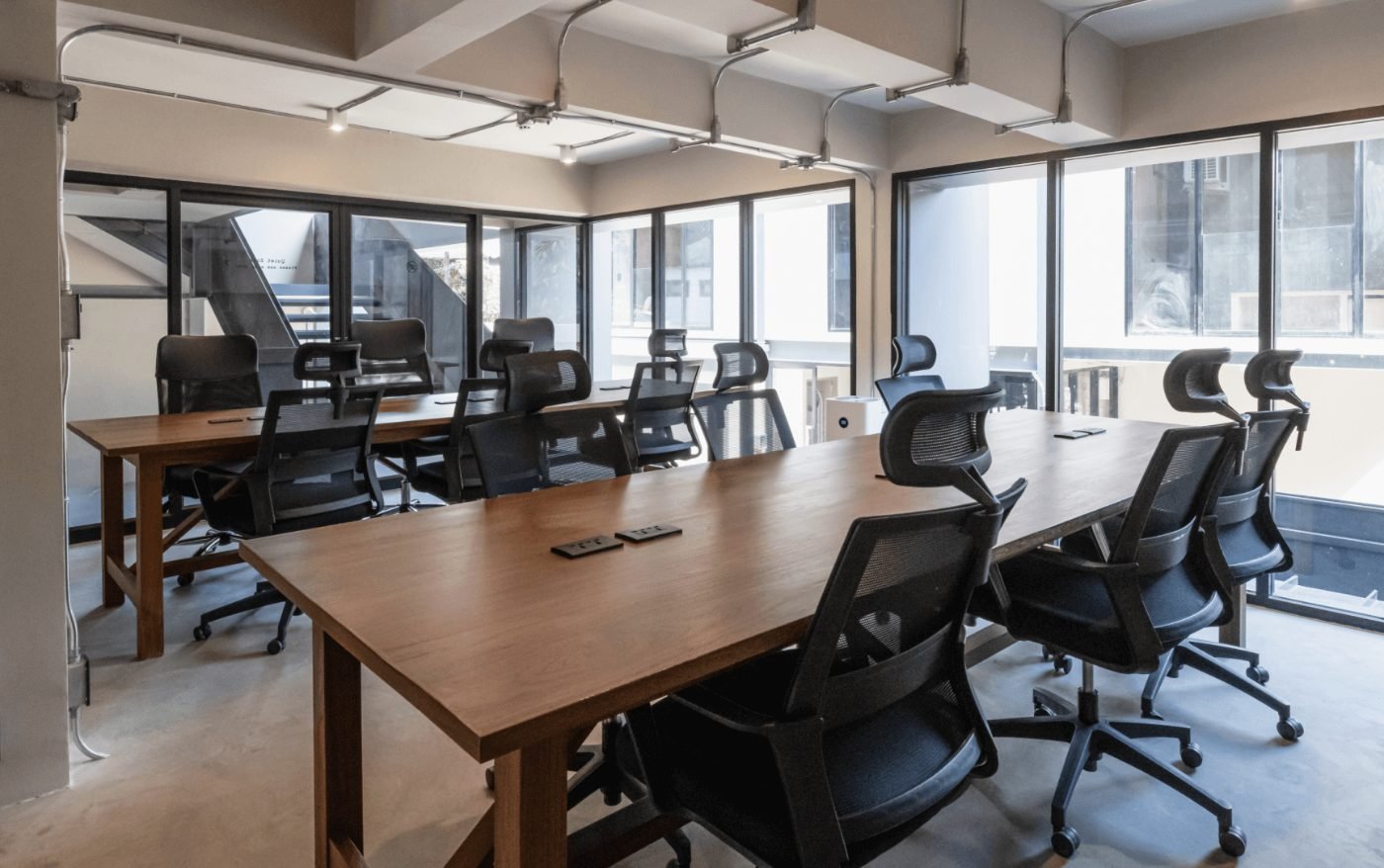
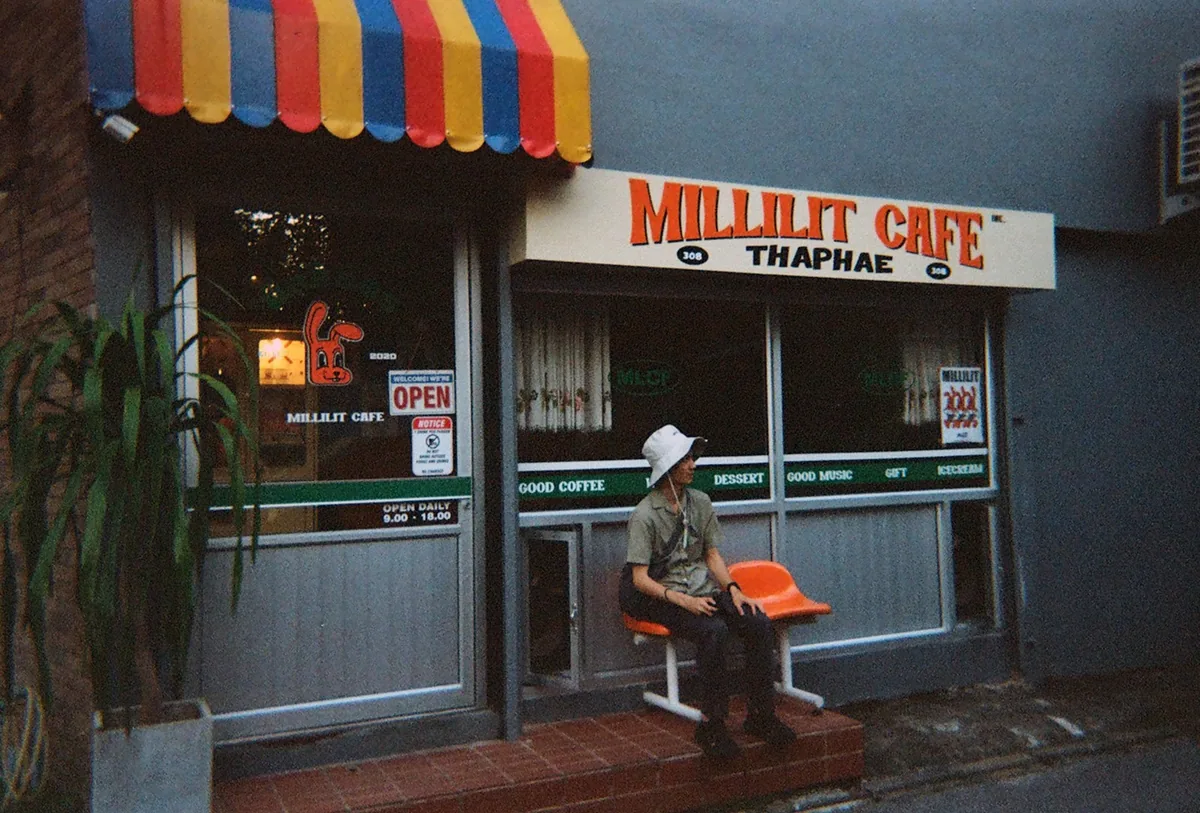
Punspace calls itself the first coworking space in Chiang Mai, open since 2013. Today it runs two locations, both in the old town area: Punspace Wiang Kaew, in a renovated old soda bottle factory with a big courtyard, and Punspace Tha Phae Gate, with a coffee bar downstairs.

What works:
- Office hours 9am to 6pm (Wiang Kaew daily, Tha Phae Gate Monday to Saturday)
- 24/7 access for members, which matters if you work with US time zones
- Private offices and meeting rooms as well as the shared coworking area
What to know. The old Punspace Nimman location is no longer listed on the Punspace website, so if you want to stay in Nimman, count on a short ride to the old town. Check current prices on the Punspace website before you go.
Why We Put This List Together
Chenzo, founder of NomadsToolsLab
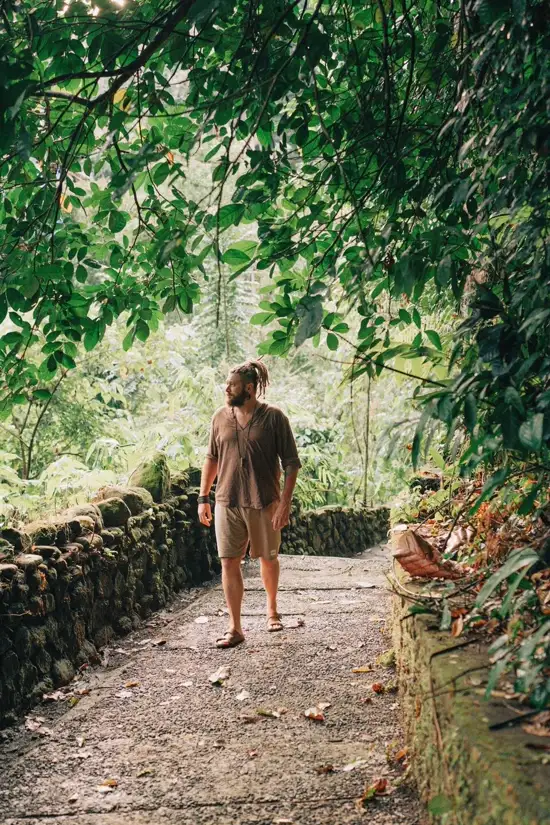
Chenzo has been on the road for 27 years, including 11 years backpacking through South America. He has worked from coworking spaces in hundreds of cities and looks for places with a real community of other digital nomads, since some coworkings end up sitting empty.
2. Hub53 (Coworking Plus Coliving)
Hub53 is a coworking and coliving space for international travelers and digital nomads, on the canal road (Liab Khlong Chonprathan) on the Nimman and Suthep side of the city. You can work there by the day or stay in one of the rooms.
Prices on the Hub53 website (Sept 2026):
- Day access 9am to 6pm: 189 baht
- 24 hours of access: 239 baht
- One month, 9am to 6pm: 1,899 baht
- One month, 24 hour access: 3,299 baht
- Private rooms by the hour, week or month
What to know. Packages include use of a call room for one hour per slot. For a quiet desk at a low monthly price, it is hard to beat.
3. Alt_ChiangMai (Coliving Plus Coworking)
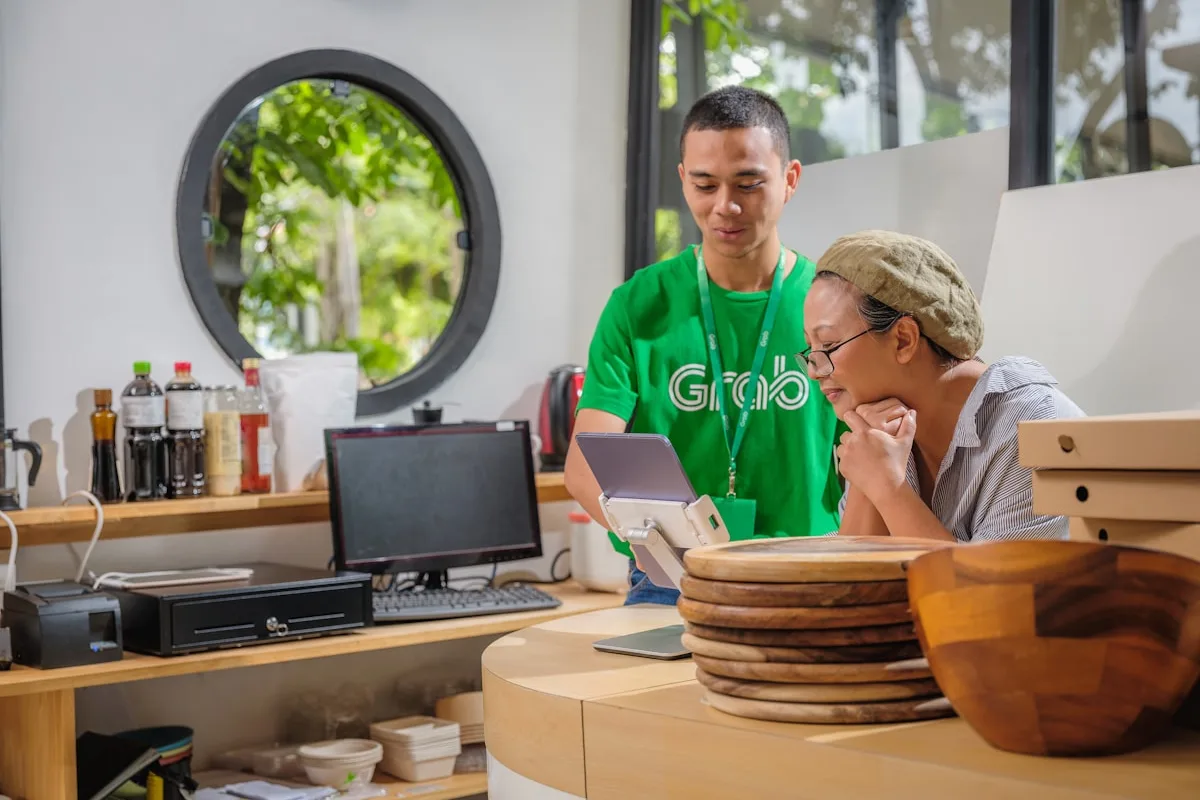
Alt_ChiangMai is a coliving with a coworking space and a cafe, on Inthawarorot Road in the old town. You can sleep, work and meet other nomads in the same building, and the cafe is open from 7:30am to 4:30pm every day. Rates for rooms and desks are on the Alt Coliving website.
No longer on this list: older versions of this guide also recommended Yellow Coworking, CAMP at Maya Mall, Mana Coworking, Life Space and Socialer. We could not confirm that these still operate as described (for example, the Yellow Coworking website no longer loads), so they are out until we can verify them.
None of these spaces guarantee wifi speed in writing. Actual performance varies by time of day and how many people are on video calls at once. If your work depends on uninterrupted calls, test a day pass during your actual working hours before committing to a monthly plan.
Neighborhood Guide
| Neighborhood | Vibe | Closest Coworking | Avg Monthly Rent |
|---|---|---|---|
| Nimman | Trendy, nomad heavy, lots of cafes | Hub53 | 12000-25000 baht |
| Santitham | Local, quieter, cheaper | Hub53 and Punspace (short ride) | 8000-15000 baht |
| Old City | Historic, touristy, central | Punspace (both locations), Alt_ChiangMai | 10000-18000 baht |
| Hang Dong | Suburban, family friendly, far from center | Limited | 10000-16000 baht |
| Riverside | Calm, residential, mid range | None nearby | 12000-20000 baht |
Where To Stay
For a first time stay, Nimman is the obvious answer: dozens of good cafes and restaurants, Hub53 nearby and the nomad community right there. If you plan to work at Punspace every day, the Old City puts you closer. The trade off is higher rent than the rest of the city.
For a second or third stay, try Santitham. It is a 10 minute walk to Nimman, the prices are 30 to 40 percent lower, and you eat in the same local restaurants the Thai families eat in rather than the imported brunch cafes of Nimman. The vibe is more authentic.
For a one week trip, expect to pay 30 to 60 USD per night on Booking for a nice studio in Nimman. For a one month stay you can usually find an apartment direct from a Thai landlord for 12000 to 22000 baht (340 to 620 USD), which is a fraction of what you would pay on Airbnb monthly.
Check Chiang Mai apartments on Booking.com
Coming from Bangkok? Our guide to train and bus travel in Southeast Asia covers the train that runs north to Chiang Mai.
Another place to look for a bed is ZenHotels, where you can search and compare hotels, hostels and apartments.
Compare hotel prices on ZenHotels
Wifi Reality In Chiang Mai
Wifi in Chiang Mai is generally good in coworking spaces and modern apartments, but speeds vary per building, so ask for a recent speed test before a long booking. The trouble spots are older buildings and during the burning season (late February through April, worst in March and April), when occasional power cuts can knock out wifi for hours.
A simple backup: a local AIS or True SIM card with enough data to hotspot from your phone when the wifi fails.
Cafes That Work For Working
Chiang Mai has a big cafe culture. Well known specialty coffee spots include:
- Akha Ama Coffee (several branches) - specialty coffee
- Ristr8to (Nimman) - specialty coffee, busy at peak hours
- Roast8ry (Nimman) - specialty coffee roaster
- Graph (Old City and Nimman) - specialty coffee with a design focus
Laptop policies, wifi and power outlets differ per cafe, so ask before you settle in for a long session.
The Burning Season Warning
Most listings skip this. From late February through April, Chiang Mai goes through the burning season. Farmers in the region burn their fields, and the smoke gets trapped in the valley around the city. The air quality regularly drops to unhealthy or hazardous levels.
If you have any respiratory issues, asthma, or you are sensitive to air pollution, do not come to Chiang Mai between February and April. The rest of the year is fine. November through February is the sweet spot, with cooler temperatures and clean air.
The One Week Test Trip Itinerary
If you are coming to Chiang Mai for the first time, here is a simple flow:
- Stay in Nimman for the first four nights to feel the main nomad area
- Day pass at Punspace and Hub53 on different days to compare
- Move to Santitham or Old City for the last three nights for contrast
- Spend a full day on the moats and old town markets
- Take a Saturday trip up to Doi Suthep or out to the elephant sanctuary
By the end of the week you will know which area fits you and which coworking matches your work style.
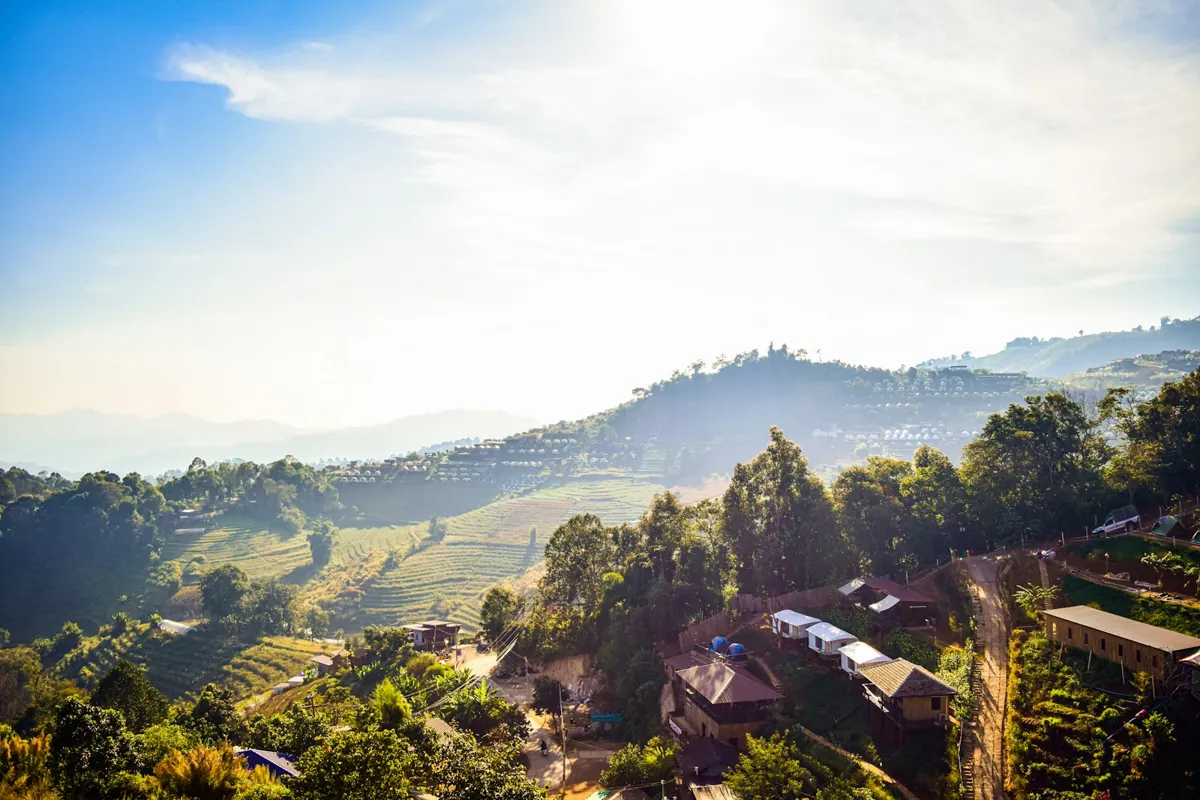
Cost Reality
Chiang Mai is one of the cheapest serious nomad cities in the world. A comfortable monthly budget including a nice apartment in Nimman, coworking membership, eating out twice a day at good local restaurants, and weekend trips runs 1200 to 1800 USD. The same lifestyle in Lisbon is 2500 to 3500 USD. In Bali it is 1800 to 2500 USD. Chiang Mai still wins on price for the quality.
Key takeaways
- Punspace is the most established coworking and a great default. Hub53 is the budget pick, with day access from 189 baht.
- Nimman is the obvious base for a first stay. Santitham is cheaper, and the Old City suits you if Punspace is your daily desk.
- Test a day pass during your actual working hours before committing to a monthly plan.
- Skip the burning season, from late February through April. November through February is the sweet spot.
Staying longer than a tourist stay: Thailand's DTV
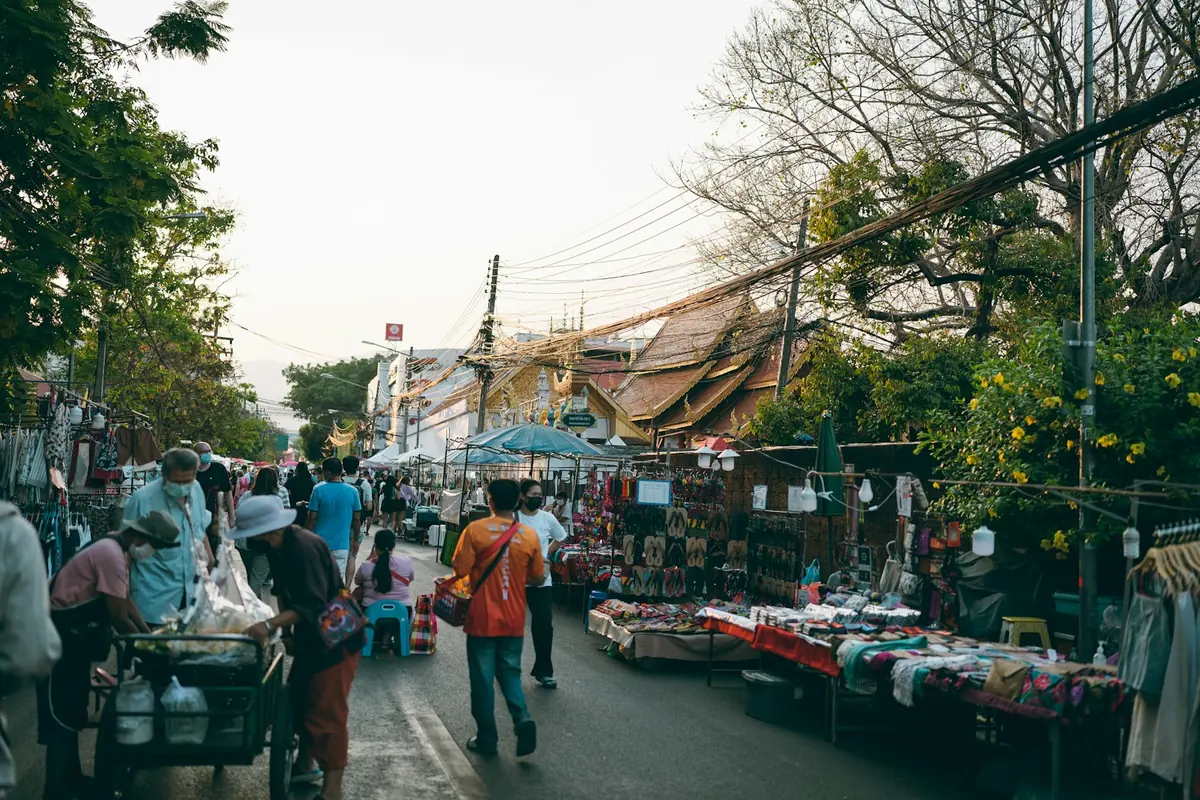
If you plan to base yourself in Chiang Mai for months, look at Thailand's Destination Thailand Visa (DTV), which has a workcation category for remote workers and freelancers. According to Thai Ministry of Foreign Affairs documents, the visa is valid for 5 years, each stay can last up to 180 days and can be extended once inside Thailand. The workcation checklist asks for a bank statement showing at least 500,000 baht over the last 3 months, proof of your income, proof of prolonged residence in Thailand of at least 6 months (such as a rental agreement) and a professional portfolio. Fees and extra documents differ per embassy, so check the one where you apply (Thai MFA checklist, Thai MFA visa sheet).
Final Take
Chiang Mai is still one of the most welcoming, most affordable serious nomad cities. The infrastructure for remote work is dialed, the food is incredible, and the community is the friendliest you will find anywhere. Pick your base by where you will work: Nimman or Santitham for the cafe and nomad scene, the Old City if Punspace is your daily desk.
For the rest of the gear and software side of working from Chiang Mai, our portable monitor guide and VPN comparison are the pieces we pack every time.
Before you fly, see how to set up an eSIM before you land and how travel insurance works for nomads.
FAQ
Is Chiang Mai still a good city for digital nomads?
Yes. The coworking scene has matured, the wifi is reliable, the cost of living is still one of the best in Asia, and the nomad community is friendly. Avoid the burning season (late February through April) and the rest of the year is excellent.
How much does a coworking space cost in Chiang Mai?
At Hub53, day access costs 189 baht and a month from 1,899 baht (Hub53 website, Sept 2026). Check Punspace and Alt_ChiangMai for their current rates. Punspace and Hub53 are the two best serious options.
What is the best neighborhood for digital nomads in Chiang Mai?
Nimman for nomad density and walkability. Santitham for cheaper rent and a more local feel, still 10 minutes from Nimman. The Old City is where both Punspace locations are.
Is wifi fast in Chiang Mai?
Generally yes in coworking spaces and modern apartments, but speeds vary per building. Ask for a recent speed test before you book a long stay.
How much does it cost to live in Chiang Mai per month?
1200 to 1800 USD for a comfortable lifestyle including a nice apartment in Nimman, coworking membership, eating out twice a day, and weekend trips. Cheaper than almost any other serious nomad city.
Updated:
Affiliate disclosure. This post contains affiliate links. If you click and buy something, this site earns a small commission at no extra cost to you. Picks are based on published specs, independent reviews and manufacturer information, and we only recommend what we would use ourselves. As an Amazon Associate I earn from qualifying purchases. Read the full affiliate disclosure.