
1 Month in Bali Budget: Where to Stay, Work and Explore (2026)
Some links on this page earn us a small commission, at no extra cost to you. Full disclosure.
Quick answer
A comfortable 1 month Bali budget is about 1500 USD for one person, 900 USD if you live local and 2300 USD with a pool villa. Base yourself in Canggu for the social scene or Ubud for calm, and sort insurance and mobile data before you land. Here is the 1 month in Bali budget, broken down by cost and area.
Quick links


We have been to Bali more times than we can count, and first timers always ask us the same thing: how much does a month really cost? You will read that 500 dollars is enough. That is true if you sleep in a hostel and eat only at warungs. For a nomad with a real apartment, fast wifi, a scooter and the odd nice dinner, a 1 month Bali budget is closer to 1500 to 2500 dollars.

Below is our real breakdown: the numbers, the areas we keep going back to, and the choices that save the most money without spoiling the trip.

Chenzo, founder of NomadsToolsLab, at a traditional Balinese guesthouse.
The Real Numbers: A 1 Month Bali Budget
What a comfortable month costs for one person working remotely, eating out most meals and riding a scooter everywhere:
| Category | Budget | Mid Range | Comfortable |
|---|---|---|---|
| Accommodation | $400 | $700 | $1100 |
| Food | $250 | $400 | $600 |
| Coworking | $80 | $120 | $180 |
| Scooter rental | $70 | $80 | $100 |
| Activities and trips | $80 | $150 | $250 |
| SIM card and misc | $30 | $50 | $70 |
| Total per month | $910 | $1500 | $2300 |
The 1500 USD mid range is what most nomads we know actually spend. 900 USD works if you live mostly local and skip the nicer dinners. 2300 USD buys a villa with a pool, trendy dinners a few times a week and real weekend trips.
Two entry costs sit outside the table above. Indonesia's immigration site lists the Visa on Arrival at Rp 500,000, valid for 30 days, extendable once for another 30 days, and for tourism activities only (imigrasi.go.id, checked 5 October 2026). Bali also charges every foreign visitor a tourist levy of Rp 150,000, paid on the official Love Bali site (lovebali.baliprov.go.id, checked 5 October 2026). Rules and fees change, so confirm both before you fly.

Where To Stay (And Why It Matters)
Your neighborhood matters more than your budget. Bali feels very different from one side of the island to the other, and the wrong base can spoil a first stay. These are the four areas nomads choose from.
Canggu (Best for First Time Nomads)
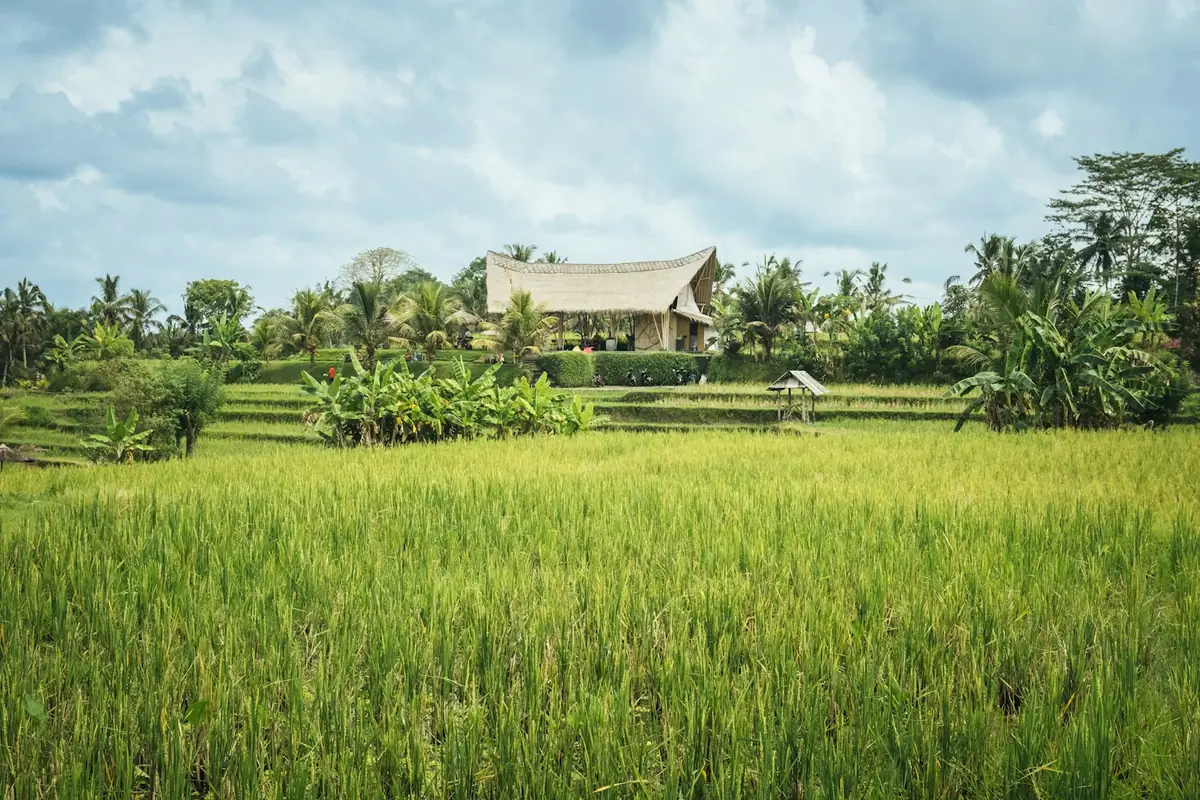
Most people start here. Canggu has the strongest cafe scene, good coworking, the beach on your doorstep and an easy social life. The downside is traffic and crowds, and the rice fields you see on Instagram are shrinking fast.
Average rent: 800 to 1400 USD for a nice studio or one bedroom with pool access. Monthly direct rentals can drop to 600 to 900 USD if you find a place outside the trendy Echo Beach area.
Ubud (Best for Calm and Yoga)
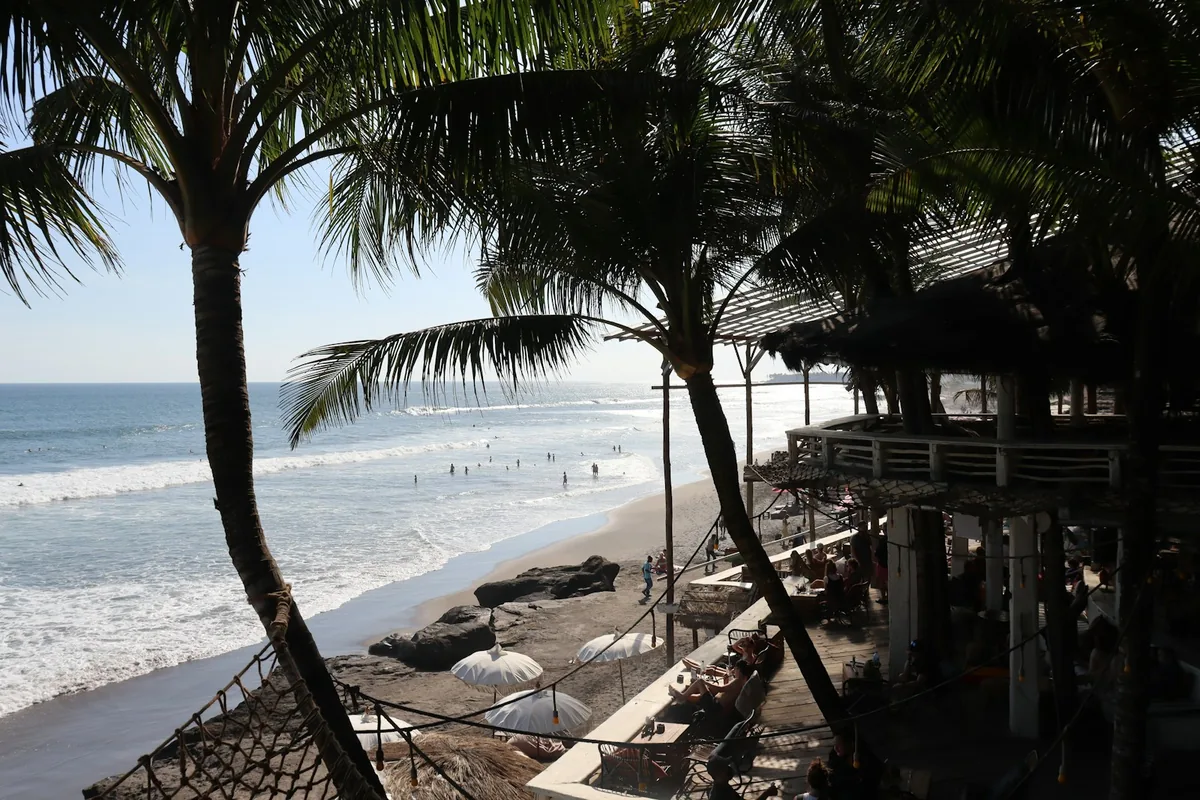
The green, jungle, yoga side of Bali. If you came to slow down, practice yoga in the morning and walk the rice terraces, Ubud is your answer. Coworking is smaller than in Canggu (Outpost runs a coliving and coworking space in Penestanan), traffic is a little calmer and prices are a little lower.
Average rent: 600 to 1100 USD for a nice studio. Many places include daily breakfast, which is a small detail that adds up over a month.
Uluwatu (Best for Surfers and Calm Beach Life)
The southern peninsula of cliffside beaches and world class surf. Coworking is smaller (BWork has a space in Uluwatu), but the rhythm is lovely: surf, work, sunset on the cliffs, repeat. It is spread out, so you need a scooter.
Average rent: 700 to 1200 USD for a nice studio with ocean breeze.

Sanur (Best for Quiet Long Term Living)
The calmer, older Bali, with more families and long term residents. Staying two or three months and want a quiet base with a beach promenade walk every day? Sanur is the underrated pick. Wifi is reliable, prices are about 30 percent lower than Canggu and the food is local rather than imported.
Average rent: 500 to 900 USD for a nice studio.
The four areas at a glance
| Area | Best for | Average rent |
|---|---|---|
| Canggu | First Time Nomads | 800 to 1400 USD for a nice studio or one bedroom with pool access |
| Ubud | Calm and Yoga | 600 to 1100 USD for a nice studio |
| Uluwatu | Surfers and Calm Beach Life | 700 to 1200 USD for a nice studio with ocean breeze |
| Sanur | Quiet Long Term Living | 500 to 900 USD for a nice studio |
How To Find Accommodation
For your first week, book through Booking.com or Airbnb. Landing somewhere flexible and seeing the real rental market first is worth the slightly higher nightly rate.
Then spend your first few days walking the neighborhoods, asking cafes about monthly rentals and checking Facebook groups like "Bali Long Term Rentals" and "Canggu Community." Direct rentals from Balinese owners run 30 to 50 percent below Airbnb monthly rates, and the houses are often nicer. Our rule: first week on a booking platform, then a direct rental.
Another place to look for a bed is ZenHotels, where you can search and compare hotels, hostels and apartments.
Compare hotel prices on ZenHotels
Coworking Reality
Bali has a big coworking scene. Spaces we could verify on their own websites (Sept 2026):
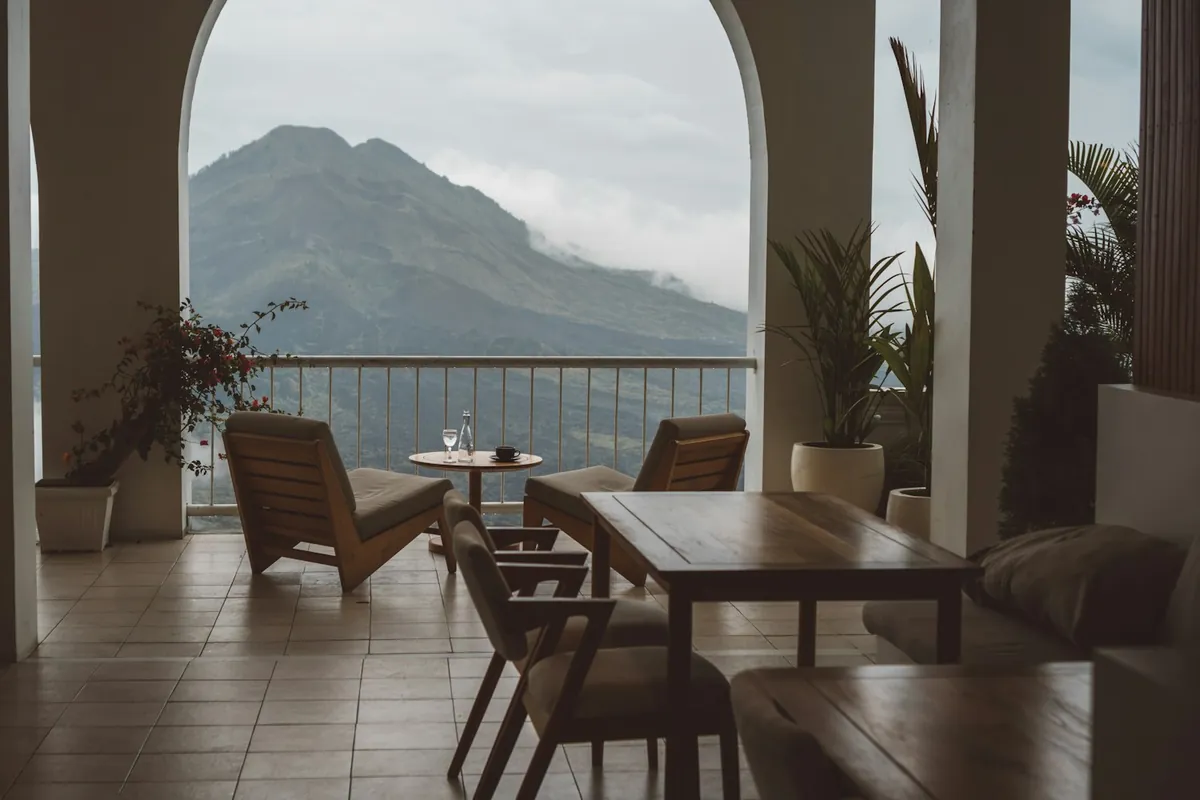
- BWork Bali (Canggu and Uluwatu) - coworking space and cafe with community and wellness sessions
- Outpost Penestanan (Ubud) - coliving and coworking in the heart of Ubud
For 80 to 180 USD a month you get a desk that beats most cafes for focused work. Worth it if you work away from your apartment more than two or three days a week.
Food: How To Eat Well For Cheap
Food is where Bali budgets split the most. A warung (small local restaurant) meal costs 2 to 4 USD, a trendy Canggu cafe 8 to 15 USD, a high end restaurant 20 to 40 USD. Most nomads mix all three.
The 1500 USD mid range budget assumes:
- One warung meal per day (3 USD)
- One mid range cafe meal per day (10 USD)
- One light breakfast or coffee at a cafe (3 to 5 USD)
- One or two nicer dinners per week
Cooking some meals at home saves another 100 to 200 USD. Coco Mart, Pepito and Bali Buda (organic) are good supermarkets.
Transport: The Scooter Is The Move
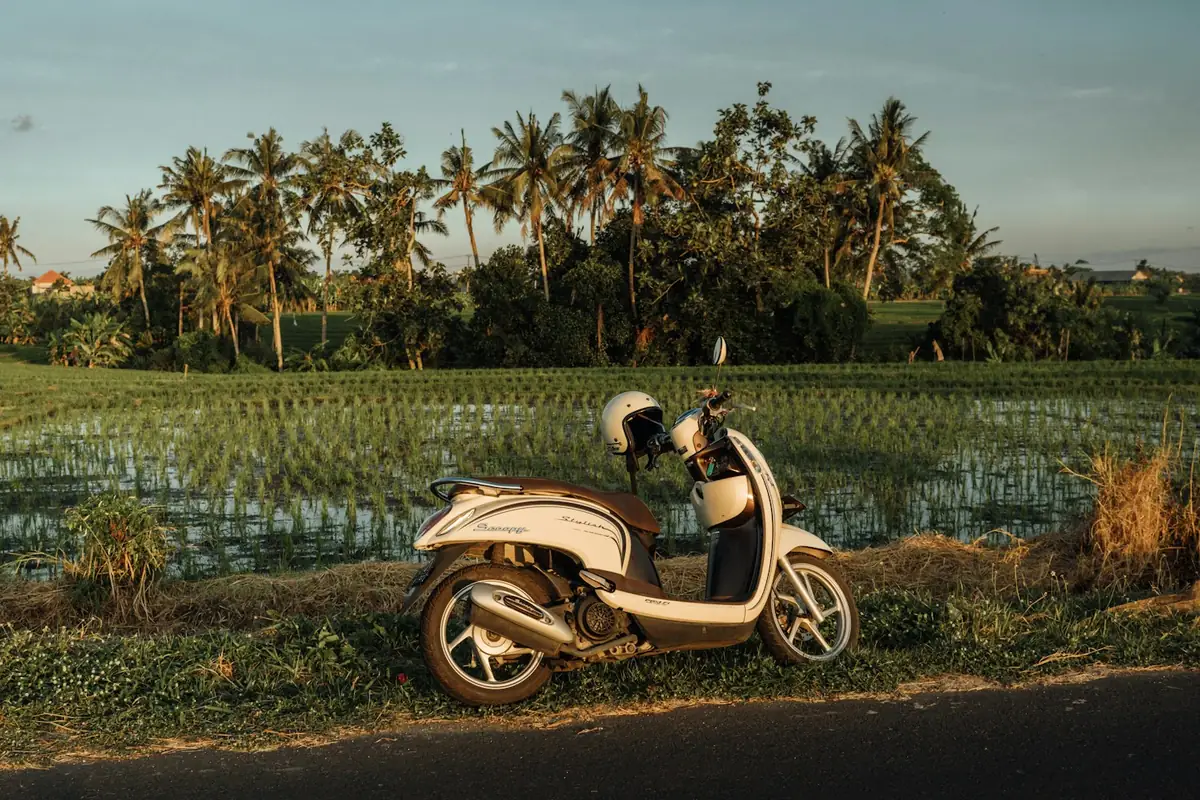
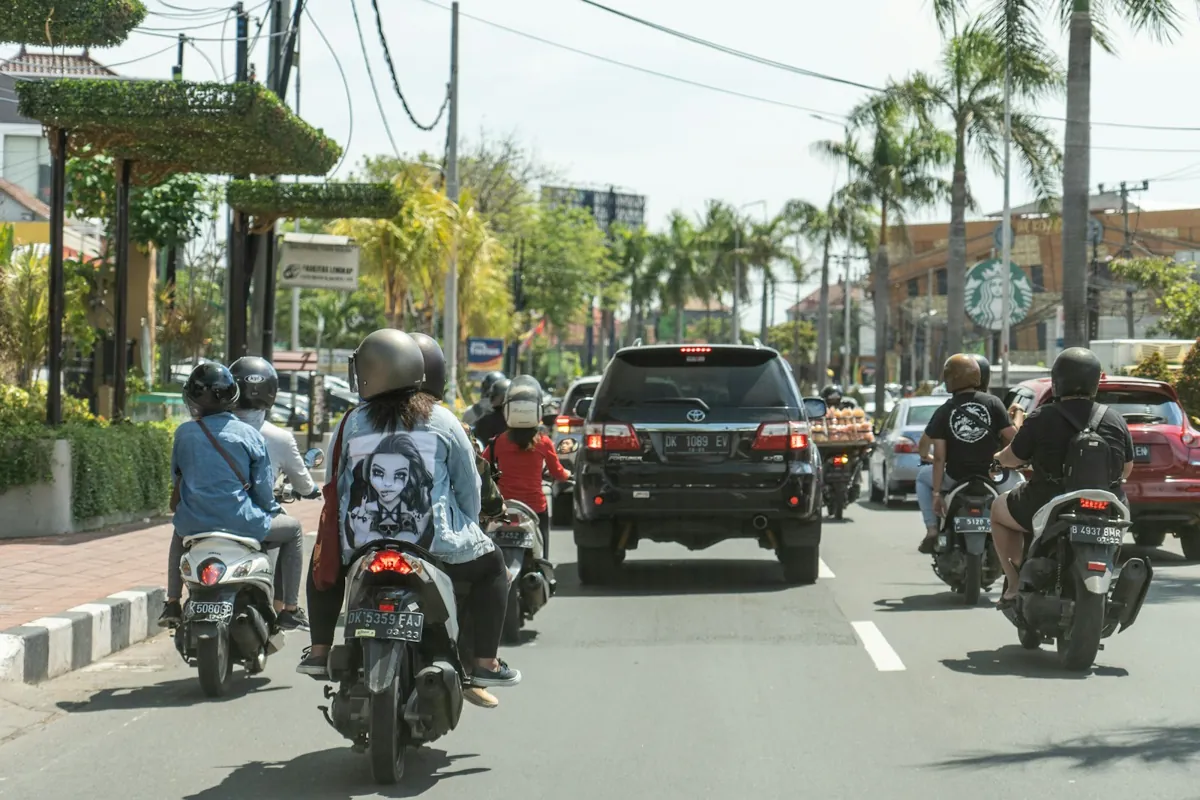
A scooter is what makes Bali work. The island is too spread out to walk, and Gojek (the ride app) adds up fast at three or four trips a day.
Rentals run 1 to 1.5 million IDR a month (65 to 100 USD) or about 70k IDR (4.50 USD) a day. Most come with two helmets, a phone holder and basic insurance.
An international driving permit is required and police checks are common, especially in Canggu and Uluwatu. Riding without the right documents can mean a fine and can give your travel insurer a reason not to pay after an accident. Get the IDP at home before you fly and skip the headache.
And wear a helmet that actually fits. Buy your own if the rental one is flimsy. Most accidents we have seen here would have been minor with a proper helmet.
Activities Worth Doing
- Sunrise hike up Mount Batur (with a local guide)
- Day trip to the Sidemen rice terraces (way less touristy than Tegalalang)
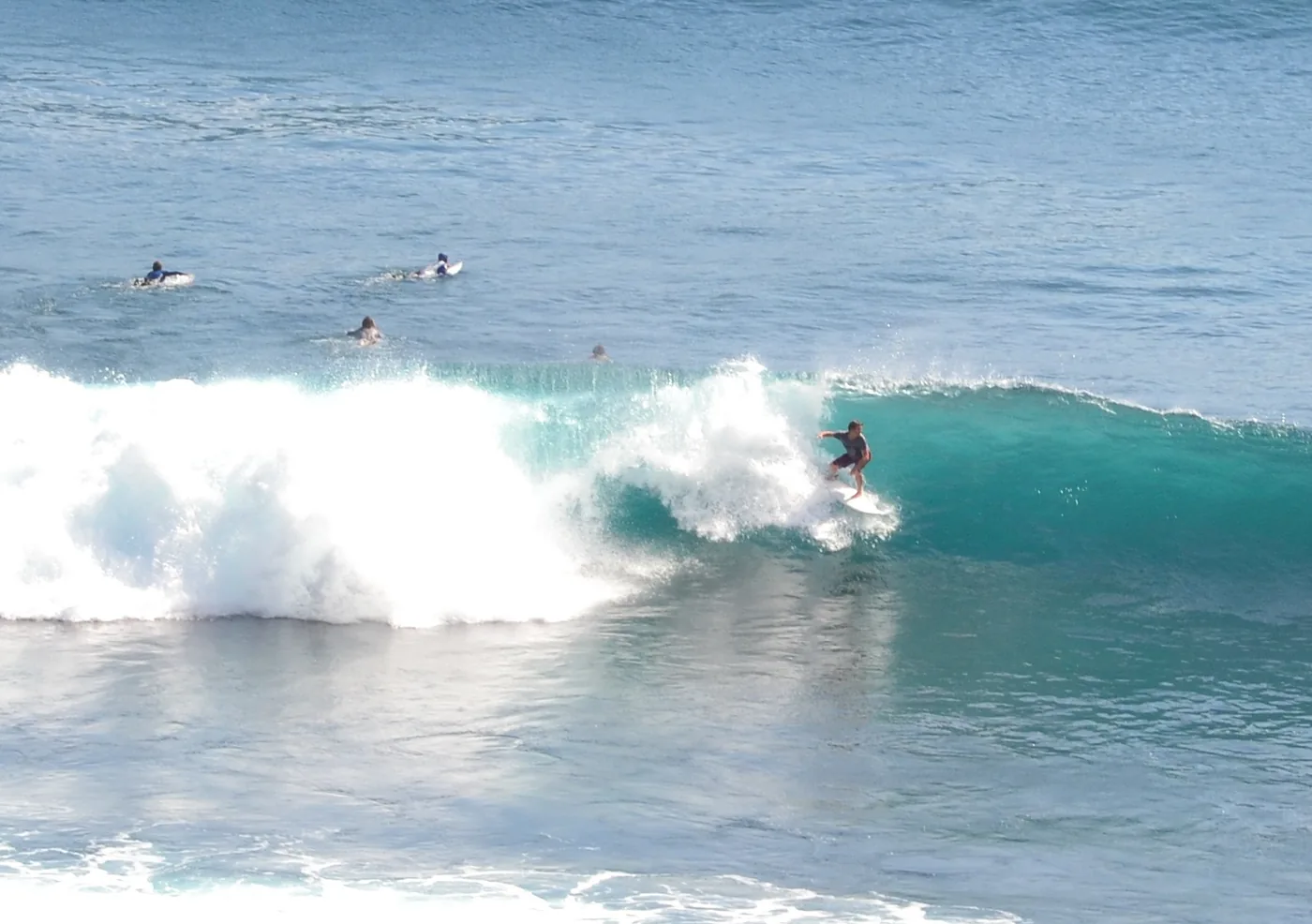
- Surf lesson in Canggu or Uluwatu
- Tirta Empul water temple at sunrise (free except small donation)
- Ferry day trip to Nusa Penida (Kelingking Beach is worth the chaos)
- Yoga retreat day in Ubud at Yoga Barn or Radiantly Alive
Want to book that surf lesson? Our guide to the best surf spots for digital nomads covers Canggu and Uluwatu with season and level.

Most of these are easy to book ahead on Klook if you like a fixed price. Skip the swing photo spots: overpriced, and the same shot is already on every feed.
SIM Card And Internet Backup
Telkomsel SIM cards are sold at the airport. Data bundles are cheap, but prices and package sizes change often, so compare the current bundles before you buy.
Would you rather land with data already working? An eSIM from Airalo is installed on your phone before you fly, so there is no airport queue.
A good move for any stay over a week: a local Telkomsel SIM as backup, and a day one test that you can hotspot to your laptop. When the villa wifi has a bad day, you still finish your work.
The One Month Itinerary That Works
- Week 1: Settle in Canggu. Book an apartment for three nights while you find a longer rental. Get a scooter and a SIM, try two coworking spaces.
- Week 2: Stay in Canggu and do day trips to Ubud, Sidemen and Mount Batur. Find your work rhythm.
- Week 3: Move to Ubud for a slower week, with Outpost Ubud as your coworking.
- Week 4: End in Uluwatu with cliffside sunsets and some surf.
Three sides of Bali in one month, without rushing. Several short stays cost a bit more than one monthly rental, but you get three very different versions of the island.
What Most First Timers Get Wrong
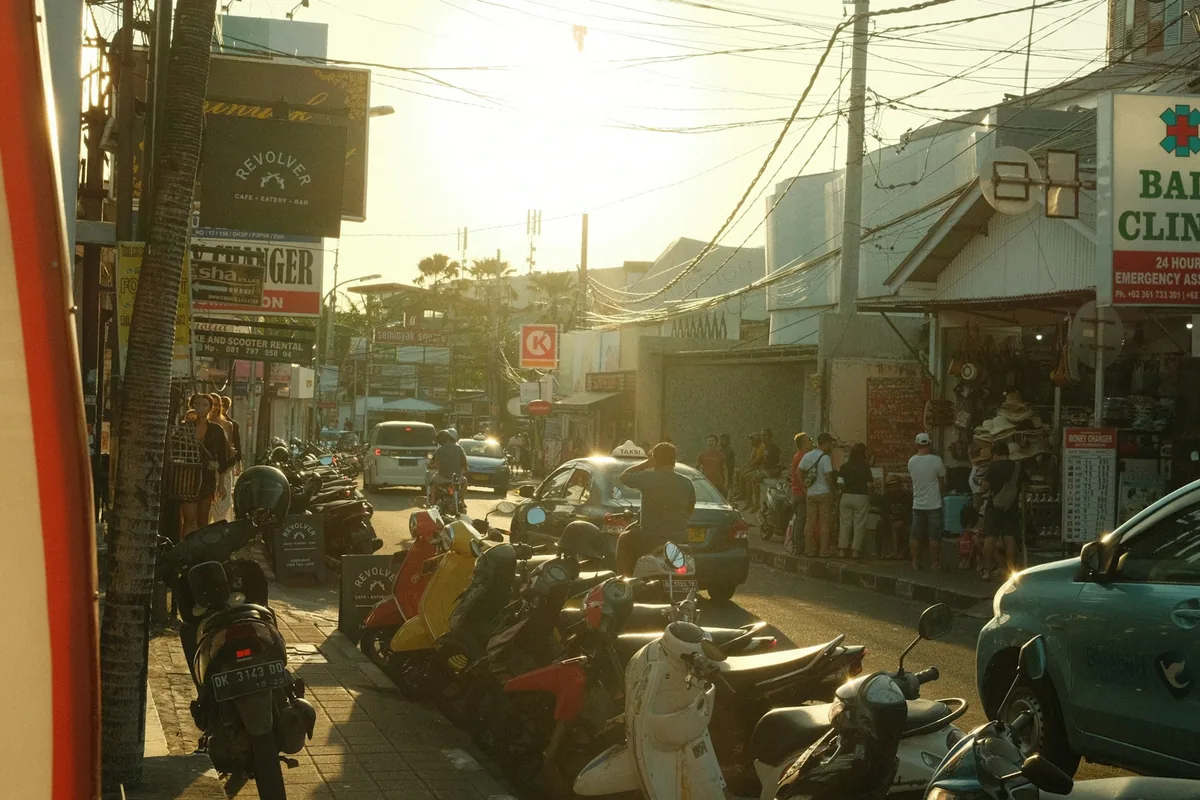
Mistake one: staying in Kuta or Seminyak. These are the old tourist zones with heavy traffic and not much for working nomads. Canggu is 20 minutes north and is where the nomad scene lives.
Mistake two: booking the whole month on Airbnb before you arrive. Book a week, then find a direct rental. That saves 200 to 500 USD over the month.
Mistake three: underestimating the wet season (November to March). It rains hard and often, and the west coast surf gets messy. If you can choose, come between May and October.
Key takeaways
- A comfortable 1 month Bali budget is about 1500 USD, 900 USD if you live local and 2300 USD with a pool villa.
- Canggu is the social base, Ubud the calm one, Uluwatu is for surfers and Sanur for quiet long stays.
- First week on a booking platform, then a direct rental. That saves 200 to 500 USD over the month.
- Rent a scooter, carry an international driving permit and wear a helmet that fits.
- Come between May and October if you can choose, because the wet season runs November to March.
Final Take
Bali still earns its spot as a top nomad destination, even though it has changed a lot. Cheap paradise exists if you live local. For most nomads, a comfortable month with a nice apartment, good food, a scooter and weekend trips costs 1500 to 2000 USD. That is still one of the best lifestyle to cost ratios in the world.
For the rest of the Bali setup, our VPN guide, portable monitor picks and travel insurance comparison are the pieces we always check before flying in.
Before you go
Three things to sort before your Bali month: health cover that includes scooter accidents, data on your phone when you land, and your big day trips.
FAQ
How much does it cost to live in Bali for a month?
A comfortable budget is 1500 to 2300 USD per month for one person, including a nice apartment, coworking, scooter, food and activities. Budget travelers can live on 900 to 1200 USD with smart choices.
What is the best area in Bali for digital nomads?
Canggu for the strongest cafe and coworking scene. Ubud for calm and yoga. Uluwatu for surf and quieter beach life. Sanur for long term residents. Most first timers start in Canggu.
Is wifi good in Bali?
Yes in coworking spaces and modern villas (100 to 200 Mbps). Older apartments and remote areas can have slower wifi (20 to 60 Mbps). Always ask the host for a Speedtest screenshot before a monthly booking.
Do I need a visa for Bali as a digital nomad?
Most nationalities can enter Indonesia on a Visa on Arrival (30 days, extendable to 60 days) or apply for a longer visit visa online before you fly. For longer stays, Indonesia's official eVisa site also lists a Remote Worker visa and a Second Home visa. Check current rules on evisa.imigrasi.go.id before flying.
Is Bali safe for solo digital nomads?
Yes, especially in Canggu, Ubud and Uluwatu where the nomad community is strong. The biggest safety risk is scooter accidents, not crime. Wear a helmet that fits, take it slow until you know the roads, and get travel insurance (for example SafetyWing) that covers scooter use.
How much is the Bali tourist levy?
The levy for international tourists is Rp 150,000 per person, paid on the official Love Bali site (lovebali.baliprov.go.id, checked 5 October 2026). You receive a voucher with a QR code by email after you pay.

SafetyWing
Updated:
Affiliate disclosure. This post contains affiliate links. If you click and buy something, this site earns a small commission at no extra cost to you. Picks are based on published specs, independent reviews and manufacturer information, and we only recommend what we would use ourselves. As an Amazon Associate I earn from qualifying purchases. Read the full affiliate disclosure.