
Camino Frances Packing List: What to Bring on the French Way
As an Amazon Associate I earn from qualifying purchases. Some links on this page earn us a small commission, at no extra cost to you. Full disclosure.
A pilgrimage is your own deep journey, symbolically towards the divine within. You connect in the silence of nature and notice along the way that God walks with you, step by step, through every landscape. The Camino Frances asks respect for its tradition and practical choices for its climate. From the Pyrenees in spring snow to Galicia's autumn rain and the summer heat of the Meseta, your Camino Frances packing list needs gear that keeps your feet dry, your pack light and your body ready for 780 km.
Quick answer
Checked on 25 October 2026. The core kit for the French Way is solid leather boots for wet stages, wool socks with a spare pair, a 35 to 40 litre pack at around 7 kg, a liner for shared bedding, with a sleeping bag suited to the season and accommodation, and blister care from day one. Rain gear and a headlamp complete the list.
All 7 picks at a glance
Meindl Bhutan MFS
Handles Pyrenees climbs, spring wet and Galicia rain with ankle support Read more
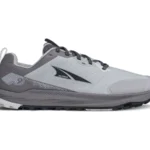

Darn Tough Hiker Micro Crew Midweight
Merino blend, cushioned underfoot and guaranteed for life Read more

Compeed Blister Plasters, mixed sizes
Thick cushioning that stays on up to 7 days, water resistant Read more
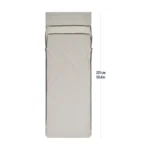
Sea to Summit Silk Blend Liner
Clean liner for albergue beds, adds warmth on cold mountain nights Read more

Osprey Exos 38
Ventilated back panel and hip belt pockets for a 9 kg load Read more
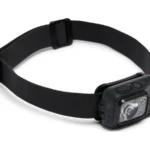
Black Diamond Spot 400
Lights the path before dawn, red mode for quiet dark dorms Read more
How we chose this gear
We read the official pages of the Pilgrim's Office, Spain.info and the Confraternity of St James, plus every maker page, and checked availability on Amazon in the US, Germany, Spain and the Netherlands.
The French Way: terrain and stages
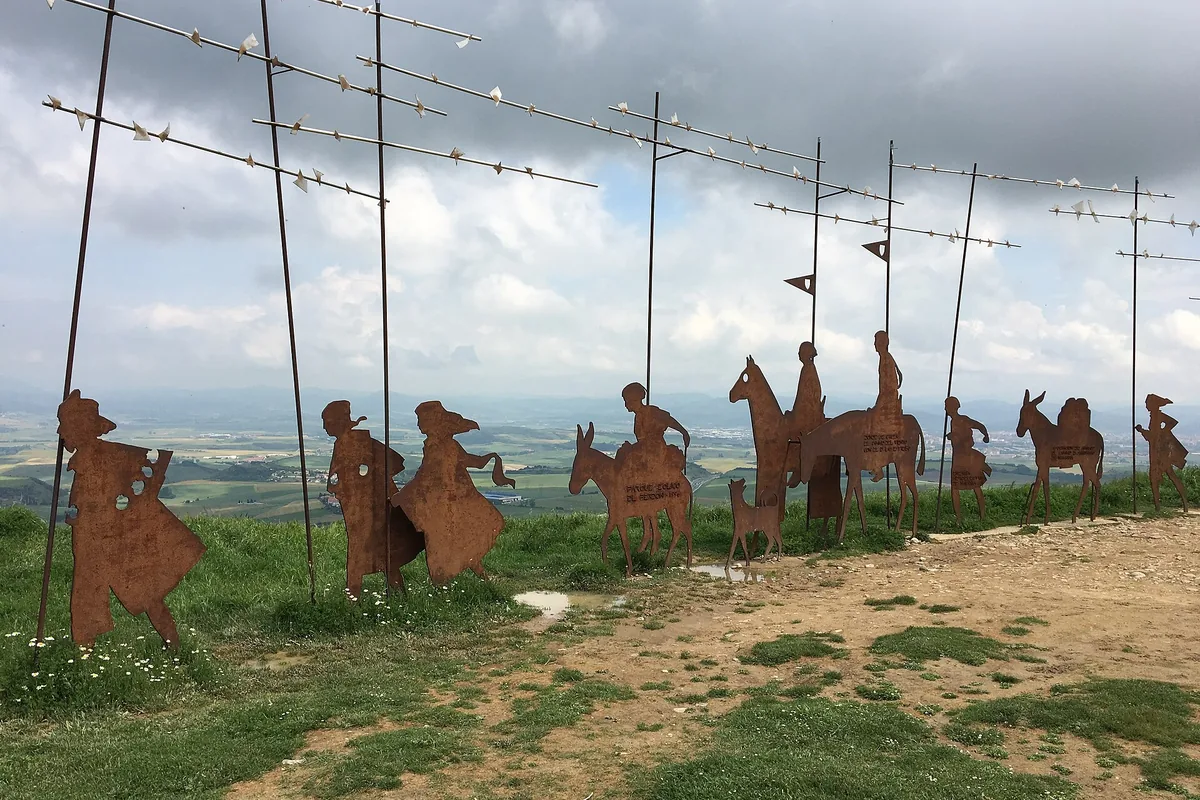
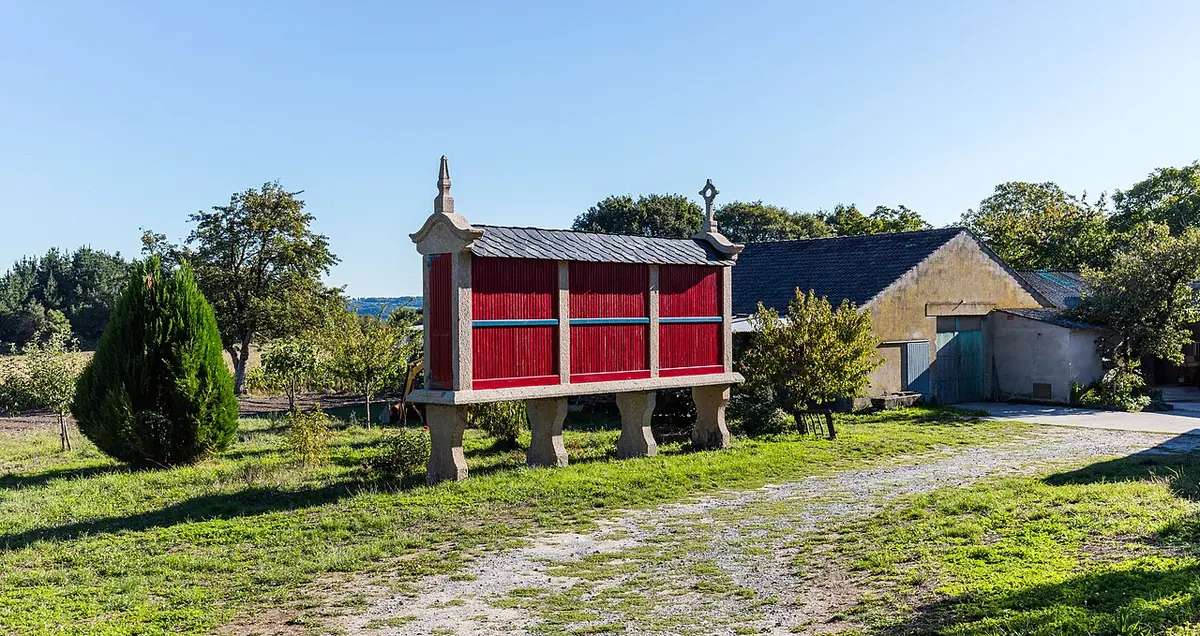
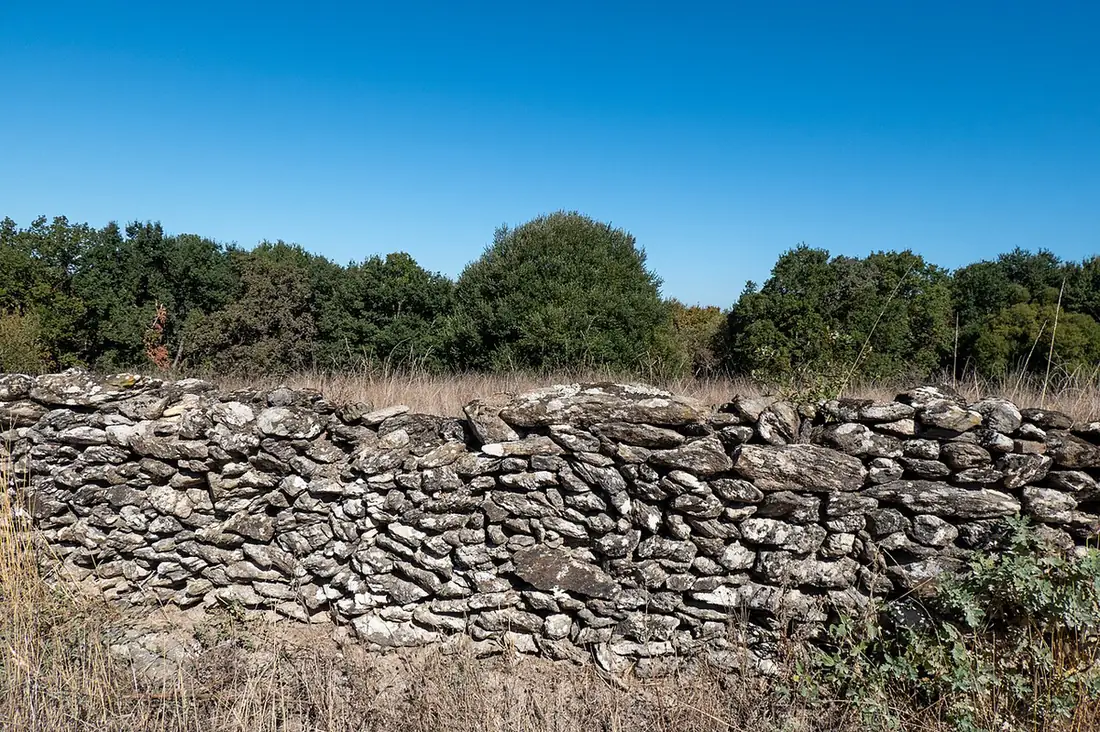
The Camino Frances crosses the Pyrenees, then woods, hills and farmland, the undulating Meseta between Burgos and Leon, the Montes de Leon with the Cruz de Ferro at about 1,500 m, and green Galicia with old walled lanes. The O Cebreiro stretch is described as quite difficult but very beautiful. Fountains and springs are common, so drink regularly.
Accommodation is in pilgrim hostels, hostales, pensiones, rural houses and some summer campsites. Public albergues cannot be booked, first come first served, walkers first. They open around midday, quiet from 21:00 or 22:00, and you leave by 8:00 or 9:00. Spain.info says if you sleep in hostels, a sleeping bag and mat are a must.
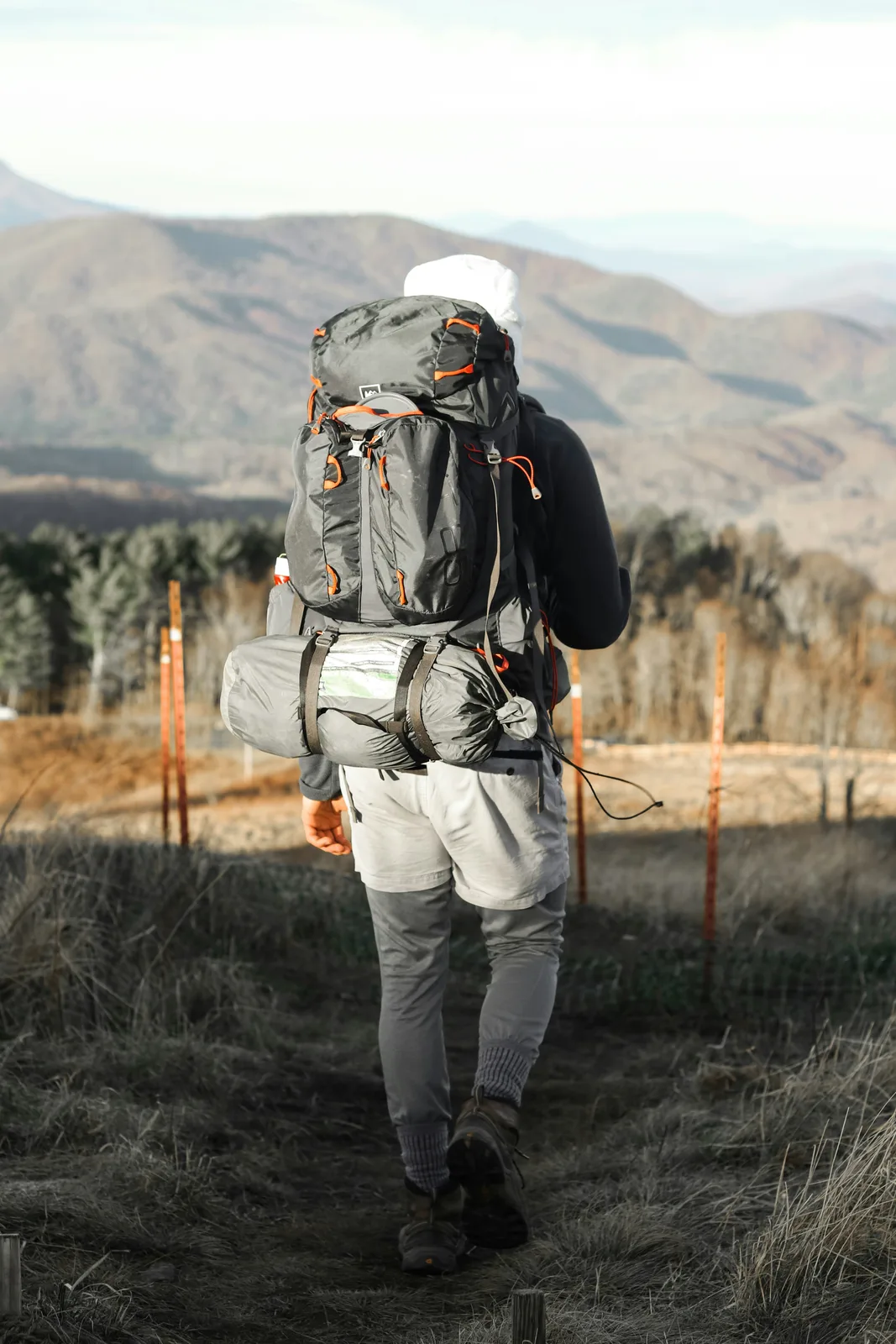
Pack weight should be about 7 kg or less and no more than 10 percent of your body weight, with a 35 to 40 litre pack. Wild camping rules are not clear for the regions on this route and hostels are the norm, so check local rules. A tent or hammock is not needed here. For readers who still think about it, our camping hammock guide exists.
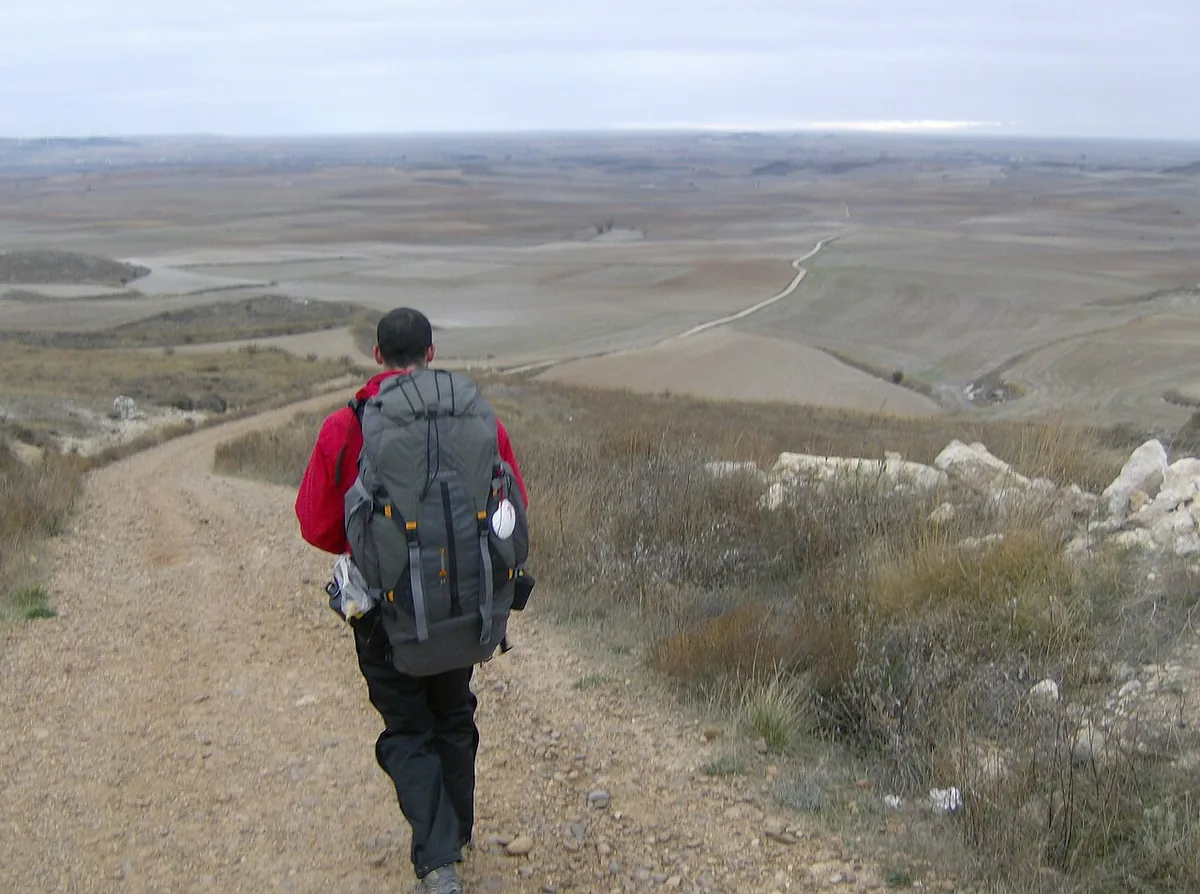
Best seasons for the French Way
These are historical climate averages (AEMET, 1981 to 2010) for the named stations, not a forecast for your walking dates.
| Season | What to expect | What to add |
|---|---|---|
| Spring | What to expect: The wettest season with snow possible in the Pyrenees and higher stretches. Pleasant temperatures but pack for wet days and cold nights. | What to add: Waterproof leather boots, rain jacket, sleeping bag liner for cold albergue nights, and a spare pair of wool socks in a dry bag. |
| Summer | What to expect: Avoid walking in the hottest hours. Average July highs around 27 C in Burgos and Leon, night lows around 11 to 14 C. | What to add: Light trail shoes or breathable boots, a sun hat, and carry more water. A quick dry towel helps cool your feet in breaks. |
| Autumn | What to expect: September and October are pleasant, but Galicia gets heavy rain from October onwards. Pack for wet and cooler evenings. | What to add: Waterproof boots, rain gear, a liner for cooler nights, and spare wool socks in a dry bag. |
| Winter | What to expect: Fewer albergues open, snow possible, and average January night lows below zero in Burgos and Leon. Not advised. | What to add: If you go, bring a warmer sleeping bag, insulated layers, gloves and a warm hat, and leather boots with a waterproof lining. |
Weather challenges and what to pack
On the French Way, Galicia can have heavy rain at any time of year, July afternoons on the Meseta are hot, and in winter the average night lows in Burgos and Leon drop below zero. The table below shows what to watch and what to pack for each type of weather.
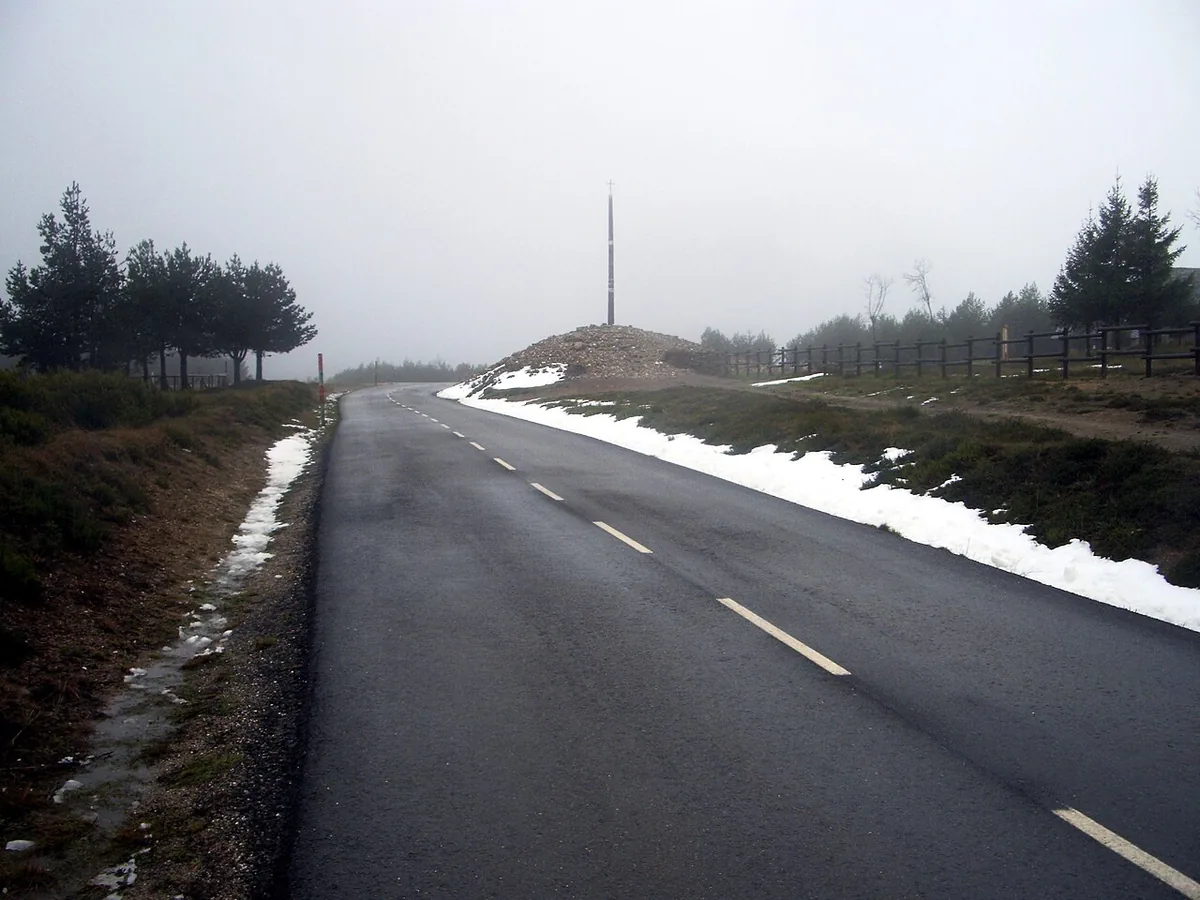
| Weather | What to watch for | What to pack |
|---|---|---|
| Rain | What to watch for: Galicia can have heavy rain at any time of year. Spring is the wettest season overall. Friction causes many foot blisters; change damp socks and address rubbing promptly. | What to pack: Waterproof leather boots, a rain jacket, a pack cover or liner, and a spare pair of dry socks in a sealed bag. |
| Heat and sun | What to watch for: The Meseta in July and August gets very hot. Walk early morning and late afternoon, rest at midday. | What to pack: Light breathable shoes if the route is dry, a sun hat, and carry enough water. A microfibre towel cools your feet in breaks. |
| Cold and cold nights | What to watch for: Average January night lows are below zero in Burgos and Leon, and snow is possible in the Pyrenees and the mountains in winter and early spring. Spring is also the wettest season. | What to pack: Sleeping bag liner adds warmth in a cold dorm, a warm base layer, and a hat for early morning starts. |
| Wind or mist (hills) | What to watch for: The Meseta is a high, open plateau and the Pyrenees and Montes de Leon are exposed passes. Early starts in spring and autumn are cool. | What to pack: A windproof layer over your base layer, and a buff or scarf for your neck. |
| Changeable weather (layers) | What to watch for: Spring and autumn bring sun, rain and cold in one day. Layers you can add and remove save you from overheating or freezing. | What to pack: A base layer, a fleece or light insulated jacket, a waterproof shell, and a spare pair of wool socks. |
Choosing boots or trail shoes
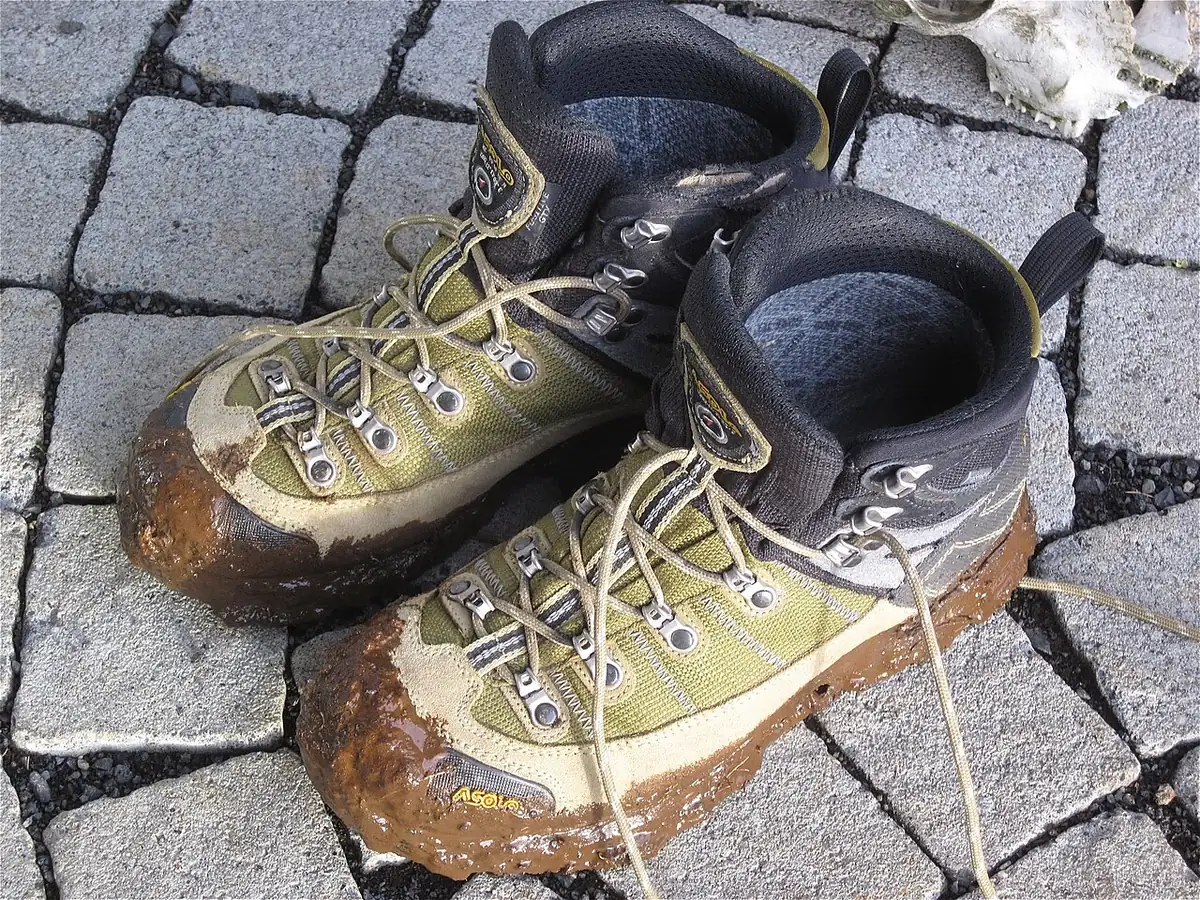
The French Way is long and varied. Wet spring days in the Pyrenees, the stony climb to O Cebreiro and Galicia's rain all ask for waterproof leather boots with ankle support, with a Vibram sole for wet stone. The limitation is weight and warmth on hot summer Meseta days, and leather boots need breaking in before you start.
A light trail shoe like the Altra Lone Peak works for a dry summer if you are used to zero drop and do not need ankle support. The limitation is that mesh is not waterproof and gives no protection in spring or autumn rain. For wet seasons or mixed terrain, pick leather.
Keeping your feet dry and blister-free
Wear well-fitting shoes and break new shoes in gradually with short walks before the Camino. Wear moisture-wicking wool socks, change sweaty or damp socks, and tape hot spots early before they become blisters. Wash, dry and air your feet daily.
Carry a spare pair of socks in a small dry bag inside the pack. Wash them in the albergue sink and hang them on the outside of the pack with a safety pin to finish drying while you walk. Never put on damp socks for a long stage. If a blister forms, hydrocolloid plasters cushion it and can stay on up to 7 days.
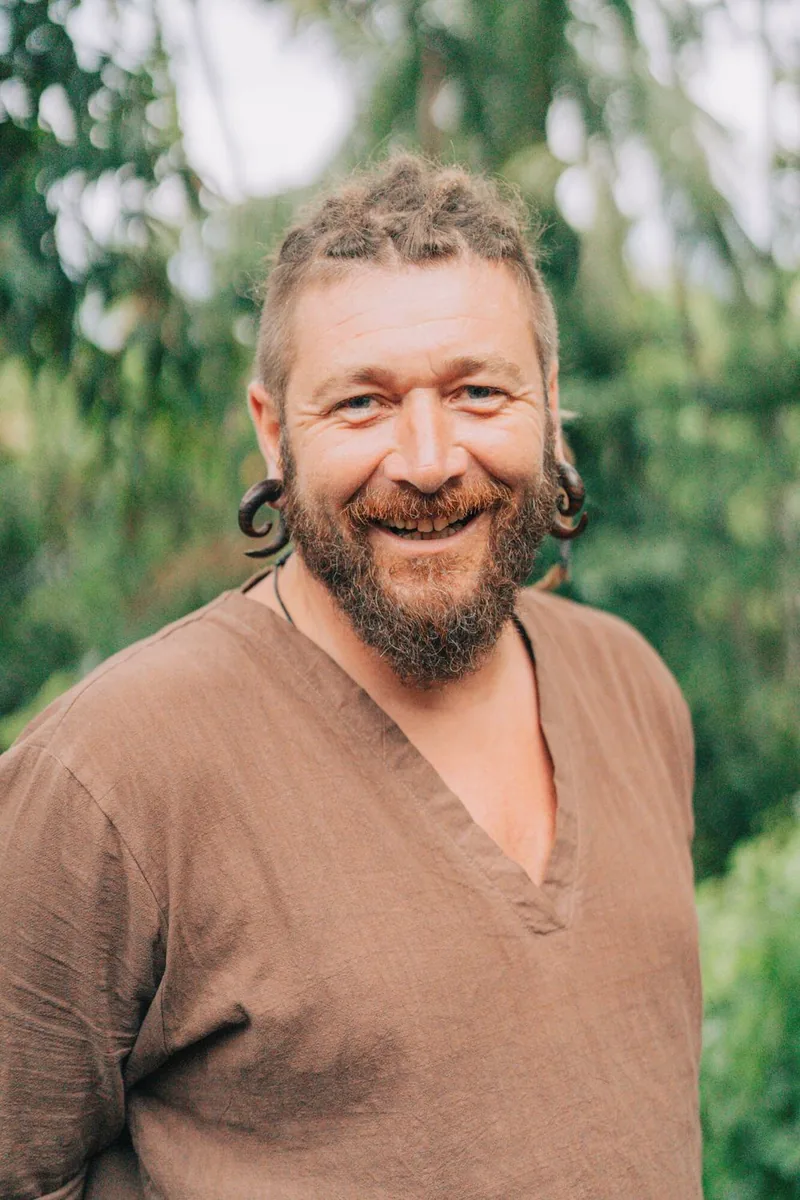
Chenzo, founder of NomadsToolsLab
Chenzo uses two thin pairs of socks for the first short walks in new shoes and builds up gradually. His own trick for new leather boots is wet newspaper inside for 24 hours, then walking in them so they shape to his feet. At breaks he takes shoes and socks off, puts his feet on the earth, cools them in cold water where he can, and only puts footwear back on when his feet are fully dry and no longer wrinkled. These are his personal habits, not maker advice. Meindl uses newspaper only to absorb moisture from a wet lining, removed after a few hours, and says to keep boots away from direct heat.
Sleeping in albergues
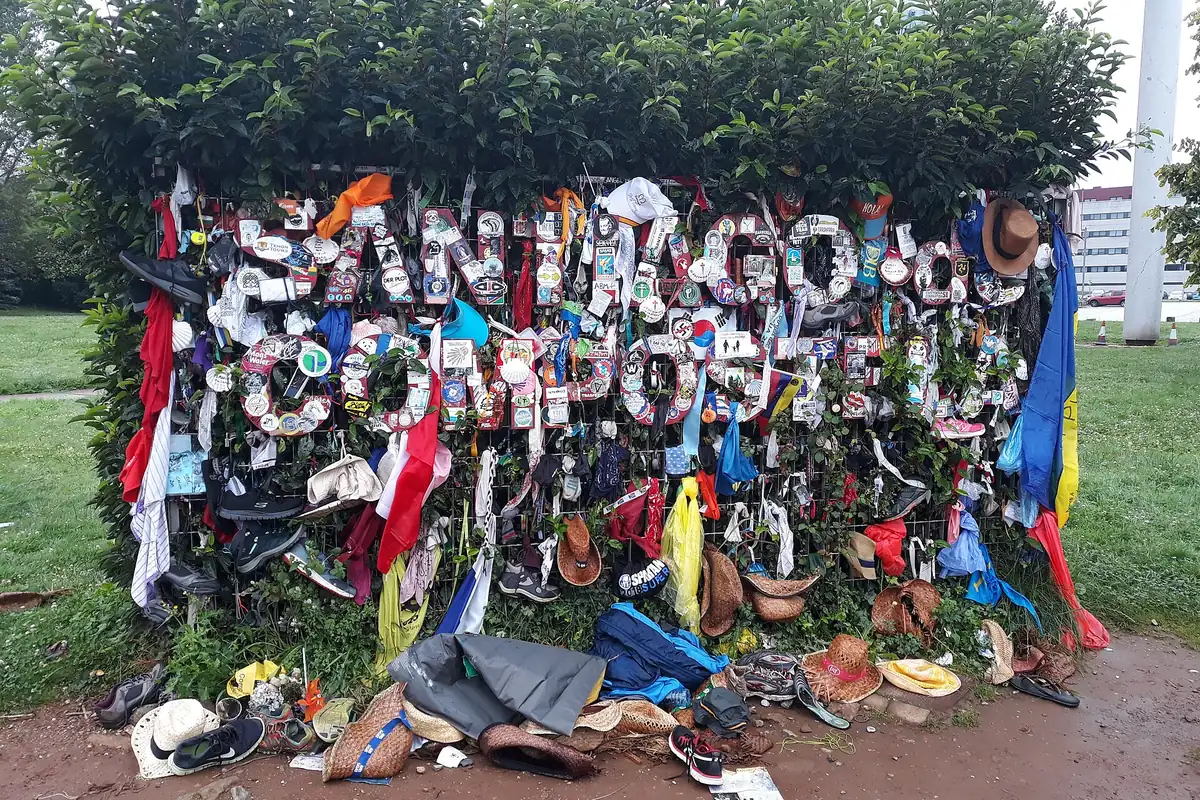
Public albergues cannot be booked, first come first served, walkers first. They open around midday, quiet from 21:00 or 22:00, and you leave by 8:00 or 9:00. A silk blend liner is your clean layer in shared beds and adds warmth inside a light sleeping bag on cold mountain nights. The limitation is that alone it is not warm enough for winter.
Pack a sleep mask and earplugs for dorms where others snore or pack before dawn. A headlamp with red light lets you see without waking the room. Wild camping is not the norm on this route and rules are not clear, so check locally. Hostels are the usual accommodation.
Culture, etiquette and reflection
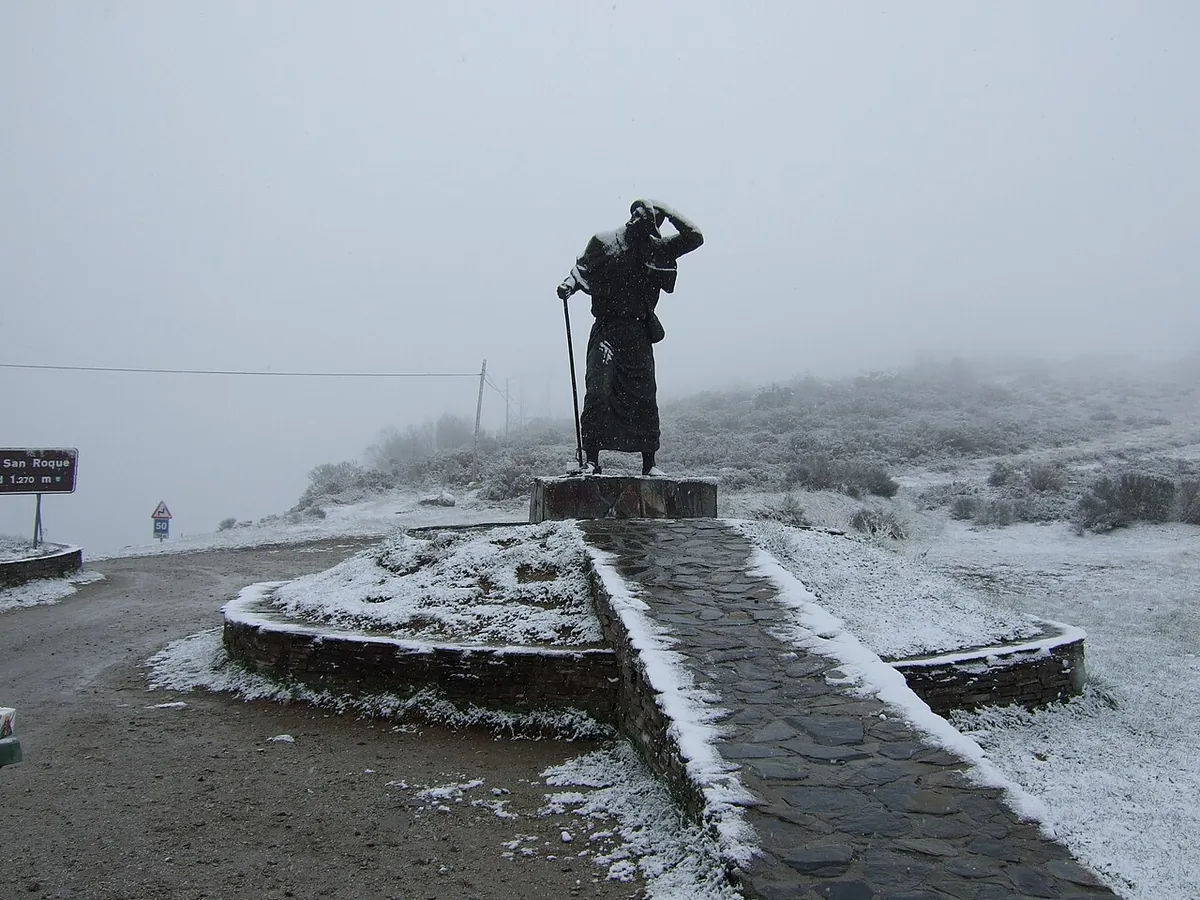
The Compostela is for a religious or spiritual motive and needs at least the last 100 km on foot, 200 km by bike, ending in Santiago. On the last 100 km collect at least two stamps a day from albergues, parish churches, monasteries, the cathedral, hotels or town halls. Only a credential from the Pilgrim's Office or a recognised organisation counts. Sarria is the usual starting point for the 100 km. Readers who walk for other reasons can ask for the certificate of distance.
Large backpacks are not allowed inside Santiago Cathedral. There is a daily pilgrim mass, times change, so check the cathedral site. Respect the quiet hours in albergues from 21:00 or 22:00 and leave by 8:00 or 9:00. Walkers have priority over cyclists in public albergues.
A pocket bible or a book that fits your tradition, a pilgrim journal to reflect, and a prayer cord or rosary can deepen the inner journey. The Camino is a conversation with the divine, with yourself, and with the silence of the landscape.
Packing list with maker weights
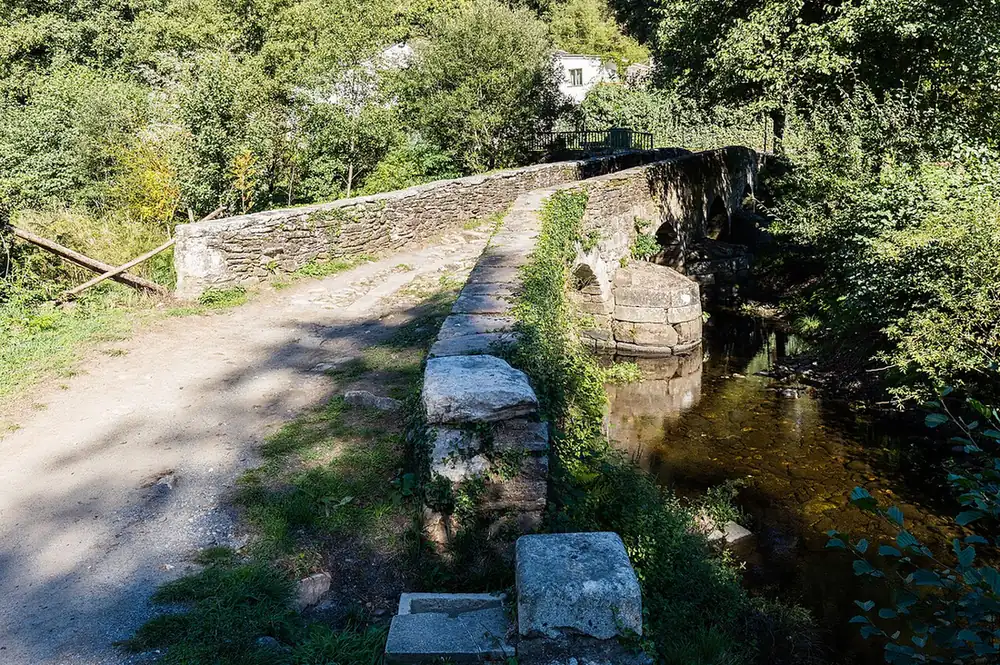
The table below lists the maker weight of each pick so you can add up what you carry and stay under the advised 7 kg.
| Item | Link | Maker weight |
|---|---|---|
| Meindl Bhutan MFS | Link: See on Amazon | Maker weight: 800 g (Meindl does not say per shoe or pair) (worn, not carried) |
| Altra Lone Peak 9 | Link: See on Amazon | Maker weight: 316 g per shoe (men's 9) (worn, not carried) |
| Darn Tough Hiker Micro Crew | Link: See on Amazon | Maker weight: Not listed by the maker |
| Compeed blister plasters | Link: See on Amazon | Maker weight: Not listed by the maker |
| Sea to Summit Silk Blend liner | Link: See on Amazon | Maker weight: 130 to 160 g, by shape |
| Osprey Exos 38 | Link: See on Amazon | Maker weight: 1.22 kg (S/M) |
| Black Diamond Spot 400 | Link: See on Amazon | Maker weight: 86 g with AAA batteries |
| Total carried | Link: | Maker weight: 1,436 to 1,466 g for the listed carried items with stated weights, plus Darn Tough Hiker Micro Crew, Compeed blister plasters (no single maker weight) |
Weights are the makers' own figures, read on 25 October 2026 on the makers' sites. Boots are worn, so they are not in the total. Clothes, food, water and toiletries are not included; add them to see what your pack really weighs.
Meindl Bhutan MFS: the leather boot that carries you through the Pyrenees and the Galician rain
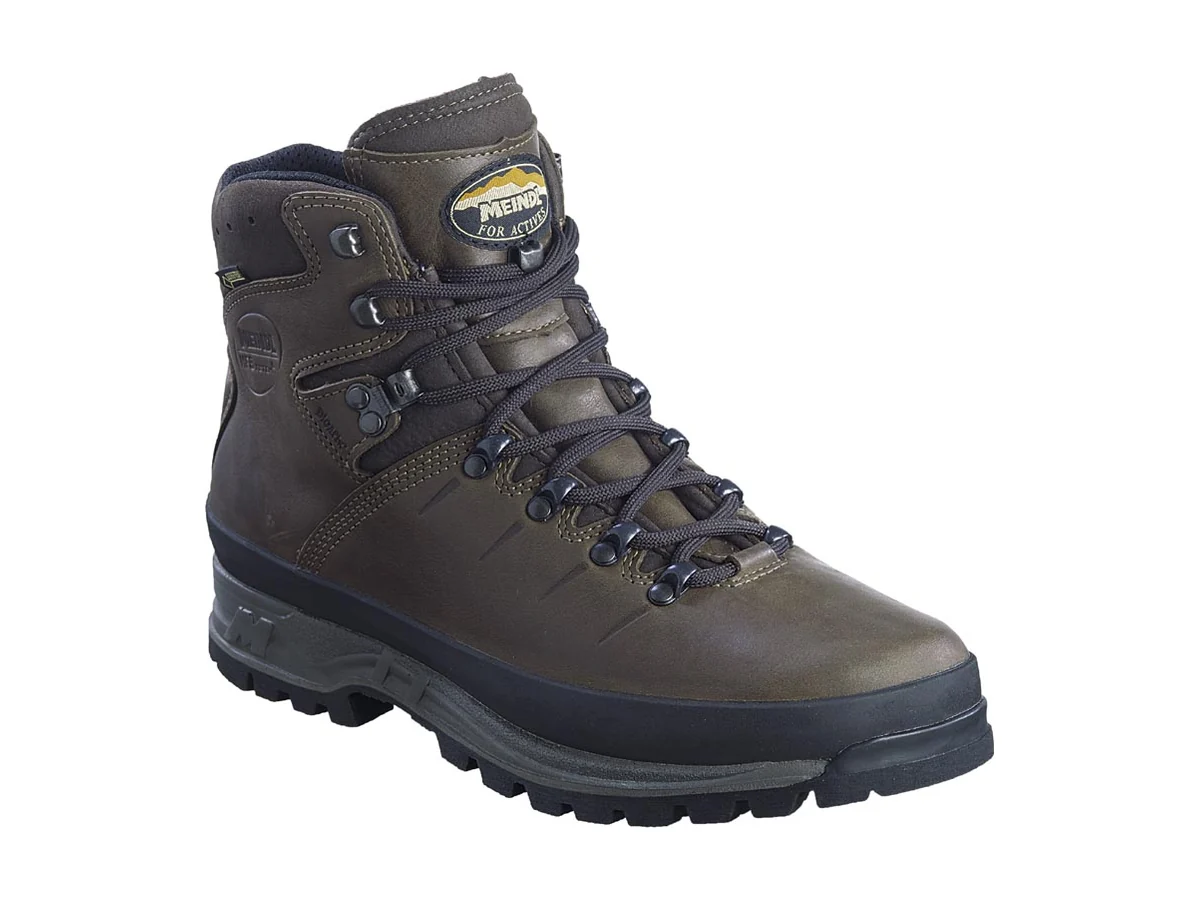
Meindl Bhutan MFS
On the climb over the Pyrenees and through the rain that Galicia can bring at any time of year, a Meindl Bhutan MFS gives your ankles and your feet real protection. The waxed nubuck leather upper and the GORE-TEX lining keep water out on long wet stages, and Meindl specifies a Multigriff by Vibram sole. Meindl lists the weight at 800 g (Meindl does not say per shoe or pair).
Leather needs its own care. Meindl advises against drying the boots in the sun or on a hot surface like a radiator or a stove, because fast drying makes the leather brittle. If the lining gets wet inside, stuff it with newspaper and take the paper out again after a few hours. Pick this boot if you walk in spring, autumn or winter, because the protection pays off, but on a hot dry Meseta stage in July it will run warmer than a trail shoe, and any new leather boot needs breaking in before you start.
What could be better: Heavier and warmer than a trail shoe on hot summer Meseta days. Leather boots also need breaking in.
Altra Lone Peak 9: a light shoe for a dry Meseta summer

Altra Lone Peak 9
Summer on the French Way means heat, especially on the flat open stretches of the Meseta between Burgos and Leon. A Altra Lone Peak 9 weighs 316 g per shoe in a men's size 9, far lighter than a leather boot. The wide FootShape toe box gives your toes room to spread after a long stage, which matters on 20 to 30 km days.
Pick this shoe if you are walking from late June through August on a route that stays dry, because the weight saving adds up over hundreds of kilometres, but the mesh is not waterproof and gives little ankle support, so it is not the main pick once spring or autumn rain sets in. A zero drop platform also needs time to get used to, so break it in on short walks before the first long stage, not on day one of the Camino.
What could be better: The mesh is not waterproof, and the shoe offers no ankle support, making it a weaker choice for spring or autumn rain. Zero drop also takes time to get used to.
Darn Tough Hiker Micro Crew: the sock that carries you from Saint Jean to Santiago
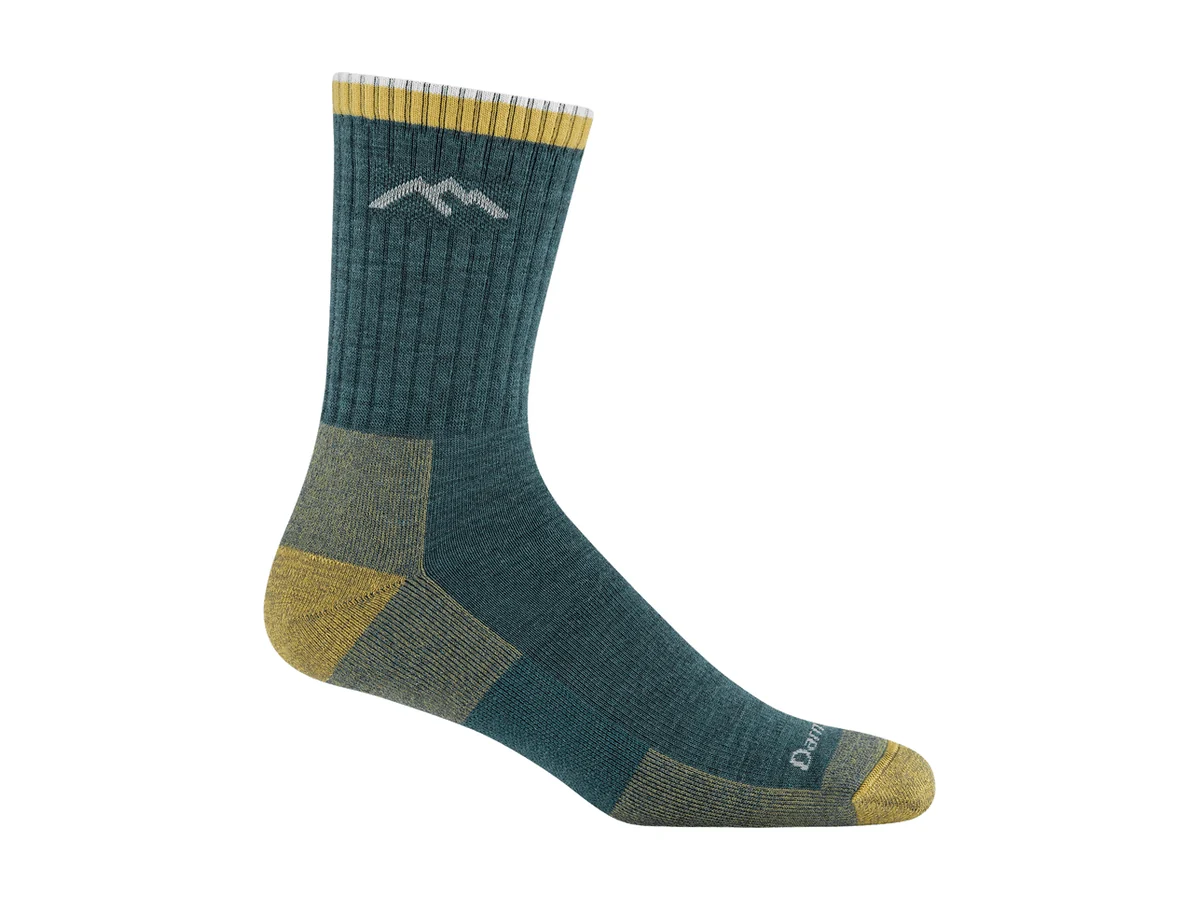
Darn Tough Hiker Micro Crew Midweight
Good socks matter as much as good shoes on a route with day stages of 20 to 30 km. The Darn Tough Hiker Micro Crew (style 1466) blends 61 percent merino wool with 36 percent nylon and 3 percent Lycra, with cushioned terry loops under the foot and extra protection around the ankle and Achilles, exactly where a new boot can rub. Darn Tough makes the sock in Vermont and guarantees it unconditionally for life.
Pack at least two pairs so one can dry while you wear the other, and change into a dry pair whenever your socks get damp. The midweight cushion can feel warm on a July afternoon on the Meseta, so if you walk in high summer, pair it with the lighter shoe rather than the leather boot.
What could be better: The midweight cushioning can feel warm in July heat.
Compeed Blister Plasters: the fix for the moment a hot spot turns into a blister
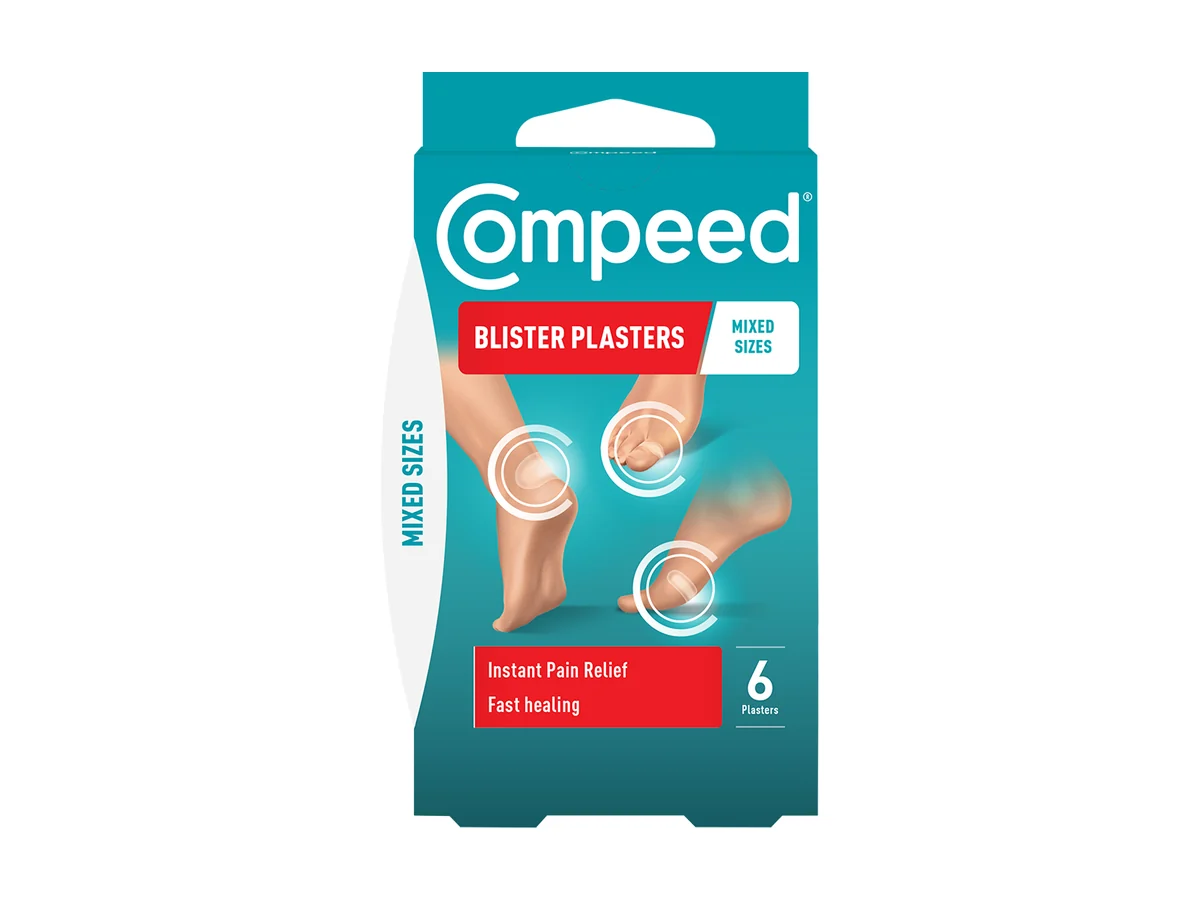
Compeed Blister Plasters, mixed sizes
Even with good boots and good socks, a blister can still show up on the Camino. Compeed Blister Plasters use a hydrocolloid pad with thick cushioning that the maker says can stay on for up to 7 days and is water resistant and breathable. The UK mixed pack carries 2 medium, 2 small and 1 toe plaster; pack sizes differ by country, so check what is sold where you buy.
Do not cut the plasters to size, and leave one on until it lifts off by itself rather than peeling it early. Pick this for a blister that has already formed, but treat it as the second line, not the first. Tape a hot spot the moment you feel it rubbing, long before it needs a plaster at all.
What could be better: Leave each plaster on until it comes off by itself. These are for blisters and do not replace early taping of hot spots.
Sea to Summit Silk Blend Liner: a clean, warm layer for albergue beds and cold nights
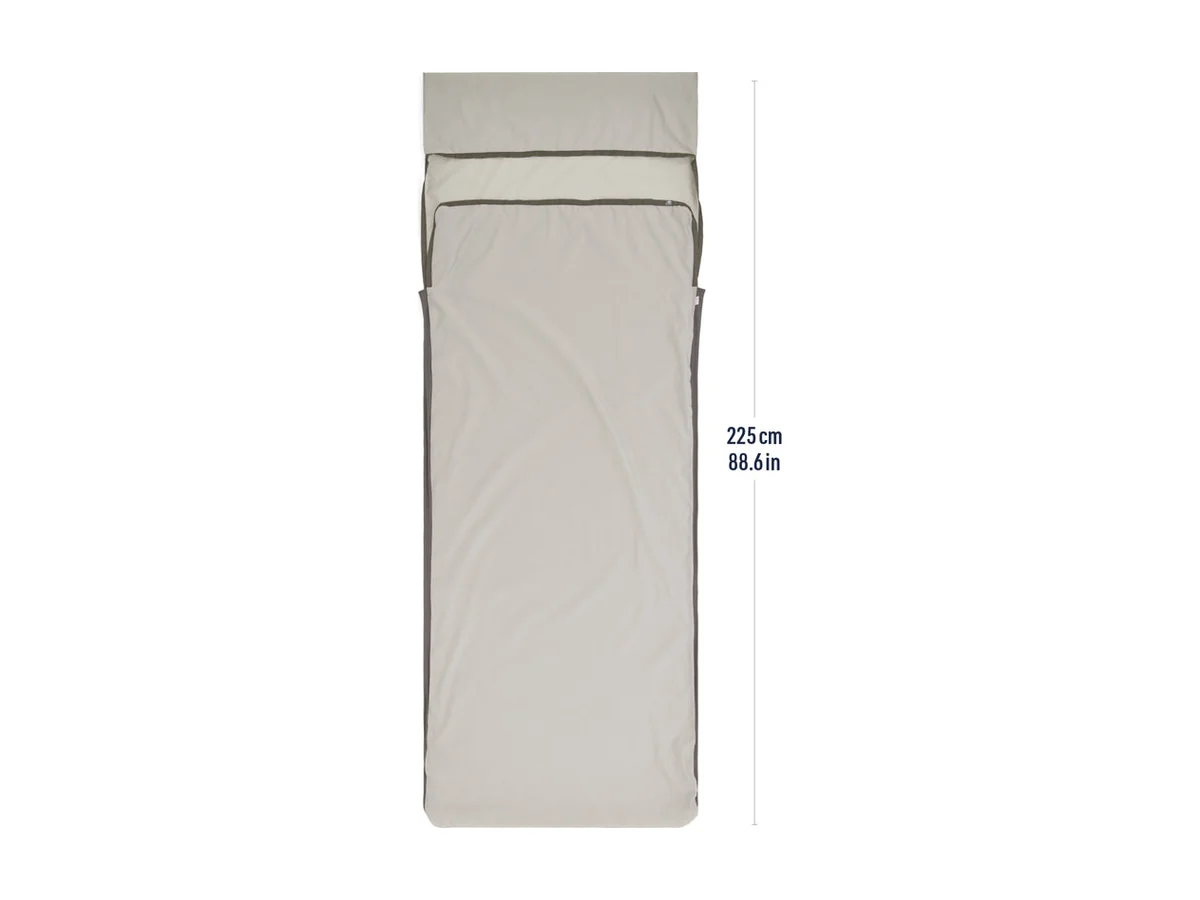
Sea to Summit Silk Blend Liner
Spain.info is direct about hostel nights on this route: if you sleep in the albergues, a sleeping bag and mat are a must. A Sea to Summit Silk Blend Liner blends 72 percent polyester (Thermolite) with 28 percent silk, weighs 130 to 160 g depending on the shape you pick, and closes with snaps at the shoulders. It is machine washable and carries a HeiQ Fresh odour treatment, useful after a week of shared dorms.
What could be better: This is a silk blend, not pure silk. Used alone, it is not warm enough for winter nights.
Osprey Exos 38: a pack sized for a 7 kg Camino load
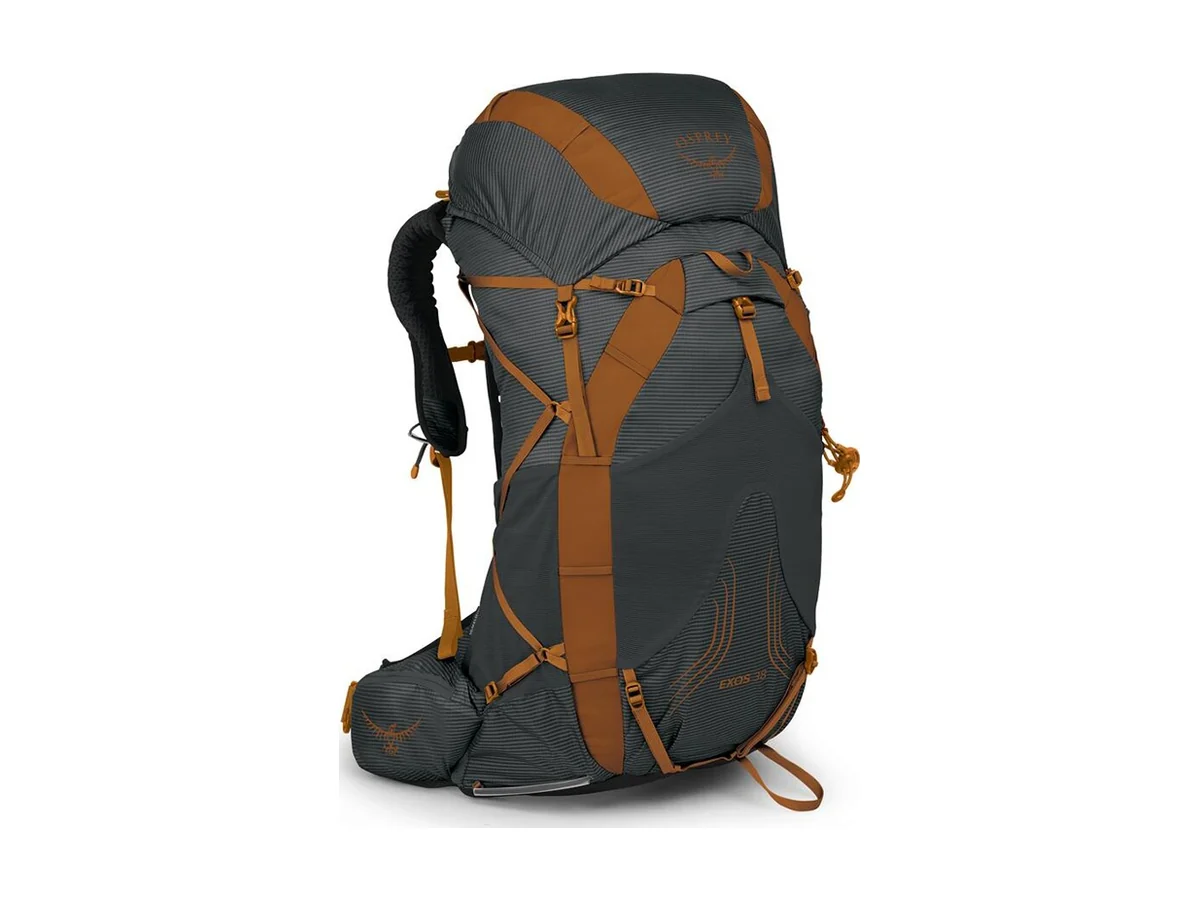
Osprey Exos 38
Spain.info advises a total pack weight around 7 kg or less, no more than 10 percent of your body weight, in a 35 to 40 litre pack. The Osprey Exos 38 sits right in that range at 38 litres and 1.22 kg for the S/M size, with a recommended load of 9 to 11 kg once your gear and water are inside. The AirSpeed mesh back panel keeps air moving between the pack and your back on hot Meseta stages.
What could be better: The fabric is water repellent, not waterproof. A rain cover or pack liner is still needed.
Black Diamond Spot 400: light before dawn in a shared dorm
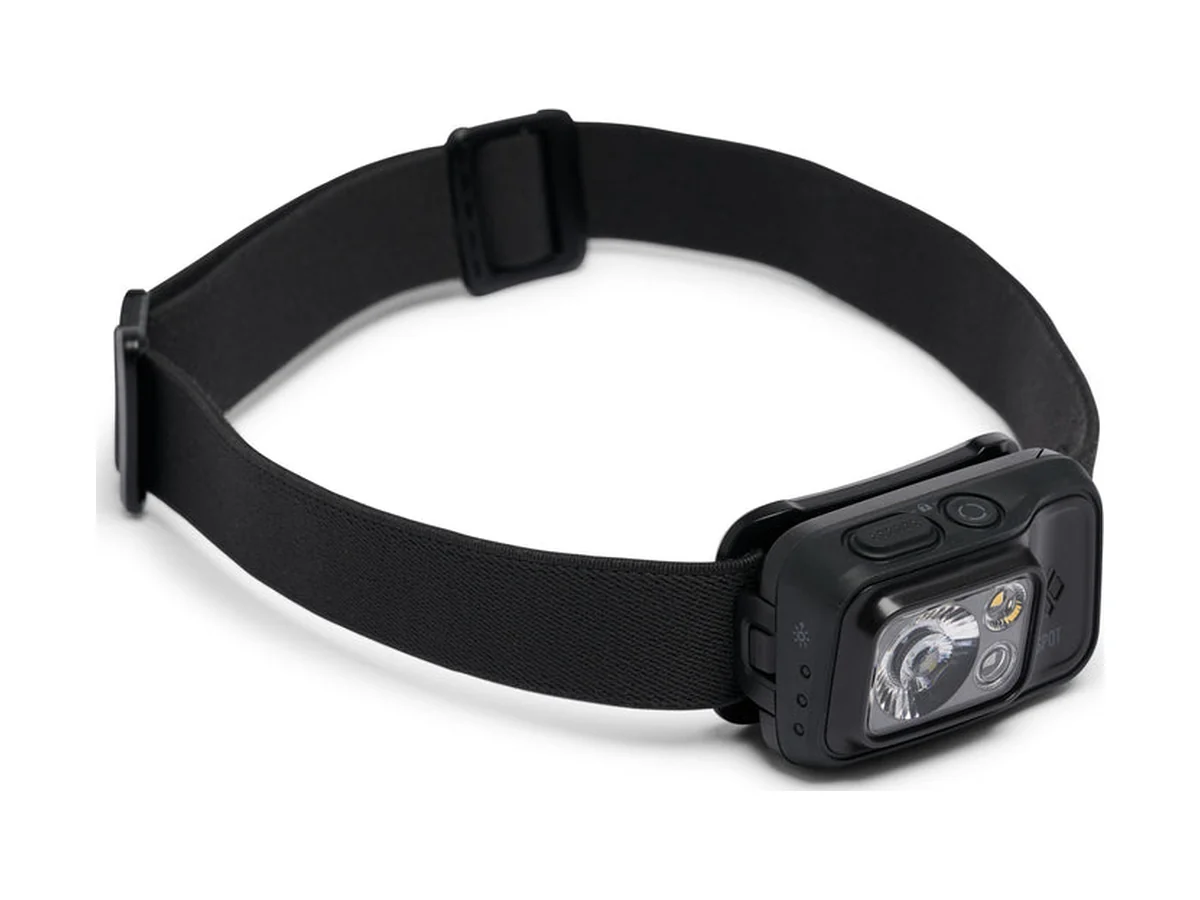
Black Diamond Spot 400
Albergues run on a rhythm: quiet from around 21:00 or 22:00, and you leave by 8:00 or 9:00, so many mornings start in the dark. The Black Diamond Spot 400 gives 400 lumens on its brightest setting, weighs 86 g with the three AAA batteries it comes with, and carries an IPX8 waterproof rating on Black Diamond's own US page.
What could be better: Carry spare AAA batteries or buy the rechargeable BD 1500 battery separately.
Which pick fits your Camino Frances
If you are walking in spring, autumn or winter, or simply want one pair of boots for the whole route, the Meindl Bhutan MFS is the safer choice. Leather and a waterproof lining carry you through the Pyrenees climb, the cold nights in the Montes de Leon and the rain that Galicia can bring in any month. If you walk a dry summer route and want to save weight on the Meseta's flat open stages, the Altra Lone Peak 9 is the lighter option, as long as you accept less ankle support and no real protection from rain.
Whichever shoe you choose, build the rest of your kit around it. Darn Tough socks and a spare dry pair protect your feet as much as the shoe does, blister plasters cover the days prevention was not enough, and the sleeping bag liner and Osprey Exos 38 match the light, simple load that Spain.info recommends for this walk. The headlamp finishes the list for the early, quiet mornings that every Camino day tends to start with. For dorm nights, see our sleep masks and earplugs and headlamps.
- Pack around 7 kg or less in a 35 to 40 litre bag; Spain.info advises no more than 10 percent of your body weight for this route.
- Choose a leather boot with a waterproof lining for spring, autumn and winter walking, and save a lighter trail shoe for a dry summer stretch.
- Carry a spare pair of socks in a dry bag, wash and air your feet daily, and tape a hot spot before it becomes a blister.
- Albergues are the norm on this route; bring a sleeping bag liner for cold nights and check local rules before you consider sleeping outside.
Watch
Flagler Films' "Buen Camino: Walking the French Way" is a long, extended documentary that follows the whole route from Saint Jean Pied de Port to Santiago de Compostela.
Video by Flagler Films.
Thinking about sleeping outside? Read tent or hammock: which to choose.
Backpack weight calculator
Add what you carry, set the weight of each item in grams, and see your pack and your total in kg and lb.
FAQ
How much should my backpack weigh on the Camino Frances?
Spain.info recommends a total pack weight of around 7 kg or less, and no more than 10 percent of your own body weight, carried in a 35 to 40 litre backpack.
Do I need a tent for the Camino Frances?
No. This route runs through pilgrim hostels, hostales, pensiones and rural houses, with some summer only campsites. No official wild camping rule was found for this route, so check local rules before you consider it; a tent or hammock is not needed here. If you still want to look into it, the camping hammock guide covers the gear for that choice.
How do I earn the Compostela on this route?
The Pilgrim's Office requires at least the last 100 km on foot, ending in Santiago, with a religious or spiritual motive, and at least two stamps a day on the final 100 km. Sarria is the usual starting point for walkers aiming for the 100 km. Stamps come from albergues, parish churches, monasteries, the cathedral, hotels and town halls, and only a credential from the Pilgrim's Office or a recognised organisation counts.
What should I do about my feet during rest stops?
Take your shoes and socks off, let your feet touch the ground, cool them in cold water where you can, then dry them well before you put dry shoes and socks back on. Only put your shoes back on once your feet are fully dry and no longer wrinkled.
Affiliate disclosure. This post contains affiliate links. If you click and buy something, this site earns a small commission at no extra cost to you. Picks are based on published specs, independent tests and manufacturer information. As an Amazon Associate I earn from qualifying purchases. Read the full affiliate disclosure. Amazon and the Amazon logo are trademarks of Amazon.com, Inc. or its affiliates.
Your next step