Houseboat Batteries: Two AGM Models and a Lithium Option
As an Amazon Associate I earn from qualifying purchases. Some links on this page earn us a small commission, at no extra cost to you. Full disclosure.
Choose the battery's job before comparing capacity. Starting an engine and supplying daily house loads can place different demands on the same battery.
Quick answer
Optima D31M and Odyssey ODP-AGM31M support starting and deep-cycle use, while the Renogy Core Mini is the house-battery option here. Compare the engine requirements, daily energy demand, weight and charging limits. The Renogy's specified charging range is 0 to 50 C.
All 3 picks at a glance
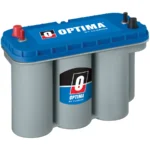
Optima BlueTop D31M
Optima lists 75 Ah and 975 CCA for the BlueTop D31M. Read more
Renogy Core Mini 100Ah
Renogy lists 5000 cycles at 80 percent depth of discharge, subject to the model's operating limits. Read more
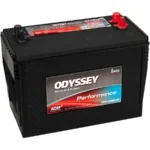
Odyssey ODP-AGM31M
Odyssey lists 100 Ah at the 20-hour rate and 925 CCA for ODP-AGM31M. Read more
How we compared them
This comparison covers manufacturer descriptions, model specifications and installation requirements. The figures do not guarantee performance in a particular vehicle or boat.
Match starting and house-load requirements

Both AGM models support starting and deep-cycle use. Optima lists the D31M as spill-proof, with 75 Ah capacity and a weight of 26.5 kg. Those figures are useful for planning, but neither capacity nor the word marine establishes compatibility with every engine or charging system.
Compare rated capacity, charging limits and battery weight. Do not infer permitted cold charging or an automatic low-temperature cutoff from chemistry alone. Renogy specifies a 0 to 50 C charging range for this Core Mini model, so charging conditions matter alongside the lighter weight.
Capacity, starting ratings and weight
| Battery | Rated capacity | Starting rating | Listed weight |
|---|---|---|---|
| Optima BlueTop D31M | Rated capacity: 75 Ah | Starting rating: 975 CCA | Listed weight: 26.5 kg |
| Renogy Core Mini | Rated capacity: 100 Ah | Starting rating: House-load option here | Listed weight: 21.8 lb |
| Odyssey ODP-AGM31M | Rated capacity: 100 Ah at 20-hour rate | Starting rating: 925 CCA | Listed weight: 69.5 lb |
Follow the product and installation guidance from Optima, Renogy and Odyssey.
Optima BlueTop D31M: Dual-Purpose AGM

Optima BlueTop D31M
The Optima BlueTop D31M is the dual-purpose AGM option with 75 Ah and 975 CCA. Check that those ratings meet both the engine's battery requirements and the planned house demand. A starting rating does not tell you how long the fridge, lights and other loads will run.
Optima lists 26.5 kg, about 58 lb, for this model. Its charging guidance calls for a voltage-regulated charger. Compare the D31M charging instructions with the installed charger settings before fitting it into a shared starting and house-load arrangement.
What could be better: Its 75 Ah rated capacity is lower than the 100 Ah ratings of the other two models, while its listed weight is 26.5 kg. Its charging requirements also need to match the boat's equipment.
Renogy Core Mini 100Ah: Lithium House Battery
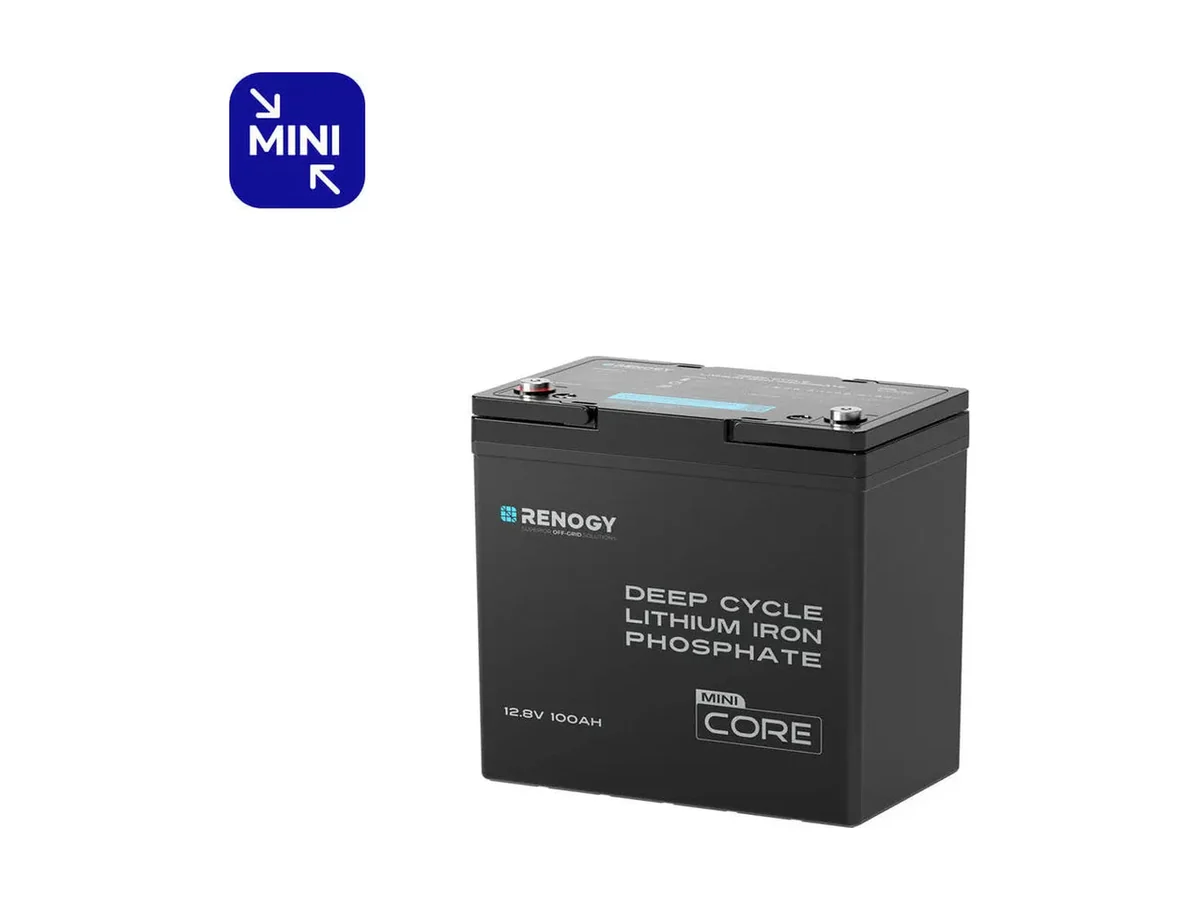
Renogy Core Mini 100Ah
Renogy lists the Core Mini 100Ah at 21.8 lb and rates it for 5000 cycles at 80 percent depth of discharge. Keep that stated depth of discharge with the cycle figure. It is not a promise of the same service life under every charging pattern or installation.
Renogy specifies maximum continuous charging and discharging currents of 100 A. Compare an inverter's battery-side continuous and surge requirements before pairing it with one battery. Its specified charging range is 0 to 50 C, and Renogy gives a five-year prorated warranty.
What could be better: Charging below 0 C is outside the specified range. The 100 A maximum continuous charging and discharging limits also constrain the equipment that can be paired with one battery.
Odyssey ODP-AGM31M: 100 Ah Dual-Purpose AGM
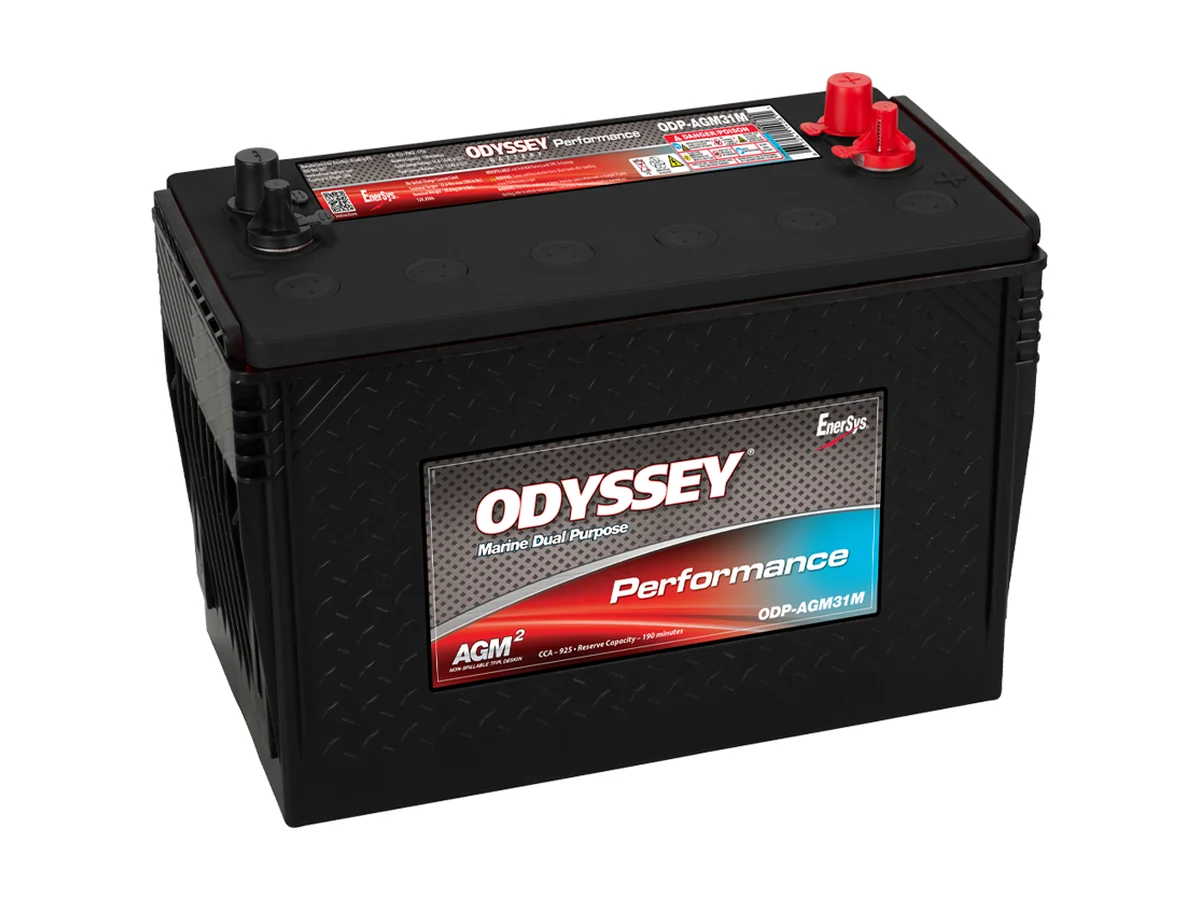
Odyssey ODP-AGM31M
Odyssey lists the ODP-AGM31M with 100 Ah at the 20-hour rate and 925 CCA. Use the stated capacity rate when comparing it with the planned load, and match the starting requirement separately.
Odyssey lists this battery at 69.5 lb. Its overall dimensions are 13 by 6.8 by 10 inches, including terminals. Check the available compartment and battery-box space with the terminal clearance included, rather than planning from a Group 31 name alone.
What could be better: At 69.5 lb, it needs a suitable handling and mounting plan. The overall 10 inch height includes terminals, so the compartment must accommodate that clearance.
Which battery fits the boat's jobs?
For house loads, compare Renogy's 100 Ah, 21.8 lb and 100 A continuous discharge limit with daily demand and charging conditions. If one battery must also start an engine, compare the Optima or Odyssey starting ratings with the engine requirements.
Capacity alone does not establish time between charges. List the running loads and charging opportunities, then match the battery, charger and installation together. The houseboat electricity and water guide below explains the related energy-planning steps. Read next: lithium vs AGM battery and houseboat electricity and water for beginners.
- Optima and Odyssey provide starting ratings and deep-cycle capacity.
- Renogy lists 100 Ah at 21.8 lb for this Core Mini.
- The Core Mini's specified charging range is 0 to 50 C.
- Check the daily load and charging plan before choosing capacity.
FAQ
Can I use a starting battery for houseboat loads?
Choose a battery specified for the jobs required. The Optima and Odyssey models here support starting and deep-cycle use. Match engine requirements and daily house-load demand before choosing.
What charging limits apply to the Renogy Core Mini?
Renogy specifies charging from 0 to 50 C and a maximum charging current of 100 A. Follow the exact model's installation and charging instructions.
Can I charge the Renogy in winter?
Charging below 0 C falls outside this model's specified range. Check the battery's temperature before charging rather than assuming a heated cabin keeps the battery compartment within limits.
How much battery capacity do I need?
Calculate daily energy use from each load and its running time, then account for voltage, losses, permitted discharge and charging opportunities. See the houseboat electricity and water guide for the related planning steps.
Affiliate disclosure. This post contains affiliate links. If you click and buy something, this site earns a small commission at no extra cost to you. Product details are based on manufacturer specifications and installation guidance. As an Amazon Associate I earn from qualifying purchases. Read the full affiliate disclosure. Amazon and the Amazon logo are trademarks of Amazon.com, Inc. or its affiliates.
Your next step