Shikoku Pilgrimage Packing List for the 88 Temples
As an Amazon Associate I earn from qualifying purchases. Some links on this page earn us a small commission, at no extra cost to you. Full disclosure.
A Shikoku pilgrimage packing list prepares you for a deep personal journey towards the divine within yourself. In the silence of nature, leave room to notice the sacred walking beside you. In this Buddhist tradition, the pilgrim's staff symbolises Kobo Daishi accompanying you. This guide covers footwear, dry clothing, simple lodging and space for reflection.
Quick answer
Choose the LOWA Renegade EVO GTX Mid for mountain paths and prolonged rain, Darn Tough socks for rotation and Compeed plasters for blister care. Add the Sea to Summit Reactor Fleeceweight liner and Lightweight Dry Bag 5 L for overnight comfort and dry clothing, plus the Rite in the Rain book for reflection.
All 6 picks at a glance
LOWA Renegade EVO GTX Mid
A leather mid boot suits mountain temples, forest paths and long spells of rain. Read more
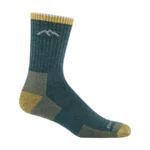
Darn Tough Hiker Micro Crew Midweight
Take at least two pairs so one can dry while you wear the other. Read more

Compeed Blister Plasters (mixed)
Cushioned hydrocolloid plasters belong within reach on long road stages. Read more
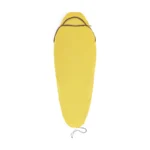
Sea to Summit Reactor Fleeceweight Liner
A fleece liner adds warmth under a guesthouse blanket or inside a sleeping bag. Read more
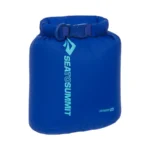
Sea to Summit Lightweight Dry Bag 5 L
Keep spare socks and sleep clothes together in a roll-top dry bag. Read more

Rite in the Rain All-Weather Notebook No. 374
All-weather paper gives you somewhere to record thoughts in the rain. Read more
Walking with Kobo Daishi
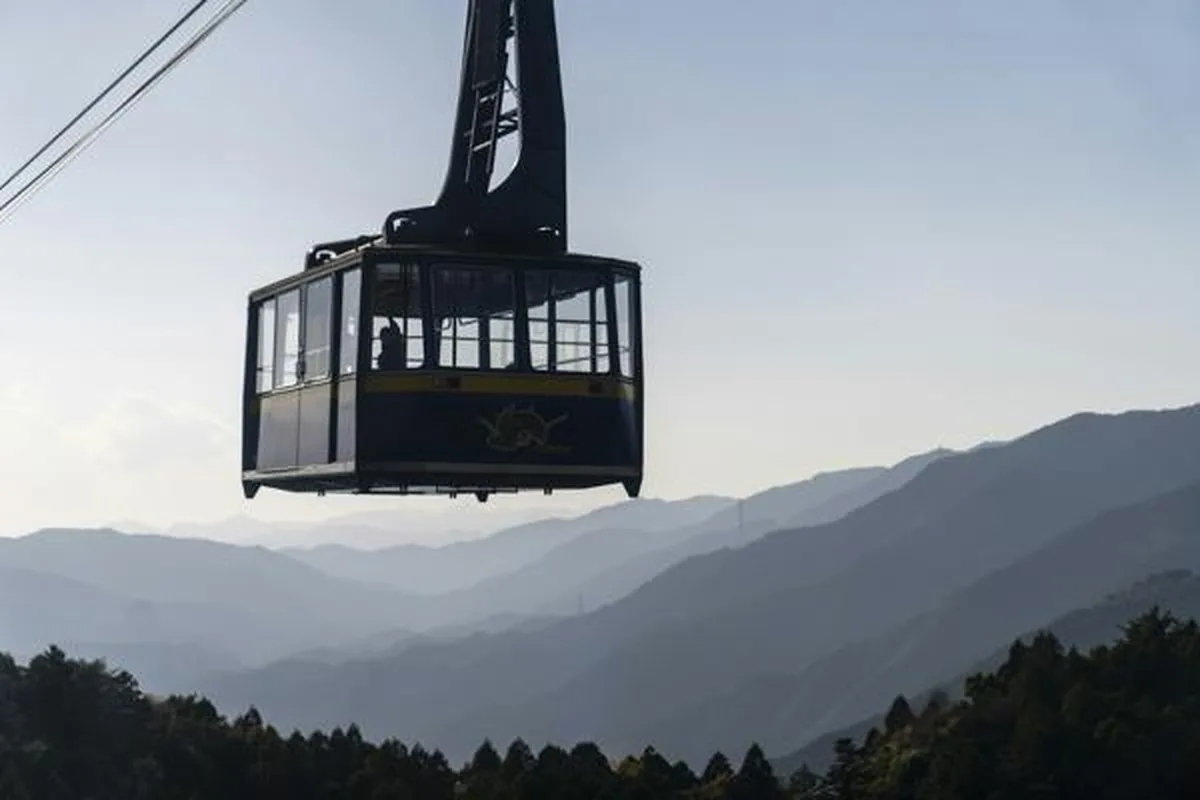
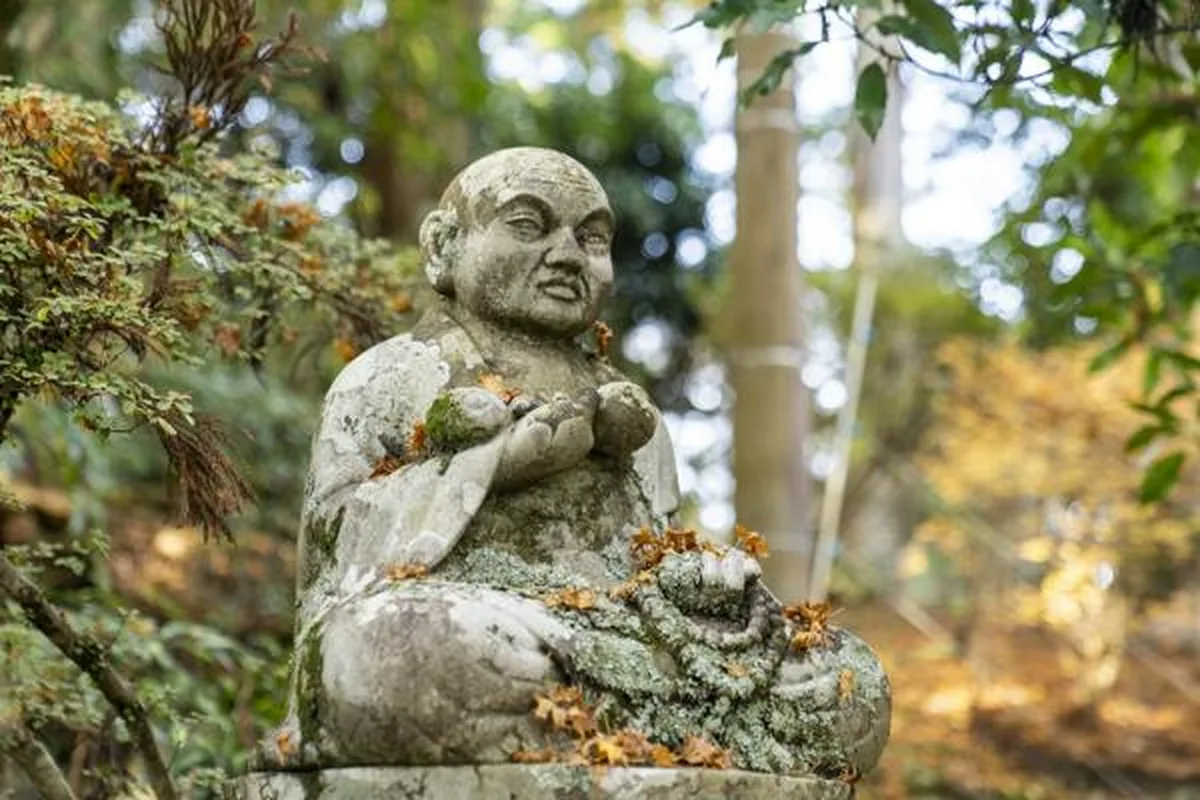
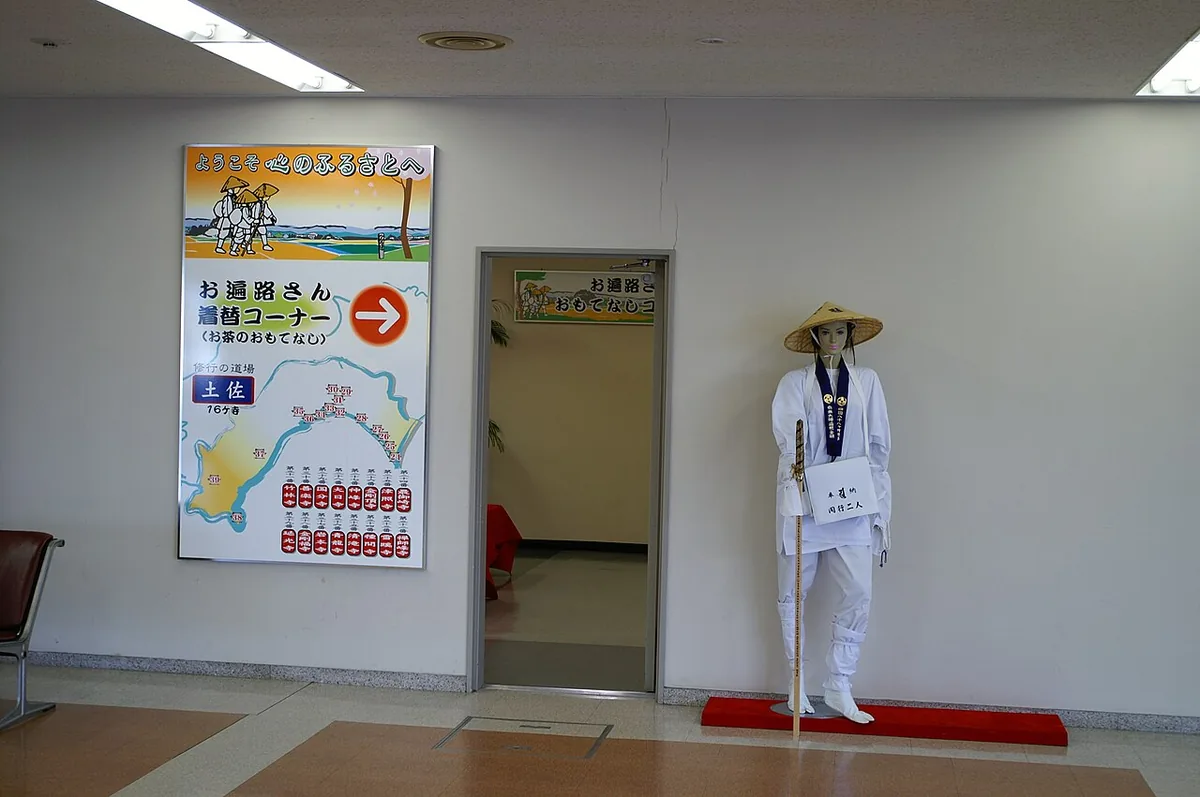
The Shikoku henro follows the footsteps of Kobo Daishi within the Shingon Buddhist tradition. The kongozue, the pilgrim's staff, symbolises his presence beside you. Give that meaning room without forcing your own beliefs onto the tradition.
Carry a nokyocho, bought locally, to record your prayers at each temple. Keep a separate all-weather journal for personal reflection. In the silence of nature, leave space for whatever the walk brings into focus.
Roads, Mountain Temples and Simple Lodgings

The route visits 88 temples across Tokushima, Kochi, Ehime and Kagawa on Shikoku, Japan. It covers about 1,200 to 1,400 km, with much of the walking on roads. Allow around 50 days or more for a full walking circuit, adjusting for your route, daily distance and rest days.
Minshuku and guesthouses may involve rolling out your own futon. Free temple or local shelters, called tsuyado, can be bare tatami rooms, sometimes without electricity. Plan accommodation carefully through Kochi, the longest and hardest stretch between temples.
When to Walk and What to Add

| Season | Weather and crowds | Nights | Extra to bring |
|---|---|---|---|
| Spring | Weather and crowds: A preferred season for walking | Nights: Prepare for simple lodging | Extra to bring: Liner and spare dry socks |
| Summer | Weather and crowds: Hot weather and rain lasting days | Nights: Keep sleep clothes dry | Extra to bring: Hat, rain protection and dry bag |
| Autumn | Weather and crowds: A preferred season for walking | Nights: Check overnight arrangements | Extra to bring: Liner and an extra layer |
| Winter | Weather and crowds: Plan stages around lodging | Nights: Cold nights and some unheated rooms | Extra to bring: Liner and a warm layer |
The Japan National Tourism Organization recommends spring and autumn for walking. In summer, prepare for heat and rain that can continue for days.
Pack for the Weather You Will Meet
| Weather | What to watch for | Best answer and what to bring |
|---|---|---|
| Rain | What to watch for: Rain can last for days | Best answer and what to bring: Carry a rain jacket or umbrella, a sugegasa hat and quick-drying socks, with spares in the dry bag |
| Heat and sun | What to watch for: Long stretches of asphalt | Best answer and what to bring: Wear a hat, carry water and start early |
| Cold and cold nights | What to watch for: Simple lodgings may be unheated | Best answer and what to bring: Bring a warm layer and the fleece liner |
| Wind | What to watch for: Exposed coastal stretches | Best answer and what to bring: Keep a protective layer within reach |
| Changeable weather | What to watch for: Clothing needs change during the day | Best answer and what to bring: Use removable layers and keep a dry set for sleeping |
Choose Footwear for Roads and Mountain Paths

A cushioned, broken-in walking shoe is enough for much of the asphalt and road walking. Choose footwear you can wear comfortably over repeated long stages. Break it in before starting the pilgrimage.
A solid leather mid boot becomes more useful around mountain temples, on forest paths and during prolonged rain. The LOWA option combines a leather upper with a waterproof, breathable membrane. Choose for your planned terrain and weather.
Keep Feet Dry and Respond Early
Carry wool socks, blister plasters and tape where you can reach them. Stop when rubbing starts and address it before continuing. Keep a spare pair of socks in a dry bag or zip bag.
Dry washed socks on the outside of your pack when the sun allows. Carry a microfibre towel for drying feet, and use crumpled newspaper in wet boots overnight, changing it daily. Keep your liner and sleep clothes dry for the evening.
Tip from Chenzo, founder of NomadsToolsLab: In new shoes I wear two thin pairs of socks for the first stretches, and I break shoes in with short walks. My trick: put wet newspaper in new shoes for 24 hours, then walk in them so they shape to your feet. On a break I take off my shoes and socks straight away and put my feet on the earth, respecting temple grounds and holy water, and if there is suitable cold water, I cool my feet in it. Then I dry them well and only put my shoes back on when my feet are completely dry and no longer wrinkled. For leather boots, follow the maker's care instructions before using the wet-newspaper trick. LOWA says to dry wet leather boots slowly in a ventilated room, never in the sun or by a radiator.
Follow the Pilgrimage Etiquette
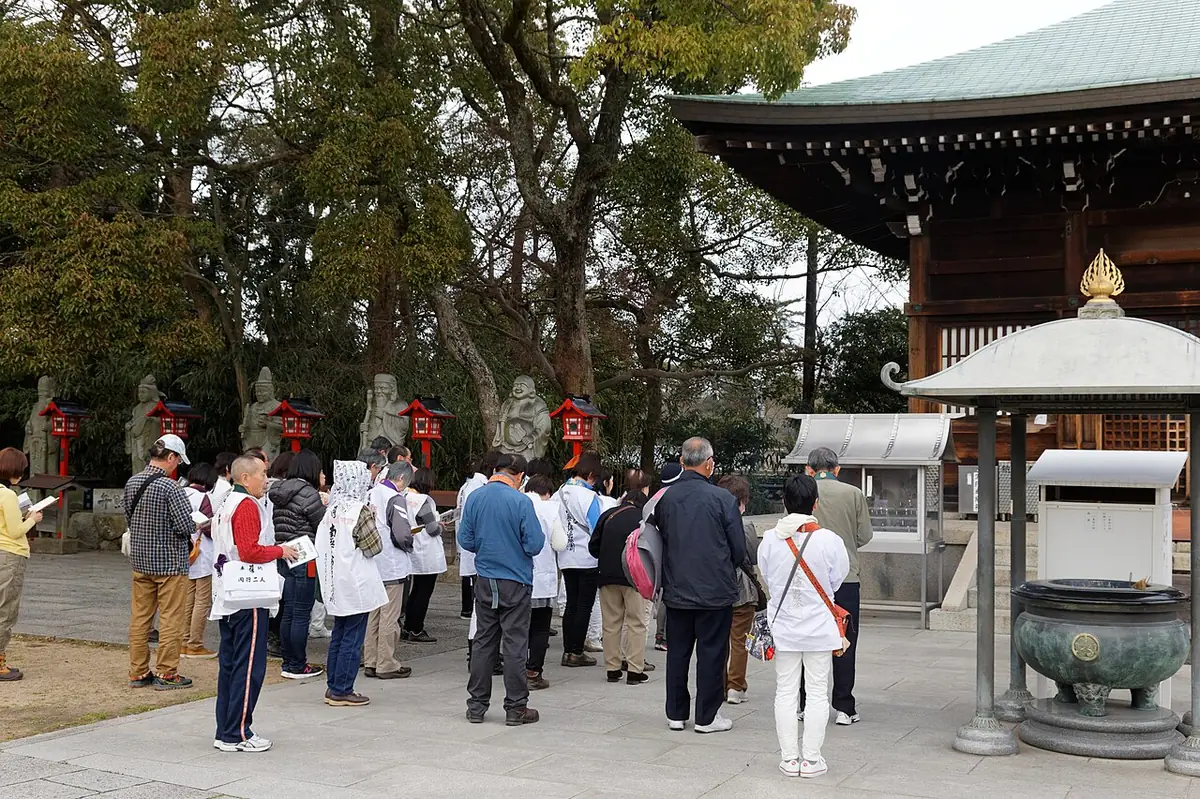
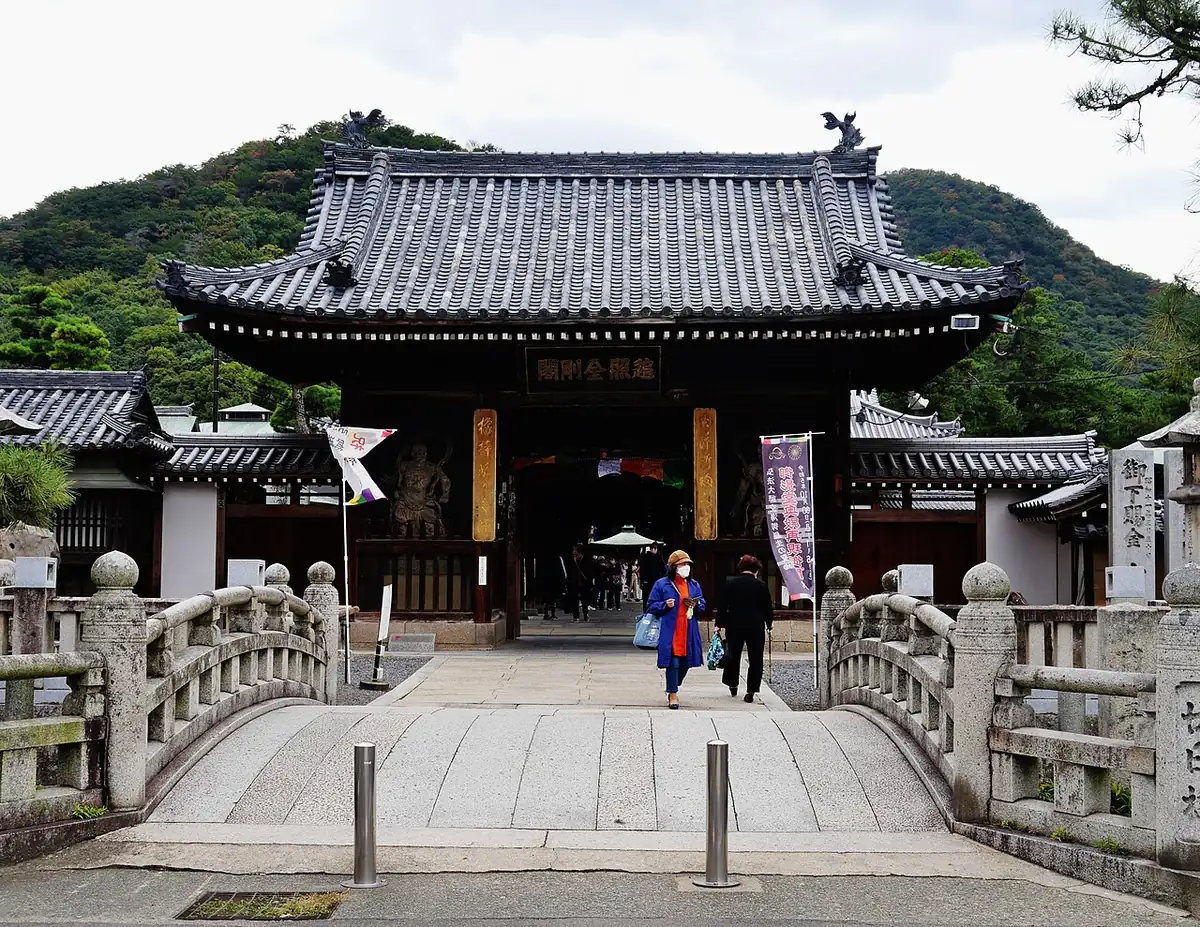
The 88 temples association identifies Temple 1, Ryozen-ji in Tokushima, as the traditional starting point. Its guidance describes pilgrim clothing as basically white, with a white vest over your own clothes being acceptable. The association also says not to use the pilgrim's staff on bridges. Follow the guidance of Shikoku 88 temples association.
The 88 temples association instructs visitors to bow at the gate and wash their hands and mouth. Strike the bell once before worship if allowed, then light a candle and incense, leave an osamefuda name slip and pray. Get the nokyocho entry at the temple office after praying.
Make Room for Prayer and Local Hospitality
Keep the nokyocho accessible, but complete your prayers before seeking its entry, as the 88 temples association instructs. Your personal journal serves a different purpose. Use it for thoughts you want to return to after the day's walk.
Dinner at overnight accommodation often needs reserving, and cash is needed. Ask about meals when arranging your stay. Prepare for a simple sleeping space without assuming electricity will be available.
Related reading: Char Dham Yatra Packing List for Himalayan Shrines
Packing list with maker weights
| Item | Job on the route | Weight (maker) |
|---|---|---|
| LOWA Renegade EVO GTX Mid | Job on the route: Leather boot for long, rocky or wet stages | Weight (maker): Worn on your feet: 590 g per shoe on LOWA's US page (size not stated), not in the pack total |
| Darn Tough Hiker Micro Crew (2 pairs) | Job on the route: Dry, cushioned feet | Weight (maker): Not listed by maker |
| Compeed blister plasters | Job on the route: Blister care | Weight (maker): Not listed by maker |
| Sea to Summit Reactor Fleeceweight liner | Job on the route: Warmth on cold nights | Weight (maker): 400 g (Regular) |
| Sea to Summit Lightweight Dry Bag 5 L | Job on the route: Keeps spare socks dry | Weight (maker): 50 g |
| Rite in the Rain No. 374 | Job on the route: Journal for every weather | Weight (maker): Not listed by maker |
| Subtotal of listed packed items | Job on the route: Items with a maker weight | Weight (maker): 450 g plus 3 items without a maker weight |
Check the specifications for your chosen versions with LOWA, Darn Tough, Compeed, Sea to Summit liner, Sea to Summit dry bag and Rite in the Rain. This subtotal covers only the listed packed items with stated weights. Worn footwear and missing weights are excluded. Add water, food and other gear, then use the backpack weight calculator to total your load.
LOWA Renegade EVO GTX Mid
LOWA Renegade EVO GTX Mid
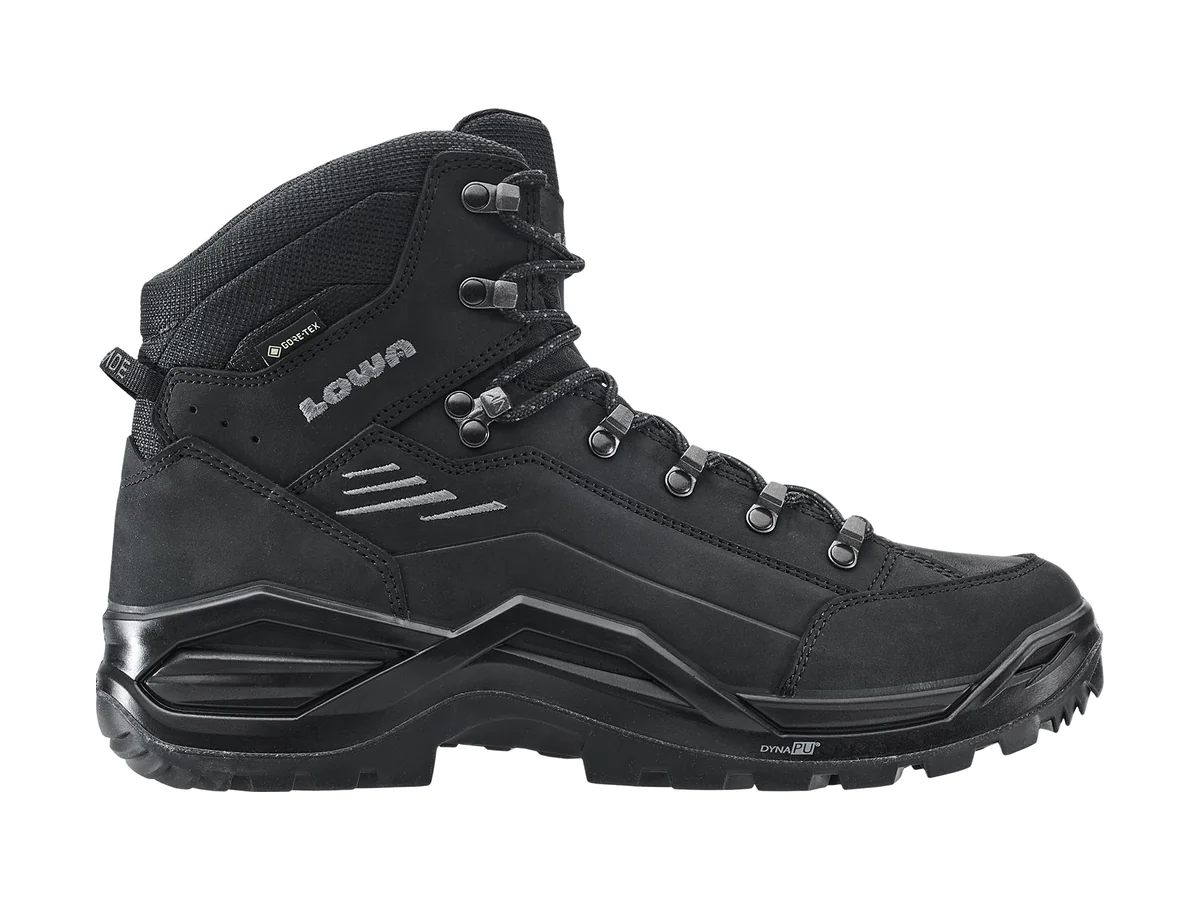
The LOWA Renegade EVO GTX Mid has a leather upper and a waterproof, windproof and breathable GORE-TEX membrane. It uses a Vibram outsole and LOWA DYNAPU midsole. Weigh the pair you will wear.
Choose it for mountain temples, forest paths and extended rain. LOWA names pilgrimages, multi-day walks and long-distance hikes among its uses. For mainly dry road stages, a cushioned walking shoe can be enough.
What could be better: These boots need breaking in, and LOWA advises drying them slowly away from heat.
Darn Tough Hiker Micro Crew Midweight
Darn Tough Hiker Micro Crew Midweight
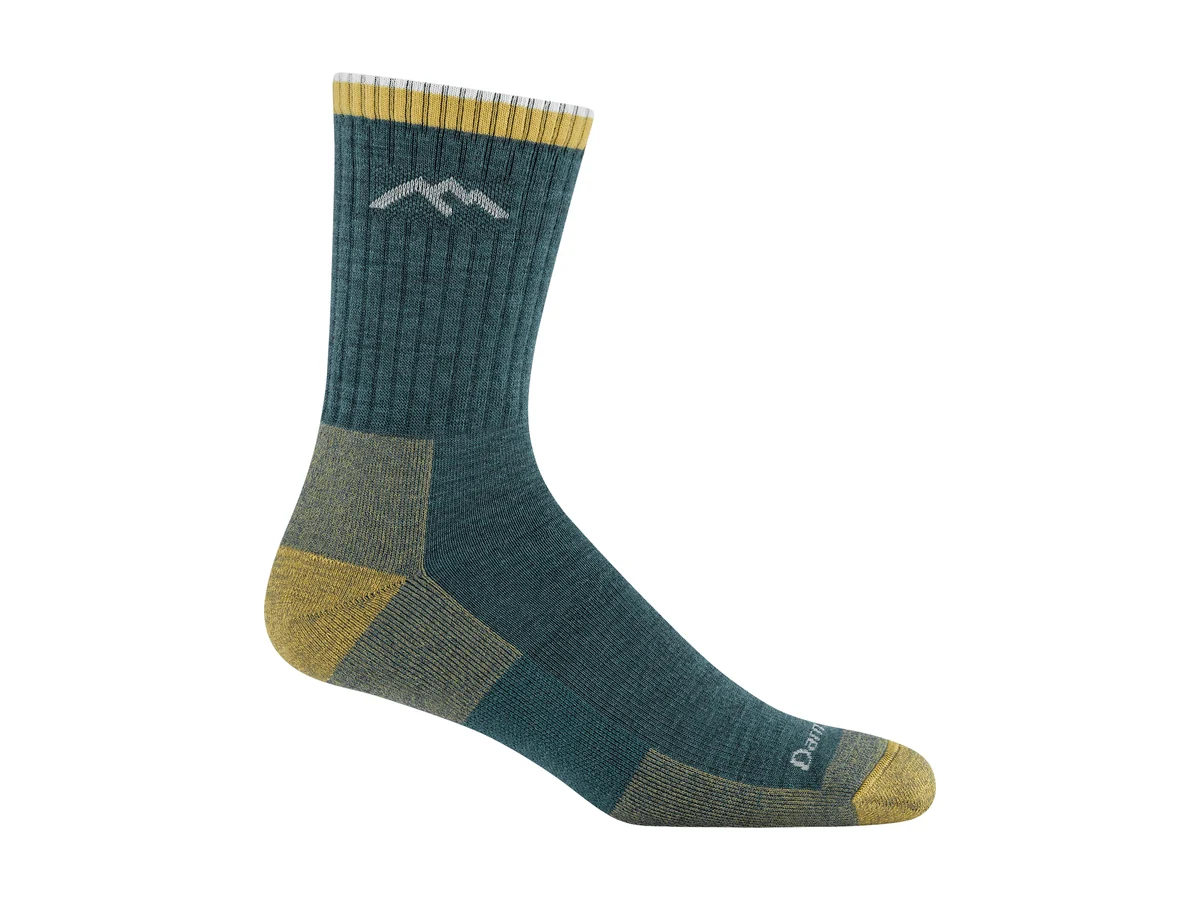
The Darn Tough Hiker Micro Crew Midweight, style 1466, contains 61% merino wool, 36% nylon and 3% Lycra. Cushioned terry loops sit underfoot, with extra protection around the ankle and Achilles. The maker does not list a weight.
Take at least two pairs so one can dry. Keep the spare pair sealed away from rain. In sunshine, secure damp socks to the outside of your pack to dry.
What could be better: One pair of merino blend socks cannot be relied on to dry overnight in every climate.
Compeed Blister Plasters
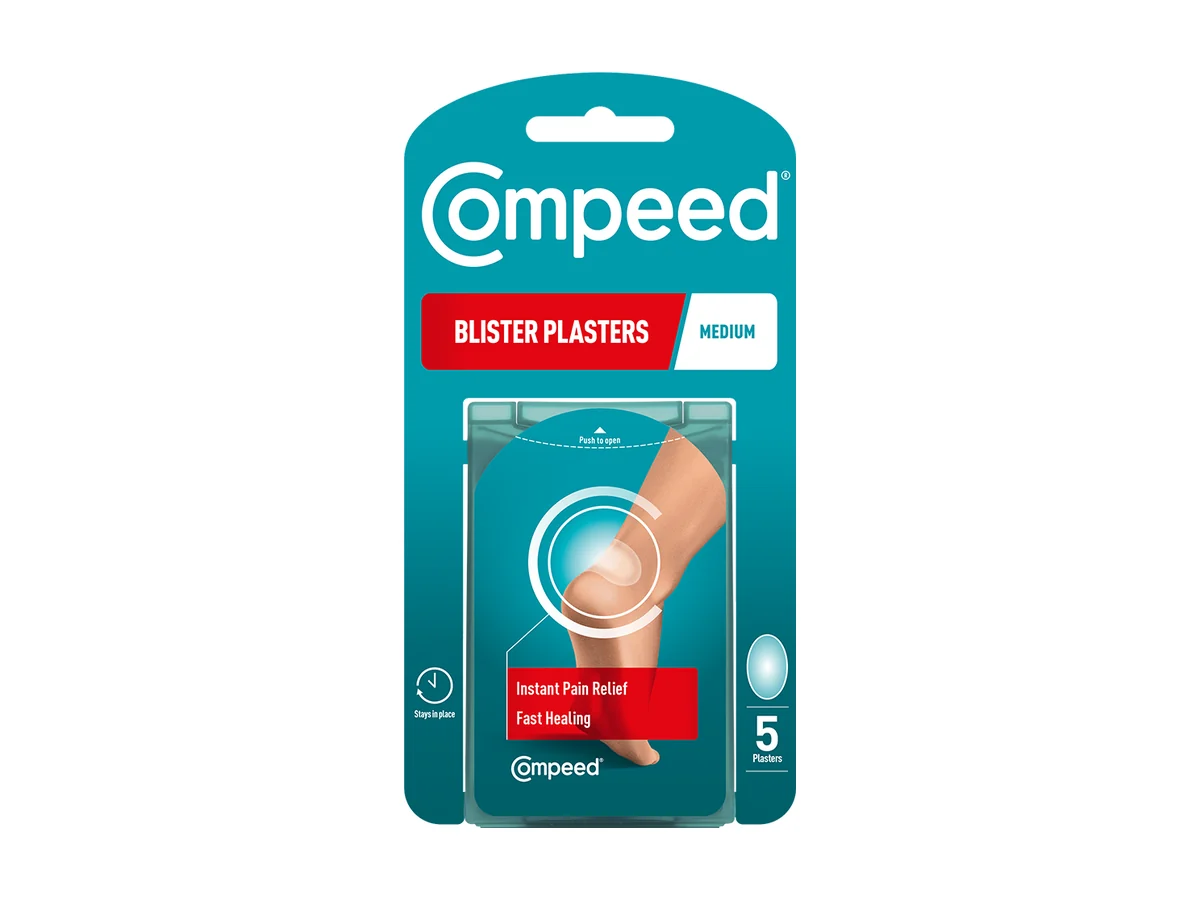
Compeed Blister Plasters (mixed)
Compeed blister plasters use hydrocolloid material with thick cushioning. The maker describes them as water-repellent and breathable, and says they stay in place for up to seven days. The maker does not list a weight.
Carry them alongside tape, especially for long road stages in heat. Stop at the first hot spot and check your feet. Follow the product's application instructions when using a plaster.
What could be better: These hydrocolloid plasters cover blisters, but they do not address what caused the rubbing.
Sea to Summit Reactor Fleeceweight Liner
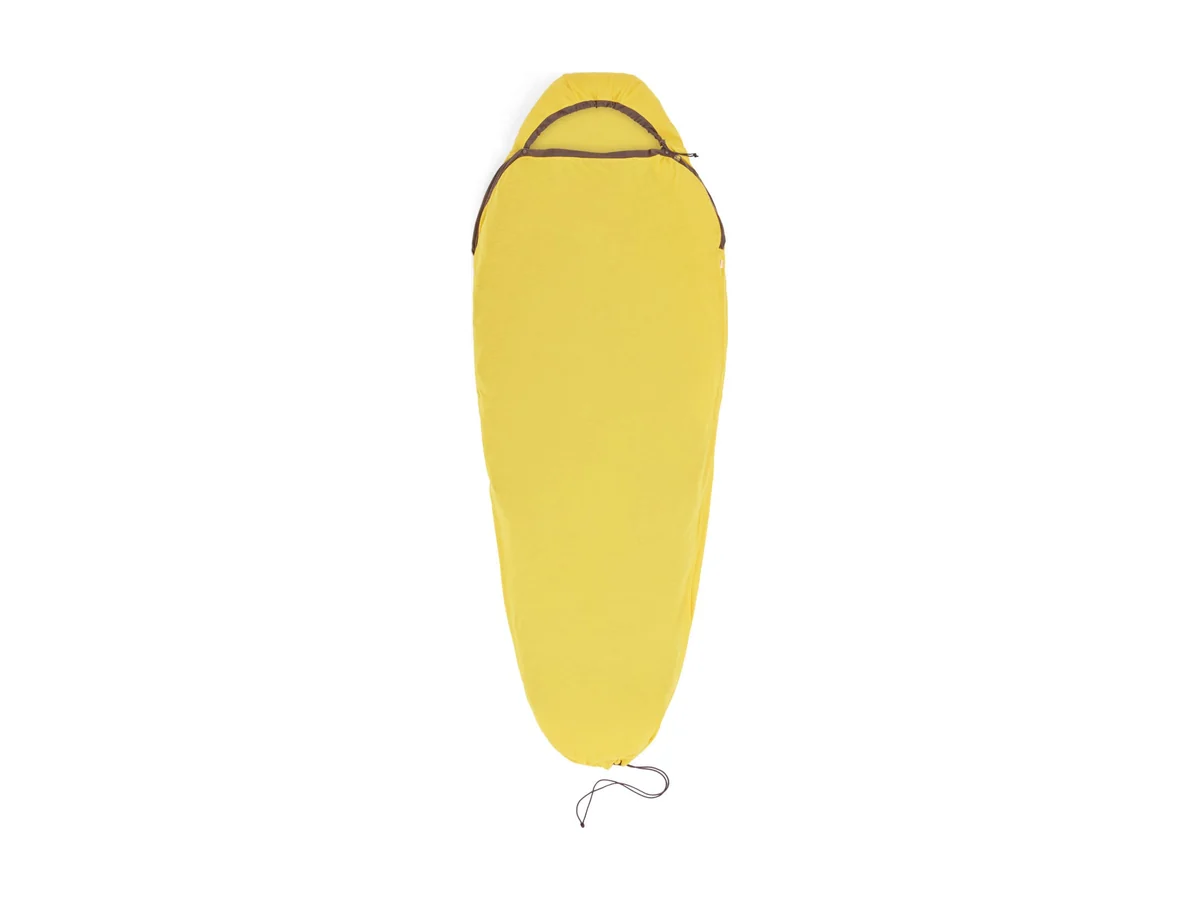
Sea to Summit Reactor Fleeceweight Liner
The Regular Sea to Summit Reactor Fleeceweight liner weighs 400 g according to the maker. It uses recycled polyester with Thermolite hollow-core fibres and grid fleece. The added warmth depends on the sleeping bag and mat used with it.
Use it alone on warm nights, inside a sleeping bag or under a guesthouse blanket. It is particularly relevant for bare sleeping spaces and cold nights. Check your lodging arrangements before deciding whether a liner alone is enough.
What could be better: This liner does not replace a sleeping bag, and warmth depends on the bag and mat.
Sea to Summit Lightweight Dry Bag 5 L
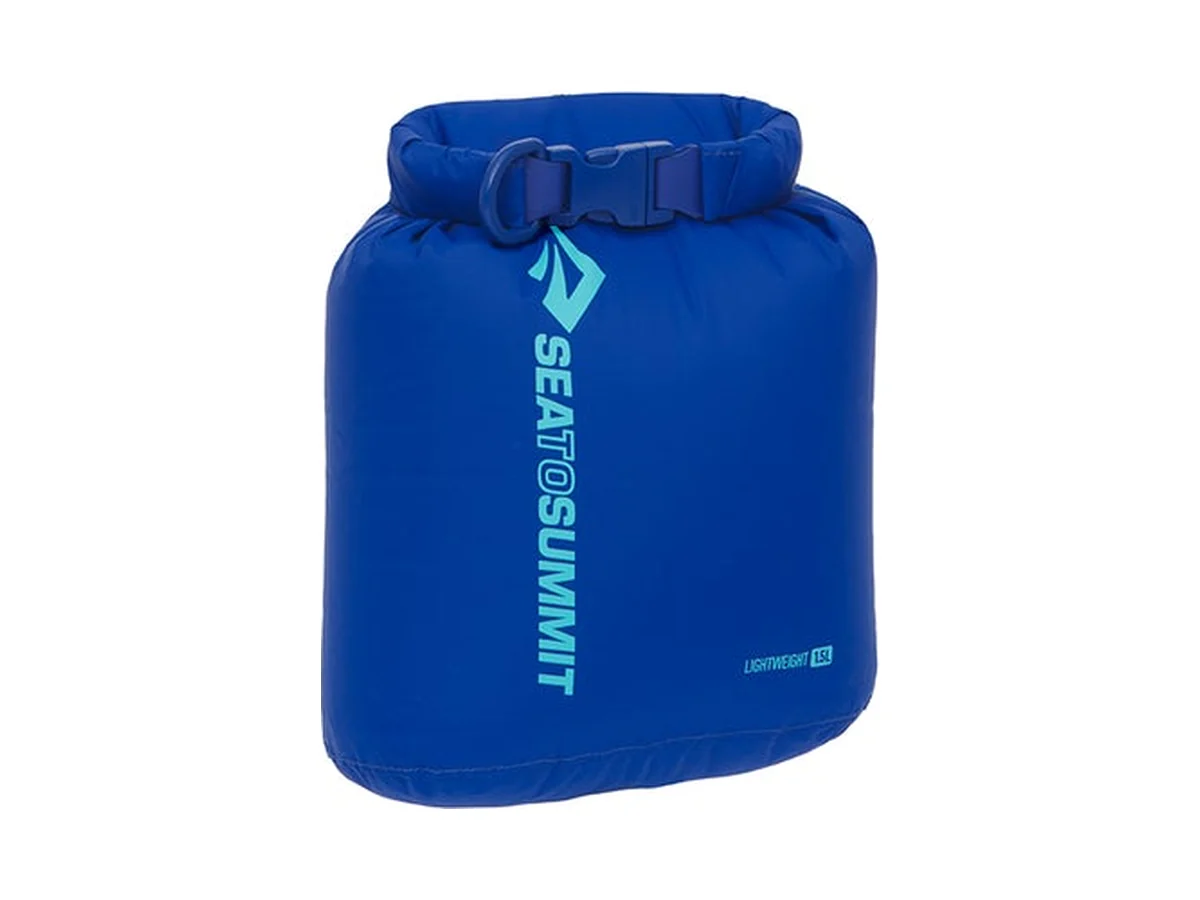
Sea to Summit Lightweight Dry Bag 5 L
The Sea to Summit Lightweight Dry Bag 5 L weighs 50 g according to the maker. It uses recycled 70D nylon with a 10,000 mm waterproof coating, taped seams and a roll-top closure.
Pack spare socks and dry sleep clothes together. Close the roll-top carefully before setting out in rain. Keep damp clothing separate from this dry set.
What could be better: The five litre capacity is small, so reserve this bag for socks and sleep clothes.
Rite in the Rain All-Weather Soft Cover Book

Rite in the Rain All-Weather Notebook No. 374
The Rite in the Rain All-Weather Soft Cover Book No. 374 has 128 pages, or 64 sheets, and a Field-Flex cover. Use a pencil or a compatible all-weather pen when the paper is wet. The maker does not list a weight.
Use it for personal reflection while keeping your nokyocho for temple prayer records. Leave room for thoughts that need no immediate answer. Writing can be part of the pause between walking and the next temple.
What could be better: Writing on wet pages requires a pencil or compatible pen, so choose your writing tool accordingly.
Complete the Rest of Your Packing List
Add rain protection, a hat, water, removable layers and a microfibre towel. Carry tape with your blister plasters and protect your spare socks from rain. A sugegasa sedge hat provides protection from sun, wind and rain.
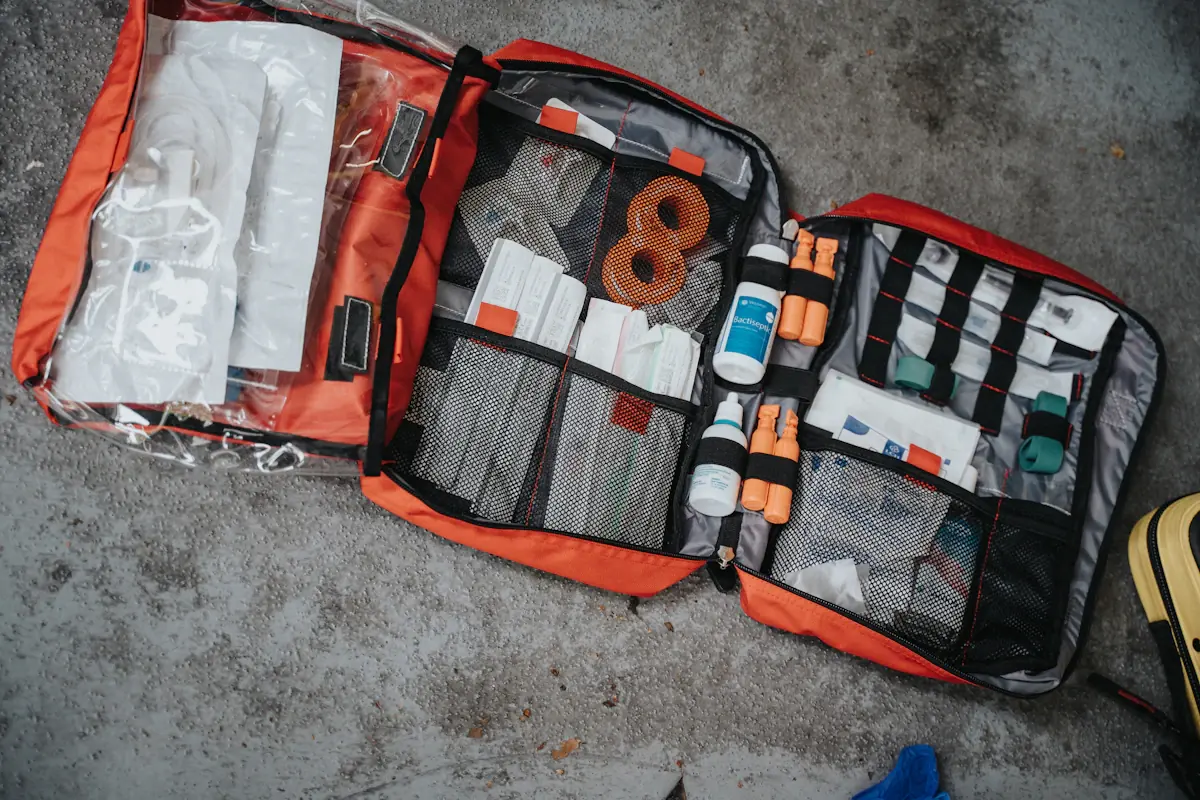
Bring your nokyocho, cash and a warm layer for cold nights. Base sleeping equipment on confirmed accommodation arrangements. Keep the pack focused on what you will use during the walk and overnight. For rainy road days see our travel umbrella guide, and keep a travel first aid kit in your pack. Sleeping outside on some stages? Read tent or hammock for pilgrims and our camping hammock guide.
- Use a cushioned, broken-in shoe for road stages, with a leather mid boot for mountain paths and prolonged rain.
- Rotate socks, keep a spare pair dry and stop at the first hot spot.
- Carry a liner for simple lodging and a warm layer for cold nights.
- Follow temple etiquette and leave space for prayer and personal reflection.
Backpack weight calculator
Add what you carry, set the weight of each item in grams, and see your pack and your total in kg and lb.
FAQ
Do I need hiking boots for the Shikoku pilgrimage?
Much of the route follows roads, where a cushioned, broken-in walking shoe is enough. A leather mid boot is useful for mountain temples, forest paths and prolonged rain.
When is the best time to walk the Shikoku pilgrimage?
The Japan National Tourism Organization recommends spring and autumn. Summer is hot and rain can last for days, while winter brings cold nights and some unheated accommodation.
Should I carry a sleeping bag liner?
A liner is useful in simple guesthouses and tsuyado shelters, which can be bare tatami rooms. Check bedding arrangements ahead, especially when nights are cold.
What is the difference between a nokyocho and a journal?
The nokyocho records your prayers at each temple, with the entry obtained after praying. A separate journal gives you space for your own reflections.
Affiliate disclosure. This post contains affiliate links. If you click and buy something, this site earns a small commission at no extra cost to you. Check the selected model, size and version before ordering. As an Amazon Associate I earn from qualifying purchases. Read the full affiliate disclosure. Amazon and the Amazon logo are trademarks of Amazon.com, Inc. or its affiliates.
Your next step
 Japan Digital Nomad Guide: Visa, Costs & Best Cities 2026