
Kumano Kodo Packing List for the Nakahechi Route
As an Amazon Associate I earn from qualifying purchases. Some links on this page earn us a small commission, at no extra cost to you. Full disclosure.
A Kumano Kodo packing list prepares you for your own deep journey towards the divine within, where nature's silence can help you notice that God walks with you. On this route, Shinto nature worship and Buddhism meet in the sacred mountains. This guide covers rain protection, footwear and the essentials for the Nakahechi route. It also explains how to care for your feet, arrange lodging and respect the shrines.
Quick answer
Start with the Outdoor Research Foray 3L rain jacket, LOWA Renegade EVO GTX Mid boots and Black Diamond Trail Back poles fitted with rubber tips. Add the Deuter Futura 23, a Sea to Summit dry bag, Darn Tough socks, Compeed blister plasters and Kat Davis's Cicerone guidebook.
All 8 picks at a glance
Outdoor Research Foray 3L Rain Jacket
The jacket combines waterproof construction with venting for humid climbs. Read more
Black Diamond Trail Back Trekking Poles
Adjustable poles belong on this route only with rubber tips fitted. Read more
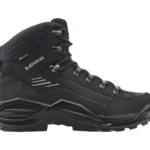
LOWA Renegade EVO GTX Mid
Leather uppers and a waterproof membrane suit wet conditions on long walking days. Read more

Deuter Futura 23 Daypack
The daypack includes a rain cover and an Aircomfort back system. Read more
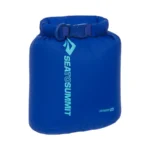
Sea to Summit Lightweight Dry Bag 5 L
A separate dry bag keeps your spare socks and sleep clothes together inside the pack. Read more
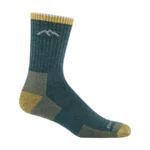
Darn Tough Hiker Micro Crew Midweight
Merino wool and cushioning underfoot make these a practical walking sock choice. Read more

Compeed Blister Plasters (mixed)
Hydrocolloid plasters provide thick cushioning when a blister needs protection. Read more
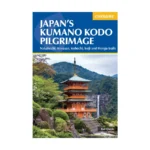
Cicerone: Japan's Kumano Kodo Pilgrimage
Kat Davis's guidebook covers the Nakahechi and includes maps and GPX files. Read more
Walking in prayer and gratitude
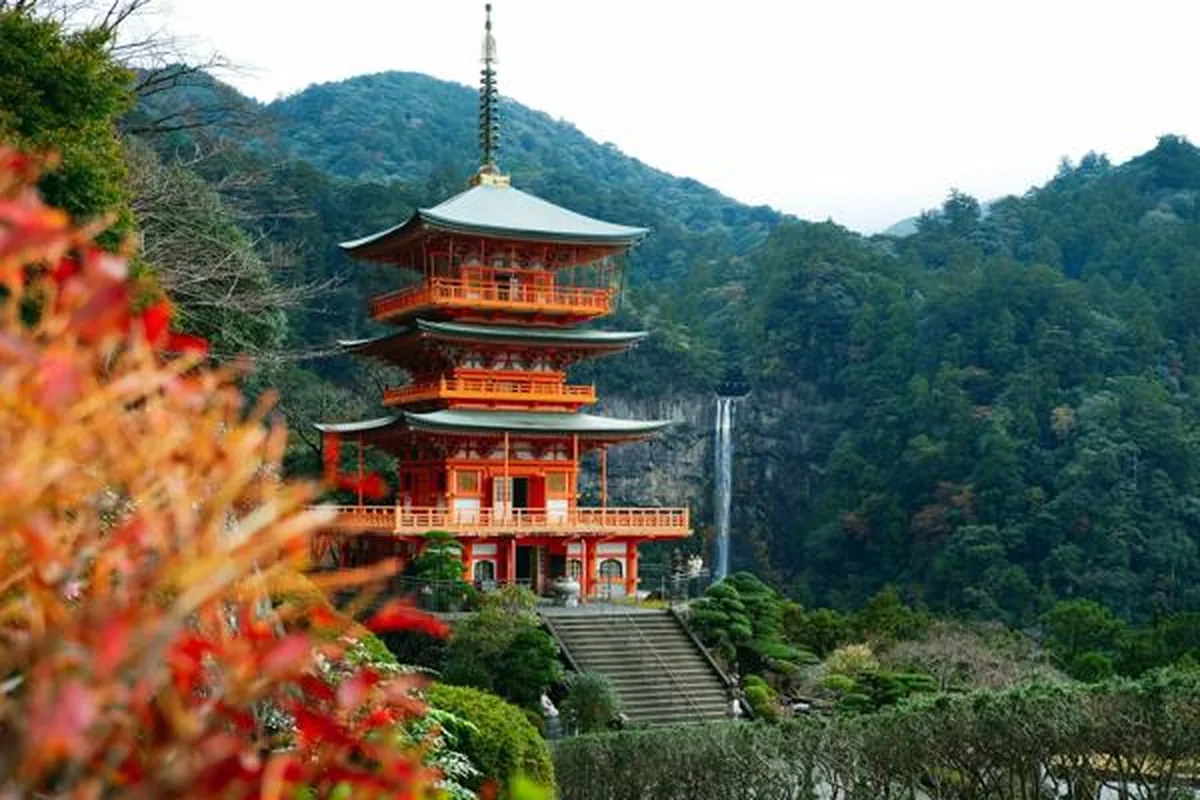
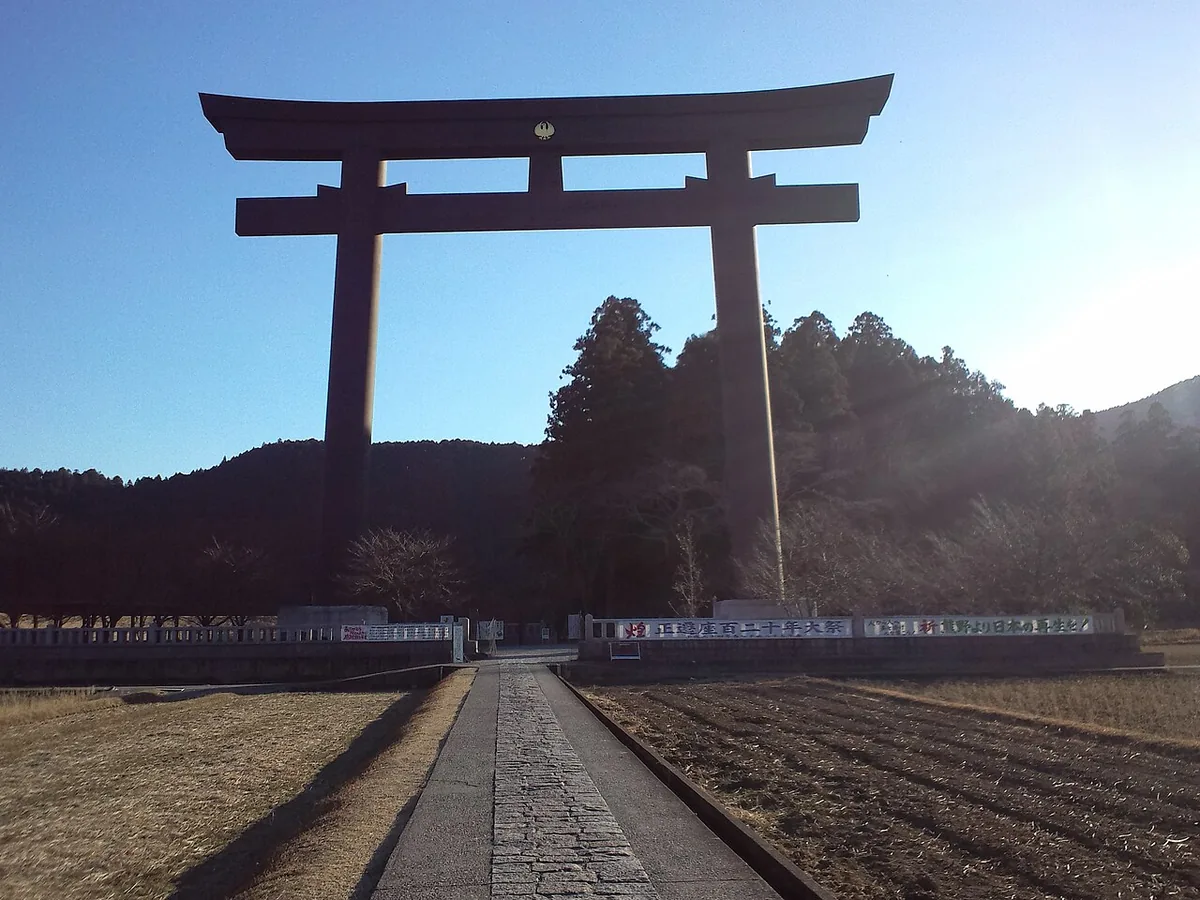
Wakayama prefecture describes the Kumano Kodo as a route to walk in prayer and gratitude. Its ancient paths lead towards the Kumano grand shrines, where Shinto nature worship and Buddhism meet. Let that tradition shape how you move through the mountains.
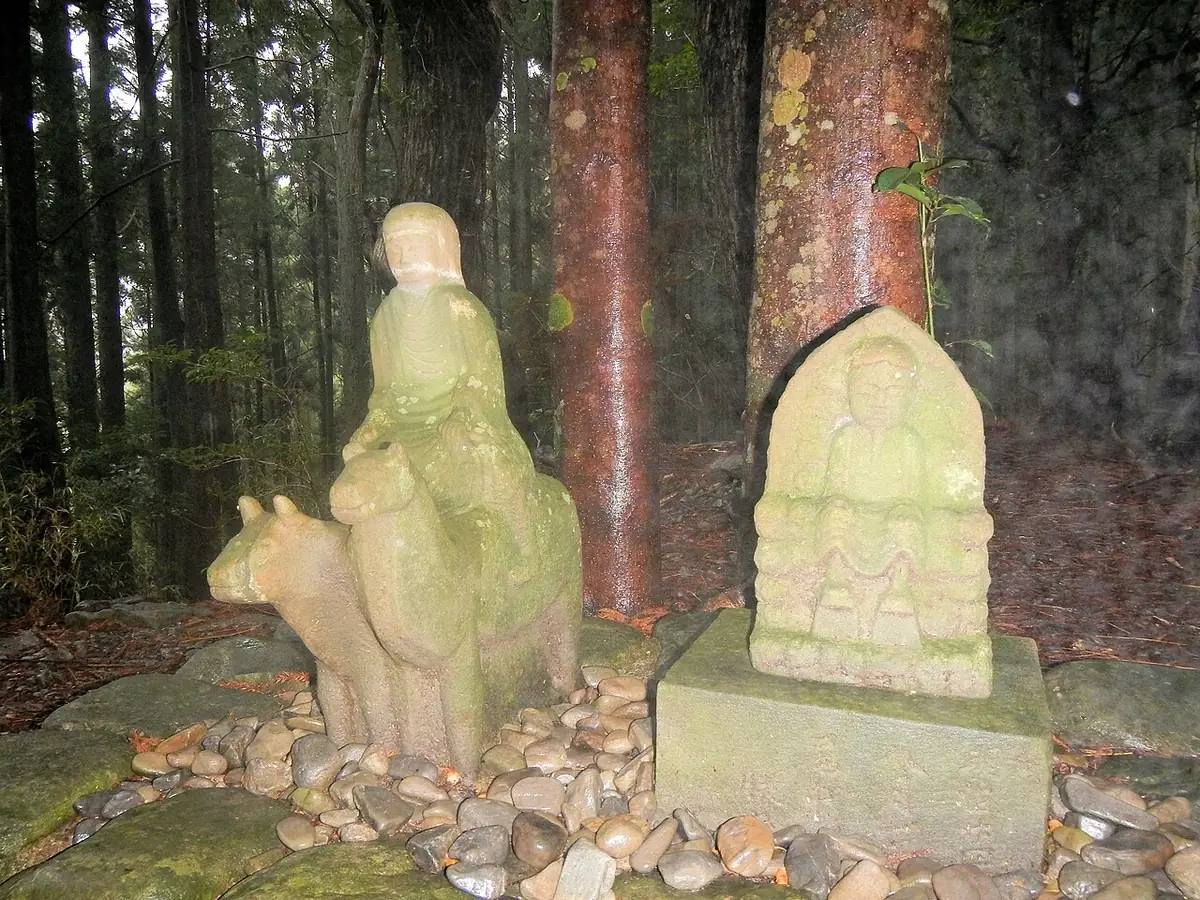
Carry the free Kumano Kodo stamp booklet or collect the oji shrine stamps in your own journal. Leave space beside them for a thought, a prayer or something you noticed in the forest. A guidebook can sit alongside that personal record.
The Nakahechi route and where to sleep

The route from Takijiri-oji to Kumano Hongu Taisha in Wakayama is about 38 km. Expect stone steps, old cobbles and root-lined forest paths. The Tanabe City Kumano Tourism Bureau identifies slips and falls on stone and roots as the main injury concern, especially when wet.
Book lodging in advance, because arriving without a booking is considered inappropriate. The tourism bureau prohibits camping in villages, on trails, on private property and on roads. Official campground options include Iris Park Auto Campground in Chikatsuyu and Tanabe Kawayu Campground.
What changes through the seasons
| Season | Weather and crowds | Nights | Extra to bring |
|---|---|---|---|
| Spring | Weather and crowds: A popular season, with heavy rain possible | Nights: Keep dry sleep clothes separate | Extra to bring: Rain protection and a light liner |
| Summer | Weather and crowds: Hot and humid, with rain still possible | Nights: Keep a dry change for lodging | Extra to bring: Water and quick-dry clothing |
| Autumn | Weather and crowds: A popular season, with fast-changing mountain weather | Nights: Keep a layer ready for the evening | Extra to bring: Layers and waterproof storage |
| Winter | Weather and crowds: Frost can occur, and rain preparation still matters | Nights: Prepare for cold nights | Extra to bring: Warm layers and a light liner or blanket |
Choose your season around the conditions you are prepared to carry gear for. Mountain weather changes quickly, so keep rain protection accessible throughout the year.
Pack for rain and mountain changes
| Weather | What to watch for | Best answer and what to bring |
|---|---|---|
| Rain | What to watch for: Stone steps and roots become slippery | Best answer and what to bring: Carry a Foray 3L jacket, pack protection, a folding umbrella and poles with rubber tips |
| Heat and sun | What to watch for: Summer heat and humidity | Best answer and what to bring: Carry water, wear quick-dry clothing and avoid cotton |
| Cold and cold nights | What to watch for: Winter frost and cold evenings | Best answer and what to bring: Bring layers and a light sleeping liner or blanket |
| Wind or mist | What to watch for: Mist and fast-changing mountain conditions | Best answer and what to bring: Carry a paper map and a light, and reach lodging before dark |
| Changeable weather and layers | What to watch for: Conditions can change quickly between climbs | Best answer and what to bring: Dress in layers and keep spare clothing in a dry bag |
Choose footwear for wet steps and roots
Prefer breathable leather hiking boots for long stages, wet or cold conditions and the route's stone steps. The LOWA option combines leather with a waterproof membrane. Take time to break boots in before the pilgrimage.
A lighter shoe can be enough for shorter walks in dry conditions if it suits your feet and the terrain. The Tanabe City Kumano Tourism Bureau says footwear must not damage the old stones, so avoid spikes and damaging hard soles. Fit rubber tips to trekking poles.
Keep feet and spare socks dry
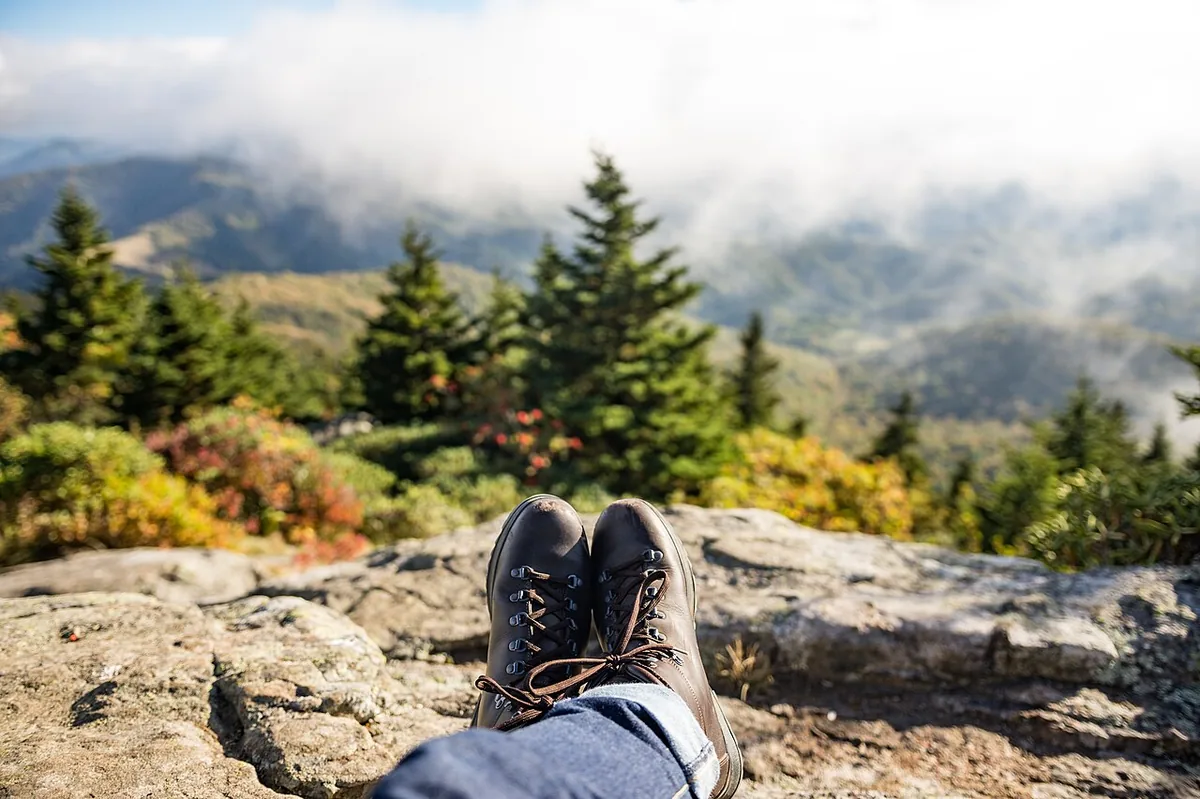
Pack wool socks, blister plasters and tape, and stop at the first hot spot to check your feet. Keep the spare pair in a dry bag or zip bag. In sun, dry damp socks on the outside of your pack.
Carry a microfibre towel to dry your feet before putting socks back on. The Kumano tourism bureau advises newspaper in wet shoes overnight. Keep a light liner or blanket dry for cold nights.
Tip from Chenzo, founder of NomadsToolsLab: In new shoes I wear two thin pairs of socks for the first stretches, and I break shoes in with short walks. My trick: put wet newspaper in new shoes for 24 hours, then walk in them so they shape to your feet. On a break I take off my shoes and socks straight away and put my feet on the earth, respecting local rules around holy water and temple grounds. If there is cold water, I cool my feet in it, then dry them well and only put my shoes back on when my feet are completely dry and no longer wrinkled. LOWA says to dry wet leather boots slowly in a ventilated room, never in the sun or by a radiator. The Kumano tourism bureau also advises stuffing wet shoes with newspaper overnight.
Check trail conditions before setting out
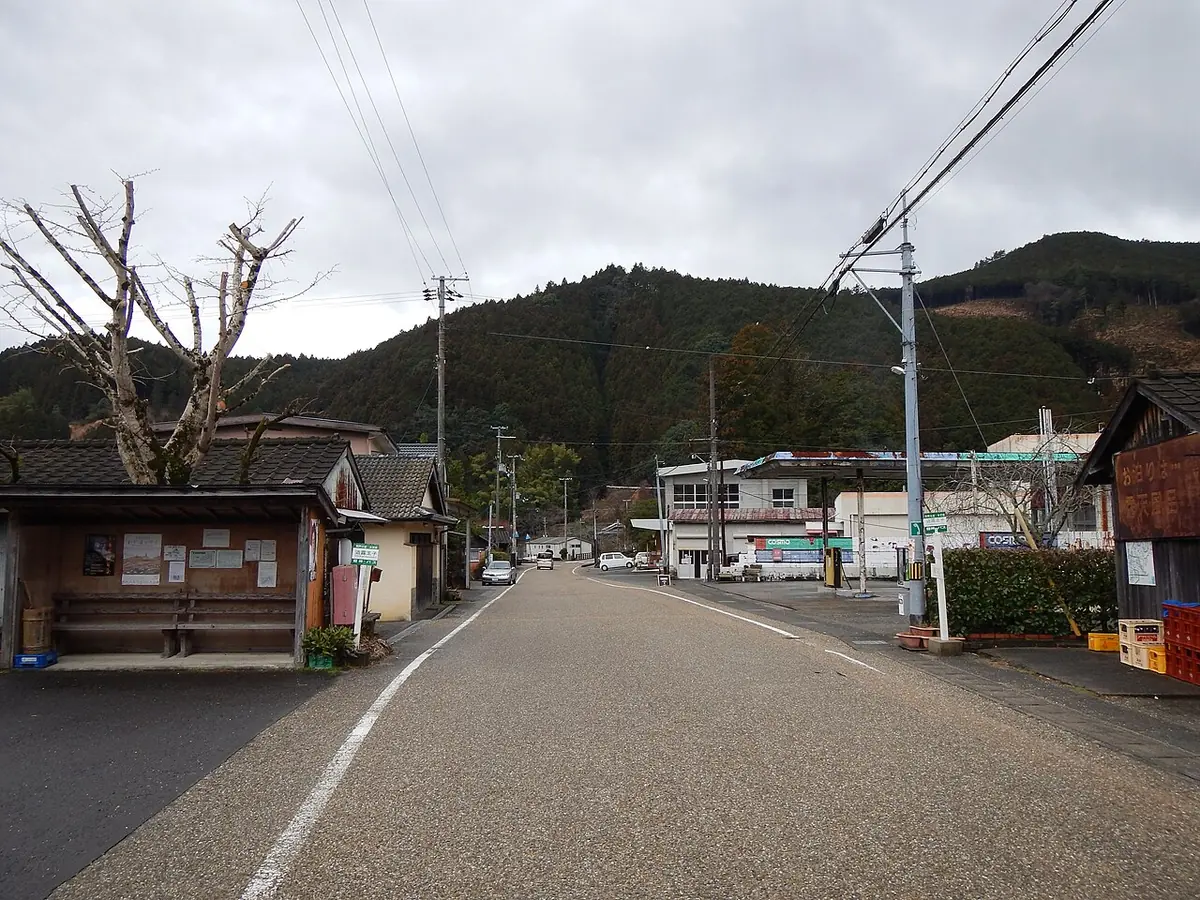
The Tanabe City Kumano Tourism Bureau and Wakayama prefecture warn that landslides or weather can close trails. Check conditions before setting out and avoid walking in extreme weather. Carry a paper map and a light, and reach your lodging before dark. Follow trail guidance from Kumano Tourism Bureau manners and Wakayama prefecture.
Only walking is allowed on the Kumano Kodo. Using KUMANO TRAVEL for all bookings is one way to register your trek with the local authorities. Toilets are scarce, so plan your stops.
Respect shrines and the people along the route
The Tanabe City Kumano Tourism Bureau and Wakayama prefecture ask visitors to check whether photography is allowed at shrines and temples. Avoid loud conversation and music, and do not eat or drink on sacred grounds. Drinking water to avoid overheating is allowed.
Walk in single file, greet residents and stay quiet in the early hours. Carry out everything you bring in. Give the places you pass the same attention you give the destination.
Packing list with maker weights
| Item | Job on the route | Weight (maker) |
|---|---|---|
| OR Foray 3L | Job on the route: Rain | Weight (maker): Not listed by maker |
| Black Diamond Trail Back poles | Job on the route: Grip and balance on steps | Weight (maker): 534 to 560 g (per pair, the maker page shows both figures) |
| LOWA Renegade EVO GTX Mid | Job on the route: Leather boot for long, rocky or wet stages | Weight (maker): Worn on your feet: 590 g per shoe on LOWA's US page (size not stated), not in the pack total |
| Deuter Futura 23 | Job on the route: Daypack with rain cover | Weight (maker): 1180 g |
| Sea to Summit Lightweight Dry Bag 5 L | Job on the route: Keeps spare socks dry | Weight (maker): 50 g |
| Darn Tough Hiker Micro Crew (2 pairs) | Job on the route: Dry, cushioned feet | Weight (maker): Not listed by maker |
| Compeed blister plasters | Job on the route: Blister care | Weight (maker): Not listed by maker |
| Cicerone Kumano Kodo guide | Job on the route: Maps and stages | Weight (maker): Not listed by maker |
| Subtotal of listed packed items | Job on the route: Items with a maker weight | Weight (maker): 1,764 to 1,790 g plus 4 items without a maker weight |
Check the specifications for your chosen versions with Outdoor Research, Black Diamond poles, LOWA, Deuter, Sea to Summit dry bag, Darn Tough, Compeed and Cicerone. This subtotal covers only the listed packed items with stated weights. Worn footwear and missing weights are excluded. Add water, food and other gear, then use the backpack weight calculator to total your load.
Related reading: Mount Kailash Kora: Sacred Route and Packing Guide
Outdoor Research Foray 3L rain jacket

Outdoor Research Foray 3L Rain Jacket
The Outdoor Research Foray 3L rain jacket uses three-layer recycled stretch nylon and waterproof, breathable AscentShell Dry construction. TorsoFlo venting runs from hem to bicep. The maker weight is not listed here.
The adjustable hood has a bonded brim, and the jacket uses YKK Aquaguard zips. Keep it within reach when mountain weather changes.
What could be better: This rain jacket covers your upper body, but it does not replace waterproof trousers.
Black Diamond Trail Back trekking poles
Black Diamond Trail Back Trekking Poles
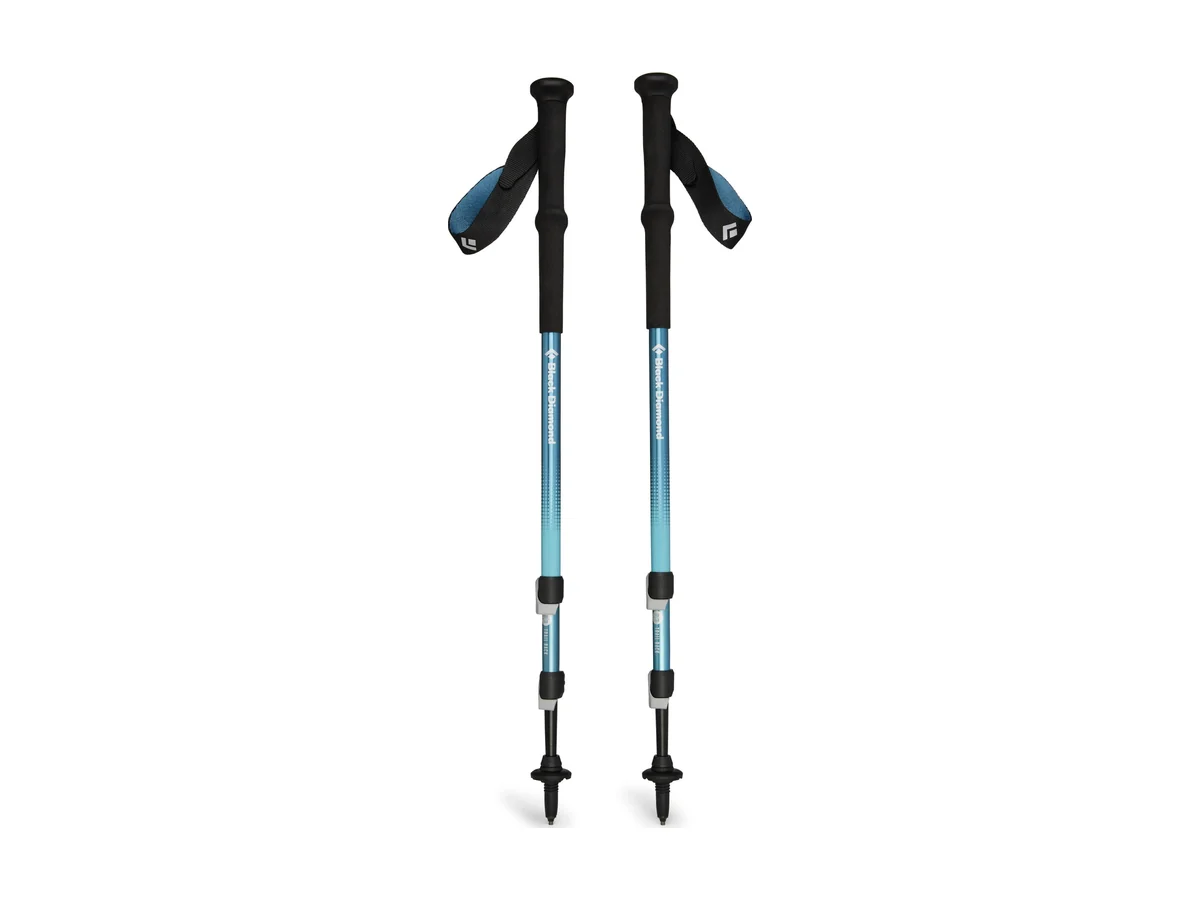
The Black Diamond Trail Back trekking poles use 7075 aluminium and FlickLock adjustment. Their weight is about 534 to 560 g per pair, the maker page shows both.
They adjust from 100 to 140 cm and have carbide tips with replaceable baskets. Fit rubber tips before using them on the Kumano Kodo's old stones.
What could be better: The carbide tips need rubber covers wherever local rules require rubber tips.
LOWA Renegade EVO GTX Mid boots
LOWA Renegade EVO GTX Mid
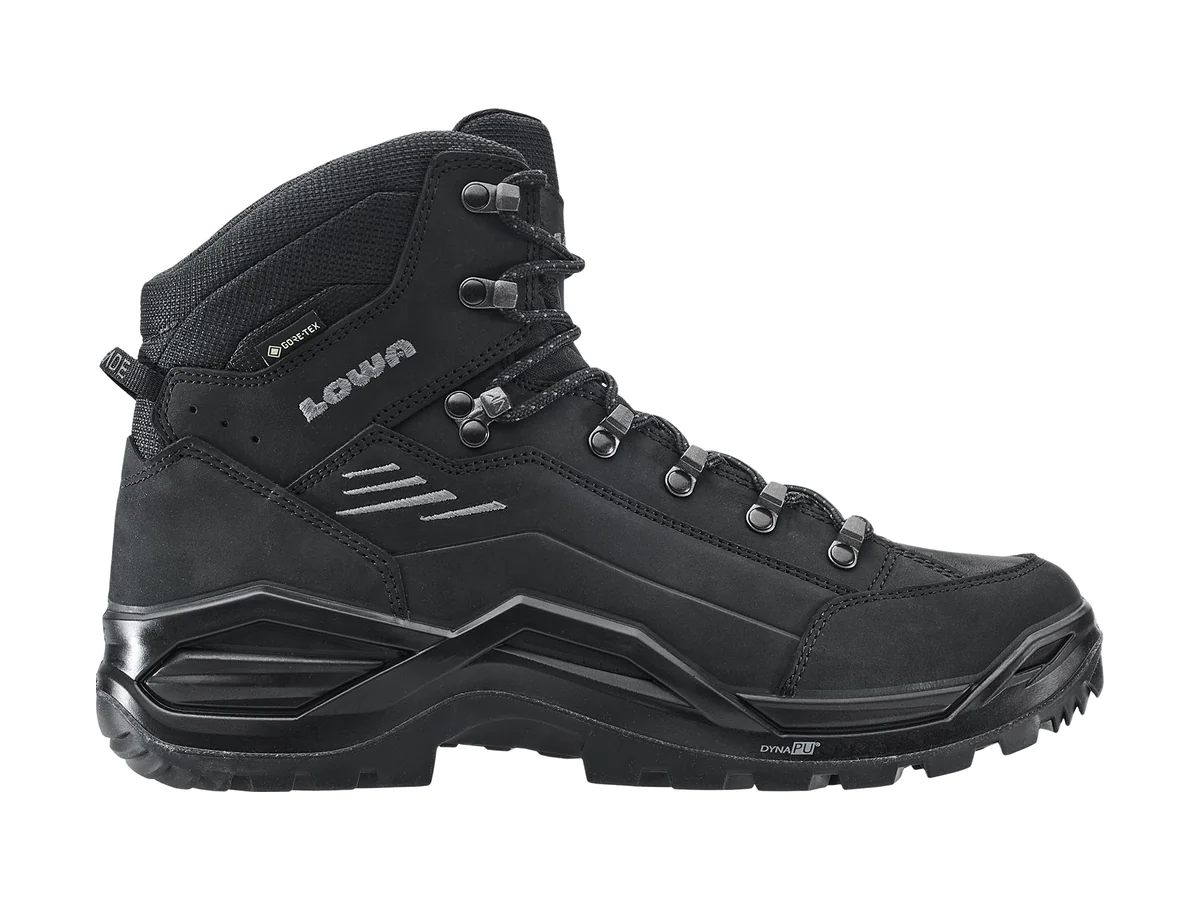
The LOWA Renegade EVO GTX Mid has a leather upper, a waterproof and breathable GORE-TEX membrane and a Vibram outsole. LOWA names pilgrimages and long-distance hikes among its uses. Weigh the pair you will wear.
Its mid-cut design and LOWA DYNAPU midsole make it worth considering for this packing list. Follow LOWA's care instructions when drying the leather after rain.
What could be better: These boots need breaking in, so allow time to wear them before the trip.
Deuter Futura 23 daypack
Deuter Futura 23 Daypack
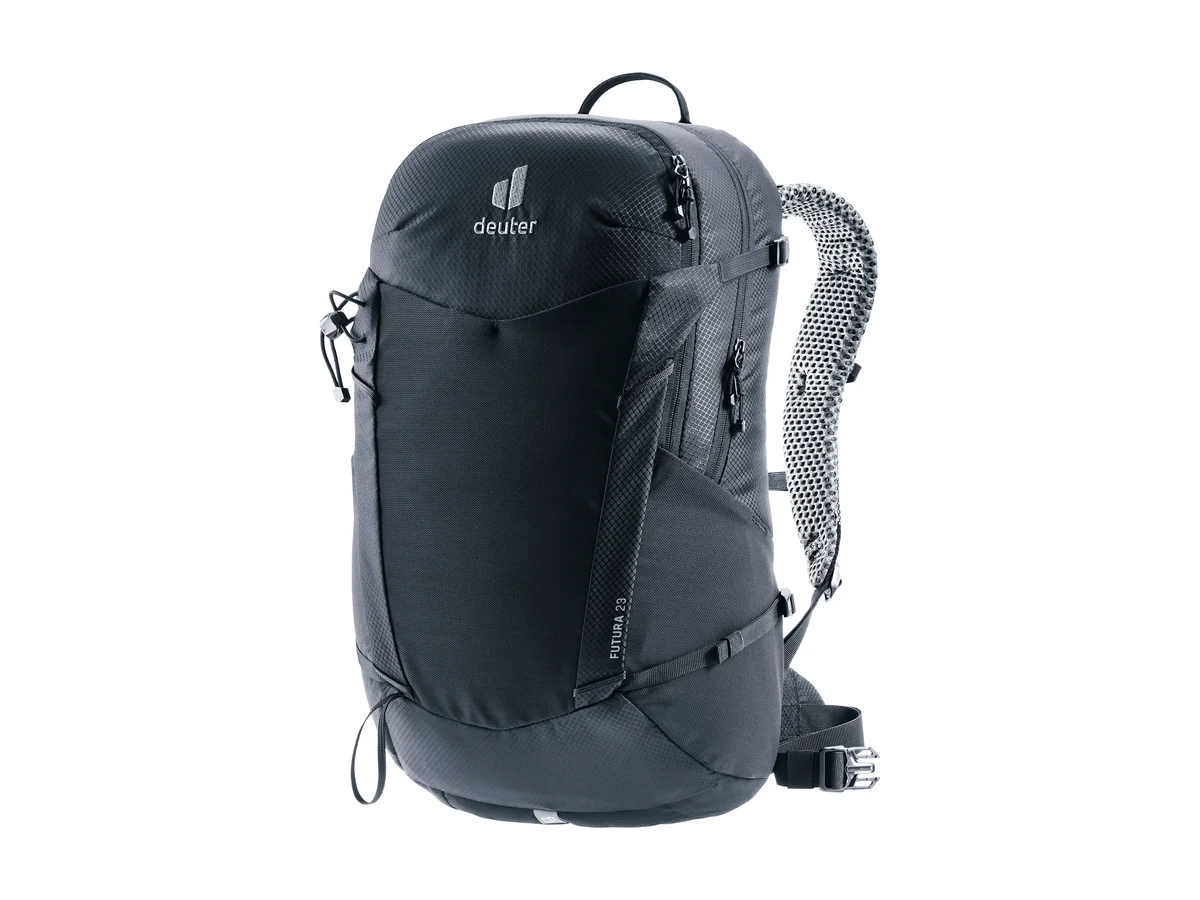
The Deuter Futura 23 has a 23-litre capacity and an Aircomfort back system. Its maker weight is 1,180 g.
Use the included rain cover when rain arrives. Keep socks and sleep clothes separately protected inside the pack.
What could be better: At 1,180 grams, this 23 litre daypack is heavier than frameless daypacks.
Sea to Summit Lightweight Dry Bag 5 L
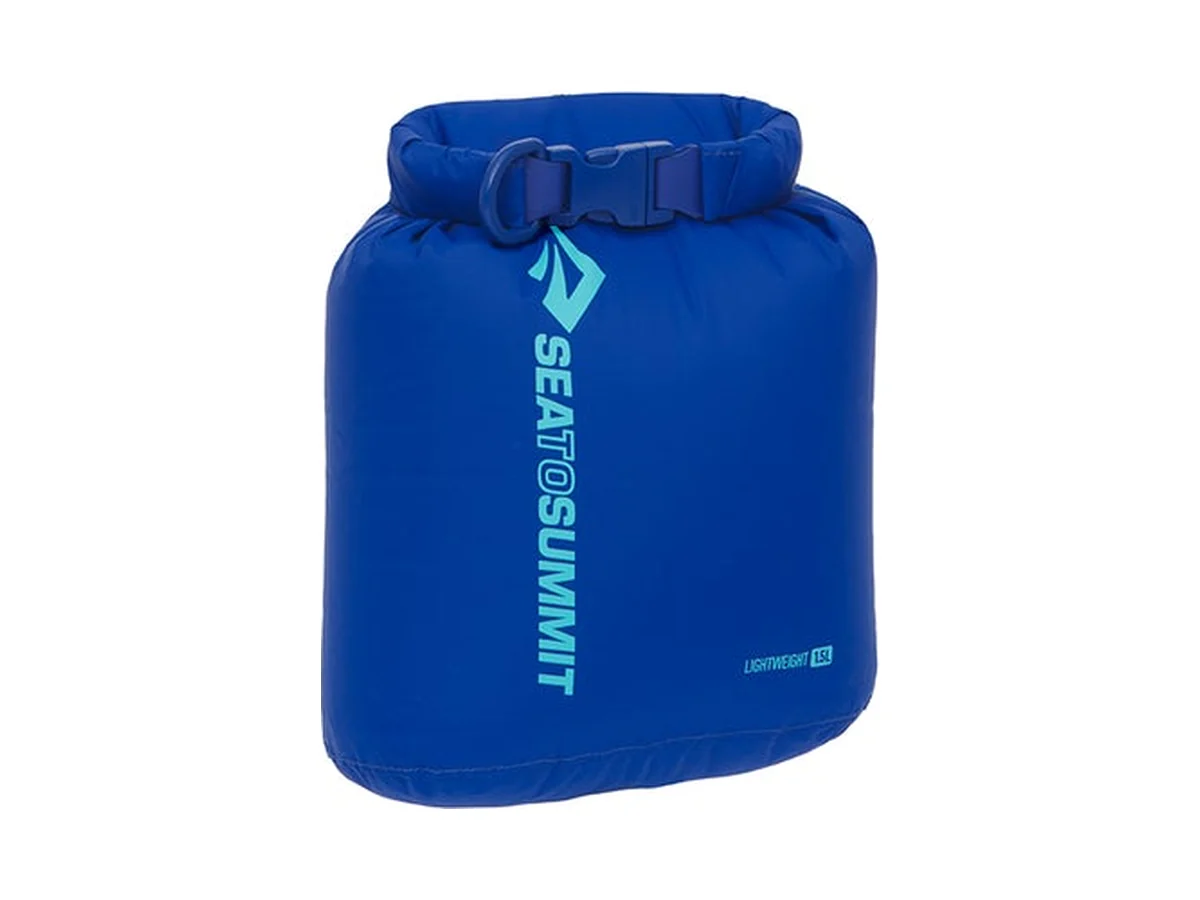
Sea to Summit Lightweight Dry Bag 5 L
The Sea to Summit Lightweight Dry Bag 5 L uses recycled 70D nylon, taped seams and a roll-top closure. Its maker weight is 50 g.
The fabric has a 10,000 mm waterproof coating. Use the bag inside your pack for spare socks and dry sleep clothes.
What could be better: The five litre capacity is small, so reserve this bag for socks and sleep clothes.
Darn Tough Hiker Micro Crew Midweight socks
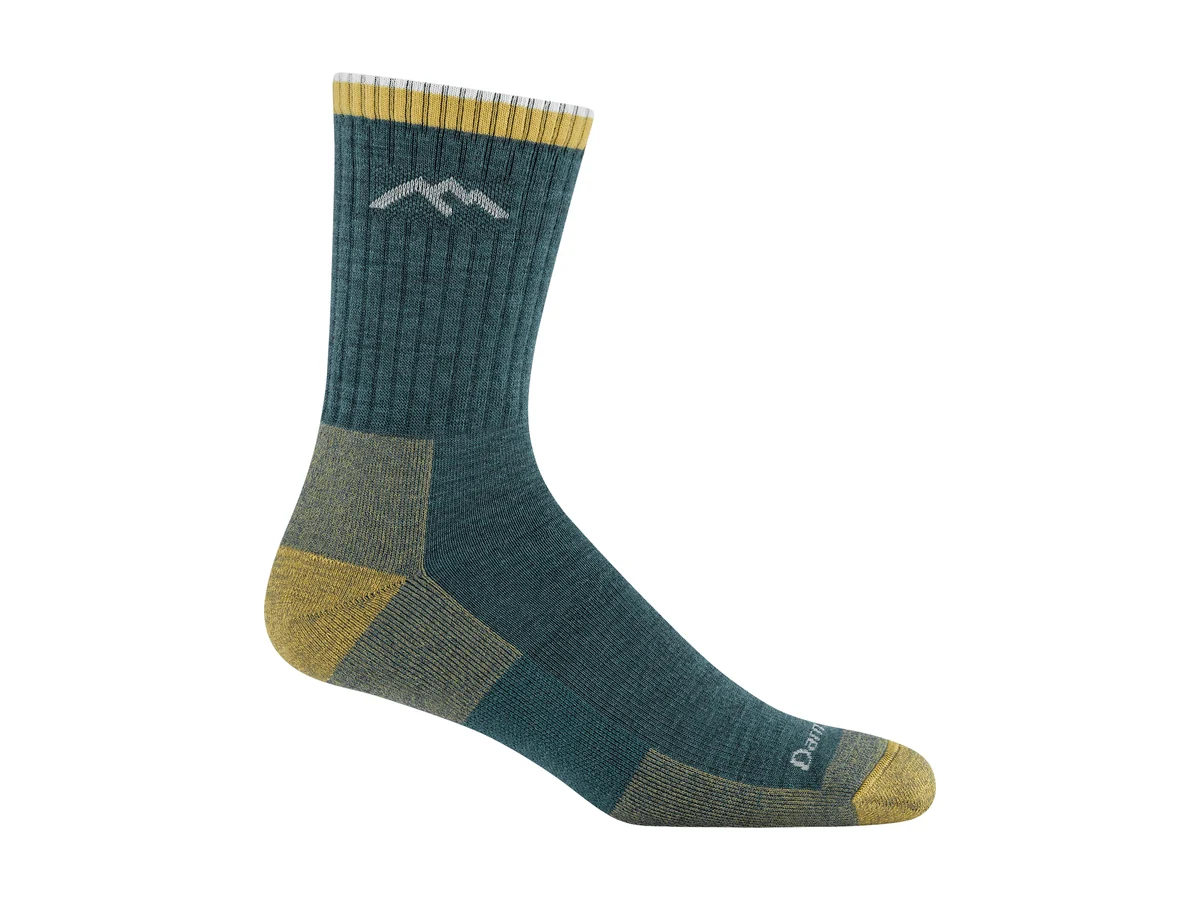
Darn Tough Hiker Micro Crew Midweight
The Darn Tough Hiker Micro Crew Midweight socks, style 1466, contain 61% merino wool, 36% nylon and 3% Lycra. Cushioned terry loops sit underfoot, with extra protection around the ankle and Achilles. The maker does not list a weight.
Keep a spare pair dry and change out of damp socks when needed. Use sunny breaks to dry the worn pair on the outside of your pack.
What could be better: One pair of merino blend socks cannot be relied on to dry overnight in every climate.
Compeed blister plasters
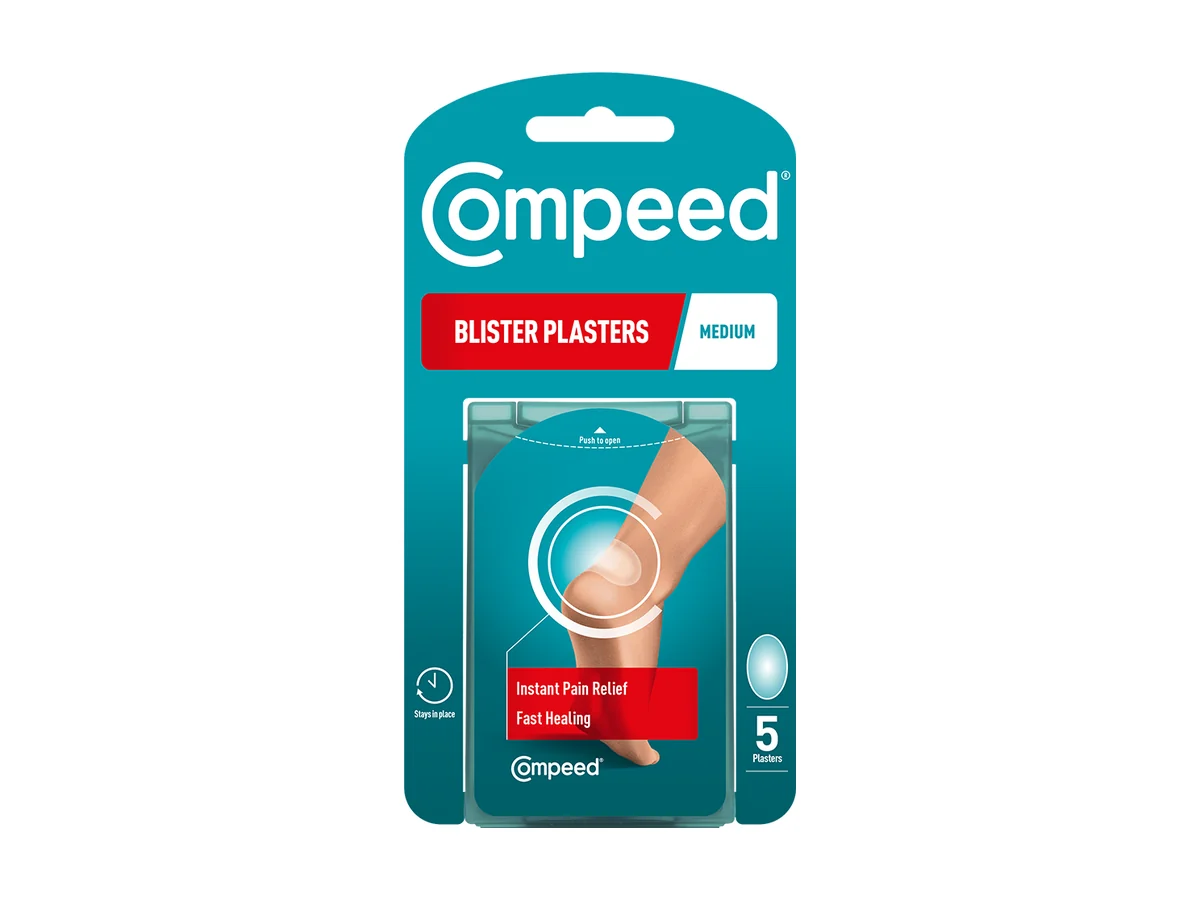
Compeed Blister Plasters (mixed)
Compeed blister plasters use hydrocolloid material with thick cushioning. The maker describes them as water-repellent and breathable. The maker does not list a weight.
Carry them alongside tape in your foot-care kit. Stop at the first hot spot and check what is rubbing before continuing.
What could be better: These hydrocolloid plasters cover blisters, but they do not address what caused the rubbing.
Japan's Kumano Kodo Pilgrimage by Kat Davis
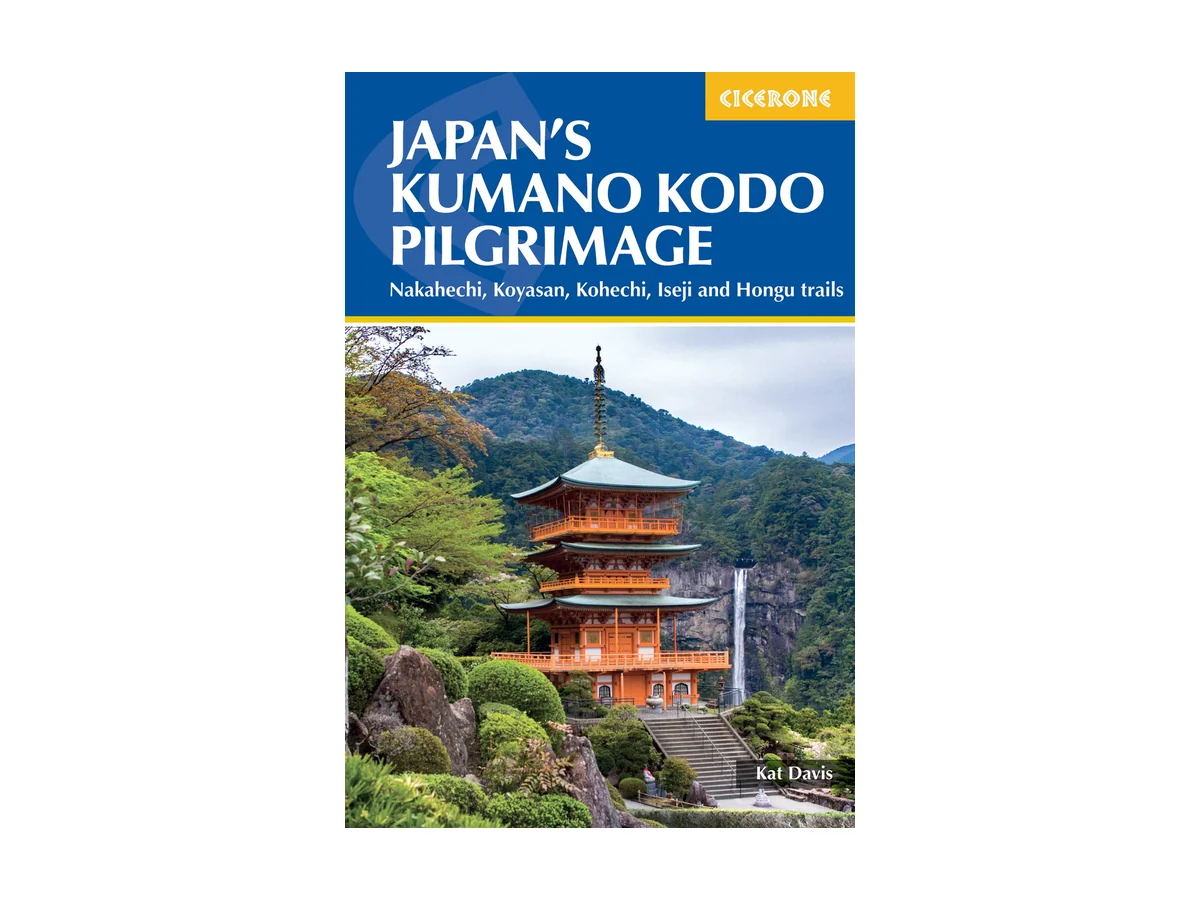
Cicerone: Japan's Kumano Kodo Pilgrimage
Japan's Kumano Kodo Pilgrimage by Kat Davis is a Cicerone guidebook with 240 pages, 1:50,000 maps and GPX files. The second edition was published on 22 November 2024. The maker does not list a weight.
It covers the Nakahechi, Kohechi, Iseji, Koyasan and Hongu trails. Carry a paper map as well, and keep a journal or stamp booklet for the personal side of the walk.
What could be better: This printed second edition dates from 2024, so check current route closures locally.
Finish the rest of your packing list
Add water, quick-dry layers, a light, a paper map and a microfibre towel. A folding umbrella gives you another rain option, while a light liner or blanket belongs in your plan for cold nights. Keep cotton out of your wet-weather clothing choices.
Collect the free stamp booklet at the Tanabe Tourist Information Center or use your own journal. If you plan to camp, arrange your walk around official campgrounds. Choose your sleeping setup after confirming where you will stay. More on rain gear in our packable rain jacket guide, and for life in Japan see the Japan digital nomad guide.
- Prepare for rain in every season and slow down on wet stone and roots.
- Break in leather boots, fit rubber pole tips and keep spare socks dry.
- Book lodging ahead, check trail closures and arrive before dark.
- Respect shrine rules and leave room for prayer, gratitude and reflection.
Backpack weight calculator
Add what you carry, set the weight of each item in grams, and see your pack and your total in kg and lb.
FAQ

What belongs on a Kumano Kodo packing list?
Start with rain protection, suitable footwear, dry spare socks and layers. Add water, a paper map, a light, blister care and a light liner or blanket for cold nights.
Do I need leather boots for the Nakahechi route?
Solid, breathable leather boots are the main choice for long stages, wet conditions and stone steps. A lighter shoe can suit shorter walks in dry conditions. Avoid spikes and hard soles that damage the old stones.
Can I camp along the Kumano Kodo?
The Tanabe City Kumano Tourism Bureau prohibits camping in villages, on trails, on private property and on roads. Use official campgrounds, such as Iris Park Auto Campground or Tanabe Kawayu Campground.
Do I need a permit or lodging reservation?
Book lodging in advance. The Tanabe City Kumano Tourism Bureau considers arriving without a booking inappropriate. Using KUMANO TRAVEL for all bookings is one way to register your trek with local authorities; check current arrangements before departure.
Affiliate disclosure. This post contains affiliate links. If you click and buy something, this site earns a small commission at no extra cost to you. Check the selected model, size and version before ordering. As an Amazon Associate I earn from qualifying purchases. Read the full affiliate disclosure. Amazon and the Amazon logo are trademarks of Amazon.com, Inc. or its affiliates.
Your next step

 Japan Digital Nomad Guide: Visa, Costs & Best Cities 2026