Backpacking South America: What to Actually Pack (2026)
As an Amazon Associate I earn from qualifying purchases. Some links on this page earn us a small commission, at no extra cost to you. Full disclosure.
South America is not one climate, it is five or six stacked on top of each other. Here is what to pack for backpacking South America. A single route can take you from a humid coast to a cold Andean pass to a rainy jungle lowland in the same week, and most packing lists written for "backpacking" in general do not account for that swing. This one does. Five items, each solving a specific problem the region actually creates. For everything else in the bag, our digital nomad packing list covers the rest.
Quick answer
Layer with merino instead of cotton, carry a real rain jacket instead of a poncho, and pack a proper first aid kit built for multi-day travel, not a plaster tin. A headlamp and a picaridin insect repellent round it out for buses, blackouts and the Amazon lowlands. Every item is explained in full further down; use the Read more links to jump straight there.
All five, with a buy button each
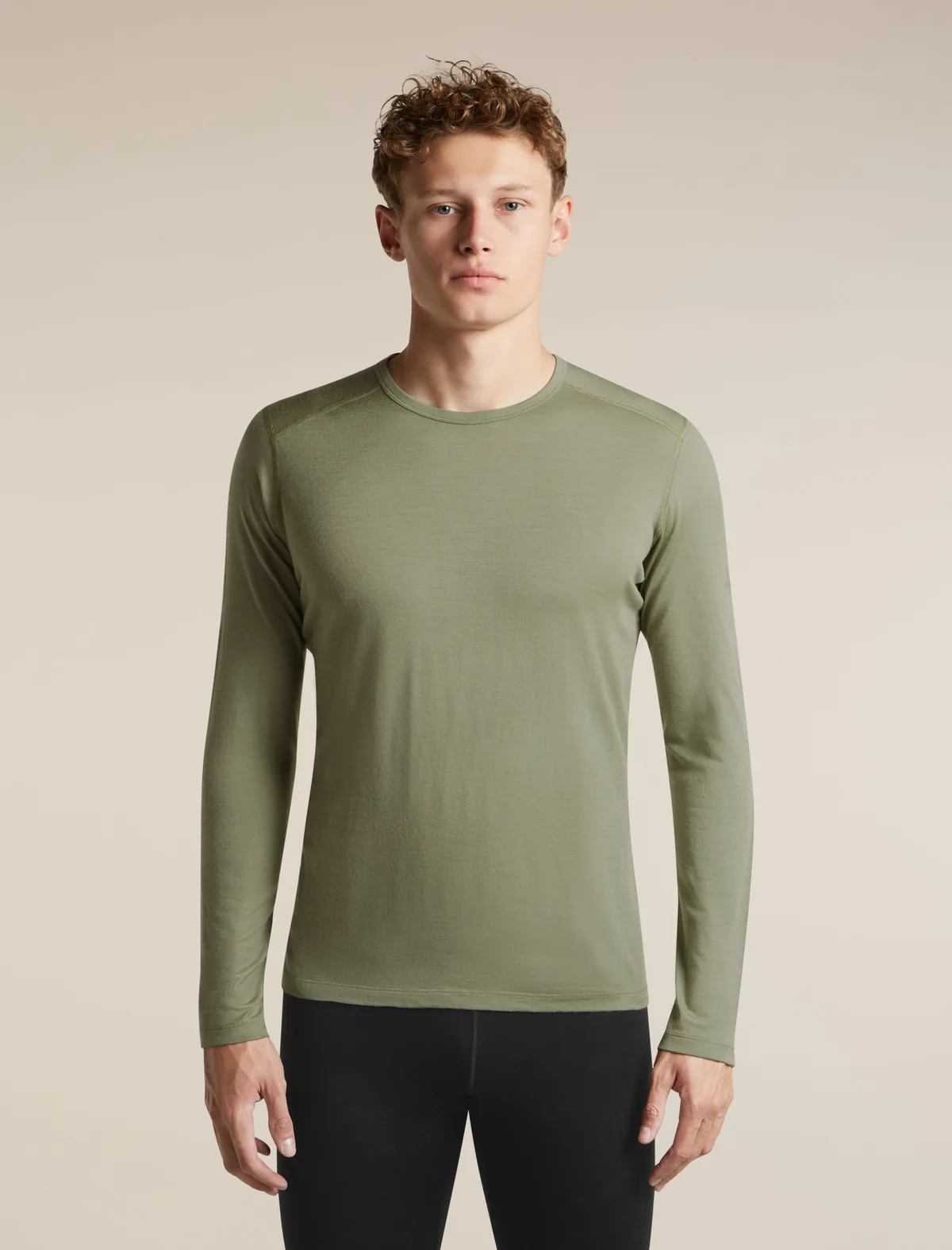
Icebreaker 200 Oasis Merino Base Layer
One shirt that handles a cold Andes night and does not smell after three days on a bus. Read more
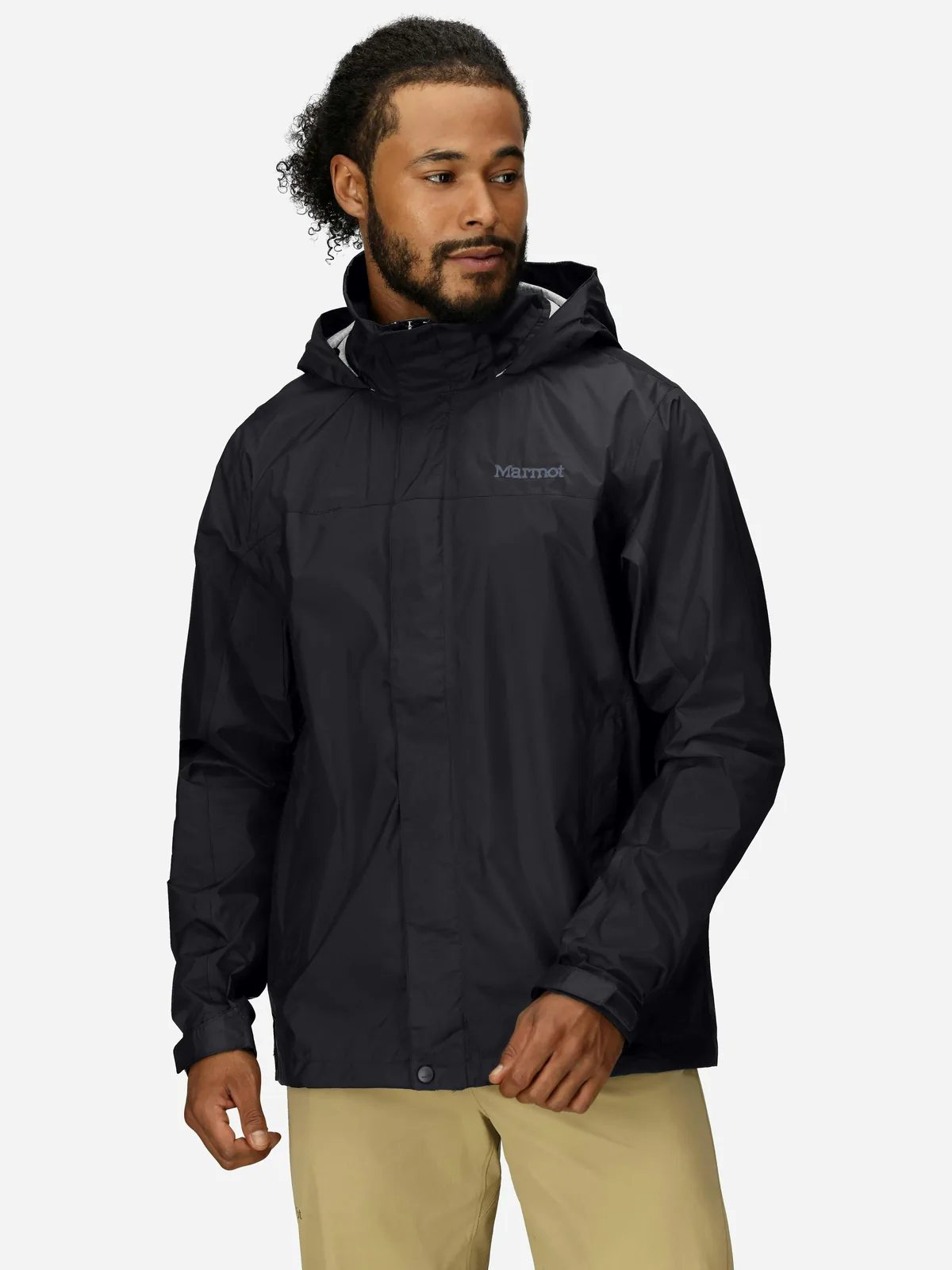
Marmot PreCip Eco Rain Jacket
Packs down to nothing, actually keeps you dry through a wet-season downpour. Read more
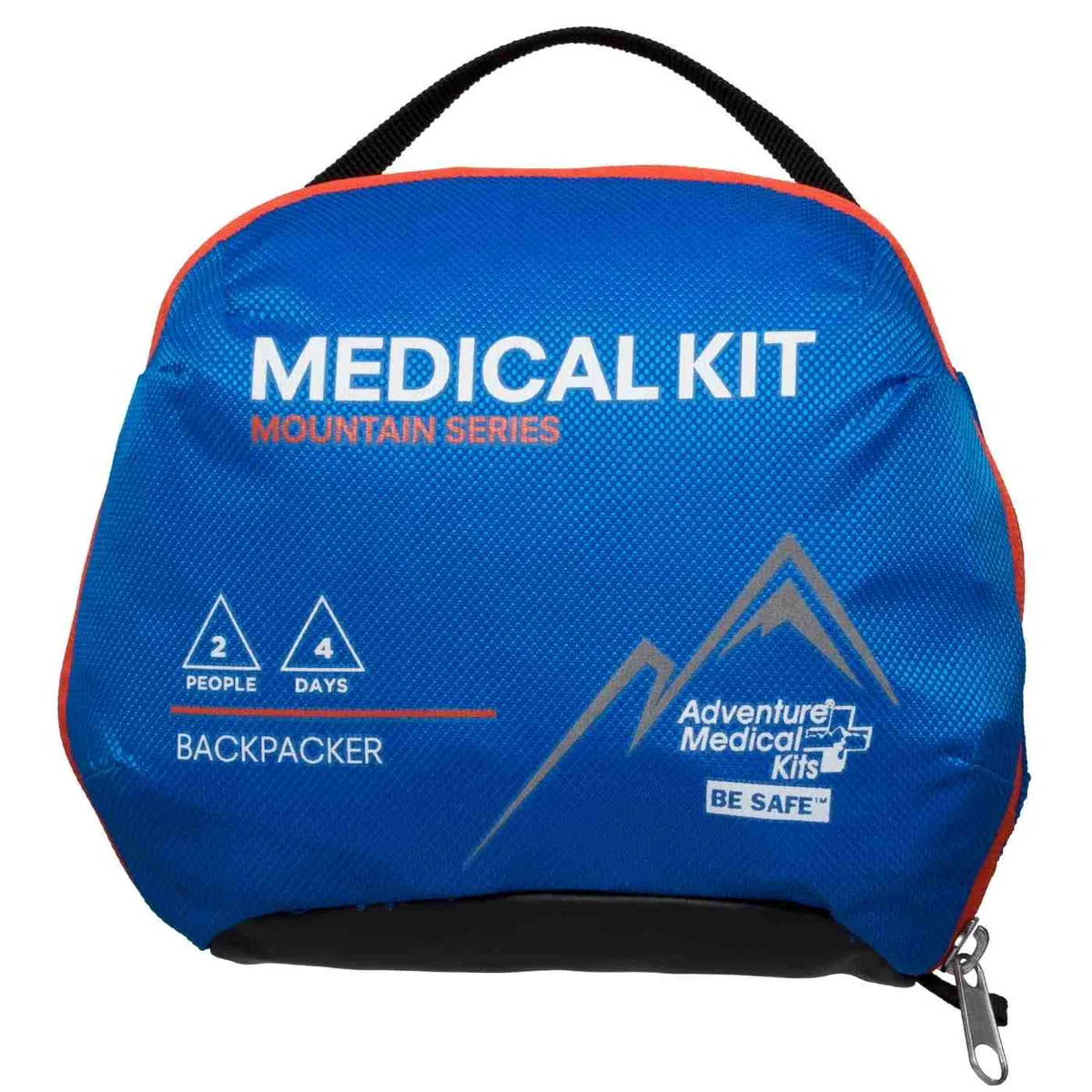
Adventure Medical Kits Backpacker Medical Kit
Built for two people on a multi-day route, not a day hike near a pharmacy. Read more
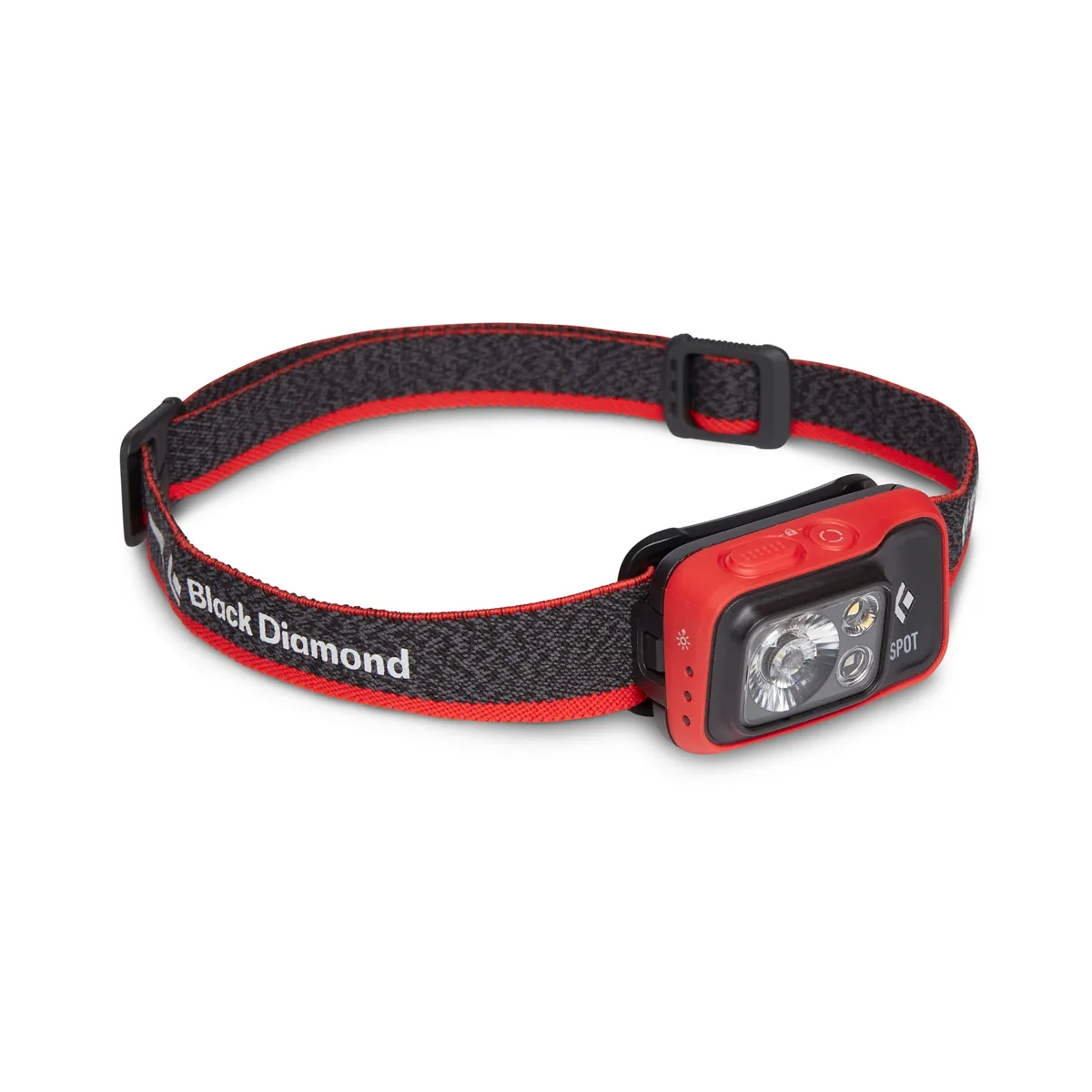
Black Diamond Spot 400 Headlamp
For night buses, salt flat tours and rooms where the power just went out. Read more
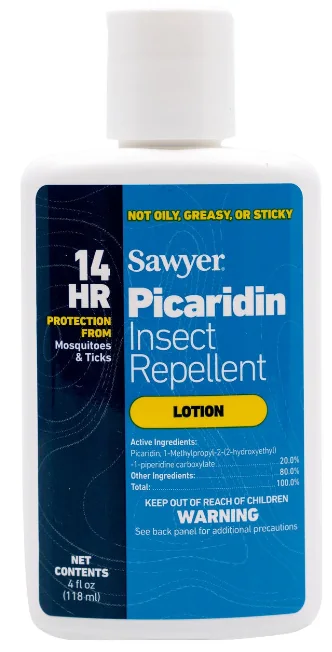
Sawyer Picaridin Insect Repellent Lotion 20%
Lasts up to 14 hours and will not melt your rain jacket's coating the way DEET can. Read more
What to Actually Pack: 5 Items That Matter
None of these are exotic. What matters is why each one is on the list, because the reason changes what you should buy. Match them to your own route with the table further down.
1. Merino base layer: one shirt for coast, highland and everything between
Icebreaker 200 Oasis Merino Base Layer
A route that drops from a warm coastal city to a 4,000 meter Andean pass and back down into jungle in the same week needs one layer that works everywhere, not three separate outfits. The Icebreaker 200 Oasis is a 100% merino wool long sleeve top. Icebreaker describes the fibre as naturally odour resistant and warm when it is cold and cool when it is warm, which helps after several days without laundry. It is a mid-weight top (220 g in size M, a 200 on Icebreaker's own warmth scale). It is not built for freezing summit temperatures, it is built for year-round layering and the everyday cold of a highland town at night.
2. Rain jacket: for a wet season that a poncho does not survive
Marmot PreCip Eco Rain Jacket
The Amazon basin and the Andean cloud forest both run a real wet season, not an afternoon shower you can wait out under an awning. The Marmot PreCip Eco folds into its own pocket, weighs next to nothing in a pack, and is genuinely waterproof rather than water resistant, with pit zips so it does not turn into a sauna while you are hiking in it. A disposable poncho works once. This is the version that survives the whole trip.
3. First aid kit: for the stretch between towns with a pharmacy
Adventure Medical Kits Backpacker Medical Kit
A 24 hour bus ride between towns is normal on this continent, which makes a real first aid kit more useful than almost anything else on this list. The Adventure Medical Kits Backpacker is rated by the maker for two people on a trip of up to four days, with supplies for blisters, cuts, minor sprains and stomach issues, the actual small-scale problems that show up on the road. It will not replace a hospital for anything serious, but it covers the situations where the nearest pharmacy is a full day away. For more on staying healthy on the road generally, see our digital nomad health guide.
4. Headlamp: for night buses, salt flats and the power cutting out
Black Diamond Spot 400 Headlamp
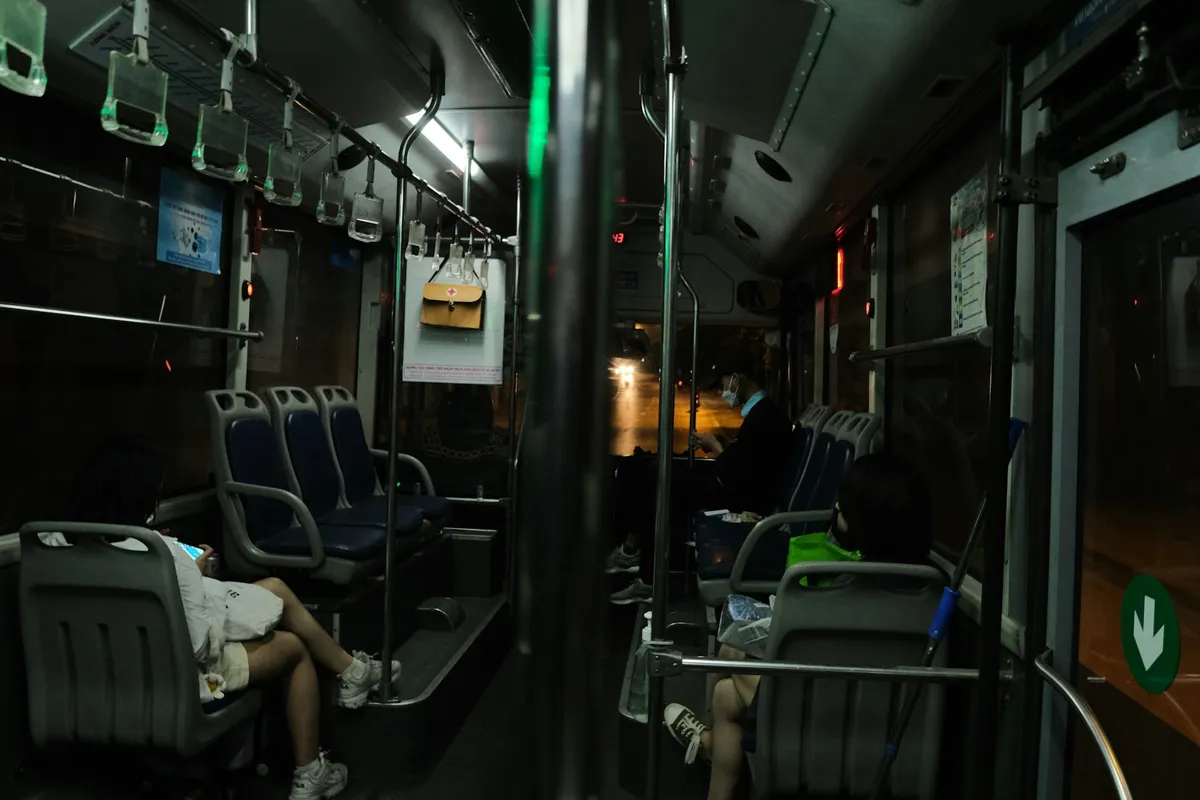
Night buses that arrive at 3am, salt flat tours that start before sunrise, and guesthouses where the power drops without warning are all routine here. The Black Diamond Spot 400 runs on three AAA batteries or a rechargeable cell, throws 400 lumens, and has a dimmable red night vision mode so you are not blinding your dorm room at 4am. A phone flashlight drains your battery and needs a free hand. A headlamp does not. Heading into the mountains beyond cell coverage? Our Garmin inReach vs ZOLEO comparison covers the two best-known satellite messengers.
For a closer look at headlamps, with USB-C and AAA models and one pocket flashlight, see our best headlamp for camping guide.
5. Picaridin insect repellent: for the Amazon and every mosquito zone along the way
Sawyer Picaridin Insect Repellent Lotion 20%
We already cover this repellent in our Southeast Asia backpacking gear guide, and it earns its place here too, for the same reason: 20% picaridin lasts up to 14 hours and, unlike DEET, will not degrade the waterproof coating on a rain jacket or synthetic pack fabric. Relevant well beyond the Amazon lowlands, since mosquito-borne risk shows up in coastal towns and jungle-adjacent cities as well, not only deep rainforest.
Plug adapters by region
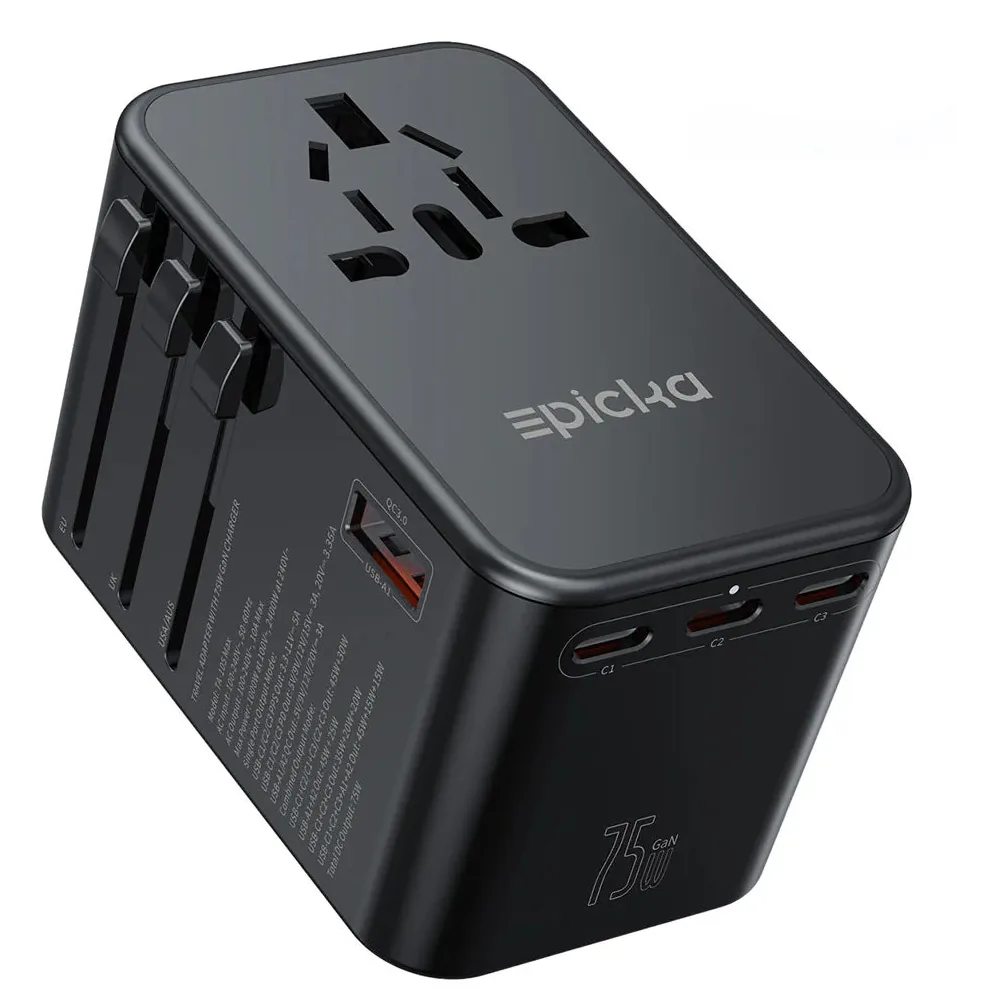
Sockets differ from country to country, so the plug on your charger has to match the wall. Find your destination below and take the adapter for that plug type. A plug adapter only changes the shape of the plug and does not change the voltage, which TESSAN says on its own product pages, so check the label on your charger before you plug it in abroad.
Best sellers: trusted by travelers worldwide
| Region or country | Plug type | Adapter |
|---|---|---|
| Brazil | Type N (also C) | TESSAN Brazil Plug Adapter (2 pack) |
| Chile | Type L (also C and F) | TESSAN Italy Travel Plug Adapter, Type L (2 pack) |
| Argentina | Type I (also C) | TESSAN Universal Travel Adapter 28W |
| Peru, Bolivia | Type A, B and C | TESSAN Universal Travel Adapter 28W |
| Japan, Mexico, Colombia, Ecuador | Type A and B (flat pins) | TESSAN Universal Travel Adapter 28W |
| Spain, Portugal, Germany, France, Greece, Turkey, Georgia | Type C (sockets are C, E or F) | TESSAN European Travel Plug Adapter, Type C (2 pack) |
| Italy | Type L (also C and F) | TESSAN Italy Travel Plug Adapter, Type L (2 pack) |
| Switzerland | Type J (also C) | TESSAN Switzerland Travel Plug Adapter, Type J (2 pack) |
| United Kingdom, Ireland, Malta, Cyprus | Type G | TESSAN UK Adapters for Travel, Type G (2 pack) |
| Malaysia, Singapore, United Arab Emirates | Type G (Malaysia and Singapore also use C and M) | TESSAN UK Adapters for Travel, Type G (2 pack) |
| Indonesia (Bali), South Korea | Type C and F | TESSAN European Travel Plug Adapter, Type C (2 pack) |
| Thailand, Vietnam, Philippines, Cambodia | Mixed, mostly A, B and C | TESSAN Universal Travel Adapter 28W |
Moving through several countries on one trip? The TESSAN Universal Travel Adapter 28W covers most of the plug types in the table in one unit.
From the road
My backpack was stolen in South America. In it were clothes, a second phone, a tablet, money, shoes, crystals and my tarot deck, and probably my macrame things too.
I took my losses. It was actually good, because from then on I traveled lighter: you do not need all that stuff, and you do not miss it.
Which Items for Which Part of the Trip
| Situation | Merino base layer | Rain jacket | First aid kit | Headlamp | Insect repellent |
|---|---|---|---|---|---|
| Cold Andes nights or high altitude | Yes | Optional | Optional | Optional | Not needed |
| Rainy season or Amazon lowlands | Optional | Yes | Yes | Yes | Yes |
| Overnight buses and border crossings | Optional | Not needed | Yes | Yes | Not needed |
| Day hikes and trekking trails | Yes | Yes | Yes | Optional | Yes |
Few routes hit all four situations on the same day, so pack for the sections of the trip you actually have planned, and add or drop pieces as the route changes.
Key takeaways
- Merino beats cotton for South America specifically because of the swing between coastal heat and Andean cold, not because it is trendy gear.
- A real rain jacket, not a poncho, is the difference between staying dry and staying wet for the rest of a wet-season hike.
- A proper first aid kit matters more here than in most regions, because towns with a pharmacy can be a full day's bus ride apart.
- Match gear to the part of the route you are actually on using the table above. Few trips need every item at once.
Why We Put This List Together

NomadsToolsLab, founded by Chenzo
NomadsToolsLab's founder spent 11 years backpacking through South America. This list is built around what that kind of travel actually demands: a real temperature swing between coast and altitude, a wet season that does not pause for a poncho, and long stretches between towns with a pharmacy. It is not a generic packing list dropped onto a new region.
Packing Light Without Leaving Out the Essentials
None of this needs to fill a second bag. A merino top, a packable rain jacket, a small first aid pouch, a headlamp and a small repellent bottle add very little weight for what they solve. If you are also worried about theft on this route, our anti-theft travel essentials guide covers the gear side of that separately.
Losing your pack on a long trip is a different kind of problem: what to do if your backpack is stolen abroad.
Related reading: Buenos Aires Digital Nomad Guide 2026: Cost, Visa, Safety.
FAQ
What clothing layers do I actually need for backpacking South America?
A merino wool base layer is the one piece worth prioritizing, because it handles both a warm coastal day and a cold Andean night without needing a full outfit change. Add a packable rain jacket on top for the wet season, and layer a fleece or light jacket over the base layer for altitude.
Do I need a rain jacket for South America even in the dry season?
It depends on the route. The Amazon basin and Andean cloud forest regions run a real wet season regardless of the coastal dry season elsewhere, so a packable waterproof jacket is worth carrying on most multi-region routes, not just a seasonal one.
What should be in a first aid kit for backpacking in South America?
Basics for blisters, cuts, minor sprains and stomach issues cover most of what actually happens on the road. A kit built for two people on a multi-day trip, like the Adventure Medical Kits Backpacker, is sized for exactly that, not for a day hike near a pharmacy.
Is insect repellent necessary outside the Amazon?
Yes in most lowland and coastal areas, not only deep rainforest. A 20% picaridin repellent lasts up to 14 hours and, unlike DEET, will not degrade waterproof jacket coatings or synthetic pack fabric.
Cooking on the trail? See our Jetboil vs MSR stove comparison.
Affiliate disclosure. This post contains affiliate links. If you click and buy something, this site earns a small commission at no extra cost to you. Picks are based on published specs, independent reviews and manufacturer information, and we only recommend what we would use ourselves. As an Amazon Associate I earn from qualifying purchases. Read the full affiliate disclosure. Amazon and the Amazon logo are trademarks of Amazon.com, Inc. or its affiliates.
Your next step
 Medellin Digital Nomad Guide