Renting a Car in Spain as a Digital Nomad
Some links on this page earn us a small commission, at no extra cost to you. Full disclosure.
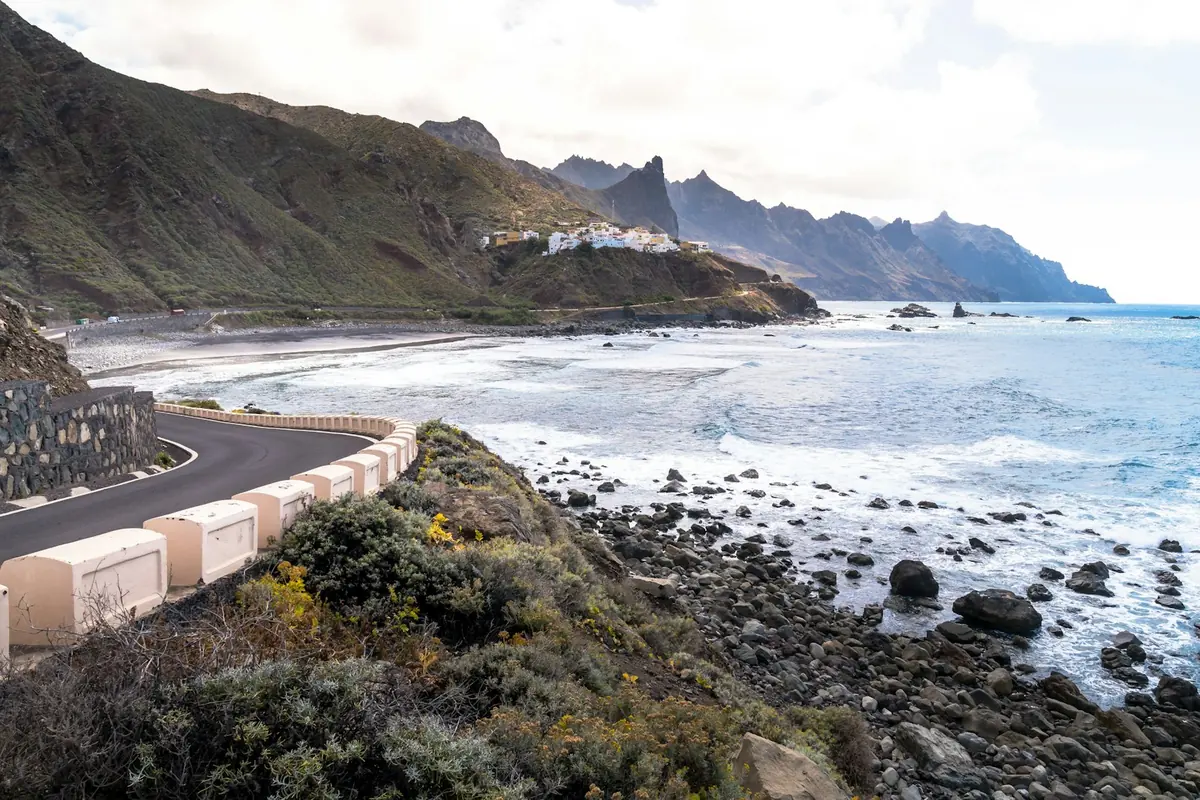
Spain is one of the easiest countries in Europe to rent a car, and a place where a car pays off: coast roads, small towns and islands that trains do not reach. Renting a car in Spain is simple, as long as you know the catches. The catches are the paperwork at the desk, a deposit, optional insurance with a high excess, toll motorways and low emission zones in the cities. This guide covers the rules we could confirm from official sources on 2 October 2026 and the five rental partners that list Spain on their own sites.
Climbers heading to El Chorro near Malaga will find it in our guide to climbing while traveling.
Quick answer
Compare the five below for your dates, bring your licence (plus an IDP if it comes from outside the EU, EEA and UK), a credit card for the deposit and time to photograph the car before you drive off. Toll motorways are paid at the booth in cash or by card, many parallel roads are free, and the alcohol limit is 0.5 g/l of blood.
All five list Spain, with a button each

DiscoverCars
Compares many suppliers, including Spanish ones such as Centauro and Goldcar, with pickups in Madrid, Barcelona, Malaga, Valencia and Seville. Read more

Auto Europe
Lists Avis, Hertz, Europcar and Sixt in Spain, with pickups at Madrid, Barcelona, Palma and Malaga airports. Read more

Localrent
Lists Spanish rental companies with pickups from Madrid and Barcelona to Tenerife, Mallorca and Ibiza. Read more

EconomyBookings
Compares suppliers such as Enterprise, Europcar and Avis, and names Madrid, Barcelona, Malaga and Valencia airports for availability. Read more

GetRentacar
Lists pickups in Barcelona, Madrid, Valencia, Palma, Alicante, Ibiza and Tenerife. Read more
Who can rent and drive a car in Spain
Spain's traffic authority (DGT) says licences from EU and EEA countries are valid as they are, and that visitors from other countries need an international driving permit carried together with a passport or identity document. UK government advice says a UK photocard licence is enough in Spain and that you must be 18 to drive a car. If you still hold a paper licence, the advice says you may need to update it to a photocard.
| Your licence | Valid in Spain without a permit? | Source and check date |
|---|---|---|
| EU or EEA licence | Yes | Spain DGT, page dated 5 Mar 2026 |
| UK photocard licence | Yes | UK FCDO, 2 Oct 2026 |
| UK paper licence | Update it | UK FCDO, 2 Oct 2026 |
| Licence from another country (US, Canada, Australia) | Permit needed | Spain DGT, page dated 5 Mar 2026 |
Rental companies add their own conditions on top of the law. The European Consumer Centre guide says the minimum age varies by company and car category, usually from 18 to 21, that you must have held your licence for one or two years, and that most companies add a young driver surcharge under 25. That guide dates from June 2018, so confirm the figures on your booking page. Our IDP guide lists the permit rules for 12 other nomad destinations.
Deposit, excess and insurance
Civil liability insurance is compulsory in Spain, and the European Consumer Centre guide says it is normally included in the rental price. What catches people out is the excess: the contract usually sets a high amount you pay for any damage, even a scratch, and the optional cover sold at the desk or by the booking site is what lowers it. The guide lists the common names, such as collision damage waiver, theft protection and super cover, and tells you to read what is and is not covered before you sign.
Some companies also ask for a security deposit, usually the same amount as the excess, to cover possible damage to the car. If you plan to share the driving, check that the second driver is covered: the guide warns that damage caused by an additional driver who is not insured may not be covered. If you pay by credit card, it also suggests asking your card issuer which insurance the card already includes before you leave.
For more on excess cover and desk upsells, see our guide to car rental insurance for nomads and how to avoid hidden car rental fees.

Toll motorways: how paying works
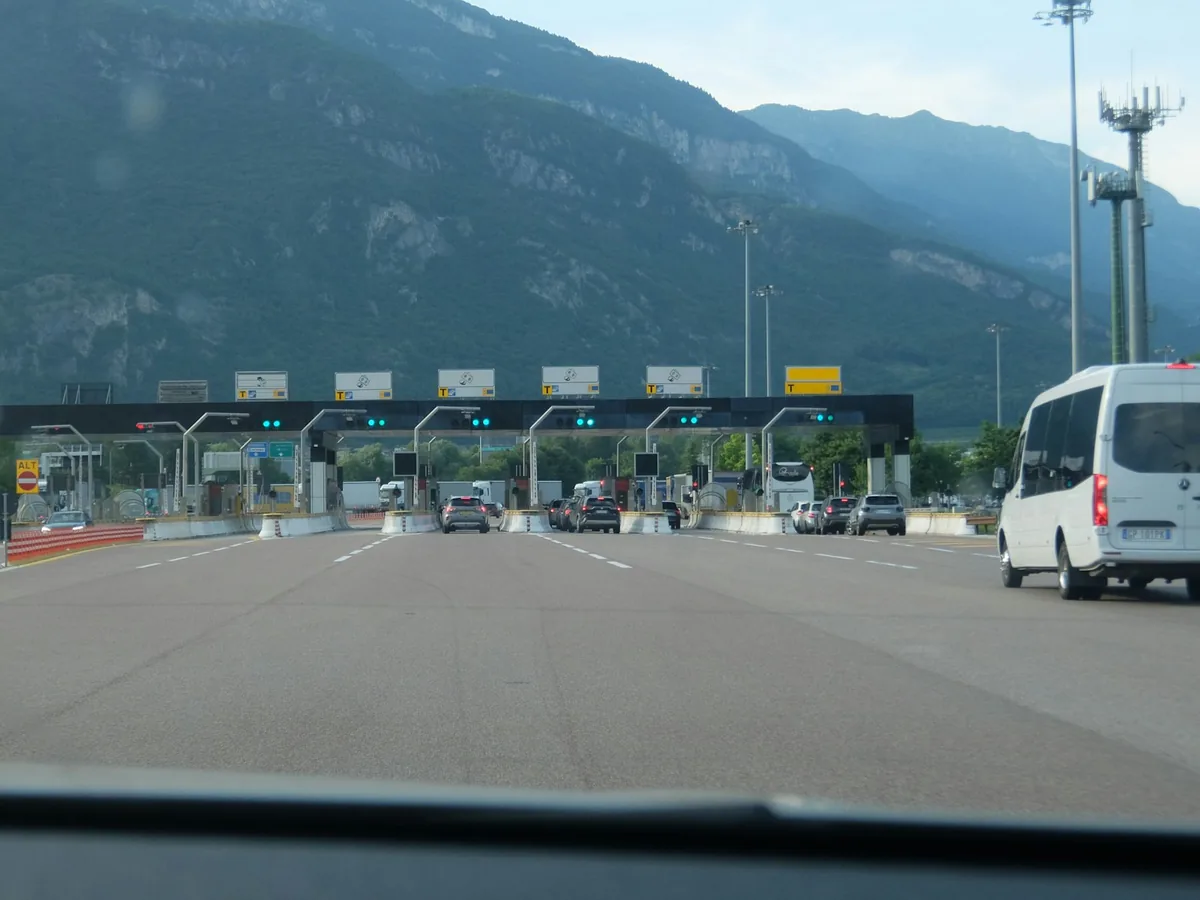
Not every motorway in Spain costs money. The DGT says toll motorways (autopistas de peaje) are entered through toll booths, usually with a ticket you collect on entry and pay at the exit, in cash or by bank card, and that free alternative routes exist on conventional roads. It also advises checking that your electronic toll device works on Spanish motorways before you arrive.
Prices are set by the government and change each year. Spain's Ministry of Transport announced on 30 December 2025 that 2026 tariffs on the state concession motorways would rise between 3.64 and 4.68 percent. The toll roads run by the state company SEITT, including the Madrid radial roads R-2, R-3, R-4 and R-5, the M-12 and the AP-41 Madrid to Toledo, rise 2 percent and stay free between 00:00 and 06:00 every day. We did not find an official statement on toll devices in rental cars, so ask the desk whether your car has one and how toll charges are billed.
Driving rules that catch visitors
- Cities: 20 km/h on streets where road and pavement share one surface, 30 km/h on roads with one lane per direction and 50 km/h on roads with two or more lanes per direction, in force since 11 May 2021 (DGT).
- Speed: 120 km/h on autopistas and autovias for cars (DGT, 30 Oct 2024).
- Alcohol: 0.25 mg/l in exhaled air or 0.5 g/l in blood, and drugs are completely prohibited (DGT, 5 Mar 2026).
- Children: seat belts for all passengers and child restraint systems until a child is taller than 135 cm (DGT, same page).
- Roundabouts: vehicles already inside have priority over those entering (DGT, same page).
- Warning beacon: since 1 January 2026 the connected V-16 light is the only legal hazard-warning device for cars registered in Spain (DGT). A car registered in Spain falls under the new rule, so ask at pickup that the beacon is in the car.
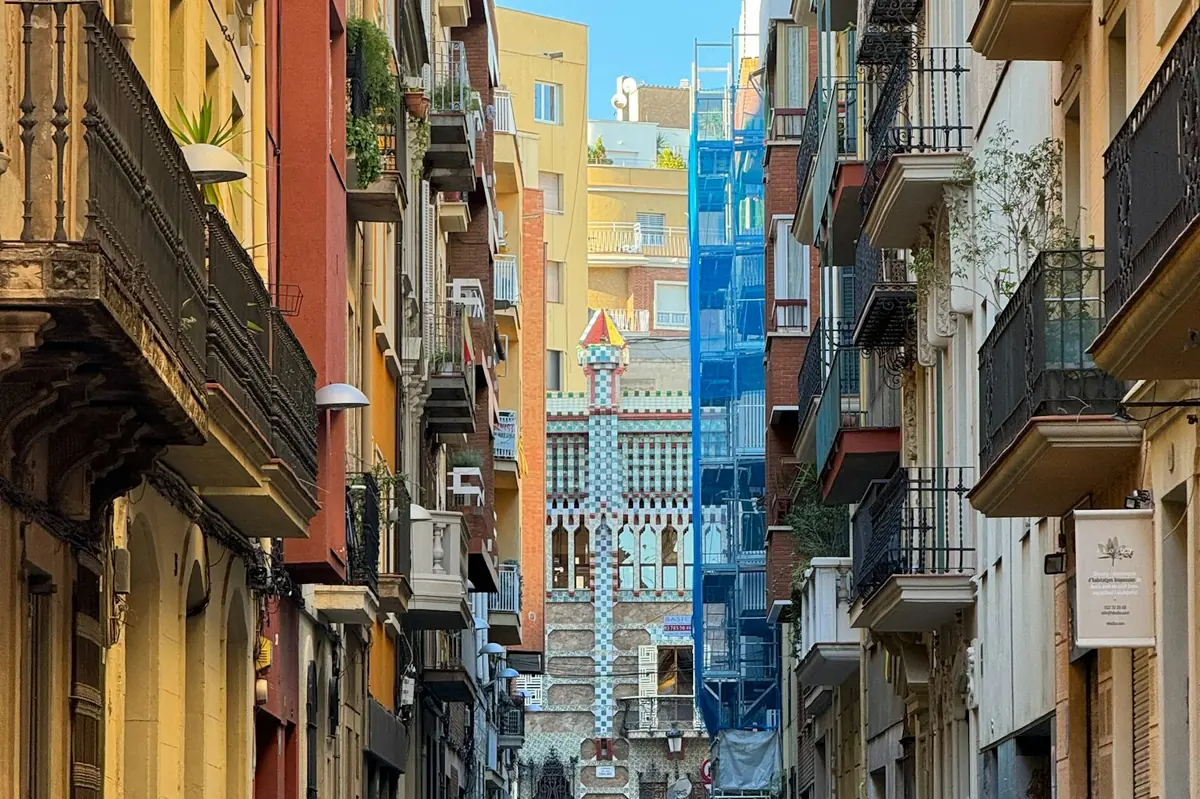
- Low emission zones: towns with more than 50,000 residents must have them, access depends on the car's environmental label and each city sets its own rules, so check the city website before you drive into the centre (DGT, 5 Mar 2026).
- Parking: regulated street parking is paid at machines or with apps, and rates differ by municipality (DGT, same page).
The five rental partners, one by one
1. DiscoverCars: many Spanish suppliers in one search
DiscoverCars
DiscoverCars compares offers from many suppliers at once. Its Spain page lists pickups in Madrid, Barcelona, Malaga, Valencia, Seville, Bilbao, Granada and more, and names Spanish suppliers such as Centauro, Goldcar, Record go and OK Mobility among the popular ones. Our DiscoverCars review has the longer story.
QEEQ is a car rental comparison site: it compares deals from brands such as Alamo, Hertz and Sixt, with optional car rental insurance.

QEEQ
2. Auto Europe: the big international brands
Auto Europe
Auto Europe lists the big international brands in Spain, among them Avis, Hertz, Europcar and Sixt, with pickups at Madrid Barajas, Barcelona El Prat, Palma and Malaga airports and at train stations in Madrid, Barcelona, Malaga and Seville. See our Auto Europe review.
3. Localrent: mainland and islands
Localrent
Localrent says it works with Spanish rental companies. Its Spain page lists pickups from Madrid, Barcelona, Valencia, Granada and Malaga to Tenerife, Mallorca, Ibiza, Gran Canaria, Lanzarote and Menorca, which makes it a useful check for island trips.
4. EconomyBookings: compare the big brands
EconomyBookings
EconomyBookings compares suppliers including Enterprise, Europcar and Avis in mainland Spain. Its own Spain guide names the Madrid, Barcelona, Malaga and Valencia airports as the places with the best availability, and suggests a compact car for narrow old-town streets.
5. GetRentacar: cities and islands
GetRentacar
GetRentacar lists pickups in Barcelona, Madrid, Valencia, Palma, Alicante, Marbella, Ibiza and Tenerife, with airport pickups at Barcelona, Madrid, Valencia, Palma, Alicante, Tenerife North and Ibiza.
Coverage at a glance
We opened each partner's own Spain page on 2 October 2026 and noted what it lists. "Check on site" means the page we read did not list islands; it does not mean they are not covered.
| Partner | Spain listed | Madrid and Barcelona | Malaga and Costa del Sol | Balearic and Canary islands |
|---|---|---|---|---|
| DiscoverCars | Yes | Yes | Yes | Check on site |
| Auto Europe | Yes | Yes | Yes | Yes |
| Localrent | Yes | Yes | Yes | Yes |
| EconomyBookings | Yes | Yes | Yes | Check on site |
| GetRentacar | Yes | Yes | Marbella listed | Yes |
Pickup and return checklist
- Inspect the car before you leave. The European Consumer Centres network says to write down or photograph any damage, and to do it yourself if no staff member is there.
- Know the fuel policy: collect full and return full, or collect full and return empty with no refund for unused fuel. Fuel should not be prepaid unless the contract told you clearly.
- Check the total price at booking. The same source says it must include all charges, such as airport fees, young driver surcharges and one-way fees.
- Keep the signed rental contract and your receipts until the deposit is released.
Key takeaways
- EU and EEA licences are valid in Spain, a UK photocard works, and other countries' licences need an international permit.
- The deposit usually matches the excess, so read the excess on the booking and check what the optional cover really includes.
- Not every motorway is a toll road. Pay at the booth in cash or by card, or take the free parallel road.
- Photograph the car before you leave and check the total price, the fuel policy and the V-16 beacon at pickup.
Why we put this guide together

Chenzo, founder of NomadsToolsLab
Chenzo has been traveling for 27 years and rents cars along the way. His rule is to compare every time, and to book ahead in high season: in low season there are plenty of cars and a deal is easy to find, while in high season the cars left are the ones you did not want.
From his own rentals in Portugal, two habits carry over to Spain: bring a credit card for the deposit, and photograph and film the car at pickup so any later damage claim can be checked against it.
Related reading: Best Road Trip Gear for Digital Nomads Renting a Car.
FAQ
Do I need an international driving permit to rent a car in Spain?
It depends on your licence. Spain's traffic authority says EU and EEA licences are valid and that licences from other countries need an international permit carried with a passport, while UK government advice says a UK photocard licence is enough. The rental company can add its own conditions, so check the supplier's terms.
Are all motorways in Spain toll roads?
No. Spain's traffic authority says toll motorways use booths where you usually take a ticket on entry and pay at the exit, and that free alternative routes exist on conventional roads.
What is the drink-driving limit in Spain?
It is 0.25 mg per litre of exhaled air or 0.5 g per litre of blood, according to Spain's traffic authority (page dated 5 March 2026). Drugs are completely prohibited.
How big is the rental deposit?
It depends on the company and the car. The European Consumer Centre guide says the deposit usually matches the excess, so check the excess on your booking before you pay.
What are the speed limits in Spanish cities?
According to Spain's traffic authority (DGT), the limit is 20 km/h on streets where road and pavement share one surface, 30 km/h on roads with one lane per direction and 50 km/h on roads with two or more lanes per direction. These limits have applied since 11 May 2021.
Affiliate disclosure. This post contains affiliate links. If you click and book or buy something, this site earns a small commission at no extra cost to you. Information in this guide comes from official government and authority pages and from the partners' own websites, read on the date shown, and rules change, so check the current rule before you travel. Read the full affiliate disclosure.
Your next step