

Best Travel Insurance
Some links on this page earn us a small commission, at no extra cost to you. Full disclosure.
Quick answer
Best travel insurance plans, short version: start with SafetyWing if you're just beginning your nomadic journey and traveling through affordable regions. Upgrade to World Nomads if you do adventure activities.
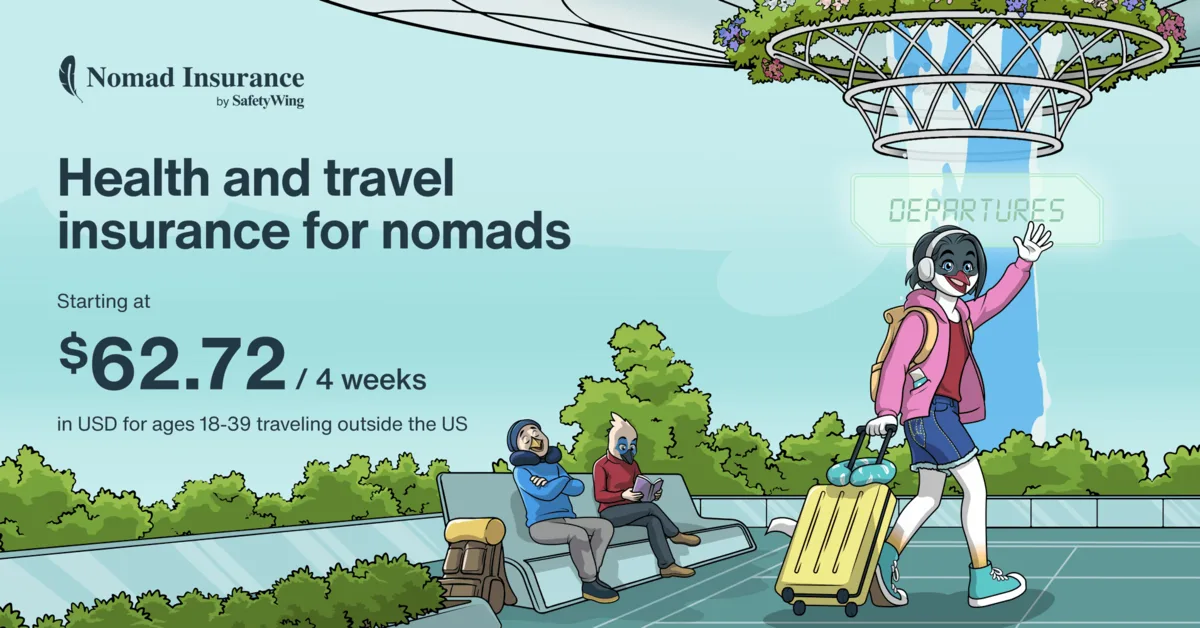
Checked on 5 October 2026 on safetywing.com: Essential plan $62.72 per 4 weeks for ages 18 to 39, up to $250,000 medical cover, 180+ countries (US coverage is extra).
Our top picks

HelloSafe
An independent comparison of 40+ insurers, with an instant certificate Read more
1. SafetyWing: Affordable Cover for Budget-Conscious Nomads

SafetyWing
SafetyWing is the budget favorite: its Essential plan costs $62.72 per 4 weeks for ages 18 to 39, with up to $250,000 in medical cover, emergency evacuation up to $100,000 and emergency dental up to $1,000 (checked on safetywing.com, September 2026).
Pros: very affordable, simple claims, covers travelers from most countries, includes emergency evacuation and has an easy app. Cons: the Essential plan does not cover pre-existing conditions, cover in your home country is limited to 30 days, and evacuation is capped at $100,000, lower than some competitors.
SafetyWing Affiliate Link: Check SafetyWing plans

2. World Nomads: Best for Adventure Activities
World Nomads
World Nomads is priced per trip, not per month: you get a quote based on your country of residence, age and trip length. For US residents the plans cover up to $125,000 (Standard), $150,000 (Explorer) or $250,000 (Epic) in emergency medical costs, plus evacuation and, most importantly, adventure activity cover (checked on worldnomads.com, September 2026).

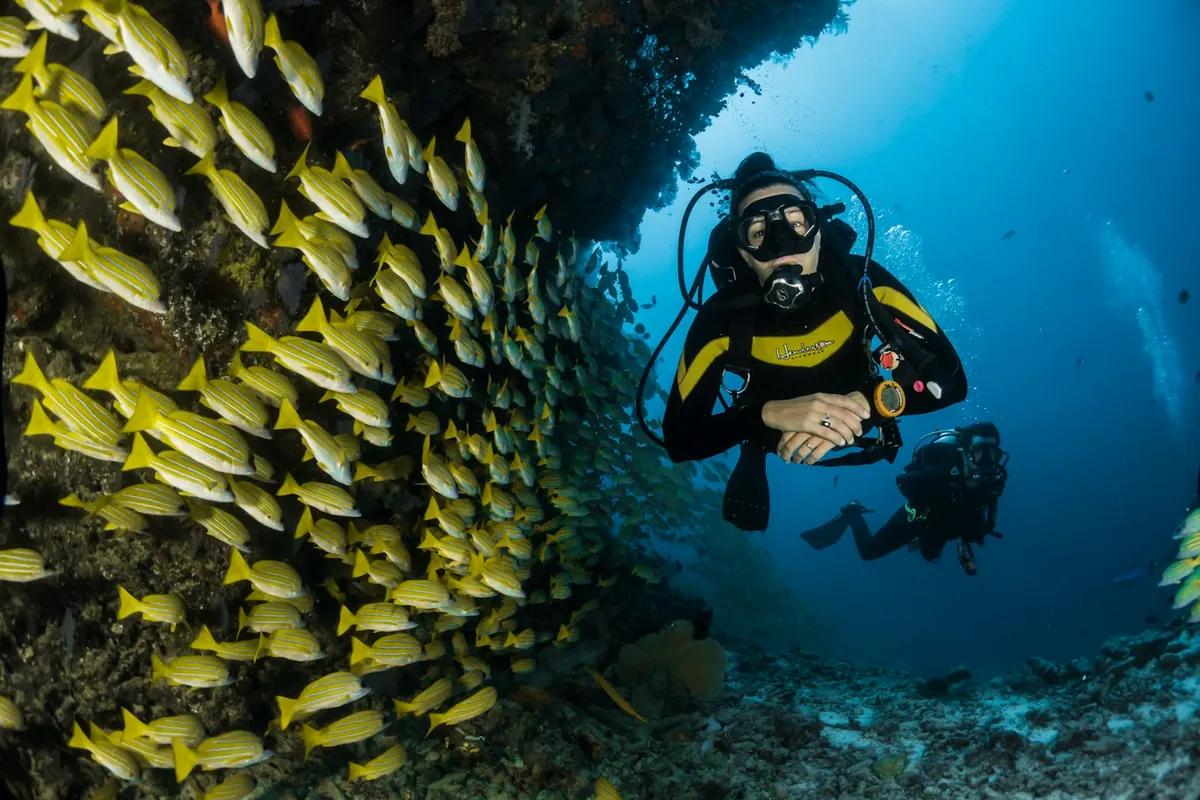
That adventure cover is what makes it stand out: 150+ activities such as bungee jumping, scuba diving, surfing and skiing can be covered, depending on your plan, where many basic travel policies exclude them or charge extra.
Combat sports are a separate question; see how plans treat them in our guide to boxing while traveling.
Surfing and kitesurfing depend on the plan too; see how cover works in our guides to the best surf spots and the best kitesurfing spots, and in bodyboarding and skimboarding while traveling.
Advantages: strong adventure sports cover, a trusted name, 24/7 support in multiple languages, can be bought after you leave home, flexible periods. Limitations: more expensive than SafetyWing, some claims need more paperwork and take longer, and extreme sports exclusions can be vague.
World Nomads Affiliate Link: Check World Nomads plans
3. Genki: High Limits From a German Nomad Insurer
Genki is a German company (Genki UG, based in Cologne) that started in 2018. Genki Traveler is a monthly subscription for up to 12 months with up to €1,000,000 in medical cover and a €50 deductible per case, and it covers dental only after an accident (up to €1,000 per case). Genki Native is the full international health plan: up to €1,000,000 a year on Basic and €3,500,000 on Premium, with dental and eye care in Premium, from €189 a month for ages 20 to 24 with no deductible (checked on genki.world, September 2026).
Strengths: high cover limits, a monthly subscription you can start from home or while traveling, and dental and eye care on Native Premium. Weaknesses: Traveler does not cover conditions that showed symptoms or were treated in the year before your cover starts, it runs for 12 months at most, and Traveler prices depend on your age, so get a quote on genki.world.

4. Ekta: not listed here any more
Ekta is not listed here any more: the Ukrainian insurer EKTA lost all its licences in June 2024 (National Bank of Ukraine decision no. 189-rsh of 4 June 2024), and the Ekta Traveling website now names a Comoros company as its insurer that we could not check with a regulator and whose terms say the product is not aimed at residents of the EU, the UK or the US (read on 9 October 2026). Its website security certificate had also expired on 14 September 2026 when we checked.
Why this matters
Travel insurance is not optional when you live on the road: one hospital stay abroad can cost thousands. Here are the four best travel insurance providers for digital nomads in 2026 at a glance:
| Provider | Price | Medical coverage | Best for |
|---|---|---|---|
| SafetyWing | $62.72 per 4 weeks (ages 18 to 39) | $250K | Budget nomads |
| World Nomads | Quote per trip | $125K to $250K (US plans) | Adventure lovers |
| Genki | Quote (Traveler), Native from €189/month | €1M (Traveler) | High limits, monthly cover |
| IMG Global Medical | Quote | Depends on plan | Long-term expats |
If you want to compare more insurers side by side, HelloSafe is an independent comparison of 40+ insurers, and the certificate is instant once you pick a plan.
HelloSafe
How to Choose the Best Travel Insurance for Your Nomad Life
1. Know your risk profile. Established tourist spots or remote areas? Extreme sports? One region or a new continent every month? Your answers decide the cover you need.
2. Match cover to local costs. A hospital stay in Thailand costs a fraction of one in Switzerland. $500,000 may be overkill for Southeast Asia but essential for Europe or North America.
3. Check geographic coverage. Some providers exclude regions or have limited partner networks, so confirm your destinations are covered.
4. Read the fine print. Being covered or not often comes down to one paragraph. Spend an hour on the exclusions.
5. Check overlap with your home insurance. Some home health plans cover you abroad, which can make a premium plan unnecessary.
6. Look beyond price. A $30 plan that denies your claim is worse than a $60 plan that pays out. Claims speed, service and partner networks matter.
5. IMG Global Medical: Built for Long-Term Stays Abroad
If you are nomading for years instead of months, IMG's Global Medical Insurance functions more like a real expat health plan than a short travel policy. Higher premiums, but actual ongoing care coverage instead of just emergency cover.

Best for: long-term expats and families who want an annual health plan instead of trip cover. IMG describes it as designed for US citizens living abroad and foreign nationals worldwide. Have a chronic or pre-existing condition? Read the certificate of insurance before you buy, because the plan terms include exclusions for pre-existing conditions.
What Changes When You Travel 6+ Months
Short-term travel insurance, the kind built for a 1-2 week vacation, is a different product than what long-term nomads need. Past six months on the road, a few things start to matter more: pre-existing conditions (a longer exposure window), routine care like an annual checkup or dental visit, mental health coverage gaps, maternity provisions if that applies to you, and more border-crossing claims as you move through more countries.

The Hidden Trick Most Nomads Miss
Many credit cards include travel insurance as a benefit. Check yours. If you pay for your flight with a card that includes coverage, you may have $250,000 of accident insurance you did not know about. See our travel credit card guide.
Add Flight Delay Compensation
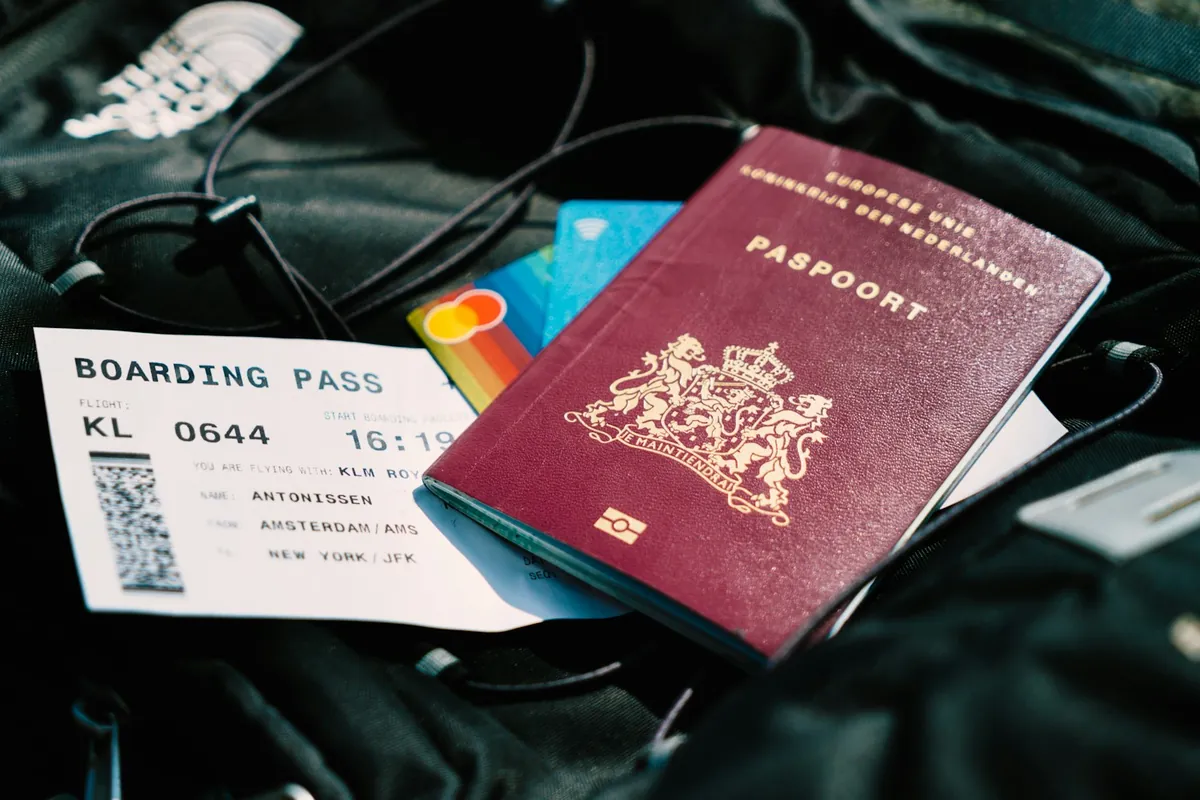
Travel insurance pays for your own delay costs at most. It does not claim the EU261 compensation that airlines owe you for long delays. For that, use AirHelp on a per-claim basis. They handle the EU261 paperwork and only take a cut if the claim succeeds.

Final Thoughts
Our recommendation: start with SafetyWing if you are new to nomad life and traveling through affordable regions, upgrade to World Nomads if you do adventure activities. Whatever you choose, choose something.
FAQ
What is the best travel insurance for digital nomads?
SafetyWing is the best starting point for most nomads on a budget: $62.72 per 4 weeks for ages 18 to 39, with $250,000 in medical cover. World Nomads is better for adventure sports.
How much does travel insurance for digital nomads cost?
It depends on your age and plan. SafetyWing Essential is $62.72 per 4 weeks for ages 18 to 39, and full international health plans like Genki Native start at 189 euros a month (prices checked September 2026).
Does travel insurance cover adventure sports?
Many basic policies exclude them or charge extra. World Nomads covers 150+ activities depending on your plan, and SafetyWing sells an adventure sports add-on.
Do I need travel insurance if I have health insurance at home?
Check what your home plan covers abroad first. Some plans include international cover, which can reduce what you need, but most nomads still need a travel or nomad policy.
Does SafetyWing cover pre-existing conditions?
No. SafetyWing states that its Essential plan does not cover pre-existing conditions, maternity care or cancer treatment (safetywing.com, checked on 5 October 2026). If you have a chronic condition, read the policy terms before you buy.
Does SafetyWing cover the United States?
US coverage is extra. SafetyWing lists 180+ countries on its Essential plan page and notes that coverage in the US costs more, so check the add-on if you will travel there (safetywing.com, checked on 5 October 2026).
How long can I stay insured with SafetyWing?
SafetyWing lists coverage for up to 364 days at a time, and the Essential plan covers up to 30 days in your home country (safetywing.com, checked on 5 October 2026).

Updated:
Affiliate disclosure. This post contains affiliate links. If you click and buy something, this site earns a small commission at no extra cost to you. Picks are based on published specs, independent reviews and manufacturer information, and we only recommend what we would use ourselves. As an Amazon Associate I earn from qualifying purchases. Read the full affiliate disclosure.
Your next step
 SafetyWing Review 2026: Is It Worth It for Long-Term Nomads?



One Comment