Climbing Mount Sinai at Night: What to Pack for Sunrise
As an Amazon Associate I earn from qualifying purchases. Some links on this page earn us a small commission, at no extra cost to you. Full disclosure.
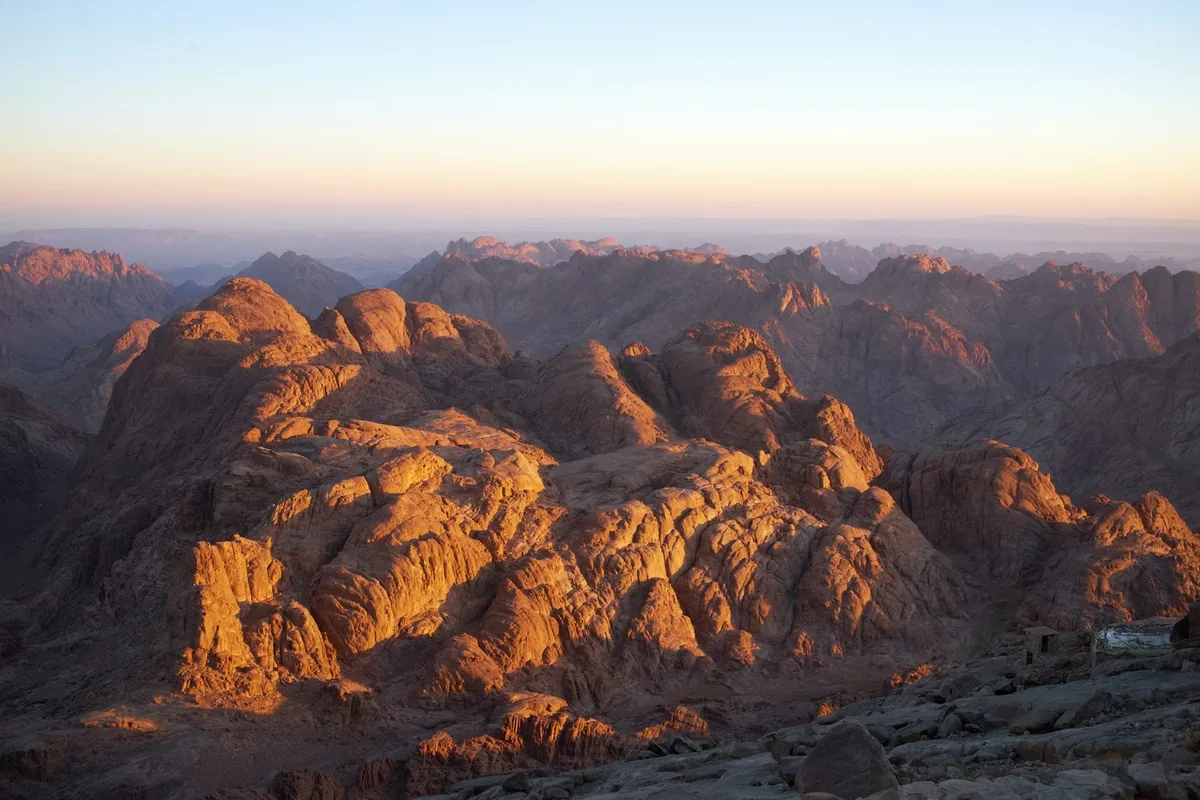
Climbing Mount Sinai can be your own deep journey, a symbolic walk towards the divine within yourself. In the silence of nature, you may notice that God walks with you. This mountain is sacred to Jews, Christians and Muslims, and each tradition deserves respect. This guide covers the night ascent, cold sunrise wait, footwear, essential gear and practical arrangements.
Quick answer
Choose the Petzl ACTIK CORE for the night ascent and the Rab Microlight Alpine Down Jacket for the cold summit wait. Add LOWA leather boots, a Sea to Summit liner, Darn Tough socks, Compeed blister plasters and a Leuchtturm1917 notebook for sunrise reflection.
All 7 picks at a glance
Petzl ACTIK CORE Headlamp
The Petzl ACTIK CORE keeps your hands free while lighting the trail. Read more
Rab Microlight Alpine Down Jacket
The Rab Microlight Alpine Down Jacket adds a hooded down layer for the cold wait. Read more
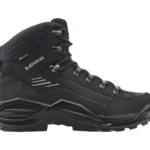
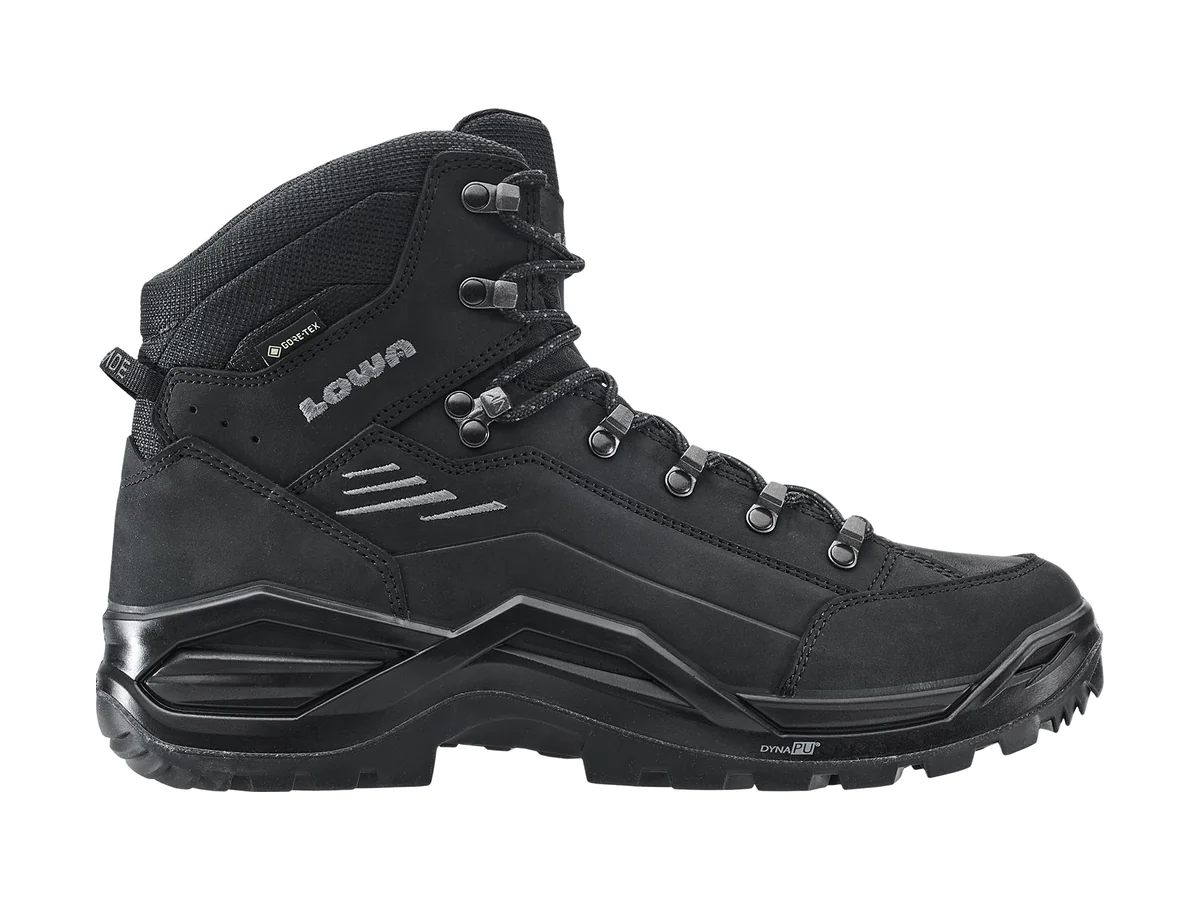
LOWA Renegade EVO GTX Mid
The LOWA Renegade EVO GTX Mid suits the steep, uneven Steps with a leather upper and Vibram outsole. Read more
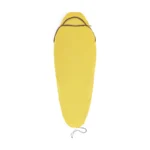
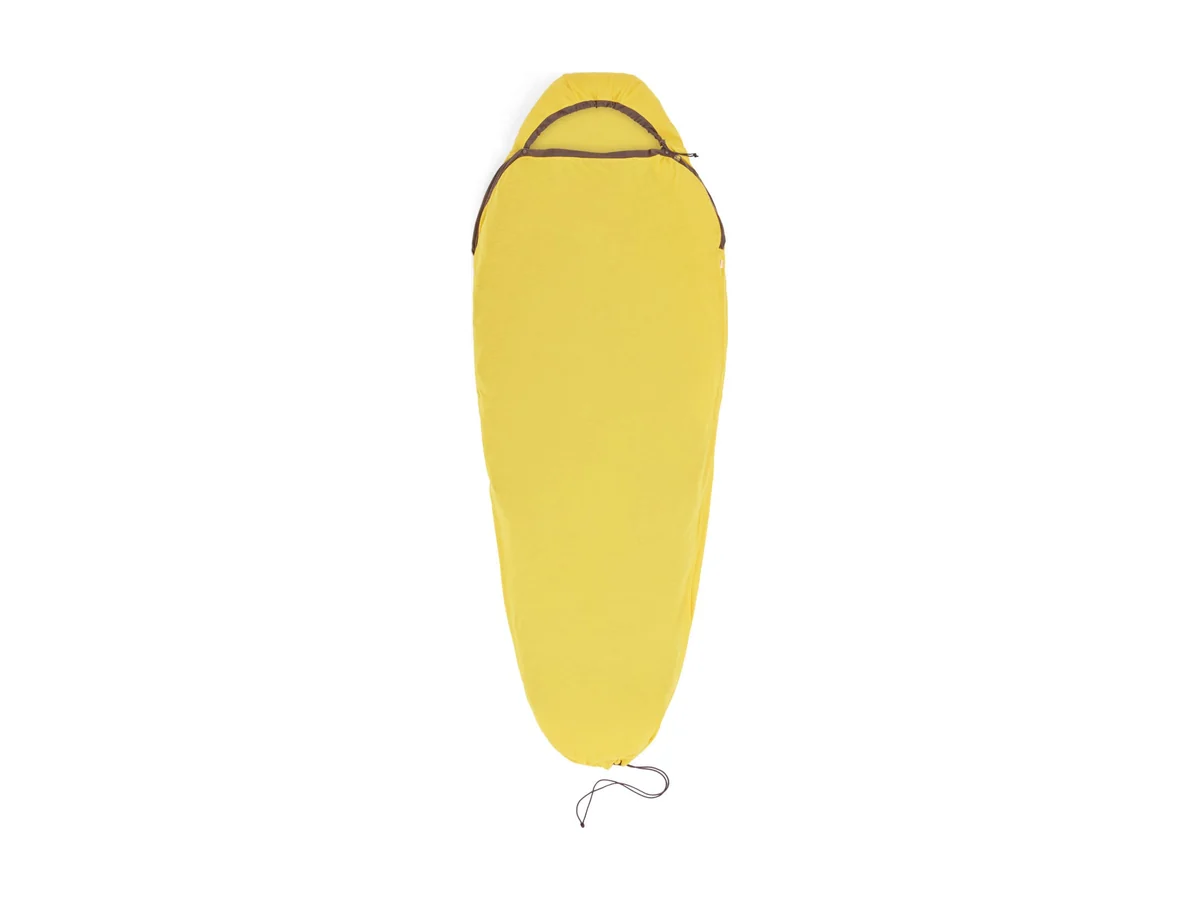
Sea to Summit Reactor Fleeceweight Liner
The Sea to Summit Reactor Fleeceweight liner gives you your own covering instead of a rented blanket. Read more
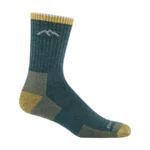
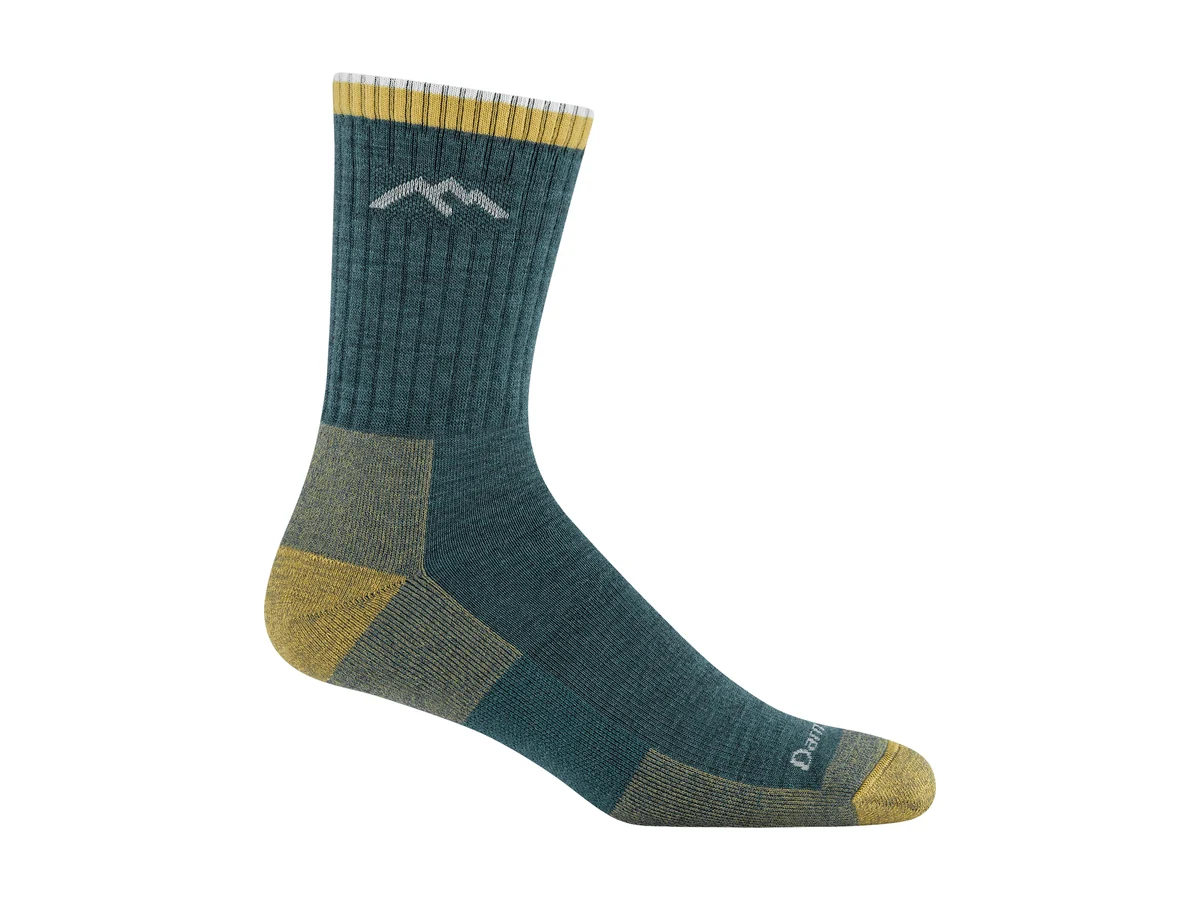
Darn Tough Hiker Micro Crew Midweight
Darn Tough Hiker Micro Crew Midweight socks provide cushioning underfoot and around the ankle. Read more
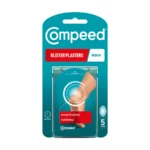
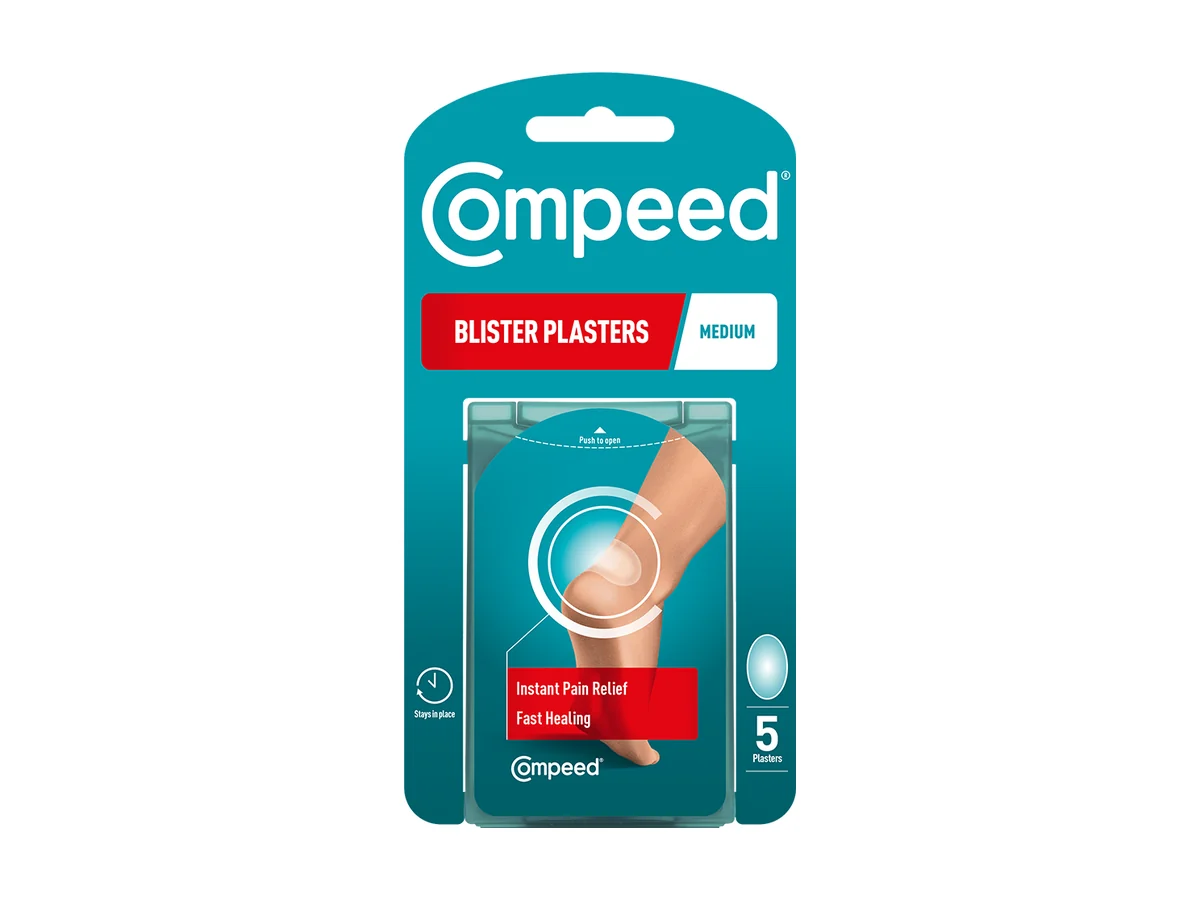
Compeed Blister Plasters (mixed)
Compeed blister plasters provide cushioned coverage for blisters. Read more
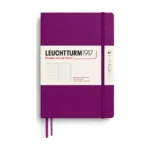
Leuchtturm1917 A5 Hardcover Notebook
The Leuchtturm1917 hardcover notebook gives you space for a few lines, a verse or a prayer. Read more
A sacred mountain and your own inner journey
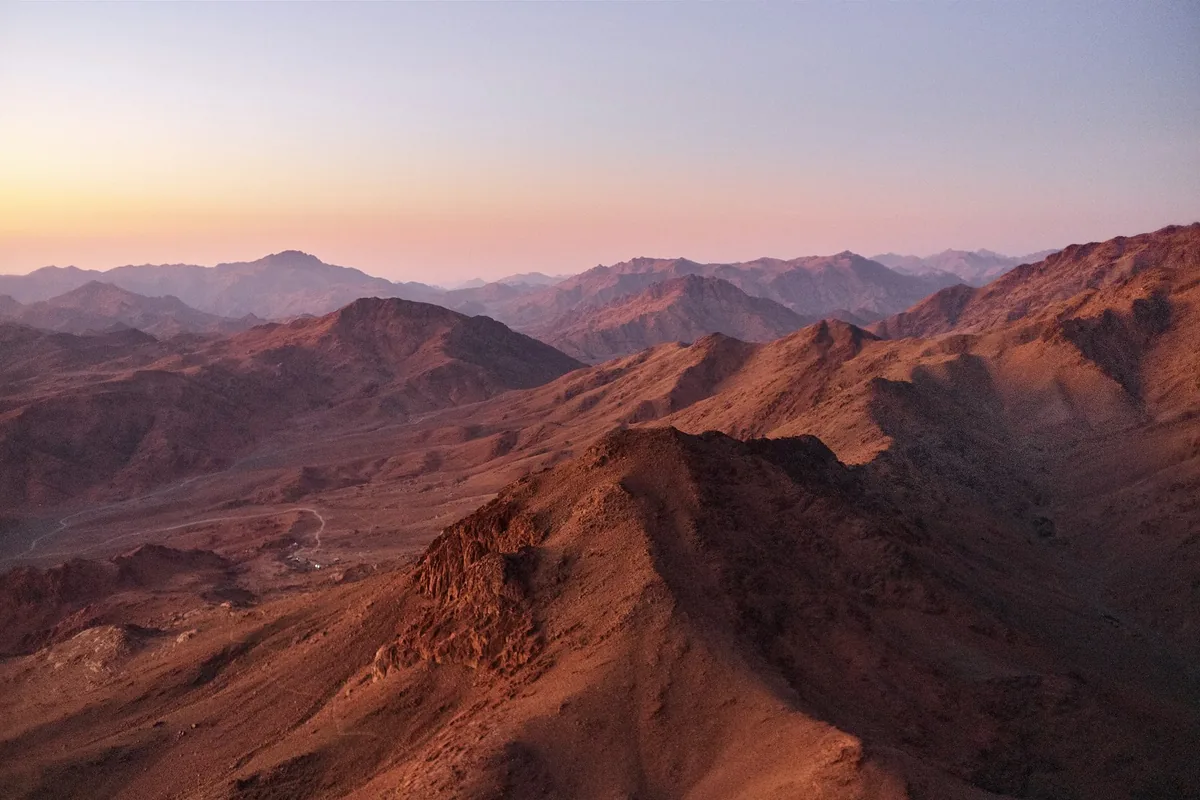
Mount Sinai is sacred to Jews, Christians and Muslims. You can approach that shared significance with respect while making space for your own reflection. The climb does not need a particular spiritual outcome.
Let the silence of nature be part of the ascent. At sunrise, a small notebook gives you somewhere to put a verse, a prayer or a few words about what the moment means to you. Keep voices low so others have that space too.
The night climb, the Steps and where to sleep

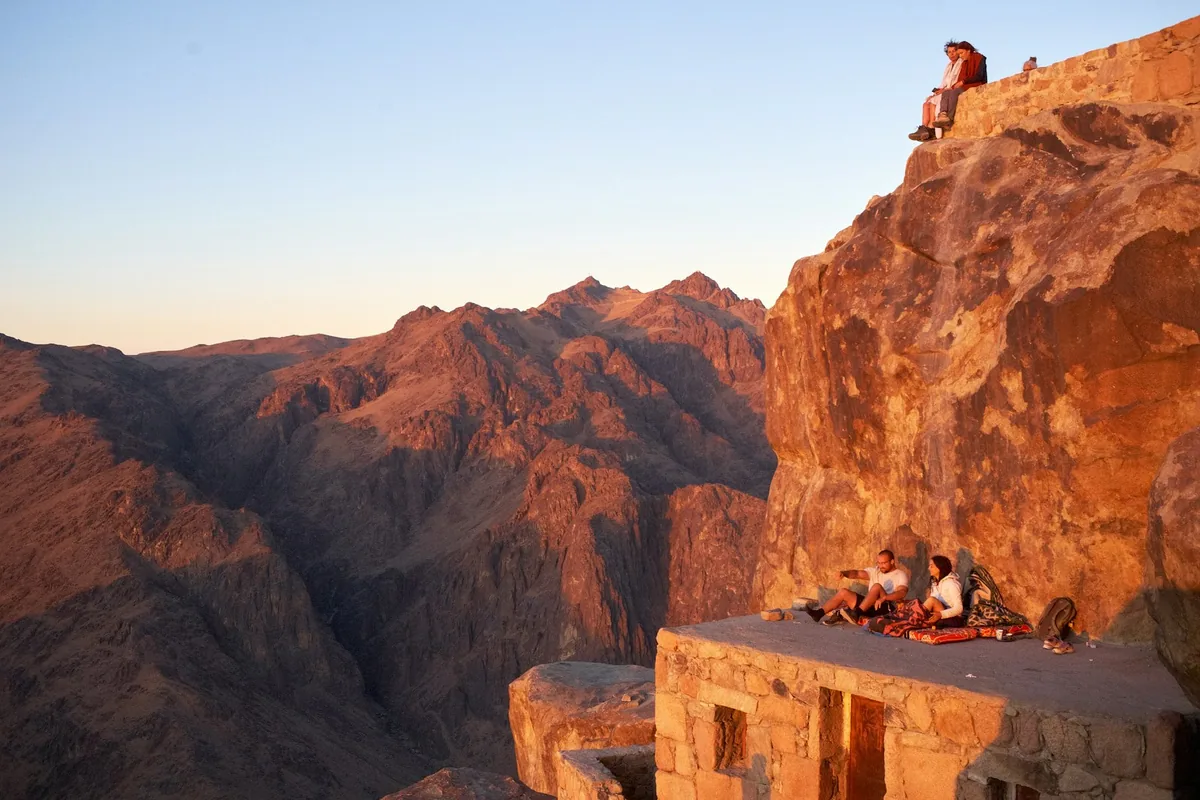
The monastery's pilgrim page says to reckon on five to seven hours in total. The longer, gentler Camel Trail and the shorter, steeper Way of the Steps approach from the north-east side. The summit is about 2,285 m, and the Steps route has about 3,750 steps.
Many climbers start after midnight for sunrise, but that is a custom rather than a rule. Confirm the current guiding and access arrangements locally before the climb. Sleep in a St Catherine guesthouse or the monastery guest house, with no tent or hammock needed for the night climb itself. Confirm whether an overnight stay on the mountain is permitted and where you may sleep before including it in your itinerary.
Prepare for the season and the summit wait
| Season | Weather and crowds | Nights | Extra to bring |
|---|---|---|---|
| Winter | Weather and crowds: St Catherine has Egypt's coldest city nights, with rare snow possible from December to February | Nights: Prepare for a cold night and a colder summit wait | Extra to bring: Down jacket, warm hat, gloves and liner |
| Spring | Weather and crowds: Milder days, with water still essential | Nights: Dawn at the summit needs a warm layer | Extra to bring: Warm jacket and a dry layer |
| Summer | Weather and crowds: Prepare for daytime heat during the descent | Nights: Nights remain cool at the top | Extra to bring: Plenty of water, sun hat and summit layers |
| Autumn | Weather and crowds: Milder days, with layers still needed | Nights: Dawn at the summit needs a warm layer | Extra to bring: Warm jacket, hat and dry spare socks |
Pack for the ascent, the stationary wait and the descent. Keep a dry layer ready to change into before you cool down at the top.
Match your gear to the conditions
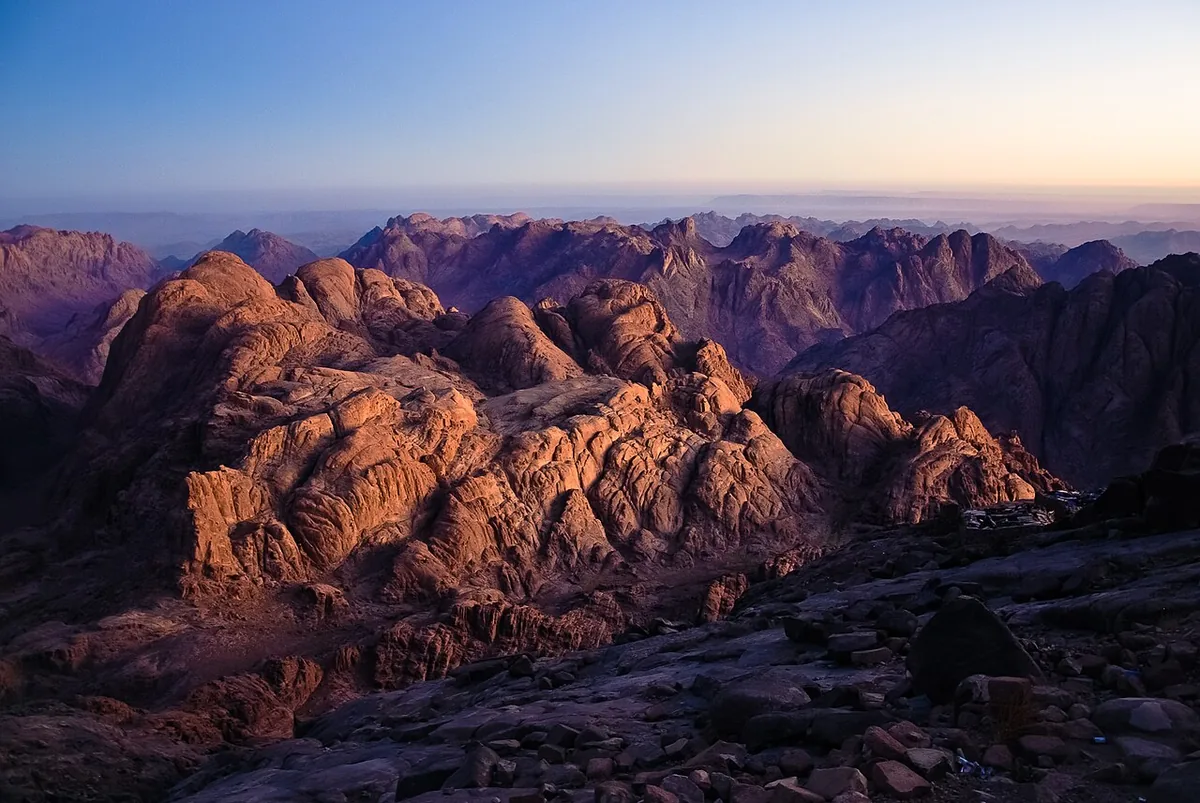
| Weather | What to watch for | Best answer and what to bring |
|---|---|---|
| Rain | What to watch for: Rain is rare, but dry spare clothing still matters | Best answer and what to bring: Keep spare socks and sleep clothes in a dry bag or zip bag |
| Heat and sun | What to watch for: The summer descent can be hot | Best answer and what to bring: Carry plenty of water and wear a sun hat |
| Cold and cold nights | What to watch for: Waiting at the top leaves you exposed to the cold | Best answer and what to bring: Bring the Rab down jacket, a warm hat, gloves and your own liner |
| Wind on the summit | What to watch for: Wind adds to the discomfort of a cold wait | Best answer and what to bring: Keep your hood and an outer layer accessible |
| Changeable weather and layers | What to watch for: Sweat from the ascent can leave you cold when you stop | Best answer and what to bring: Change into a dry layer before settling down for sunrise |
Choose footwear for uneven steps in the dark
Choose breathable leather hiking boots for the uneven stone Steps, especially in cold or wet conditions. The LOWA Renegade EVO GTX Mid combines a leather upper with a waterproof, windproof and breathable GORE-TEX membrane. Break boots in before the climb.
A lighter shoe can be enough for the gentler Camel Trail in dry conditions if it already fits well and has suitable grip. Consider the descent as well as the ascent when choosing. Do not make new footwear part of your night-climb experiment.
Keep socks dry and stop at the first hot spot
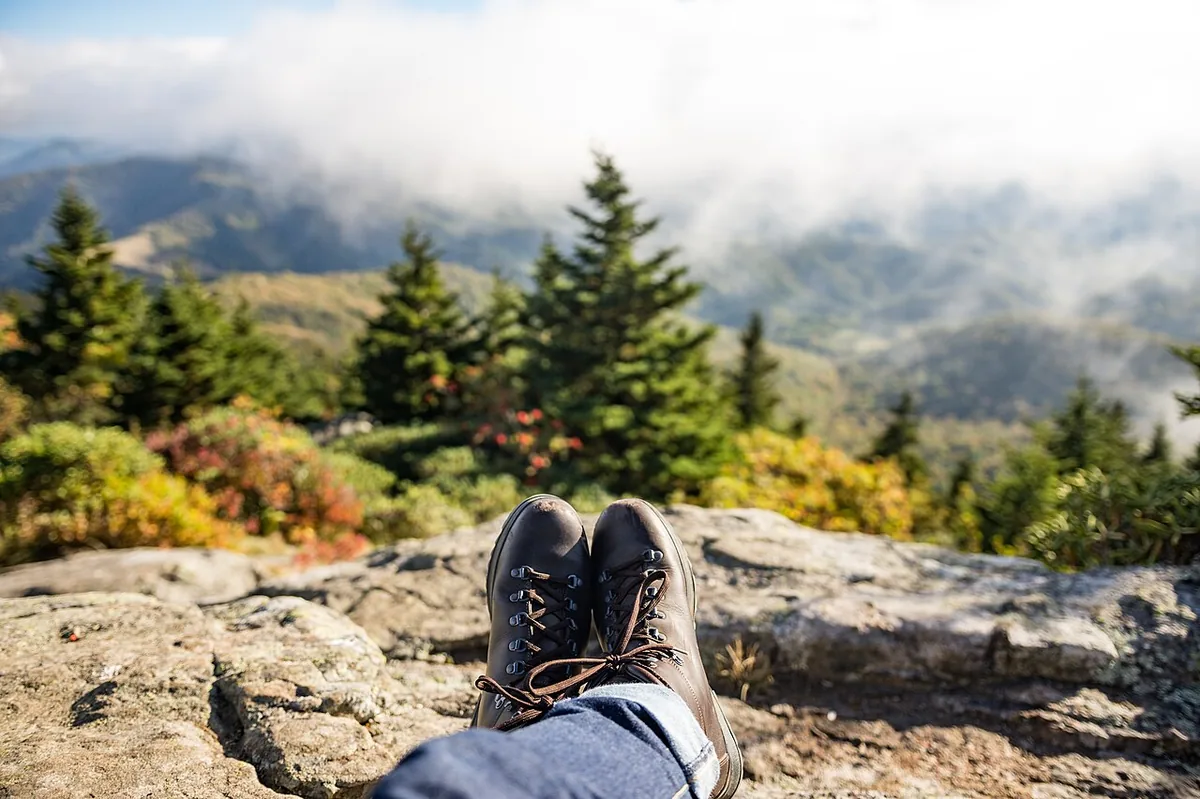
Wear wool socks and stop at the first hot spot to check your feet and adjust your footwear. Carry tape for friction points and blister plasters for blister care, following their instructions. Seal spare socks in a dry bag or zip bag.
Dry damp socks on the outside of your pack in sunshine when conditions allow. A microfibre towel helps you dry your feet before putting socks back on. Use newspaper in wet boots overnight, changing it daily as LOWA advises, and carry your own liner for the cold summit wait.
Tip from Chenzo, founder of NomadsToolsLab: In new shoes I wear two thin pairs of socks for the first stretches, and I break shoes in with short walks. My trick: put wet newspaper in new shoes for 24 hours, then walk in them so they shape to your feet. On a break I take off my shoes and socks straight away and put my feet on the earth, respecting local rules around holy water and monastery grounds. If there is cold water, I cool my feet in it, then dry them well and only put my shoes back on when my feet are completely dry and no longer wrinkled. For leather boots, check the maker's care advice before trying the newspaper trick. LOWA says to dry wet leather boots slowly in a ventilated room, never in the sun or by a radiator.
Check travel advice before arranging the climb
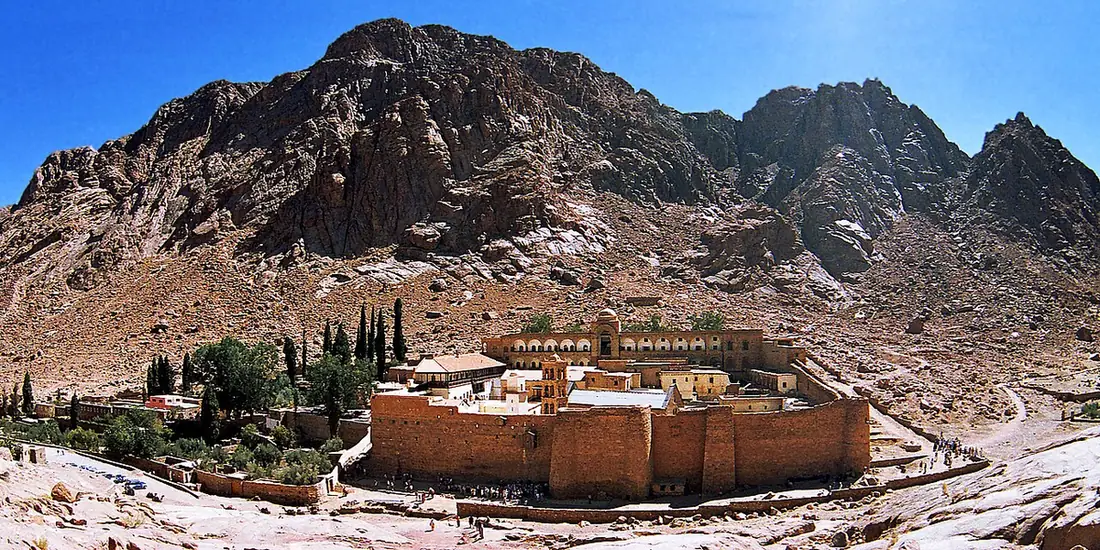
The UK Foreign Office advises against all travel to the North Sinai Governorate. It also advises against all but essential travel to “the northern part of the South Sinai Governorate, beyond the St Catherine to Nuweiba road, except for the coastal areas on the west and east.” Check the FCDO map without assuming where the monastery falls in relation to that advice. Check current travel advice from UK FCDO travel advice for Egypt.
Check your own government's advice and your insurance, which can be void when travelling against travel advice. The UK Foreign Office warns that the Taba crossing with Israel could close at short notice amid regional tensions. The monastery tells visitors to bring hiking gear, plenty of water and a flashlight for the night march.
Respect the working monastery and the dawn silence
St Catherine's is a working Greek Orthodox monastery. Its own site describes a short morning visiting window and says it is generally closed on Fridays, Sundays and major feast days. The Egyptian tourism ministry lists slightly different hours, so check ahead. Confirm visiting arrangements with Monastery pilgrim information.
The monastery says organised guided tours inside are not allowed and recordings are not permitted. Dress respectfully, with shoulders and knees covered as the custom. At the summit at dawn, keep music off and voices low.
Packing list with maker weights
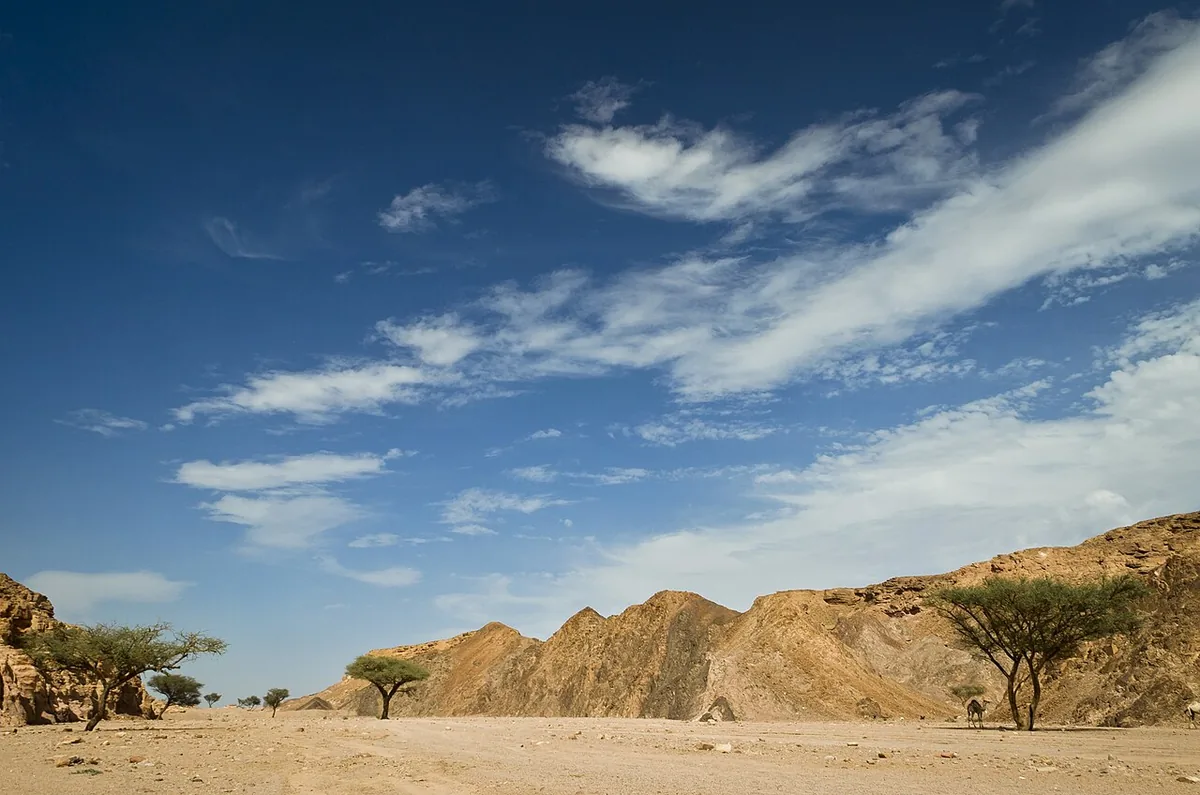
| Item | Job on the route | Weight (maker) |
|---|---|---|
| Petzl Actik Core | Job on the route: Light on the dark steps | Weight (maker): 88 g |
| Rab Microlight Alpine | Job on the route: Warmth at the top | Weight (maker): 428 g (size M) |
| LOWA Renegade EVO GTX Mid | Job on the route: Leather boot for long, rocky or wet stages | Weight (maker): Worn on your feet: 590 g per shoe on LOWA's US page (size not stated), not in the pack total |
| Sea to Summit Reactor Fleeceweight liner | Job on the route: Warmth on cold nights | Weight (maker): 400 g (Regular) |
| Darn Tough Hiker Micro Crew (2 pairs) | Job on the route: Dry, cushioned feet | Weight (maker): Not listed by maker |
| Compeed blister plasters | Job on the route: Blister care | Weight (maker): Not listed by maker |
| Leuchtturm1917 A5 | Job on the route: A few lines at sunrise | Weight (maker): Not listed by maker |
| Subtotal of listed packed items | Job on the route: Items with a maker weight | Weight (maker): 916 g plus 3 items without a maker weight |
Check the specifications for your chosen versions with Petzl, Rab, LOWA, Sea to Summit liner, Darn Tough, Compeed and Leuchtturm1917. This subtotal covers only the listed packed items with stated weights. Worn footwear and missing weights are excluded. Add water, food and other gear, then use the backpack weight calculator to total your load.
Petzl ACTIK CORE for the night ascent
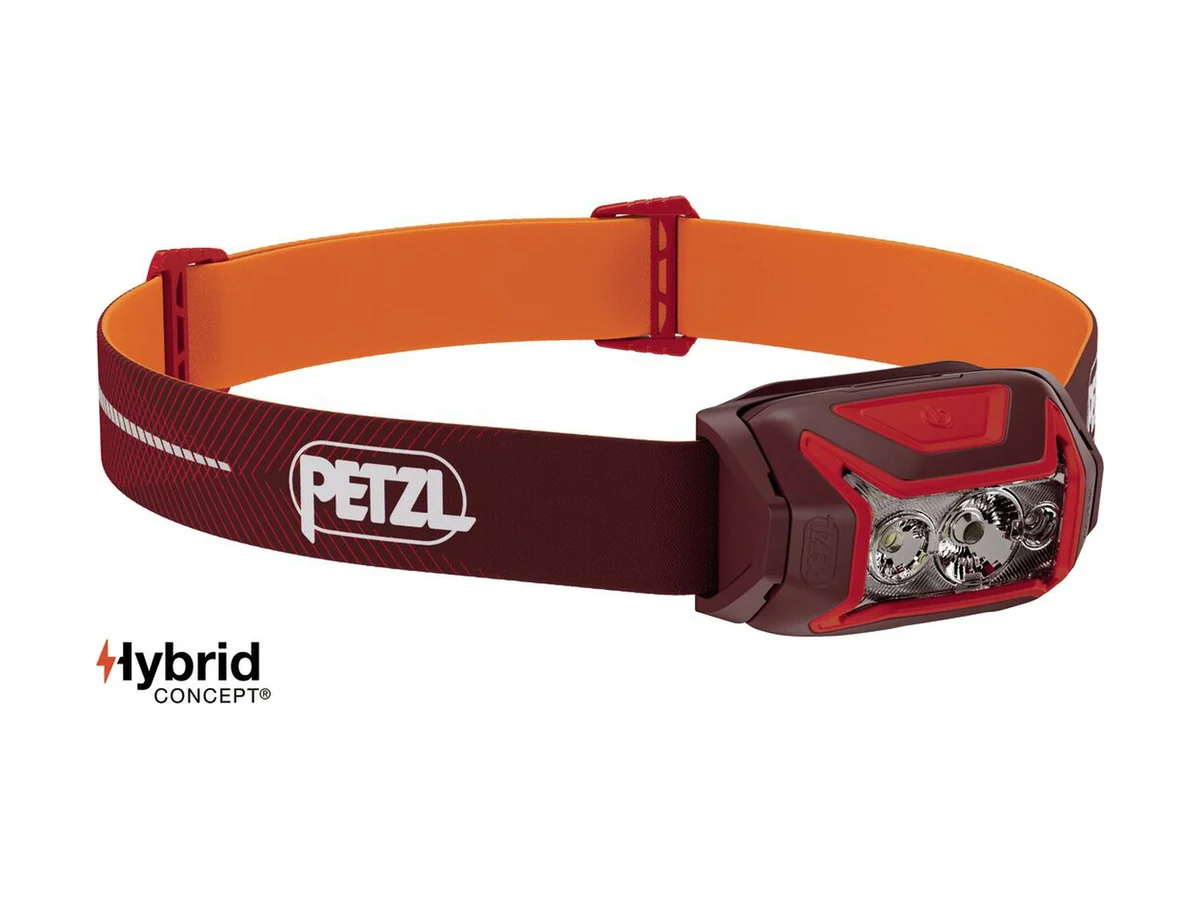
Petzl ACTIK CORE Headlamp
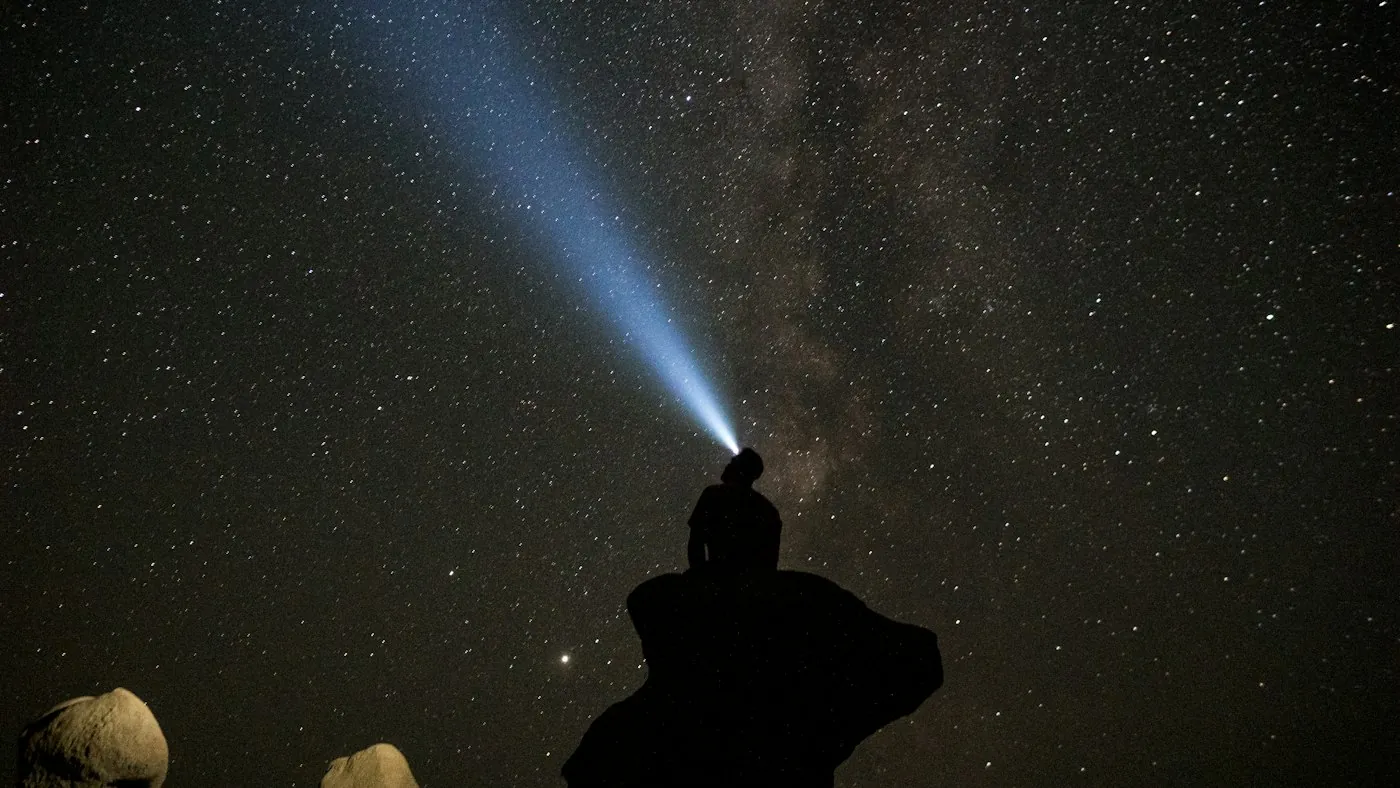
The Petzl ACTIK CORE headlamp delivers 625 lumens and weighs 88 g according to Petzl. It uses a rechargeable CORE battery with USB-C charging or three AAA batteries. It also has a red light mode and an IPX4 rating.
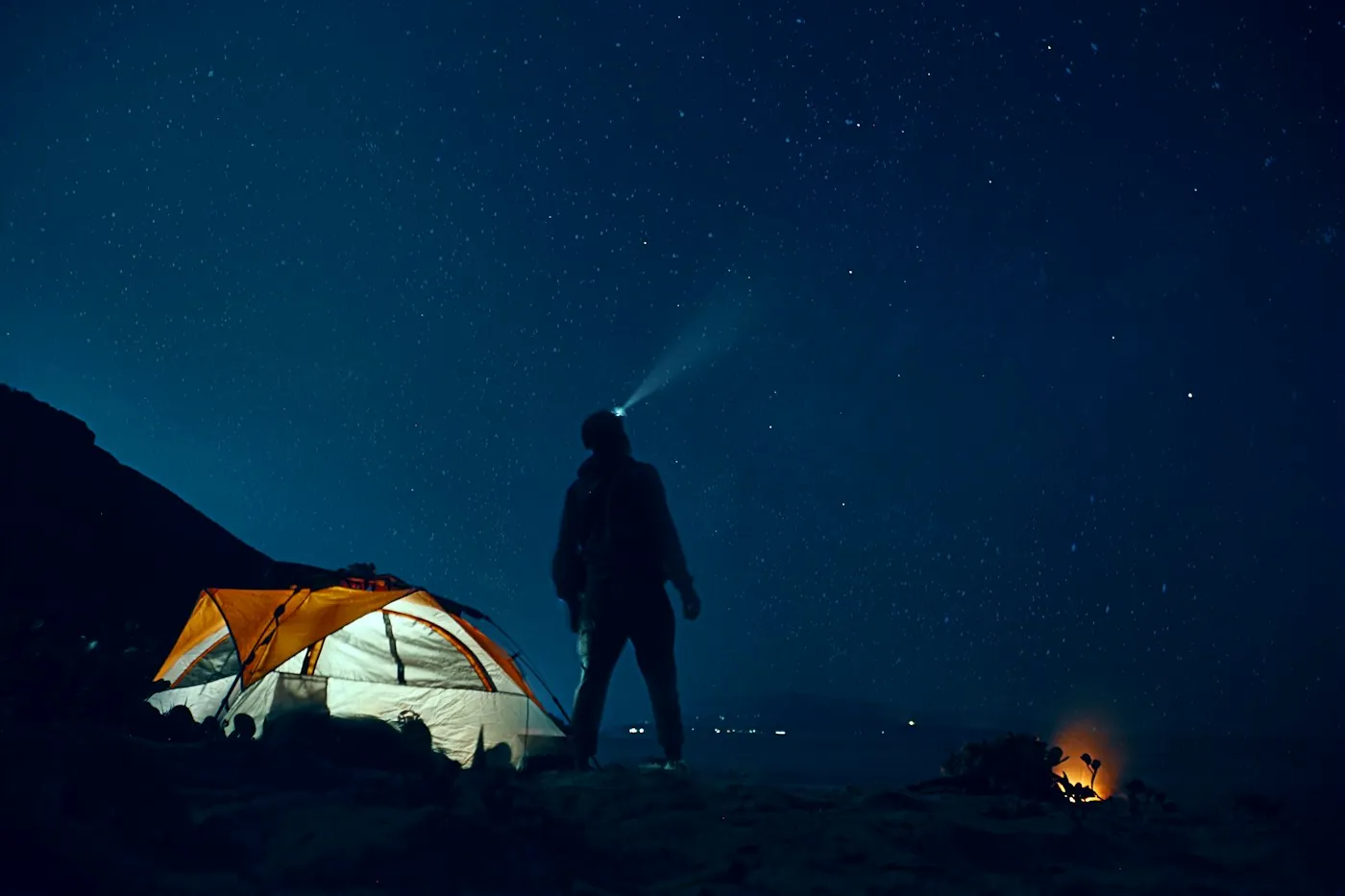
Put the headlamp somewhere you can reach before the ascent starts. Check its charge and controls before leaving, and choose your battery arrangement in advance.
What could be better: Its IPX4 weather resistance does not make this headlamp waterproof for immersion in water.
Rab Microlight Alpine Down Jacket for the summit
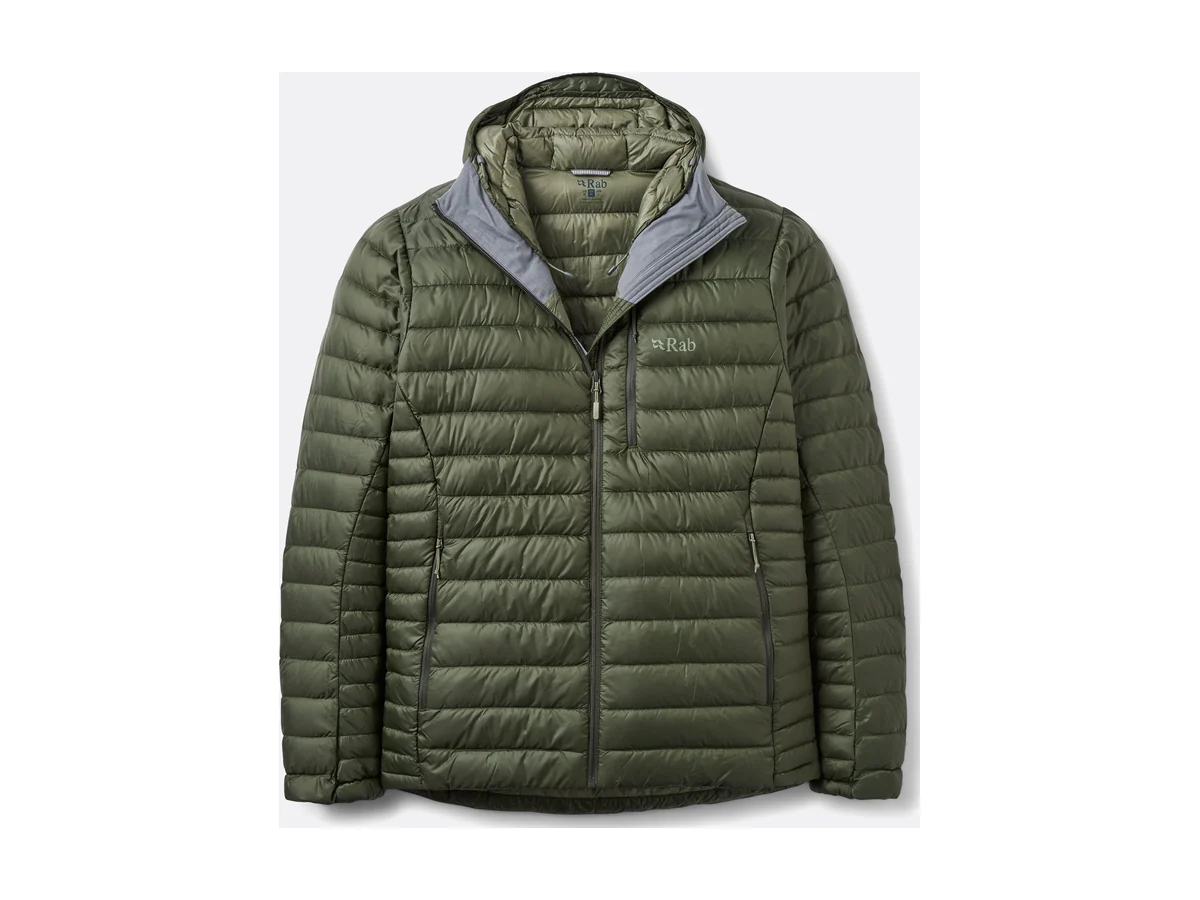
Rab Microlight Alpine Down Jacket
The men's Rab Microlight Alpine Down Jacket uses 700 fill power recycled down with a hydrophobic finish and a Pertex Quantum shell. Rab lists 428 g for size M. The jacket has a hood.
Keep it accessible for the point where walking turns into waiting. Change out of a damp layer before putting it on, and bring a warm hat and gloves too.
What could be better: The hydrophobic finish does not turn this down jacket into a rain jacket.
LOWA Renegade EVO GTX Mid for the Steps
LOWA Renegade EVO GTX Mid
The men's LOWA Renegade EVO GTX Mid has a leather upper, a GORE-TEX membrane, a Vibram outsole and a LOWA DYNAPU midsole. LOWA names pilgrimages and multi-day hikes among its uses. Weigh the pair you will wear.
This is the main footwear pick for the steep Steps in the dark. Allow time for short walks before departure so you can check the fit with your walking socks.
What could be better: These boots need breaking in, and LOWA advises drying them slowly away from heat.
Sea to Summit Reactor Fleeceweight liner
Sea to Summit Reactor Fleeceweight Liner
The Regular Sea to Summit Reactor Fleeceweight sleeping bag liner weighs 400 g according to the maker and packs to 25 x 15 x 15 cm. It uses recycled polyester with Thermolite hollow-core fibres and grid fleece. The added warmth depends on the sleeping bag and mat used with it.
Use it as a personal covering instead of relying on a rented summit blanket, which may not be clean. Keep your jacket, hat and gloves ready as well. At your guesthouse, it can also go under a blanket.
What could be better: This liner does not replace a sleeping bag, and warmth depends on the bag and mat.
Darn Tough Hiker Micro Crew Midweight socks
Darn Tough Hiker Micro Crew Midweight
The Darn Tough Hiker Micro Crew Midweight socks, style 1466, contain 61% merino wool, 36% nylon and 3% Lycra. They have cushioned terry loops underfoot and extra protection around the ankle and Achilles. The maker does not list a weight.
Check the fit inside your boots before departure, including with Chenzo's two-pair approach if you choose to try it. Keep a spare pair sealed away from damp clothing.
What could be better: One pair of merino blend socks cannot be relied on to dry overnight in every climate.
Compeed blister plasters for your foot-care kit
Compeed Blister Plasters (mixed)
Compeed blister plasters use hydrocolloid material with thick cushioning. The maker describes them as water-repellent and breathable and says they stay in place for up to seven days. The maker does not list a weight.
Keep them accessible so you can deal with foot discomfort during a stop. Follow the application instructions, and check your socks and boot fit rather than continuing through a hot spot.
What could be better: These hydrocolloid plasters cover blisters, but they do not address what caused the rubbing.
Leuchtturm1917 notebook for sunrise reflection
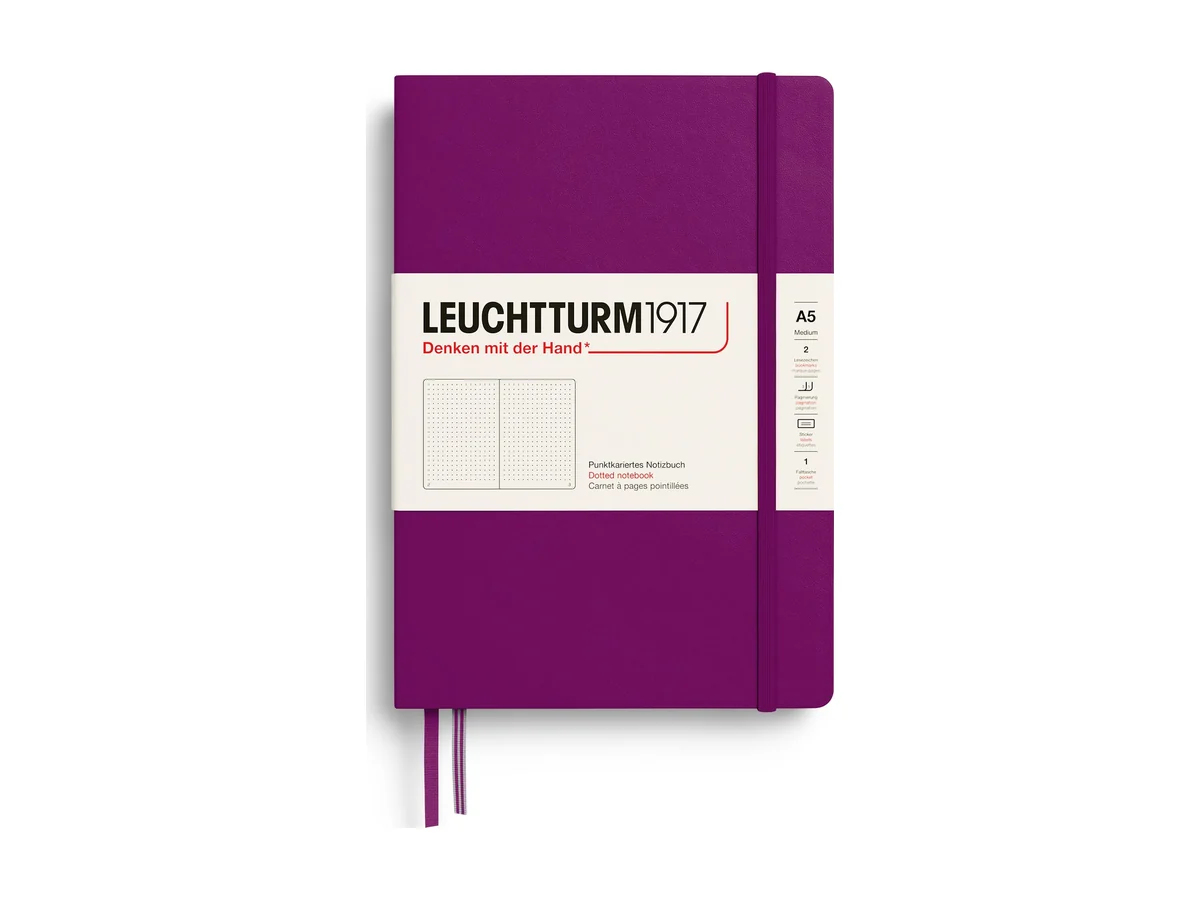
Leuchtturm1917 A5 Hardcover Notebook
The Leuchtturm1917 Medium A5 hardcover dotted notebook has 251 numbered pages of 80 gsm paper. It includes two page markers, an elastic band and a back pocket. The maker does not list a weight.
Write a few lines, copy a verse or leave a prayer on the page. There is no need to turn sunrise into a writing task. Keep the notebook packed away if silence feels more fitting.
What could be better: The paper pages need dry storage, so keep the notebook protected from rain and spills.
Complete the pack for darkness, cold and descent
Add plenty of water, a sun hat, warm hat, gloves and a dry spare layer. Carry tape, a microfibre towel and a sealed spare pair of socks. Put summit layers where you can reach them without unpacking everything.
No tent or hammock is needed for the night climb itself. Arrange your guesthouse stay separately, and clarify overnight arrangements if you intend to remain on the mountain. Choose each extra item for a clear purpose. Compare headlamps in our Petzl vs Nitecore headlamp guide.
- Plan for five to seven hours in total, with lighting for the night ascent.
- Carry warm summit layers even when daytime conditions are hot.
- Break in footwear beforehand, protect spare socks from damp and stop at the first hot spot.
- Check official travel advice, insurance and monastery visiting arrangements before departure.
Backpack weight calculator
Add what you carry, set the weight of each item in grams, and see your pack and your total in kg and lb.
FAQ
How long does climbing Mount Sinai take?
The monastery's pilgrim page says to reckon on five to seven hours in total. Many climbers start after midnight to reach the summit for sunrise, but that timing is a custom rather than a rule.
Do you need a guide for Mount Sinai?
Confirm the current guiding and access arrangements locally before arranging the climb. Clarify that arrangement before starting your ascent.
What should you wear for the sunrise climb?
Wear broken-in footwear suitable for your chosen route and carry warm layers for the summit wait. Bring a down jacket, warm hat, gloves and a dry layer, with sun protection for the descent.
Do you need a tent or a rented blanket?
No tent or hammock is needed for the night climb itself. Blankets can be rented near the top, but cleanliness varies, so carry your own liner and warm layers.
Affiliate disclosure. This post contains affiliate links. If you click and buy something, this site earns a small commission at no extra cost to you. Check the selected model, size and version before ordering. As an Amazon Associate I earn from qualifying purchases. Read the full affiliate disclosure. Amazon and the Amazon logo are trademarks of Amazon.com, Inc. or its affiliates.
Your next step