
Digital Nomad Loneliness: 9 Ways to Find Your People (2026)
Quick note before you read: I'm Chenzo. I run NomadsToolsLab, and I also run Chenzo Holistic Coaching. A few links in this post go to my own coaching, my community, a free course and my podcast. None of the other suggestions here pay me anything. Full disclosure at the bottom.
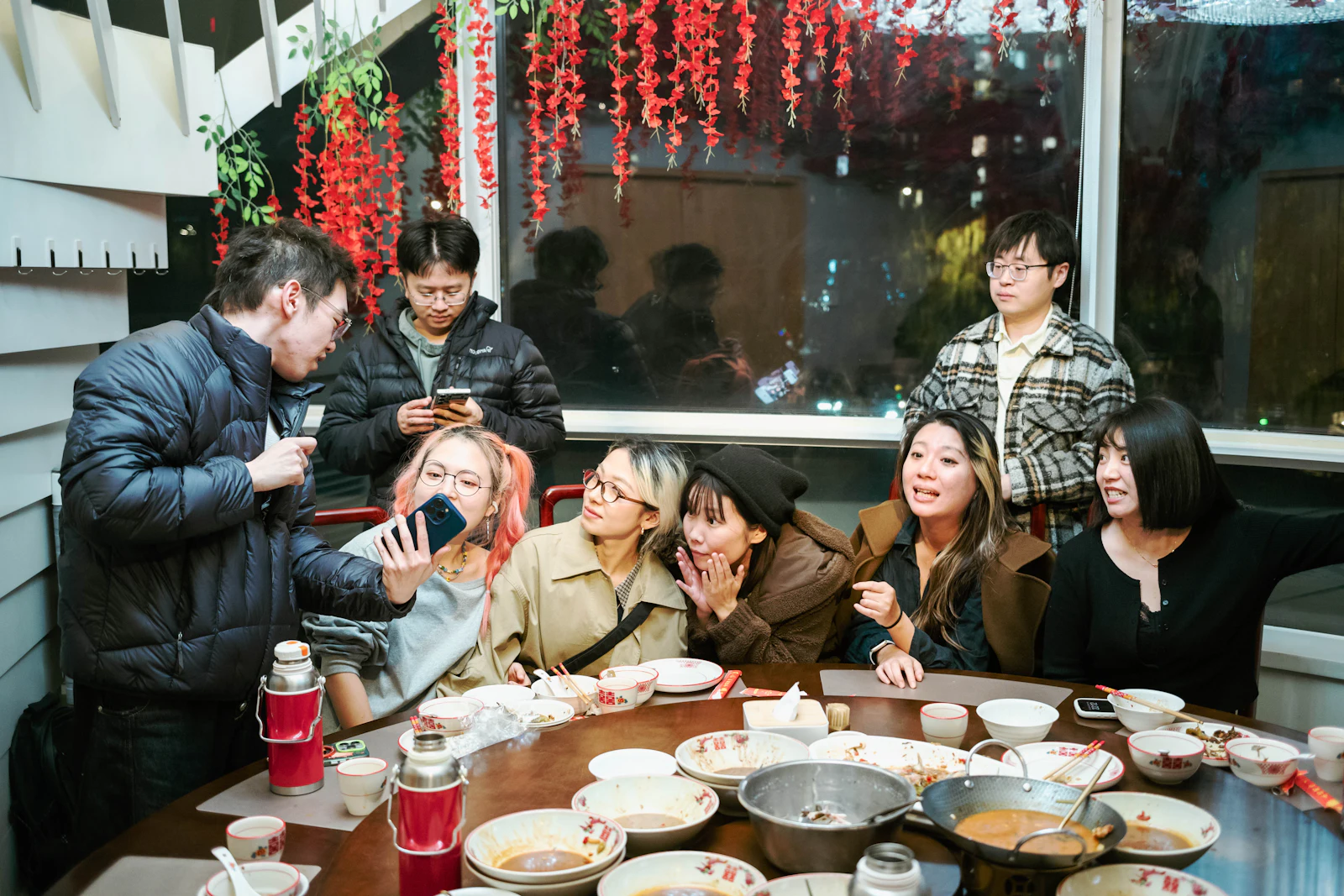
Nobody posts the lonely evenings. The laptop-by-the-pool photo gets shared. The fourth dinner alone this week does not. Digital nomad loneliness can feel even heavier if you're a highly sensitive person or an empath, because the usual advice ("go to a meetup") is exactly the loud evening that drains you.
You don't need more noise. You need a few calm, repeated contacts with people who get you.
If you're in crisis right now: please don't wait. Contact the local emergency number of the country you're in, or find a free crisis line near you at findahelpline.com. This article is not a replacement for professional help.
Quick answer
Slow down, pick one place where you see the same faces every day (coliving or a fixed coworking space), and add one small group of people who understand how you're wired. If you're sensitive, that last part matters most.
Find your people
Why digital nomad loneliness hits harder
- Constant goodbyes. After enough of them, you stop investing.
- The same three questions. Where are you from, how long are you here, what do you do. Little depth.
- Time zones. Home is asleep when you want to talk.
- Working alone. No one notices when you're off.
- No routine. Connection needs repetition, and moving removes it.
Many sensitive people describe needing more quiet time after busy social situations. So they skip the big events, and skipping them makes the isolation worse. It's not that you don't want people. The usual way nomads meet doesn't fit you.
You are far from the only one: the World Health Organization's Commission on Social Connection reports that about 1 in 6 people worldwide is affected by loneliness (WHO, read on 5 October 2026).
9 ways to find your people as a digital nomad
The nine ways
- 1Slow down: stay 1 to 3 months in one place
- 2Choose coliving over a solo apartment (at least at first)
- 3Go to the same coworking space every day
- 4Join one small thing that repeats every week
- 5Use online nomad communities, but meet offline fast
- 6Keep your people back home on a schedule
- 7Build an anchor routine
- 8Find people who understand sensitivity
- 9Talk to someone one-on-one
1. Slow down: stay 1 to 3 months in one place
The least exciting advice, and the one that helps most. Same barista, same gym faces, same coworking crowd. Repetition is how strangers become friends. The first two weeks can feel lonelier than moving on. Push through.
2. Choose coliving over a solo apartment (at least at first)
Built-in housemates and shared dinners beat a nice apartment alone. Compare the best coliving spaces for digital nomads. Sensitive? Look for private rooms, quiet hours and smaller groups.
3. Go to the same coworking space every day
After a week people nod at you. After two, you're getting lunch together. Find spaces with the best coworking apps, and visit on a community event day before you commit.

4. Join one small thing that repeats every week
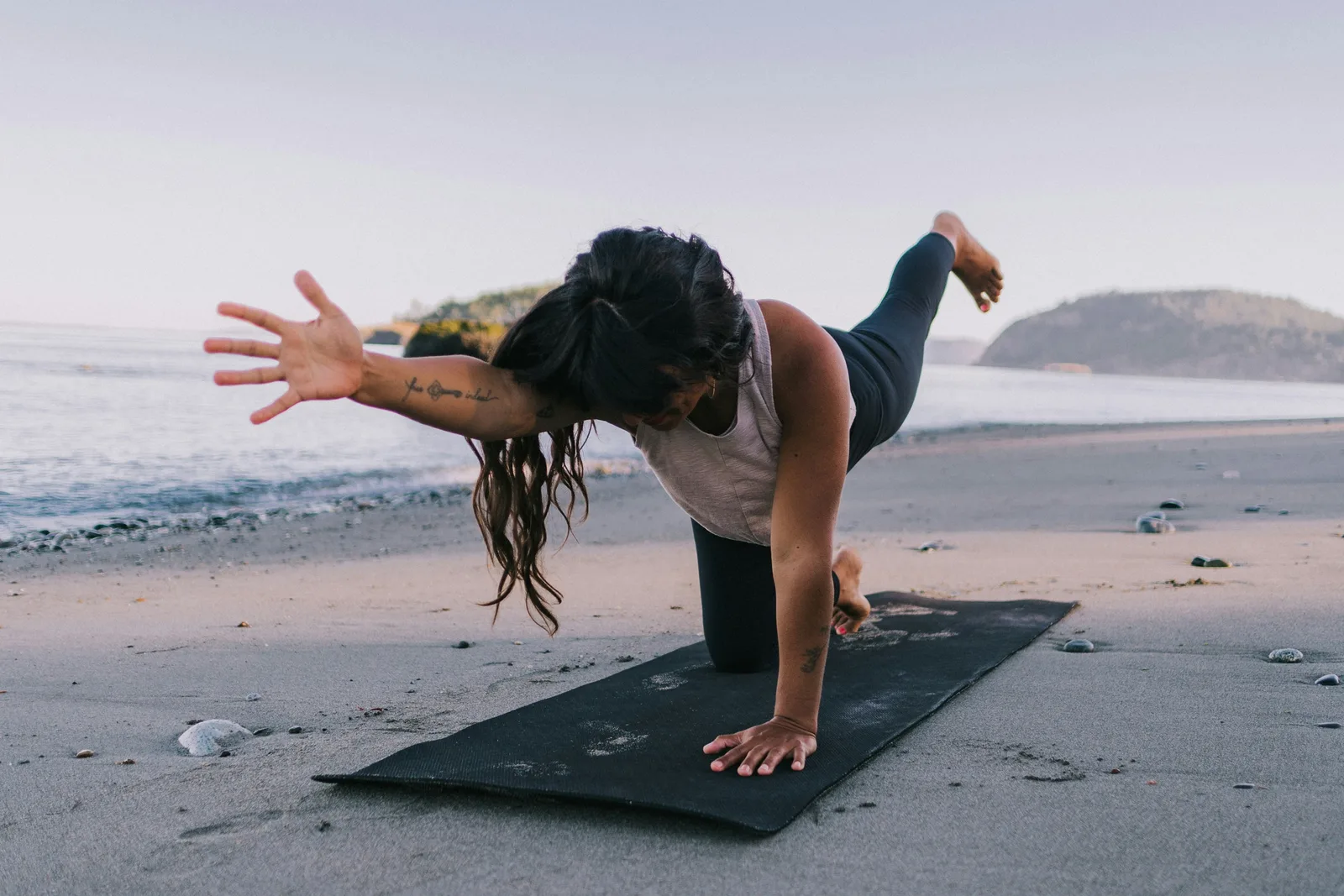
Yoga, a run club, a climbing gym, a volunteer shift. Sensitive people often connect easier side by side than face to face.
A boxing gym works the same way; here is how to find a boxing gym in a new city.
A one-off event gives you a nice evening. A weekly thing gives you people.
From the road
I often travel alone and I often join groups. That is the nice thing about traveling solo: you are flexible and can go with the flow of life.
To meet people I went to a small pub or a square where people hang out or make music, and I sang along. I sing well, so I often asked bands if I could join, and then we just hung out. Or I put down a sign next to my tarot cards: free tarot reading. Then people just came to me.
5. Use online nomad communities, but meet offline fast
Use them to set up one real coffee, then close the app. Our guide to Nomads.com (formerly Nomad List) covers what its paid community offers. Traveling solo as a woman? See the best cities for female solo digital nomads.
6. Keep your people back home on a schedule
A recurring call with the two or three people who matter most, same day, same time. It doesn't replace people you can hug, but it's a steady base.
7. Build an anchor routine
Same morning walk, same workout time. It makes any city feel more like home and puts you in the same places as the same people. Our digital nomad health guide covers sleep, movement and mental health on the road.
8. Find people who understand sensitivity
You can be surrounded by nice people and still feel alone, because nobody gets why a busy day wipes you out. Talking to people who work the same way changes that. Online groups travel with you, but use them next to points 1 to 4, not instead.

Empath Enlightenment group
My free community for empaths and sensitive people. There's also a free chat group for empaths. You join both with a free account on chenzoholisticcoaching.com. My own community, so I'm not neutral.
Join the free empath community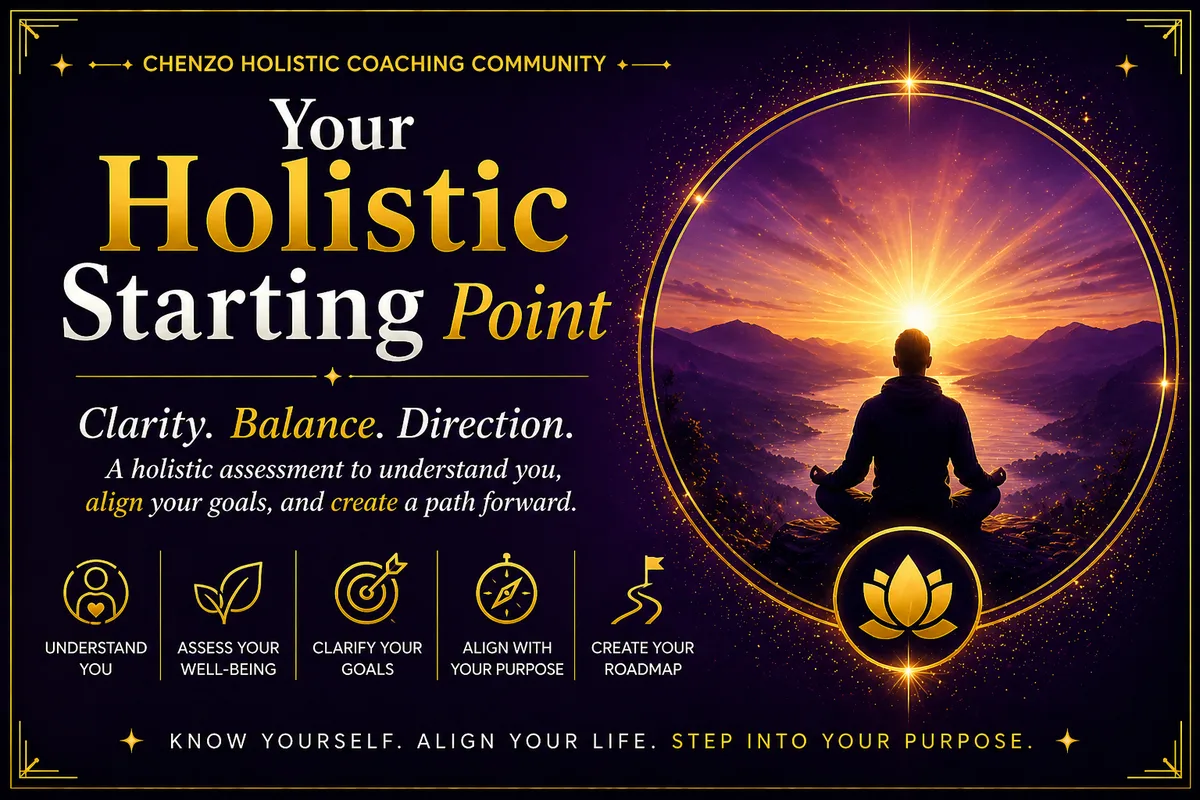
Your Holistic Starting Point
Rather start on your own? A quiet place to begin: no group, no calls, just you at your own pace.
Start the free course9. Talk to someone one-on-one
Therapy (a licensed therapist or psychologist) is for depression, anxiety, or when you're really struggling. Many work online.
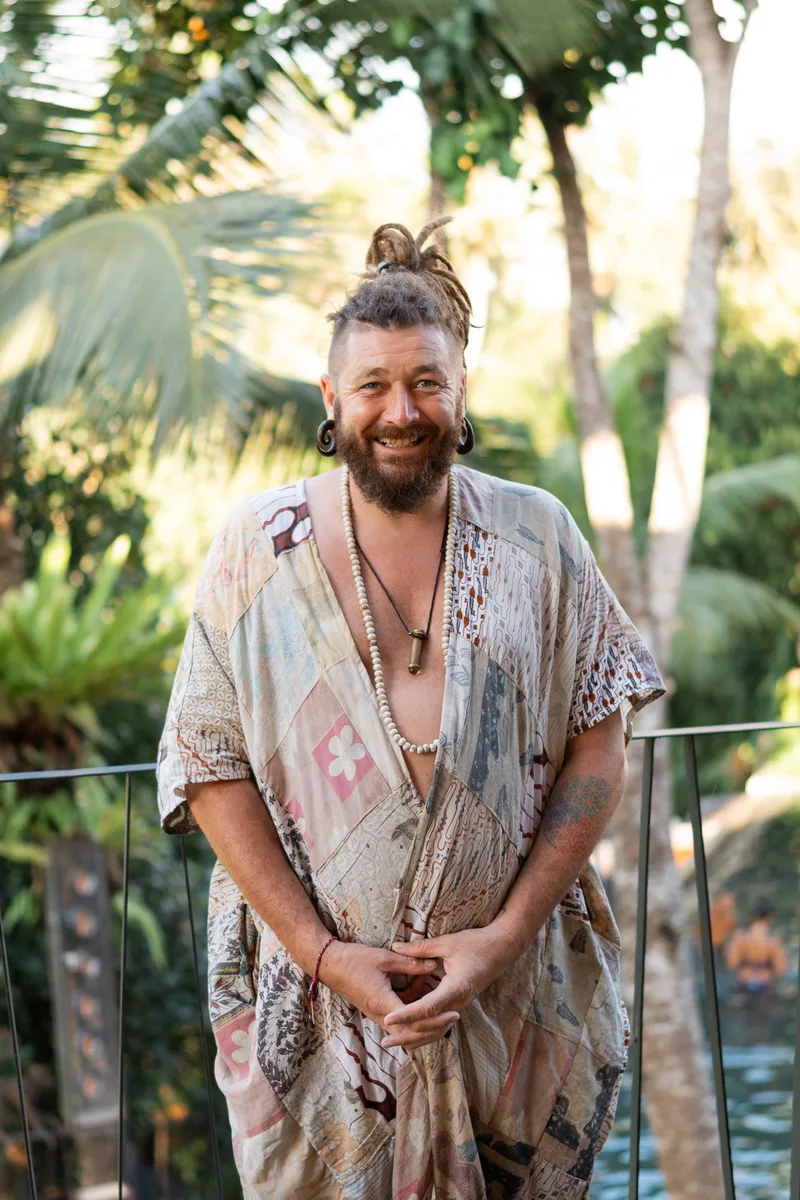
Coaching is not therapy. It's for when you're okay overall but feel stuck, lonely in a way you can't explain, or keep ending up in the same place.
Free 30-minute discovery call
I'm a holistic coach and I work mostly with sensitive people. No pressure to sign up after. If a therapist fits better, I'll tell you.
Book a free 30-min call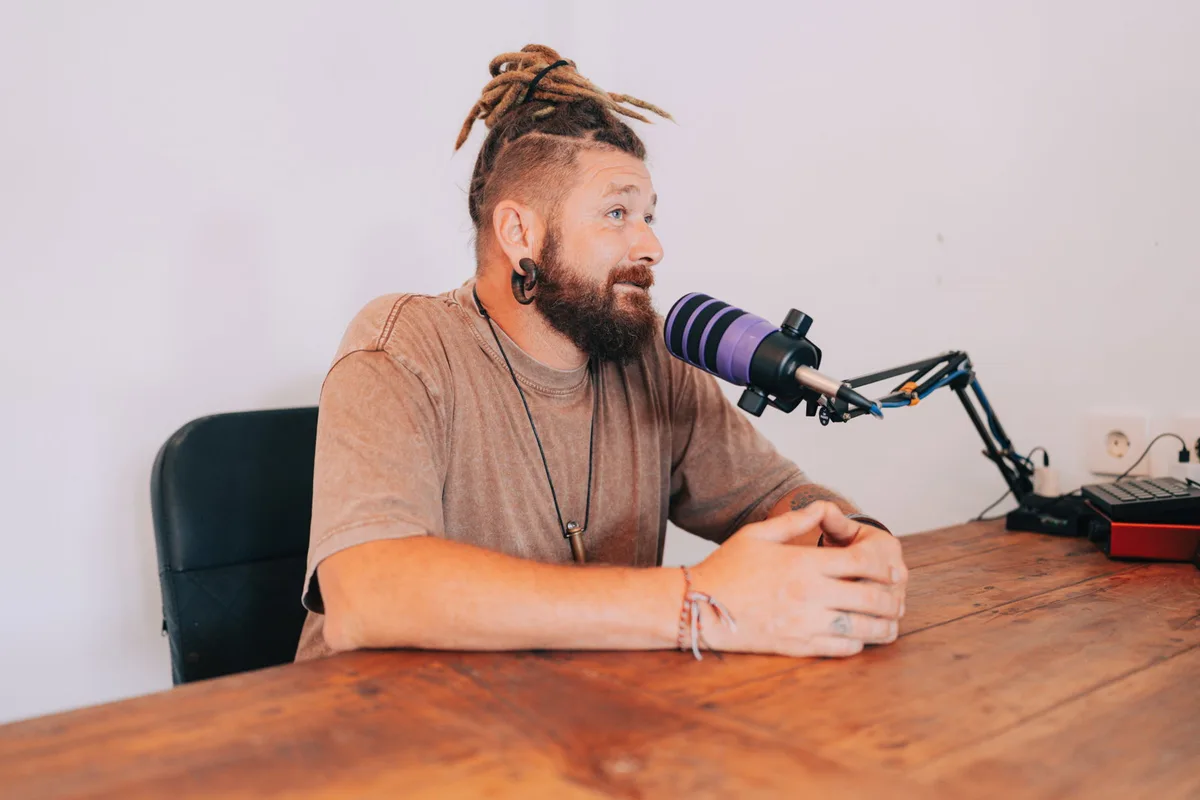
The Purpose Path Podcast
Rather listen before you talk? Conversations about finding direction and meaning in your life.
Listen on Spotify, Apple Podcasts, YouTube or Deezer.
Listen to the podcastWhen it's more than normal nomad loneliness
Feeling lonely sometimes on the road is normal. But if your mood has been low for weeks, you've stopped enjoying things, or you're pulling away from everyone, please talk to a doctor or a licensed mental health professional. You don't have to fly home to get help.
If you have thoughts of harming yourself, contact the local emergency number now, or find a free crisis line in your country at findahelpline.com.
- Slow down and stay 1 to 3 months in one place: repetition is how strangers become friends.
- Coliving beats a solo apartment at first, and the same coworking space every day turns nods into lunches.
- One small thing that repeats every week gives you people, and online communities are for setting up one real coffee.
- You do not need more noise. You need a few calm, repeated contacts with people who get you.
- If your mood has been low for weeks, talk to a doctor or a licensed mental health professional.
The first night alone is the hardest one: solo travel first night: when to book and when to wing it.

Related reading: 5 Ways to Learn a Language as a Digital Nomad (What Actually Sticks in 2026).
FAQ
Is it normal to feel lonely as a digital nomad?
Yes. Constant goodbyes, time zones and working alone make digital nomad loneliness very common. It usually gets better when you slow down and see the same people regularly.
How do digital nomads make friends?
Mostly through repetition: coliving, the same coworking space daily, and one weekly activity. Online groups help you find people, but friendships form offline.
Is coliving a good idea for highly sensitive people?
It can be. Look for private rooms, quiet hours and smaller houses. A big party-style coliving is often too much.
What should I do if the loneliness keeps getting worse?
Talk to someone: a doctor or therapist if your mood has been low for weeks, a crisis line if you're in danger, and a friend, community or coach if you mainly feel stuck.
Disclosure
I'm Chenzo, and I run NomadsToolsLab. I also run Chenzo Holistic Coaching. The coaching discovery call, the Empath Enlightenment community, the Your Holistic Starting Point course and The Purpose Path Podcast are all mine. The call, the course and the community are free; paid coaching is something you'd only choose after talking. The coliving, coworking and community platform suggestions are general options, not paid placements. There are no affiliate links in this article. Other NomadsToolsLab articles linked here may contain affiliate links, which are disclosed in those articles.




4 Comments