

Drinking Too Much as a Digital Nomad? 9 Honest Ways to Reset
Quick note before you read: I'm Chenzo. I run NomadsToolsLab, and I also run Chenzo Holistic Coaching. Some links in this post go to my own free mini course, free community and chat group, and a paid course. The other suggestions don't pay me anything. Full disclosure at the bottom.
Digital nomad drinking starts easy: in a lot of hubs someone is always leaving tomorrow or just arrived, and the rooftop has a deal. For many people it's just a fun phase. For others the hangover mornings pile up, and the next destination starts to feel like the fix for whatever went wrong in this one.
Please read this first. If you drink heavily every day, don't stop suddenly on your own. Alcohol withdrawal can be medically serious. Talk to a doctor first, wherever you are. If you're in crisis or thinking about harming yourself, contact the local emergency number, or find a free helpline in the country you're in at findahelpline.com. This article and my courses are not medical treatment.
No judging here. Just an honest look at where you are, and practical ways to change it if you want to.

Quick answer
Track what you actually drink for two weeks, build your social life around mornings instead of nights, and stop moving for a while. If you've tried to cut back before and it didn't stick, that's not a character flaw. It means you need support, not more willpower.
Checked on 9 October 2026.
Free support, at your own pace

Chenzo
Founder of NomadsToolsLab, and founder of Chenzo Holistic Coaching Read more
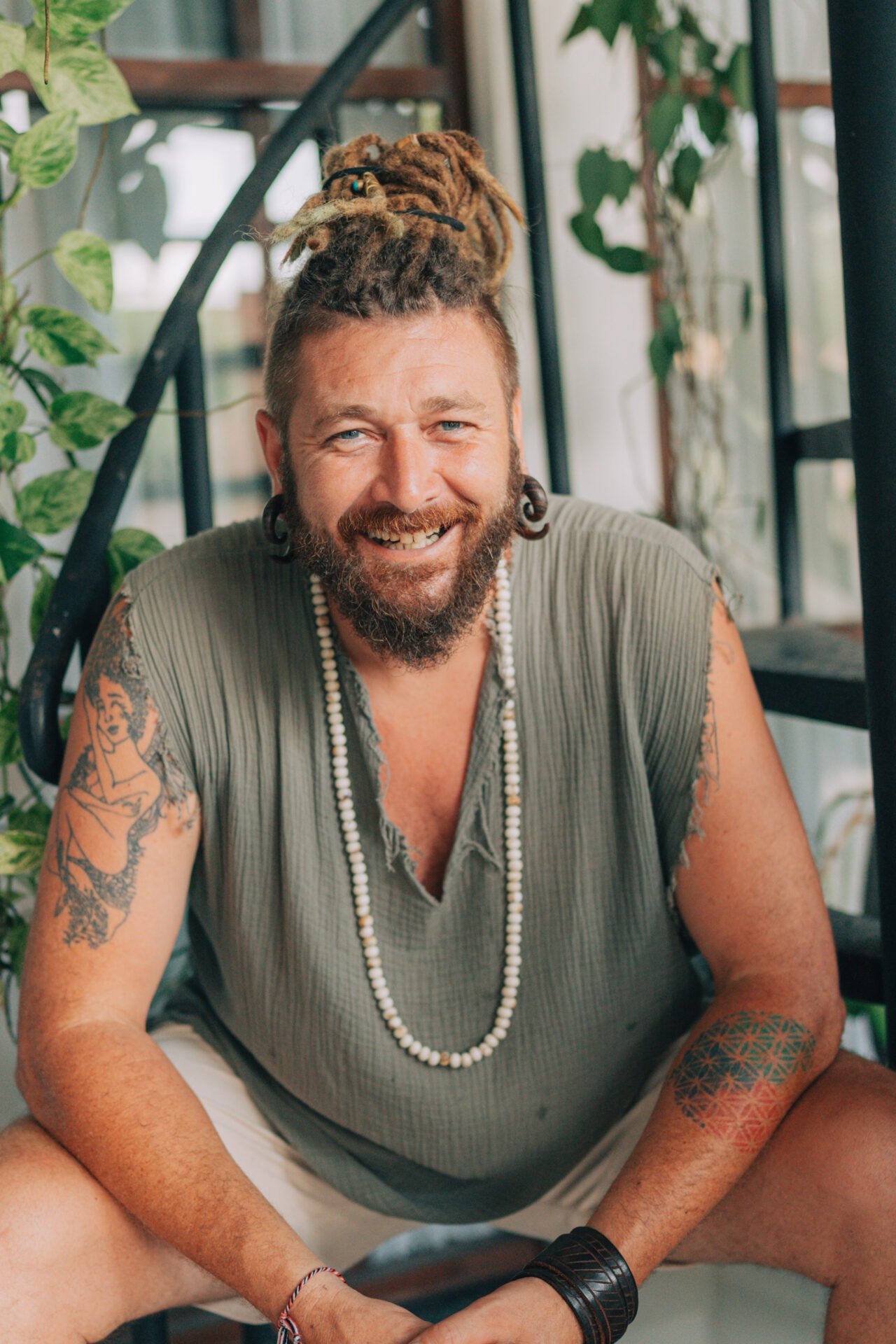
Chenzo
Founder of NomadsToolsLab, and founder of Chenzo Holistic Coaching
Why digital nomad drinking gets so easy
- Every night is somebody's last night. There's a farewell or welcome drink almost every evening. New in town and unsure how to spend the first evening? Our solo travel first night guide can help you plan it.
- Drinks are the default meetup. Many nomad events happen in bars.
- No one knows you. Every group is new, so nobody sees the pattern.
- No structure. A late night costs "only" a slow morning.
- Loneliness. A drink makes strangers easier and the quiet evenings quieter. See our guide to digital nomad loneliness.
None of this makes you weak. The environment is built for it.
Signs the nomad life has become running away
- You plan your next move when things get uncomfortable, not when you're ready.
- The same problems show up in every new city.
- You drink to fall asleep, calm down, or feel normal around people.
- You'd rather not count how much you drink in a week.
- You've said "I'll sort it out in the next place" more than once.
If a few of these hit home, that's useful information, not a verdict. If the drinking comes with exhaustion, see our guide to digital nomad burnout and finding your purpose.
9 honest ways to reset
The 9 ways at a glance
- 1Track for two weeks, without changing anything
- 2Decide before you go out, not at the bar
- 3Have a ready answer
- 4Move your social life to the morning
- 5Choose where you stay on purpose
- 6Plan the danger hours
- 7Stop moving for a while
- 8Get the right support for where you are
- 9Work on what you're escaping from
1. Track for two weeks, without changing anything
Write down every drink for 14 days: where, with whom, what time, how you felt before. The real number is often higher than you thought. If it scares you, skip to point 8.
2. Decide before you go out, not at the bar
How many drinks, and what time you go home. Tell one person. Order water in between. For some people "just two" doesn't work. Then points 7 and 8 matter more.
3. Have a ready answer
"Not drinking tonight" is a complete sentence. Softer: "I've got an early start." A soft drink or non-alcoholic beer ends most questions.
4. Move your social life to the morning
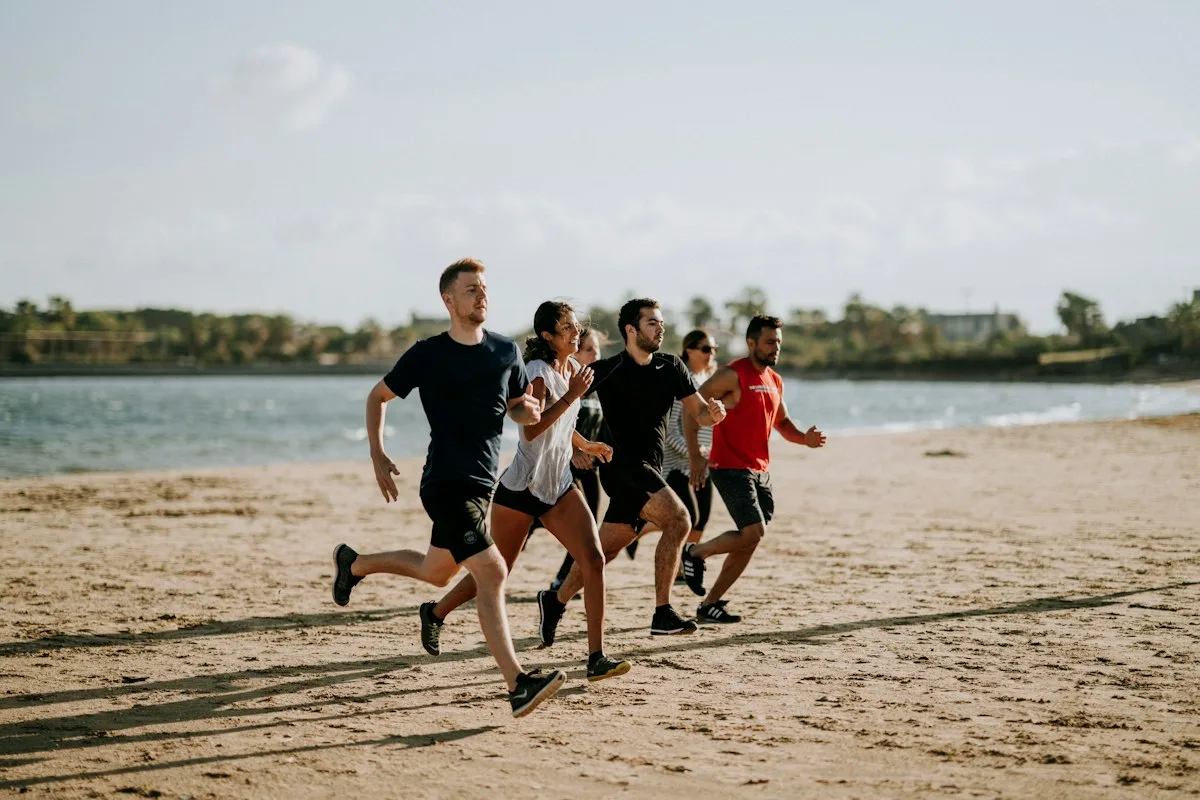
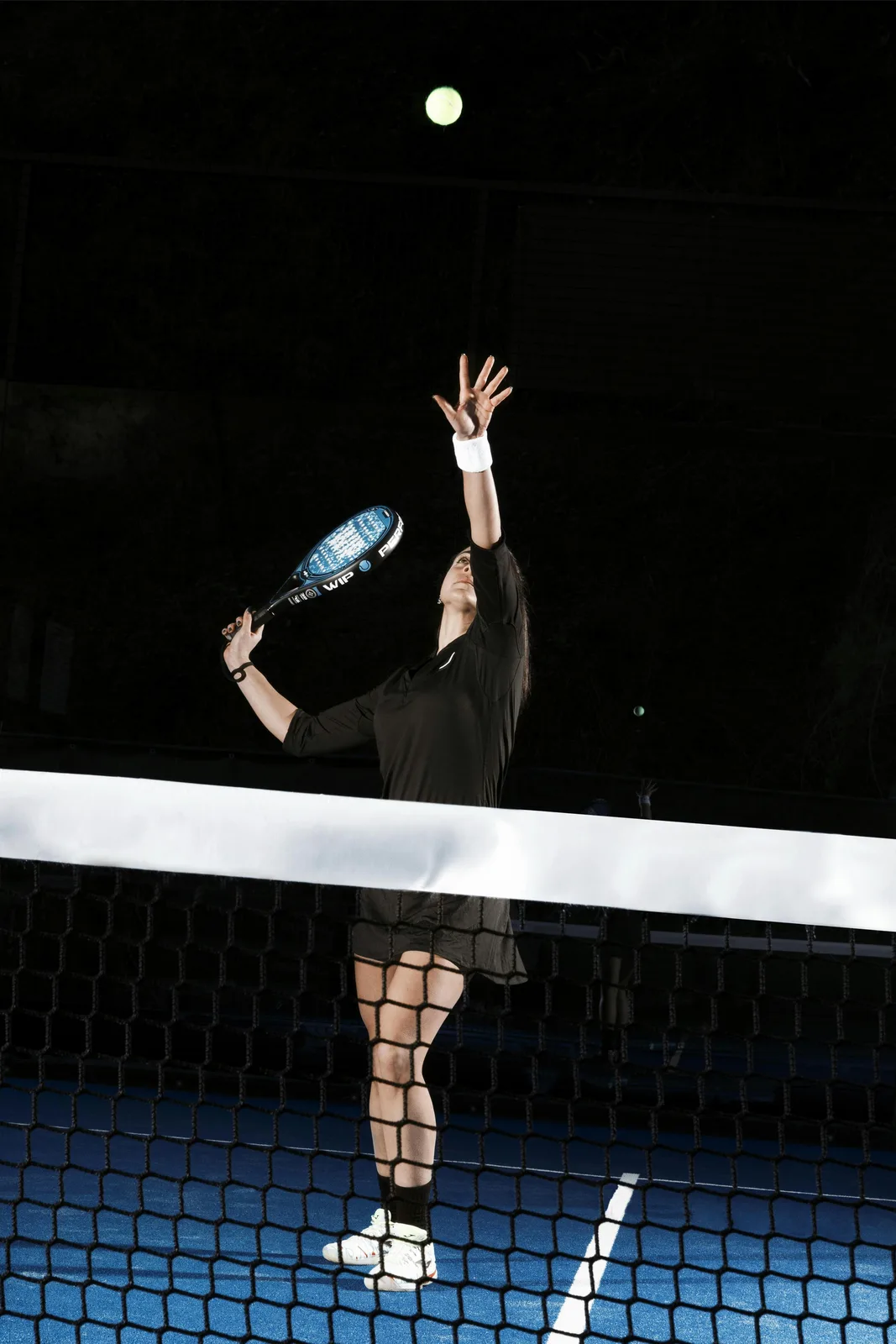
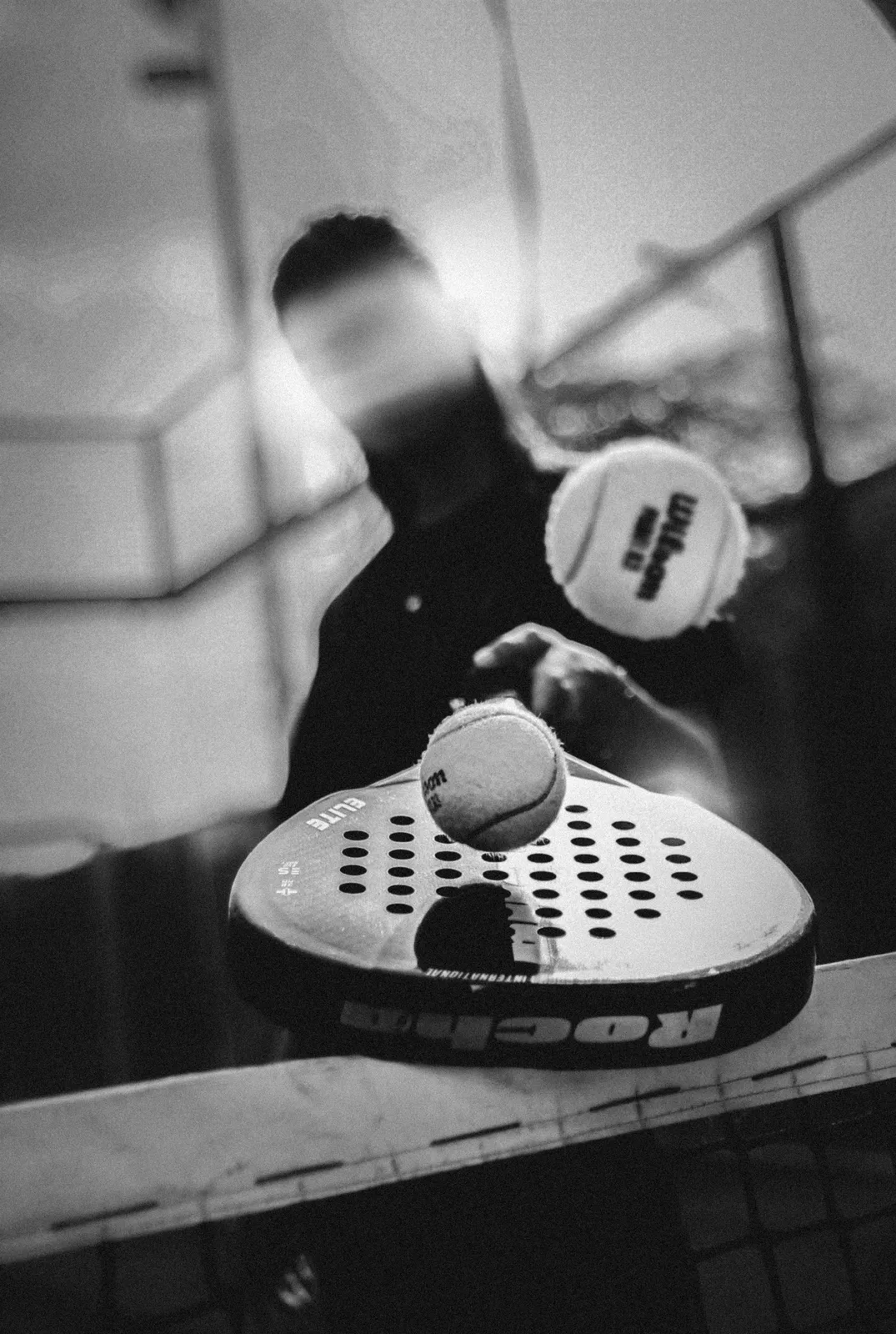
Run clubs, yoga, hiking groups, padel, coworking lunches. Same people, no bar. See how to find padel players anywhere, packable hiking shoes and our digital nomad health guide.
5. Choose where you stay on purpose
A party hostel makes every evening a negotiation. A quieter place with a kitchen changes the default. Compare the best coliving spaces for digital nomads.
6. Plan the danger hours
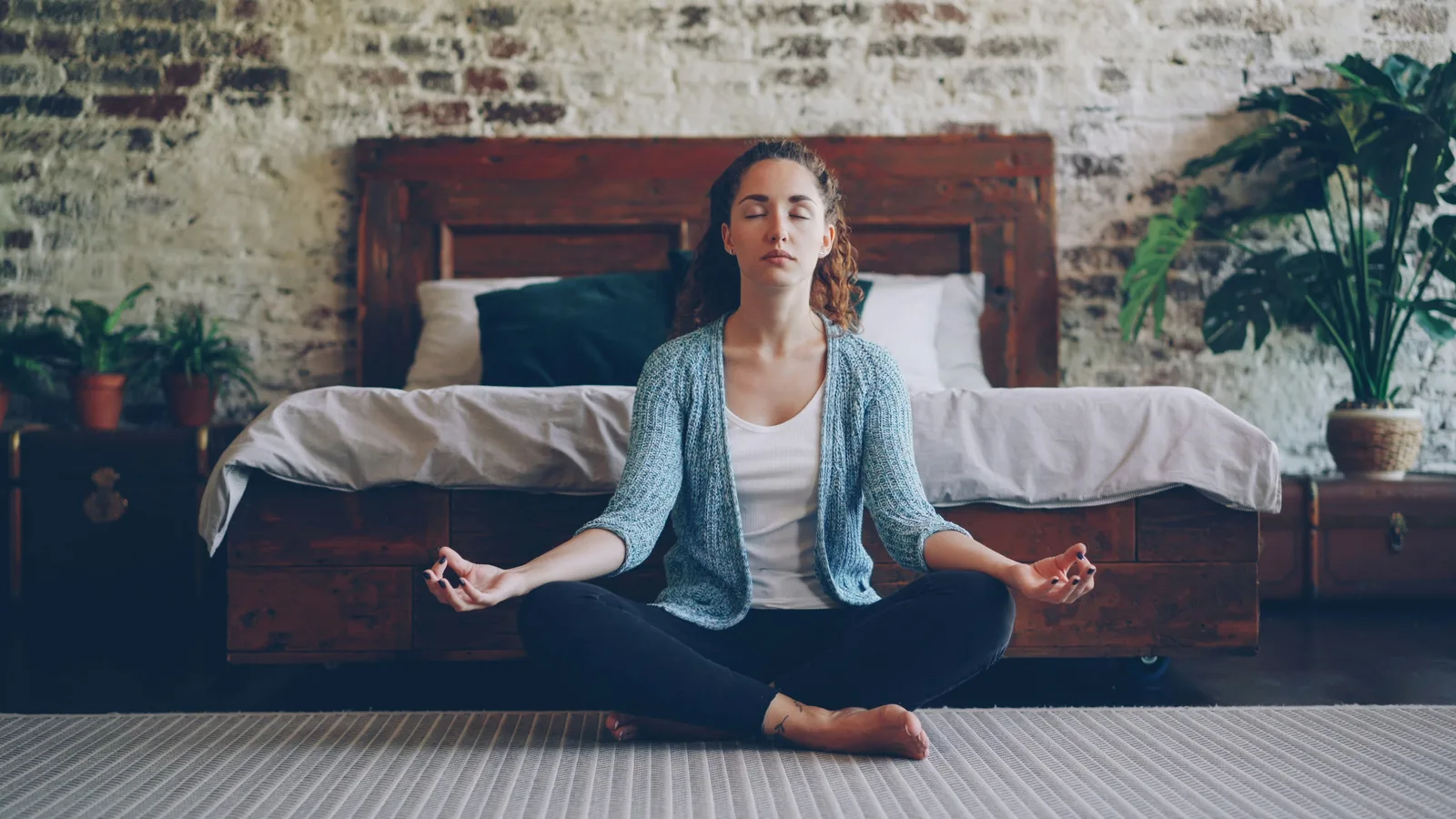
The early evening, after work, is when an empty day fills itself. Put a workout, a class or a call home in that slot. A few minutes with one of the best meditation apps for travelers helps too.
7. Stop moving for a while
The "geographic cure" rarely works. The pattern packs itself in your bag.
Staying 1 to 3 months gives you routine, a group, and people who notice when you're not okay.
8. Get the right support for where you are
- Heavy daily drinking, or shaky and unwell without it? See a doctor before you cut back. International clinics and online doctors are options.
- Want to stop with other people? Alcoholics Anonymous and SMART Recovery run meetings in many cities and online.
- Struggling with your mental health? Talk to a licensed therapist or doctor, or use findahelpline.com in a crisis.
Coaching, including mine, is not a replacement for any of these.
9. Work on what you're escaping from
Underneath the drinking is a question: what am I running from? This is the work I do, from free to paid. To join, you create a free account through the checkout. The button says "Purchase request", but the free options cost nothing.
Break the Cycle Mini Starter Course
14 free lessons to start looking at your patterns and why you escape, at your own pace.
Start the free mini courseFree community and chat group: Empower Your Journey is a free online community about moving from addiction to purpose, and the "Empower your journey: From addiction to purposeful living" chat group is there for when you want to talk to people who get it.
Break the Cycle
My full self-paced course: 30 lessons, from your darkest chapter to a solid foundation. €597. Not a detox, medical treatment or a replacement for a recovery program.
See Break the Cycle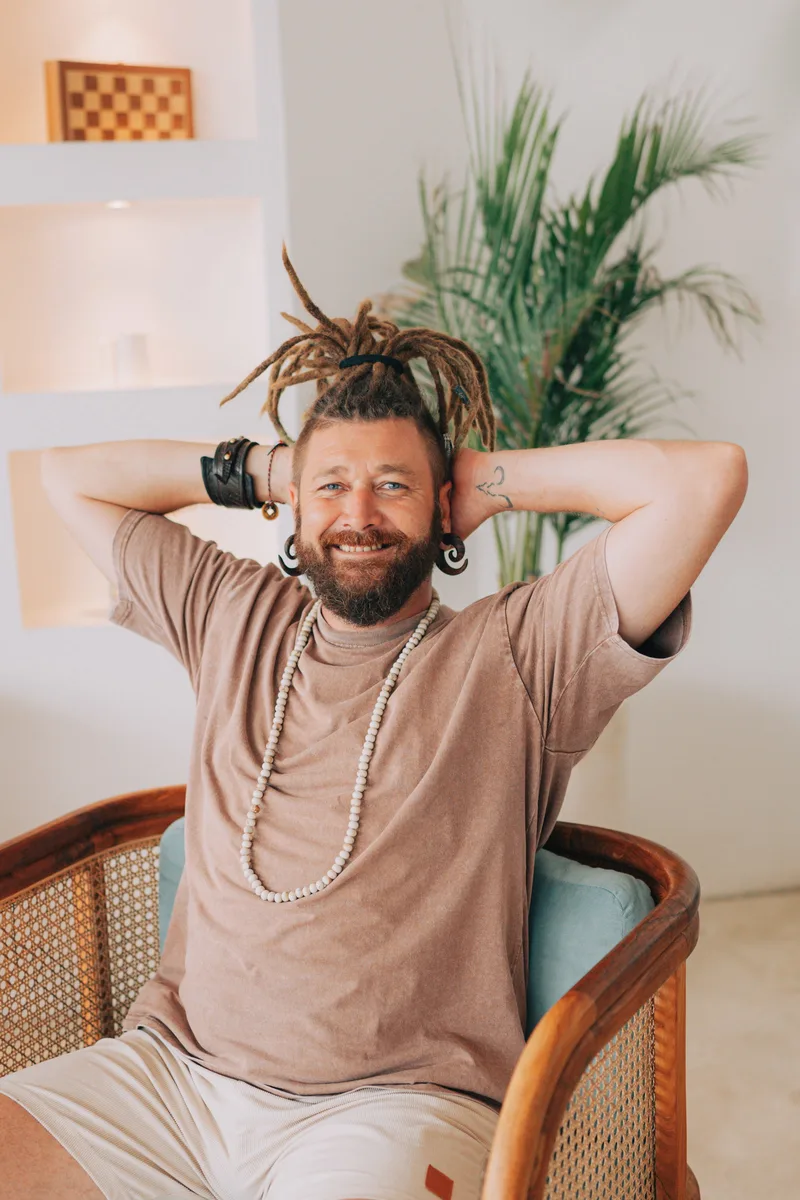
Free 30-minute discovery call
Want to talk first? If it turns out you need a doctor or a recovery program more than a coach, I'll tell you.
Book a free 30-min callThese are my own offers, so I'm not neutral. Start with the free options first.
FAQ
Is it normal to drink more as a digital nomad?
It's common, with farewell nights, bar meetups and no fixed schedule. Two weeks of honest tracking tells you more than any online quiz.
How do I make friends as a nomad without drinking?
Join daytime things like run clubs, yoga, hiking or coworking lunches, and stay longer in one place. Friendships need repetition.
Is it dangerous to stop drinking suddenly?
It can be, if you've been drinking heavily and regularly. Talk to a doctor before you stop.
Is Break the Cycle a rehab or treatment program?
No. It's a self-paced coaching course about patterns, escape and building a foundation. If you need medical help or a recovery program, start there.
When does alcohol withdrawal need emergency care?
Go to an emergency room or call the local emergency number for seizures, fever, severe confusion, hallucinations or an irregular heartbeat, according to MedlinePlus. If you drink heavily, get medical advice before you stop.
Are there free support groups I can join online while travelling?
Mutual-support groups such as AA and SMART Recovery are free to attend. The US National Institute on Alcohol Abuse and Alcoholism says peer support meetings are widely available at low or no cost, including online, and can be used alongside medication and professional care.
Follow along
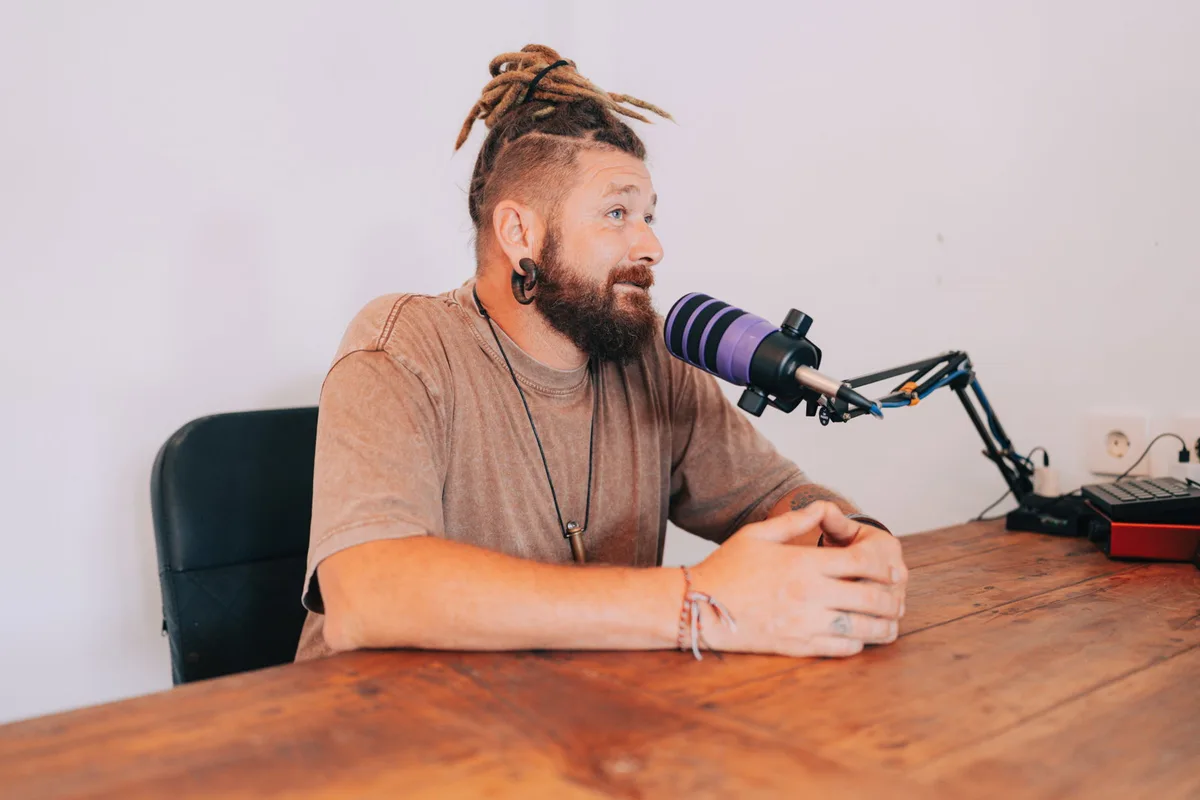
The Purpose Path Podcast
Conversations about finding direction and meaning. Good for long bus rides, flights and walks.
Listen on Spotify, Apple Podcasts, YouTube or Deezer.
Listen to the podcastDisclosure
I'm Chenzo, and I run NomadsToolsLab. I also run Chenzo Holistic Coaching. The Break the Cycle Mini Starter Course, the Empower Your Journey community and chat group, the Break the Cycle course, the discovery call, the podcast and the channels above are all mine. The mini course, the community, the chat group and the call are free; Break the Cycle is a paid course. There are no affiliate links in this article. Other NomadsToolsLab articles linked here may contain affiliate links, which are disclosed in those articles. This guide is not medical advice.


2 Comments