Via Francigena Packing List: Alps to Rome
As an Amazon Associate I earn from qualifying purchases. Some links on this page earn us a small commission, at no extra cost to you. Full disclosure.
A pilgrimage is never just a route on a map. It is your own deep journey, a walk toward the divine that lives inside you, and in the quiet of mule tracks and alpine pastures you notice that God walks with you. The Via Francigena carries that tradition with respect, whatever your own faith looks like. Across the Italian stretch, from the Great St Bernard Pass down through seven regions to Rome, the ground changes, and so must your gear. A solid Via Francigena packing list starts with the season you will actually walk in.
Quick answer
Checked on 25 October 2026. For the Italian Via Francigena, the core kit is a broken in leather boot for the mountains and mule tracks, merino hiking socks, blister plasters for early hot spots, a sleeping setup suited to unheated lodgings, with a liner as an extra layer, poles for the descents, a water filter for rural stages, and a wide brimmed sun hat for the open hills near Rome. Build around these seven and add light layers for the season you walk in.
All 7 picks at a glance
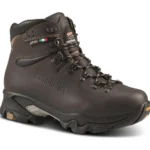
Zamberlan Vioz GTX
Full grain leather and GORE-TEX for mountain paths and mule tracks Read more

Darn Tough Hiker Micro Crew Midweight
Cushioned wool blend socks made to be worn, not replaced Read more

Compeed Blister Plasters, mixed sizes
Covers hot spots before they become a problem on long stages Read more
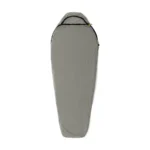
Sea to Summit Reactor Liner
Adds warmth in unheated lodgings along the early alpine stretch Read more
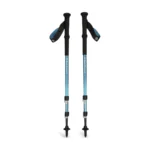
Black Diamond Trail Back poles
Takes load off your knees on long Apennine descents Read more
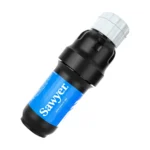
Sawyer Squeeze water filter
A filter option to assess alongside source safety and its limits Read more
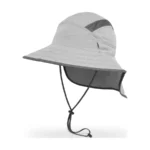
Sunday Afternoons Ultra Adventure Hat
UPF 50+ cover for the open Tuscan and Lazio hills Read more
How we chose this gear
The NomadsToolsLab team checked the route details against the European Association of the Vie Francigene and the Italian national tourism site, and read every maker page for specs and weight. Amazon availability was checked separately in the US, Germany, Spain and the Netherlands.
The Italian Via Francigena, from the Alps to Rome
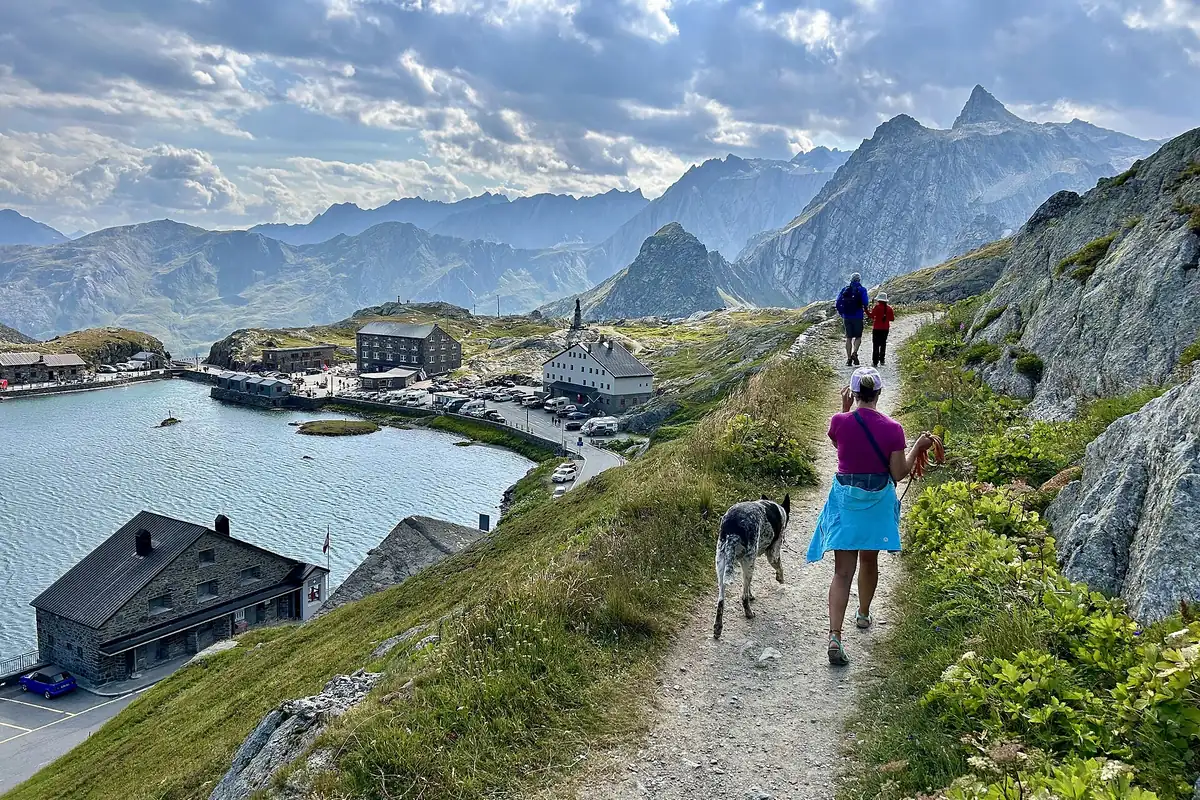
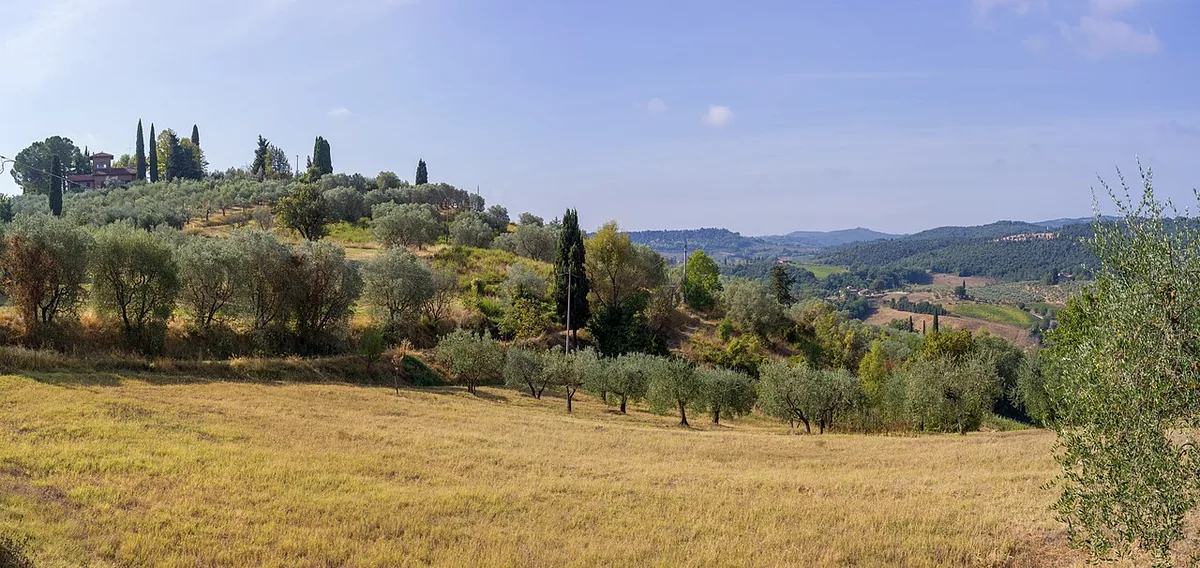
The Italian part of the Via Francigena runs about 945 km, starting at the Great St Bernard Pass in Valle d'Aosta and finishing in Rome. Along the way it crosses seven regions, including Valle d'Aosta, Emilia-Romagna, Tuscany and Lazio, each with its own character and its own weather pattern.
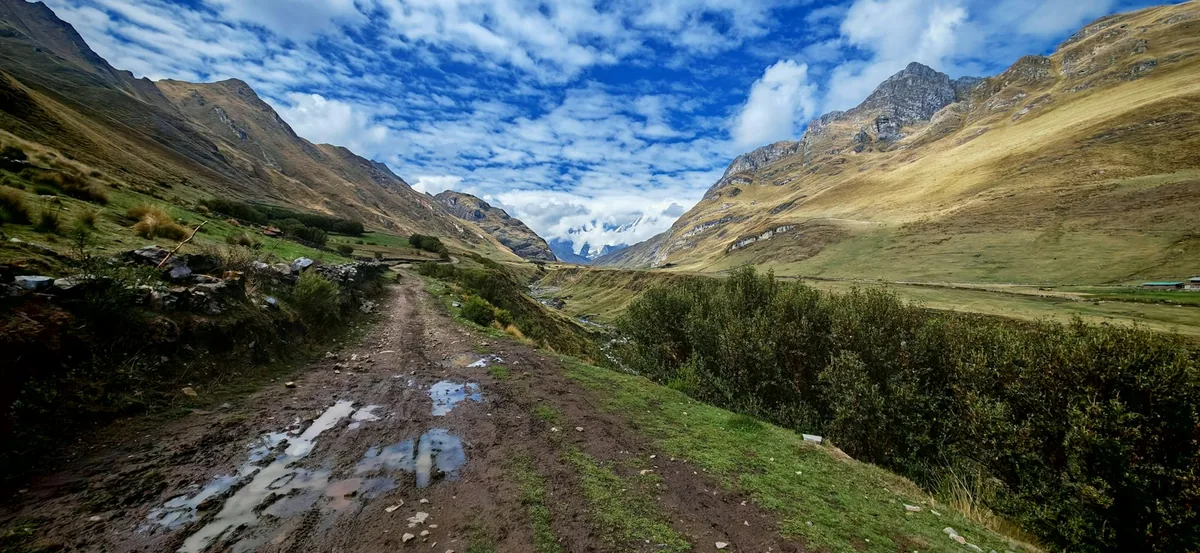
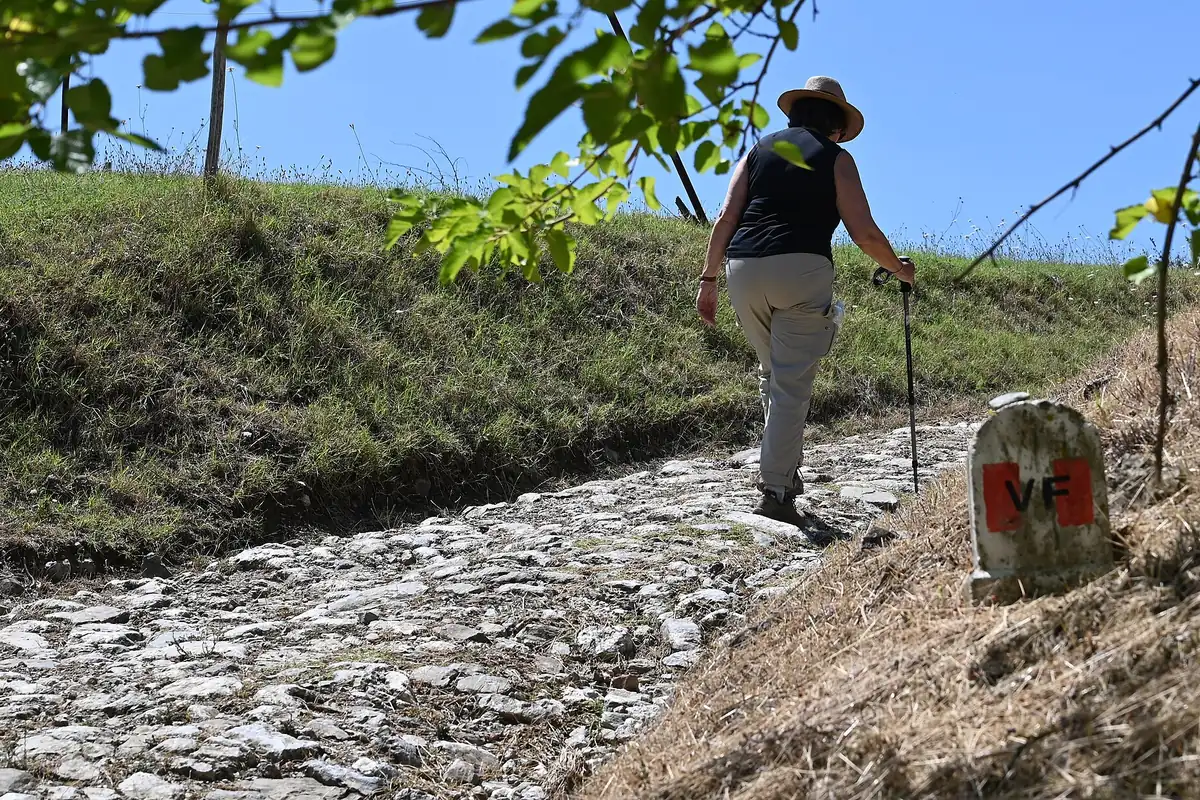
The terrain shifts constantly: mountain paths and mule tracks at the start, country lanes and tree-lined roads through the Po plain, Apennine woods over the central passes, then Tuscan hills and the lakes of Lazio closer to Rome. One boot and one pack need to handle alpine pasture one week and old paving the next.
Two documents matter on this route. The pilgrim credential certifies your status along the way, can be needed for pilgrim lodgings, and gives discounts at tourist facilities; one dated stamp a day is enough, and it never expires, so you can walk the route in sections over different years. The Testimonium is the certificate issued in Rome for anyone who covered at least the last 100 km on foot, starting no later than Viterbo, or 200 km by bike, continuously and at your own pace.
Best time to walk, season by season
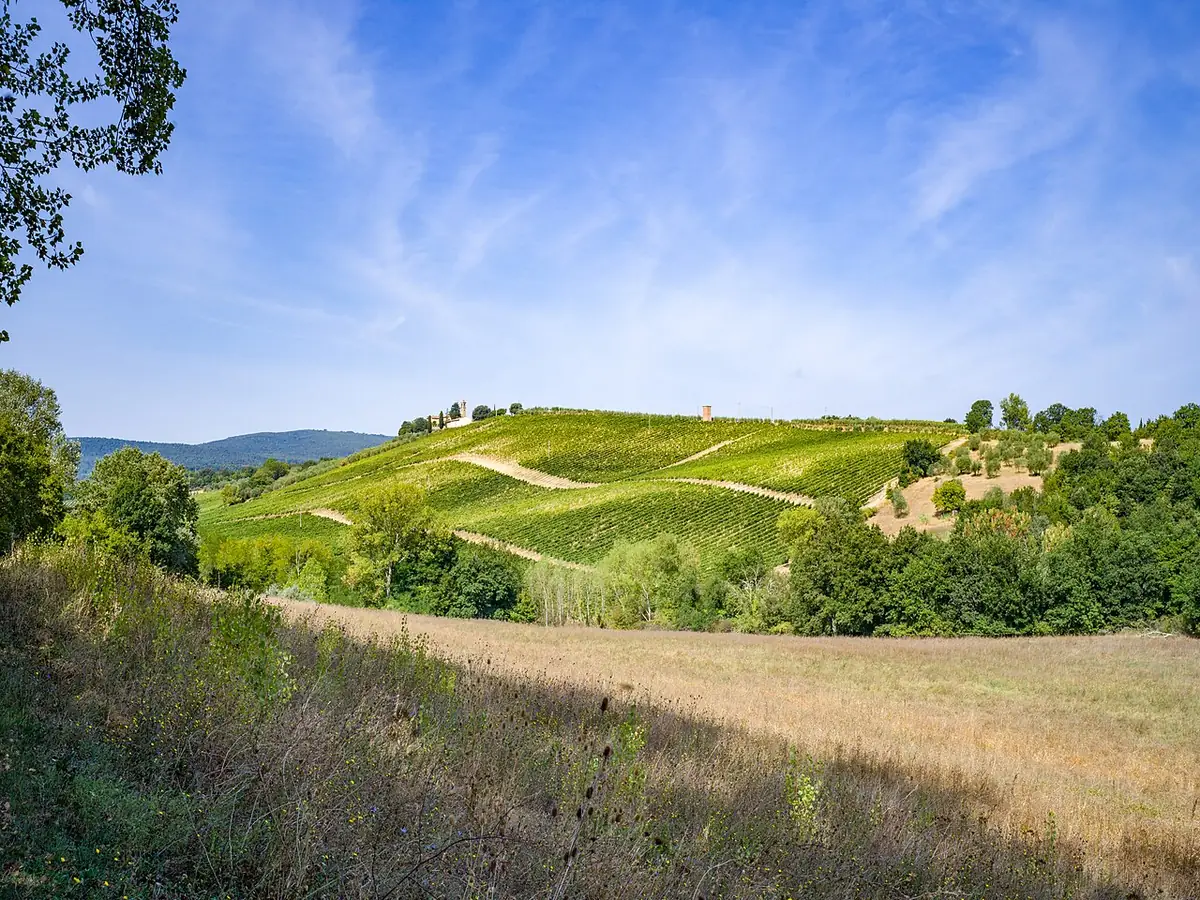
The European Association of the Vie Francigene points to May, June and September as the best months to walk the Italian stretch. October also works well in the south. April can bring rain, and in March there may still be snow in the Val d'Aosta and on the Cisa pass. The Great St Bernard Pass itself is only passable from the beginning of June to the beginning of September, which shapes when you can start at the very top of the route.
| Season | What to expect | What to add |
|---|---|---|
| Spring | What to expect: Rain is likely in April, with lingering snow possible in the Val d'Aosta and on the Cisa pass in March. | What to add: Pack the Sea to Summit Reactor liner for cold nights and keep a rain layer within reach. |
| Summer | What to expect: Summer is outside the months the association recommends; the Great St Bernard Pass is open only from early June to early September. | What to add: Bring the Sunday Afternoons Ultra Adventure Hat and drink refilled water often. |
| Autumn | What to expect: September is one of the best months for the whole route, and October is also good in the south. | What to add: Keep the liner in the bag for lodgings without heating and check footwear is still well broken in. |
| Winter | What to expect: The Great St Bernard Pass is closed outside early June to early September, and many pilgrim lodgings shut from November to March. | What to add: Outside the passable window, plan the alpine start for another season and confirm which lodgings stay open. |
Weather on the Via Francigena, type by type
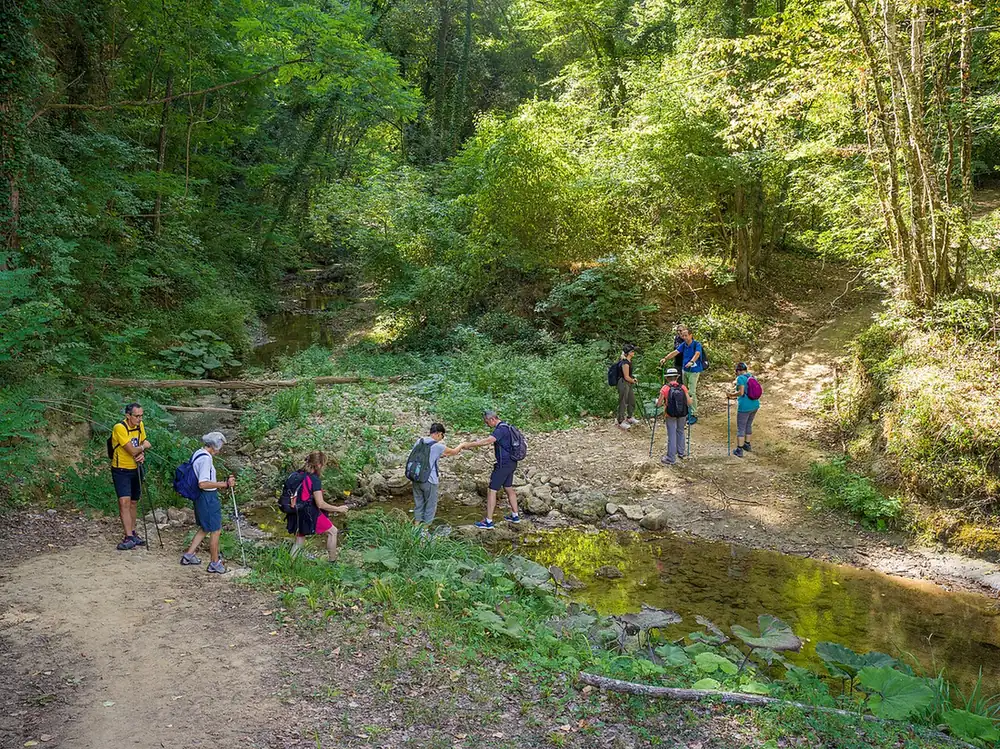
Conditions change with altitude and region on this route, so pack for the specific stretch you are walking, not the season as a whole.
| Weather | What to watch for | What to pack |
|---|---|---|
| Rain | What to watch for: April can be rainy, and a wet stage soaks boots and socks. | What to pack: A broken in Zamberlan Vioz GTX with a GORE-TEX membrane keeps feet drier on wet mule tracks. |
| Heat and sun | What to watch for: The open hills of Tuscany and Lazio leave you exposed to the sun in early summer and September. | What to pack: The Sunday Afternoons hat with its neck cape covers ears and neck on exposed ridgelines. |
| Cold and cold nights | What to watch for: The route starts high in the Alps, March can bring snow in the Val d Aosta, and many lodgings close or lack heating in winter. | What to pack: The Sea to Summit Reactor liner adds warmth inside whatever sleeping bag or blanket you have. |
| Wind or mist (hills) | What to watch for: The Great St Bernard Pass and the Cisa pass are high, open crossings. | What to pack: Use the chin cord on the Sunday Afternoons hat so it stays put. |
| Changeable weather (layers) | What to watch for: Spring and autumn change quickly between dry and wet stages, so carry layers you can add and remove. | What to pack: Trekking poles from Black Diamond steady you on wet rock one hour and dry gravel the next. |
Choosing boots for mountains, mule tracks and old paving
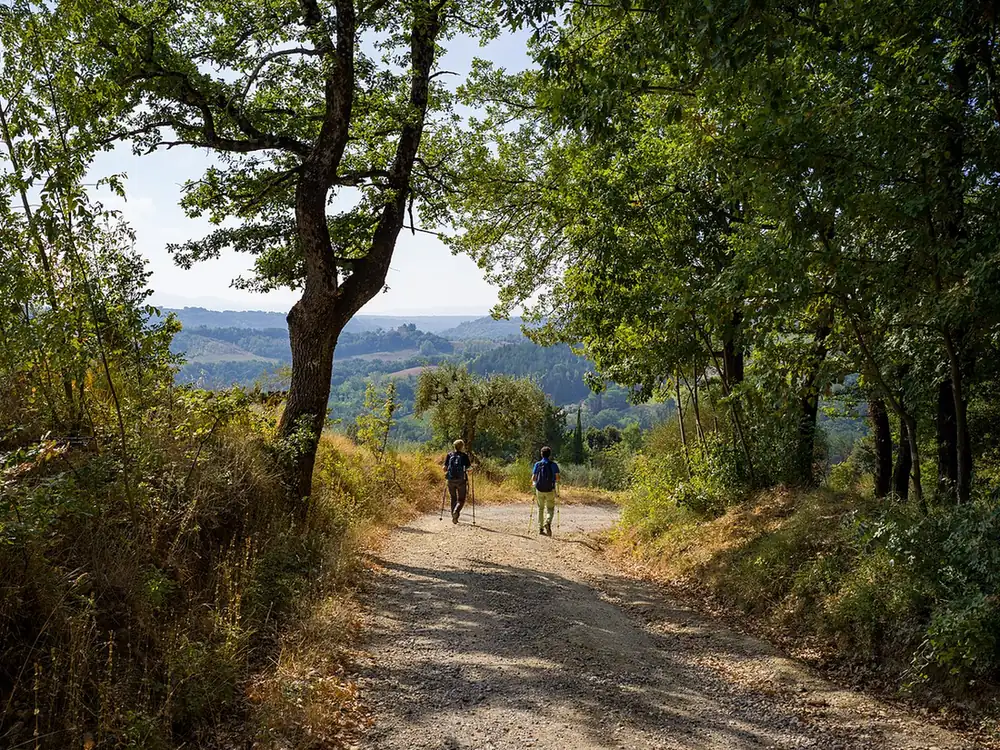
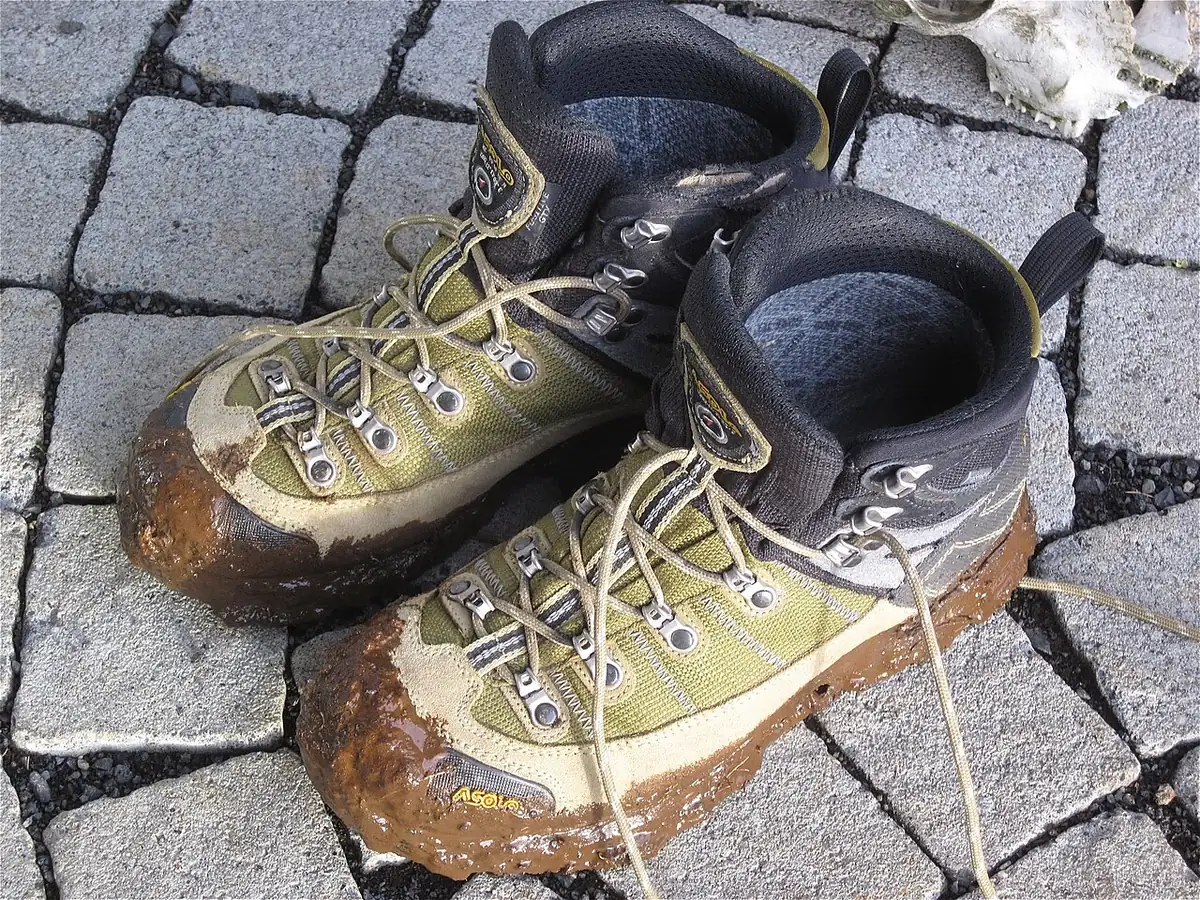
The Italian Via Francigena mixes alpine pasture, Apennine mule tracks, and long stretches of country lane and old paving. A full grain leather boot like the Zamberlan Vioz GTX suits the rough, remote ground at the alpine start and the wet spring or autumn stages, with a GORE-TEX membrane and a Vibram sole built for demanding terrain. At 715 g per boot it is a serious piece of kit, so break it in with short walks well before departure.
Leather needs care: let the boots dry slowly and completely after wet stages, never near a heater or open fire, since the maker notes that heat damage can void the warranty. On long flat road sections in a hot, dry summer this boot can feel heavy and too warm, and a lighter shoe may suit those stretches better, but for the mountain and mule track sections a solid leather boot remains the safer choice.
Keeping feet and socks in good shape
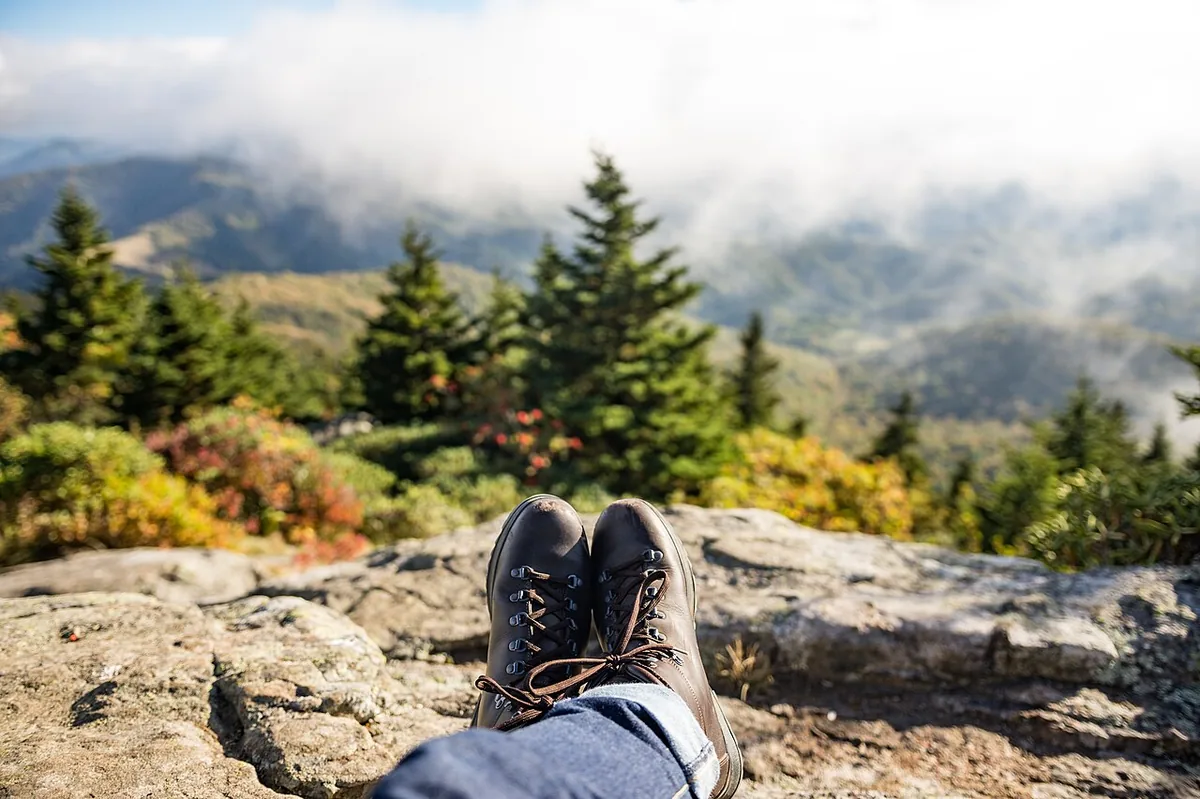
Health guidance on long distance walking points to the same basics every stage: wear well fitting shoes broken in gradually, choose moisture wicking socks, change them when sweaty or damp, tape hot spots before they turn into blisters, and wash, dry and air your feet daily. A pair like the Darn Tough Hiker Micro Crew in merino and nylon is built for exactly this kind of daily wear.
When a hot spot does appear, catch it early. The Compeed Blister Plasters use a hydrocolloid cushion the maker says can stay on for up to seven days, water resistant and breathable, which matters when you cannot change kit every evening. Keep a spare pair of socks in a small dry bag, wash a pair in the hostel sink, and pin damp socks to the outside of your pack to finish drying; never start a long stage in socks that are still damp.
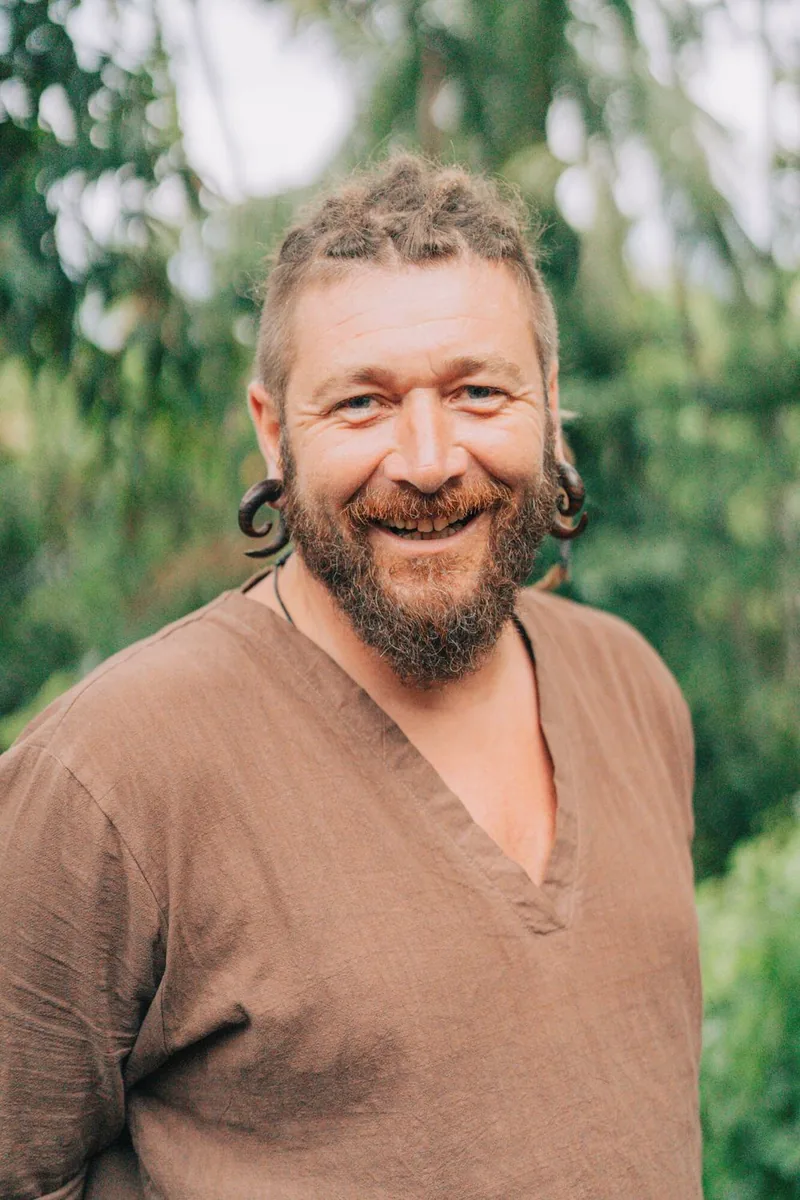
Chenzo, founder of NomadsToolsLab
Chenzo uses two thin pairs of socks for the first short walks in new shoes and builds up gradually. His own trick for new leather boots is wet newspaper inside for 24 hours, then walking in them so they shape to his feet. At breaks he takes shoes and socks off, puts his feet on the earth, cools them in cold water where he can, and only puts footwear back on when his feet are fully dry and no longer wrinkled. These are his personal habits, not maker advice. Zamberlan says to let boots dry slowly and completely, away from sun, heaters and fires.
Where to sleep along the Italian Francigena
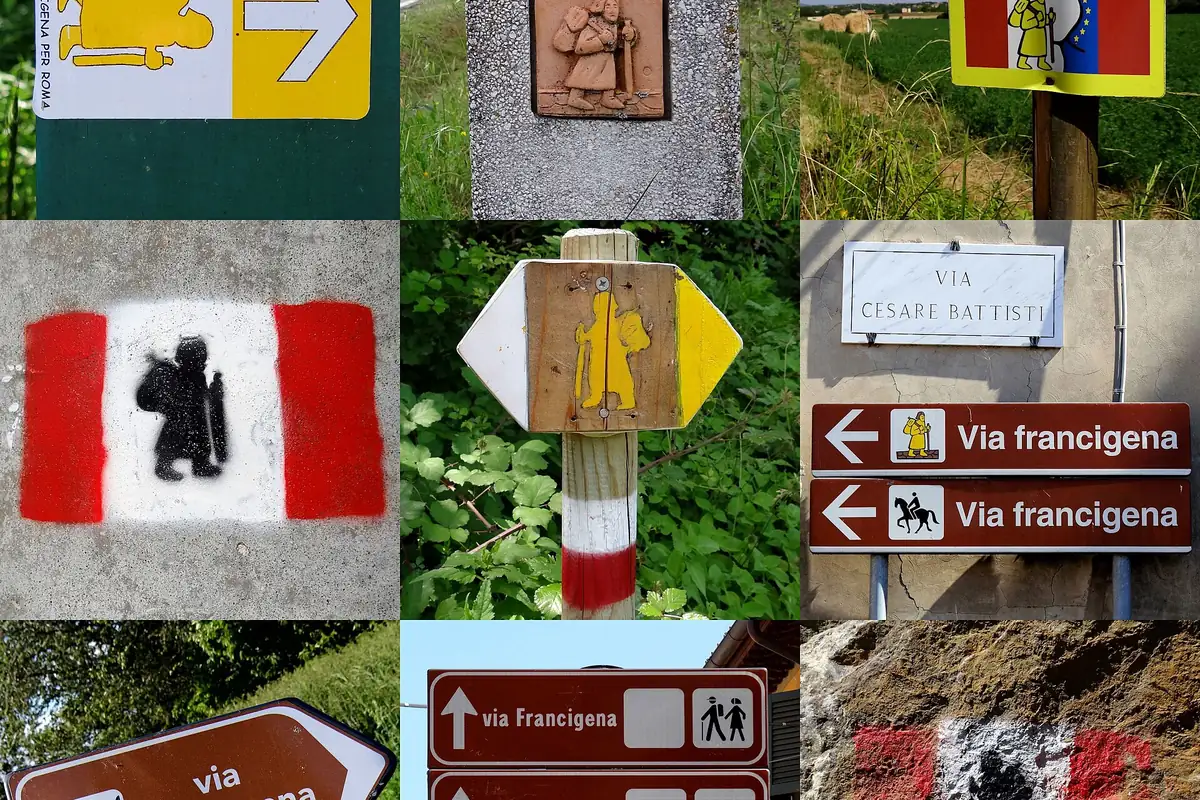
Pilgrim lodgings carry the route, and many require a credential to stay. Booking is suggested for tourist facilities but less needed for pilgrim lodgings, where giving at least a day's notice of your arrival time is enough. Many lodgings close from November to March, so if you walk in that window, check in advance whether heating is available where you plan to stop.
Equipped campsites are rare along the way. Use designated camping areas and check the rules for the specific municipality and site. Do not assume that public land permits an overnight bivouac. For the stretches where lodgings are closed or far apart, a light camping hammock or a compact tent can bridge the gap, but plan your nights around pilgrim lodgings as the default. Whatever roof you sleep under, a Sea to Summit Reactor liner adds warmth on the cold nights of the alpine start and the unheated winter months.
Culture, etiquette and reflection on the way to Rome

The credential is more than a formality. One dated stamp a day from a lodging, parish, bar, restaurant, shop or municipal office is enough to build a record of your walk, and because it never expires, you can complete the Francigena across different years if that is what life allows. Collecting stamps becomes its own small ritual, a daily marker of distance covered and ground held.
Arriving in Rome after walking at least the final 100 km on foot, starting no later than Viterbo, earns the testimonium, the route's formal acknowledgment that you covered that distance continuously, at your own pace. Along the way, the Vatican News short film Road to Rome gives a sense of the pilgrimage before you ever set out.
Through alpine pasture, Apennine woods and Tuscan hills, the route asks for the same quiet respect everywhere: lower your voice in churches and small parishes, greet other walkers, and leave lodgings as you found them. A pocket-sized reflection book or a prayer cord weighs little, and gives the quiet hours between villages a shape.
Packing list with maker weights
The table below lists each product's maker weight where one is published, so you can add them up and see exactly what you are carrying before you leave.
| Item | Link | Maker weight |
|---|---|---|
| Zamberlan Vioz GTX | Link: See on Amazon | Maker weight: 715 g per boot on the current maker page (M9/W7 reference size) (worn, not carried) |
| Darn Tough Hiker Micro Crew | Link: See on Amazon | Maker weight: Not listed by the maker |
| Compeed blister plasters | Link: See on Amazon | Maker weight: Not listed by the maker |
| Sea to Summit Reactor liner | Link: See on Amazon | Maker weight: Weight depends on the selected Reactor model and size |
| Black Diamond Trail Back | Link: See on Amazon | Maker weight: 534 or 560 g per pair (two figures on the maker page) |
| Sawyer Squeeze | Link: See on Amazon | Maker weight: Two different figures on the maker page |
| Sunday Afternoons Ultra Adventure | Link: See on Amazon | Maker weight: 74 g |
| Total carried | Link: | Maker weight: 608 to 634 g for the listed carried items with stated weights, plus Darn Tough Hiker Micro Crew, Compeed blister plasters, Sea to Summit Reactor liner, Sawyer Squeeze (no single maker weight) |
Weights are the makers' own figures, read on 25 October 2026 on the makers' sites. Boots are worn, so they are not in the total. Clothes, food, water and toiletries are not included; add them to see what your pack really weighs.
Related reading: Shikoku Pilgrimage Packing List for the 88 Temples
Zamberlan Vioz GTX: the boot for the Alps and the Apennines
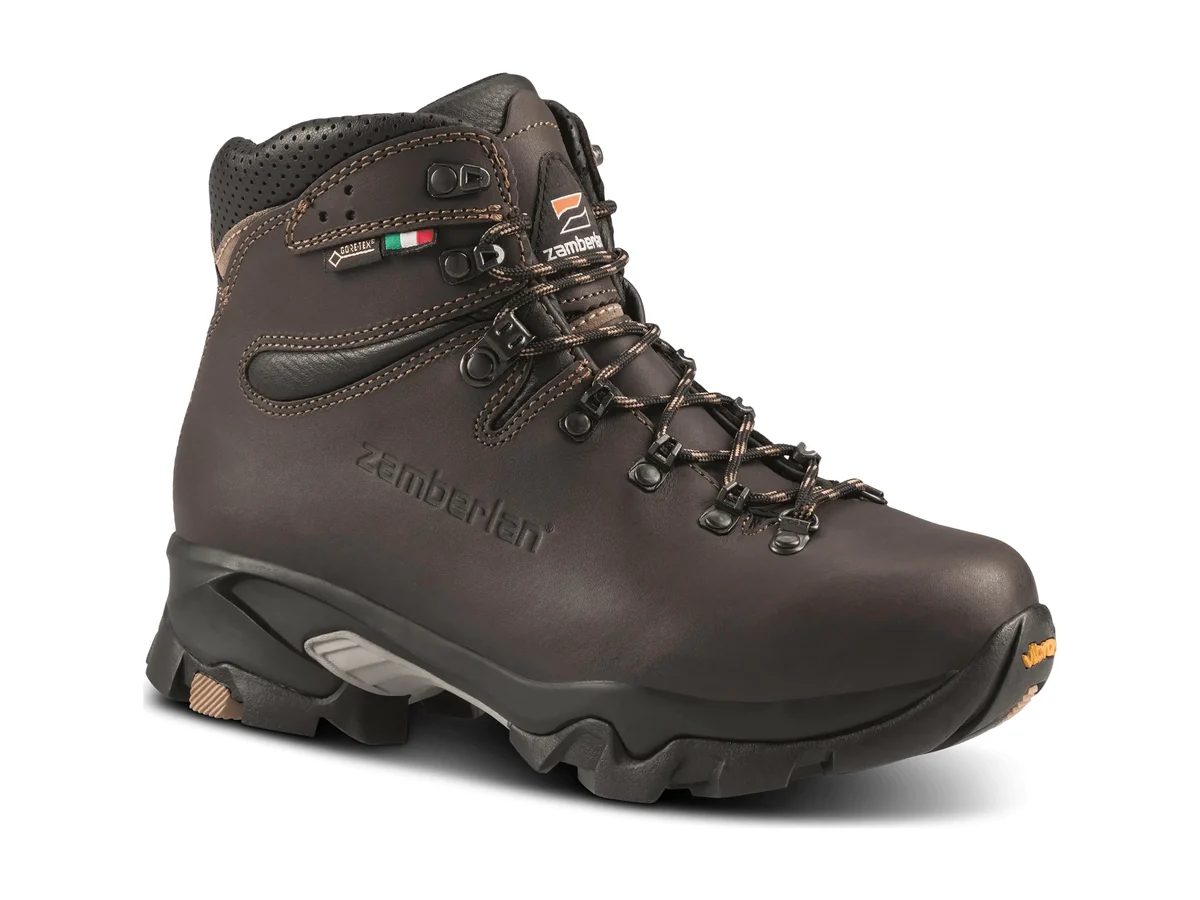
Zamberlan Vioz GTX
The Zamberlan Vioz GTX is cut from full-grain leather treated with Hydrobloc, with a GORE-TEX membrane and a Vibram sole on a rocker profile that rolls your foot forward over mule tracks and loose stone. Zamberlan builds it for demanding hikes and loaded backpacking on rough, remote ground, which is exactly what the Great St Bernard descent and the Apennine crossings ask for. The current maker page lists 715 g per boot using its M9/W7 reference size, so know what that means times two before you load the rest of your pack.
Treat the leather with respect. Zamberlan says to let the boots dry slowly and completely, never near a heater or open fire, because heat damage voids the warranty. Pick this boot if you are walking the alpine start, the wet spring stretches or the cold, muddy Apennine mule tracks, because the ankle support and the sole grip earn their weight there. But in a hot, dry Tuscan summer on asphalt and country lanes, this boot runs too warm, and a lighter shoe does that job better.
What could be better: Heavy and stiff, with a proper break-in period needed. Too warm for hot, dry summer days on asphalt.
Darn Tough Hiker Micro Crew Midweight socks
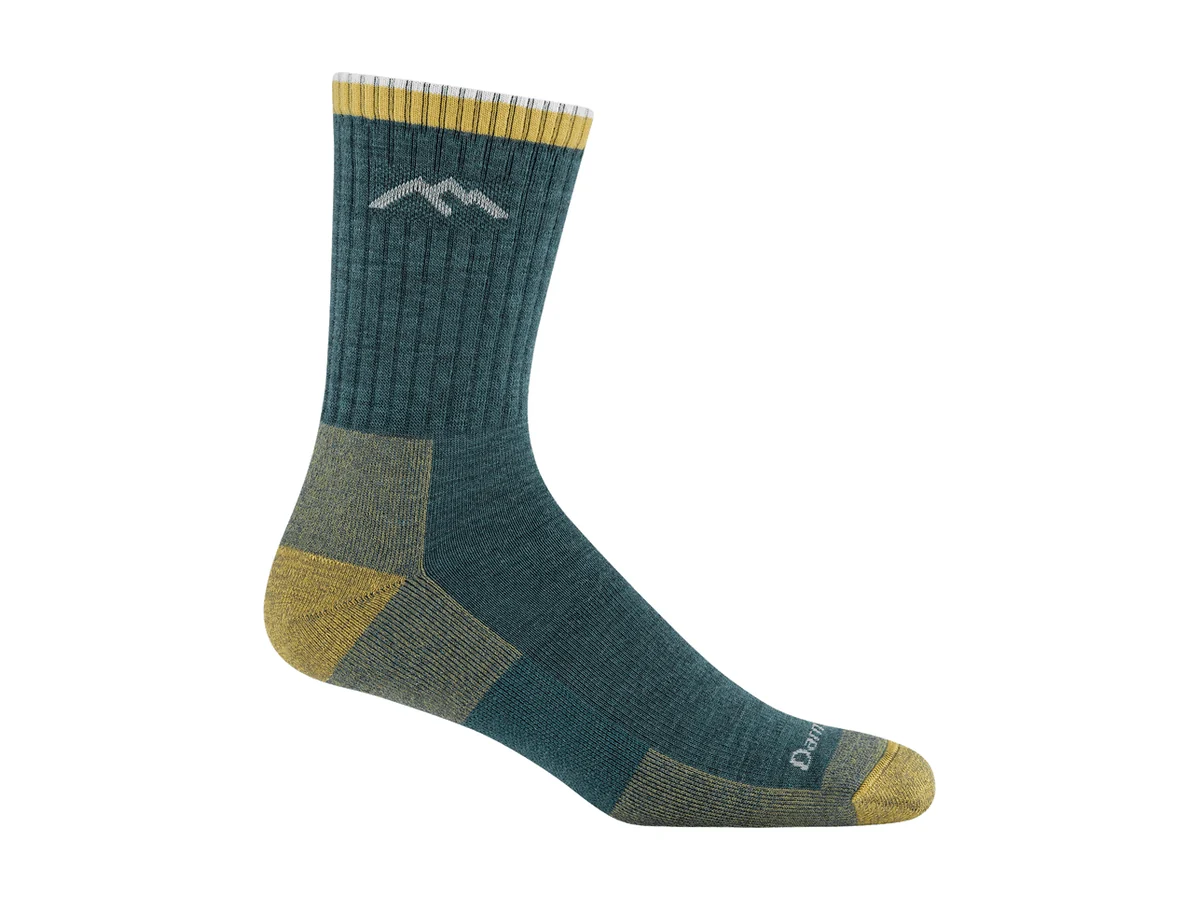
Darn Tough Hiker Micro Crew Midweight
The Darn Tough Hiker Micro Crew Midweight (style 1466) is 61% merino wool, 36% nylon and 3% Lycra, knitted in Vermont with cushioned terry loops underfoot and extra protection around the ankle and Achilles. Darn Tough backs every pair with an unconditional lifetime guarantee, which matters on a route long enough to wear a cheap sock through.
Pick this sock as your base layer under boots on the rocky and wet stretches, where the ankle padding and the terry cushioning hold up under daily miles. Darn Tough does not list a weight for this style, so you cannot plan it into a precise pack total, only add it as an estimate. The limitation is warmth: midweight cushioning can feel like too much on a hot Lazio afternoon, so pack a thinner pair for those days too.
What could be better: The midweight cushioning can feel warm on hot days.
Compeed Blister Plasters for hot spots you catch too late
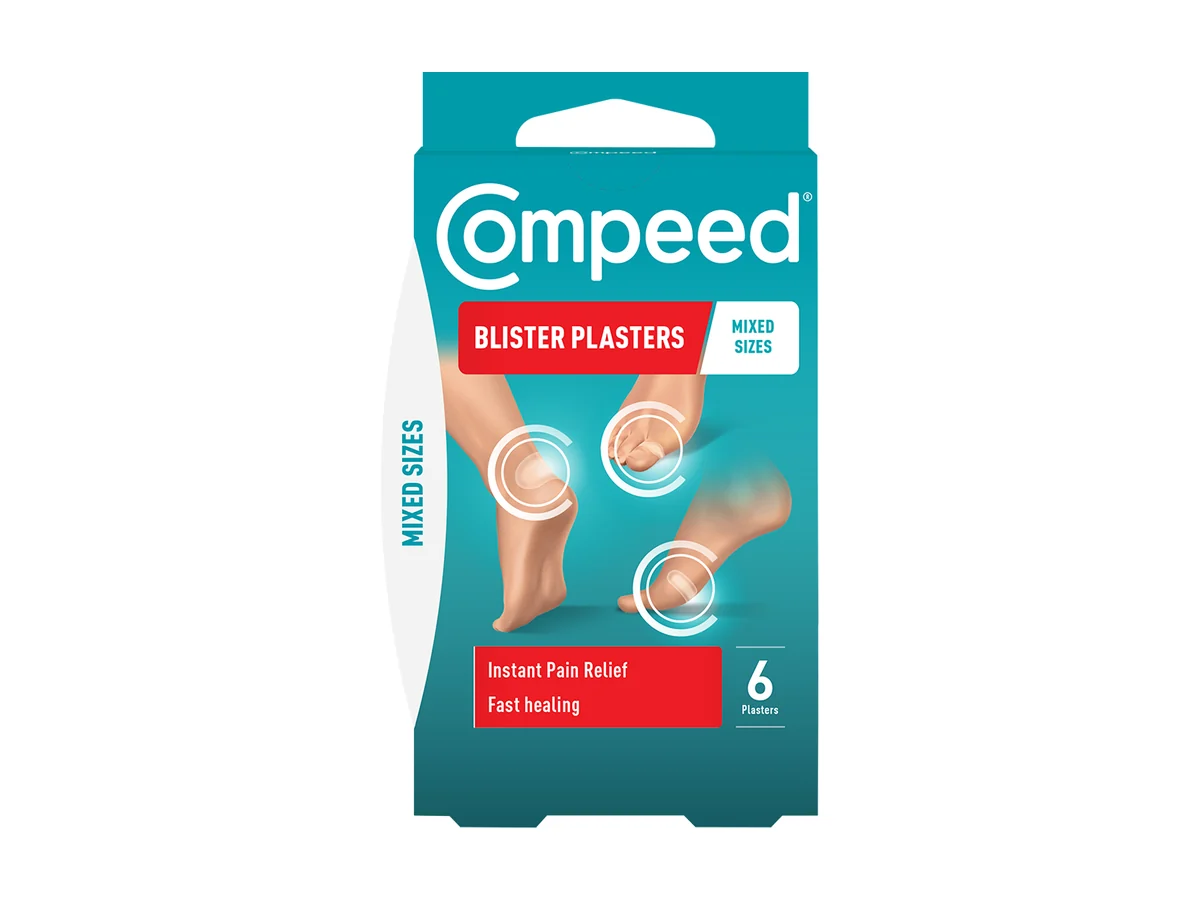
Compeed Blister Plasters, mixed sizes
Compeed Blister Plasters use a thick hydrocolloid cushion that Compeed says can stay on for up to seven days, and the plaster is water resistant and breathable. Pack contents vary by country, so check what is sold near you. Do not cut them to size.
Stop when you notice rubbing and adjust your footwear or socks rather than continuing until the skin becomes painful. Treat hot spots early, and keep a strip of plasters in the same pouch as your spare socks so you reach for both at once. Compeed is built for blisters that already formed, not for prevention, so carry tape as well for the early stage.
What could be better: These are made for blisters. Tape hot spots early, before they become blisters.
Sea to Summit Reactor liner for cold nights in unheated lodgings
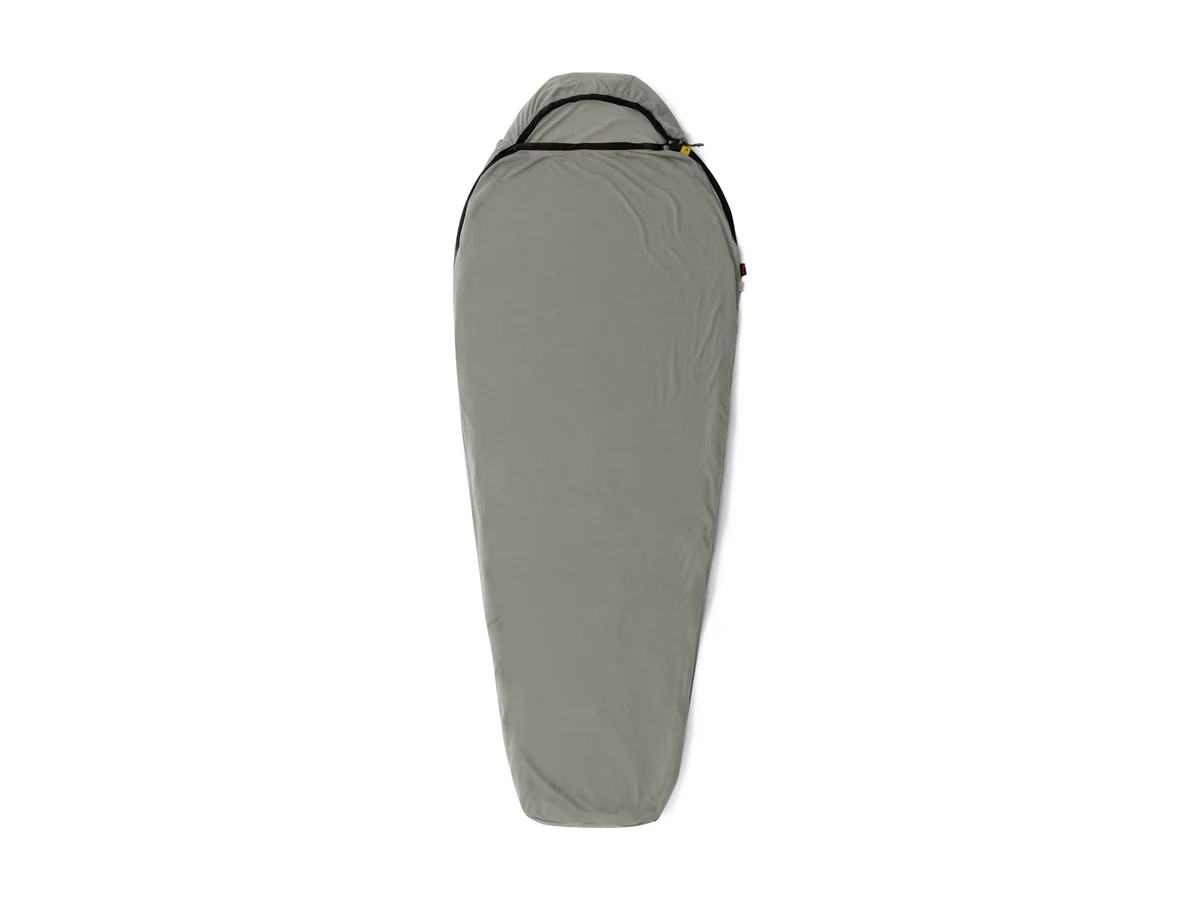
Sea to Summit Reactor Liner
The Sea to Summit Reactor Sleeping Bag Liner is knitted from Thermolite Pro and stretches to fit inside almost any sleeping bag or bunk blanket. Choose the exact liner model and size to fit your sleep system. A liner is an additional layer, so arrange sufficient bedding or a suitable sleeping bag for cold accommodation.
Pack this for the alpine start near the Great St Bernard Pass and for any pilgrim lodging without heating, because a liner like this closes the warmth gap a thin blanket leaves. It has a HeiQ Fresh odour treatment. The limitation: it is heavier and bulkier than a silk liner, and on a warm night in Tuscany or Lazio it can be more warmth than you want.
What could be better: Heavier and bulkier than a silk liner. It can also feel warm on its own on a hot summer night.
Black Diamond Trail Back poles for the long descents
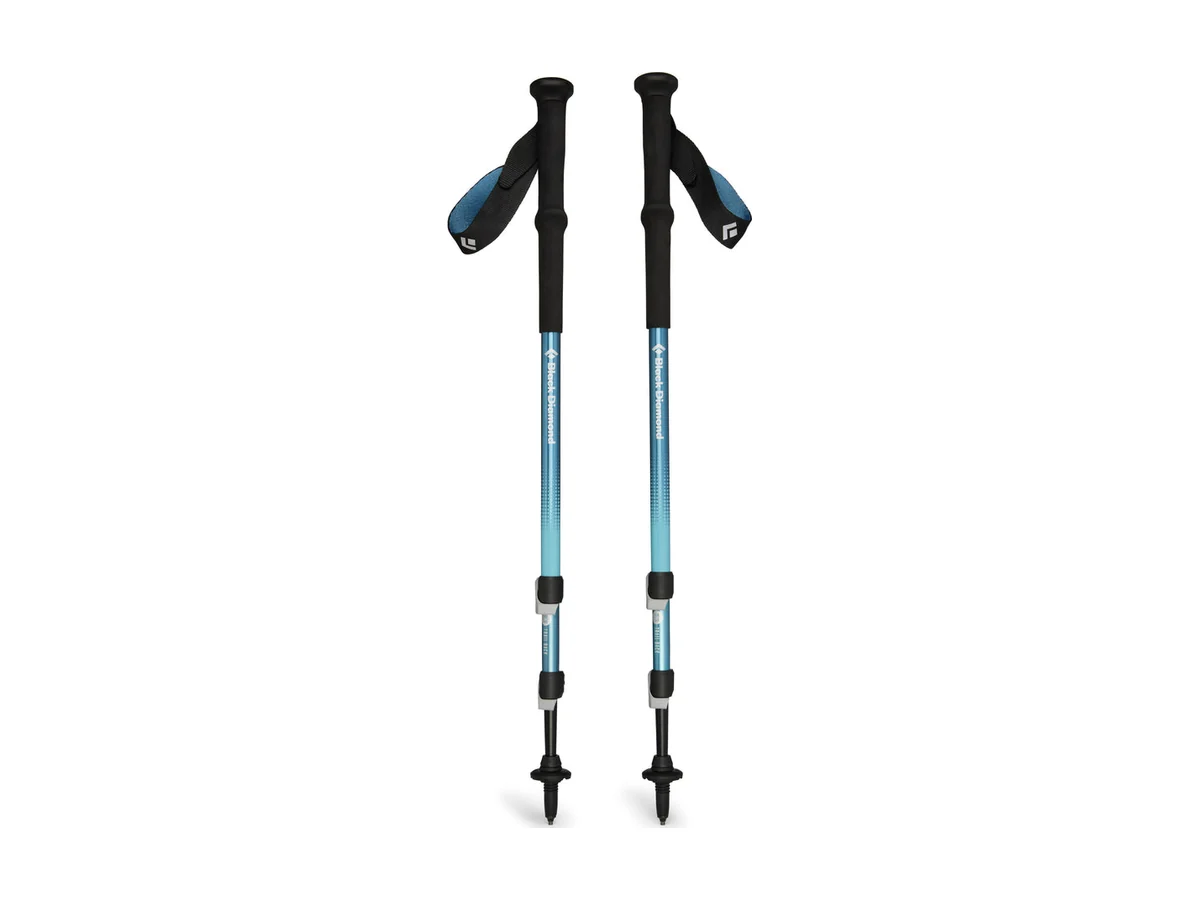
Black Diamond Trail Back poles
Black Diamond Trail Back trekking poles are three-section aluminium with FlickLock adjustment, foam grips, adjustable straps and carbide tips, adjustable from 100 to 140 cm. Black Diamond lists the pair at 560 g, though one of their own spec pages notes a lighter figure, so plan your pack weight with the heavier number.
Use them on the long alpine descent from the Great St Bernard Pass and on the loose stone of the Apennine mule tracks, where balance on wet rock matters more than speed. They fold small enough to strap to a pack on the flat country lanes through Emilia-Romagna, but they do not pack down as small as a Z-pole, so they still ride outside, not inside.
What could be better: They hang on your pack during road sections and do not pack down as small as Z-poles.
Sawyer Squeeze filter for rural fountains and streams
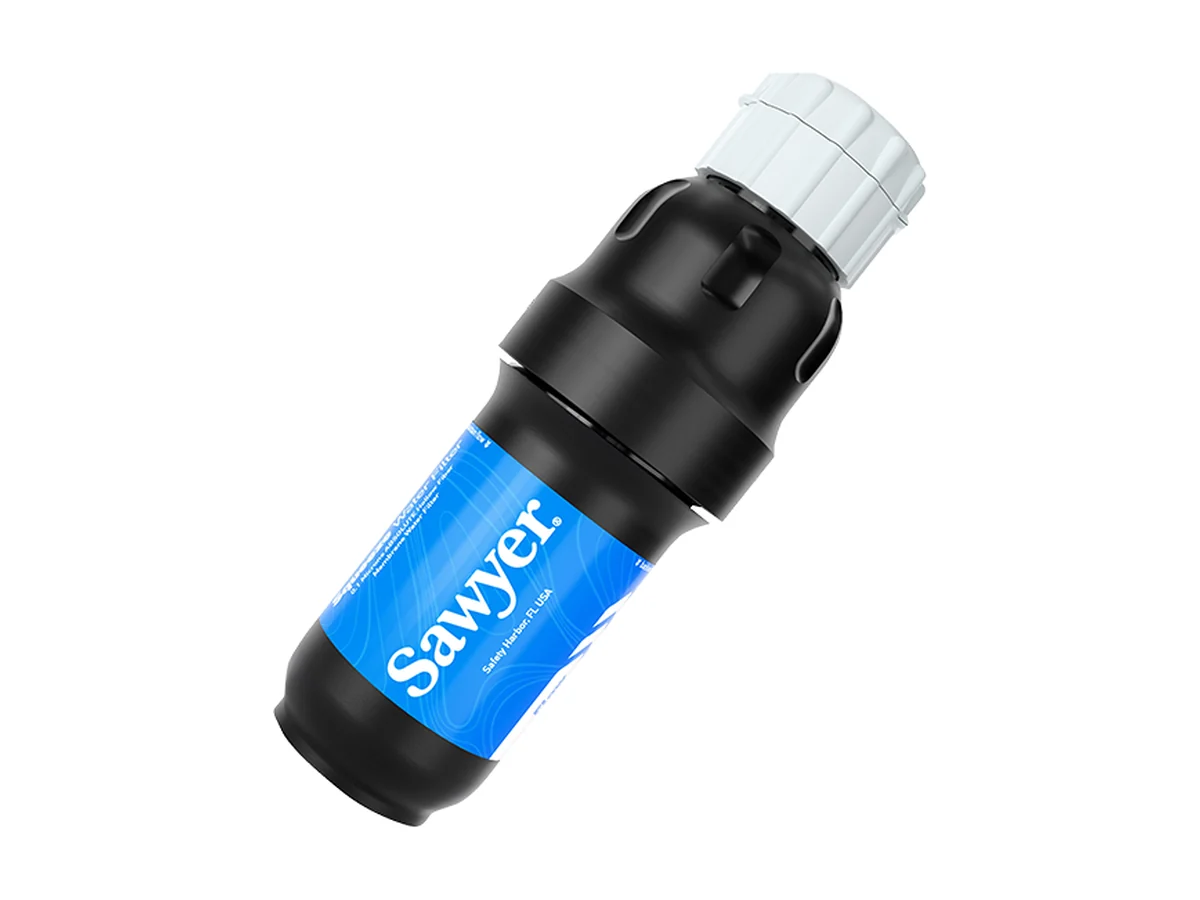
Sawyer Squeeze water filter
The Sawyer Squeeze filters through a hollow fibre membrane, and Sawyer says it removes 99.99999% of bacteria and 99.9999% of protozoa. Use confirmed drinking-water supplies where possible. If water safety is uncertain, choose a treatment method appropriate to the risk and follow its instructions. For a route with long gaps between villages, that is real independence from shops.
This is a filter, not a purifier, and the maker page does not claim it removes viruses, so water appearance does not establish safety, and this filter should not be presented as complete treatment for every source. Sawyer's own page gives two different weights for the same unit, so we will not print a number here, check the current listing before you plan it into your pack total. If you want the longer comparison against a pump filter, read our Katadyn versus Sawyer guide.
What could be better: This is a filter, not a purifier against viruses. The maker lists two different weights, so no weight is given here.
Sunday Afternoons Ultra Adventure Hat for the open Tuscan hills
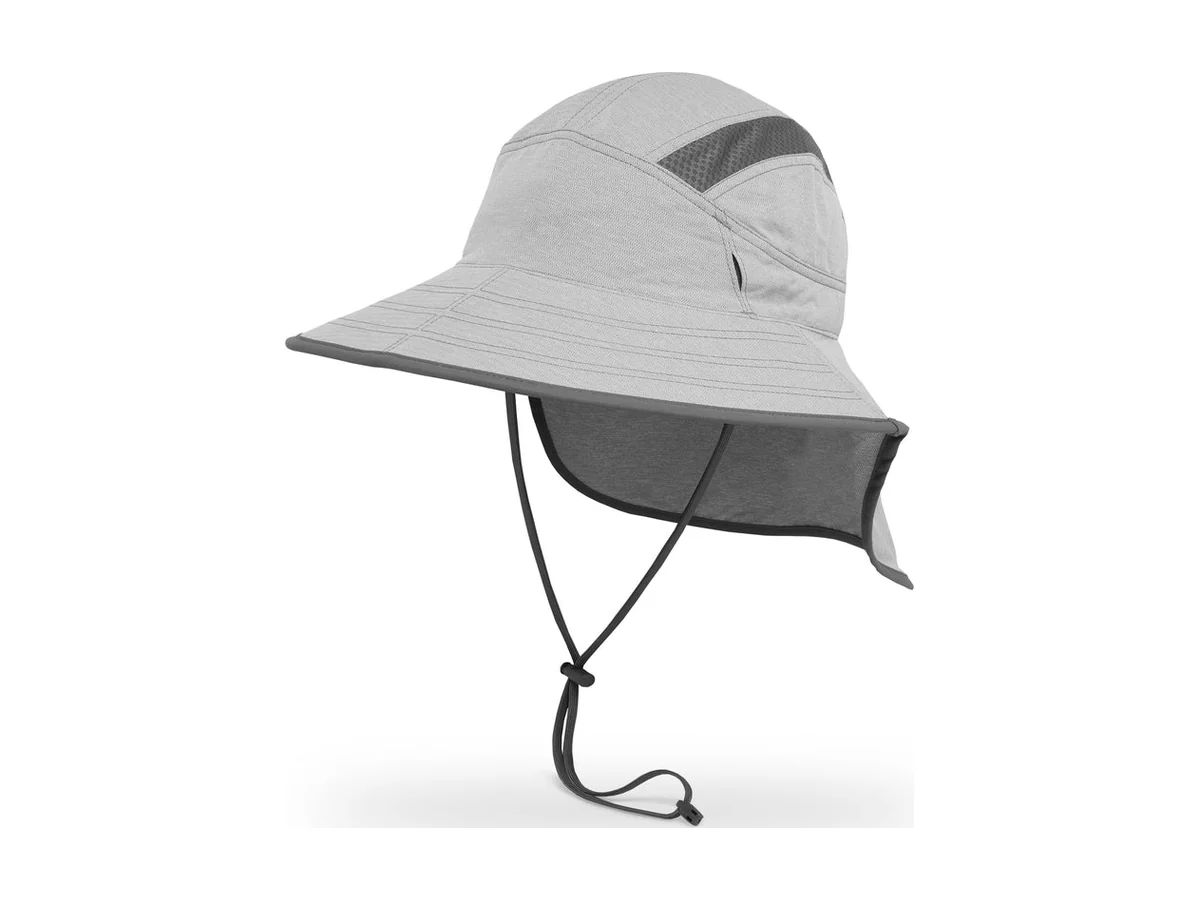
Sunday Afternoons Ultra Adventure Hat
The Sunday Afternoons Ultra Adventure Hat carries a UPF 50+ rating on both the fabric and the mesh, with a brim and a neck cape that covers the back of your neck on the open Tuscan hills and the Lazio lake country. At 74 g it adds almost nothing to the pack.
Pack this for the early summer and September stages that leave the forest and the Apennine shade behind. The brim folds flat for the pack, so it survives a crush between boots and a liner. The limitation: the brim and cape catch wind on an open ridge, so use the chin cord once the terrain opens up, or the hat ends up in your hand instead of on your head.
What could be better: The brim and neck cape can catch wind on ridges. Use the chin cord.
How to choose for the Great St Bernard to Rome
Start from the season you are walking, not from a gear list copied from someone else's trip. If you cross the Great St Bernard Pass in June or leave in September for the southern stages, the alpine start and the Apennine crossings decide most of this list: the leather boot for the ground, the liner for the unheated lodgings, the poles for the descent. If you start later from a town closer to Rome and skip the pass altogether, you can lean lighter on the boot and heavier on sun protection for the open Lazio hills.
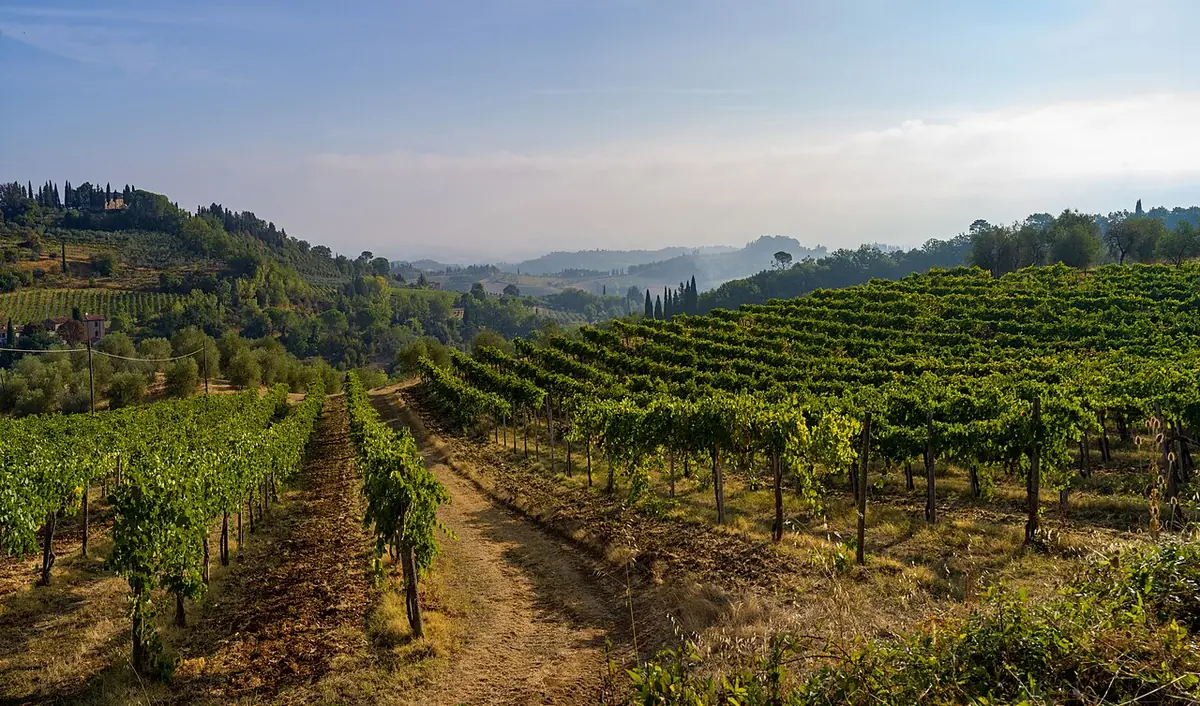
Build the rest around your own feet, not around a spec sheet. Break the boots in with good socks long before day one, carry blister plasters for the hot spots you catch too late, and treat the water filter and the hat as route-specific, not optional extras for everyone. Pack to the stage ahead, not to the whole 945 km at once. For nights outdoors, see Sea to Summit vs NEMO sleeping pads and our camping hammock guide. Walking from Assisi to Rome? See our Via di Francesco packing list.
- The Great St Bernard Pass is only passable from early June to early September, so a route that starts there is a summer route by default.
- A full-grain leather boot like the Zamberlan Vioz GTX earns its weight on the alpine and Apennine ground, but it runs too warm for a hot, dry asphalt summer.
- Pilgrim lodgings along the Via Francigena often close from November to March, so check heating before you count on one, and carry a liner for the nights that stay cold.
- A credential with one dated stamp a day is enough to record your walk, and the Testimonium in Rome needs at least the last 100 km on foot or 200 km by bike.
Watch
Vatican News made a short film, Road to Rome: A pilgrimage on the Via Francigena, about walking to Rome.
Video by Vatican News - English.
Thinking about sleeping outside? Read tent or hammock: which to choose.
Backpack weight calculator
Add what you carry, set the weight of each item in grams, and see your pack and your total in kg and lb.
FAQ
What should be on a Via Francigena packing list for the Italian section?
Plan around broken-in leather boots or a lighter shoe depending on season, moisture-wicking socks with a spare pair, blister plasters, a sleeping bag liner for unheated lodgings, trekking poles for the alpine and Apennine descents, and a water filter for the rural stages between towns.
Do I need a credential to walk the Via Francigena?
The credential certifies your pilgrim status, and many pilgrim lodgings require it. One dated stamp a day from a lodging, a parish, a bar or a municipal office is enough, and the credential does not expire, so you can walk the route in separate years.
Can I camp along the Via Francigena in Italy?
Plan around pilgrim lodgings or designated campsites. Check local rules and site permission before planning an outdoor night; public land is not automatically available for camping or bivouacking.
When is the best time to walk the Italian Via Francigena?
The European Association of the Vie Francigene points to May, June and September as the strongest months. April can bring rain, March can still bring snow in the Val d'Aosta and on the Cisa pass, and the Great St Bernard Pass itself only opens from early June to early September.
Affiliate disclosure. This post contains affiliate links. If you click and buy something, this site earns a small commission at no extra cost to you. Picks are based on published specs and manufacturer information. As an Amazon Associate I earn from qualifying purchases. Read the full affiliate disclosure. Amazon and the Amazon logo are trademarks of Amazon.com, Inc. or its affiliates.
Your next step