Wise Review 2026: Is It Useful for Digital Nomads?
As an Amazon Associate I earn from qualifying purchases. Some links on this page earn us a small commission, at no extra cost to you. Full disclosure.
Quick answer
Wise is worth considering if your everyday money crosses currencies: income in one, rent in another, and travel spending somewhere else. Its appeal is a multi-currency account with separately stated conversion fees. The main limitations are regional availability, cash withdrawal costs and the need to understand how your money is protected.
The NomadsToolsLab team's recommendation is to consider it for international payments alongside a separate backup account. Start by checking whether the account features and card you need are available where you live.

Wise
Hold different currencies, convert money and send it to external bank accounts. Read more
What Wise actually does
Wise describes its account as a way to hold different currencies, convert money and send it to external bank accounts. Eligible customers can also get a debit card. Those functions belong together, but they solve different problems.
Holding a currency can help organise money for an upcoming stay. Sending money is for a payment to someone else's account. The card handles eligible purchases and cash withdrawals. Before signing up, identify which of those jobs you actually need.
That is the focus of this review. For a direct comparison with another provider, see our Revolut vs Wise guide. There is little value in choosing an account for features you will never use.
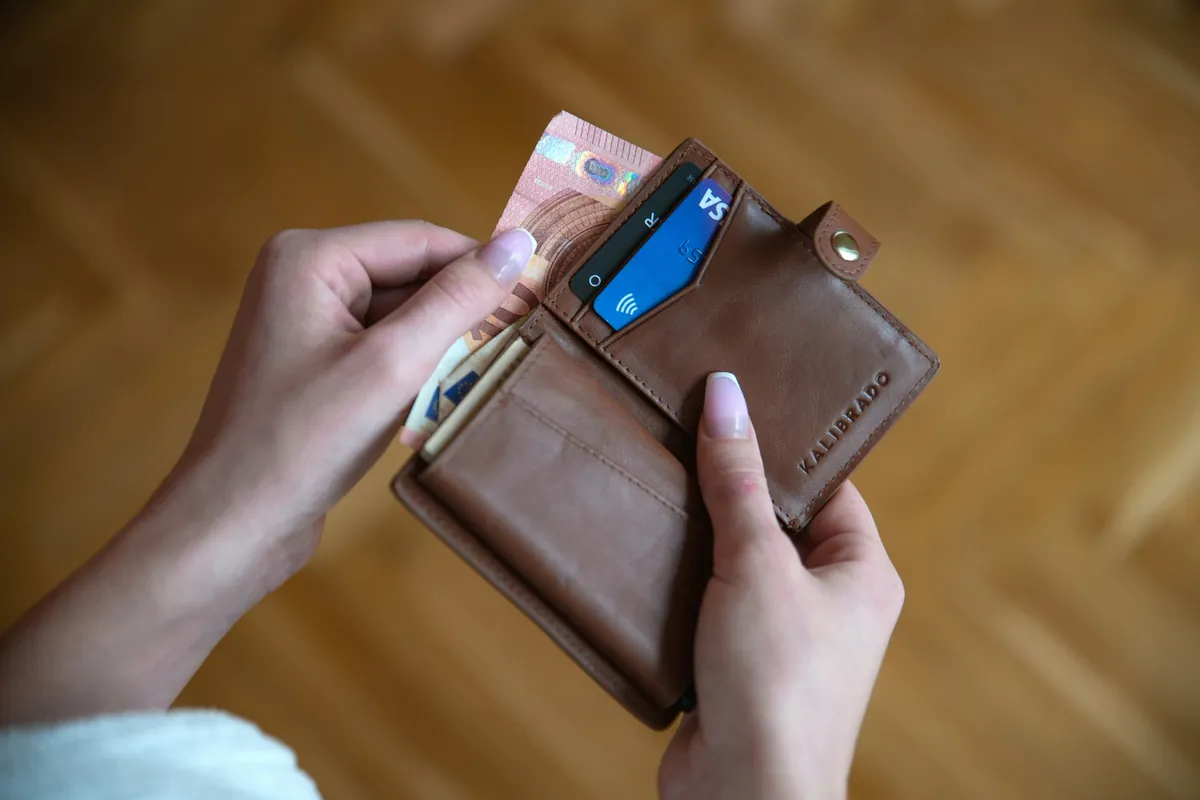
A multi-currency account needs a clear purpose
Imagine planning a month in Portugal while keeping part of your travel budget in another currency. Separating the money intended for euro expenses can make the budget easier to follow. This is an example of how someone might organise spending, not a prediction about when to exchange.
Avoid turning that convenience into a currency-timing project. A useful routine is to decide what a transfer is for, check the total cost, and keep a record. Trying to guess next month's exchange rate adds a different problem.
Account availability deserves attention before any of this. A travel itinerary does not establish eligibility. Use your real residence details and check the features offered to that account.
Receiving money: check the payment route
Eligible customers can get account details in supported currencies and share them with a sender. Wise's receiving guide explains the difference between domestic and international payment details.
Do not assume every incoming payment is free. Wise lists exceptions for domestic USD wires and fees for most international Swift receipts. Ask the sender which route they intend to use before sharing details. A matching currency alone does not tell you how the payment will arrive.
For freelancers, the account type also matters. Wise says personal accounts are for personal transactions and business accounts are for business transactions, including freelancers and sole proprietors. Check the business requirements before putting client payments through the service.
The exchange rate and the fee are separate
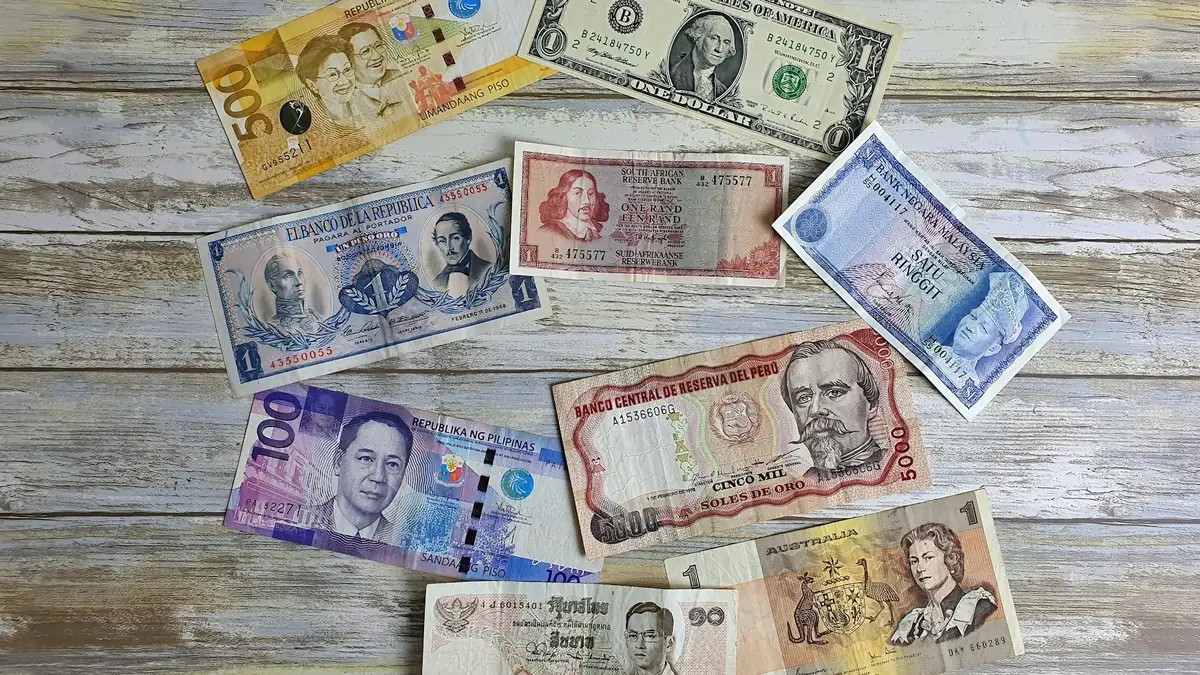
Wise uses the mid-market exchange rate for currency conversion, with a conversion fee. That does not make exchanging money free. The useful number is the amount the recipient gets after the applicable costs, alongside what leaves your account.
Before confirming a transfer, compare the same sending amount, destination currency and payment method. Read the quote and delivery estimate together. A favourable-looking rate is only part of the decision if the money needs to arrive by a particular date.
Avoid treating an old example from a review as today's price. Use the current quote for your own route. Likewise, a recommendation for international transfers does not establish that Wise will be the cheapest option for every payment.
Using the Wise card abroad
The card is useful when everyday purchases are part of your plan. According to Wise's card fee guide, spending from an existing balance in the purchase currency has no Wise spending fee. When conversion is needed, a conversion fee applies.
Cash withdrawals deserve a separate check. Wise says its ATM fees depend on where the card was issued. Read the allowance and charges attached to your card before planning a cash-heavy trip, rather than borrowing another traveller's figures.
At a terminal or ATM, watch for a choice between the local currency and your home currency. Wise recommends choosing the local currency and declining the machine's conversion. That lets your card arrangement handle any necessary conversion instead of accepting the terminal's offered rate.

What could be better
Regional differences make a universal recommendation difficult. Card eligibility depends on residence, and moving can affect replacement cards or require a new one. Check this before relying on Wise for a long stay after relocation.
The other friction is the homework around payment routes. Holding, receiving, converting and withdrawing are different actions. A simple-looking account still requires you to check the rules for the action you are taking.
For someone who mainly needs domestic banking, that extra work may offer little benefit. For someone regularly moving money across borders, the same checks may be a reasonable part of the routine.
Who should consider Wise?
Wise belongs on the shortlist if you need supported international transfers, currency balances or a travel spending card and meet the relevant eligibility rules. Start with a specific task, such as paying an overseas bill, and evaluate that task's quote and requirements.
It is less compelling if you expect one account to cover every financial need. Our Wise, Revolut and N26 overview looks at the wider account setup. For the alternative's features in more detail, read the Revolut review.
- Wise uses the mid-market exchange rate for currency conversion, with a conversion fee.
- Card eligibility depends on residence, so check what is available where you live.
- Do not assume a Wise balance has the same protection as a bank deposit.
- The NomadsToolsLab team recommends keeping a separate backup payment option.
FAQ
Is Wise a bank?
Do not assume a Wise balance has the same protection as a bank deposit. Wise explains that it safeguards customer money, keeping it separate from its own funds. The arrangements vary by country. Read the information for the Wise entity serving you before deciding how much to hold.
Can every digital nomad get a Wise card?
No. Residence eligibility applies. Being able to travel somewhere does not mean you can order a card using an address there. Check the current country list and relocation guidance.
Is Wise good as your only travel account?
The NomadsToolsLab team recommends keeping a separate backup payment option. That is a practical recommendation about avoiding dependence on one account or card, rather than a claim that Wise replaces your existing banking needs.
What should I check before opening an account?
Check residence eligibility, the account type, the payment routes you need and the current costs for those actions. Then decide whether Wise solves a recurring problem in your travel routine. A clear use case is more useful than another account opened just in case.
Your next step
Affiliate disclosure. This post contains affiliate links. If you click and buy something, this site earns a small commission at no extra cost to you. Picks are based on published specs, independent tests and manufacturer information. As an Amazon Associate I earn from qualifying purchases. Read the full affiliate disclosure. Amazon and the Amazon logo are trademarks of Amazon.com, Inc. or its affiliates.