
Via de la Plata Packing List: Boots, Water and Bedding
As an Amazon Associate I earn from qualifying purchases. Some links on this page earn us a small commission, at no extra cost to you. Full disclosure.
Walking the Via de la Plata is a pilgrimage into the silence of Spain's southern plains, a path toward the divine within, where you may notice God walking beside you between vineyards and cork oaks. Whatever your faith, the practical preparation matters too: long rural stages demand careful water planning, footwear that fits and a confirmed place to sleep.
Quick answer
Start with enough drinking water and food for the whole stage, plus a reserve, then add well-fitting footwear, dry spare socks and bedding suited to your overnight stops. The Meindl Borneo 2 MFS is the main leather boot pick here; the Silk Blend liner provides a separate sleeping layer but does not replace warm bedding. Choose a cooler season and confirm refill points before departure rather than relying on a filter or umbrella to manage summer heat.
All 7 picks at a glance
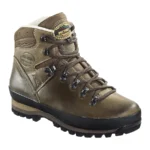
Meindl Borneo 2 MFS
Waxed nubuck upper, leather lining and a Vibram Multigriff sole. Read more
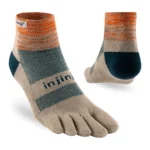
Injinji Trail Midweight Mini-Crew
Individual toe pockets separate neighbouring toes. Read more
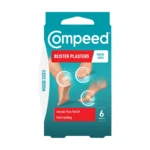
Compeed Blister Plasters, mixed sizes
Cushioned hydrocolloid dressings for blister care. Read more
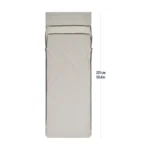
Sea to Summit Silk Blend Liner
A separate sleeping layer for albergue beds. Read more
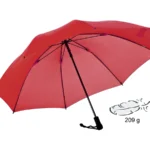
EuroSCHIRM Swing liteflex
Portable shade for exposed stages in suitable conditions. Read more
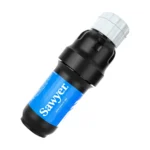
Sawyer Squeeze water filter
Water treatment equipment that still requires a usable water source. Read more
How we chose this gear
This selection covers footwear, foot care, bedding, carrying space, shade and water treatment. Start with the water supply of each stage and your overnight arrangements before adding optional equipment.
The Via de la Plata, From Seville to the North

Allow roughly six to eight weeks for the full journey, adjusting stages and rest days to your own pace. Long rural stages cross vineyards, olive groves, oak country and the grain plains of the Meseta.
At Granja de Moreruela, the Camino Sanabres turns toward Galicia and Santiago. The other branch continues north to Astorga and the Camino Frances. Heavy rain can make tracks muddy and river crossings difficult; check the stage conditions rather than assuming a crossing is passable.
Accommodation stops are often 20 to 30 km apart, and the Casar de Caceres to Canaveral stage is about 33 km without intermediate services. Carry enough drinking water and food for the whole stage, with a reserve. Confirm usable refill points before departure. If water safety is uncertain, boil it or filter and then disinfect it according to the treatment instructions; a filter cannot replace a water supply. Avoid chemically contaminated sources; treatment for germs does not make them safe.
When to Walk the Via de la Plata
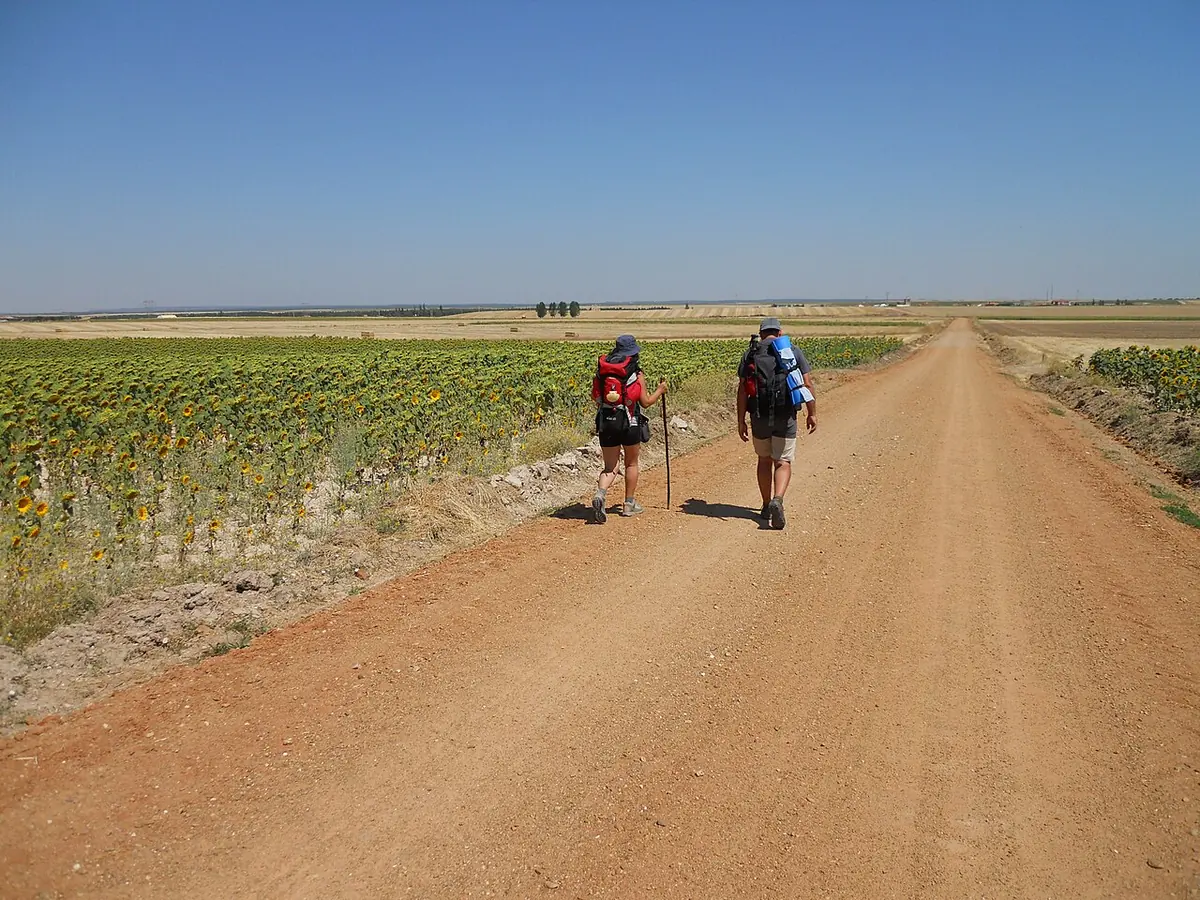
Choose dates between the early spring rains and the onset of summer heat, or after the heat has eased in autumn. Neither window guarantees dry tracks. Summer should be avoided on this route; shade and equipment do not make its extreme heat a suitable walking plan.
| Season | What to expect | What to add |
|---|---|---|
| Spring | What to expect: A useful walking window after the early rains and before summer heat; wet tracks can still affect stages. | What to add: Rain protection, a light warm layer and a liner alongside the bedding your accommodation requires. |
| Summer | What to expect: Extreme heat makes summer a season to avoid. | What to add: Choose a cooler season instead of relying on an early start, a filter or an umbrella to manage dangerous summer heat. |
| Autumn | What to expect: A useful walking window once summer heat has eased; rain remains possible. | What to add: Layers, dry spare socks and rain protection, with bedding chosen for your overnight stops. |
| Winter | What to expect: Northern nights can freeze, while accommodation and walking conditions need checking stage by stage. | What to add: Suitable warm bedding or a sleeping bag, warm clothing and confirmed accommodation. A thin liner alone is not enough. |
Weather on the Via de la Plata, Stage by Stage
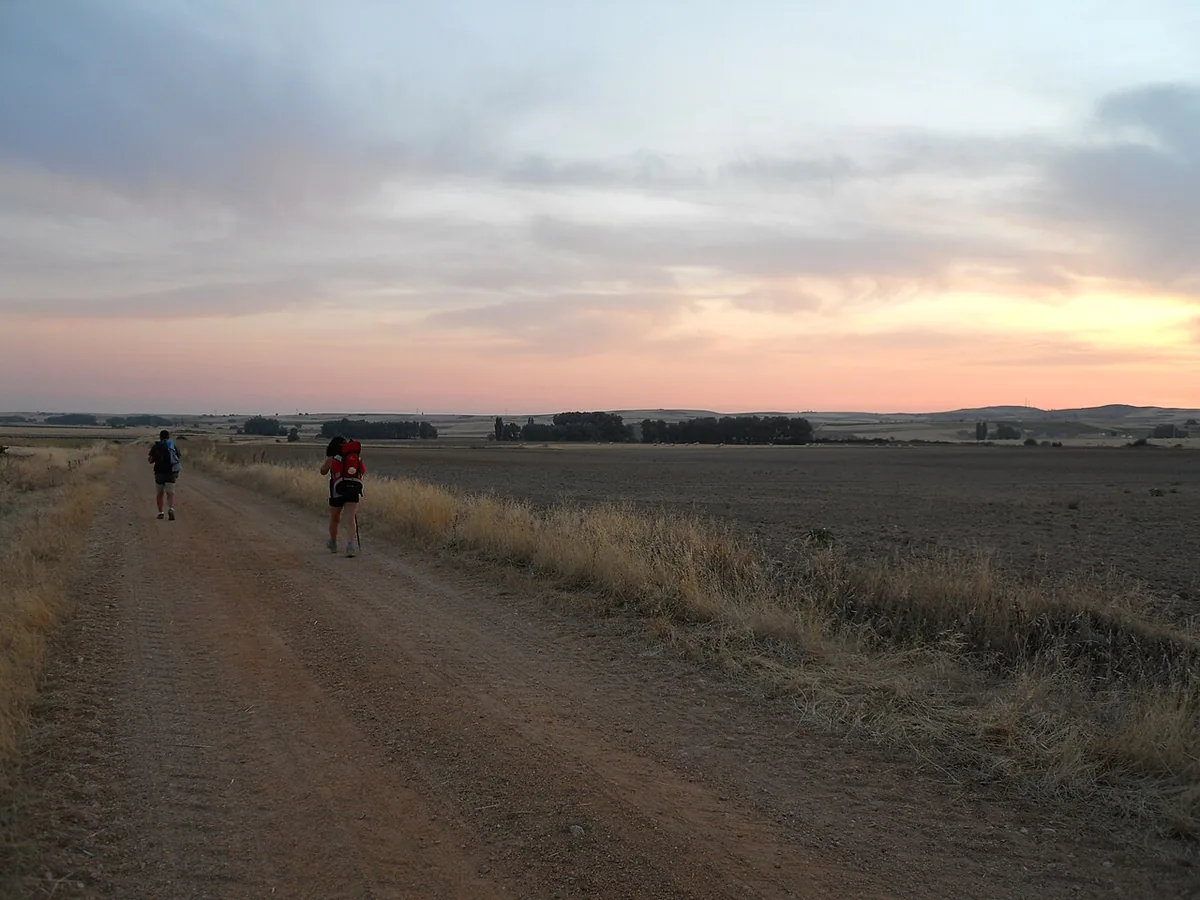
Prepare for dry southern stages as well as wet conditions farther north and in Galicia. Use the forecast and current stage information to adjust this kit.
| Weather | What to watch for | What to pack |
|---|---|---|
| Rain | What to watch for: Rain can raise river levels and turn tracks to mud. | What to pack: Use the pack's rain cover, protect essentials inside a dry bag and carry rain protection for yourself. |
| Heat and sun | What to watch for: Long exposed stages can leave little shade. | What to pack: Enough drinking water for the whole stage, a reserve and confirmed refill points. A trekking umbrella is an optional shade layer, not a reason to walk in dangerous heat. |
| Cold and cold nights | What to watch for: Cold northern nights require more than a thin sleeping layer. | What to pack: Suitable bedding, warm layers and a liner only as part of that setup. |
| Wind or mist (hills) | What to watch for: Open grain plains offer little shelter. | What to pack: Fold the umbrella away if it becomes difficult to control, and use a hat and appropriate layers. |
| Changeable weather (layers) | What to watch for: Conditions change along a journey from the south into Galicia. | What to pack: Keep a dry spare pair of socks protected inside the pack and an accessible layer for changes during the day. |
Shoes for the Via de la Plata
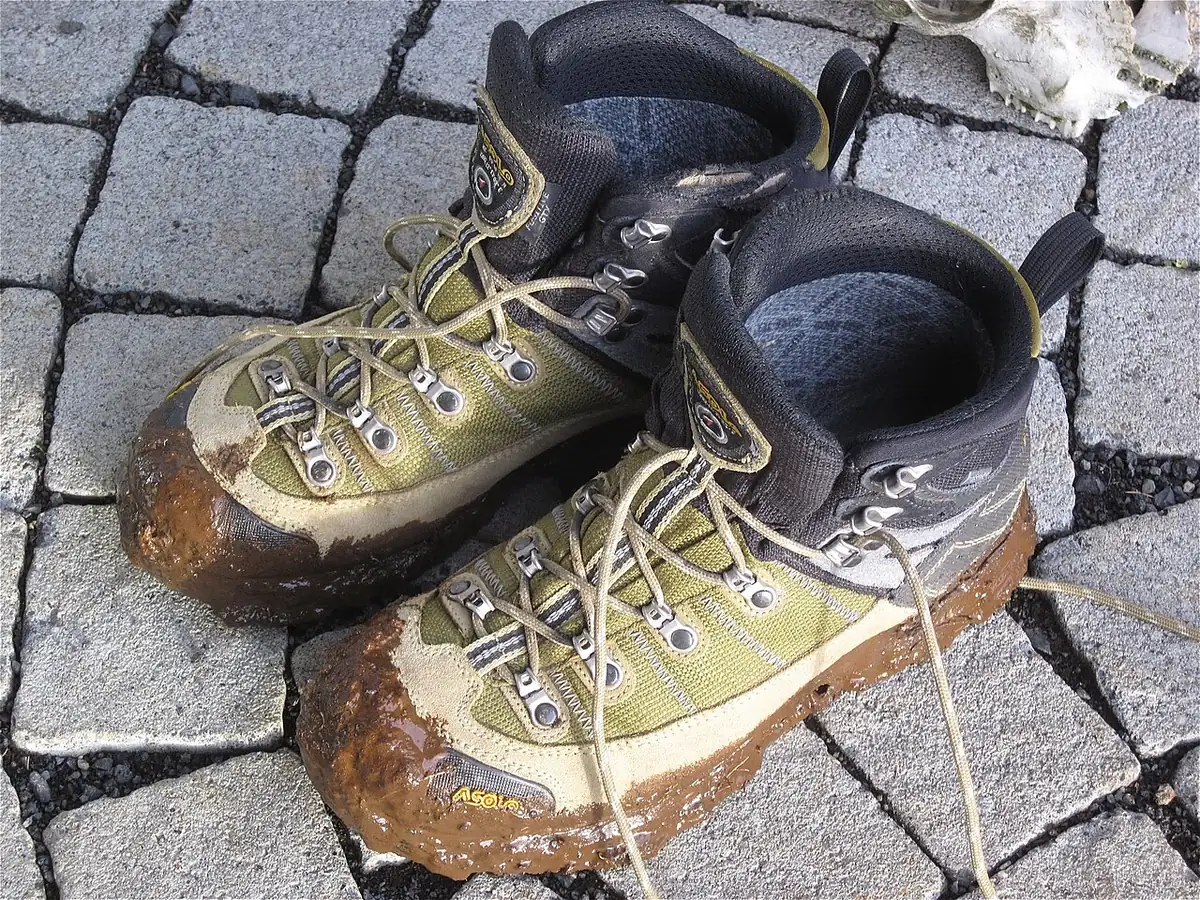
The Meindl Borneo 2 MFS has a waxed nubuck upper, leather lining and Vibram Multigriff sole. Try it with your walking socks and allow gradual break-in before committing to long stages.
Do not treat this leather-lined boot as a waterproof membrane model. Carry dry spare socks for wet conditions. Prefer leather boots for wet or cold seasons and when ankle support matters. A lighter shoe can be enough for easy, dry stages if it fits well.
Keeping Your Feet Ready for 1,000 km
Wear new shoes for short periods before departure and change socks when they become sweaty or damp. The Injinji toe socks separate neighbouring toes; try that fit before your trip. Keep your spare pair dry inside the pack.
Stop to address a hot spot rather than walking on through rubbing. Keep tape and blister dressings in your travel first aid kit. Keep a blister clean, gently pat it dry and use a suitable dressing; do not deliberately burst it.
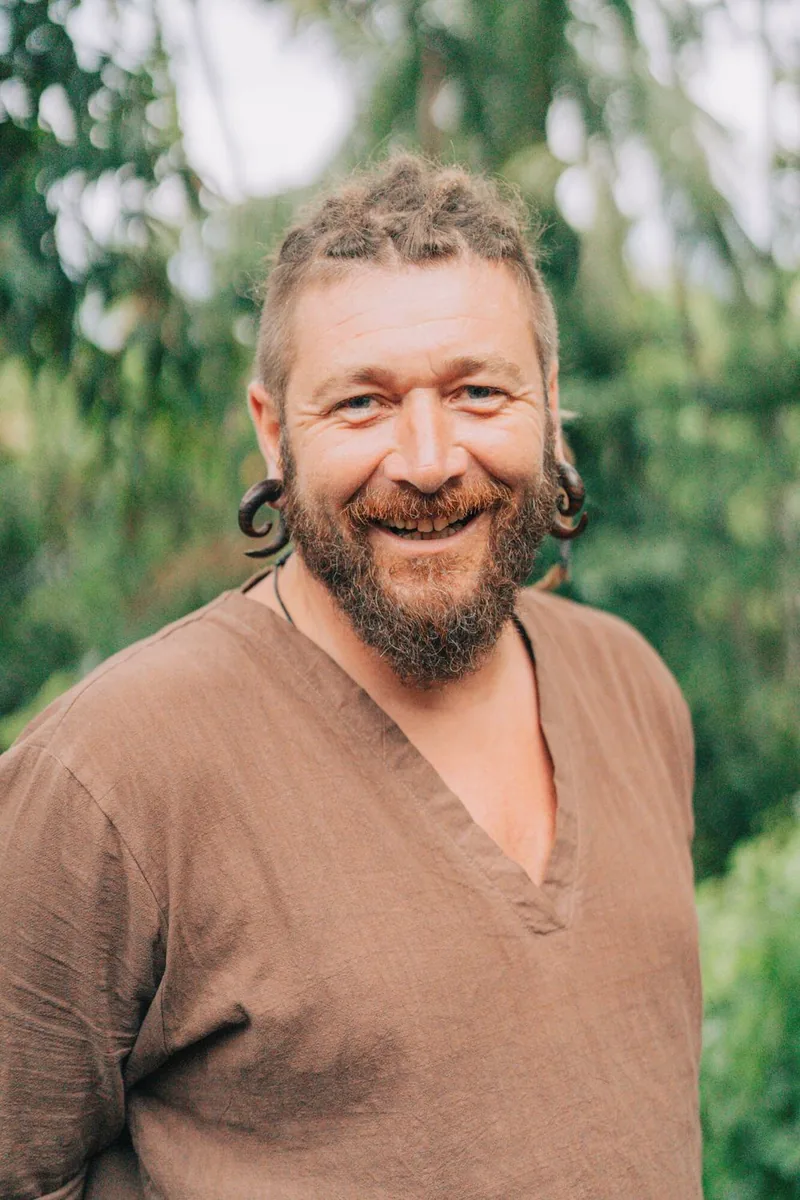
Chenzo, founder of NomadsToolsLab
Chenzo uses two thin pairs of socks for the first short walks in new shoes and builds up gradually. His own trick for new leather boots is wet newspaper inside for 24 hours, then walking in them so they shape to his feet. At breaks he takes shoes and socks off, puts his feet on the earth, cools them in cold water where he can, and only puts footwear back on when his feet are fully dry and no longer wrinkled. These are his personal habits, not maker advice. Meindl uses newspaper only to absorb moisture from a wet lining, removed after a few hours, and says to keep boots away from direct heat.
Where to Sleep on the Via de la Plata
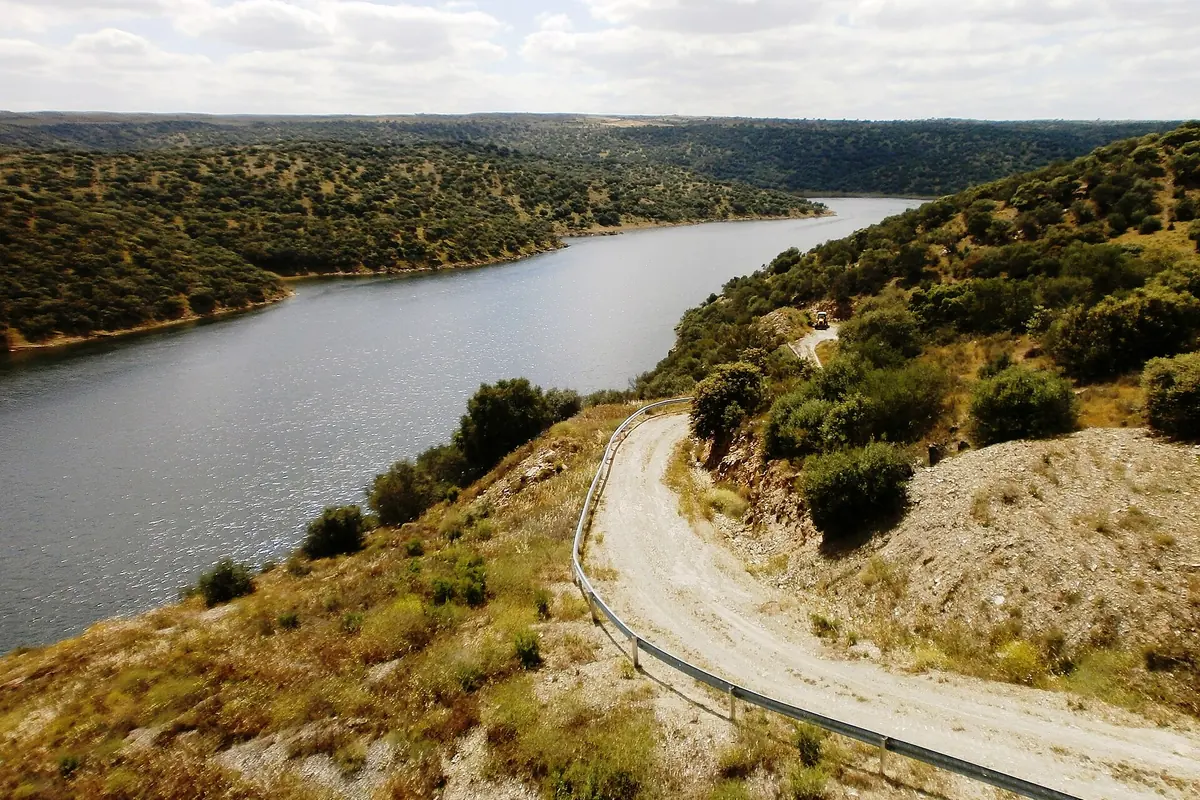
A Silk Blend liner provides your own sleeping layer in accommodation. Cold rooms may also require a sleeping bag or suitable bedding. Check what each overnight stop provides instead of using the liner's weight to decide how warm your sleeping setup will be.
Camping rules vary by location and land designation. Confirm permission and applicable restrictions before carrying a tent or camping hammock. On a stage without intermediate services, shelter does not replace drinking water, food or a confirmed overnight plan.
Culture, Etiquette and Reflection on the Silver Way
The silence between villages can leave room for prayer, reflection or simply paying attention. Let the journey have its own pace rather than measuring its meaning only in kilometres.
Carry a credencial if you intend to collect pilgrim stamps. For a Compostela, check the Pilgrim Office's current eligibility and stamping requirements before departure. The certificate of distance is a separate option; plan where to leave a large backpack before entering Santiago Cathedral.
A small journal and a pocket book suited to your tradition give evenings a quiet focus. A prayer cord or rosary can have a place in that kit too, without becoming another item everyone must carry.
Packing list with maker weights
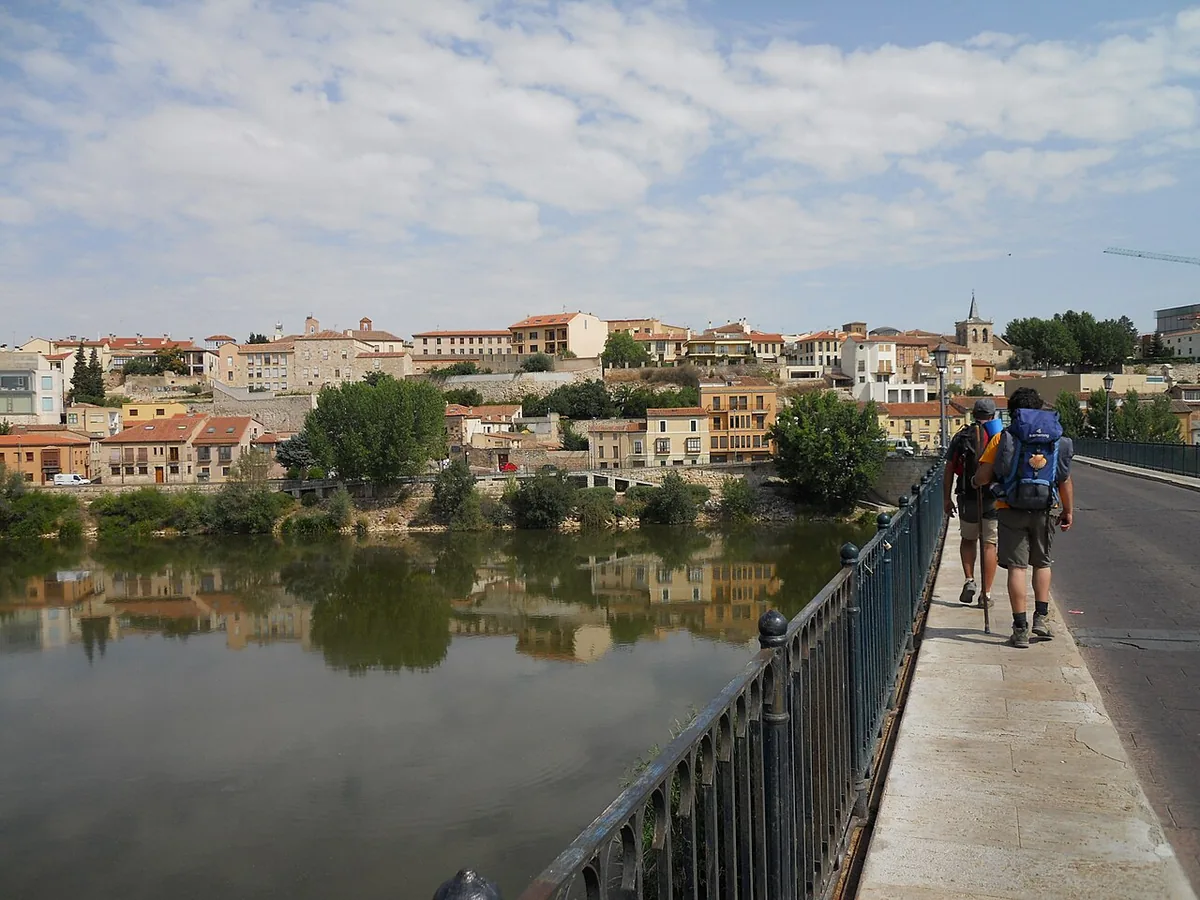
Use these component weights to build your own packing total. Weigh the exact items you carry, including covers and accessories, and keep worn footwear separate.
| Item | Link | Maker weight |
|---|---|---|
| Meindl Borneo 2 MFS | Link: See on Amazon | Maker weight: 790 g (Meindl does not say per shoe or pair) (worn, not carried) |
| Injinji Trail Mini-Crew | Link: See on Amazon | Maker weight: Not listed by the maker |
| Compeed blister plasters | Link: See on Amazon | Maker weight: Not listed by the maker |
| Sea to Summit Silk Blend liner | Link: See on Amazon | Maker weight: 130 to 160 g, by shape |
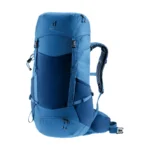
| Deuter Futura 32 | Link: See on Amazon | Maker weight: 1,350 g |
| EuroSCHIRM Swing liteflex | Link: See on Amazon | Maker weight: 209 g without cover |
| Sawyer Squeeze | Link: See on Amazon | Maker weight: Two different figures on the maker page |
| Component subtotal | Link: | Maker weight: 1,689 to 1,719 g for the listed carried items with stated weights, plus Injinji Trail Mini-Crew, Compeed blister plasters, Sawyer Squeeze (no single maker weight) |
This subtotal is not a complete packed weight. Add the umbrella cover, filter equipment, socks, dressings, clothing, food, drinking water and any additional bedding.
Meindl Borneo 2 MFS for long, rough stages
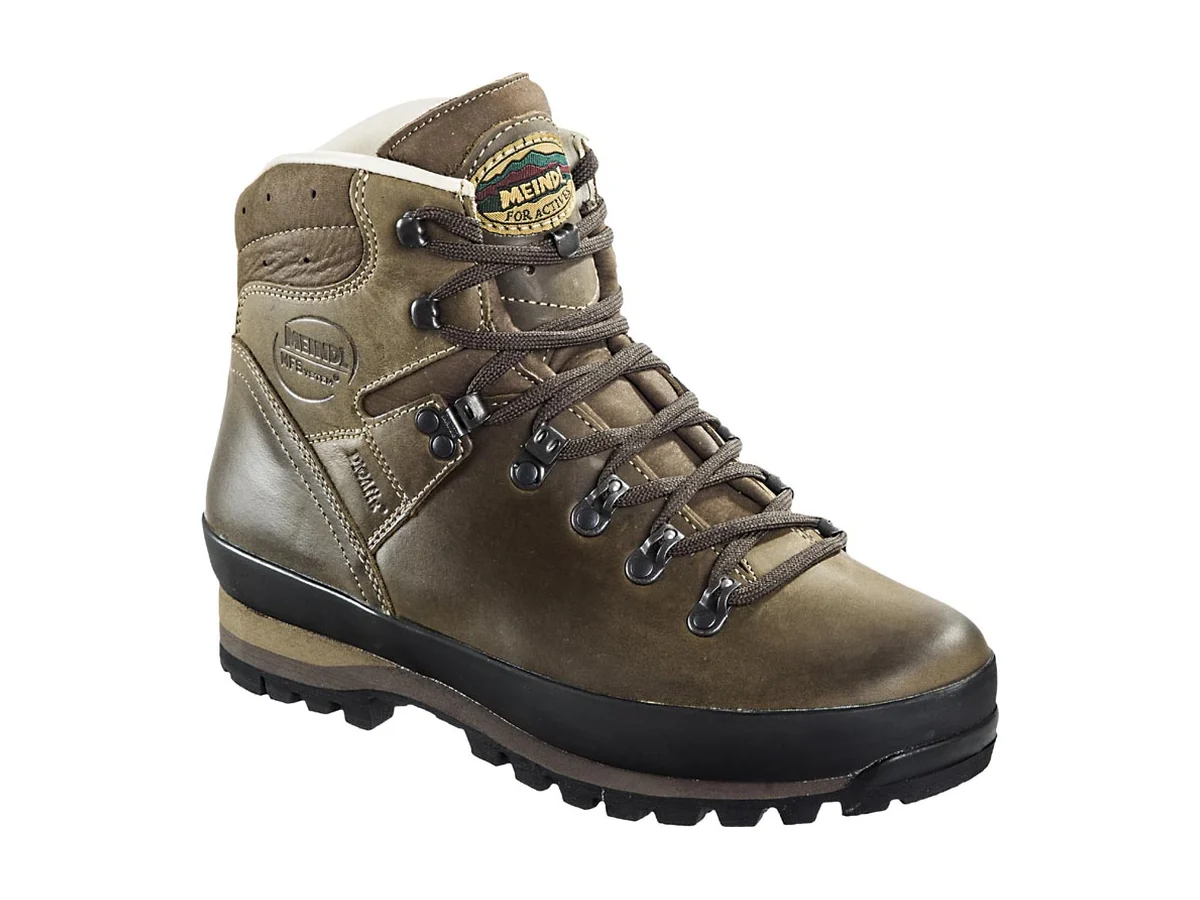
Meindl Borneo 2 MFS
The Borneo 2 MFS combines waxed nubuck leather, a leather lining and a Vibram Multigriff sole. Consider it for rough tracks when its fit suits your feet and socks.
Follow Meindl's care routine: clean the boots, maintain the leather and dry them away from direct sun, radiators and stoves. Newspaper can absorb moisture from a wet lining, but should be removed after a few hours.
What could be better: Do not rely on this model as a waterproof membrane boot. Wet ground still calls for dry spare socks.
Injinji Trail Midweight Mini-Crew for toe separation
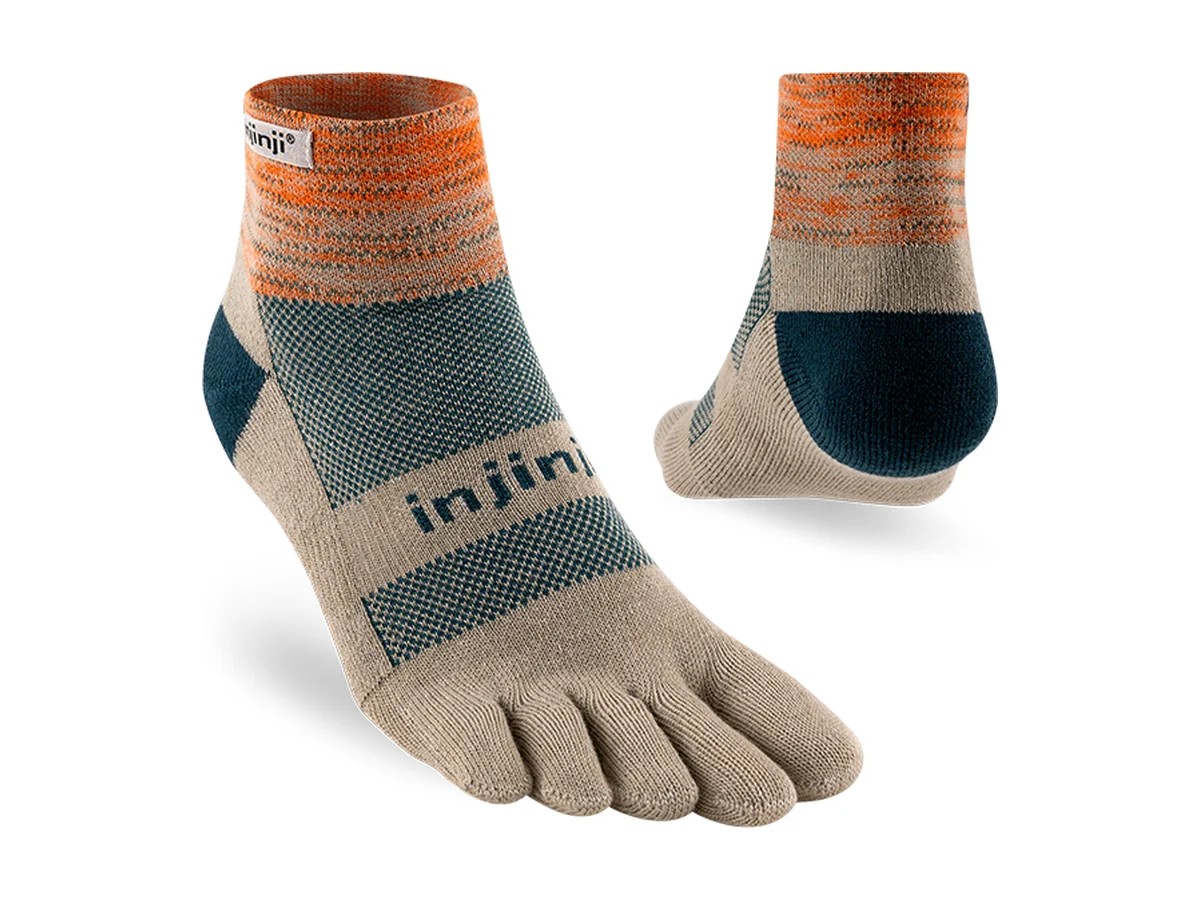
Injinji Trail Midweight Mini-Crew
The Trail Midweight Mini-Crew uses separate toe pockets, a cushioned sole, a mesh top and a double cuff. Its distinctive fit is the reason to consider it.
Change damp socks and protect a dry spare pair inside the pack. After washing, let socks dry fully; secure them outside your pack only when the weather helps.
What could be better: The individual toe pockets need a fit check with your footwear before departure.
Compeed Blister Plasters for blister care
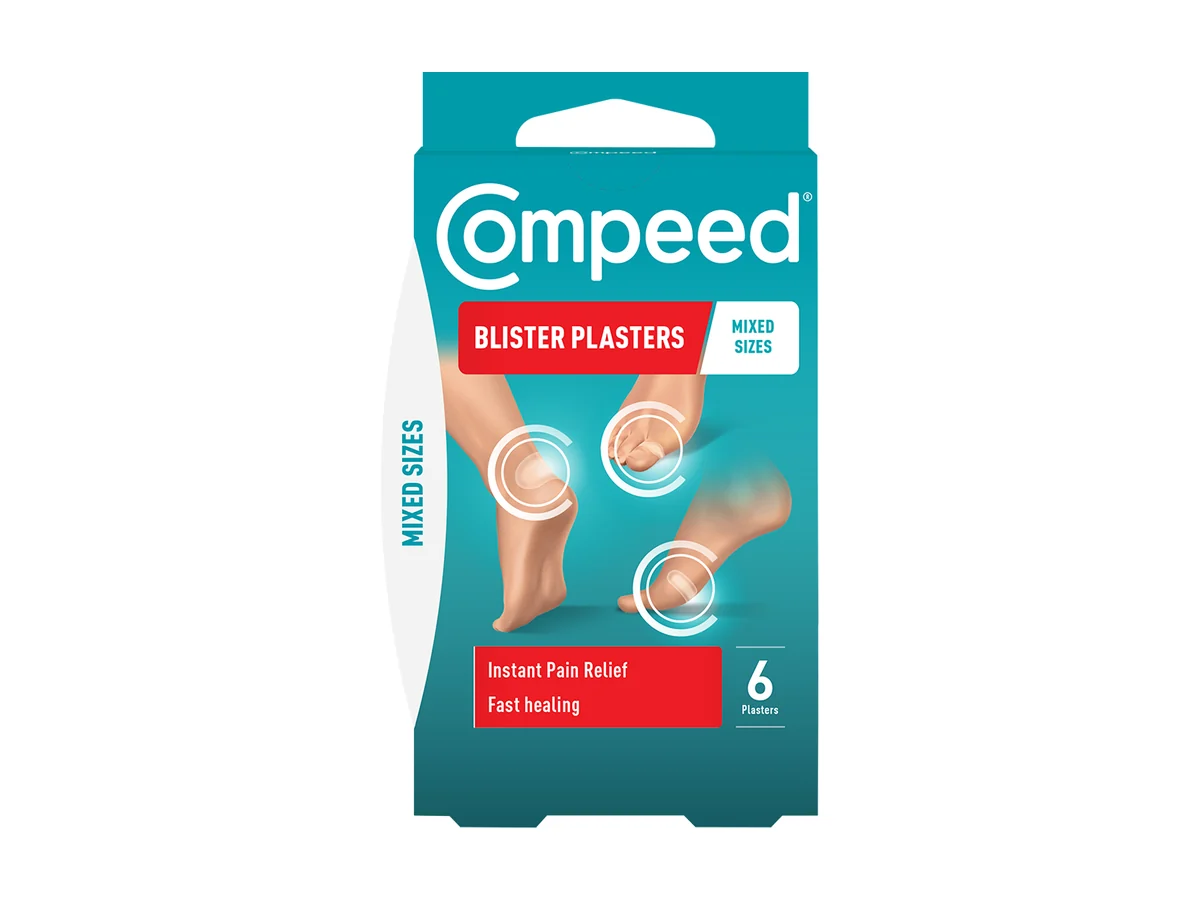
Compeed Blister Plasters, mixed sizes
Compeed Blister Plasters provide hydrocolloid cushioning over a blister. Choose a suitable size and apply it according to the pack instructions.
Keep feet clean and dry, address rubbing early and break footwear in gradually. These habits still matter when you carry dressings.
What could be better: Do not cut the plasters; carry sizes suited to the areas you need to cover.
Sea to Summit Silk Blend Liner for hostel beds
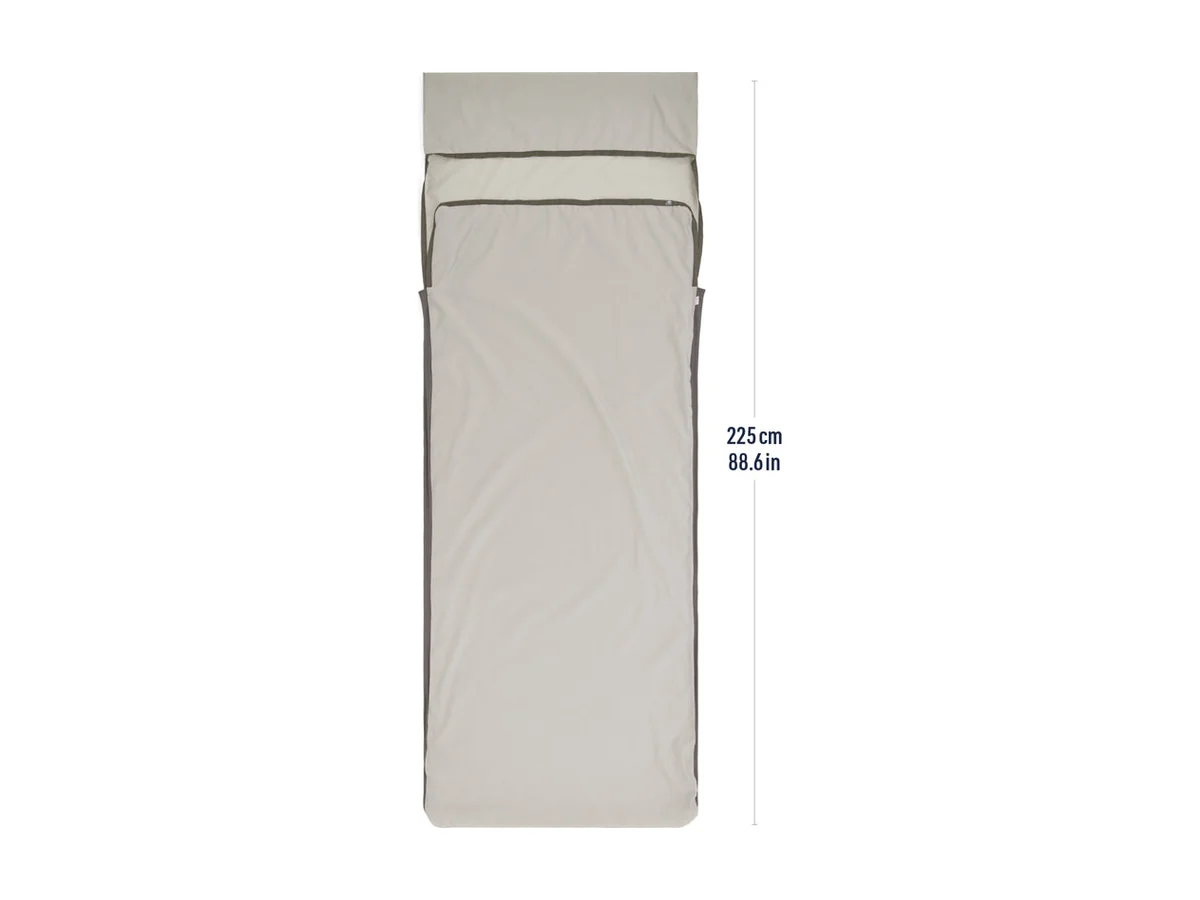
Sea to Summit Silk Blend Liner
The Silk Blend liner gives you a separate layer in hostel beds or inside a sleeping bag. Its technical weights run from 130 to 160 g across the different shapes.
It is machine washable and uses a silk blend rather than pure silk. Match the shape to your sleeping setup and check the bedding at each overnight stop.
What could be better: A thin liner does not provide enough insulation on its own for cold rooms or winter nights.
Deuter Futura 32 for a carefully planned load
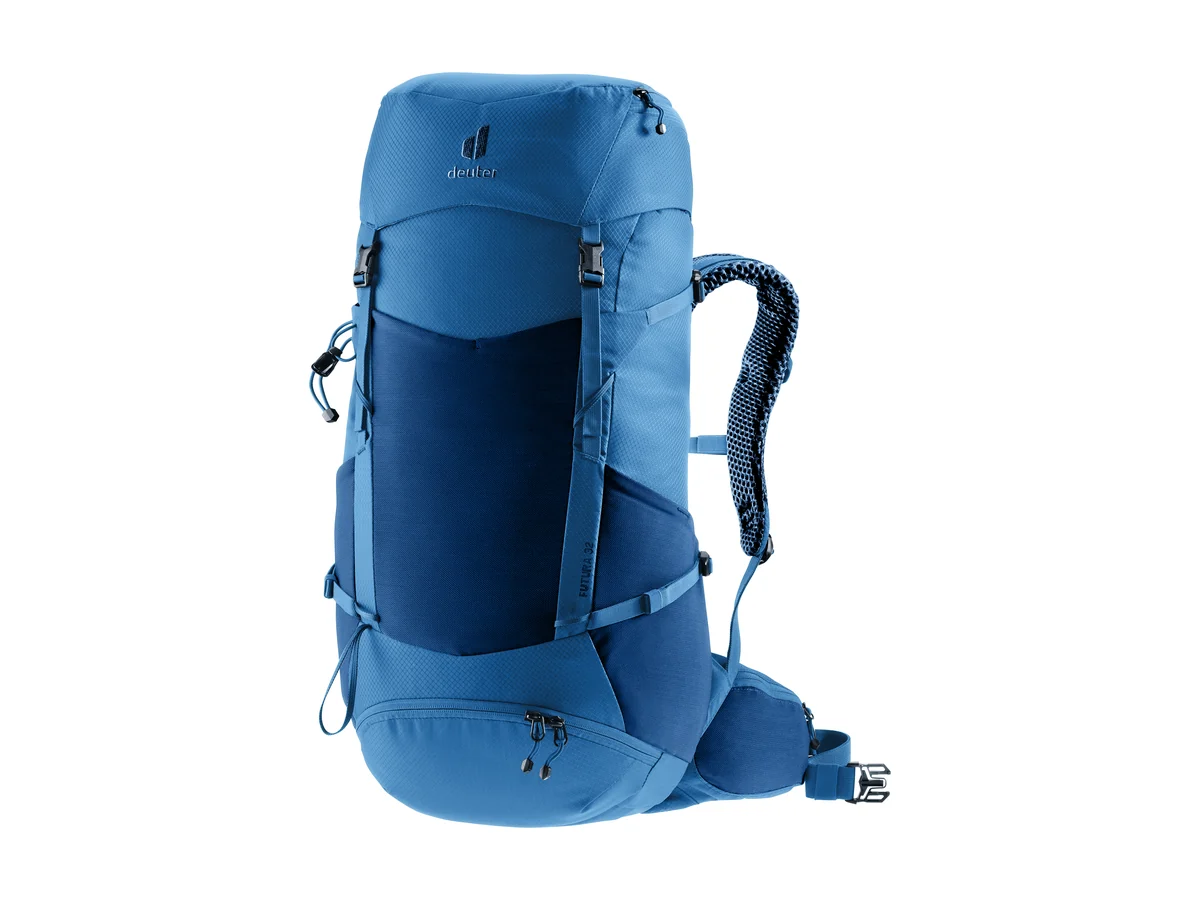
Deuter Futura 32
The Deuter Futura 32 has a suspended mesh back for airflow. The standard 32 L model weighs 1,350 g and includes a rain cover.
Try the pack with the clothing, bedding, water and food you will actually carry. Leave supply space available instead of filling every compartment with optional equipment.
What could be better: Its included rain cover does not replace dry storage inside the pack for spare socks and other essentials.
EuroSCHIRM Swing liteflex for shade on open plains

EuroSCHIRM Swing liteflex
The EuroSCHIRM Swing liteflex provides portable shade or rain cover when conditions suit an umbrella. The stated 209 g excludes its cover.
Treat it as an optional layer alongside a hat, clothing and a suitable season. Put it away when wind makes it difficult to control.
What could be better: A hand-held umbrella occupies a hand and can be awkward in exposed wind.
Sawyer Squeeze for filtering available water
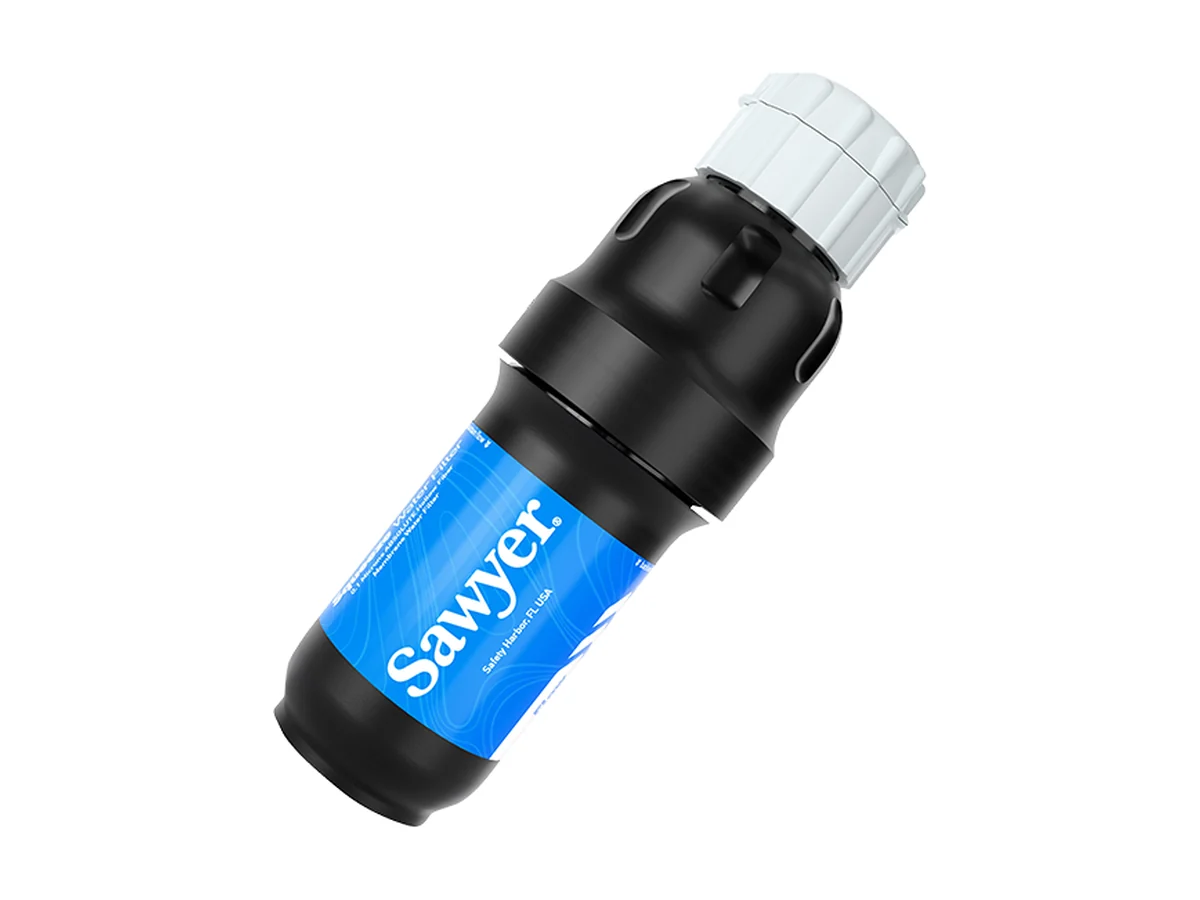
Sawyer Squeeze water filter
The Sawyer Squeeze is a microfilter for bacteria and protozoa. Choose water sources carefully and follow its treatment and maintenance instructions.
Carry enough drinking water for the stage plus a reserve. When water safety is uncertain, boil it or filter and then disinfect it according to the treatment instructions. The Katadyn vs Sawyer comparison explains the equipment choices further.
What could be better: It cannot create water where none is available, and it should not be relied on alone for virus protection.
Choose around water, feet and your sleeping plan
Give water and food space priority. Confirm the stage length, usable refills and overnight stop, then choose footwear and bedding around the actual conditions.
The collapsible water bottle guide can help you compare carrying formats. Keep camping equipment optional until permission and your complete sleeping setup are settled; the camping hammock guide covers that choice. For water on the long stages, see Katadyn vs Sawyer and our collapsible water bottles.
- Carry drinking water and food for the whole stage, with a reserve. Confirm refill points before departure.
- Keep spare socks dry, change damp pairs and stop when rubbing starts.
- Avoid summer heat. Spring and autumn still need forecasts and current stage checks.
- Count component weights first, then add clothing, bedding, food, drinking water and accessories.
Watch
Watch the five-minute Via de la Plata route overview from American Pilgrims on the Camino for an introduction to the route.
Video by American Pilgrims on the Camino.
Thinking about sleeping outside? Read tent or hammock: which to choose.
Backpack weight calculator
Add what you carry, set the weight of each item in grams, and see your pack and your total in kg and lb.
FAQ

How much water and food should you carry on the Via de la Plata?
Carry enough drinking water and food for your whole stage, plus a reserve. Confirm usable refills before leaving; some stages have no intermediate services. A filter cannot substitute for a carried water supply.
Are leather boots suitable for the Via de la Plata?
The Borneo 2 MFS is the main leather boot pick for long stages, rough tracks and when ankle support matters, provided it fits and is broken in gradually. Leather boots are preferred for wet or cold seasons, but this is not a waterproof membrane model. A lighter shoe can be enough for easy, dry stages. Carry dry spare socks in either case.
Is a sleeping bag liner enough for the route?
A liner provides your own sleeping layer in accommodation. It is not enough on its own for cold rooms or winter nights. Confirm the bedding available and add a suitable sleeping bag when needed.
Should you carry a tent or hammock for stages with few services?
Decide where you will sleep before carrying either. Confirm local camping permissions and restrictions, and include the complete sleeping setup in your packing plan. Shelter does not replace drinking water and food for stages without services.
Affiliate disclosure. This post contains affiliate links. If you buy through them, NomadsToolsLab may earn a commission at no extra cost to you. As an Amazon Associate I earn from qualifying purchases. Read the full affiliate disclosure.
Your next step