Inca Trail Packing List for Sacred Paths and Cold Camps
As an Amazon Associate I earn from qualifying purchases. Some links on this page earn us a small commission, at no extra cost to you. Full disclosure.
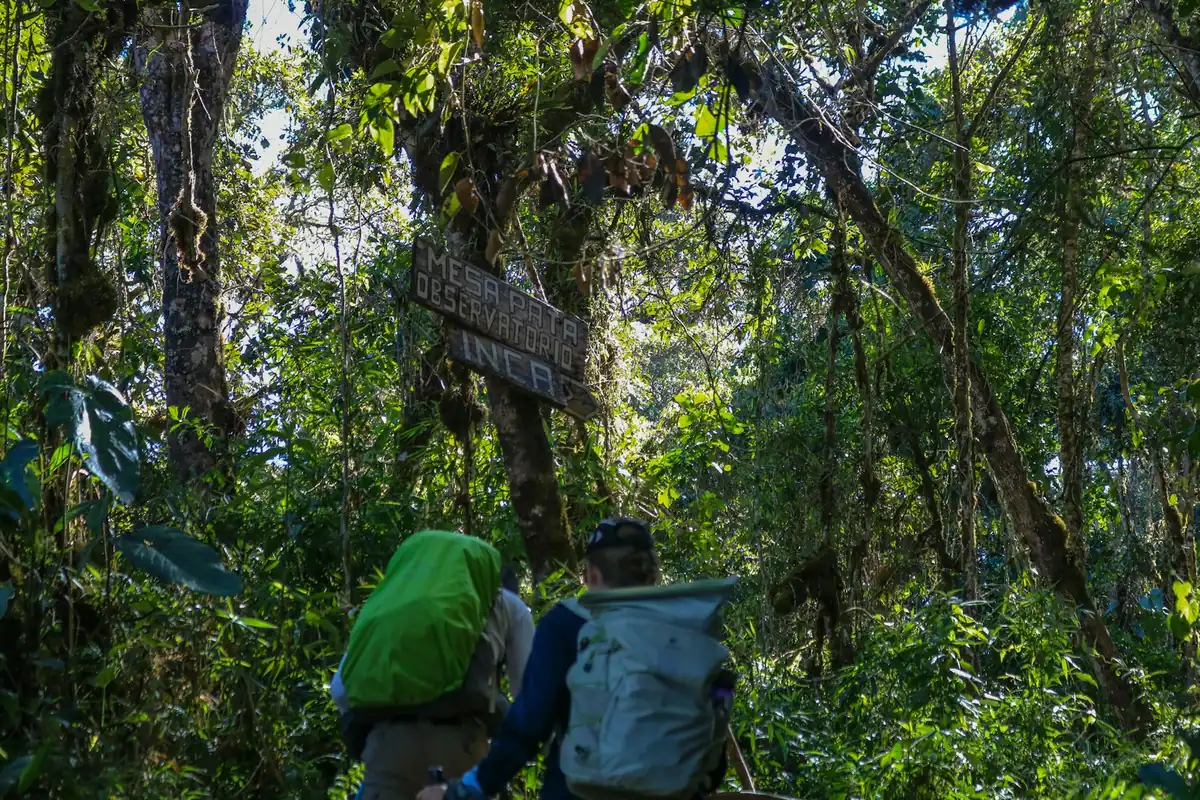
Your Inca Trail packing list supports a deep personal journey, a symbolic walk towards the divine within yourself. In the silence of nature, leave room to notice God walking with you, while respecting the Andean traditions of this sacred route. This guide covers leather boots, rain protection, warm camp layers and care for your feet. It also explains the route rules and what to carry for quiet reflection.
Quick answer
Choose the LOWA Renegade EVO GTX Mid for leather boots, Black Diamond Trail Back poles with rubber tip protectors, and the Black Diamond Fineline Stretch Rain Shell for rain. Pack the Rab Microlight Alpine Down Jacket, Sea to Summit Reactor Fleeceweight liner, Darn Tough socks, Compeed blister plasters and Lonely Planet Peru for cold camps, foot care and reflection.
All 8 picks at a glance
LOWA Renegade EVO GTX Mid
A leather upper and waterproof membrane suit stone steps, rain and cold. Read more
Black Diamond Trail Back Trekking Poles
Adjustable poles belong on this list with the rubber tip protectors required by SERNANP. Read more
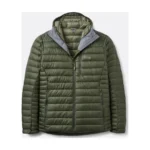
Rab Microlight Alpine Down Jacket
A hooded down jacket adds a warm layer for cold evenings at camp. Read more
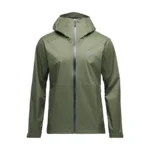
Black Diamond Fineline Stretch Rain Shell
Waterproof, breathable and windproof stretch fabric provides protection for downpours. Read more
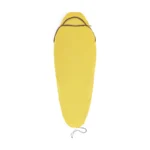
Sea to Summit Reactor Fleeceweight Liner
This fleece liner adds warmth inside your sleeping bag. Read more
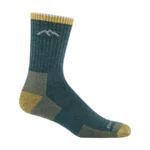
Darn Tough Hiker Micro Crew Midweight
Merino wool and cushioning make these socks a practical choice for the walking stages. Read more

Compeed Blister Plasters (mixed)
Cushioned hydrocolloid plasters belong beside tape in your foot care kit. Read more

Lonely Planet Peru (12th edition)
A guidebook to Peru gives your evening reading a connection to the place around you. Read more
Make room for the sacred

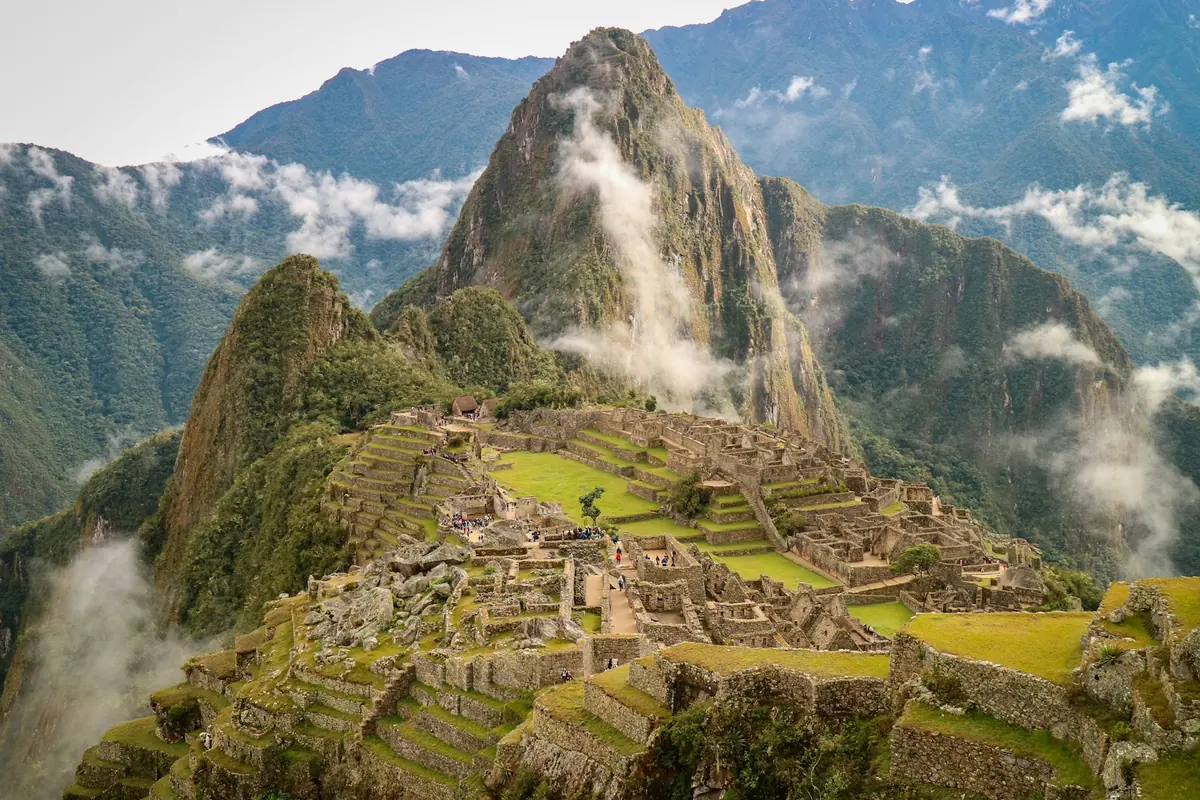
The Inca Trail leads towards a sacred site through an Andean landscape. In Andean tradition, the mountains, or apus, and Mother Earth, Pachamama, are honoured. Let that tradition shape how you walk and how you treat the ground beneath your feet.
A pilgrimage can be an inward journey as well as a physical one. Read a little from your Peru guidebook, then write a few quiet lines each evening at camp. Leave room for reflection without deciding in advance what the walk must mean.
Stone steps, high passes and assigned camps

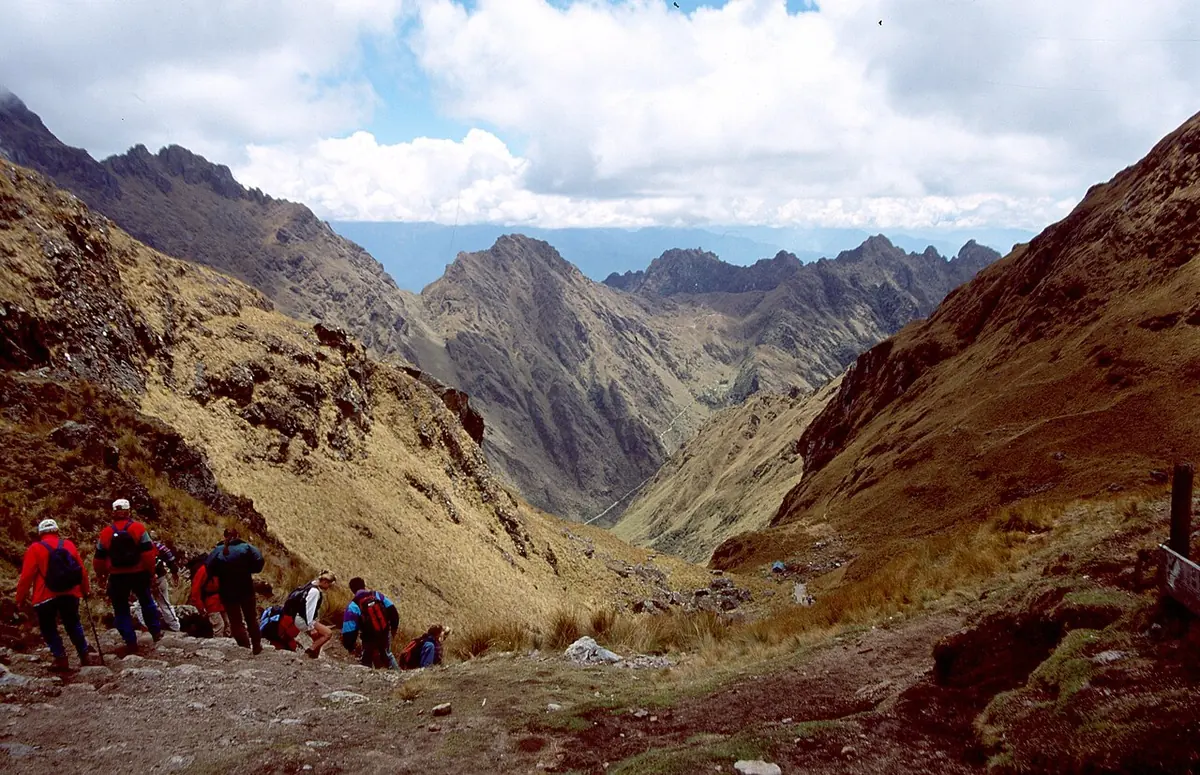
Peru's official tourism site describes the classic Inca Trail as 43 km over 4 days and 3 nights, starting at Piscacucho, Km 82. A shorter version starts at Km 104. The classic trail crosses passes above 4,000 m.
SERNANP requires sleeping in assigned campsites. Confirm the permitted sleeping equipment with your licensed agency before packing, and bring a sleeping bag with a liner and a warm layer for camp. Salkantay is a separate trek outside the Inca Trail regulation. Check its itinerary, access arrangements and overnight conditions separately.
Plan around rain and cold nights
| Season | Weather and crowds | Nights | Extra to bring |
|---|---|---|---|
| April to May | Weather and crowds: Within the official dry season and recommended travel period | Nights: Pack for cold camps | Extra to bring: Warm layer and sleeping bag liner |
| June to August | Weather and crowds: Dry months with strong sun at altitude | Nights: Camps are coldest and can fall below freezing | Extra to bring: Down jacket and dry sleeping socks |
| September to October | Weather and crowds: Within the official dry season and recommended travel period | Nights: Keep warm sleeping gear in your pack | Extra to bring: Liner and protected spare socks |
| November to March | Weather and crowds: Rainy season, with the network closed in February | Nights: Keep sleeping clothes dry | Extra to bring: Rain shell and dry bag |
Peru's official tourism site names April to October as the best time for the route. SERNANP closes the Inca Trail network every February for maintenance.
Pack for the weather you will meet

| Weather | What to watch for | Best answer and what to bring |
|---|---|---|
| Rain | What to watch for: November to March is the rainy season | Best answer and what to bring: Carry the Fineline rain shell, use a pack liner or dry bag, and protect spare socks |
| Heat and sun | What to watch for: Strong sun at altitude | Best answer and what to bring: Bring a hat and sunscreen, and keep them accessible |
| Cold and cold nights | What to watch for: Evening cold at camp | Best answer and what to bring: Pack the Rab down jacket, a sleeping bag liner and dry socks for sleeping |
| Altitude | What to watch for: Acclimatise in Cusco or the Sacred Valley before the trek | Best answer and what to bring: Go slowly, talk to a doctor before travelling, and follow CDC advice to descend if symptoms worsen |
| Changeable weather and layers | What to watch for: Walking conditions and camp needs differ | Best answer and what to bring: Keep your rain shell accessible and your warm camp layers dry |
Choose leather boots for the classic trail
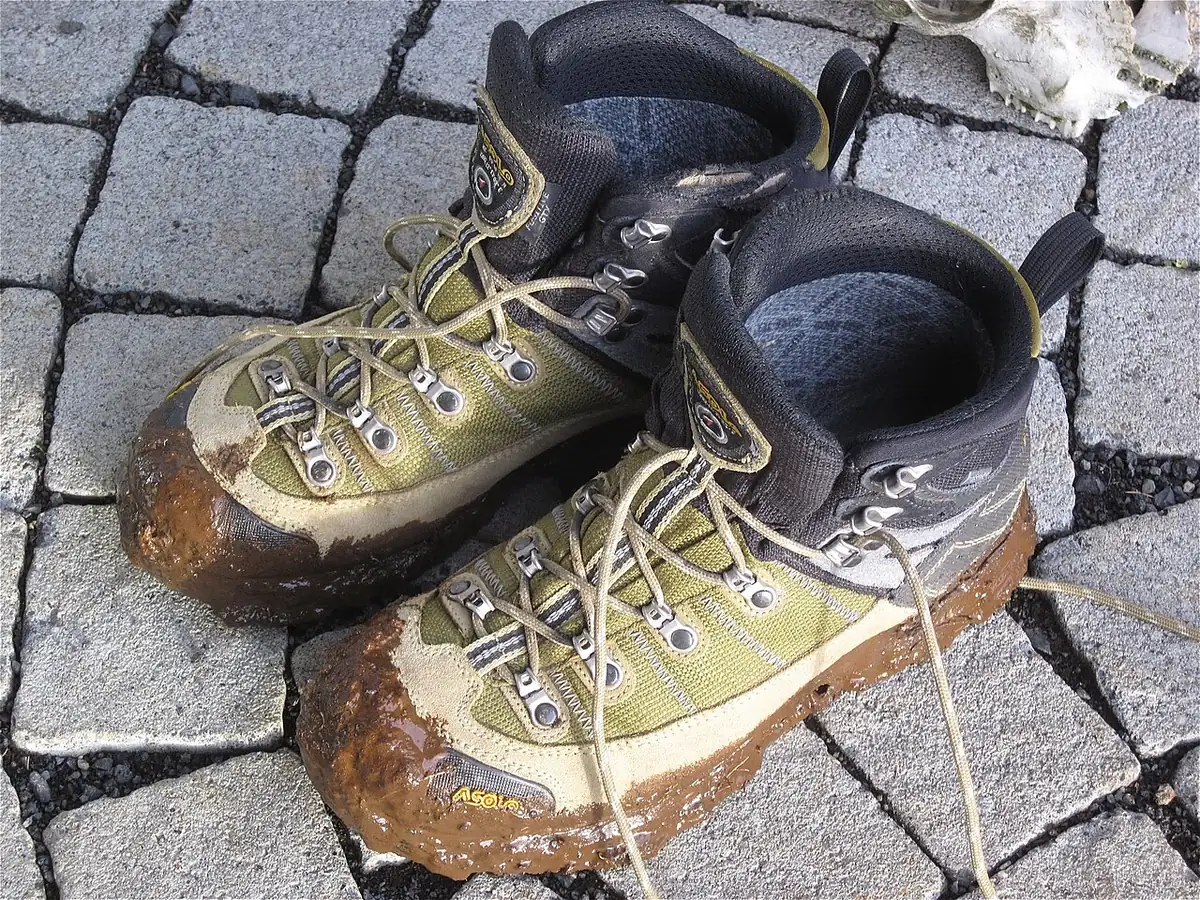
Prefer breathable leather hiking boots for long stages, stone steps and wet or cold conditions. The LOWA option combines a leather upper with a membrane. Break your boots in before the trek.
A lighter shoe can be enough for shorter walks in dry, mild conditions. For the classic route, choose around the terrain, weather and fit. Do not make a new pair's first proper outing the start of the trail.
Keep spare socks dry and stop at hot spots
Carry wool socks, blister plasters and tape, and stop at the first hot spot. Keep your spare pair in a dry bag or zip bag. In sunshine, dry damp socks on the outside of your pack.
A microfibre towel helps you dry your feet before putting socks back on. Use newspaper in wet boots overnight, following the maker's drying advice. At camp, put on dry socks before the evening cold.
Tip from Chenzo, founder of NomadsToolsLab: In new shoes I wear two thin pairs of socks for the first stretches, and I break shoes in with short walks. My trick: put wet newspaper in new shoes for 24 hours, then walk in them so they shape to your feet. On a break I take off my shoes and socks straight away and put my feet on the earth, respecting local rules and sacred places. If there is cold water, I cool my feet in it. Then I dry them well and only put my shoes back on when my feet are completely dry and no longer wrinkled. LOWA says to dry wet leather boots slowly in a ventilated room, never in the sun or by a radiator. At camp, change into dry socks before the evening cold.
Follow the access and altitude rules
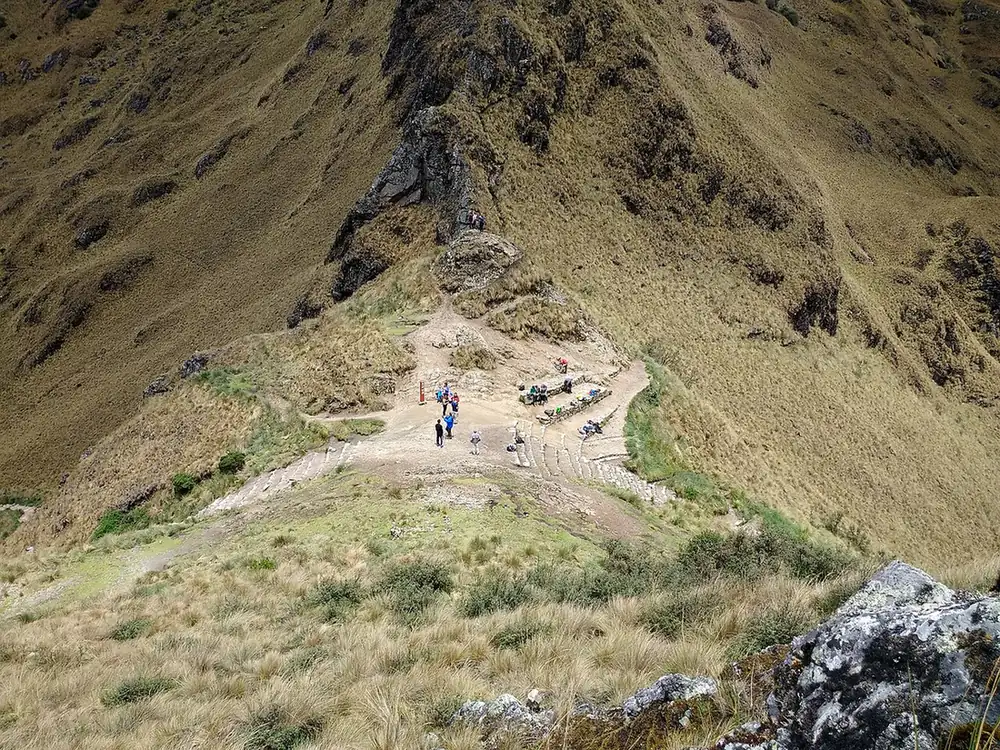
SERNANP requires a licensed travel agency with a SERNANP contract and an official guide, plus a passport or valid ID at the checkpoint. Access is controlled and the permitted group arrangements and walking hours must be confirmed with your licensed agency before departure. Metal pole tips need rubber protectors, and SERNANP prohibits glass, alcohol, music devices, drones without permission, fires and graffiti. Peru's official tourism site also states that a guide is mandatory at Machu Picchu. Confirm access rules and closures with Inca Trail regulation, SERNANP and SERNANP February closure notice.
CDC says altitude illness risk starts at sleeping elevations of about 2,450 m. Above 3,000 m, CDC advises against increasing your sleeping altitude by more than 500 m per night and says to descend if symptoms worsen. Acclimatise in Cusco or the Sacred Valley first, go slowly and talk to a doctor before the trip.
Respect the people and the sacred site
Greet porters and local people along the route. Keep campsites clean and respect the ruins. Do not climb on walls. Follow site guidance from Peru official tourism.
The apus and Pachamama belong to the Andean tradition of this landscape. Approach sacred places with care and follow local guidance. Your own reflection can sit alongside respect for that tradition.
Packing list with maker weights
| Item | Job on the route | Weight (maker) |
|---|---|---|
| LOWA Renegade EVO GTX Mid | Job on the route: Leather boot for long, rocky or wet stages | Weight (maker): Worn on your feet: 590 g per shoe on LOWA's US page (size not stated), not in the pack total |
| Black Diamond Trail Back poles | Job on the route: Grip and balance on steps | Weight (maker): 534 to 560 g (per pair, the maker page shows both figures) |
| Rab Microlight Alpine | Job on the route: Warmth on cold mornings and nights | Weight (maker): 428 g (size M) |
| Black Diamond Fineline Stretch Shell | Job on the route: Rain and wind | Weight (maker): Not listed by maker |
| Sea to Summit Reactor Fleeceweight liner | Job on the route: Warmth on cold nights | Weight (maker): 400 g (Regular) |
| Darn Tough Hiker Micro Crew (2 pairs) | Job on the route: Dry, cushioned feet | Weight (maker): Not listed by maker |
| Compeed blister plasters | Job on the route: Blister care | Weight (maker): Not listed by maker |
| Lonely Planet Peru | Job on the route: Planning and background | Weight (maker): Not listed by maker |
| Subtotal of listed packed items | Job on the route: Items with a maker weight | Weight (maker): 1,362 to 1,388 g plus 4 items without a maker weight |
Check the specifications for your chosen versions with LOWA, Black Diamond poles, Rab, Black Diamond shell, Sea to Summit liner, Darn Tough, Compeed and Lonely Planet. This subtotal covers only the listed packed items with stated weights. Worn footwear and missing weights are excluded. Add water, food and other gear, then use the backpack weight calculator to total your load.
Related reading: Mount Kailash Kora: Sacred Route and Packing Guide
LOWA Renegade EVO GTX Mid
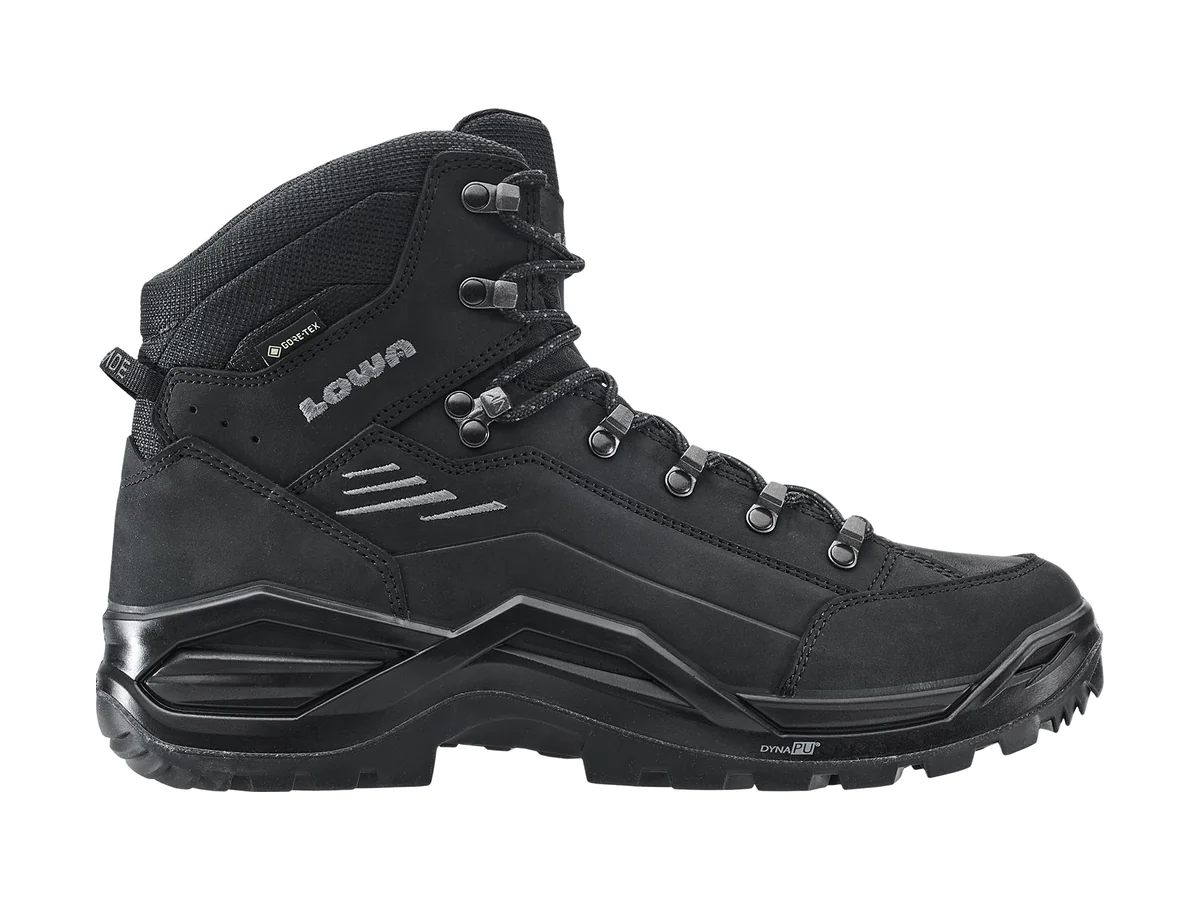
LOWA Renegade EVO GTX Mid
The LOWA Renegade EVO GTX Mid has a leather upper and a waterproof, windproof and breathable GORE-TEX membrane. Weigh the pair you will wear.
LOWA names pilgrimages and multi-day hikes among its uses. Its Vibram outsole and LOWA DYNAPU midsole complete the boot, but fit and breaking it in still need attention before departure.
What could be better: These boots need breaking in, so allow time to wear them before the trip.
Black Diamond Trail Back trekking poles
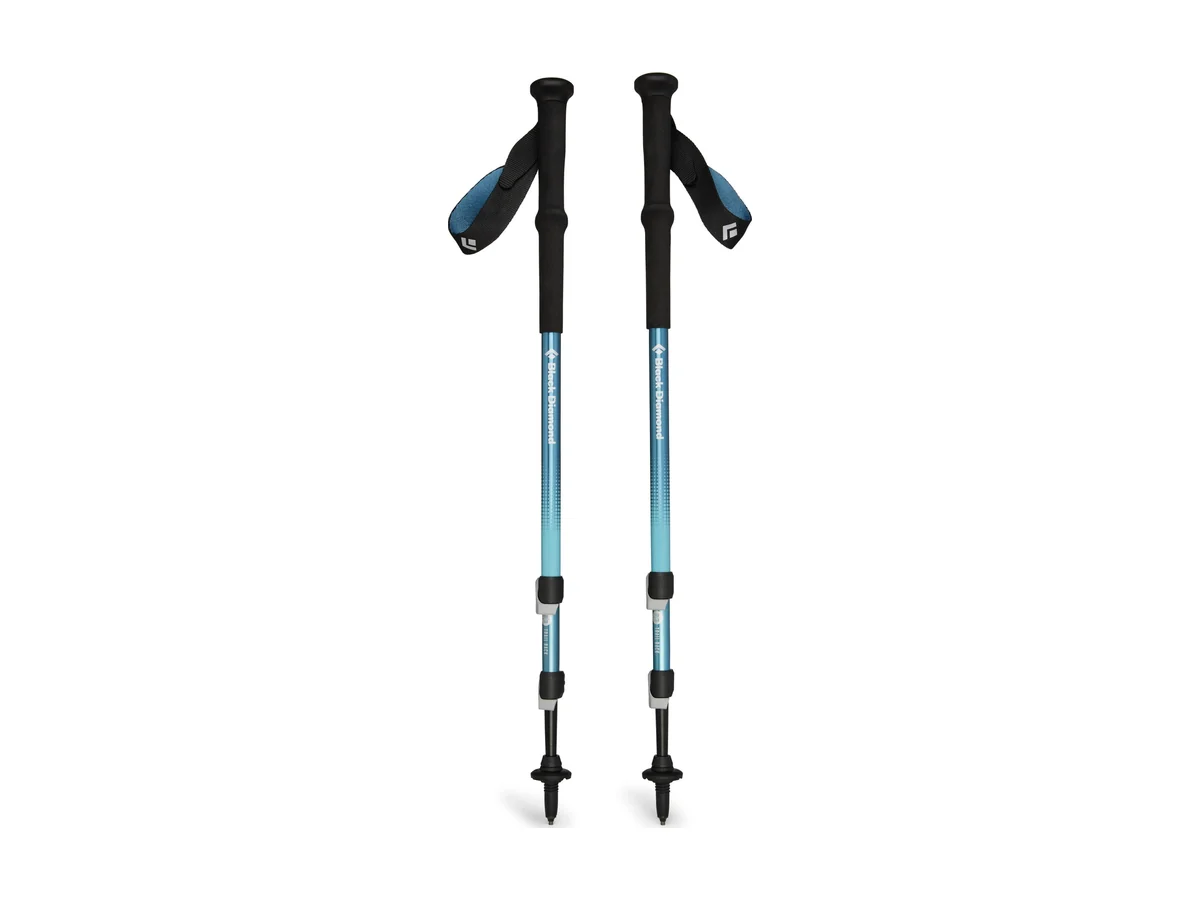
Black Diamond Trail Back Trekking Poles
The Black Diamond Trail Back trekking poles use 7075 aluminium and FlickLock adjustment, with a length range of 100 to 140 cm. Black Diamond lists both 534 g and 560 g per pair on its maker page.
The poles have carbide tips and replaceable baskets. Fit rubber tip protectors before walking, as required by SERNANP for metal pole tips.
What could be better: The carbide tips need rubber covers wherever local rules require rubber tips.
Rab Microlight Alpine Down Jacket
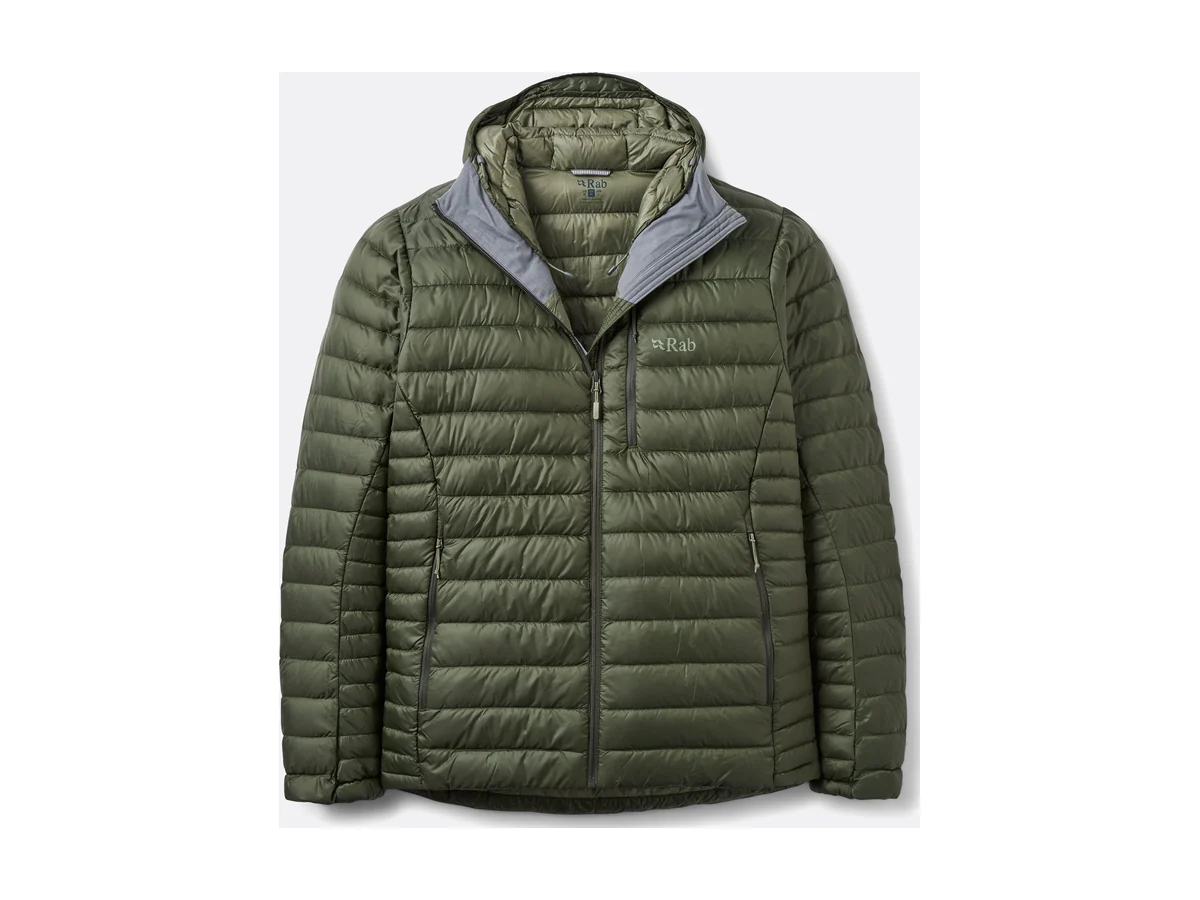
Rab Microlight Alpine Down Jacket
The men's Rab Microlight Alpine Down Jacket uses 700 fill power recycled down with a hydrophobic finish and a Pertex Quantum shell. Rab lists 428 g for size M.
Keep it dry for the evening rather than leaving it exposed to rain. The hood adds coverage when you settle into camp.
What could be better: The hydrophobic finish does not turn this down jacket into a rain jacket.
Black Diamond Fineline Stretch Rain Shell
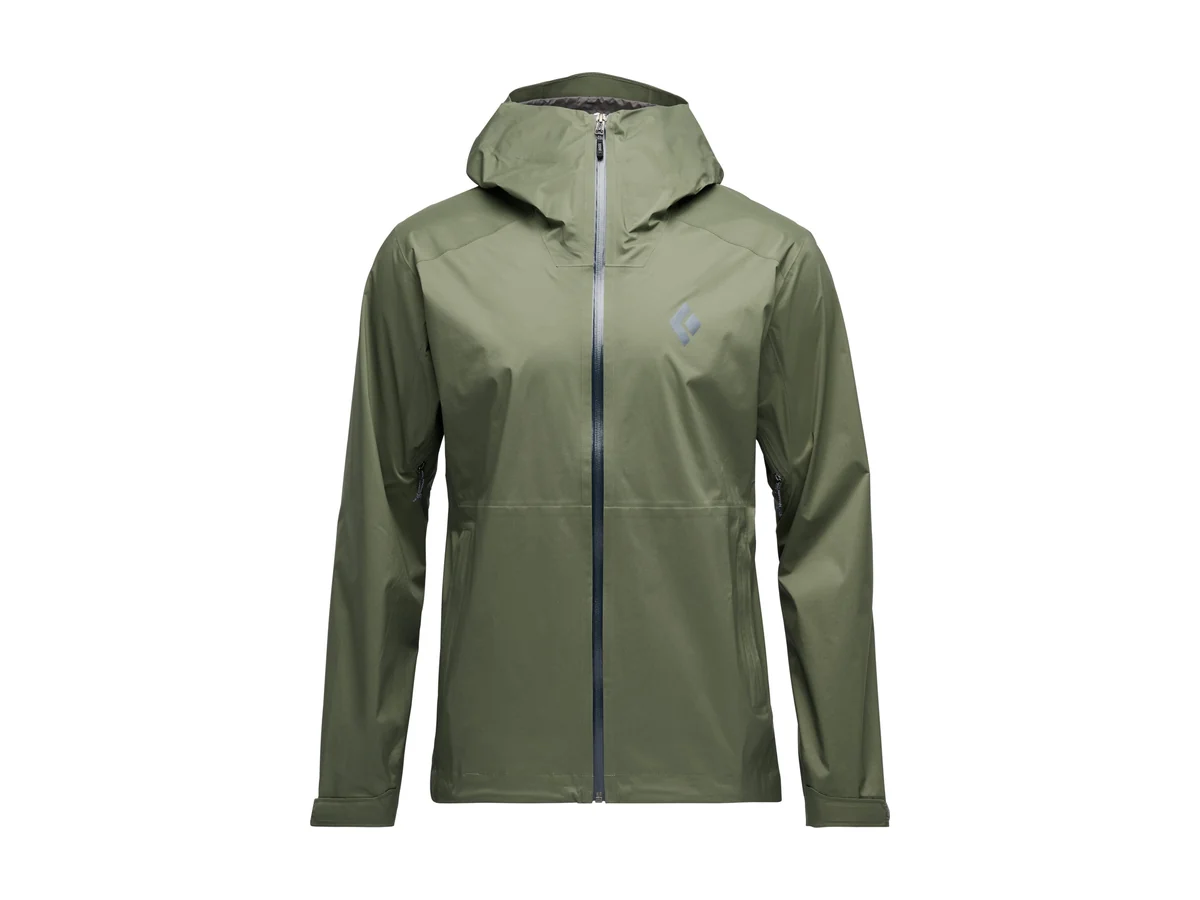
Black Diamond Fineline Stretch Rain Shell
The men's Black Diamond Fineline Stretch Rain Shell uses waterproof, breathable and windproof BD.dry stretch fabric. A maker weight is not listed.
Black Diamond builds this shell for downpours. Keep it accessible during the rainy season, and protect your spare clothes separately inside your pack.
What could be better: This rain shell has no insulation, so it does not replace a warm layer.
Sea to Summit Reactor Fleeceweight liner
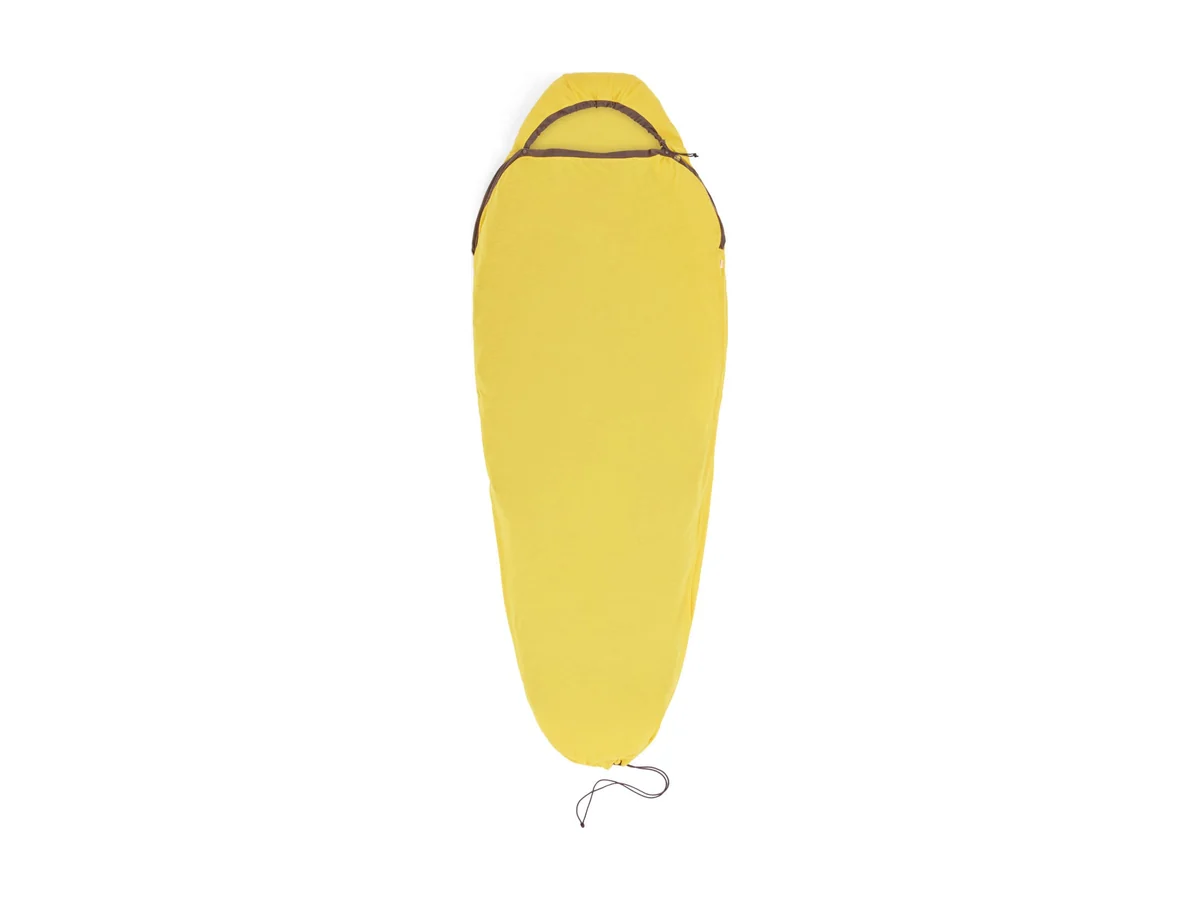
Sea to Summit Reactor Fleeceweight Liner
The Regular Sea to Summit Reactor Fleeceweight liner uses recycled polyester with Thermolite hollow-core fibres and grid fleece. Sea to Summit lists 400 g. The added warmth depends on the sleeping bag and mat used with it.
Use it inside your sleeping bag for this route's cold camps. It is an additional layer, so plan your sleeping bag for the conditions too.
What could be better: This liner does not replace a sleeping bag, and warmth depends on the bag and mat.
Darn Tough Hiker Micro Crew Midweight
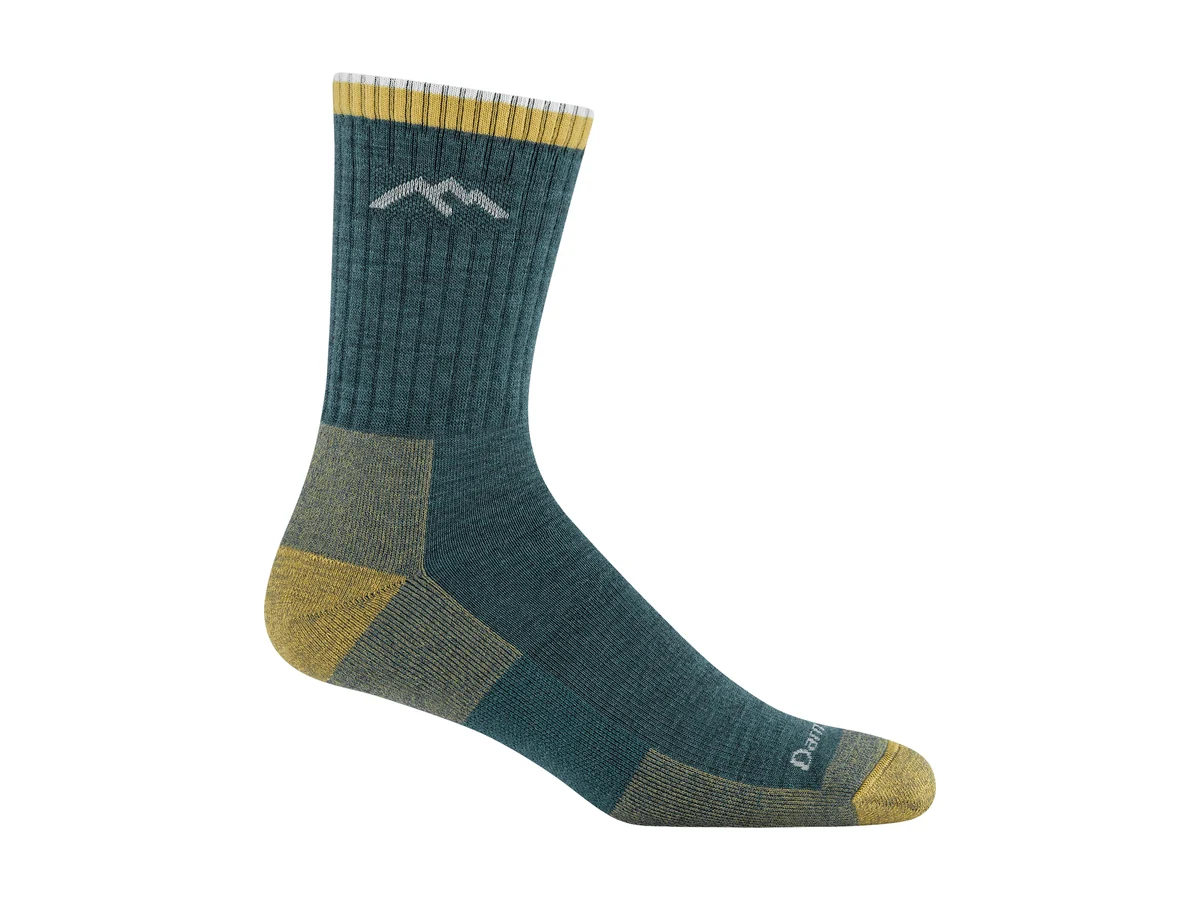
Darn Tough Hiker Micro Crew Midweight
The style 1466 Darn Tough Hiker Micro Crew Midweight contains 61% merino wool, 36% nylon and 3% Lycra. The maker does not list a weight.
Cushioned terry loops sit underfoot, with extra protection around the ankle and Achilles. Keep a spare pair dry and change into dry socks at camp.
What could be better: One pair of merino blend socks cannot be relied on to dry overnight in every climate.
Compeed blister plasters
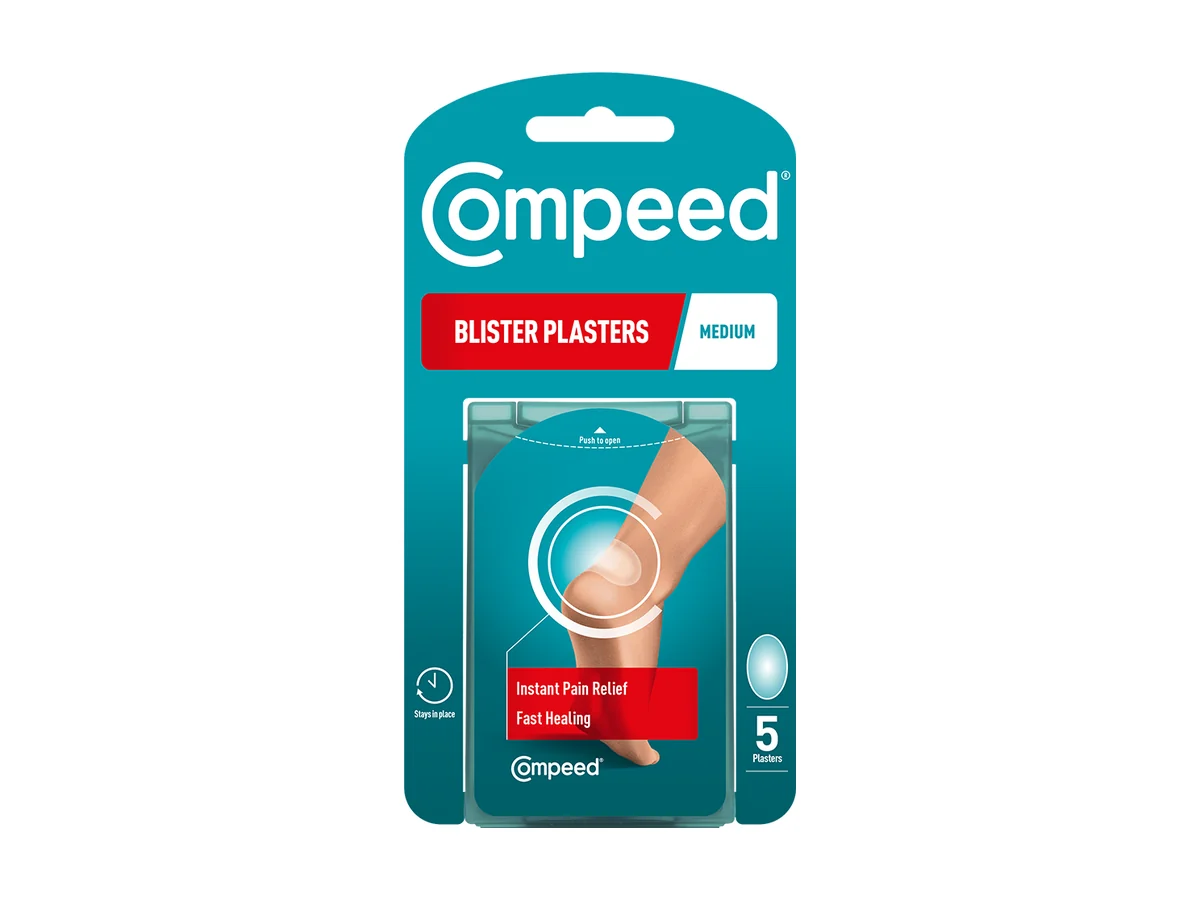
Compeed Blister Plasters (mixed)
Compeed blister plasters use hydrocolloid material with thick cushioning. The maker does not list a weight.
Compeed describes the plasters as water-repellent and breathable. Carry them with tape and stop to check your feet when a hot spot starts.
What could be better: These hydrocolloid plasters cover blisters, but they do not address what caused the rubbing.
Lonely Planet Peru

Lonely Planet Peru (12th edition)
Lonely Planet Peru, 12th edition, was published on 1 October 2025 and has 480 pages. A maker weight is not listed.
Read a little at camp, then write a few quiet lines in your journal. Keep the book and journal protected from rain alongside your dry clothes.
What could be better: This print edition dates from 2025, so check current rules rather than relying on the book alone.
Complete the rest of your packing list
Add your sleeping bag, a hat, sunscreen, a microfibre towel, tape and a journal. Use a pack liner, dry bag or zip bag to keep sleep clothes and spare socks dry. Keep your passport or valid ID ready for the checkpoint.
Confirm campsite sleeping arrangements with your licensed agency before choosing what to carry. SERNANP requires sleeping in assigned campsites. For Salkantay, choose sleeping equipment for the confirmed camps and expected conditions on that separate itinerary. See also our South America packing list and Katadyn vs Sawyer water filters. Sleeping outside on some stages? Read tent or hammock for pilgrims and our camping hammock guide.
- Choose broken-in leather boots for the classic trail's stone steps, rain and cold.
- Protect dry socks and sleeping layers, and carry a liner for your sleeping bag.
- Use an authorised agency and official guide, and fit rubber protectors to metal pole tips.
- Prepare for altitude before departure and respect the people, campsites and sacred places along the route.
Backpack weight calculator
Add what you carry, set the weight of each item in grams, and see your pack and your total in kg and lb.
FAQ

When is the best time to walk the Inca Trail?
Peru's official tourism site recommends April to October, the dry months. Camps are coldest from June to August. SERNANP closes the network every February for maintenance.
Can I sleep outside an assigned campsite or use a hammock?
SERNANP requires sleeping in assigned campsites only. Sleeping outside the assigned camp is not allowed. Confirm the permitted sleeping equipment with your licensed agency.
What should I pack for cold nights?
Bring a sleeping bag, a liner, a warm jacket and dry socks for sleeping. Keep these protected from rain during the walking day.
How should I prepare for the altitude?
Acclimatise in Cusco or the Sacred Valley before the trek and talk to a doctor before travelling. Go slowly. CDC advises descending if symptoms worsen.
Affiliate disclosure. This post contains affiliate links. If you click and buy something, this site earns a small commission at no extra cost to you. Check the selected model, size and version before ordering. As an Amazon Associate I earn from qualifying purchases. Read the full affiliate disclosure. Amazon and the Amazon logo are trademarks of Amazon.com, Inc. or its affiliates.
Your next step