5 Ways to Learn a Language as a Digital Nomad (What Actually Sticks in 2026)
Full disclosure: the Preply link in this post is a referral link. If you sign up through it, Preply may give me a reward at no extra cost to you, and you get 30% off your first trial lesson. One recommendation below, Learn Dutch with Chenzo, is me. I teach Dutch online and get paid if you book a lesson there. Every other link goes straight to the official site. This post contains affiliate links, and we may earn a small commission at no extra cost to you.
Want to learn a language as a digital nomad without spending years on an app? Here are the five methods that work on the road, what each is good for, and the mix that gets you talking fastest.
Quick answer
Book a 1-on-1 online tutor and use a free app for daily vocabulary on the side. Add a language exchange once you can say a few sentences. Apps alone get you words. A tutor gets you talking.
Quick links

Checked on 5 October 2026 on the Learn Dutch with Chenzo site: trial class 37.50 euro, regular lessons 75 euro per 50-minute lesson, minimum 4 lessons a month.
5 ways to learn a language as a digital nomad, at a glance
| Method | Best for | Cost | Speaking practice |
|---|---|---|---|
| 1. 1-on-1 online tutor | Speaking fast, fixed goals (exam, work, moving) | Paid per lesson | High |
| 2. Language apps | Daily vocabulary, the first few weeks | Free to start | Low |
| 3. Language exchange | Free conversation once you know the basics | Free | Medium to high |
| 4. Local classes | Staying in one place for a month or more | Paid per course | Medium |
| 5. Immersion | Using what you learned every day | Free | High, but only if you push yourself |
Why learn a language as a digital nomad at all
You can live in most nomad hubs on English alone. That's the problem: English keeps you in the bubble. A few local words change how people treat you, and if you stay longer, rental contracts, doctors and visa paperwork don't always come in English.
From the road
Wherever I am, I learn the basics of the language, so I really connect with the locals. As a traveler I think you should adapt and show interest in the culture, and not only sit with your own group.
Speaking several languages also got me work: in clubs, bars, restaurants, rafting companies and as a tour guide. On Aruba everyone spoke Dutch, and that is where my work in a beach bar started.
1. Book a 1-on-1 online tutor (top pick)
A tutor hears your mistakes, adjusts to your goal, and makes you talk from lesson one. You only need a laptop, headphones and a stable connection, and you keep the same teacher while you move. Working from shared spaces? Get good noise cancelling headphones.

- Preply: a large marketplace of online tutors for many languages. Book a trial lesson, continue with the tutor who fits. Through our link you get 30% off your first trial lesson (with tutors who charge $7 an hour or more).
- italki: another large tutor marketplace that works the same way.
Tips for choosing a tutor
- Book a trial lesson before committing to a package.
- Tell the tutor your real goal on day one: small talk, work, an exam, or moving.
- Two or three short lessons a week beat one long one.
What could be better: the most expensive method here, and it only works if you show up. Shaky internet? Check our eSIM comparison for nomads.
2. Use a language app for daily vocabulary
Ten minutes on the bus adds up. Duolingo is free to start with short gamified lessons, Babbel is paid and built around everyday conversations, and Pimsleur is paid and audio-first. What could be better: apps rarely make you speak to a real person. More apps in our list of travel apps every digital nomad needs.

3. Join a language exchange
You help someone with your language, they help you with theirs. Free, real conversation. Apps like Tandem and HelloTalk connect you with native speakers, and many cities have exchange meetups (ask in nomad communities such as Nomads.com (formerly Nomad List)). What could be better: as a total beginner it switches back to English fast, and nobody corrects you in a structured way.
4. Take a local class
Staying a month or more? A local school gives you structure, classmates and people outside the nomad scene. What could be better: groups move at the group's speed, which fits slow travel, not a new city every two weeks.
5. Immersion: use it every day
Order food and ask directions in the local language, switch your phone to it, watch local shows with subtitles in that language. What could be better: just living somewhere doesn't teach you. You have to choose the harder conversation.
The mix that works for most nomads
- Weeks 1 to 2: a free app every day, plus a trial lesson with a tutor.
- From week 3: two or three tutor lessons a week, app on the side.
- Once you can hold a basic conversation: add a language exchange and use it in daily life.
Heading to the Netherlands or Belgium? Learn Dutch with Chenzo
Disclosure again: Learn Dutch with Chenzo is me, so I get paid if you book a lesson there.
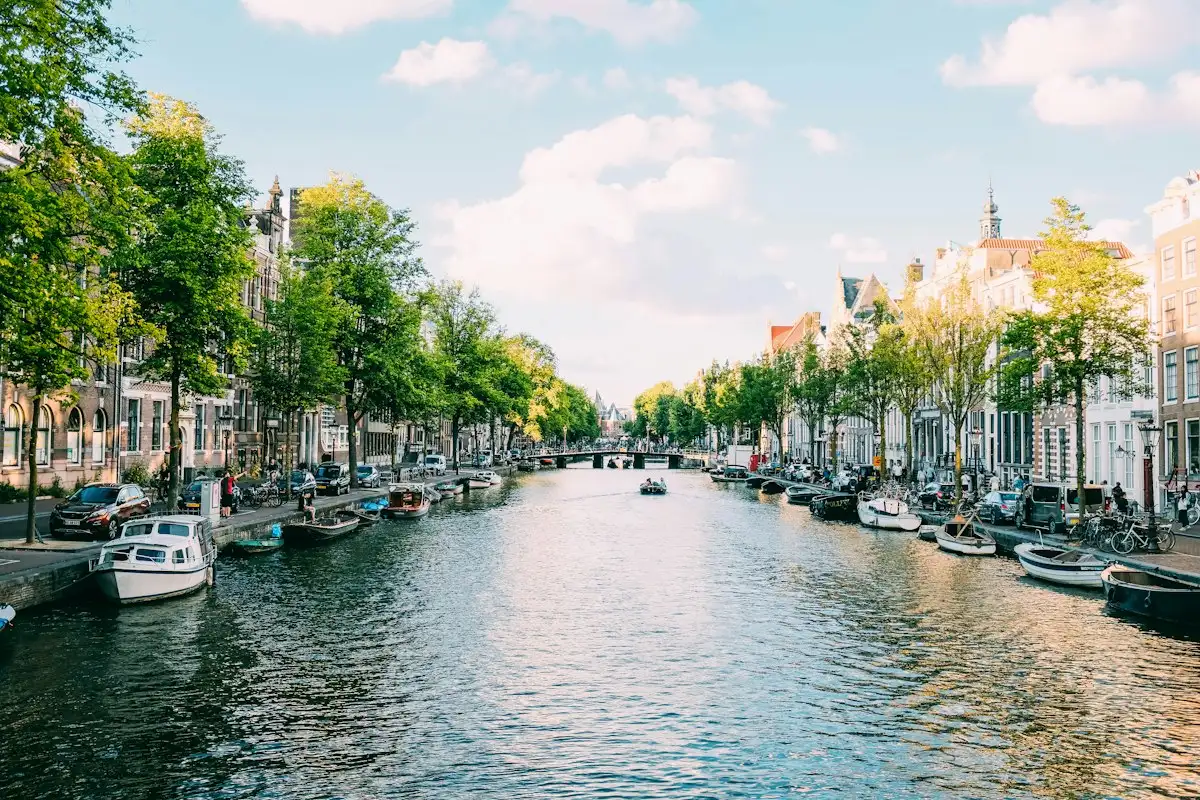
Dutch is spoken in the Netherlands, Flanders, Suriname, Aruba, Curacao and Sint Maarten. The US Foreign Service Institute puts it in its easiest group for English speakers. The catch: almost everyone in the Netherlands switches to English the moment you hesitate. A teacher who keeps you speaking Dutch makes the difference.
- Format: private 50-minute lessons live on Google Meet, from anywhere.
- Levels: complete beginners (A0) up to advanced (C1), adults and children.
- Focus: real conversation fast, or built around the inburgering (civic integration) exam or Dutch for work.
- Trial class: a full 50-minute lesson at 50% off, 37.50 euro instead of 75, to find your level and where you get stuck.
- Regular lessons: 75 euro per 50-minute lesson, minimum 4 lessons a month, cancel with 2 weeks notice. (Prices as listed on the site on 29 September 2026.)
- Track record: 7 years of teaching, 873 lessons taught, and a 5.0 out of 5 rating from 30 reviews on Preply.

Free guides, useful even if you never book: how long it takes to learn Dutch, the inburgering exam explained, how to pronounce the Dutch G and telling time in Dutch, with an interactive clock.
Related reading: 12 Free Personal Growth Resources for Digital Nomads (2026).
FAQ
Which language should I learn as a digital nomad?
Start with the language of the place where you stay longest. Spanish is a common choice because it covers Spain and most of Latin America, but the best language is the one you will use every day.
Can I learn a language with apps only?
You can learn a lot of words. Speaking is a different skill, and apps rarely train it. Add a tutor or a language exchange for real conversations.
Is it worth learning the language if I only stay a month?
Yes, at least the basics: greetings, numbers, ordering food, asking for help. People respond differently when you try.
Is Dutch hard to learn for English speakers?
It is one of the easier languages for English speakers, according to the US Foreign Service Institute. The hardest part is practice, because Dutch speakers switch to English so quickly.
Which method gets me speaking fastest?
A 1-on-1 online tutor. In the comparison above it is the only method with high speaking practice from lesson one, while apps give low speaking practice. Add a free app for daily vocabulary and a language exchange once you can say a few sentences.
How much is a trial class at Learn Dutch with Chenzo?
A trial class is a full 50-minute lesson at 37.50 euro instead of 75 euro (listed on learndutchwithchenzo.com, checked on 5 October 2026).
Final take
Pick one main method and one support method: for most nomads a 1-on-1 tutor plus a free app. Then use the language every day. Going to the Netherlands or Belgium? Start with a trial class at Learn Dutch with Chenzo. More on life on the road: How to become a digital nomad in 2026.






One Comment