

Digital Nomad Tax Residence Explained: 5 Best Countries (2026)
Some links on this page earn us a small commission, at no extra cost to you. Full disclosure.
Quick answer
For digital nomad tax residence in 2026, the five strongest legal options are the UAE (0 percent personal tax), Georgia (1 percent for small businesses), Thailand LTR, Cyprus Non Dom and Portugal. Leaving your home tax residence properly matters as much as the country you pick.
Quick links

Tax is the part of nomad life nobody thinks about until the bill is bigger than the rent. The internet is full of half truths and outright illegal tips. The truth is simpler: digital nomad tax residence can be set up legally, with real low tax options, if you do it right. This is not financial advice (we are not your accountant). It is the honest landscape: the five countries that keep coming up as the best legal options, and the rules that matter.
The Foundational Concept
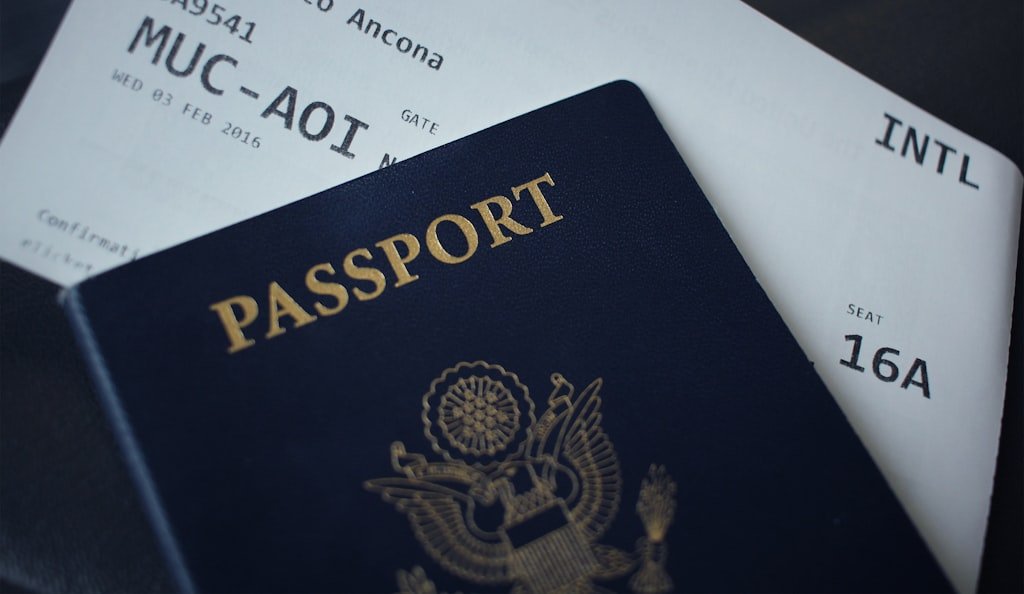
Tax residence is not the same as visa residence. You can have a digital nomad visa in Spain but be tax resident in Portugal. You can have no visa at all but be tax resident in your home country because of a 183 day rule.
Most countries decide your tax residence based on some combination of:
- Physical presence (usually 183 days per calendar year)
- Center of vital interests (where your family, primary home, business is)
- Permanent home test (do you have a home available year round)
- Citizenship (the US is the main country that taxes its citizens wherever they live)
The goal for most nomads is to legally leave tax residence in their high tax home country, become tax resident in a friendly country, and have the paper trail to prove both.

The Key Question Before Anything Else
Are you a US citizen?
If yes, you are taxed on worldwide income regardless of where you live. The Foreign Earned Income Exclusion (FEIE) can exempt up to 132,900 USD for tax year 2026 if you qualify (IRS), but you still file every year. The only legal way to fully escape US tax is to renounce citizenship, which has expatriation tax implications and is a big decision.
If not, the rules usually follow the 183 day test and your center of life. Many non US nomads can legally exit their home tax residence once they have left properly, but how and when depends entirely on the home country's rules. The rest of this article assumes you are not a US citizen; US citizens should focus on the FEIE instead.
The 5 Best Countries For Nomad Tax Residence
1. Portugal (Until Recently, And Still Decent)
Portugal was the gold standard thanks to the Non Habitual Resident (NHR) program: 0 to 20 percent tax on most foreign income for 10 years. NHR closed to new applicants in 2024. Its replacement, IFICI, is narrower and mostly aimed at highly qualified workers in research and innovation.
Even without NHR or IFICI, Portugal stays on most lists thanks to its tax treaties, lifestyle, infrastructure and EU access. Without IFICI, normal progressive Portuguese income tax rates apply, so get advice on your own numbers.

2. Cyprus (Non Dom Regime)
Cyprus has one of the friendliest tax regimes in the EU. The Non Dom status applies to anyone who is tax resident in Cyprus but not domiciled there (most foreigners qualify). Non Doms pay 0 percent on:
- Dividend income from foreign sources
- Interest income from foreign sources
- Capital gains on most investments
The regime lasts 17 years. To become tax resident you need 183+ days a year in Cyprus, or 60 days under the special rule (you are not tax resident anywhere else, do not spend more than 183 days in any other single country, have business or employment ties in Cyprus and keep a home there).
What to know: the Non Dom benefit is mainly about dividends and interest. Salary and business income are still taxed at Cyprus's normal progressive rates, so run the numbers with an advisor.
3. UAE (Dubai or Abu Dhabi)
The UAE has 0 percent personal income tax. For tax residence you need a UAE residence visa (such as the Virtual Working Programme) plus 183+ days in the country, or a proven center of life there. A 9 percent corporate tax now applies to businesses earning over 375000 AED, but personal foreign income stays untaxed. The UAE Federal Tax Authority adds that an individual only falls under corporate tax when their business turnover is above AED 1 million, and that employment income and personal investment income are left out.

Dubai is not cheap (3500+ USD a month for a comfortable life), but on a higher income the tax savings easily cover it. Realistic rate: 0 percent on personal income, 9 percent on corporate income above the threshold.

4. Thailand (LTR Visa or DTV)
Thailand introduced the Long Term Resident (LTR) visa in 2022 and the Destination Thailand Visa (DTV) in 2024. Only the LTR comes with tax benefits:

- LTR: 17 percent personal income tax for highly skilled professionals and a tax exemption for overseas income, according to Thailand's Board of Investment
- DTV for digital nomads: a long stay visa with no special tax exemption, so normal Thai tax rules apply once you are tax resident
Tax residence starts at 180+ days in Thailand in a year. Both visas let you bring family. Chiang Mai, Bangkok and Phuket all work as bases, and costs are low compared to the UAE or Cyprus.

For the tax benefit, the LTR is the route to look at; its income bar is high (80,000 USD a year for the work from Thailand category).
One catch the visa does not remove: Thailand's Revenue Department says a resident, meaning someone who stays in Thailand more than 180 days in a calendar year, is taxed on income from foreign sources that is brought into Thailand. Plan with an advisor before you move money in.
5. Georgia (1 Percent Small Business Regime)
Georgia offers a unique tax regime for small businesses. If you register as an Individual Entrepreneur with Small Business Status and your turnover is under 500000 GEL/year (around 180K USD), you pay 1 percent flat tax on revenue.
Tax residence requires 183 days in Georgia. Many passports can also stay in Georgia visa free for up to a year, which makes it easy to spend the required time there. That year is for visiting: UK government travel advice says that since 1 March 2026 a foreign national who wants to work in Georgia, including working remotely or running a business, must have a work permit (UK government travel advice, checked 5 October 2026). Check the official Georgian sources for your passport before you plan to work there.
Lifestyle in Tbilisi is good and the cost of living is low. The bureaucracy is real but manageable.
Realistic tax rate for a remote worker registered as a small business: 1 percent on revenue. This is one of the lowest legal tax rates available anywhere.

Side By Side
| Country | Tax Rate (foreign income) | Residence Requirement | Cost of Living | Best For |
|---|---|---|---|---|
| Portugal (after NHR) | Normal rates unless IFICI applies | 183 days | Mid | EU lifestyle |
| Cyprus (Non Dom) | 0% on most foreign dividends and interest, normal rates on salary | 60 or 183 days | Mid | EU access plus low tax |
| UAE | 0% | 183 days | High | High earners |
| Thailand (LTR) | Overseas income exempt (LTR) | 180 days | Low | Asia base, lifestyle |
| Georgia (1% IE) | 1% on revenue | 183 days | Low | Solo entrepreneurs |

The Honest Mistakes To Avoid
Claiming you have no tax residence. Keep moving and never stay 183 days anywhere, and you pay nothing? This rarely holds up. Your home country keeps you as resident until you prove residence elsewhere. Gain a friendly residence instead.
Ignoring your home country's exit rules. Most countries want you to formally leave: file the right forms, deregister and prove you have gone. Skip this and they keep taxing you, even at 0 days a year.
Mixing structures. A Portuguese visa, 100 days in Bali, 100 in Cyprus, and tax free everywhere? One of those countries, or your home country, probably has a claim. Pick one main residence and build around it.
When To Get Professional Help
This article is general information. The moment real money moves or the move becomes official, hire a tax advisor in your new country, and possibly one at home to handle the exit. A good cross border advisor is not cheap, but at a solid income the fee usually pays for itself quickly.
- Tax residence is not the same as visa residence. Most countries use the 183 day rule plus where your center of life is.
- US citizens are taxed on worldwide income wherever they live. The Foreign Earned Income Exclusion can exempt up to 132,900 USD for tax year 2026 if you qualify, but you still file every year.
- The five legal options that keep coming up: Portugal, Cyprus (Non Dom), the UAE, Thailand (LTR) and Georgia (1 percent small business regime).
- Leaving your home tax residence properly matters as much as the country you pick. Claiming no residence anywhere rarely holds up.
- This is general information. Once real money moves, hire a tax advisor in your new country and possibly one at home.
Final Take
Tax residence as a digital nomad is solvable in 2026. Skip the influencers who say they pay zero with no real structure. Pick one of the legal options above, hire a real advisor in that country and set it up cleanly, so you can sleep at night.
For more on the financial side, see our banking comparison and visa guide. Many nomads keep a multi currency account such as Revolut next to their home bank while they change residence.
Moving to one of these places? See our Dubai guide, Cyprus guide and Portugal D8 visa guide for the practical side.

Before you go
Changing your base? Two practical pieces help from day one: an account that handles several currencies, and health cover that works across borders.


FAQ
Do digital nomads pay taxes?
Yes. Tax obligations exist somewhere, even for nomads. The question is which country has the claim. Most nomads are tax resident in either their home country, a digital nomad friendly country, or a country with friendly tax rules they have set up residence in.
What is the best country for digital nomad taxes in 2026?
It depends on income and lifestyle. UAE for the highest earners. Cyprus Non Dom for EU access plus low tax. Thailand LTR for high earners who want an Asia base. Georgia 1 percent regime for solo entrepreneurs. Portugal for those who can still qualify for IFICI.
Can I be a tax resident of no country?
In theory yes, but in practice your home country usually keeps you as resident until you prove residence elsewhere. The legal play is to gain a friendly residence, not to claim no residence anywhere.
Do US citizens pay tax even when living abroad?
Yes. The US taxes worldwide income on its citizens regardless of where they live. The Foreign Earned Income Exclusion can exempt up to 132,900 USD for tax year 2026 if you qualify. The only full escape is renouncing US citizenship, which has its own consequences.
How long do I need to stay in a country to become tax resident?
The most common rule is 183 days per calendar year. Some countries have shorter routes (Cyprus 60 days under certain conditions). Always check the specific rules for the country you target.
Does Thailand tax income I earn abroad?
It can. Thailand's Revenue Department treats anyone who stays more than 180 days in a calendar year as a resident, and a resident is taxed on foreign income that is brought into Thailand. Get advice on your own numbers before you transfer money in.
Do freelancers pay corporate tax in the UAE?
Only above a limit. The UAE Federal Tax Authority says individuals are subject to corporate tax only when their business turnover is above AED 1 million, and employment income and personal investment income are excluded.
Updated:
Affiliate disclosure. This post contains affiliate links. If you click and buy something, this site earns a small commission at no extra cost to you. Picks are based on published specs, independent reviews and manufacturer information, and we only recommend what we would use ourselves. As an Amazon Associate I earn from qualifying purchases. Read the full affiliate disclosure.