Digital Nomad Visa Guide 2026: 30+ Countries Compared
Some links on this page earn us a small commission, at no extra cost to you. Full disclosure.
Quick answer
This digital nomad visa guide compares 43 countries. The easiest options in 2026 are Georgia (a year visa free for many passports, no application needed) and Costa Rica. Georgia's year is for visiting, not working: UK government travel advice says that since 1 March 2026 a foreign national who wants to work in Georgia, including working remotely or running a business, must have a work permit (UK government travel advice, checked 5 October 2026). Portugal and Spain are the most popular for a long term EU base. Almost every nomad visa asks for proof of income and health insurance, so sort your cover before you apply.
Quick links

A few years ago, digital nomad visas barely existed. Today dozens of countries offer one, under names like freelance visa, remote work visa or independent worker permit. The idea is always the same: a legal way to live in a country for 6 months to several years while working remotely, often with friendly tax rules. Below are the income thresholds, durations, costs, tax perks and the catches most articles skip.
- Georgia (a year visa free for many passports) and Costa Rica are among the easiest. Georgia's year is for visiting: since 1 March 2026 UK government travel advice says working there, including remotely, needs a work permit. Portugal and Spain are the most popular for a long term EU base.
- Income thresholds and fees change every year: check the official immigration or consulate page before you apply.
- Almost every nomad visa asks for proof of income and health insurance.
- A nomad visa does not free you from tax at home by itself.
- The single biggest reason for rejection is income proof that does not clearly meet the threshold.
- For most nomads the smart first move is one country for 6 months, legally, to see if the lifestyle fits.
What A Digital Nomad Visa Actually Gets You
- The right to live legally in the country for 6 to 24 months (some renewable up to 5 years)
- The right to work remotely for foreign companies or run a foreign business
- Access to local services (open a local bank account, sign a lease, register a car)
- In some countries, a path to residence or even citizenship after enough years
- In some countries, special tax rules (flat tax rate or partial exemption)
What it does not give you: the right to work for local companies (in most cases), the right to vote, or automatic access to public healthcare. You usually need private insurance. It also does not make you tax resident by itself, that depends on local rules.

SafetyWing
The Top 10 Digital Nomad Visas For 2026
Income thresholds and fees change every year, often because they are tied to a minimum wage or average salary. Where we could check a figure on an official page in Sept 2026, it is listed with the source. Everything else: check the official immigration or consulate page before you apply.
1. Portugal (D8 Visa)
- Income requirement: at least four times the Portuguese minimum wage, which is updated every year (the 2026 minimum wage is EUR 920 a month according to Portugal's labour authority DGERT, so four times that is EUR 3,680 a month)
- Duration: leads to a residence permit that can be renewed; a path to permanent residence
- Cost: consular visa fee plus residence permit fees, check your consulate
- Tax: the NHR regime closed to new applicants in 2024; its replacement, IFICI, is narrower and aimed at specific highly qualified roles
- Best for: nomads who want to stay in Europe long term

2. Spain (Digital Nomad Visa)
- Income requirement: at least 200 percent of the Spanish minimum wage, which is updated every year (Royal Decree 126/2026 sets the 2026 minimum wage at EUR 17,094 a year; counted over 12 months, 200 percent comes to about EUR 2,849 a month, so confirm the exact figure with your consulate)
- Duration: up to 1 year as a visa, then a residence permit you can renew, up to 5 years in total
- Cost: consular fee, check your consulate
- Tax: Beckham Law option, 24 percent flat tax on Spanish income
- Best for: nomads who want EU access with Spanish lifestyle
3. Estonia (Digital Nomad Visa)
- Income requirement: 4,500 EUR a month (Estonia's official e-Residency site, Sept 2026)
- Duration: up to 1 year
- Cost: standard Estonian visa fee, check the embassy
- Tax: depends on stay length, becomes resident after 183 days
- Best for: nomads who want the e Residency ecosystem and EU base
4. Croatia (Temporary Stay for Digital Nomads)
- Income requirement: 3,622.50 EUR a month (2.5 times the average net salary of the previous year), plus 10 percent of the average net salary per family member (Croatian Ministry of the Interior, Sept 2026)
- Duration: up to 18 months; a new application is possible 6 months after the previous stay ends
- Cost: administrative fees, check the Ministry of the Interior page
- Tax: digital nomads working for foreign employers are generally not taxed in Croatia on that income, confirm with a tax adviser
- Best for: a long stay on the Adriatic
5. Mexico (Temporary Resident Visa)
- Income requirement: proof of steady monthly income or savings; each consulate sets the amounts and they change every year
- Duration: 1 year, renewable up to 4 years in total, then a path to permanent residence
- Cost: consular fee plus the residence card fee in Mexico
- Tax: residence based, you can become tax resident once your center of life is in Mexico
- Best for: nomads who want a Latin American base and a long term path to residence
6. Costa Rica (Digital Nomad Visa)
- Income requirement: stable income from abroad, 3,000 USD a month for one person and more with family
- Duration: 1 year, renewable once
- Cost: application fee, check the Costa Rican immigration service
- Tax: income earned from abroad is not taxed in Costa Rica
- Best for: nomads who want Latin America with a clear tax position
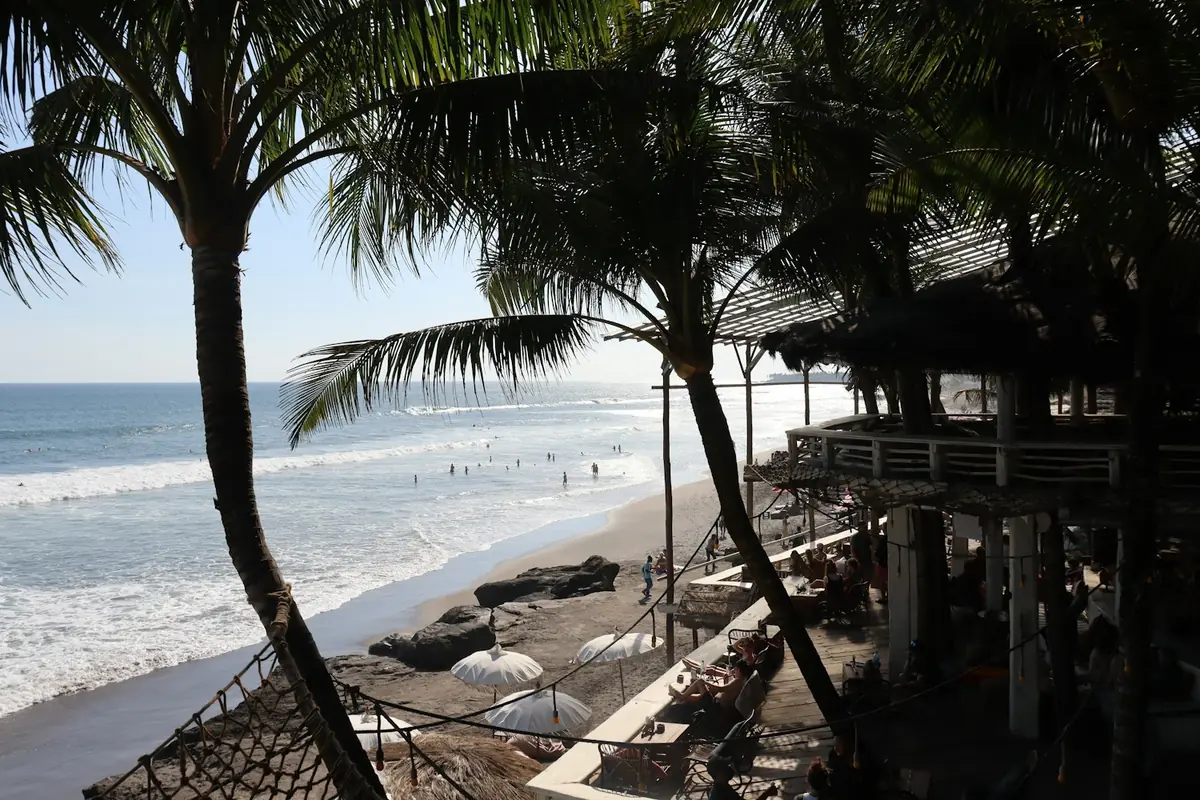
7. Indonesia (Remote Worker Visa, Second Home Visa)
- Both visas are listed on Indonesia's official e-Visa website, run by the Directorate General of Immigration
- Remote Worker visa (E33G): for people employed by a company outside Indonesia, with proof of income of at least USD 60,000 a year; 1-year stay, official fee IDR 7,000,000 (eVisa site, Sept 2026)
- Second Home visa (E33): a long stay visa with a proof of funds requirement (USD 130,000 in an Indonesian state-owned bank, or an apartment worth at least USD 1,000,000); first stay permit up to 5 years, extendable to 10 years in total; official fee IDR 13,000,000 (imigrasi.go.id, Sept 2026)
- Tax: check with a local tax adviser before you stay longer than 183 days
- Best for: long term Bali base
8. Thailand (LTR Visa, DTV Visa)
- LTR (work from Thailand category): minimum personal income of 80,000 USD a year over the past two years, valid 10 years (Thai Board of Investment, Sept 2026)
- LTR tax: 17 percent personal income tax for highly skilled professionals and a tax exemption for overseas income, according to the Board of Investment
- DTV (Destination Thailand Visa): for digital nomads, remote workers and freelancers, applied for through the Thai e-Visa system; spouse and children can apply too
- DTV tax: no special tax exemption, so check Thai tax rules if you stay 180 days or more in a year
- Best for: long term Thailand base
9. UAE (Virtual Working Programme, Dubai)
- Income requirement: proof of income from a job or business abroad, check the current threshold with Dubai's immigration authorities
- Duration: 1 year, renewable
- Cost: visa, medical and Emirates ID fees
- Tax: 0 percent personal income tax
- Best for: nomads who prioritize tax efficiency and Gulf base
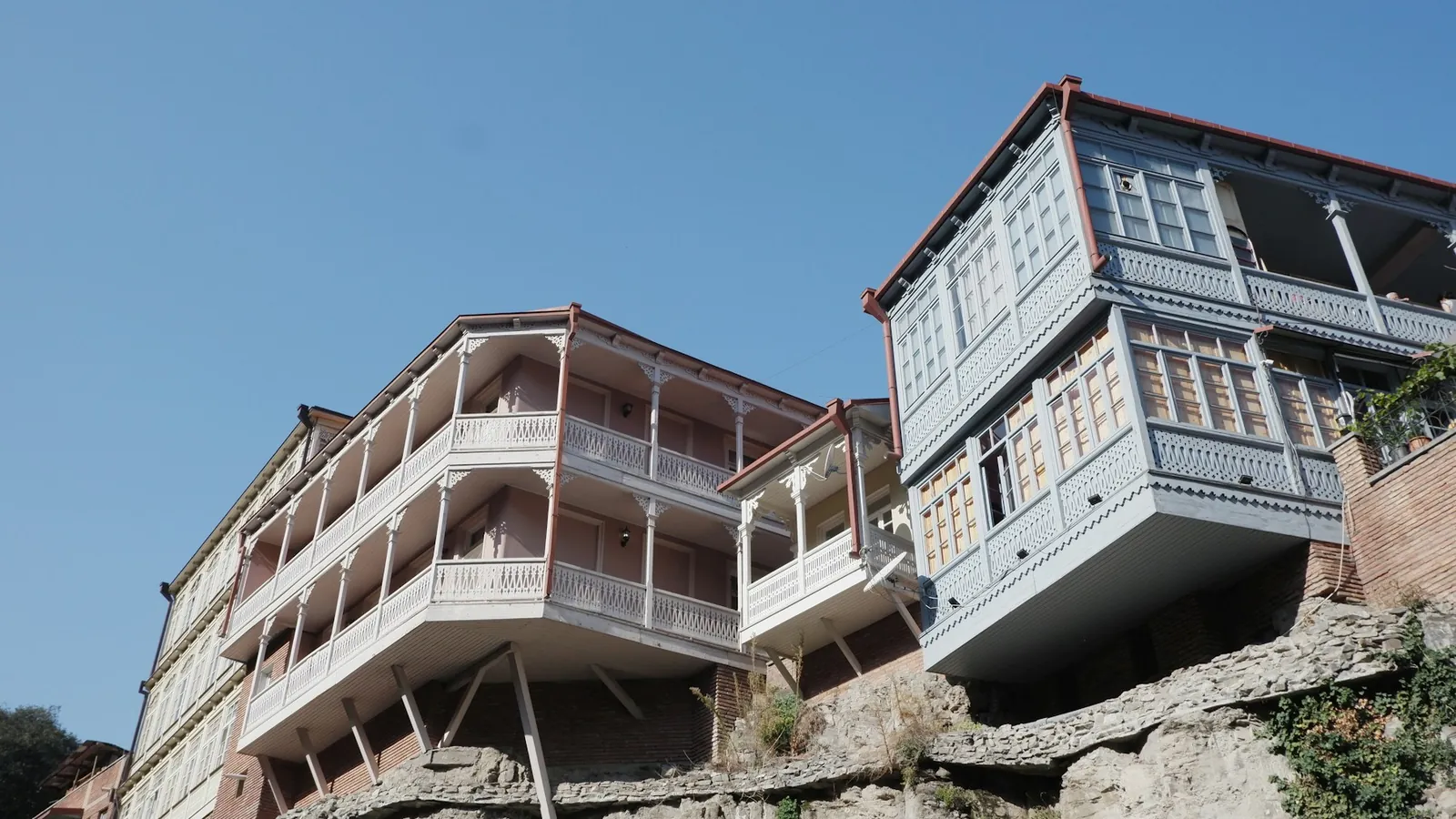
10. Georgia (One Year Visa Free)
- Georgia has no special nomad visa to apply for: citizens of many countries, including the EU, the US and the UK, can stay visa free for up to one year
- Working there: the visa-free year is for visiting. UK government travel advice says that since 1 March 2026 a foreign national who wants to work in Georgia, including working remotely or running a business, must have a work permit (UK government travel advice, checked 5 October 2026). Georgian law lists exceptions, for example work for a non-resident employer that relates to activities outside Georgia, so check your own case in the Law of Georgia on Labour Migration (Article 1, paragraph 4, points j and k, matsne.gov.ge) before you plan to work.
- Cost: free, no application
- Tax: tax residence after 183 days in a year; Individual Entrepreneurs with Small Business Status can pay 1 percent on turnover up to 500,000 GEL a year
- Best for: budget nomads, low tax for online business
Other Countries With Nomad Visas Or Similar Permits
These countries also run a digital nomad visa, remote work permit or freelance permit. Income thresholds, durations and tax rules change often, so check the official immigration site of each country before you plan around them:
- Europe: Albania (Unique Permit), Bulgaria, Cyprus, Czech Republic (Zivno trade licence), Germany (freelance permit), Greece, Hungary (White Card), Iceland, Italy, Latvia, Malta (Nomad Residence Permit), Montenegro, Norway (Independent Contractor), Romania
- Latin America: Argentina, Brazil, Colombia, Ecuador, Panama, Uruguay
- Caribbean and Atlantic: Anguilla, Antigua and Barbuda (Nomad Digital Residence), Barbados (Welcome Stamp), Bermuda (Work from Bermuda), Cayman Islands, Curaçao
- Africa and Indian Ocean: Mauritius (Premium Visa), Seychelles, South Africa
- Asia: Japan, Malaysia, South Korea, Taiwan
How To Actually Pick One: Four Factors
1. Income. The first filter. On 3000 USD a month, half of these visas are out of reach, so stick to thresholds you actually meet.
2. Tax treatment. This is where the real money is. A 0 to 10 percent effective rate can save you 30 to 50 percent compared to many home countries. Portugal IFICI, the Cyprus Non Dom regime, the UAE's 0 percent personal income tax and Georgia's small business regime are popular for this reason in 2026.
3. Lifestyle fit. Tax perks only matter if you want to live there. A 0 percent rate in the Cayman Islands helps little if the cost of living eats the savings.
4. Long term path. Some visas end after a year, others lead to permanent residence and citizenship. Want to settle? Look at Portugal, Spain, Mexico, Italy and Cyprus.

The Tax Reality Most Articles Skip
A nomad visa does not free you from tax at home by itself. The basics:
- US citizens: taxed on worldwide income regardless of where you live, with the Foreign Earned Income Exclusion of up to 132,900 USD for tax year 2026 if you qualify (IRS)
- Most other countries: stop being tax resident when you stop spending 183+ days per year there (rules vary, check your home country specifics)
- Tax treaties: most countries have tax treaties that prevent double taxation
The clean play: legally leave tax residence at home, become tax resident somewhere with friendly rules, and keep the paper trail for both. This is where you need a tax advisor, not a blog post.
For more on this, see our digital nomad tax residence guide.
The Application Process
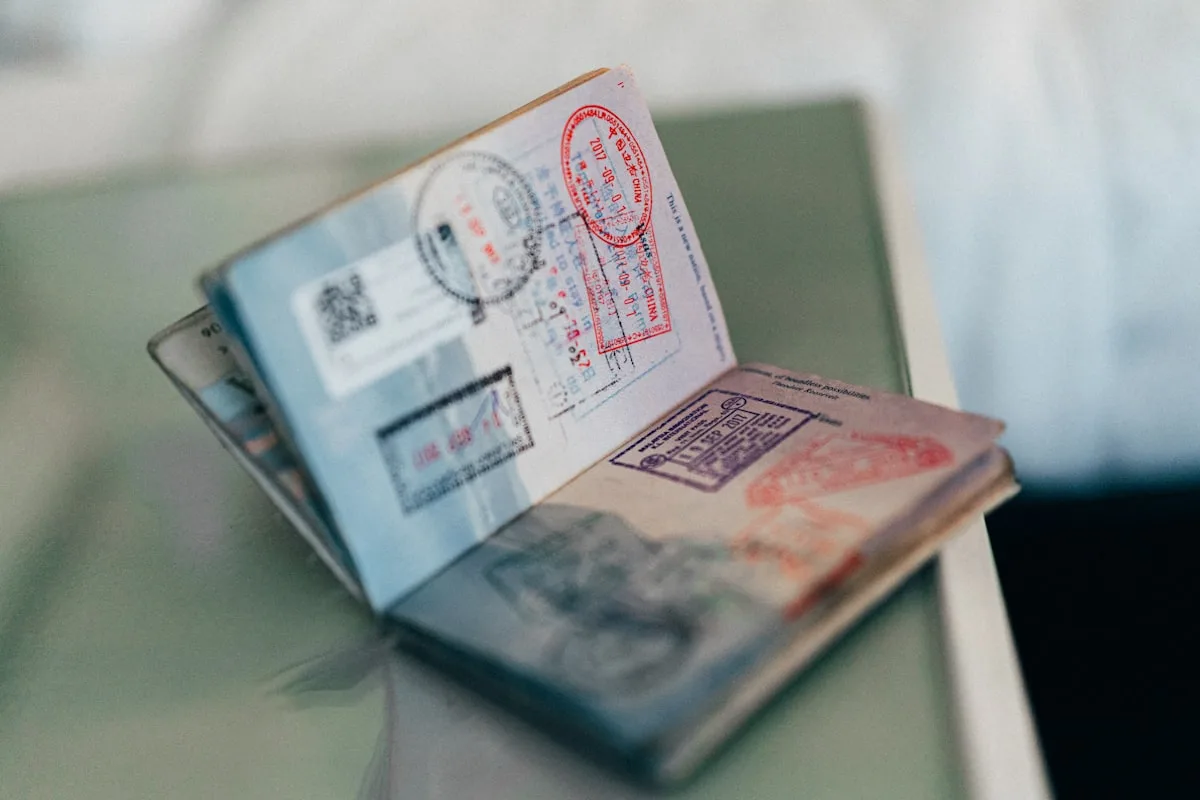
- 1Gather documents: passport, proof of income (3 to 6 months bank statements or contracts), background check, health insurance, accommodation proof
- 2Apply through the consulate or online portal (depends on country)
- 3Pay the application fee (it varies a lot per country)
- 4Wait for approval (processing times vary per country and consulate)
- 5Travel to the country and pick up the visa or biometric card
The single biggest reason for rejection is income proof that does not clearly meet the threshold. Bring 6 months of statements showing consistent income. Spotty income with one big invoice will often get denied.
Before you go
Most nomad visas ask for proof of health insurance, so sort your cover before you apply.
Final Take
Digital nomad visas have grown from a marketing gimmick into a real option, with legal stays of 1 to 10 years and often serious tax benefits. For most nomads the smart first move is one country for 6 months, legally, to see if the lifestyle fits. Optimizing tax residence across several countries in year one mostly brings confusion.
For the rest of the long term planning, our tax residence guide and cost of living comparison are the next pieces.
Want the detail for one country? Start with our Portugal D8 visa guide, the Tbilisi guide, the Thailand guide or the Malaysia digital nomad visa guide.
FAQ
What is the easiest digital nomad visa to get?
Georgia (a year visa free for many passports, no application) and Costa Rica are among the easiest. Georgia's year is for visiting: since 1 March 2026 UK government travel advice says working there, including remotely, needs a work permit. Portugal and Spain are the most popular but more competitive.
Can I work for my home country employer on a digital nomad visa?
Yes, that is exactly what these visas are designed for. You work remotely for foreign clients or employers while living in the host country.
Do digital nomad visas give a path to citizenship?
Some lead to permanent residence and, after more years, citizenship (for example in Portugal, Spain and Mexico). The number of years differs per country and the rules change, so check the current nationality law. Many other visas are time limited and do not lead to citizenship.
What is the cheapest digital nomad visa?
Georgia costs nothing, because many passports get a year visa free. That year is for visiting: since 1 March 2026 UK government travel advice says working there, including remotely, needs a work permit. Most other countries charge an application fee, and some Caribbean programmes charge much higher fees than European or Latin American visas.
Do I need to be a tax resident in the country I have a nomad visa for?
Not automatically. Tax residence is based on local rules (usually 183 days of physical presence). Some nomads use the visa for legal stay but remain tax resident in their home country or another low tax country.
How much income do I need for the Portugal and Spain nomad visas in 2026?
Portugal asks for four times the minimum wage, which is EUR 920 a month in 2026 (DGERT), so EUR 3,680 a month. Spain asks for 200 percent of its minimum wage, which Royal Decree 126/2026 sets at EUR 17,094 a year, so about EUR 2,849 a month when counted over 12 months. Thresholds change every year, so check with your consulate before you apply.

Updated:
Affiliate disclosure. This post contains affiliate links. If you click and buy something, this site earns a small commission at no extra cost to you. Picks are based on published specs, independent reviews and manufacturer information, and we only recommend what we would use ourselves. As an Amazon Associate I earn from qualifying purchases. Read the full affiliate disclosure.





2 Comments