
Digital Nomad Taxes Banking
Some links on this page earn us a small commission, at no extra cost to you. Full disclosure.
Quick answer
You almost certainly owe taxes somewhere: the question is where. Tax residency, not citizenship, decides. Start with three things: identify your tax residency, set up a banking system (at minimum a home account for security plus Wise for global transfers) and track your income and expenses from day one.
Checked on 5 October 2026 against IRS pages: the foreign earned income exclusion is $132,900 for tax year 2026 (Revenue Procedure 2025-32), and the IRS FBAR page sets the foreign-account reporting threshold at $10,000. This is general information, not tax advice.
Complete Guide to Digital Nomad Taxes and Banking
Master Your Money While Traveling the World
Filing wrong, leaving money on the table, stressing about banking in different countries: tax and banking mistakes are common for nomads. This guide covers what to know before your first year on the road.
The good news? You don't have to be an accountant to get it right. You just need a system, the right tools, and honest answers to a few key questions about where you live and work.
Part 1: Tax Residency Basics
The biggest myth about digital nomad taxes is that if you don't live in one country, you don't owe taxes anywhere. That's wrong. You almost certainly owe taxes somewhere. The question is just: where?
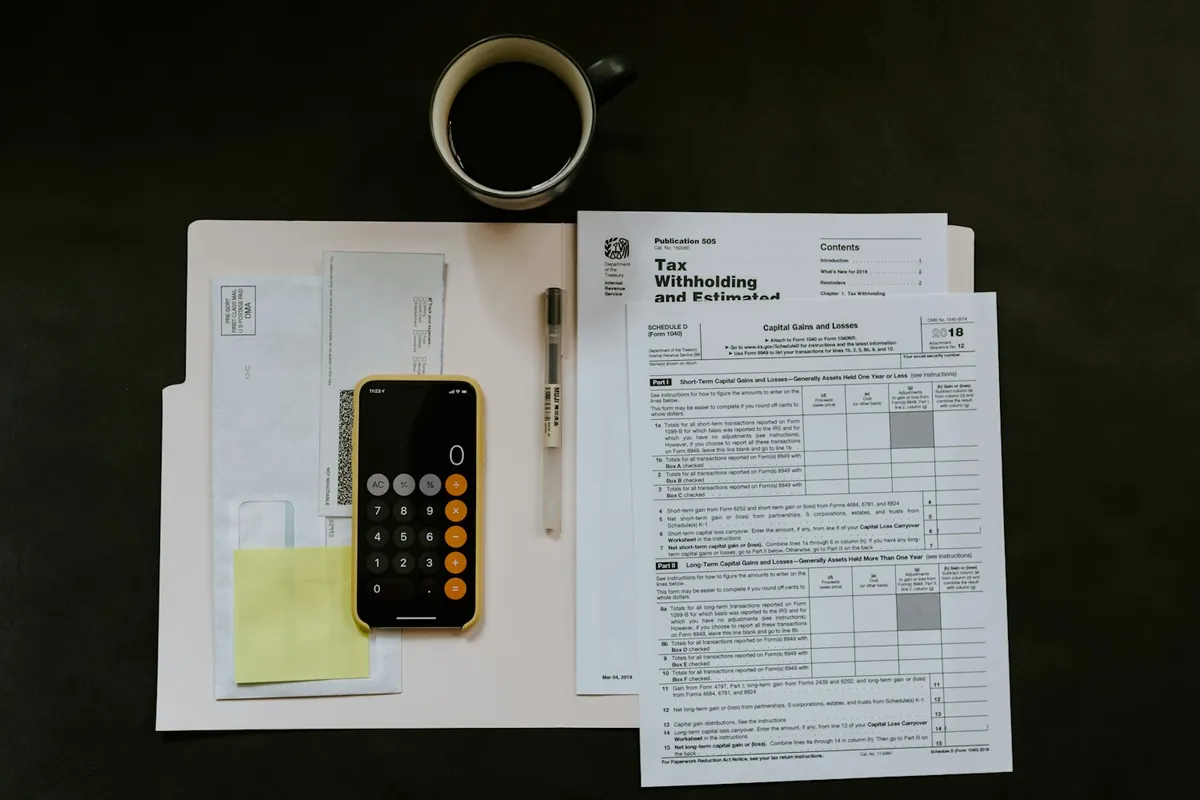
Tax residency is the foundation. Most countries decide your tax obligations based on where you're considered a resident. It's not about citizenship. It's not about where you have clients. It's where the government thinks you actually live.
How Tax Residency Works
Most countries use one or more of these tests to determine residency:
Physical Presence Test: Did you spend more than X days in the country? (Usually 183+ days)
Permanent Home Test: Do you have a place you can live whenever you want?
Center of Vital Interests Test: Where's your family? Your friends? Your economic activities?
Habitual Residence: Where do you actually spend most of your time and carry on your life?
Here's the thing: if you bounce between countries, you might not be a resident anywhere. That's actually the goal for many digital nomads. But you still owe taxes to your country of citizenship (if the US) or wherever you earn income.
The US Exception (If You're American)
Americans, pay attention: the US taxes its citizens on worldwide income, regardless of where they live. You can't escape US taxes by being abroad. What you can do is claim the Foreign Earned Income Exclusion (FEIE), which lets you exclude up to $130,000 (tax year 2025) or $132,900 (tax year 2026) of foreign earned income from US income tax.
The catch? You have to physically be outside the US for 11 of 12 months (roughly). Day counting matters. This is why digital nomads who are American need to track their presence carefully. A quick home visit can mess up your entire year.
The IRS names two ways to qualify for the exclusion: the bona fide residence test (you are a bona fide resident of a foreign country for an uninterrupted period that includes an entire tax year) or the physical presence test (you are physically present in a foreign country for at least 330 full days during any 12 consecutive months). Source: IRS, Foreign Earned Income Exclusion, read 5 October 2026. If you are weighing where to be resident, our tax residence guide goes deeper.

Part 2: Common Tax Structures for Digital Nomads
Structure 1: US-Based Remote Worker (No Residency Abroad)
You live abroad but maintain residency in the US (or haven't given up US residency yet). You work for a US company or have US clients.
Your obligation: Pay US income tax + self-employment tax (if freelance). File Form 1040. You might also owe state taxes depending on where you're domiciled.
Tax benefits: Foreign Tax Credit (if paying taxes abroad) or FEIE (if self-employed and meet the physical presence test).
Pros: Straightforward if you're not changing residency.
Cons: You might owe taxes to both countries. The IRS still expects full reporting.
Structure 2: Former US Resident (Now Non-Resident)
You've established residency in another country. You're no longer a US resident (or EU resident, etc.).
Your obligation: You owe taxes to the country where you're now resident. If self-employed and earning above a threshold, you might owe income tax and social contributions.
Tax benefits: You're only taxed by one country (usually). No FEIE needed. Potentially lower tax rates in some countries.
Pros: Cleaner situation. Single country to file in. Potentially lower rates.
Cons: You have to actually establish and prove residency. Some countries require a rental contract, utility bills, etc.
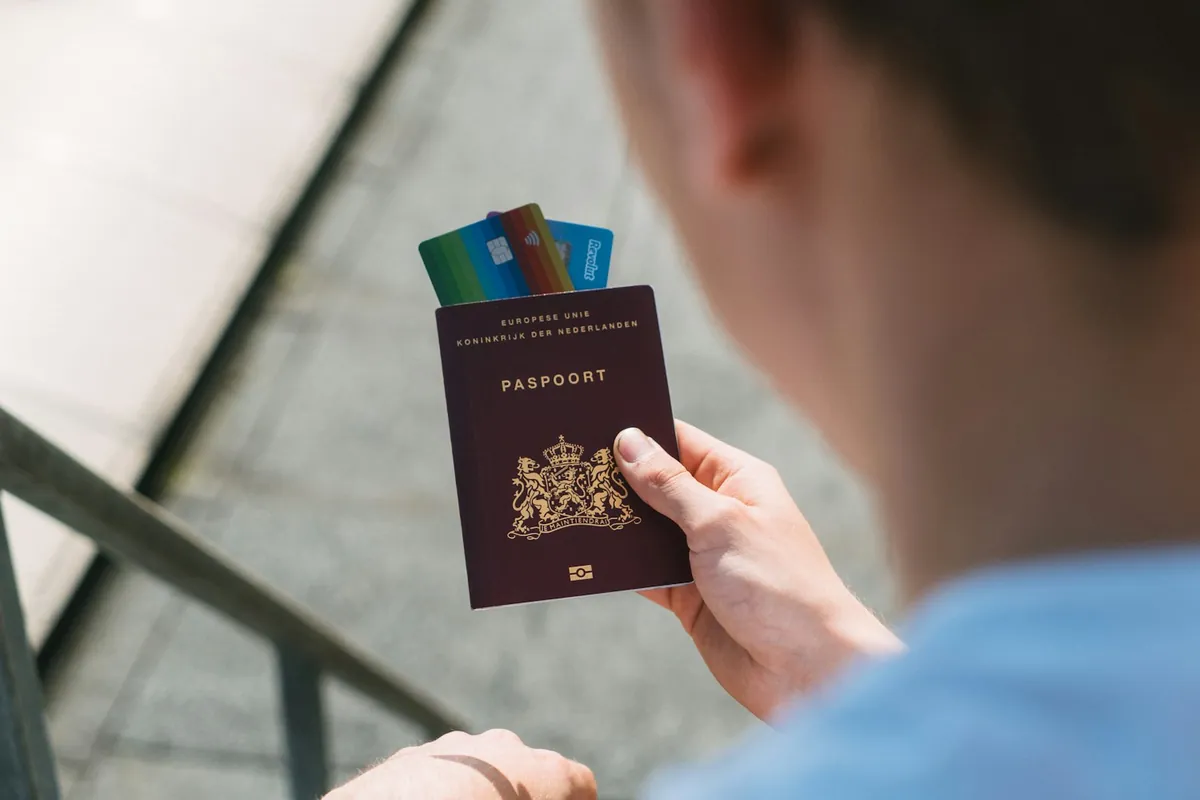
Structure 3: True Digital Nomad (No Tax Residency Anywhere)
You don't spend enough time in any single country to trigger residency. You're constantly moving.
Your obligation: Complicated. You likely still owe taxes to your country of citizenship (US) or country of origin. You might also trigger tax obligations in countries where you earn significant income.
Tax benefits: You might avoid some local taxes by not being a resident, but this depends entirely on your home country's rules.
Pros: Maximum flexibility. Not tied to one location.
Cons: Absolutely requires professional accounting help. Risk of audits and disputes. Multiple countries might claim you owe taxes.
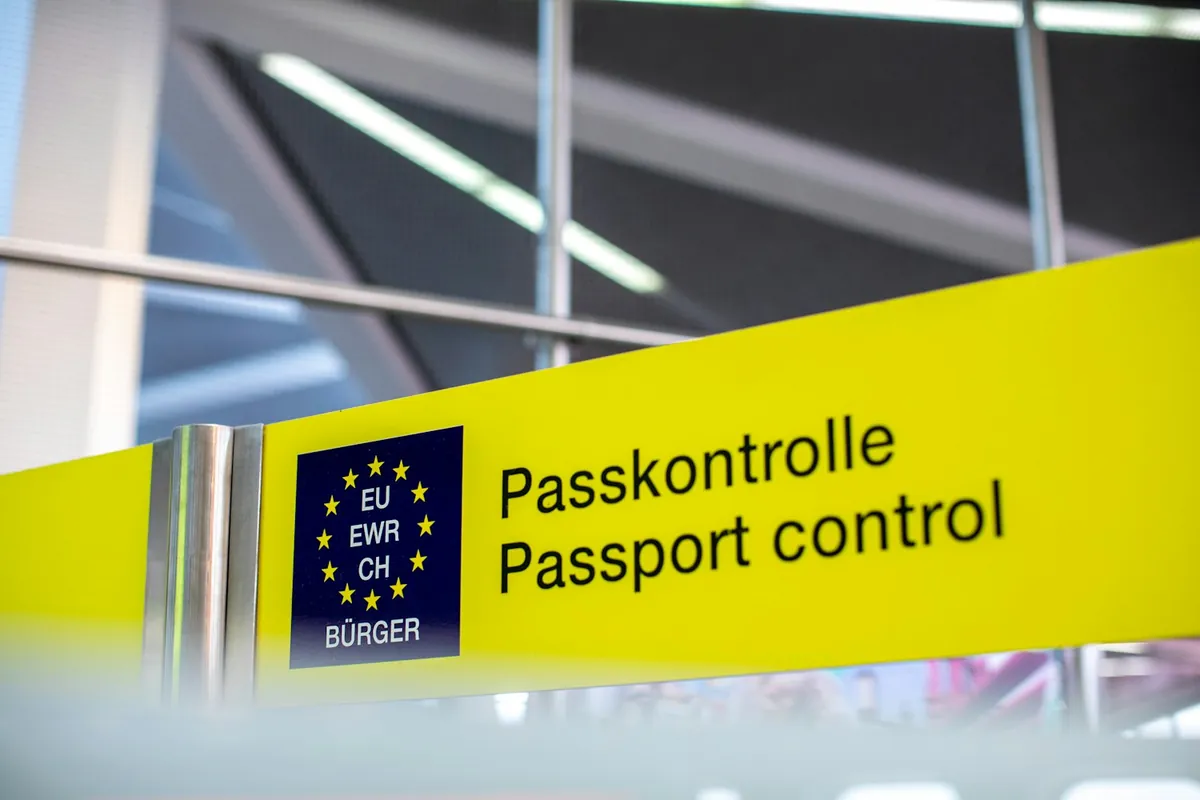
Structure 4: Non-Resident (EU-Based)
You've set up a life in one EU country but moved to another for part of the year or are planning to stay mobile within the EU.
Your obligation: EU countries share tax information. If you have income in one country and residency in another, you're likely to be caught. Each country has different rules, but most require non-residents to declare income earned within their borders.
Tax benefits: Tax treaties between EU countries often provide relief. You're typically taxed where you work, not where you live.
Pros: EU has tax treaties, making it more organized than nomading globally.
Cons: You still need to file in multiple places potentially. Bureaucracy is high.
Part 3: Banking Solutions for Digital Nomads
Banking is actually easier than taxes. Here are the real solutions that work:

Wise (formerly TransferWise)
Wise is the gold standard for digital nomads. It's not technically a bank, but it acts like one.
What it does: Multi-currency account. Send money between countries with the real exchange rate. Hold 40+ currencies. Get a debit card. Receive payments in multiple currencies.
Cost: $0 base account. You pay when you transfer money, but the rates are genuinely better than traditional banks. Wise fees start from 0.23% depending on the currency (Sept 2026), usually well below bank costs.
Setup: Takes 10 minutes online. Accepts most countries.
Why nomads love it: the exchange rates are transparent and you see the fee upfront.
Example: paying an accountant abroad from a foreign bank account often costs a fixed bank fee plus a poor exchange rate; with Wise you see the full cost before you send.
Revolut
Revolut is a UK-based fintech. It's like Wise but with more features (trading, crypto, etc.). It's also more aggressive about enforcement and account closures.

Revolut
What it does: Multi-currency account. Debit card. Crypto integration. Analytics. Travel features.
Cost: Free plan exists but is limited; paid plans add higher limits and extras.
Setup: Online. Needs verification.
Why nomads use it: Feature-rich. Good for splitting bills. Crypto integration if you're into that.
The catch: Revolut aggressively closes accounts for terms violations. If you claim to live nowhere, they get nervous. Some nomads have had accounts frozen for appearing "high-risk."
Our take: Great as a secondary account. Don't make it your primary. They're improving, but the trust isn't quite there yet.
Mercury (US-Based Remote Clients)
Mercury is a US business bank account for companies formed in the US, including US LLCs owned by founders abroad.
What it does: US business checking account. Invoicing. Bill pay. Wire transfers. Savings features.
Cost: Free. No minimums. No monthly fees.
Setup: needs a US-formed company with an EIN; P.O. boxes and registered agent addresses are not accepted as the business address.
Why it matters: if you run your freelance business through a US company, Mercury is a strong option for getting paid by US clients.
Real-world scenario: You get paid by US clients into Mercury. Mercury charges you nothing. You move money to Wise for international transfers when needed.
Traditional Banks (Hit or Miss)
Should you keep a bank account in your home country? Usually yes. It's a safety net.
But here's the thing: many banks hate digital nomads. They see the activity, payments from everywhere, money moving constantly, and assume fraud.
Solution: Be honest. Open your account before you leave. Call and tell them you're working remotely. Some banks are fine with it. Others aren't. Find one that is.
Which banks work? Generally, smaller credit unions and community banks are friendlier than megabanks. Ally Bank (US) is nomad-friendly. Charles Schwab has no foreign transaction fees. It varies by country.

Crypto-Friendly Banking
If you receive payment in crypto, you'll need banks that don't freak out about it.
Revolut: Supports buying and holding crypto.
Kraken, Coinbase: US-based crypto exchanges with banking features.
Fair warning: crypto banking is still in flux. Regulations change constantly. Don't rely on it as your only banking option.
If you are a US person with foreign accounts: the IRS says you must file an FBAR (FinCEN Form 114) when the combined value of your foreign financial accounts exceeded $10,000 at any time during the calendar year. It is due April 15 with an automatic extension to October 15, and it is filed electronically through FinCEN's BSA E-Filing System, not with your tax return (IRS, FBAR, read 5 October 2026). For getting cash abroad cheaply, see our ATM guide, and for the visa side of staying long, our digital nomad visa guide.
Banking Comparison Table
| Service | Best For | Cost | Setup Time | Multi-Currency |
|---|---|---|---|---|
| Wise | Transfers | Per-transfer fees | 10 min | Yes (40+) |
| Revolut | Spending | Free, paid plans available | 15 min | Yes |
| Mercury | US Clients | Free | 5 min | No (USD) |
| Traditional Bank | Safety Net | Varies | 1-2 weeks | No |
| Crypto Exchange | Crypto Income | Varies | 30 min | Yes |
Part 4: Invoicing and Accounting Tools
Invoicing: FreshBooks vs Wave
FreshBooks: Paid plans. Full accounting suite. Invoice templates. Expense tracking. Integrations. Best if you're billing clients regularly and want everything in one place.
Wave: Free Starter plan, Pro at $19/month (Sept 2026). Solid invoicing. Basic accounting. Good if you're just starting or keeping it simple.
A simple path: start with Wave to test the waters. Move to FreshBooks when you need more features.

Accounting Software
If you're a US freelancer, you probably need proper accounting software.
QuickBooks Online: Industry standard, paid monthly plans. Full-featured. Learning curve is steep.
FreshBooks: we mentioned it above. It doubles as invoicing and accounting.
Wave: Also doubles up. Free or cheap.
Xero: Popular outside the US (UK plans go up to GBP 70/month, Sept 2026). Great for UK/EU-based nomads.
Real talk: Most full-time freelancers should use something. Even if just Wave. You need to track what you've earned for tax time. Digital records matter.
Part 5: Tax-Friendly Countries (If You're Planning Long-Term)
Some countries are genuinely tax-friendly to digital nomads. If you're planning to stay long-term, these matter:
Portugal
The old NHR (Non-Habitual Resident) regime is closed to new applicants. Its replacement, IFICI, is a narrower incentive for people in eligible research and innovation roles. Check with a Portuguese tax adviser.
Georgia
The standard personal income tax is a flat 20%, but individual entrepreneurs with small business status pay 1% on turnover up to GEL 500,000 (3% above that).
UAE (Dubai)
0% personal income tax. No capital gains tax. The catch: you need to establish residency (requires a job or investment). Also, visa is tied to employment. Gets complicated.
Thailand
No tax on foreign-sourced income if you don't bring it into Thailand. Only tax Thai-sourced income. The catch: day tracking matters. Thailand uses residency definitions.
Mexico
Tax rules for new residents are complex and change often. Talk to an accountant before you settle there.
Part 6: Common Tax Mistakes
1. Not tracking residency days: The IRS and tax authorities count. Use a simple spreadsheet. Mark countries you visit and how many days you spent there. This matters for FEIE, residency tests, and audit defense.
2. Ignoring self-employment tax (US): If you're freelance and US-based, you owe 15.3% self-employment tax on top of income tax. Many people forget this. Budget for it.
3. Not filing because you think you don't owe: Wrong. In the US you must file if your net self-employment earnings were $400 or more. Penalties for not filing are worse than penalties for owing small amounts.
4. Mixing personal and business finances: Open a separate account for work income and expenses. It makes tax time infinitely easier. Seriously, do this.
5. Not keeping receipts: Digital or physical, keep records of what you spend. Mileage, meals, coworking, travel. If you're deducting business expenses, audit-proofing matters.
6. Trying to do it all alone: Hire a bookkeeper or accountant, even for just one hour a quarter. It costs $100-300 and saves you from disasters. Totally worth it.

- You almost certainly owe taxes somewhere. Tax residency, not citizenship, decides where.
- Americans are taxed on worldwide income. The Foreign Earned Income Exclusion can exclude up to $132,900 for tax year 2026, but day counting matters.
- Banking is easier than taxes: a home account as a safety net plus Wise for global transfers. Use Revolut as a secondary account.
- Track your residency days and your income from day one, and open a separate account for work income and expenses.
- Hire a bookkeeper or accountant, even for one hour a quarter. It costs $100-300 and saves you from disasters.
Part 7: Important Disclaimer
Look, we are not lawyers or tax accountants. The tax code is complex and country-specific. What we've covered here is the general structure that applies to most digital nomads. But your situation might be different.
Before you make any major decisions, choosing where to live for tax purposes, setting up business entities, or taking big deductions, talk to a real professional. A CPA or accountant familiar with digital nomads is worth the fee.

Good places to find nomad accountants: Nomads.com (formerly Nomad List) and its member chat, Reddit's r/digitalnomad, your local embassy's business contacts.
FAQ
Do US citizens owe tax when they live abroad?
Yes. The US taxes citizens on worldwide income wherever they live. You can claim the Foreign Earned Income Exclusion, which is $132,900 for tax year 2026, if you meet the bona fide residence test or the physical presence test (330 full days in any 12 consecutive months).
Do I have to report my foreign bank accounts?
US persons must file an FBAR (FinCEN Form 114) if the combined value of their foreign financial accounts exceeded $10,000 at any time in the calendar year. It is due April 15, with an automatic extension to October 15, and is filed electronically with FinCEN, not with the tax return.
Do I owe tax if I live in no country for more than 183 days?
Yes, somewhere. Tax residency, not citizenship, decides where, and each country sets its own tests. A true nomad with no residency anywhere should get professional accounting help, as the structures above explain.

Your Next Steps
1. Identify your tax residency. Where do you actually live? Answer honestly. This is the foundation.
2. Set up a banking system. At minimum: a home account (for security) + Wise (for global transfers).
3. Track your income and expenses. Start now. Use Wave or FreshBooks. Spend 30 minutes a week on it.
4. Schedule a call with an accountant. Get your situation reviewed once. It'll cost money but save you way more.
5. Document everything. Receipts, day tracking, business justifications. Future-you will be grateful.
The nomadic life is incredible. But the admin side matters. Get it right, and you can focus on the good stuff, the travel, the work, the freedom.
You've got this.
Updated:
Affiliate disclosure. This post contains affiliate links. If you click and buy something, this site earns a small commission at no extra cost to you. Picks are based on published specs, independent reviews and manufacturer information, and we only recommend what we would use ourselves. As an Amazon Associate I earn from qualifying purchases. Read the full affiliate disclosure.