
Best Car Rental Insurance for Digital Nomads (Don’t Get Scammed)
Some links on this page earn us a small commission, at no extra cost to you. Full disclosure.
Car rental insurance is where rental companies make their biggest profit margin. The base car rental might be 25 EUR per day. The insurance upsell at the counter? Another 25 EUR per day. Here is the honest breakdown of what coverage you actually need, what is a scam, and how to save money on every rental.
Quick answer
Skip the counter's excess insurance and add Full Coverage when you book instead: similar protection, usually for less, paid back as a refund if something happens. Check what your credit card and travel insurance already cover before you pay twice. Full Coverage is a refund: you pay the rental company first, the company still holds a deposit on your card, and DiscoverCars pays back up to EUR 5,000 in total.
Checked on 9 October 2026: the Full Coverage terms against DiscoverCars' own help pages.
Quick links

The 5 types of car rental insurance explained
1. Collision Damage Waiver (CDW)
Covers damage to the rental car itself. Usually included in EU rentals as standard. In US and Asian rentals, often optional and pricey. Without CDW you are liable for the FULL repair cost if you scratch, dent, or crash the car.

The catch: CDW typically has an "excess" or "deductible". Even with CDW, you owe the first 1,000-3,000 EUR of any damage. Reducing this excess is what the "Super CDW" or "Full Coverage" upgrade is for.

2. Theft Protection (TP)
Covers if the car is stolen. Usually bundled with CDW in EU. In the US sometimes separate. Without TP you are liable for the full replacement value of the car if it disappears.

3. Liability Insurance (LI)
Covers damage you cause to OTHER people, vehicles, or property. Legally mandatory in almost every country. Almost always included automatically. If you crash into someone and cause 100,000 EUR damage, LI pays that.
EU rules require high minimum liability cover. In the US, rentals may only include the state minimum, which can be low. Always check the LI limit on US rentals.
4. Excess Insurance / Super CDW / Full Coverage
THIS is the one that matters. Reduces the CDW excess to zero. So if you damage the car, you pay nothing out of pocket beyond what you already paid for the rental.
Counter price: often a significant daily add-on.
Online price through DiscoverCars Full Coverage at booking: usually cheaper per day, but it refunds the excess after you pay it instead of removing it at the desk.

5. Personal Accident Insurance (PAI)
Covers YOUR medical bills if injured in an accident. If you have travel insurance like SafetyWing, you can skip this. Travel insurance covers medical bills regardless of how you got injured. Ekta is not listed here any more: the Ukrainian insurer EKTA lost all its licences in June 2024 (National Bank of Ukraine decision no. 189-rsh of 4 June 2024), and the Ekta Traveling website now names a Comoros company as its insurer that we could not check with a regulator and whose terms say the product is not aimed at residents of the EU, the UK or the US (read on 9 October 2026).

SafetyWing

World Nomads
The trick that saves money on every rental
Counter staff sell excess insurance as a daily add-on, and they often earn a commission on it. DiscoverCars and similar aggregators sell a "Full Coverage" product during booking that is usually cheaper per day.
The key difference: the counter product removes the excess at the desk, while the aggregator's Full Coverage refunds the excess after you have paid it. So with Full Coverage, the rental company still blocks a deposit on your card and charges you first if something happens, and you claim it back.
On longer rentals the difference in daily price adds up quickly, so compare both prices for your dates before you decide.
The trick in short
- Counter excess insurance: convenient, but usually the most expensive per day.
- Full Coverage at booking: usually cheaper, works as a refund after you pay the excess.
- Compare both for your dates and keep enough room on your credit card for the deposit.
When credit card insurance is enough
Some premium credit cards include rental car insurance as a benefit. Cards that typically include this:
- Amex Platinum (Auto Rental Loss and Damage Insurance)
- Chase Sapphire Reserve (Primary CDW for 31 days)
- Chase Sapphire Preferred (primary cover, reimbursement up to 60,000 USD for theft and collision damage on most rental vehicles, per Chase)
- Capital One Venture X (Primary in most cases)
- Some Visa Signature cards (Auto Rental Collision Damage Waiver)
The catches:
- You must DECLINE the rental company CDW (sign it off explicitly)
- You must pay for the entire rental with that specific card
- Coverage often excludes Italy, Ireland, Israel, Jamaica, Northern Ireland
- Coverage is often secondary, not primary (your auto insurance pays first)
- Premium vehicles and SUVs often excluded
- You handle the claim yourself - the rental company charges your card first, you reclaim later
When credit card insurance works:
You rent 1-2 times per year. You have a premium card that includes it. You are renting in a covered country. You have time and energy to handle a claim yourself if needed. You have the credit limit available to absorb the initial charge.
When it does NOT work:
You rent monthly. You travel to excluded countries (Italy especially). You want the lowest hassle option. You do not want to argue with rental companies post-incident.

Comparison: 3 ways to insure a rental
| Option | Cost per day | Hassle | Coverage |
|---|---|---|---|
| Counter excess insurance | Usually the highest | Low (resolved at counter) | Excess removed at the desk |
| DiscoverCars Full Coverage | Usually lower, shown at booking | Medium (claim a refund) | Excess refunded after you pay it |
| Credit card benefit | 0 EUR (if eligible) | High (claim yourself) | Varies |

Illustrative examples
Example 1: Small scratch in Lisbon
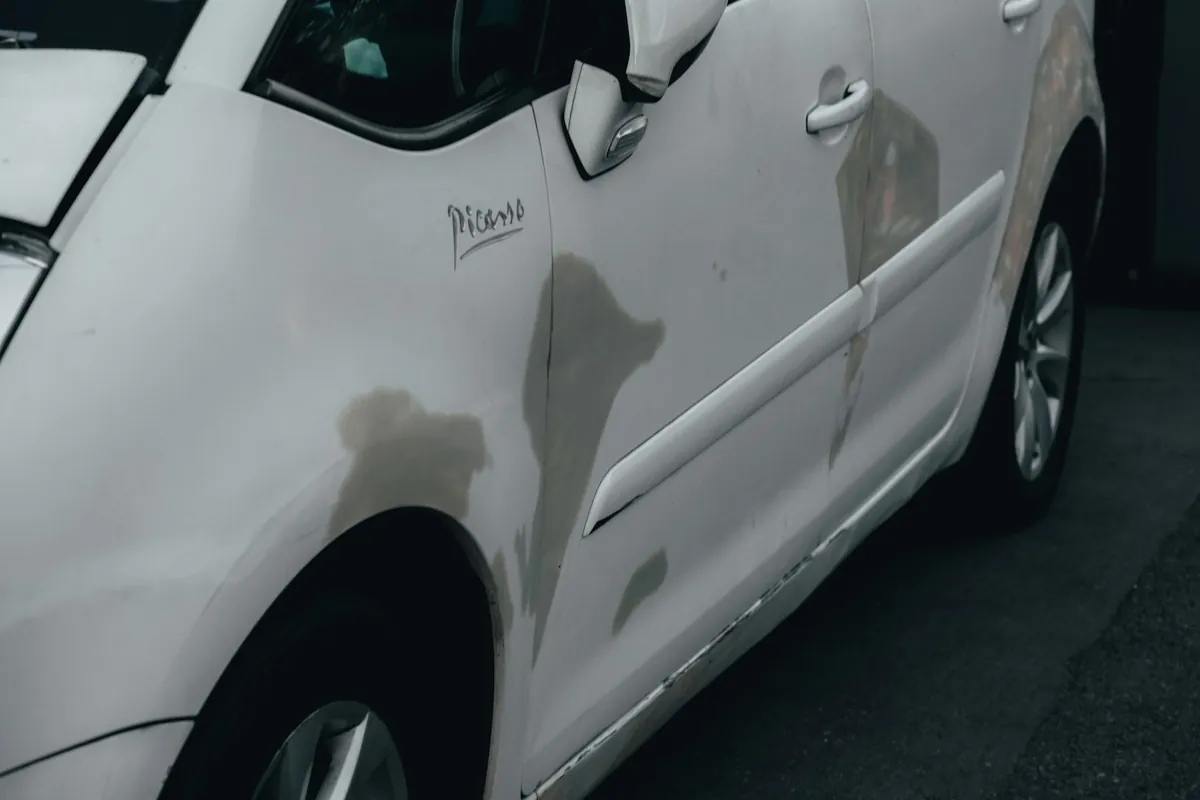
You ding a parking pole. Damage: 280 EUR repair. With basic CDW + 1,500 EUR excess: you pay the full 280 EUR. With Full Coverage: you pay the 280 EUR at the desk and claim it back. Whether that is worth it depends on the Full Coverage price for your dates. For the full picture of renting in Portugal, see how to rent a car in Portugal without getting scammed.
Example 2: Stolen rear-view mirror in Naples
Parts theft happens. Does insurance cover theft of car parts? Sometimes, sometimes not, so check the policy wording of whatever cover you buy. Basic theft protection often covers only the theft of the whole car.
Example 3: Major accident in Croatia
You hit another car. Total damages: 4,200 EUR to your rental, 6,800 EUR to other vehicle. Liability insurance covers other vehicle. CDW + Full Coverage covers your rental. Without excess cover you would owe the excess (often thousands of euros). With Full Coverage you pay it first and claim it back.
Travel insurance vs rental insurance - what each covers
These are NOT the same thing. You need both:
- Rental insurance (CDW/TP): Covers damage to the car you rented
- Travel insurance: Covers YOUR medical bills if you are injured
- Liability insurance: Covers damage YOU cause to others
If you crash into a tree, here is who pays what:
- Hospital for your broken arm: SafetyWing
- Repair for the rental car: CDW + Full Coverage (DiscoverCars upgrade)
- The tree (if owned by someone): rental Liability Insurance
- Your trip disruption (canceled flights, etc.): travel insurance trip protection
SafetyWing
World Nomads
Common insurance scams at the counter
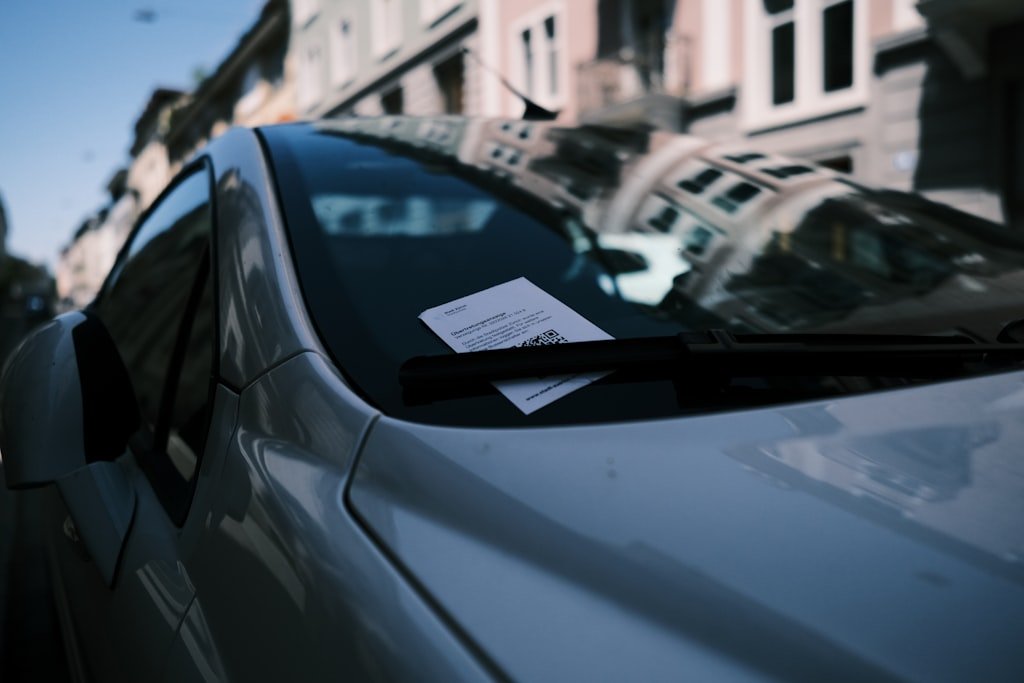
Scam 1: "Your CDW does not cover Italy"
Counter staff claims the included CDW does not work in Italy and tries to upsell. Truth: standard CDW covers Italy. The Full Coverage that you booked online via DiscoverCars covers Italy. Politely refuse. For the local rules, see our guide to renting a car in Italy and renting a car in Spain.
Scam 2: "Your credit card does not provide actual coverage"
Maybe true, maybe false, but irrelevant if you already bought Full Coverage online. Show them the booking confirmation. Refuse.
Scam 3: "Without our premium insurance, you have no roadside assistance"
Roadside assistance is usually included in base rentals or is a small separate add-on (5-10 EUR per day). Not part of insurance. Decline.
Scam 4: "Your insurance does not cover windshield/tires/undercarriage"
Sometimes true, sometimes false. Full Coverage from DiscoverCars may cover these, so check the policy wording. Counter products differ too, so compare what each one actually covers.
What about excess insurance separately from rental company?
You can buy "rental excess insurance" from independent providers like Allianz, RentalCover, or Insurance4CarHire. Compare their price and terms with DiscoverCars' Full Coverage upgrade; both work as a refund after you pay the excess.

FAQ
Do I really need Full Coverage if it is a short rental?
For 1-day rentals in safe areas, you can skip it. For any rental over 3 days, in cities with tight parking, or in countries where damage claims are common (Italy, Spain, Portugal): yes.
What about local insurance offered in some countries?
Mexico is famous for requiring local liability insurance even if you have international cover. Costa Rica too. Some Caribbean countries. Check the country's specific rules before assuming your CDW covers everything.
If I have full insurance, do I still need to inspect the car?
Yes. Insurance covers actual damage from your trip. Pre-existing damage that the rental company tries to blame on you can become your problem if undocumented. Photo every scratch at pickup regardless of insurance.
Does Full Coverage include tires and windshield?
Many aggregator Full Coverage products do, and some basic CDW does not. Check the specific policy before booking. If you are road-tripping on highways (more tire/windshield risk), prioritize a policy that explicitly includes these.
What if I want to skip insurance entirely?
Some EU countries do not let you. LI is mandatory and usually included automatically. CDW you can technically decline in most places, but then you are liable for the full repair value of the car. Self-insuring a rental car is a gamble. Most travelers should not do it.
How long do I have to claim with Full Coverage?
Within 90 days of drop-off, through My Booking, says DiscoverCars.
Related reviews
Updated:
Affiliate disclosure. This post contains affiliate links. If you click and buy something, this site earns a small commission at no extra cost to you. Picks are based on published specs, independent reviews and manufacturer information, and we only recommend what we would use ourselves. As an Amazon Associate I earn from qualifying purchases. Read the full affiliate disclosure.