
Digital Nomad Burnout: 9 Steps to Recover and Find Your Purpose
Quick note before you read: I'm Chenzo. I run NomadsToolsLab, and I also run Chenzo Holistic Coaching. Some links in this post go to my own free course and my paid programs. The tools and guides mentioned are other NomadsToolsLab articles. Full disclosure at the bottom.
Digital nomad burnout is sneaky. You got the laptop and the freedom, and somehow you're more tired than in the office. Calls at strange hours, clients in three time zones, a new city every few weeks. Or it's quieter: you're not exhausted, you just don't care much anymore.
Those are two different problems with different fixes. This guide helps you tell them apart.
Quick answer
If you're exhausted: cut your load and stop moving first. If you're empty: rest alone won't fix it, you need to reconnect with what matters to you. Most burned-out nomads have a bit of both, so start with rest, then work on direction.
Start here

What burnout actually is
The World Health Organization describes burnout as an occupational phenomenon: the result of chronic work stress that hasn't been successfully managed. It shows up as exhaustion, feeling distant or cynical about your work, and doing it less well. It's not a medical condition in itself, but it can overlap with depression or anxiety.
Checked on 5 October 2026 against the WHO's note on ICD-11: burn-out is described as a syndrome resulting from chronic workplace stress that has not been successfully managed, with three dimensions (energy depletion or exhaustion, mental distance or cynicism about your job, and reduced professional efficacy), and it is not classified as a medical condition. Source: WHO.
If your symptoms are strong, last for weeks, or affect your sleep, appetite or mood, see a doctor or a licensed therapist first. Many work online. Coaching, including mine, is not a treatment for burnout or depression.
Why nomads and remote workers burn out
- Always on. Early calls, late calls, a phone that never goes quiet.
- The admin of moving. Visas, housing, SIM cards: unpaid work on top of your job.
- No edge between work and life. You work where you sleep and relax.
- Freedom turned treadmill. The same pressure you left behind, plus travel.
- Nobody notices. No colleague sees you slowing down.

Exhausted or empty? Tell the difference
Mostly exhausted: "I have no energy. If I could sleep for a week, I'd be fine." The work still matters, you just can't keep up.
Mostly empty: "I have time and still don't want to do anything. The places are beautiful and I feel flat."
Exhaustion is about load. Emptiness is about meaning. Steps 1 to 5 are mainly for exhaustion, steps 6 to 9 for emptiness.
The 9 steps at a glance
- 1Cut your load for two weeks
- 2Stop moving
- 3Put a hard edge on your time zones
- 4Separate where you work from where you live
- 5Rebuild the basics
- 6Audit your week: what gives, what drains
- 7Ask the bigger questions
- 8Try small experiments, not big leaps
- 9Get structured support for finding your purpose
9 steps to recover from digital nomad burnout
1. Cut your load for two weeks
Move deadlines, pause one client, say no to anything new. Tell people: "I'm reducing my workload for two weeks and will be back to full capacity on [date]." Can't afford it? Even cutting 20 percent helps.
2. Stop moving
Every move is a hidden workload. Stay put for at least a month. Our cost of living comparison for 20 nomad cities helps you pick a calm, affordable base.
3. Put a hard edge on your time zones
Pick working hours in local time, batch calls into two or three fixed blocks a week, and turn notifications off outside them. See how to work remotely while traveling and the best productivity apps for digital nomads. Some clients will push back. The ones who stay usually respect you more.
4. Separate where you work from where you live
A coworking space, a fixed café or a library, as long as it isn't your bed. When you leave that spot, work ends.

5. Rebuild the basics
Sleep, movement, daylight, real food. Our digital nomad health guide goes deeper, and the best meditation apps for travelers help a busy head slow down at night.
6. Audit your week: what gives, what drains
For one week, write down each evening what gave you energy and what took it. Patterns show up that you can't see from inside a busy day.
7. Ask the bigger questions
Take an hour somewhere quiet and write down honest answers
- When did I last feel fully alive? What was I doing, and with whom?
- If money wasn't the issue for a year, what would I do with my time?
- What did I hope this lifestyle would give me? Did it?
- What am I doing now only because I started it?
8. Try small experiments, not big leaps
Before you quit everything, test. Four hours a week on what you're curious about, one project in a new direction, three conversations with people who do what you think you want. If it points to new work, browse the best remote job boards and platforms.
Burnout makes people want to blow everything up. Small experiments give you real information without wrecking your income.
9. Get structured support for finding your purpose
It's hard to see your own patterns from the inside. Here's what I offer, from free to paid.
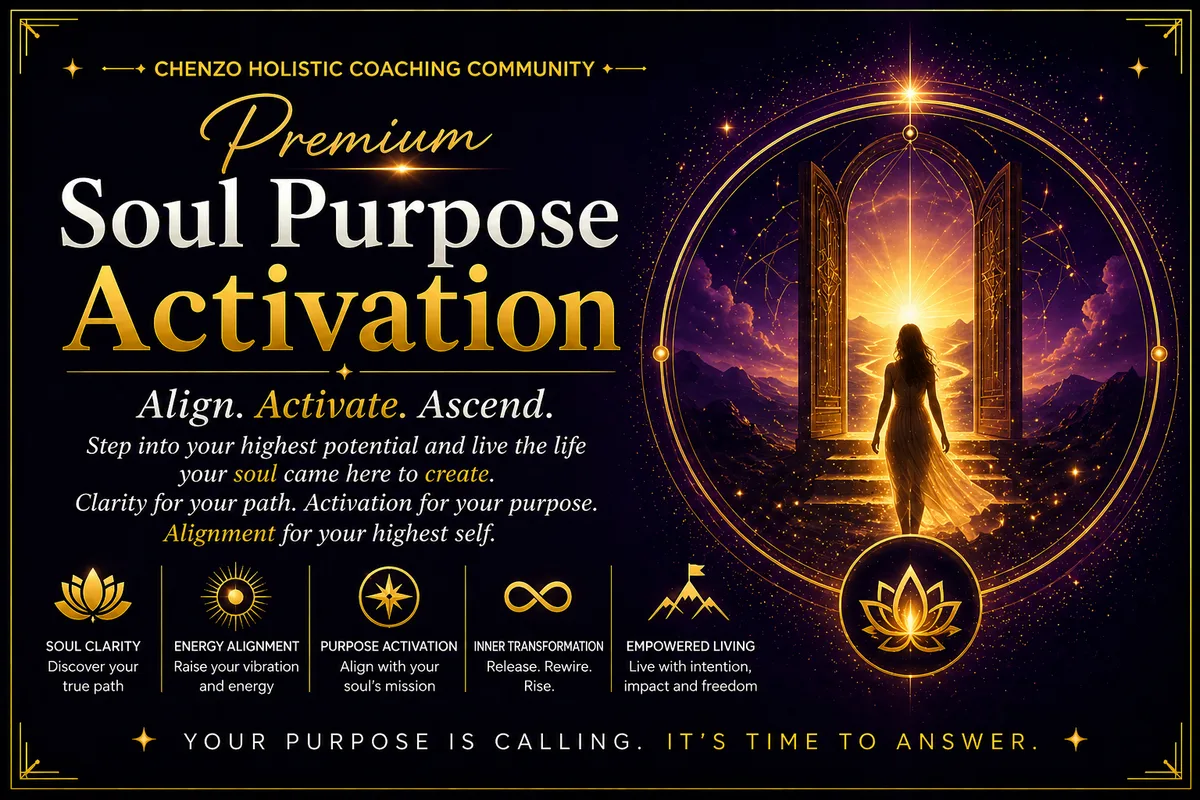
Premium Soul Purpose Activation
A free course to start exploring what really matters to you and where you want to go. A no-risk way to see if this kind of work helps.
Start the free course
The Purpose Path
12 lessons over 12 weeks to get clear on your purpose, self-paced, from any time zone. €1,497. Prefer live guidance? The Purpose Path Live is the same journey over 3 months with me live, €2,997, in one go or in installments.
See The Purpose Path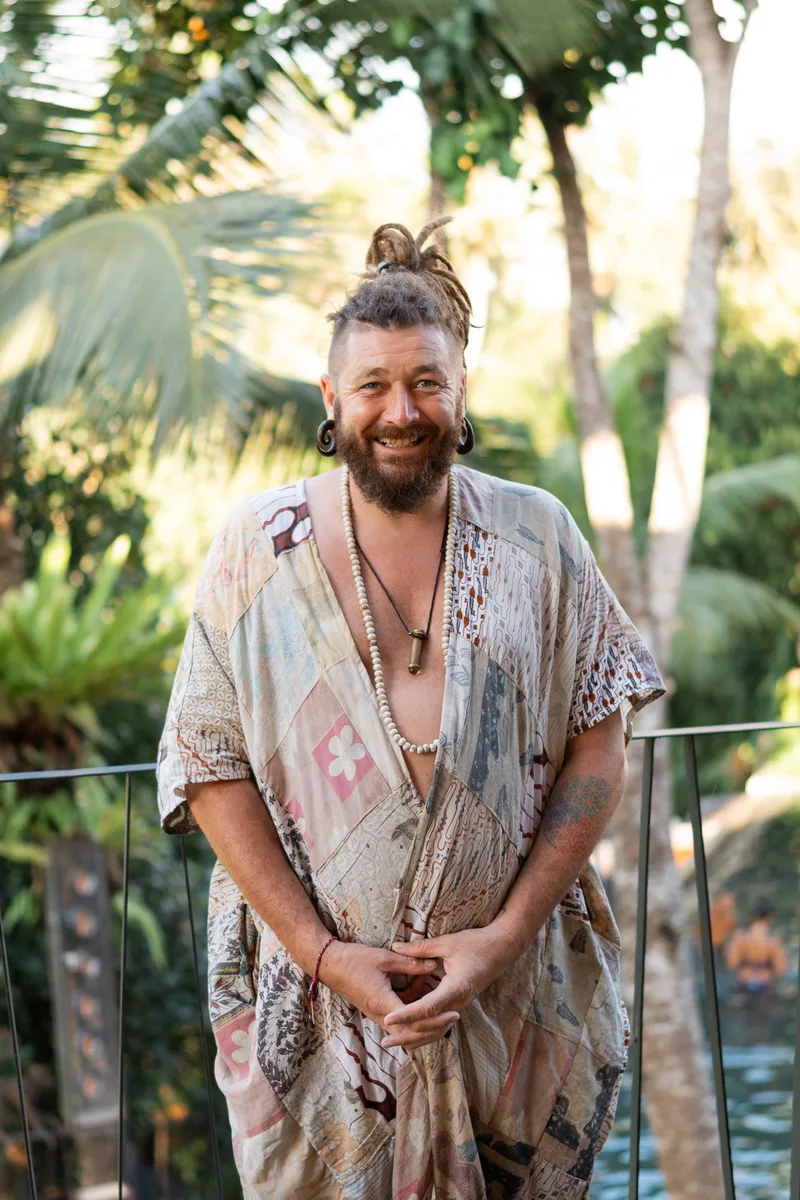
Free 30-minute discovery call
Not sure which fits, or whether you need a coach at all? If it sounds more like depression or needs a doctor, I'll tell you honestly.
Book a free 30-min callBoth paid programs are a serious investment, and they're mine, so I'm not neutral. Start with Soul Purpose Activation first.
Related reading: Rikst Jewelry Review: Handmade Gemstone Jewelry Made to Travel With You.
Related reading: 12 Free Personal Growth Resources for Digital Nomads (2026).
Related reading: Digital Nomad Loneliness: 9 Ways to Find Your People (2026).
Related reading: Best Travel Yoga Mats for Digital Nomads in 2026.
FAQ
Can you get burnout as a digital nomad?
Yes. Working across time zones, constant moving and no separation between work and life make digital nomad burnout common, even for people who love the lifestyle.
What's the difference between burnout and losing your purpose?
Burnout is mostly exhaustion from too much load. Losing your purpose is about meaning: you may have energy and time, but nothing feels worth doing. Many people have a bit of both.
Should I quit being a digital nomad if I'm burned out?
Not necessarily. Often it's how you run it: too much moving, no boundaries, no routine. Slow down and fix those first, then decide.
Is a purpose coach the same as a therapist?
No. A therapist is a licensed professional who can treat mental health conditions. A coach helps with direction and patterns, but doesn't diagnose or treat.
What does the WHO say burnout is?
The WHO describes burn-out as a syndrome resulting from chronic workplace stress that has not been successfully managed. Its three dimensions are exhaustion, mental distance or cynicism about your job, and reduced professional efficacy. It is not classified as a medical condition.
Follow along
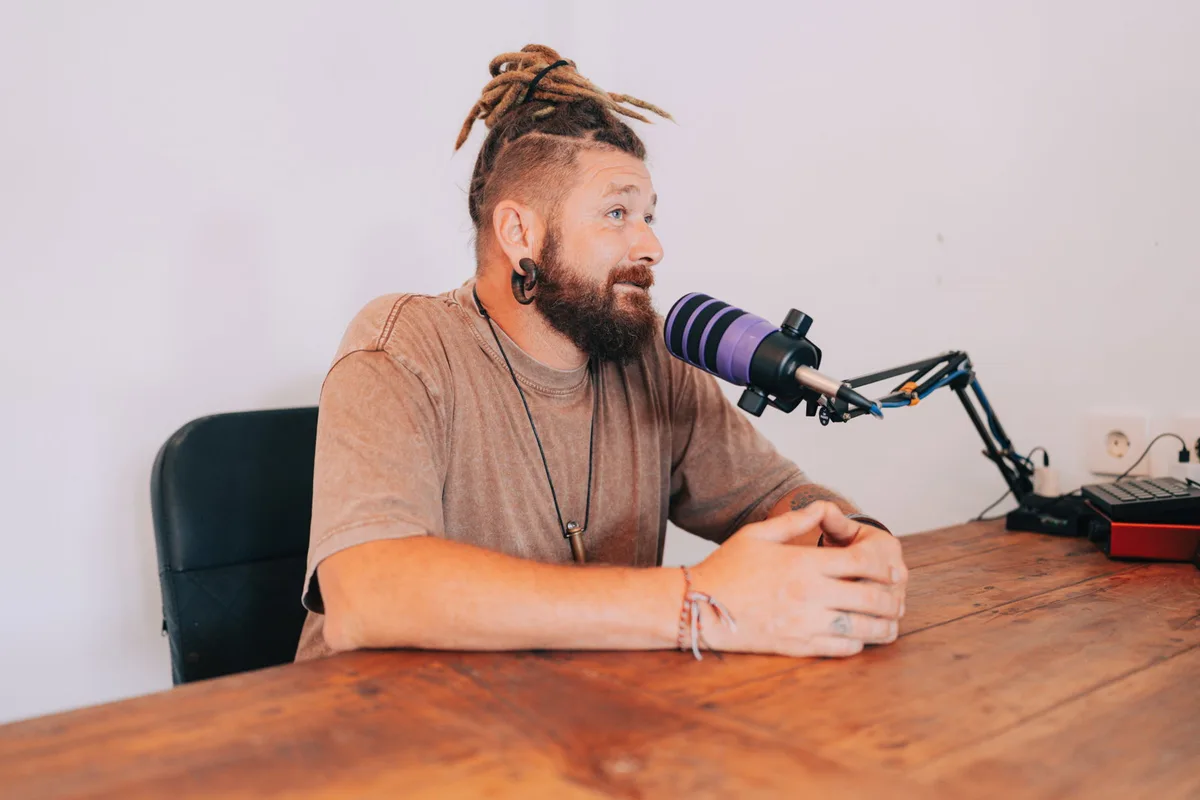
The Purpose Path Podcast
Conversations about finding direction and meaning. Good for long bus rides, flights and walks.
Listen on Spotify, Apple Podcasts, YouTube or Deezer.
Listen to the podcastDisclosure
I'm Chenzo, and I run NomadsToolsLab. I also run Chenzo Holistic Coaching. Premium Soul Purpose Activation, The Purpose Path, The Purpose Path Live, the discovery call, the podcast and the channels above are all mine. Soul Purpose Activation and the call are free; The Purpose Path and The Purpose Path Live are paid. There are no affiliate links in this article. Other NomadsToolsLab articles linked here may contain affiliate links, which are disclosed in those articles. This guide is not medical advice.





3 Comments