
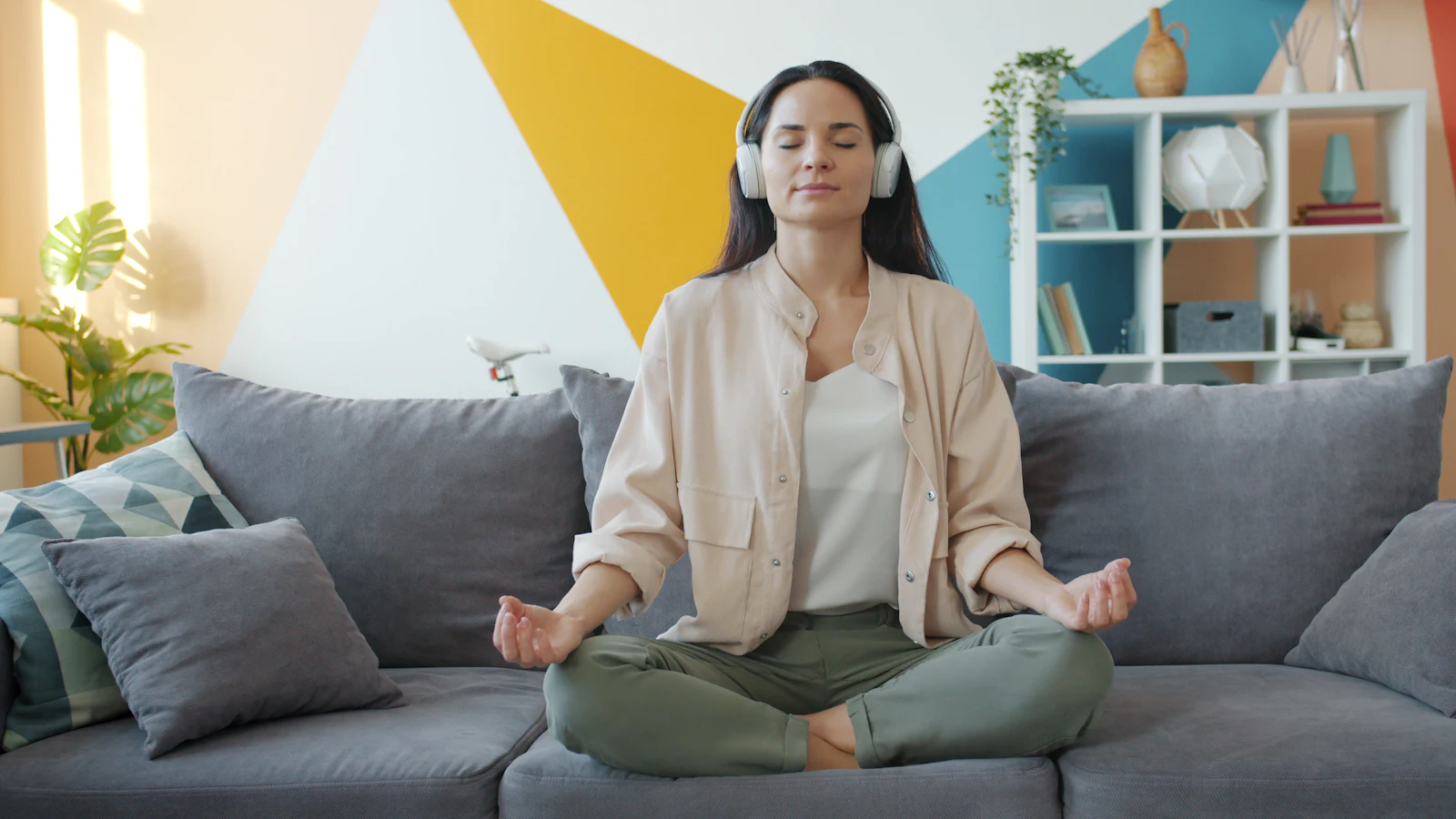
Highly Sensitive Digital Nomad? 10 Ways to Protect Your Energy
Quick note before you read: I'm Chenzo. I run NomadsToolsLab, and I also run Chenzo Holistic Coaching. Some links in this post go to my own free course, my free community and my paid course for empaths. The gear and apps mentioned are linked to other NomadsToolsLab guides. Full disclosure at the bottom.
Most nomad advice is written for people who recharge in a busy room. Stay in the social hostel. Go to every meetup. If you're a highly sensitive digital nomad or you see yourself as an empath, that advice can leave you wiped out by Wednesday.
You can still love this lifestyle. You just need a different setup: fewer transitions, more control over noise and people, and a way to reset before you run empty.
Quick answer
If you only change three things: book a private room, stay at least a month per place, and carry a real noise kit (earplugs, eye mask, noise-cancelling headphones). That covers most of the drain.
Free support for sensitive people
What "highly sensitive" and "empath" mean here
"Highly sensitive person" (HSP) comes from psychologist Elaine Aron's research in the 1990s: people who process noise, crowds and other people's moods more deeply. It's a personality trait, not a diagnosis. "Empath" is not a scientific term, and you don't need either label for this guide to help. Aron's own website describes the trait as innate and "no illness or syndrome", and says she began researching it in 1991 (hsperson.com, checked 5 October 2026).
Why nomad life drains a highly sensitive digital nomad faster
- Constant change. New bed, new noise, new faces. Every transition costs energy.
- Shared spaces everywhere. Dorms, open coworkings, cafés with music on.
- Social pressure. Saying no to "come out tonight" over and over feels antisocial, so you say yes and pay for it later.
- No recovery routine. In a new city you first have to find your quiet walk.
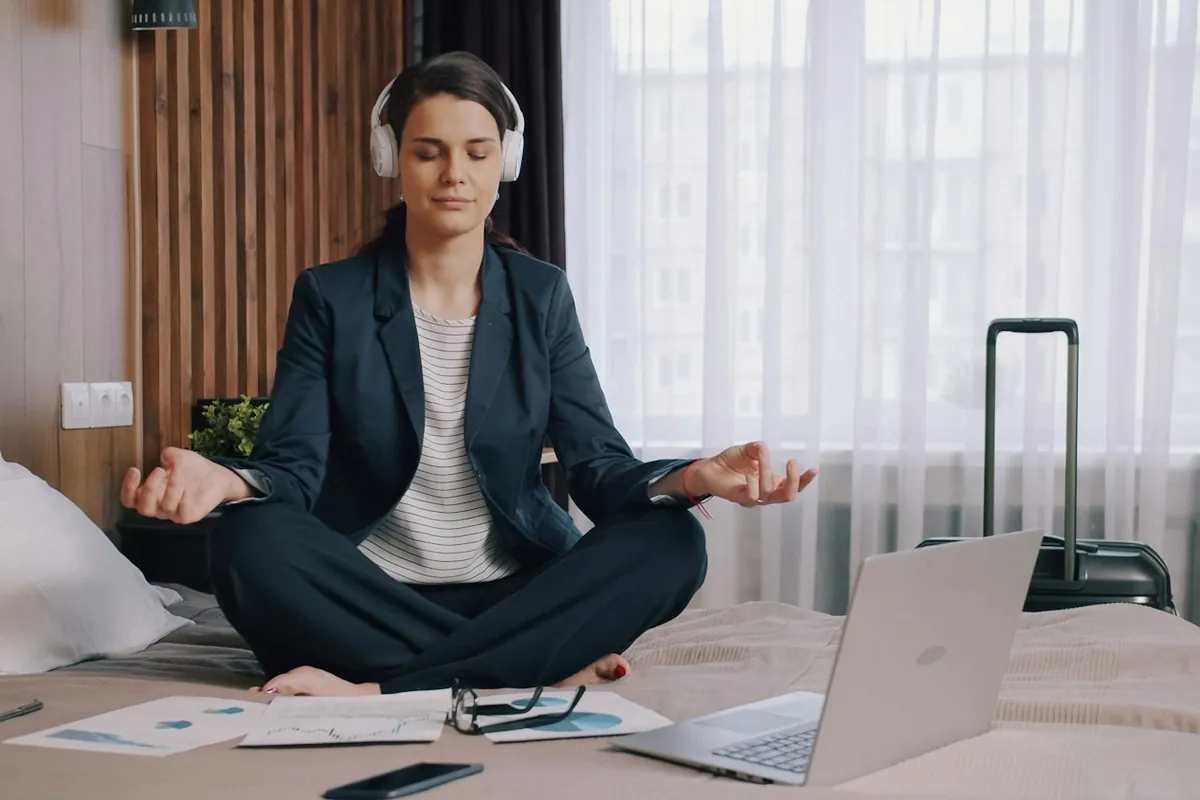
10 ways to protect your energy as a highly sensitive digital nomad
The 10 ways at a glance
- 1Choose your base for quiet, not for hype
- 2Book a private room, even in a hostel or coliving
- 3Carry a proper noise and light kit
- 4Pick coworking spaces by layout, not by Instagram
- 5Travel slower than you think you need to
- 6Plan a buffer day after every move
- 7Budget your social energy like money
- 8Have your exit lines ready
- 9Build a small daily reset
- 10Get support from people who understand sensitivity
1. Choose your base for quiet, not for hype
Search reviews for "noisy", "thin walls", "bar" and "construction". Ask the host: "Is the room on the street side?" Quiet areas are sometimes further from everything, but you get your sleep back.
2. Book a private room, even in a hostel or coliving
A door you can close is your recovery space. See the best coliving spaces for digital nomads (check for "quiet hours") and our guide to digital nomad loneliness.
3. Carry a proper noise and light kit
The cheapest upgrade on this list: earplugs, a good eye mask, and noise-cancelling headphones or smaller noise-cancelling earbuds. It's the difference between arriving drained and arriving okay.
4. Pick coworking spaces by layout, not by Instagram
A quiet room beats a stylish open hall with music. Visit at the busiest time before you pay. Find spaces with coworking apps, and see how to stay productive in cafés.
5. Travel slower than you think you need to
Staying a month or longer cuts the number of transition days, and it's usually cheaper per night too.
It can feel like you're missing out when others hop to a new place every week. You're not. You're choosing to enjoy the places you're in.
6. Plan a buffer day after every move
No calls or big plans on arrival day. Unpack, walk the neighborhood, sleep.
7. Budget your social energy like money
Decide in advance how much social time you have this week, and plan a quiet evening after every big social event.
8. Have your exit lines ready
- "I'm going to head home, I'm done for today. Breakfast tomorrow?"
- "I'll skip tonight, but I'd love to join the hike on Saturday."
- "I need a quiet evening. Nothing personal."
9. Build a small daily reset
A walk without headphones, a short meditation, stretching, writing down what's on your mind. Keep it small enough to do in any city. The best meditation apps for travelers help, and our digital nomad health guide covers sleep and movement.

10. Get support from people who understand sensitivity
Tips 1 to 9 manage your environment. Deeper patterns (weak boundaries, guilt about needing space) travel with you to every city. Here's what I offer, from free to paid.
How to join (it saves confusion)
- You create a free account with your email through the checkout.
- The button says "Purchase request". For the free options there's nothing to pay.
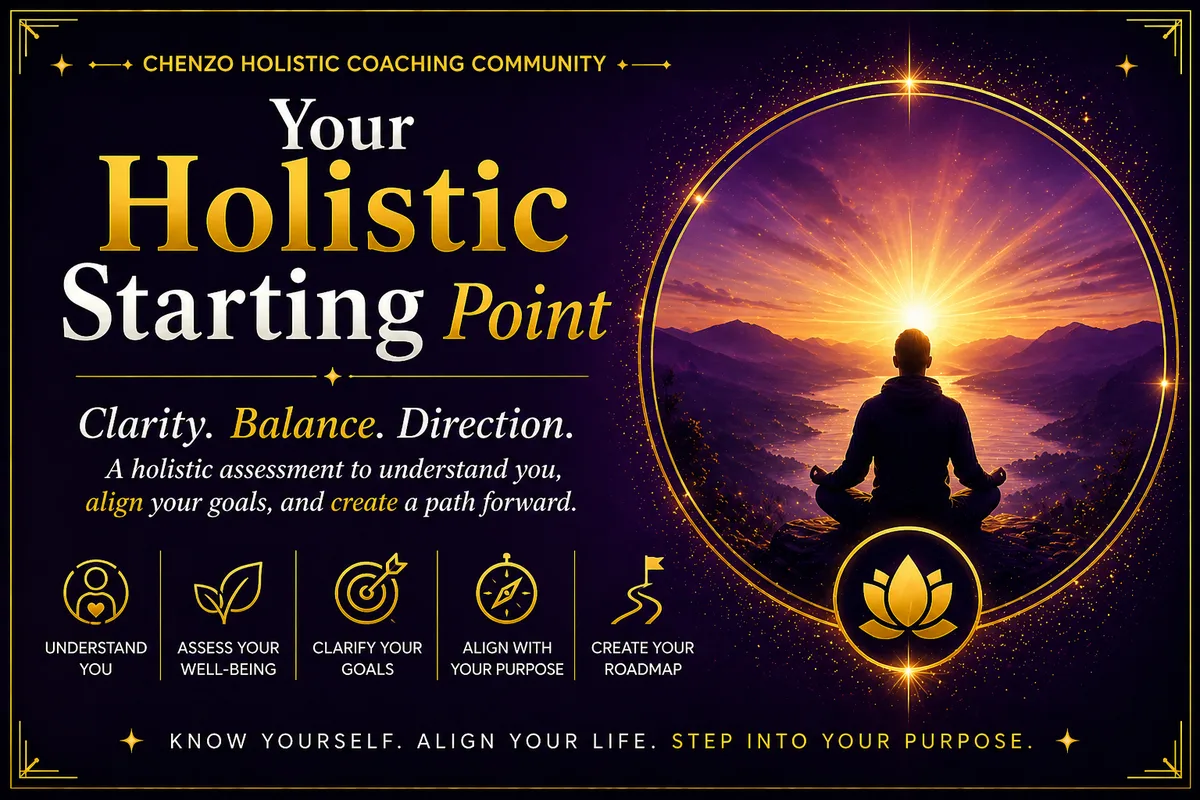
Your Holistic Starting Point
1 lesson with an assessment that shows where you are right now and what to focus on first.
Start the free course
Empath Enlightenment
A free online community for empaths and sensitive people that moves with you. Prefer chat? Try the free "Mastering your high sensitivity for empaths" chat group.
Join the free empath community
The Empowered Empath
20 self-paced lessons on protecting your energy, trusting your intuition and setting boundaries. €897, a real investment.
See The Empowered Empath
Free 30-minute discovery call
Not sure which one fits? Talk it through with me. No obligation to buy anything after.
Book a free 30-min callTo be clear: these are my own offers, so I'm not neutral. Start with the free options and see if my approach suits you before you spend anything.
When it's more than sensitivity
Please look after yourself. If you're anxious most days, can't sleep for weeks, or your mood stays low, talk to a doctor or a licensed mental health professional. Many work online. Coaching is not therapy, and I don't diagnose or treat anything. In a crisis, contact the local emergency number, or find a free crisis line in the country you're in at findahelpline.com.
Related reading: Rikst Jewelry Review: Handmade Gemstone Jewelry Made to Travel With You.
FAQ
Can a highly sensitive person be a digital nomad?
Yes. A highly sensitive digital nomad does best with slow travel, private rooms, a predictable workspace and a daily routine to recover.
How do empaths protect their energy while traveling?
Limit transitions, carry a noise and light kit, plan quiet time after social events, and keep a small daily reset like a walk or meditation.
Are hostels a bad idea for HSPs?
Dorms usually are. A private room in a small, quiet hostel or coliving can work well, because you get people around you and a door you can close.
Is being an empath a real thing?
"Empath" is not a scientific term. "Highly sensitive person" comes from research by psychologist Elaine Aron and describes a common personality trait.
Follow along
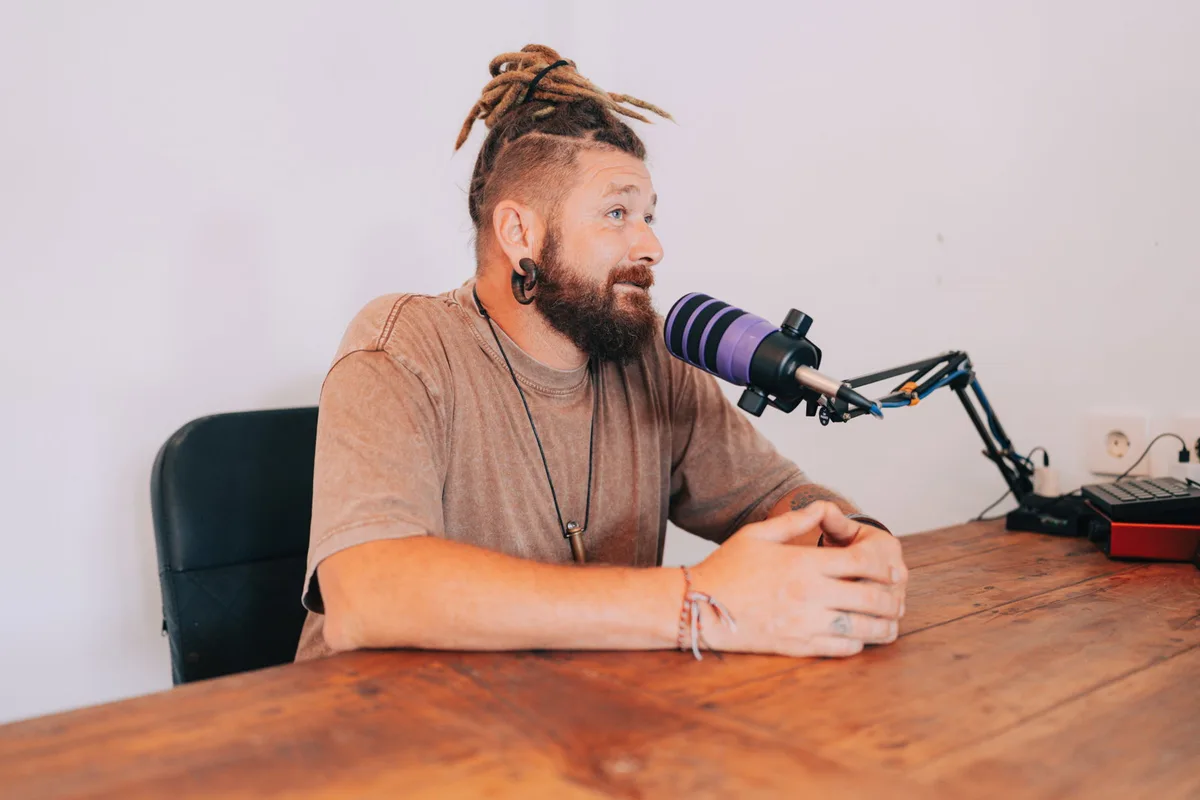
The Purpose Path Podcast
Conversations about finding direction and meaning. Good for long bus rides, flights and walks.
Listen on Spotify, Apple Podcasts, YouTube or Deezer.
Listen to the podcastDisclosure
I'm Chenzo, and I run NomadsToolsLab. I also run Chenzo Holistic Coaching. Your Holistic Starting Point, the Empath Enlightenment community, the empath chat group, The Empowered Empath, the discovery call, the podcast and the channels above are all mine. The starting course, the community, the chat group and the call are free; The Empowered Empath is a paid course. There are no affiliate links in this article. Other NomadsToolsLab articles linked here may contain affiliate links, which are disclosed in those articles.


One Comment