How to Pack for 1 Year of Nomadic Travel (Carry On Only Guide)
As an Amazon Associate I earn from qualifying purchases. Some links on this page earn us a small commission, at no extra cost to you. Full disclosure.
Quick answer
Here is how to pack for a year of travel. Two bags, a carry on suitcase plus a daypack, around 14 kg in total and no checked luggage. The tech is what decides the weight: a portable monitor in a thin case, a GL.iNet Beryl AX travel router and a power bank under 100 Wh for airline rules. The full list per bag is below.
Our top picks
Show 3 more picks
TESSAN universal adapter
One universal adapter instead of a plug for every country Read more
The tech in one table
| Gear | What it is for | Shop |
|---|---|---|
| MacBook Air M5 | Laptop | Get yours on Amazon |
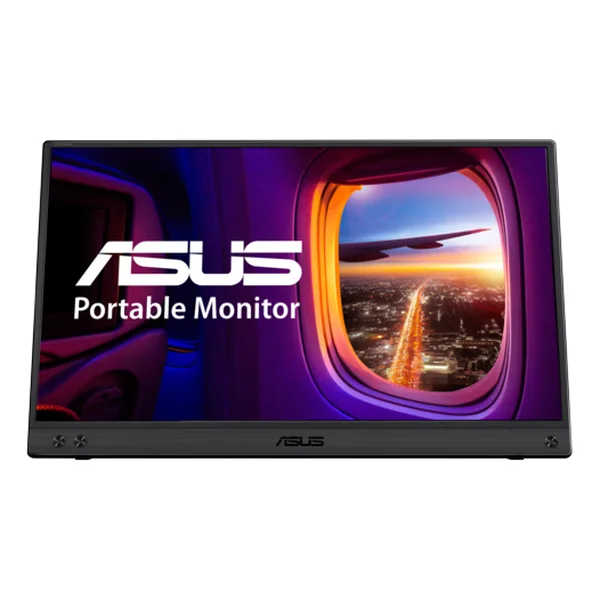 | Second screen | Get yours on Amazon |
| Sony | Headphones | Get yours on Amazon |
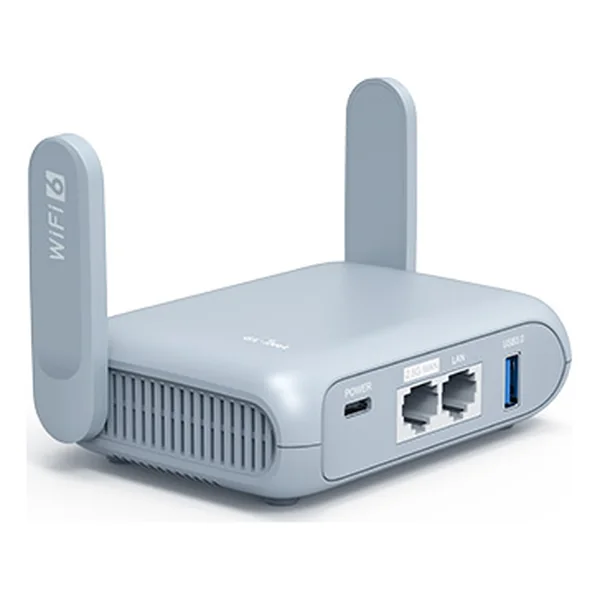 | Travel router | Get yours on Amazon |
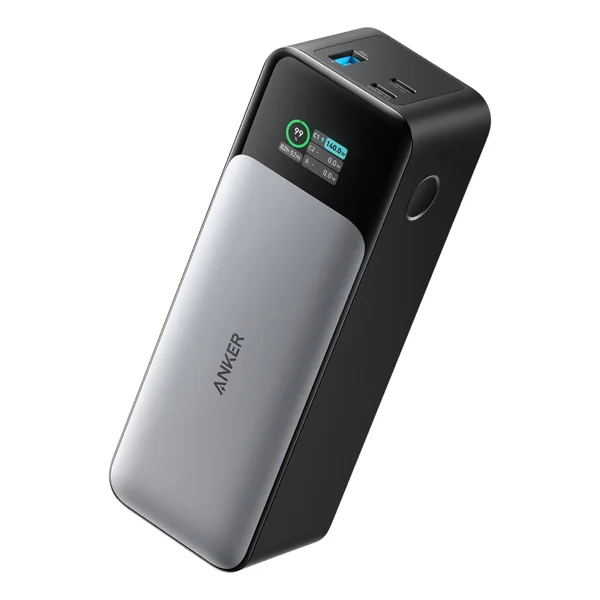 | Power bank | Get yours on Amazon |
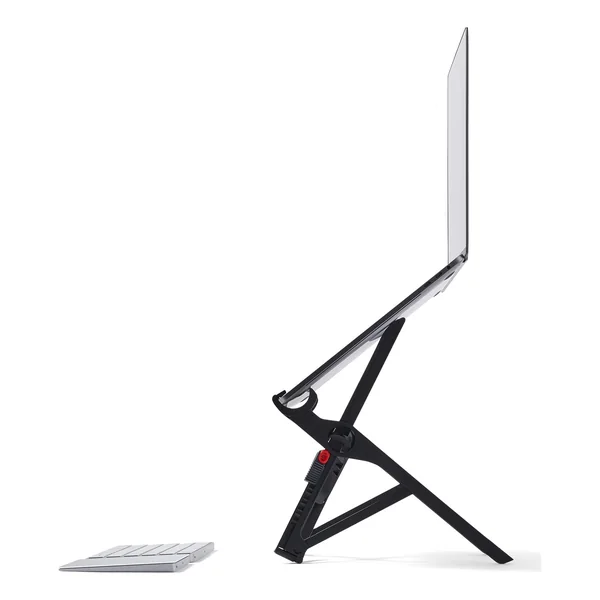 | Laptop stand | Get yours on Amazon |
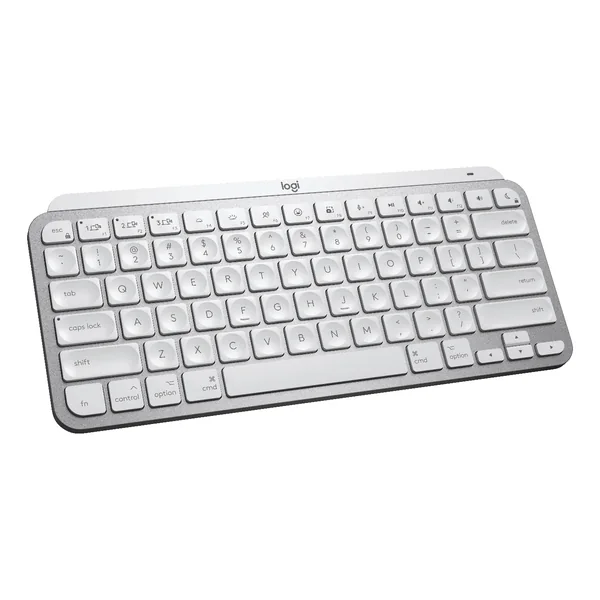 | Keyboard | Get yours on Amazon |
| TESSAN universal adapter | Travel adapter | Get yours on Amazon |
Plug adapters by region
Sockets differ from country to country, so the plug on your charger has to match the wall. Find your destination below and take the adapter for that plug type. A plug adapter only changes the shape of the plug and does not change the voltage, which TESSAN says on its own product pages, so check the label on your charger before you plug it in abroad.
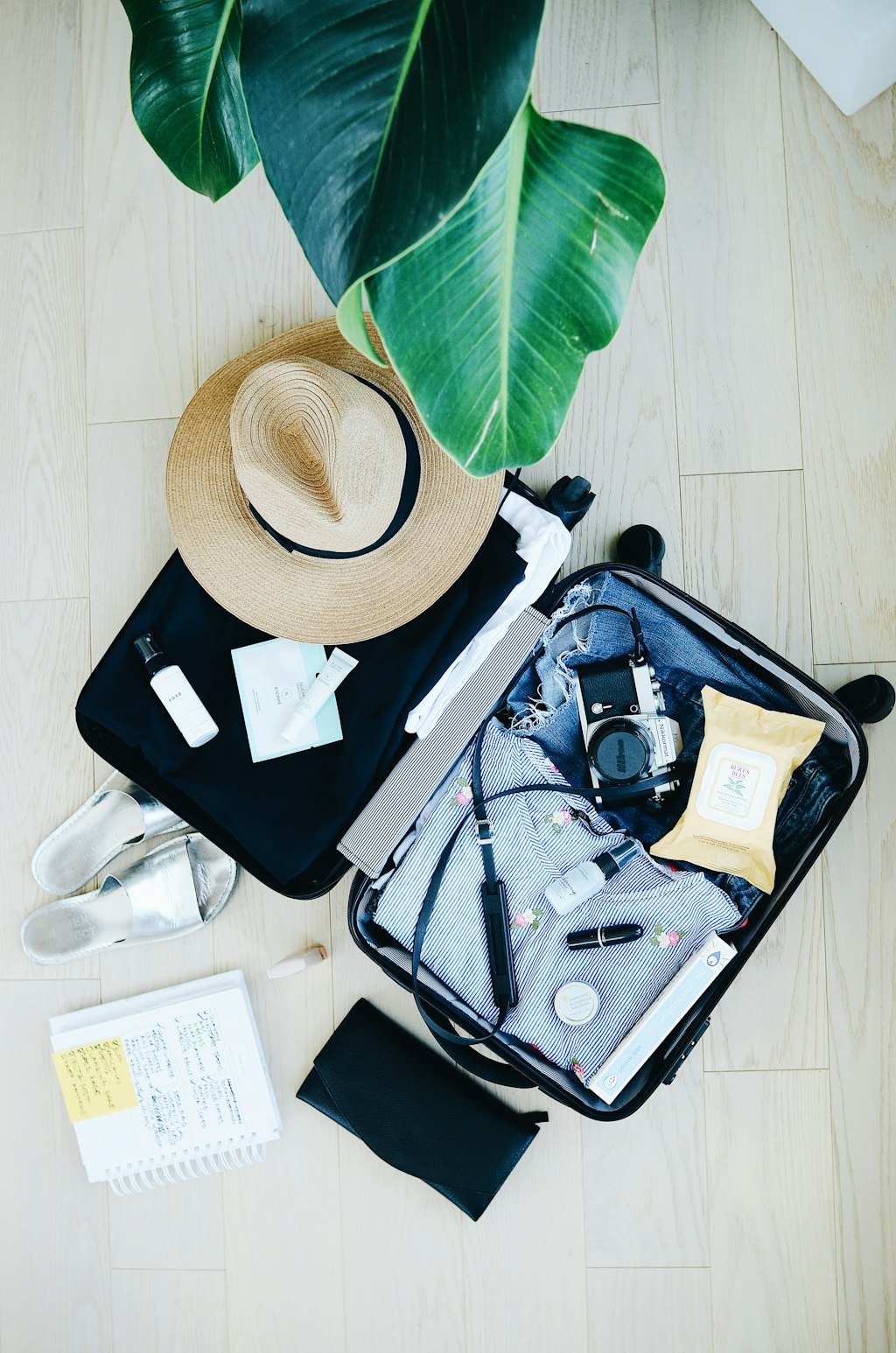
Best sellers: trusted by travelers worldwide
| Region or country | Plug type | Adapter |
|---|---|---|
| Spain, Portugal, Germany, France, Greece, Turkey, Georgia | Type C (sockets are C, E or F) | TESSAN European Travel Plug Adapter, Type C (2 pack) |
| United Kingdom, Ireland, Malta, Cyprus | Type G | TESSAN UK Adapters for Travel, Type G (2 pack) |
| Malaysia, Singapore, United Arab Emirates | Type G (Malaysia and Singapore also use C and M) | TESSAN UK Adapters for Travel, Type G (2 pack) |
| Italy | Type L (also C and F) | TESSAN Italy Travel Plug Adapter, Type L (2 pack) |
| Chile | Type L (also C and F) | TESSAN Italy Travel Plug Adapter, Type L (2 pack) |
| Brazil | Type N (also C) | TESSAN Brazil Plug Adapter (2 pack) |
| Switzerland | Type J (also C) | TESSAN Switzerland Travel Plug Adapter, Type J (2 pack) |
| Indonesia (Bali), South Korea | Type C and F | TESSAN European Travel Plug Adapter, Type C (2 pack) |
| Thailand, Vietnam, Philippines, Cambodia | Mixed, mostly A, B and C | TESSAN Universal Travel Adapter 28W |
| Japan, Mexico, Colombia, Ecuador | Type A and B (flat pins) | TESSAN Universal Travel Adapter 28W |
| Argentina | Type I (also C) | TESSAN Universal Travel Adapter 28W |
| Peru, Bolivia | Type A, B and C | TESSAN Universal Travel Adapter 28W |
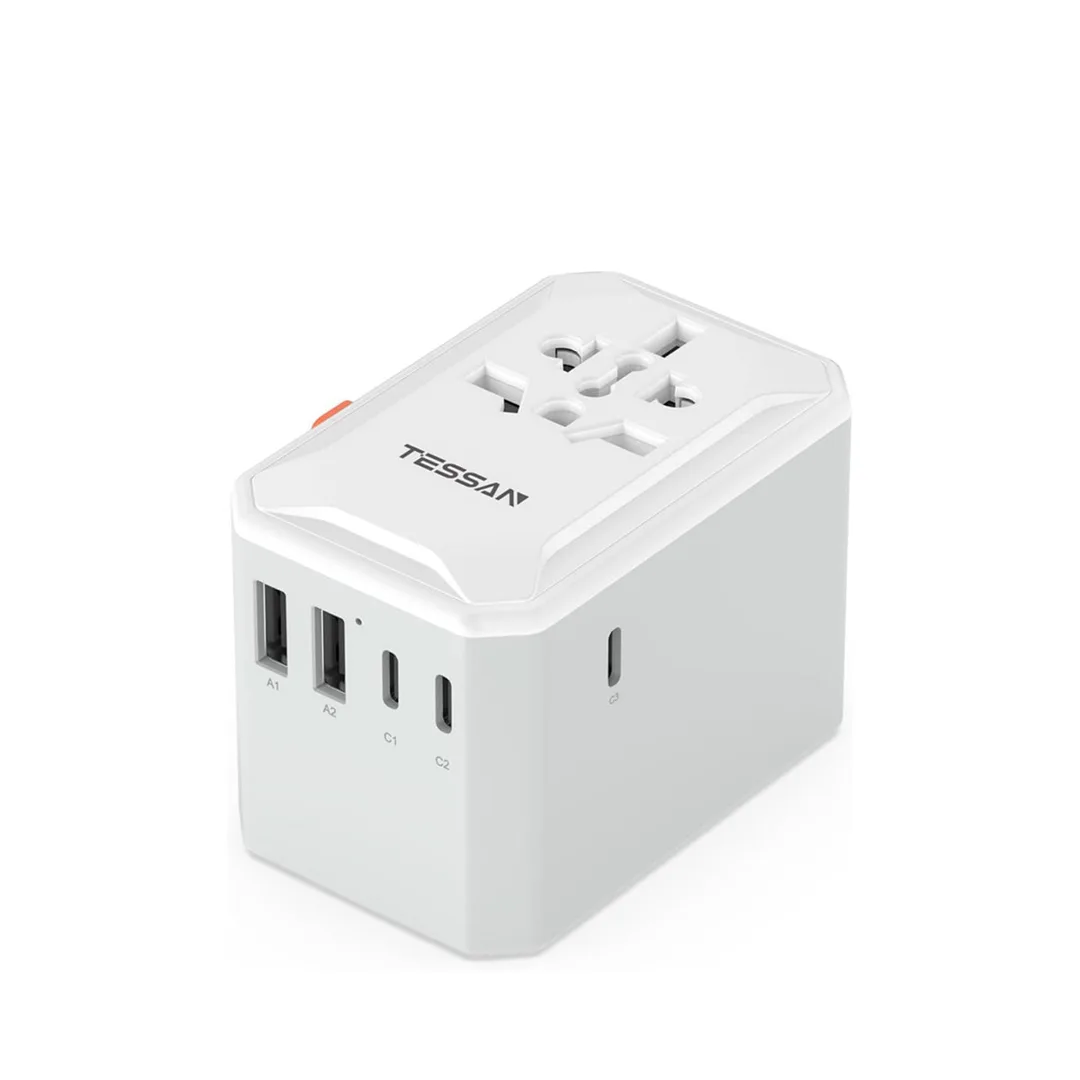
TESSAN Universal Travel Adapter 28W
The Two Bag Rule
Everything fits in two bags. A carry on suitcase (around 40 liters) and a daypack or laptop backpack (around 25 to 30 liters). That is it.
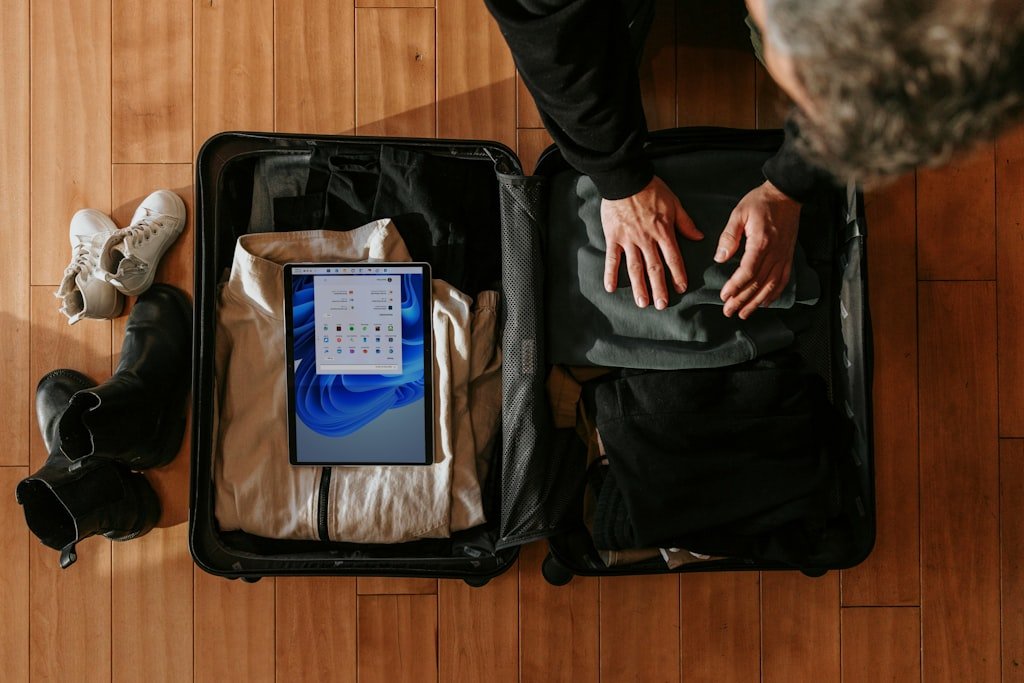
This is non negotiable because:
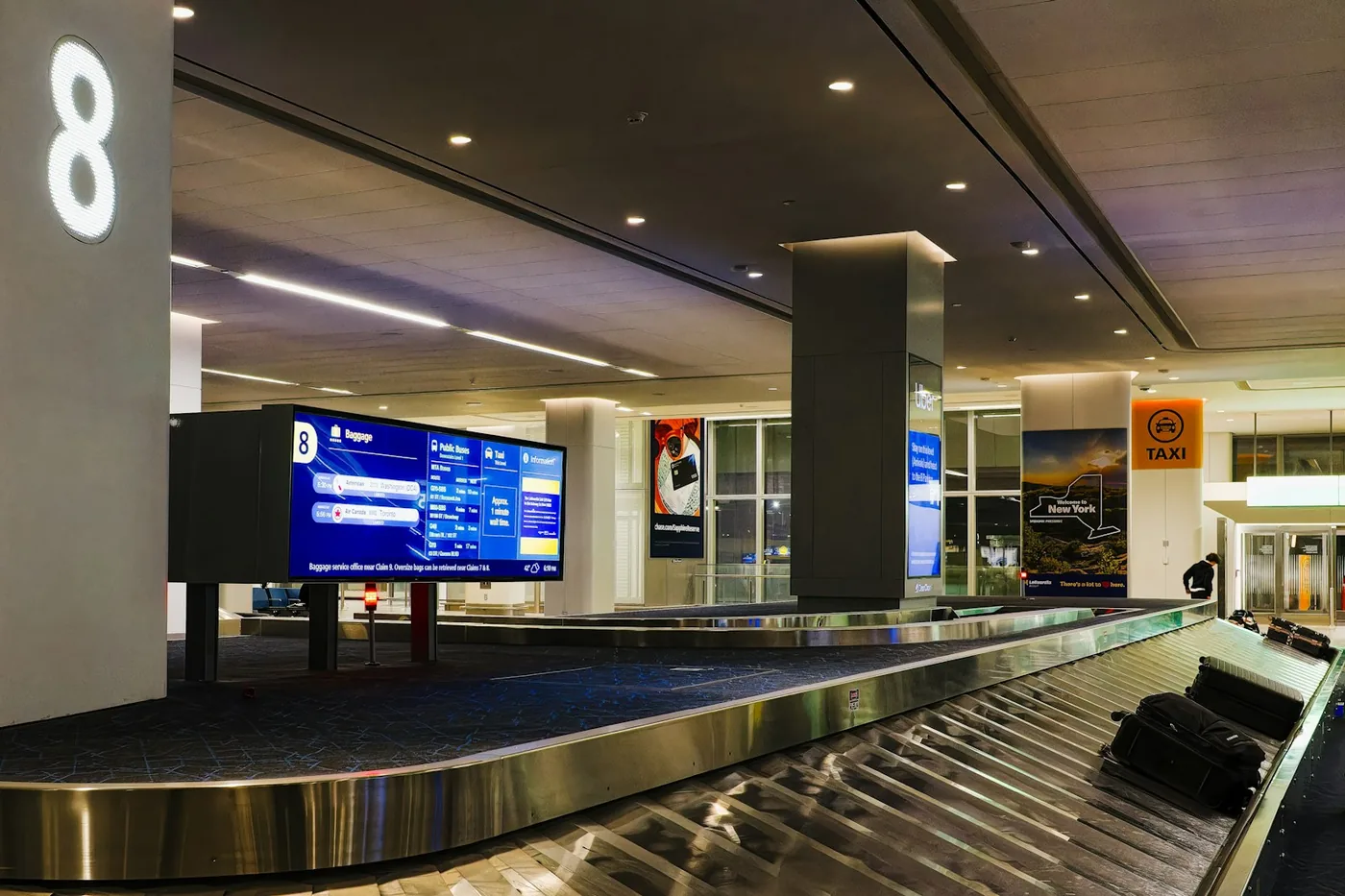
- You never wait at baggage claim. You never lose a bag.
- You skip checked bag fees on most flights (low cost carriers have their own cabin bag size and weight rules, so check before you book)
- You can walk between accommodations and coworking with everything you own
- The constraint forces you to pack only what you actually need
If it does not fit in these two bags, it stays home. After your first three trips you will be grateful.
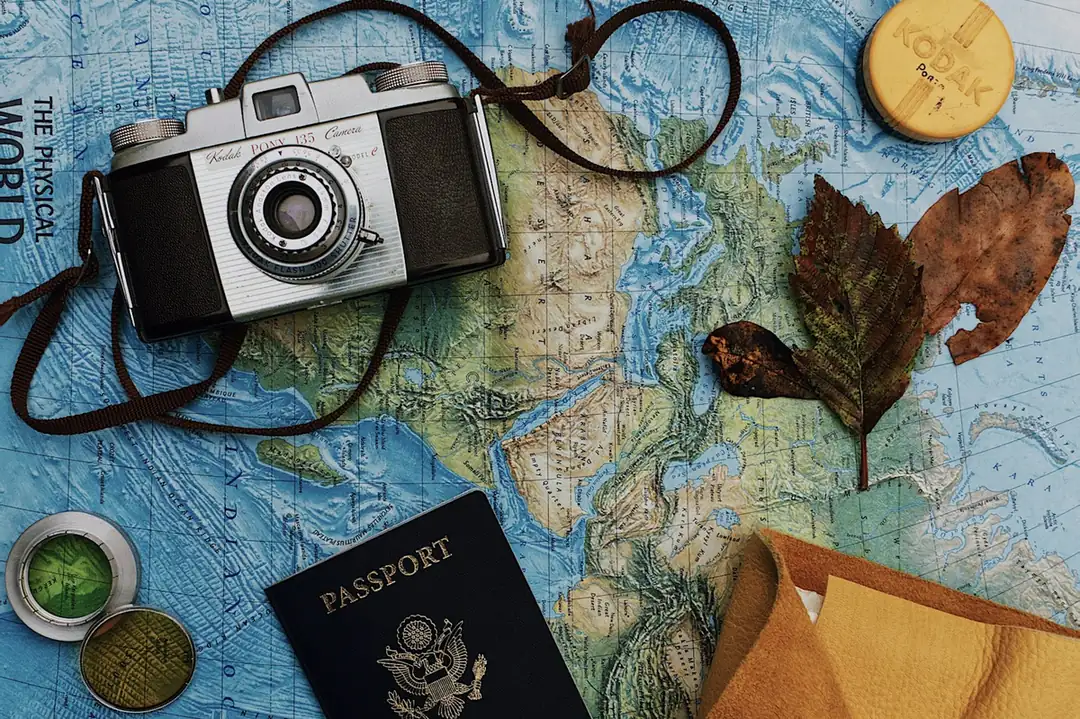
The Carry On Suitcase: 40 Liters
The carry on holds everything except the laptop and daily use items. The breakdown:
Clothing (Aim for 7 to 10 days of outfits)
- 5 t shirts (mix of dark and light colors, merino if you can afford it)
- 1 long sleeve shirt for cold mornings or evenings
- 1 button up shirt for nicer dinners or business meetings
- 2 pairs of pants or chinos
- 1 pair of shorts
- 1 pair of versatile athletic shorts or leggings for the gym
- 1 light jacket or windbreaker
- 7 to 10 pairs of underwear (merino or quality synthetic dries fast)
- 4 pairs of socks (2 ankle, 2 crew)
- 1 swimsuit
- 1 sleeping outfit (light shorts and t shirt)
The math. 7 to 10 days of outfits with weekly laundry means you are always wearing clean clothes without overpacking. Quick dry materials let you handwash in a pinch.
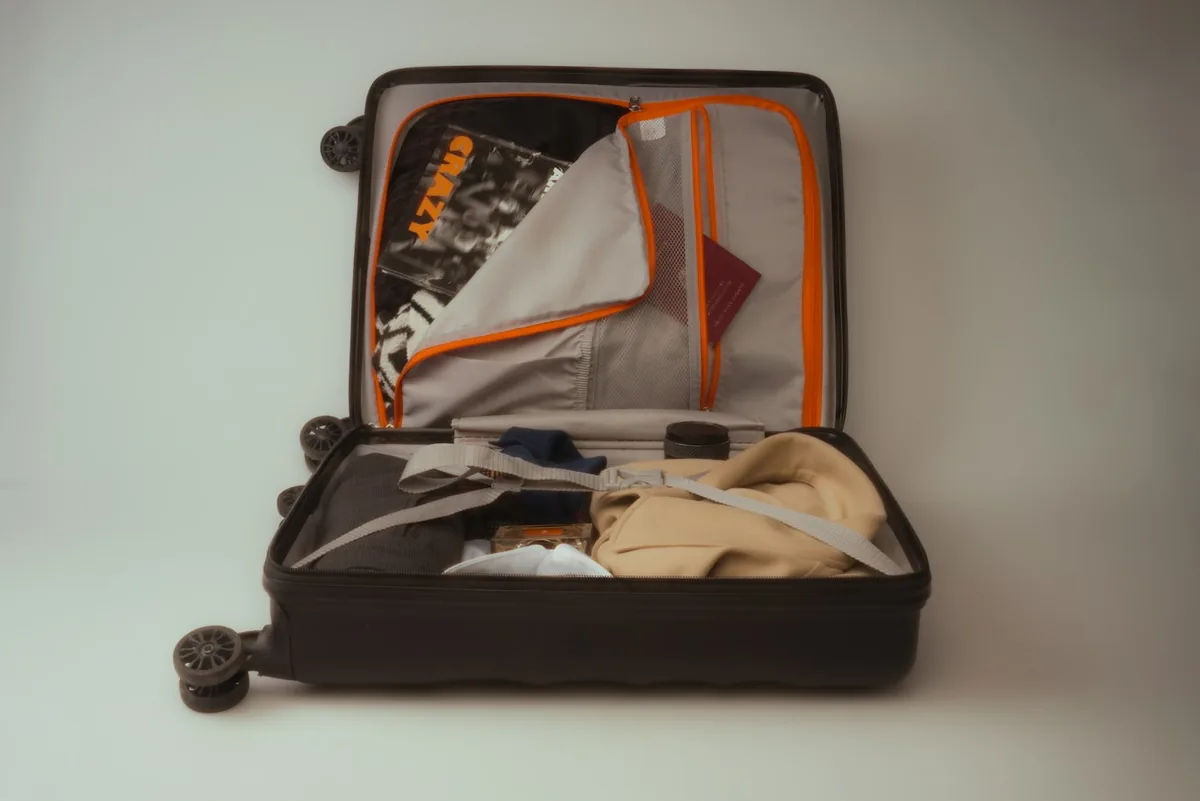
Shoes (Only 2 Pairs)
- 1 pair of versatile sneakers that look acceptable in restaurants and on hikes (Vessi, Veja, or Allbirds work for most people)
- 1 pair of sandals or slip ons (Birkenstock or rope sandals for hot weather, Crocs if you do not care about looks)
Two pairs covers gym, walking, restaurants, beach and most adventures. Anything more is overpacking.
Toiletries (100ml Rule)
- Travel size shampoo and conditioner (or refill from local supermarkets)
- Toothbrush, toothpaste, floss
- Deodorant
- Sunscreen (in countries where it is expensive at the destination)
- Razor and blades
- Skincare basics (moisturizer, cleanser)
- Basic medicine kit (paracetamol, ibuprofen, diarrhea meds, antihistamines, plasters)
- Quick dry travel towel (small, fits in a fist)
Buy bulky items locally instead of carrying them through 5 countries. Shampoo, body wash, sunscreen and similar are cheap everywhere except the most expensive countries.
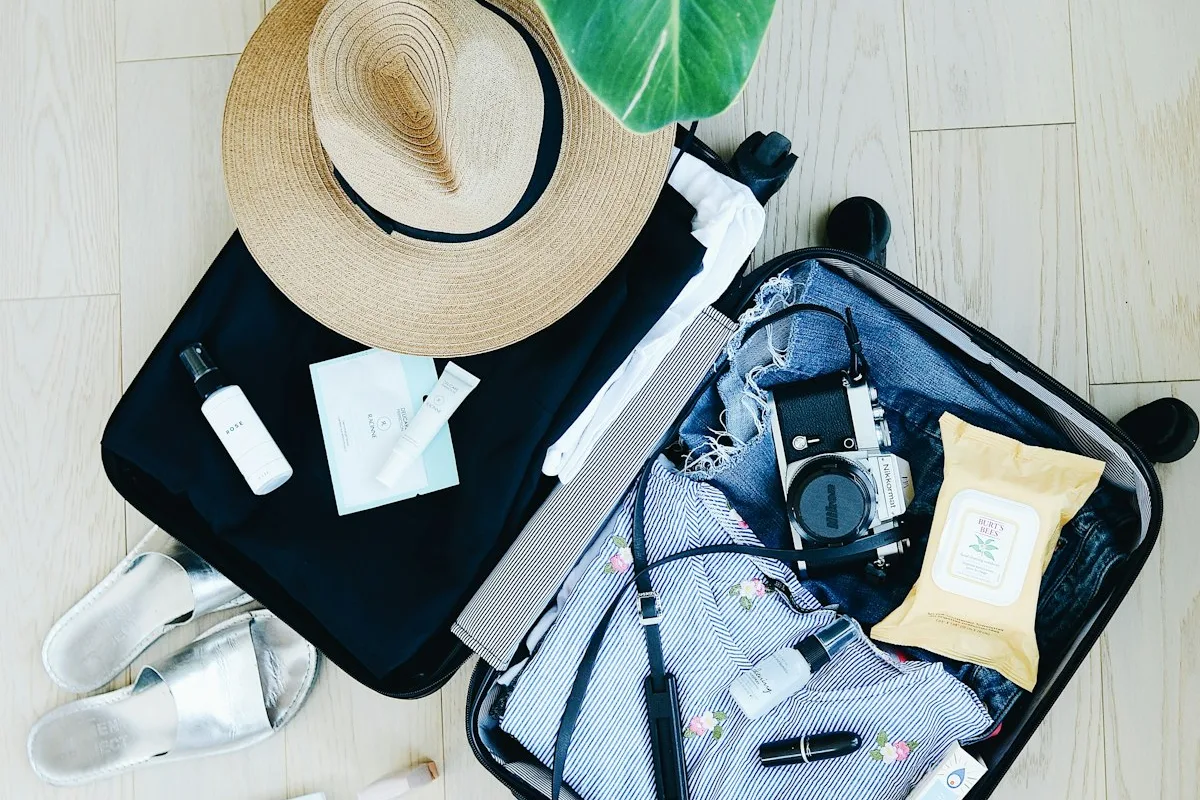
Extras That Earn Their Place
- Packing cubes (3 small ones organize the whole suitcase)
- Microfiber dry bag (for swim trunks or damp gear)
- Universal adapter (TESSAN universal adapter has four plug types and is made for over 150 countries) Get yours on Amazon
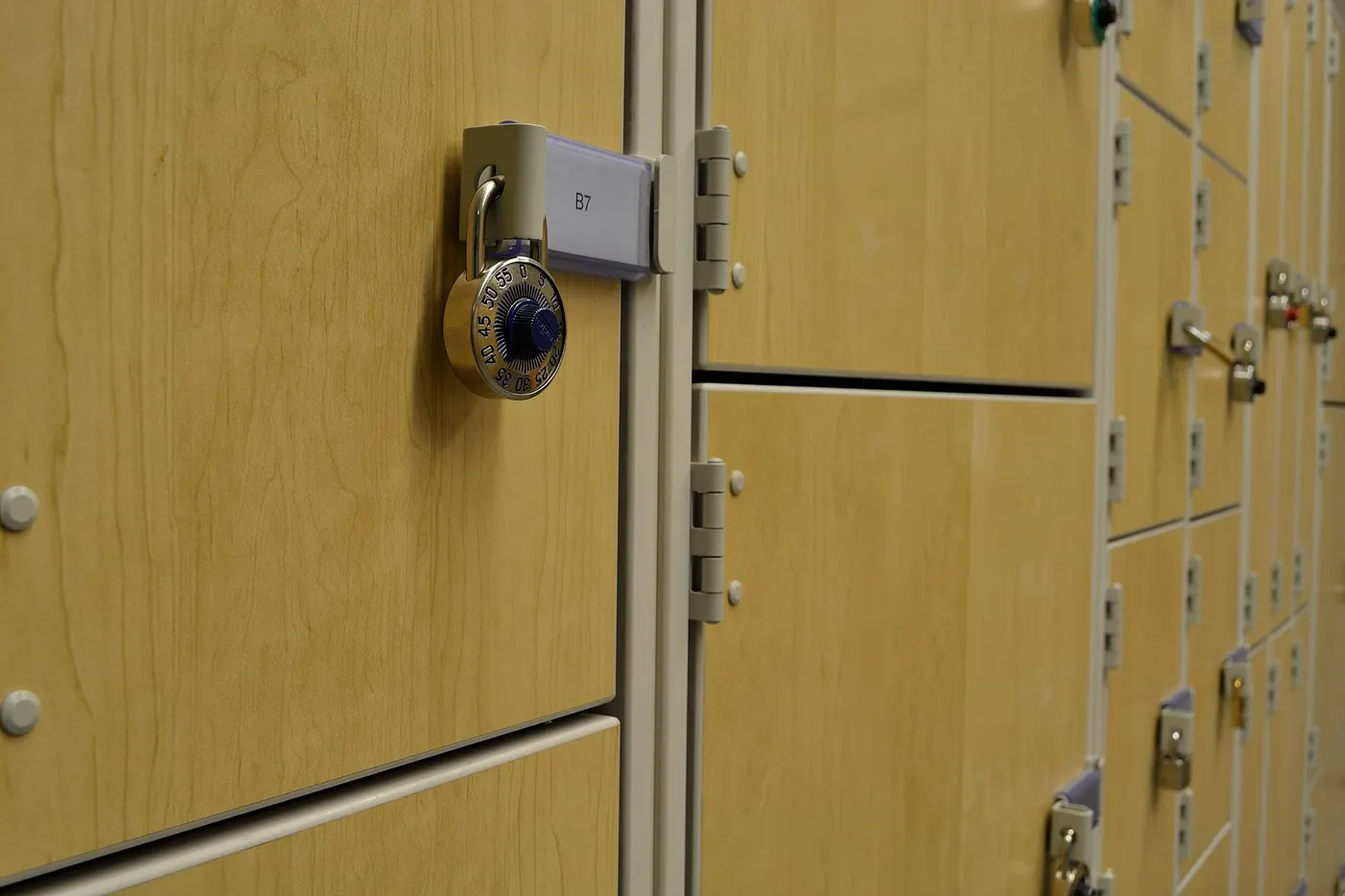
- Padlock for hostel lockers or extra security
- One pair of sunglasses
- Hat or cap for sun
Carry-on hack: a neck pillow you fill with clothes
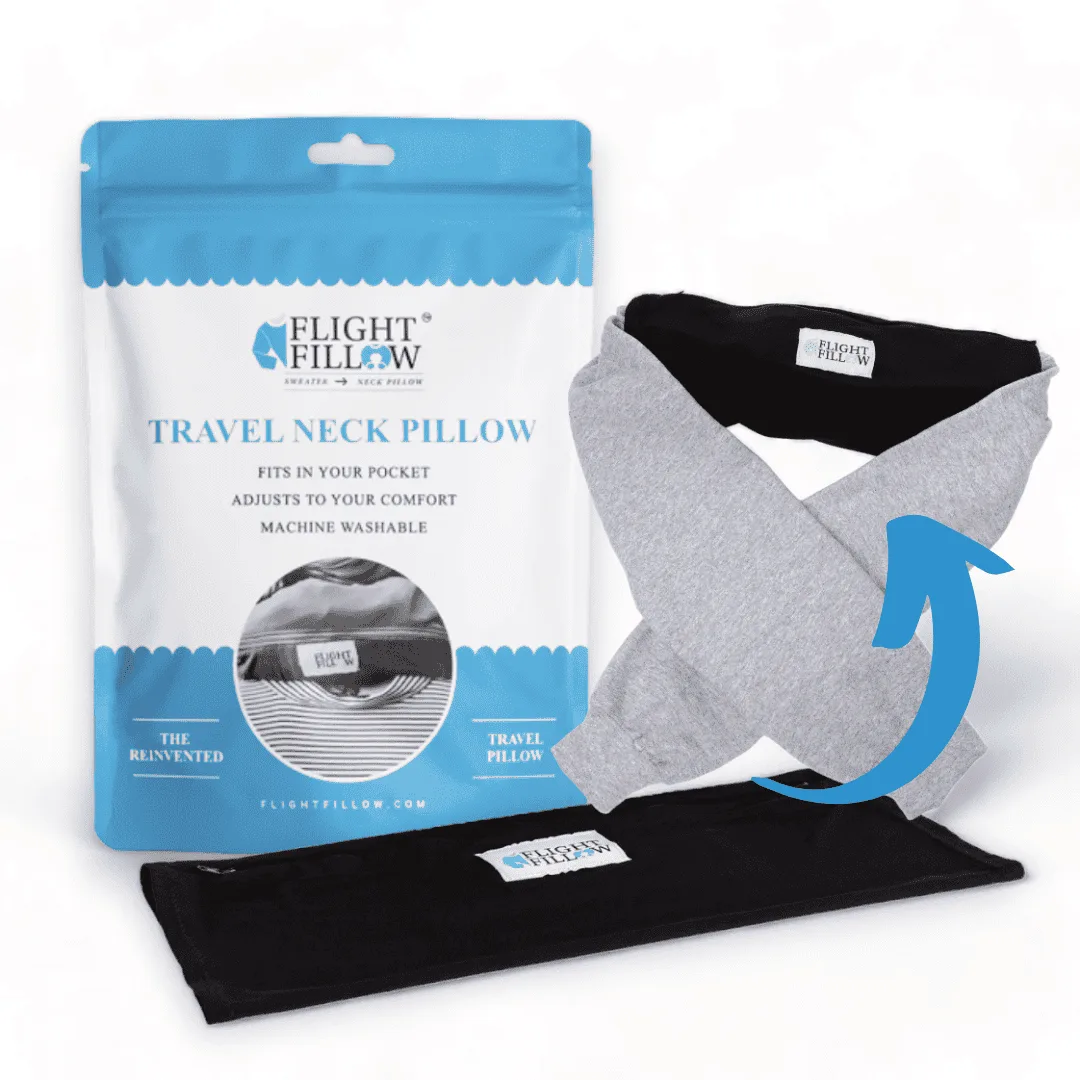
Flight Fillow Stuffable Neck Pillow
A stuffable neck pillow is an empty pillow cover. You fill it with your own clothes, wear it around your neck, and it comes on board as a pillow instead of as a bag. The Flight Fillow is the small version: a sleeve that turns a sweater or hoodie into a neck pillow and folds up smaller than a deck of cards. Bigger ones, such as the TUBE and the DreamShore, are sold as holding up to three days of clothes.
From the road: I have done this many times. You just take it on the plane with you, and they do not check it.
One honest note: the baggage pages of Frontier and easyJet, which we read on 2 October 2026, do not mention neck pillows at all, so nothing is promised in writing. If a gate agent does count it as a bag, the clothes go back into your backpack.
The Daypack: 25 to 30 Liters
The daypack holds your tech and the things you want with you on the plane and in transit. The rule: anything you would not want to lose if your checked bag was delayed lives in here.
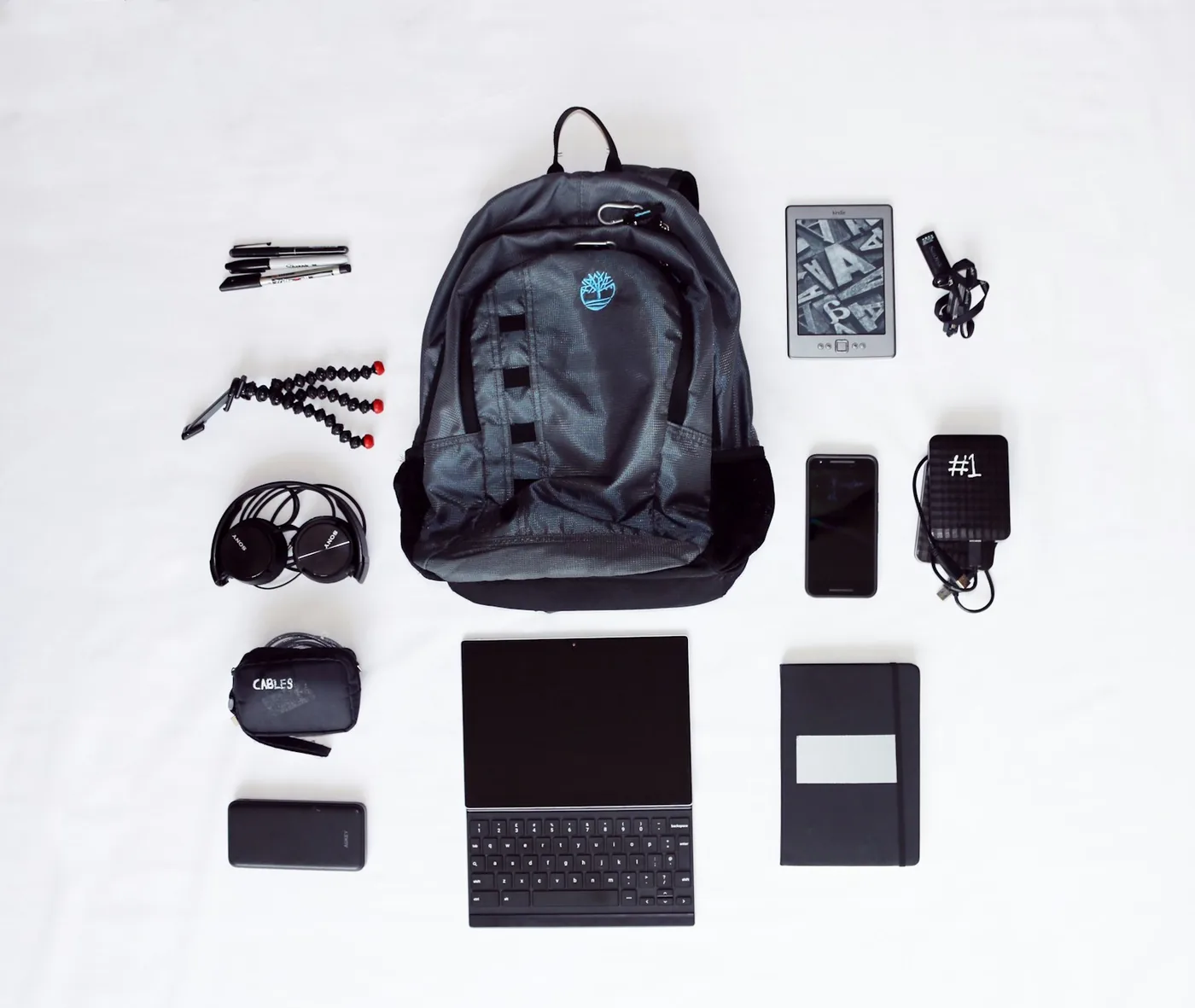
Tech
- Laptop (MacBook Air M5 or similar) in a padded sleeve Get yours on Amazon
- Portable monitor (Asus ZenScreen or similar) in its own thin case Get yours on Amazon
- Phone
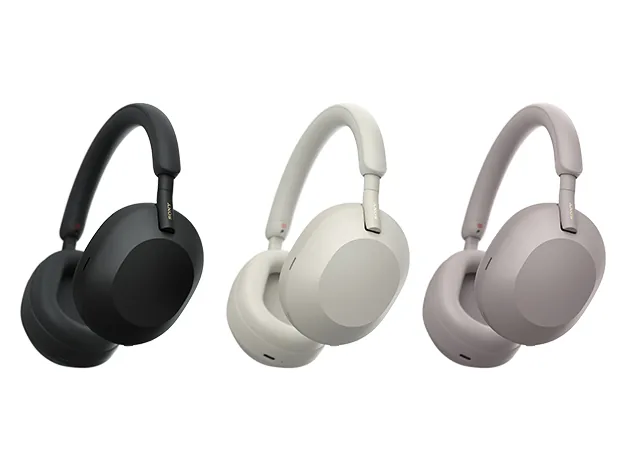
- Wireless earbuds or over ear headphones (AirPods Pro or Sony WH 1000XM5) Get yours on Amazon
- Travel router (GL.iNet Beryl AX or smaller) Get yours on Amazon
- Portable charger or power bank (Anker 737 or similar, 100 Wh max for airline rules) Get yours on Amazon
- Charging cables (USB C, lightning, one extra of each)
- Wall chargers (one GaN multi port charger replaces 4 individual ones)
- Laptop stand (Roost or Nexstand, folds flat) Get yours on Amazon
- Compact external keyboard and mouse (Logitech MX Keys Mini, MX Anywhere 3) Get yours on Amazon
Documents and Daily Use
- Passport in a passport wallet
- Backup ID stored separately from passport
- Travel insurance card and emergency contact info
- Wallet with two cards plus some cash
- Reusable water bottle (empty going through security, fill after)
- Pen and small notebook
- Snacks for the flight
One Comfort Item
Many nomads pack one comfort item that has nothing to do with travel efficiency. A favorite book. A small speaker. A specific tea. A photo. The point is that the item makes a hotel room feel like home in 5 minutes. Pick yours.
What To Leave At Home
The things new nomads overpack:
- More than 10 days of clothes (you do laundry every week, more is dead weight)
- Hair dryer (most accommodations have one)
- Towels (most stays provide them, plus your travel towel is enough)
- Full size toiletries (buy locally)
- Hard cover books (use Kindle or phone)
- Multiple electronic devices that do the same thing (one phone, one laptop, one tablet max)
- Formal wear unless you need it for specific events
- Multiple jackets (one good lightweight one is enough)
- Excessive medicine kit (basics only, buy the rest if needed)
- Hiking boots unless you are specifically going on a hiking trip
The Climate Question
One year of travel means many climates. The system that works:
- Default packing assumes mild to warm weather (most nomads spend most time in warmer climates)
- One quality lightweight jacket handles cool evenings and mild winters
- For really cold destinations, buy a heavier coat locally and donate it before leaving
- For monsoon season, a small lightweight rain shell takes minimal space
The mistake is packing for every climate you might encounter. The smarter move is to pack for 80 percent of your trip and buy or rent for the other 20 percent.
The Laundry System
Laundry happens weekly. The options that work:
- Hostel or accommodation washing machine (free in many Airbnbs)
- Local laundry service (very common in Asia and Latin America, usually priced per kilo and often cheap)
- Handwash for quick dry items in the sink (merino wool t shirts and underwear dry in 6 hours)
- Laundromat in Western countries
Plan around laundry. Pack for 7 to 10 days of wearing, wash weekly, never run out of clean clothes.
The Packing Cubes System
Three packing cubes inside the carry on suitcase organize everything:
- Cube 1: tops (t shirts, long sleeve, button up)
- Cube 2: bottoms (pants, shorts, swimwear, sleepwear)
- Cube 3: underwear, socks, accessories
This makes the suitcase organized, lets you grab what you need without unpacking, and keeps clean clothes separate from dirty ones when you start a wash cycle.
What We Pack For Cold Destinations
If a stretch of the year takes you to a cold climate (Bansko in winter, Berlin in December, Tokyo in February), the additions:
- 1 puffer jacket (Uniqlo Ultralight folds tiny and packs in a sleeve)
- 1 base layer (merino or quality synthetic)
- 1 beanie or warm hat
- 1 pair of gloves
- Wool socks instead of regular
This adds maybe 1 kg to the pack and covers most cold climates short of Arctic conditions. For Arctic destinations, buy locally.
What Most New Nomads Get Wrong
Three common patterns.
First, packing for every situation. The wedding outfit, the formal interview outfit, the hiking outfit, the gym outfit, the date outfit. Stop. One versatile core wardrobe handles most situations. Buy or rent for the rare exceptions.
Second, packing too many shoes. Three pairs of shoes weigh 1.5 to 2 kg. Two pairs is enough. Versatile sneakers plus sandals covers everything. If one of those pairs needs to handle trails too, pick from these packable hiking shoes.
Third, overpacking electronics. One laptop, one phone, one tablet (if you actually use it), one set of headphones. Multiple cameras, multiple laptops, multiple tablets is just expensive luggage.
The Final Weight
8 to 10 kg
5 to 7 kg
13 to 17 kg
A well packed one year nomad setup weighs:
- Carry on suitcase: 8 to 10 kg
- Daypack with electronics: 5 to 7 kg
- Total: 13 to 17 kg
Weigh both bags before you fly: some low cost carriers have strict weight limits for cabin bags or charge extra for a larger one, and these totals can be over their limit. On airlines with generous cabin allowances, it means no checked luggage anxiety and no waiting at baggage claim.
Key takeaways
- Two bags, a carry on suitcase plus a daypack, around 14 kg in total and no checked luggage.
- Pack 7 to 10 days of outfits, wash weekly and buy bulky items locally.
- The tech decides the weight: keep the power bank under 100 Wh for airline rules.
- Two pairs of shoes cover gym, walking, restaurants, beach and most adventures.
- Pack for 80 percent of your trip and buy or rent for the other 20 percent.
Final Take
Packing for one year of nomadic travel is the same as packing for one month. You wash clothes weekly. You buy bulky items locally. You commit to two bags and never look back.
The lifestyle gets dramatically easier when you pack light. You move faster between cities. You climb stairs without dread. You stop worrying about lost luggage. You spend more time experiencing the place and less time managing your stuff.
For the rest of the gear, see our best backpacks for nomads, best laptops guide and full packing list.
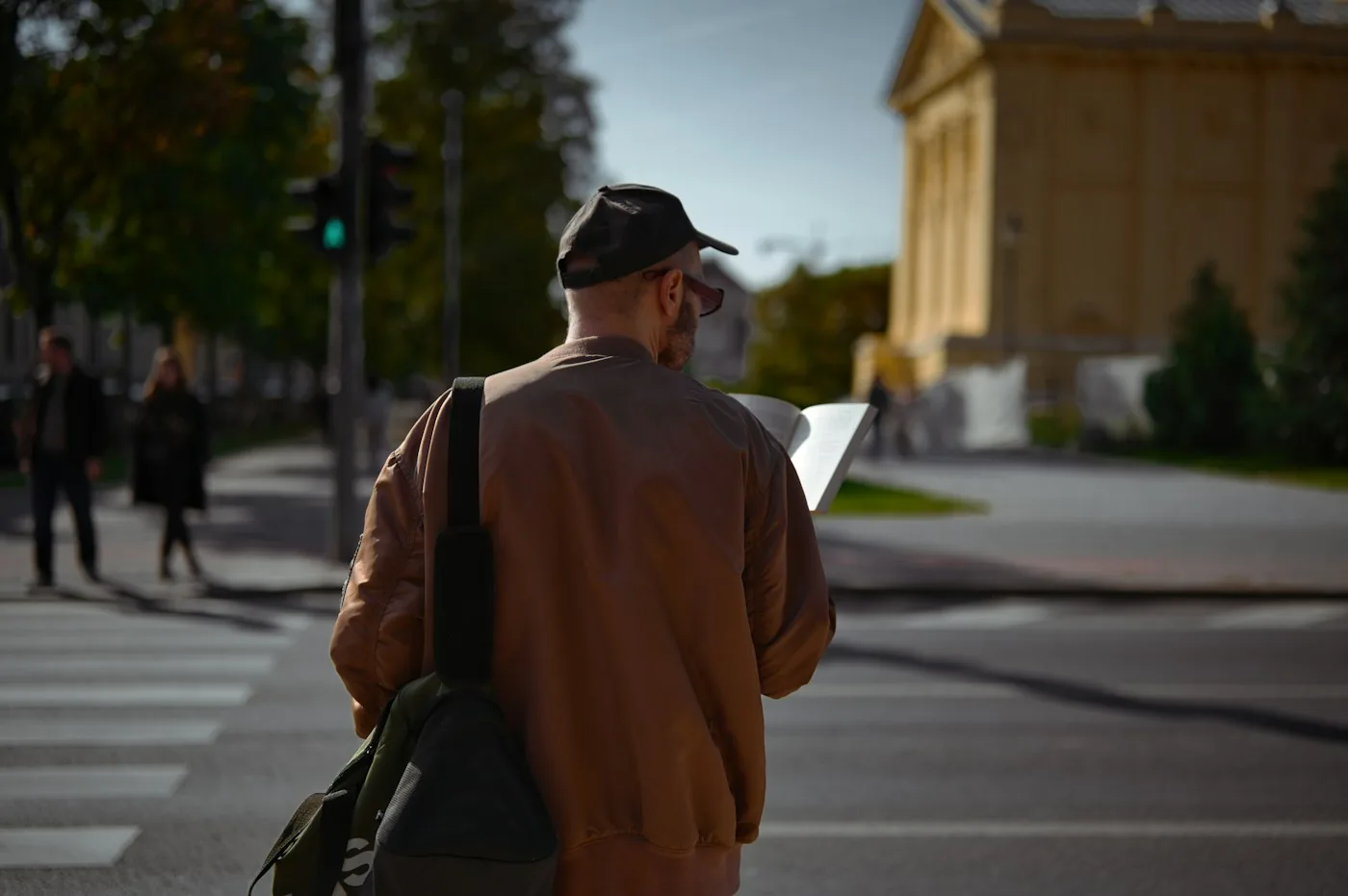
Our remote work setup
The gear guides we compare for working from cafes, coliving rooms and rentals:
Related reading: Best Universal Travel Adapter for Digital Nomads (2026).
FAQ
Can you really travel for a year with carry on only?
Yes. Many experienced nomads do exactly this. The constraint forces smart packing and the lifestyle is dramatically easier with less to carry.
How many clothes do you need for one year of travel?
7 to 10 days of outfits. You wash clothes weekly, so more is dead weight. Quick dry materials let you handwash in a pinch.
What is the best carry on suitcase for digital nomads?
Away, Monos, Travelpro and Osprey all make solid carry on suitcases in the 40 liter range. Pick one with a reliable warranty and 360 degree wheels.
Do I need a checked bag for long term travel?
Usually not. Many experienced nomads travel for years with only a carry on plus a daypack. The downside of checked luggage (lost bags, fees, slower travel) far outweighs the benefits.
How do you wash clothes while traveling?
Accommodation washing machines, local laundry services (usually priced per kilo), handwashing in sinks, or laundromats. Weekly washing keeps the packing list small.
Why this matters
The biggest packing mistake new nomads make is bringing too much. In the beginning my backpack was full of things too. After traveling for a long time, you notice you do not need most of them, so it gets less and less. These days it is a toothbrush and body and face care, a few medicines, a few shorts and shirts, a thick sweater for when it gets cold, socks, one extra pair of shoes, slippers, chargers and my laptop. That's it.
This guide is the system: what stays in the bag, and what you can leave behind without missing it.
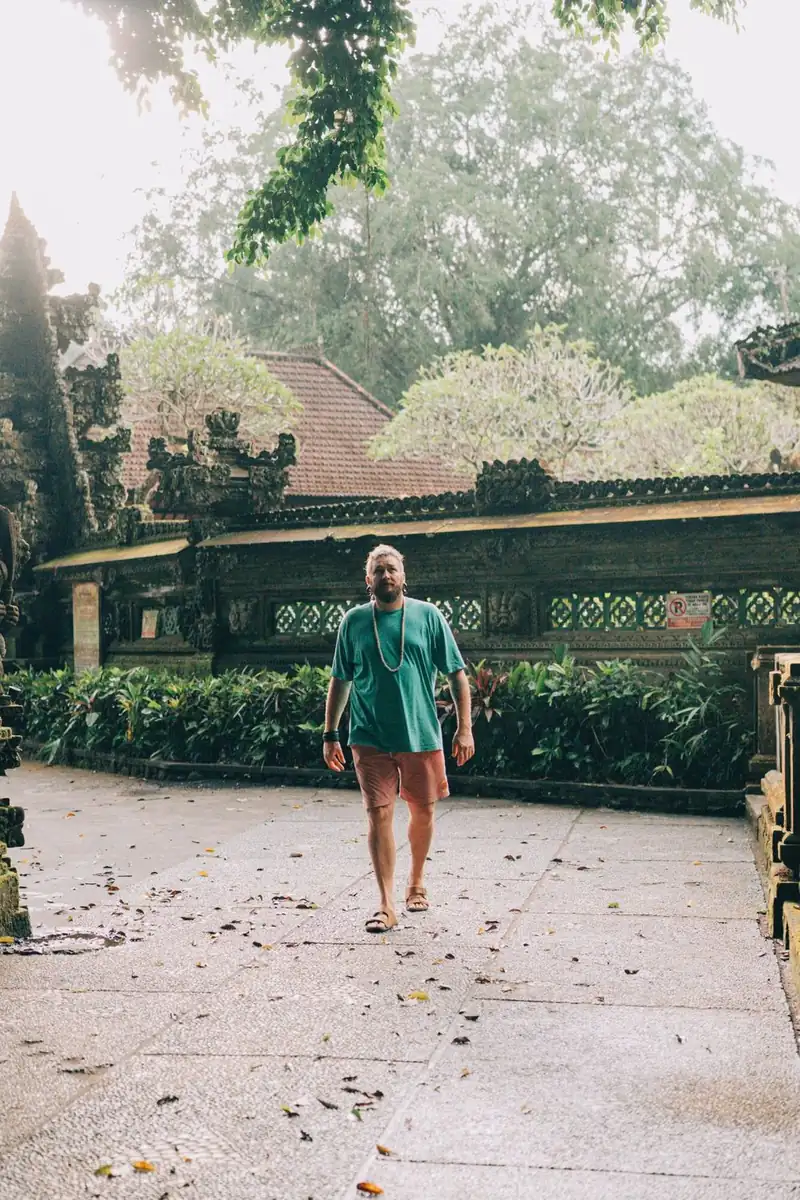
Chenzo, founder of NomadsToolsLab, visiting a temple in Bali.
Updated:
Affiliate disclosure. This post contains affiliate links. If you click and buy something, this site earns a small commission at no extra cost to you. Picks are based on published specs, independent reviews and manufacturer information, and we only recommend what we would use ourselves. As an Amazon Associate I earn from qualifying purchases. Read the full affiliate disclosure. Amazon and the Amazon logo are trademarks of Amazon.com, Inc. or its affiliates.
Your next step