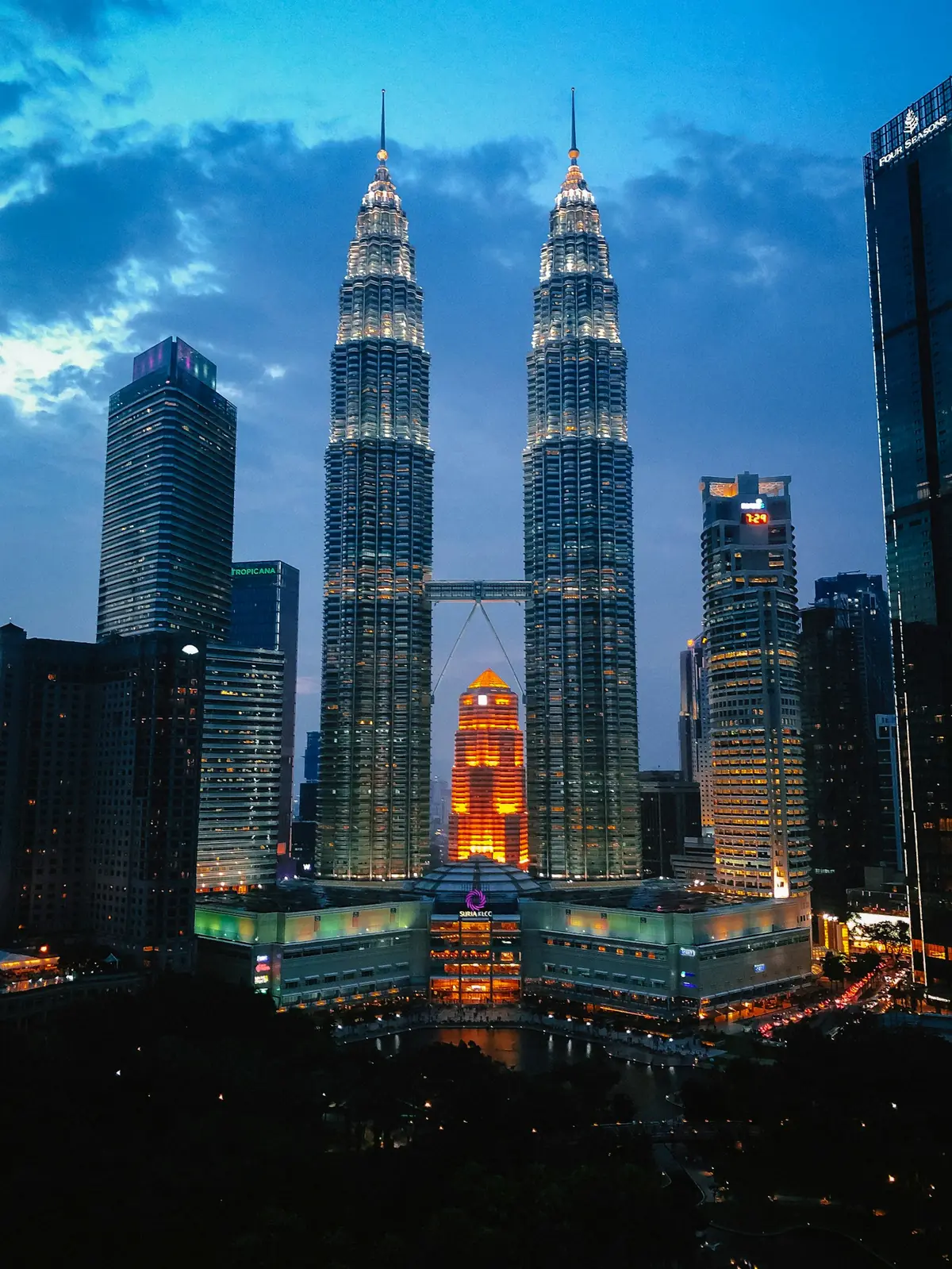
Kuala Lumpur for Digital Nomads: 2026 City Guide
As an Amazon Associate I earn from qualifying purchases. Some links on this page earn us a small commission, at no extra cost to you. Full disclosure.
This Kuala Lumpur digital nomad guide covers the airport transfer, getting around and what to sort before you land. Kuala Lumpur gets less hype than Bangkok or Bali, and that's part of the appeal: first-world infrastructure, some of the fastest internet in the region, and a dedicated nomad visa, at prices closer to a budget hub than a capital city. WhereNext's 2026 ranking of 95 countries, built from public data such as World Bank and Ookla figures, puts Malaysia first for digital nomads. This guide covers what's worth doing, the real fare numbers from KLIA, and where to sort an eSIM and insurance before you land.
Quick answer
The KLIA Ekspres train is the fastest way into KL Sentral at RM55 one-way, a metered taxi runs on APAD's official per-meter tariff, and DE Rantau is Malaysia's dedicated nomad visa if you're staying longer than a tourist entry allows. Sort your train ticket or transfer first, then plan around Petronas and Batu Caves. The KLIA Ekspres fare (RM55 one-way, RM100 return) and the 28 minute journey were checked on the operator's site on 5 October 2026.
Book these first

Klook

Welcome Pickups

Yesim

Holafly
Code NOMADSTOOLSLAB gives 5% off at checkout.

Radical Storage

KKday
- The KLIA Ekspres runs nonstop between the airport and KL Sentral in around 28 minutes, at RM55 one-way or RM100 return; the one-way fare rises to RM65 from 1 January 2027.
- Metered taxis are regulated by APAD; the widely reported rates are a flag-fall of RM3.00 plus RM0.10 for every 115 meters, with a 50% surcharge overnight from midnight to 6am.
- KLIA has official taxi coupon counters in the arrivals hall where you pay upfront for a fixed-zone fare.
- DE Rantau is Malaysia's dedicated nomad visa if you are staying longer than a tourist entry allows.
- Petronas Twin Towers tickets sell out on busy days, so book a time slot ahead; Batu Caves and Merdeka Square are free.
What makes Kuala Lumpur worth the trip
KL works as a soft landing into Southeast Asia: English is widely spoken, the transit system is genuinely modern, and the sights are spread across a manageable, walkable core plus one easy day trip. The places worth building a week around:
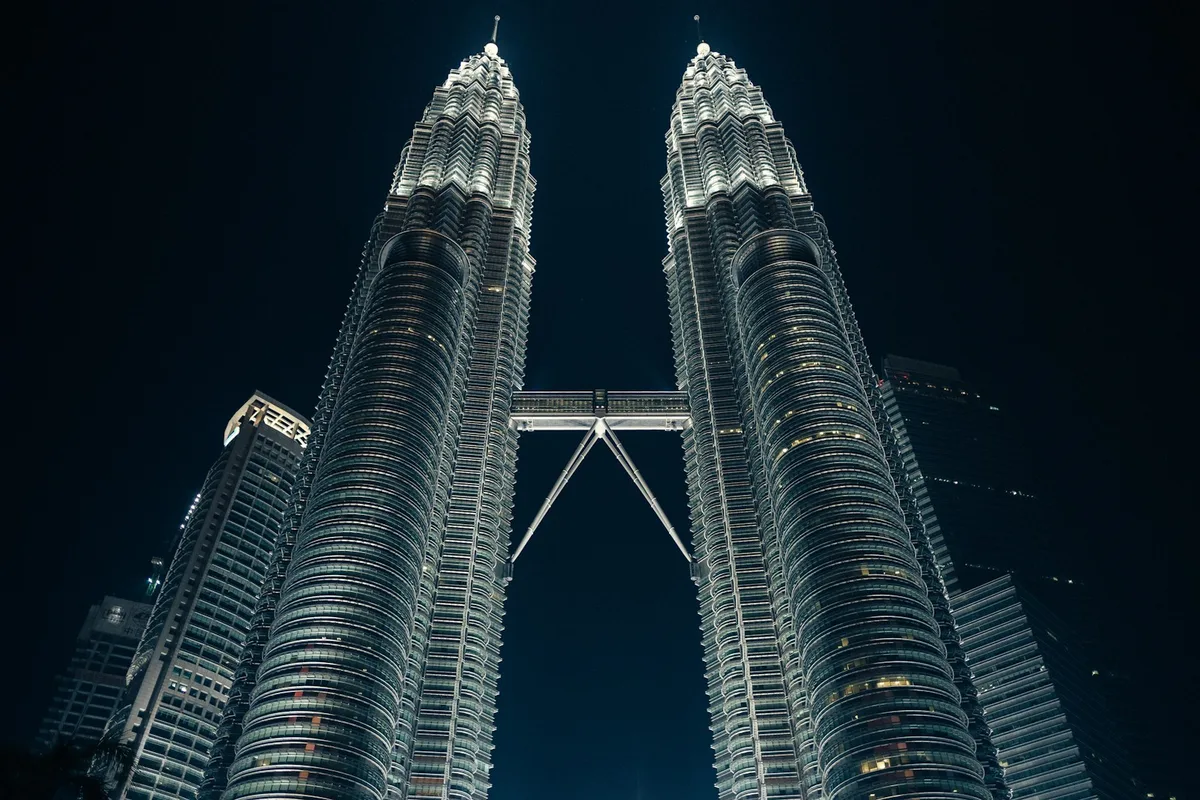
Petronas Twin Towers. The skybridge and observation deck tickets sell out on busy days, book ahead for a specific time slot rather than turning up. KLCC Park at the base is free and one of the best sunset-photo spots in the city.
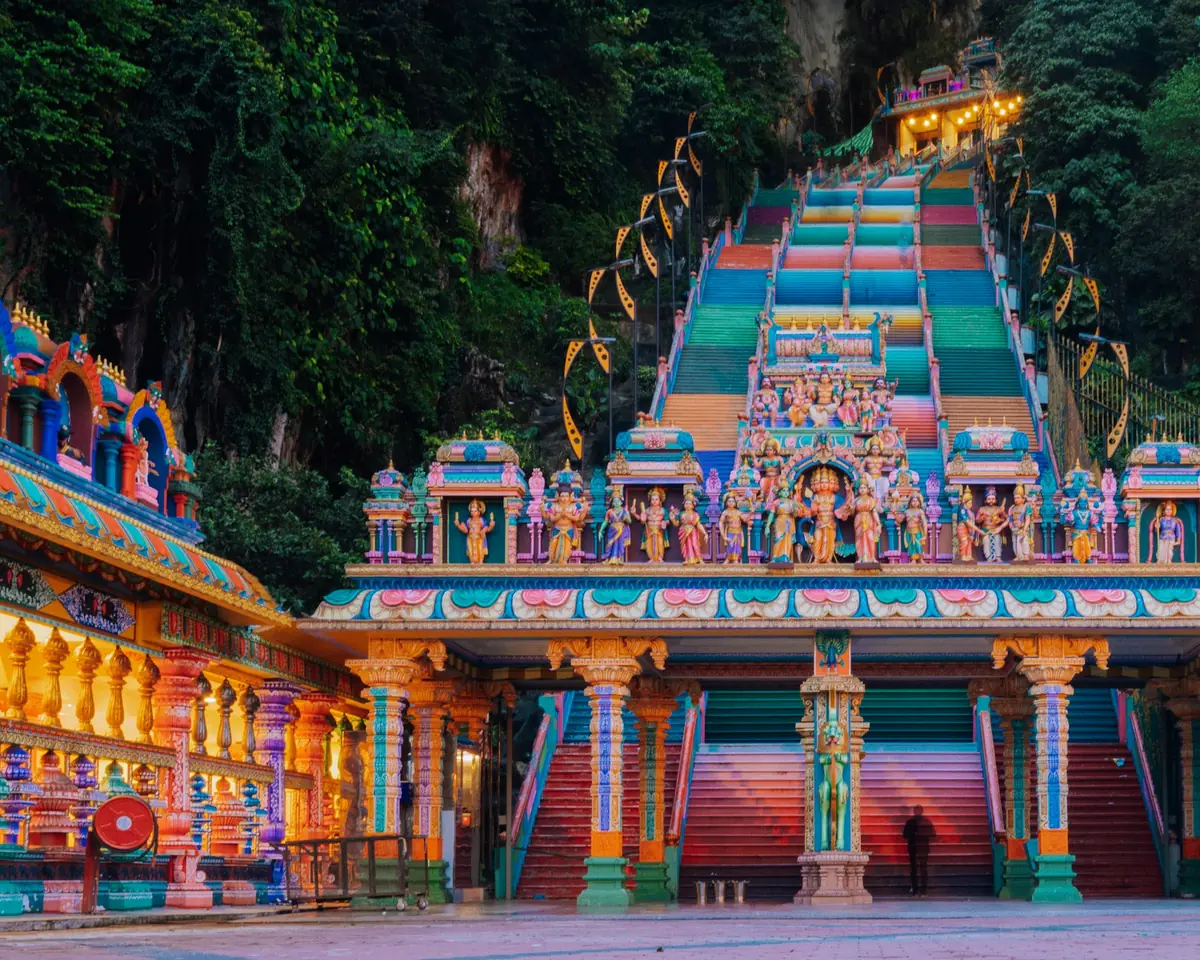
Batu Caves. A 42.7-meter golden Murugan statue guards a rainbow-painted 272-step staircase up to a limestone cave temple, free to enter and an easy half-day trip on the KTM Komuter train from KL Sentral.
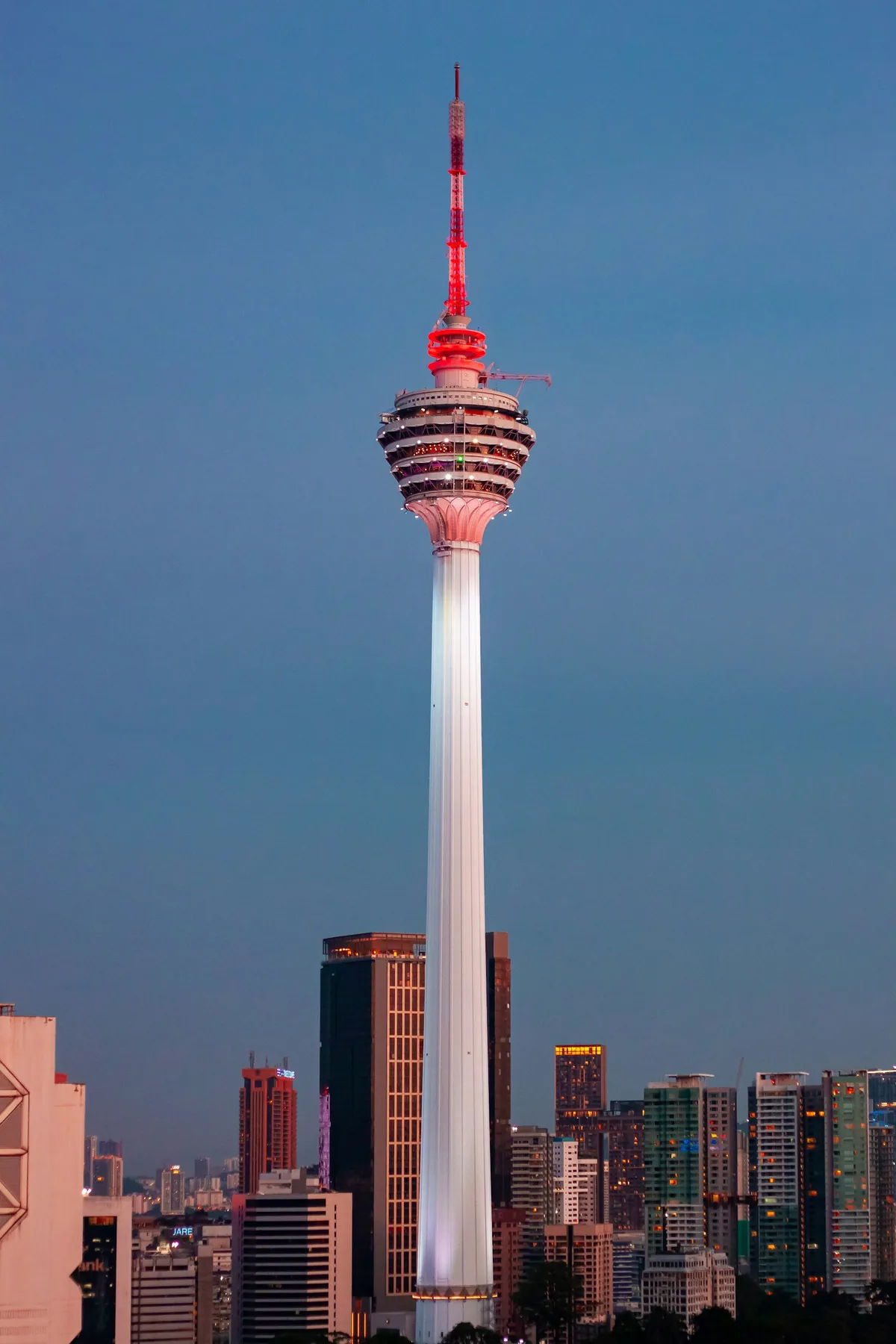
KL Tower. Sits on a hill so it clears the skyline despite being shorter than Petronas, and its observation deck is usually a quieter, cheaper alternative when Petronas tickets are sold out.
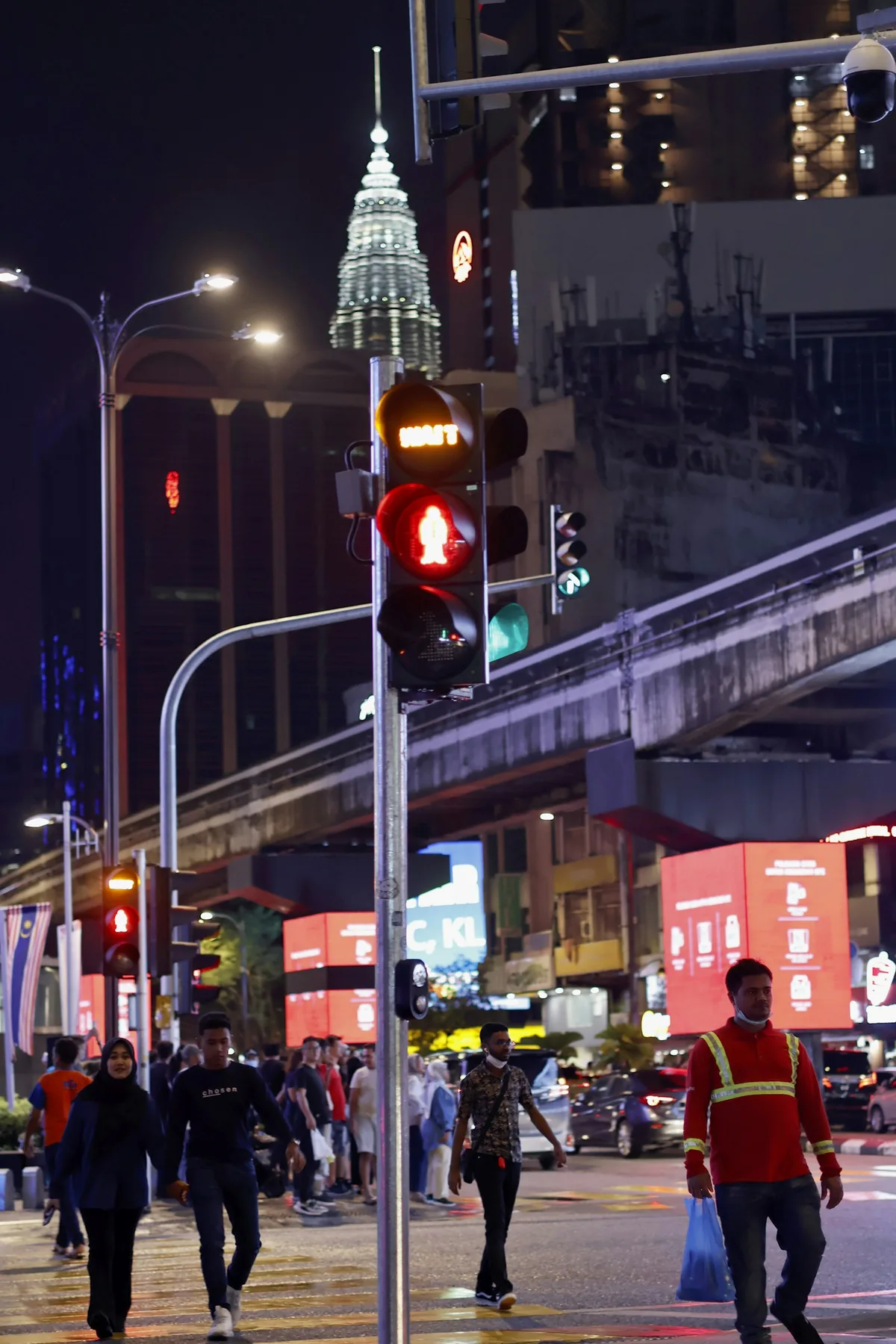
Bukit Bintang. KL's densest shopping, food and nightlife strip, and one of the more common nomad accommodation bases thanks to the concentration of malls, cafes and monorail access.
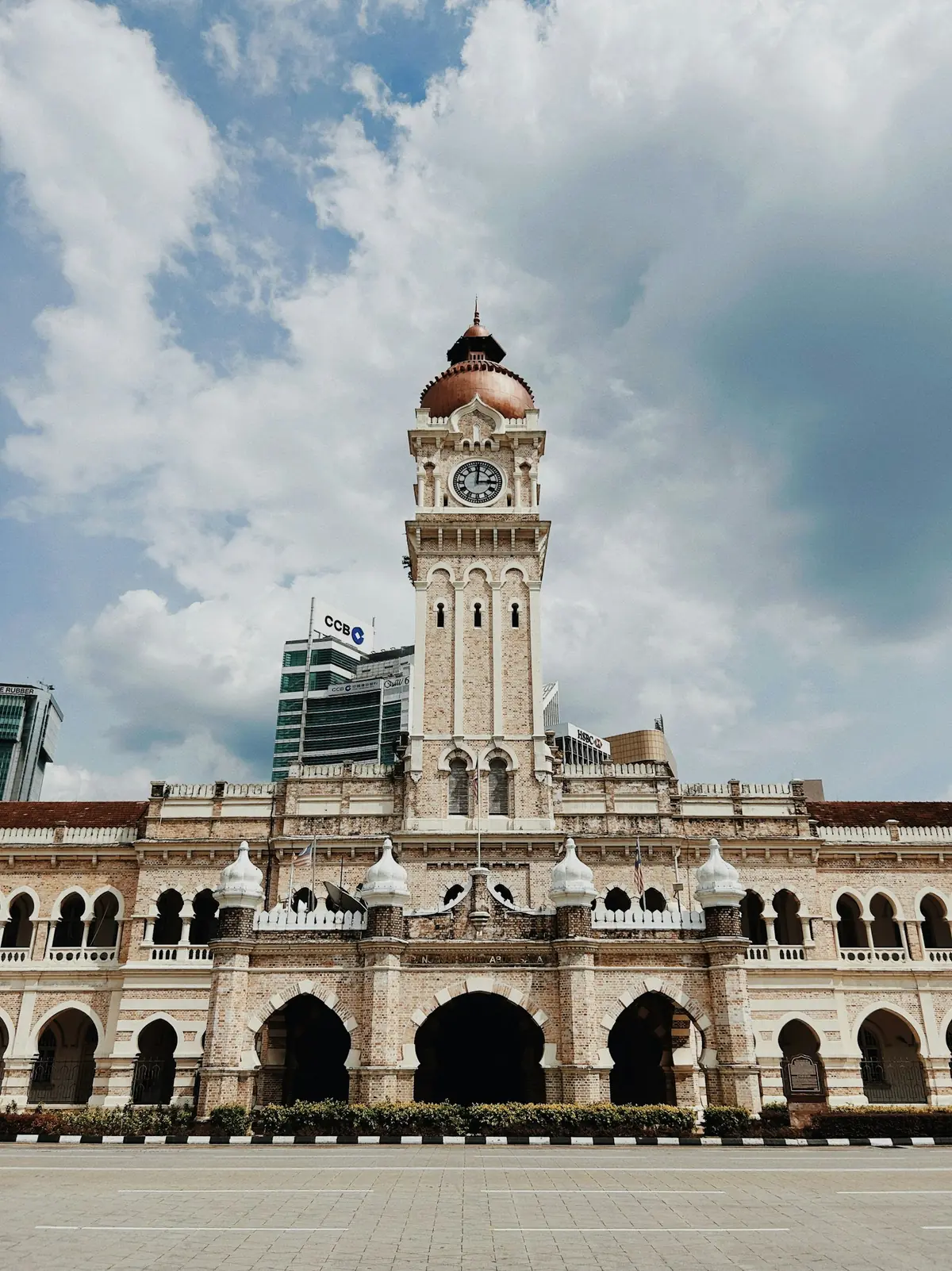
Merdeka Square. Where Malaysia's independence from British rule was declared in 1957, framed by the Moorish-style Sultan Abdul Samad Building. Free to visit and a short walk from the Pasar Seni riverfront and Chinatown.
Coworking is strong in KLCC, Bangsar and Mont Kiara, with 80 to 100+ Mbps common even outside dedicated spaces. Malaysia's own DE Rantau nomad visa guide covers the requirements if you're staying past a standard tourist entry.


Go City
Worth comparing against single tickets if you're planning to visit Petronas, KL Tower and a few other paid sights
Getting from KLIA into the city
Kuala Lumpur International Airport (KLIA), with its budget-focused KLIA2 terminal, sits about 45km south of the city center.
KLIA Ekspres
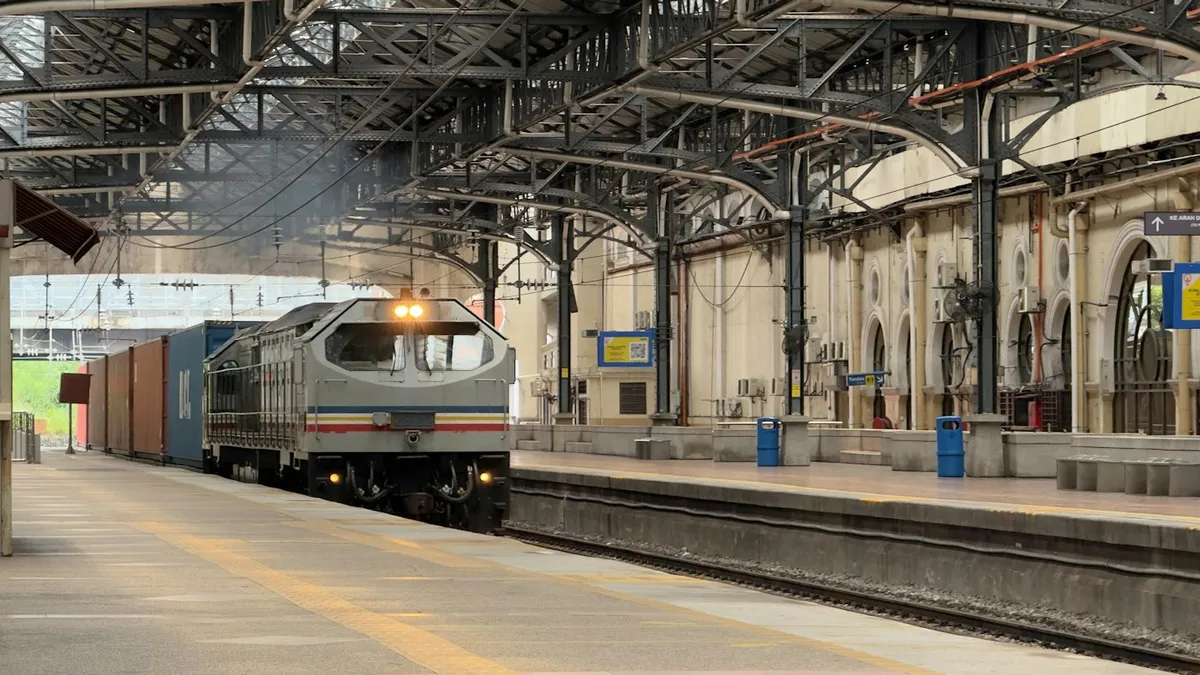
The KLIA Ekspres runs nonstop between the airport and KL Sentral in around 28 minutes. Per the operator's own site, the current adult fare is RM55 one-way or RM100 return, checked 30 September 2026. Note that ERL (the operator) has publicly announced a fare rise to RM65 one-way from 1 January 2027, so book ahead of that date if the timing matters to your budget.
Taxi
Metered taxis in Malaysia are regulated by APAD (Land Public Transport Agency). Widely reported APAD-regulated rates: a flag-fall of RM3.00, plus RM0.10 for every 115 meters, with a 50% surcharge overnight from midnight to 6am and a small surcharge (around RM1) per bulky luggage item. APAD's own guideline documents confirm they are the regulating body, though we could not pull the exact rate schedule from their site directly, treat these figures as widely reported rather than quoted verbatim from an APAD PDF, checked 30 September 2026.
Use the airport taxi counter, not a driver who approaches you first. KLIA has official taxi coupon counters in the arrivals hall where you pay upfront for a fixed-zone fare. Skipping the counter for a driver touting a "cheaper" ride outside is the most common way to overpay at this airport.
| Option | Where it goes | Best for |
|---|---|---|
| KLIA Ekspres | KL Sentral, nonstop in ~28 minutes | Budget travelers who value speed over price |
| Official taxi (counter coupon) | Door to door, fixed zone fare paid upfront | Late arrivals, groups, heavy luggage |
| Pre-booked transfer | Door to door, price agreed before landing | First trip, no counter queue |
If you'd rather skip both the train transfer and the taxi counter queue, Welcome Pickups covers Kuala Lumpur with a driver waiting at arrivals and a price agreed before you land.
Power plugs: Malaysia uses Type G sockets, the three-pin UK plug (Types C and M also appear), so pack a Type G adapter such as the TESSAN UK adapter (2 pack).
Before you go: connectivity and cover
Two things worth sorting before you land rather than after. An aloSIM or Airalo eSIM gets you connected the moment you land, no SIM-card counter queue. For health cover, most short-stay travelers compare a single-trip plan, while longer-term nomads bouncing between countries tend to use SafetyWing. If you're weighing the two, our digital nomad insurance comparison and eSIM comparison go through the options in more depth.
Yesim is another eSIM option, with plans for 170+ countries listed on its site. Arriving early or leaving late? Radical Storage lets you book luggage storage at partner locations in Kuala Lumpur online. For things to do, KKday sells tours and tickets in Kuala Lumpur.
Holafly is another eSIM option, with unlimited data plans under a fair use policy.
What could be better
- KLIA Ekspres fares are rising. RM55 becomes RM65 from 1 January 2027, book ahead of that if it matters to your budget.
- Humidity is constant, not seasonal. Unlike Bangkok's dry-season smog or Dubai's summer extremes, KL is warm and humid year-round with no real "bad" months to plan around.
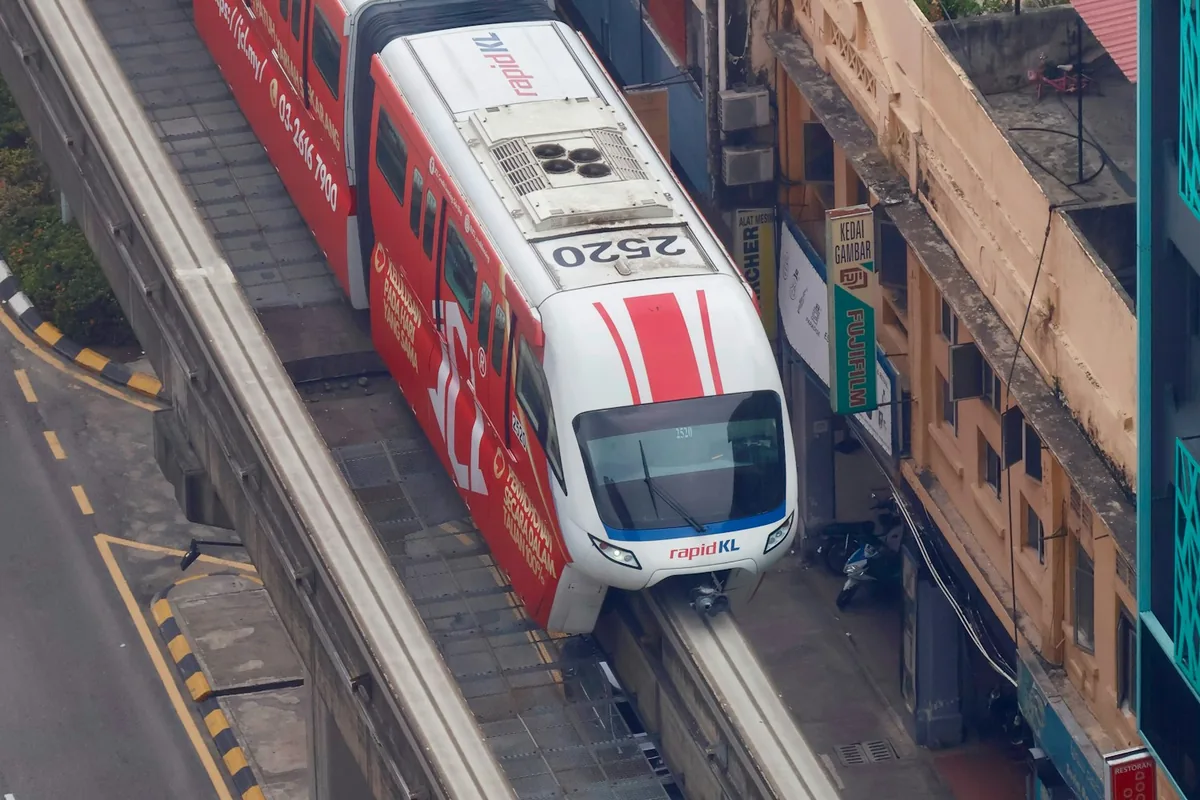
- The city sprawls. Outside the KLCC/Bukit Bintang core, KL is car and monorail dependent, factor in transit time between neighborhoods.
Affiliate disclosure. This post contains affiliate links. If you click and buy something, this site earns a small commission at no extra cost to you. Picks are based on published specs, independent reviews and manufacturer information, and we only recommend what we would use ourselves. As an Amazon Associate I earn from qualifying purchases. Read the full affiliate disclosure. Amazon and the Amazon logo are trademarks of Amazon.com, Inc. or its affiliates.
Your next step
Sort connectivity and cover, then check whether DE Rantau fits your length of stay.

Our remote work setup
The gear guides we compare for working from cafes, coliving rooms and rentals:
Related reading: Bangkok for Digital Nomads: The Complete 2026 City Guide.
FAQ
What is the cheapest way from KLIA to Kuala Lumpur?
The KLIA Ekspres train runs nonstop to KL Sentral in about 28 minutes for RM55 one-way (current fare, rising to RM65 from 1 January 2027 per the operator's own announcement). A pre-booked transfer or taxi from the official counter are the door-to-door alternatives.
How much should a taxi from KLIA cost?
Metered taxis in Malaysia are regulated by APAD with a widely reported flag-fall of RM3.00 plus RM0.10 per 115 meters. At the airport, use the official taxi coupon counter in arrivals for a fixed-zone fare rather than a driver who approaches you first.
Do I need a visa to work remotely from Kuala Lumpur?
Malaysia's DE Rantau program offers a 12-month Professional Visit Pass for remote workers meeting an income threshold. Shorter stays under most tourist entry rules don't require it, check current requirements before you commit to a long stay.
Is Kuala Lumpur good for digital nomads?
Yes, it combines fast, widely available internet, a dedicated nomad visa program, and a lower cost of living than most comparably modern Asian capitals.