
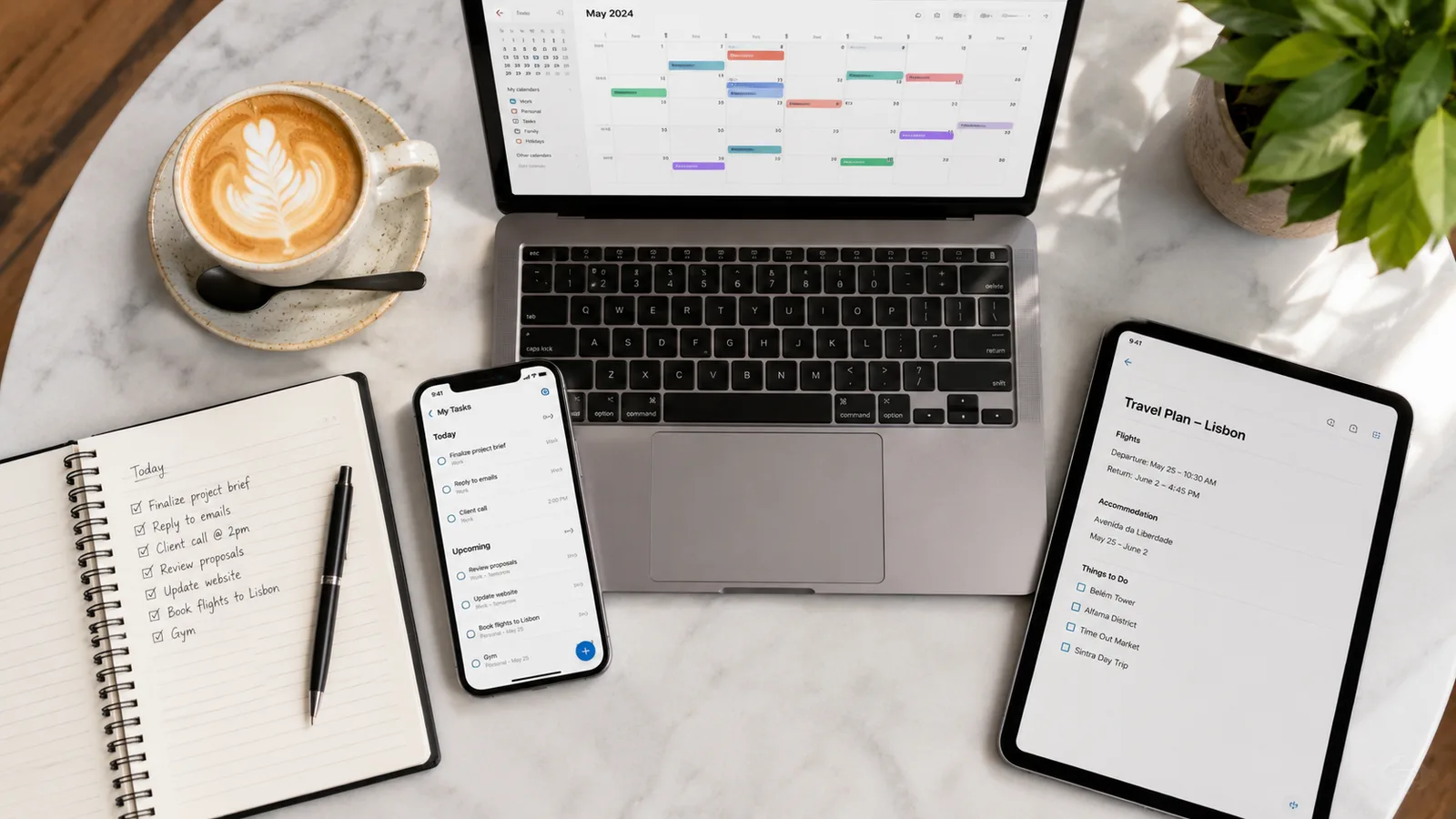
Digital Nomad Health Guide
As an Amazon Associate I earn from qualifying purchases. Some links on this page earn us a small commission, at no extra cost to you. Full disclosure.
Quick answer
Our digital nomad health guide in short: for the ergonomics fix, travel with a lightweight laptop stand along with a compact wireless keyboard and mouse. For evening screen work some people like blue light glasses, although the evidence that they reduce eye strain is weak. For a travel health kit, pack a first aid kit, rehydration powder and insect repellent.
Our top picks
Portable laptop stand
Under 2 lbs, paired with a compact wireless keyboard and mouse Read more
Blue light blocking glasses
Some people find them more comfortable for evening screen work Read more
For your travel health kit
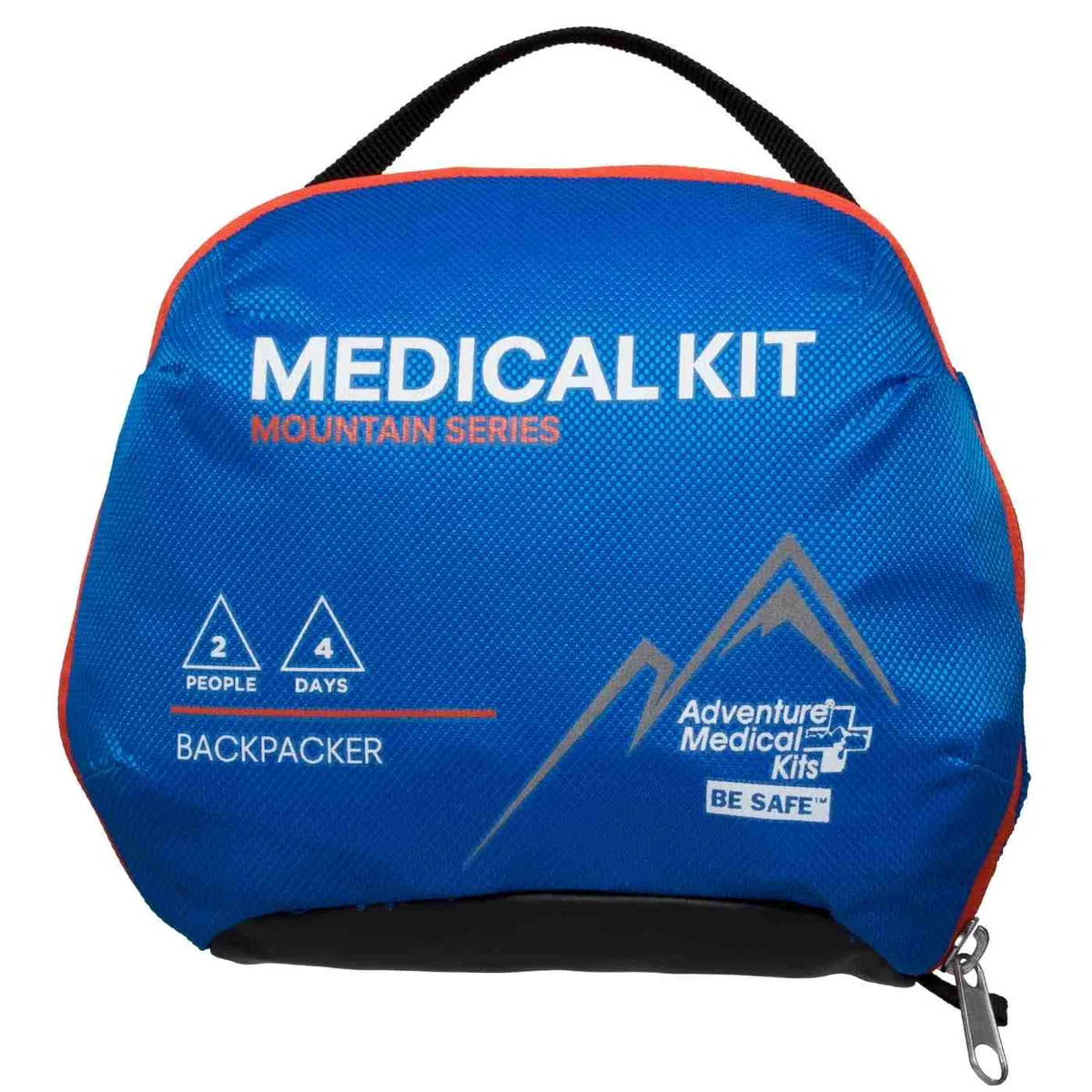
Adventure Medical Kits Backpacker Medical Kit
Bandages, moleskin and a trauma pad in a water-resistant bag. Read more

DripDrop Electrolyte Powder (Berry)
Stir-in electrolytes for hot days and after sweating. Read more
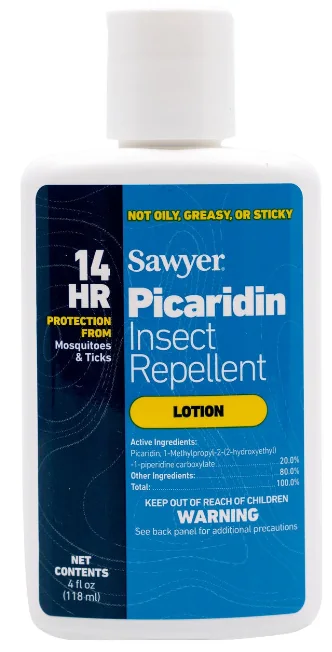
Sawyer Picaridin Insect Repellent
20 percent picaridin, rated for up to 14 hours. Read more

HelloSafe
An independent comparison of 40+ insurers, with an instant certificate Read more
How to Stay Healthy as a Digital Nomad
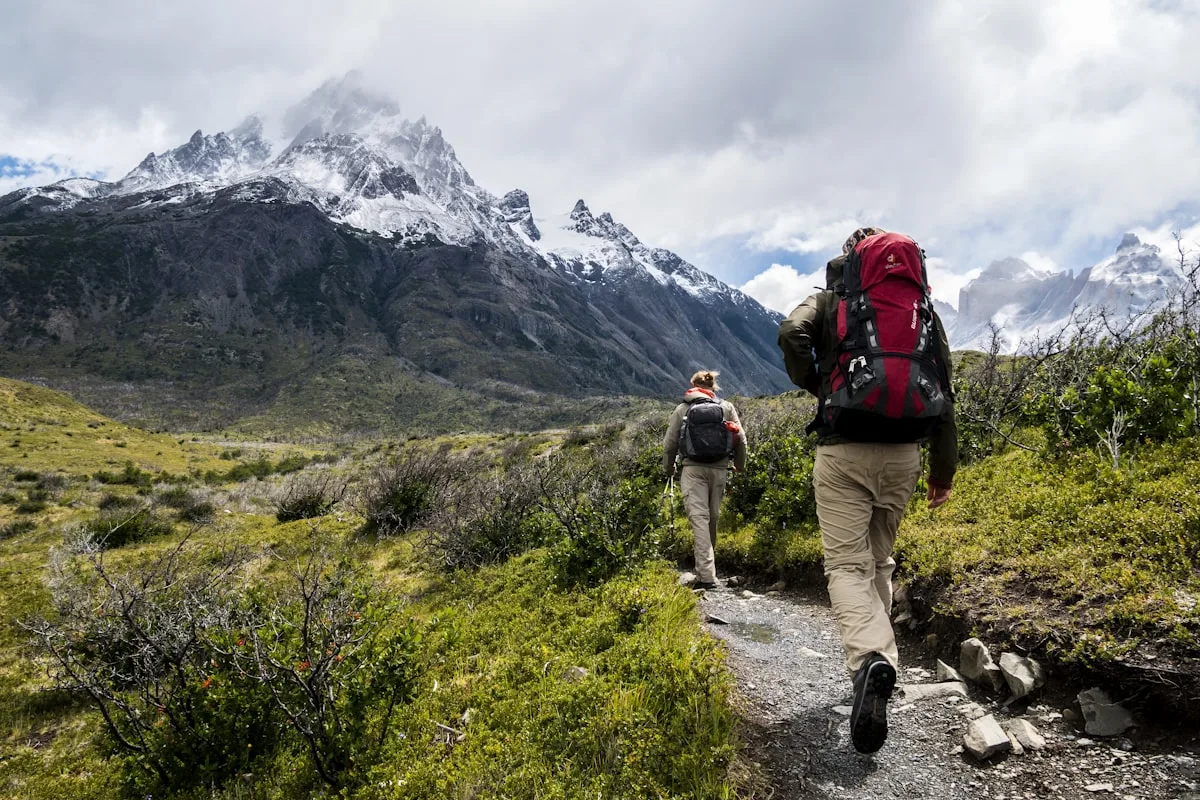
The Complete Guide to Wellness, Fitness, and Mental Health on the Road
Introduction: The Hidden Cost of Freedom
It often starts small: you can't sleep, your back hurts from hunching over a coffee shop table all day, you haven't exercised in weeks, you can't remember the last real meal you cooked. And the loneliness hits different at night.
The glamorous Instagram version of nomad life doesn't show you the health consequences. Nobody posts pictures of their burnout or talks about getting sick on the other side of the world with no family around.
You don't have to sacrifice your health for location independence. This guide covers the practical strategies and systems that work when you move countries every few months.
1. Fix Your Ergonomics Before Your Body Breaks
Here's what nobody tells you about working from coffee shops and co-living spaces: your spine is paying the price.
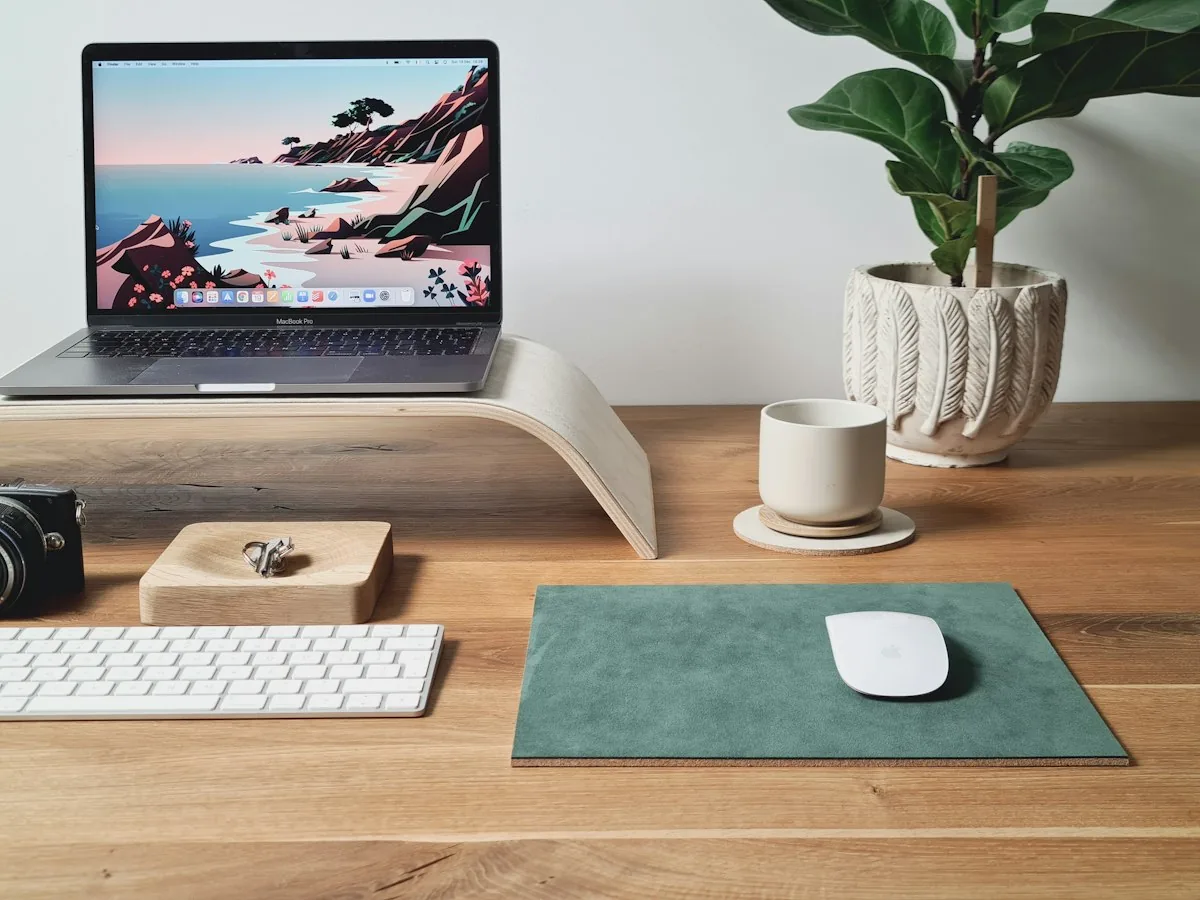
Months of work at dodgy desk setups, with no external monitor, no proper chair, or just a laptop balanced on a bed, can lead to chronic neck and shoulder pain.
The fix:
Invest in portable ergonomic gear. A lightweight laptop stand, a compact wireless keyboard and a portable mouse are affordable together and can save you a lot of pain. Get yours on Amazon
Rent apartments with proper desks and chairs. A furnished apartment with a real desk is often worth paying a bit extra for.
Take movement breaks every 45 minutes. Set a timer. We use this time to do quick stretches, walk around the block, or hit the gym. Your body will thank you.
2. Build an Exercise Routine That Travels With You
In a new city, exploring comes first, and before you know it you haven't exercised in ten days. Energy, sleep and mood all suffer.
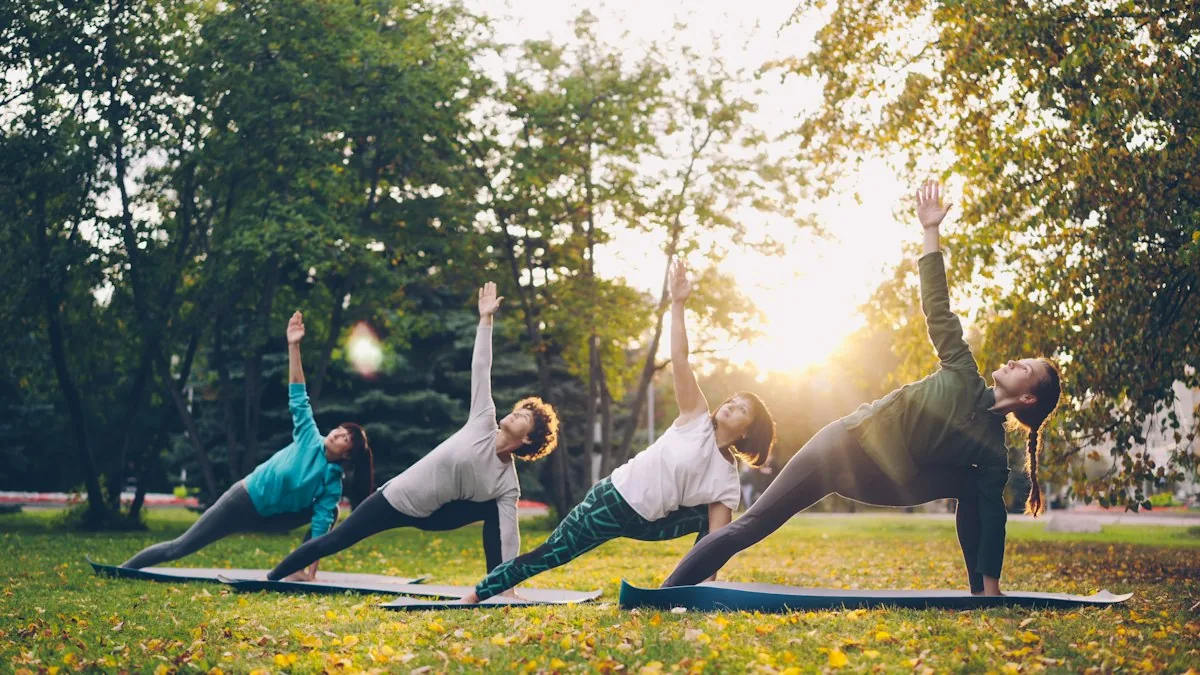
The problem with nomad fitness is that you can't rely on having a gym. Some cities have none. Some gyms are sketchy or require three-month memberships. You need a backup plan that requires zero equipment.
A simple system:
Bodyweight training is your friend. Pushups, squats, lunges, planks, and burpees require nothing but floor space and 30 minutes. A simple 4-day split works: upper body, lower body, full body, rest. Apps like Men's Health Bodyweight have guided workouts.
Find local gyms using Google Maps. Even small towns usually have something. For short stays, day passes typically cost $5-15. For longer stays (2+ months), monthly memberships make sense.
If you like combat sports, our guide to boxing while traveling covers finding a gym and what to pack.
Walking is underrated. Aim for a daily step baseline. It happens naturally if you explore the city, take stairs and walk to cafes instead of taking taxis.
Yoga helps your back. A 20-minute morning session costs almost nothing, and apps like Down Dog make it easy to start.
3. Don't Ignore Mental Health (Loneliness is Real)
Let's be honest: we underestimated how lonely traveling alone could get.
Scrolling Instagram alone in an apartment, seeing everyone back home having dinner together, can leave a deep ache. The irony is brutal: you're surrounded by different cultures and millions of people, yet you've never felt more isolated.
The problem is that digital nomad culture sometimes romanticizes this 'lone wolf' narrative. We don't talk enough about burnout or anxiety or the depression that can creep in. If you want a simple daily habit to push back on that, start with one of the best meditation apps for travelers.
What helps:
Join nomad communities actively. Stay in co-working spaces or co-living communities where you'll naturally meet people. Attend networking events, hiking groups, or language exchanges. Make intentional friendships, not just LinkedIn connections.
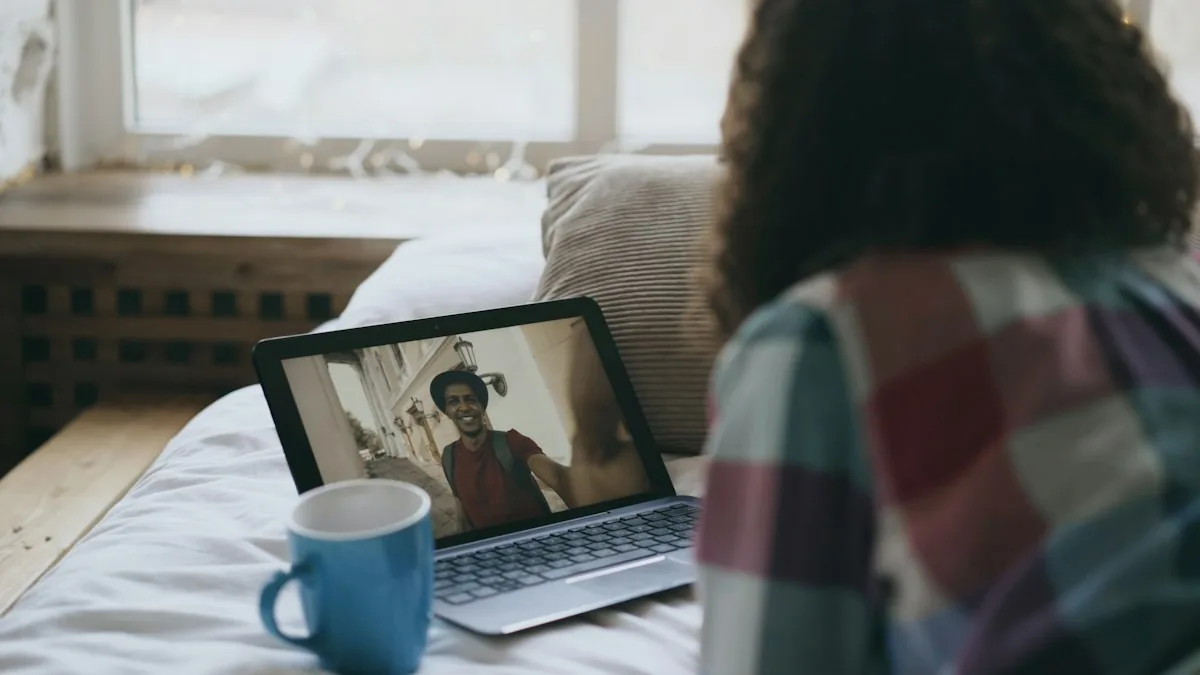
Schedule regular video calls with family and close friends. This isn't optional, it's healthcare. Block out a fixed evening for it.
Consider therapy. Online therapy with services like BetterHelp or Talkspace is surprisingly affordable and works across time zones. Having someone to talk to can be invaluable.
Maintain work boundaries. Burnout happens when you work without limits. Set strict work hours, for example 8 AM to 5 PM with weekends off. This is harder than it sounds when your office is your bedroom, but it's essential for mental health.
4. Eat Real Food (Or Your Stomach Will Revolt)
Living on street food and coffee shop meals is cheap, convenient and delicious, but after a while your digestive system may protest.

A bad bout of food poisoning far from home, with no one around, is a strong reason to eat better.
Practical nutrition hacks:
Cook for yourself when possible. Renting apartments with kitchens changes everything. Cooking a good share of your meals is cheaper, healthier, and more reliable than trusting street vendors.
Know your food triggers. Keep notes about what agrees with you in each country and adjust accordingly.
Travel with digestive aids. Some travelers pack probiotics, digestive enzymes and peppermint tea.
Drink water obsessively. Dehydration is a silent killer for nomads. A water bottle app helps you track intake, especially in hot climates.
Keep protein intake consistent. Protein powder is an easy safety net: a shake takes two minutes, even on chaotic days.
5. Sleep is Non-Negotiable (Optimize It Ruthlessly)
Time zone changes, noisy hotels, irregular schedules and a racing mind make sleep chaotic when you travel.
Poor sleep compounds everything else. When you're exhausted, you make bad food choices, skip workouts, and feel depressed. It's the foundation that everything else is built on.
How we fixed our sleep:
Invest in sleep quality. A good mattress, blackout curtains, and a quality pillow are worth every penny. Paying a little extra for accommodation with a good bed is money well spent.
Use white noise. Traveling always means new sounds. A white noise app or a cheap portable white noise machine masks street noise.
Manage caffeine strictly. Stop caffeine in the early afternoon, for example at 2 PM.
Use melatonin for time zone changes. Some travelers use melatonin for the first few nights after crossing several time zones. Check with a doctor or pharmacist about dose and whether it suits you.
Stick to a sleep schedule. Go to bed and wake up at roughly the same times every day, even on weekends.
6. Combat Screen Fatigue (Your Eyes and Brain Need Breaks)
Digital work means spending 8-10 hours looking at screens daily. Add travel stress and time zone confusion, and your eyes and brain are absolutely fried.
Screen fatigue shows up as headaches, strained eyes and foggy thinking by late afternoon.
Solutions that actually work:
The 20-20-20 rule
1
Every 20 minutes
2
Look at something 20 feet away
3
For 20 seconds
Use the 20-20-20 rule. Every 20 minutes, look at something 20 feet away for 20 seconds. It is a simple habit that gives your eyes regular breaks.
Blue light glasses: some people find them more comfortable in the evening, but a 2023 Cochrane review found they probably make no difference to eye strain, eye health or sleep quality. Breaks and less screen time matter more. Get yours on Amazon
Reduce screen time before bed. Put your phone away 30 minutes before sleep.
Take a real day off. One day per week, keep screen time to a minimum: read, hike or explore the city.
7. Get Proper Travel Insurance (Getting Sick Abroad is Terrifying)
"It's expensive, I'm healthy, what's the worst that could happen?" is how many nomads skip travel insurance.
Then something happens. A private hospital visit or a broken leg abroad can quickly cost hundreds or thousands of dollars without insurance.
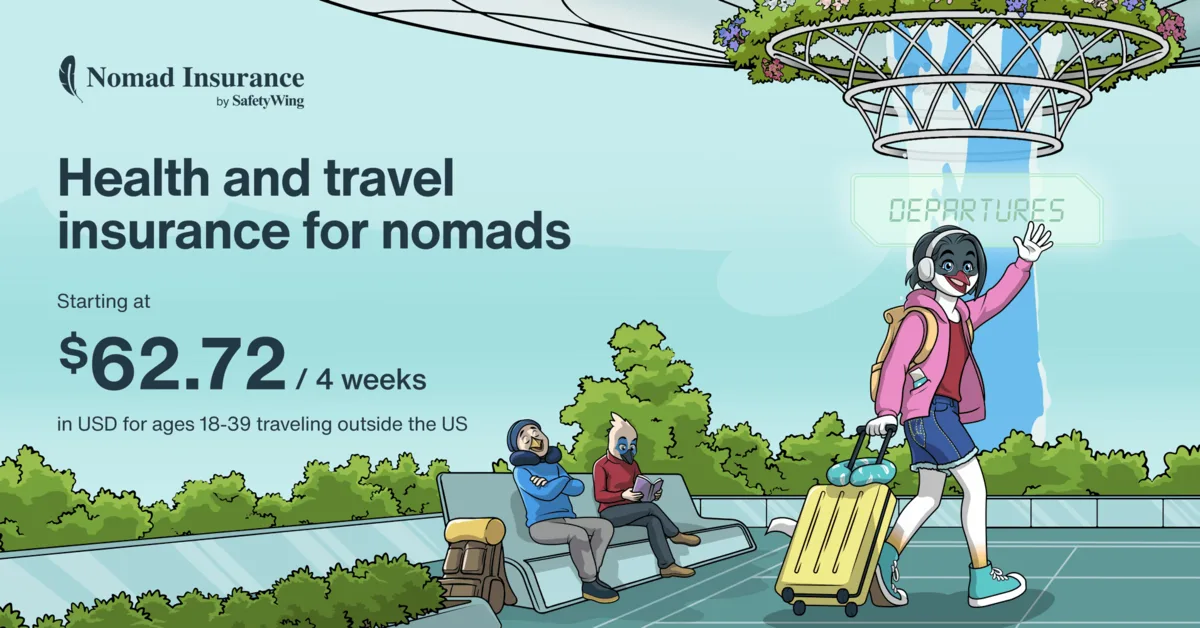
Travel insurance isn't a luxury, it's non-negotiable. SafetyWing is a popular choice for basic coverage (Essential plan from $62.72 per 4 weeks for ages 10-39, Sept 2026). For longer stays, World Nomads is the gold standard.
What to look for in travel insurance:
Medical coverage with a high limit (at least $250,000)
Covers pre-existing conditions (if applicable)
Medical evacuation coverage for remote areas
No coverage limits for hospitalization
If you are staying abroad for longer, HelloSafe has an Expat option when you compare plans. It is an independent comparison of 40+ insurers, and the certificate is instant once you pick a plan.
HelloSafe
8. Pack a Real Travel Health Kit
Insurance pays the bill after something goes wrong. A small kit covers the everyday knocks: a blister, a cut, a hot day that leaves you drained, a night of mosquito bites. It does not replace a doctor, and it does not replace the insurance above. Three things are worth the space.
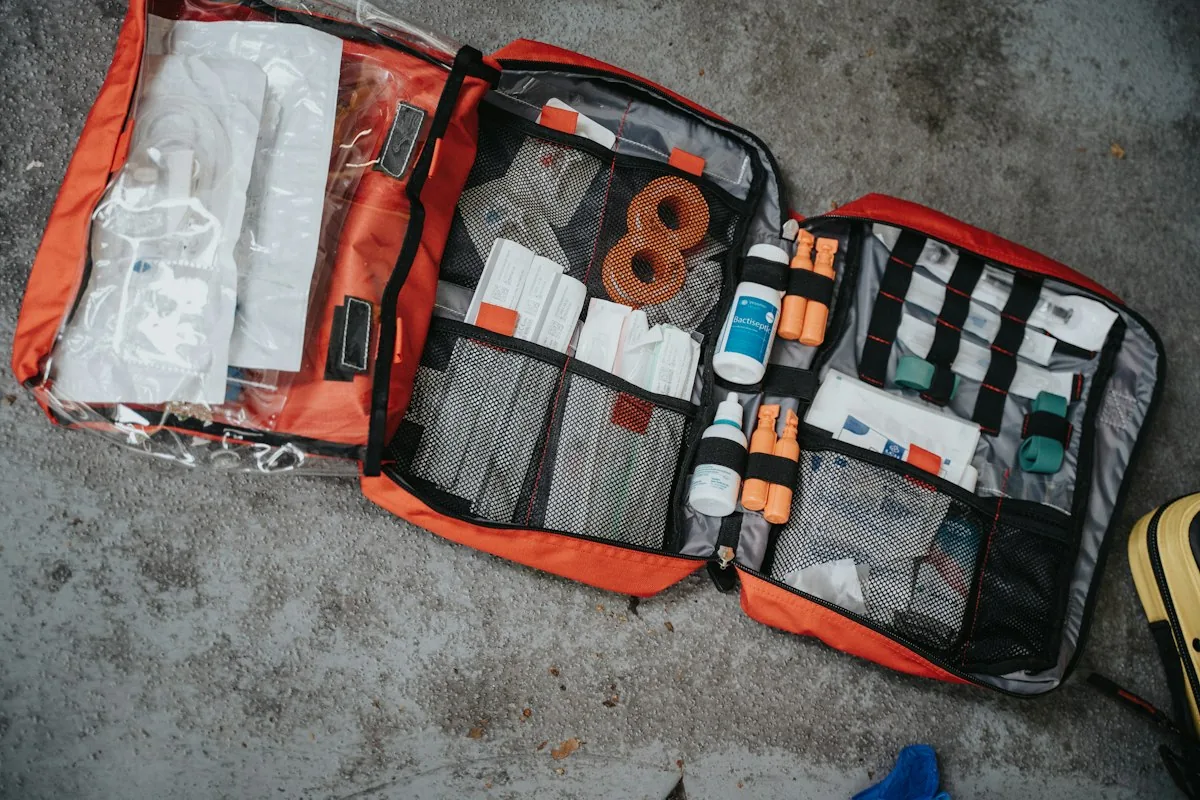
1. First aid kit: for blisters, cuts and the small stuff
Adventure Medical Kits Mountain Series Backpacker Medical Kit
The Adventure Medical Kits Mountain Series Backpacker is built for hikers, but what is inside suits a nomad's daypack just as well: bandages and moleskin for blisters, a trauma pad, an elastic bandage, an irrigation syringe, and a pocket system labelled by injury with a map of the contents on the outside. The maker says it is stocked to treat two people on trips of up to four days, and the bag is water-resistant. It also holds a small set of common medications, so read the contents list and check what you may carry into each country before you fly.
2. Rehydration powder: for hot days and when you are drained
DripDrop Electrolyte Powder, Berry
DripDrop is an electrolyte powder you stir into water, one stick to about 8 ounces. The company says it was developed by Dr. Eduardo Dolhun, an expert in oral rehydration therapy, during humanitarian aid missions, and it sells the powder for dehydration on hot days and after sports or outdoor activity. Think of it as a way to top up fluids, not a treatment for illness: if you are sick for more than a day or cannot keep fluids down, see a local doctor. That is exactly the visit your travel insurance is for.
3. Insect repellent: for the evenings, not only the jungle
Sawyer Picaridin Insect Repellent
Mosquitoes are a nuisance anywhere warm, and in places where dengue circulates, which includes much of Southeast Asia and Latin America, they are also a health risk. Sawyer's 20 percent picaridin lotion is rated by the maker for up to 14 hours of protection, is not greasy, and unlike some DEET products it will not melt synthetic fabric or gear. Reapply after swimming or heavy sweating. Our Southeast Asia backpacking gear guide puts it next to the rest of a regional kit.

- The seven systems: an ergonomic setup, consistent exercise, mental health support, real food, prioritized sleep, screen time management and proper insurance.
- Raising your screen with a lightweight laptop stand, a compact wireless keyboard and a portable mouse is the practical fix for neck and shoulder pain.
- Schedule regular video calls with family and close friends; it is healthcare, not optional.
- Blue light glasses probably make no difference to eye strain, eye health or sleep quality. Breaks and less screen time matter more.
- Travel insurance is non-negotiable, and a small travel health kit covers the everyday knocks.
The Real Talk: Health is Your Competitive Advantage
Here's something the digital nomad hustle culture won't tell you: your health IS your business.
If you're exhausted, depressed, or dealing with chronic pain, you can't build a sustainable business. You can't enjoy the freedom you fought so hard for. The location independence means nothing if your body and mind are falling apart.
You can build a healthier nomad lifestyle from day one.
The systems we've described, ergonomic setup, consistent exercise, mental health support, real food, prioritized sleep, screen time management, and proper insurance, these aren't optional add-ons. They're the foundation.
Start small. Pick one thing from this guide and implement it this week. Then add another next week. Build momentum. Your future self will thank you.
Ready to build a sustainable nomad business? NomadsToolsLab connects you with the best resources, tools, and communities for long-term location independence.
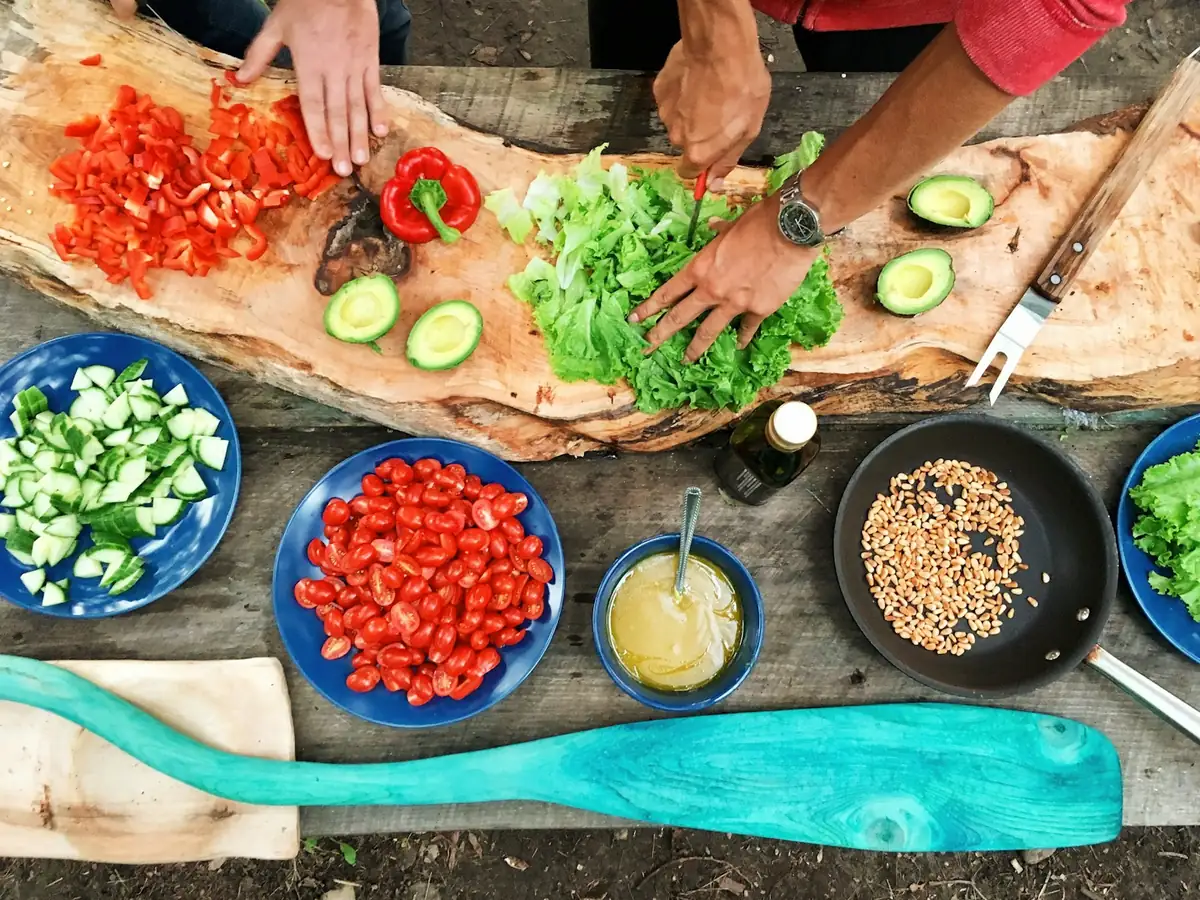
Sitting still for long hours is part of the picture. Our guides to the active sitting chair and walking pad and the ergonomic mouse for the road cover the gear that makes it easier to move while you work.
Updated:
Affiliate disclosure. This post contains affiliate links. If you click and buy something, this site earns a small commission at no extra cost to you. Picks are based on published specs, independent reviews and manufacturer information, and we only recommend what we would use ourselves. As an Amazon Associate I earn from qualifying purchases. Read the full affiliate disclosure. Amazon and the Amazon logo are trademarks of Amazon.com, Inc. or its affiliates.
Your next step
 SafetyWing Review 2026: Is It Worth It for Long-Term Nomads?
4 Comments