Houseboat Electricity and Water for Beginners
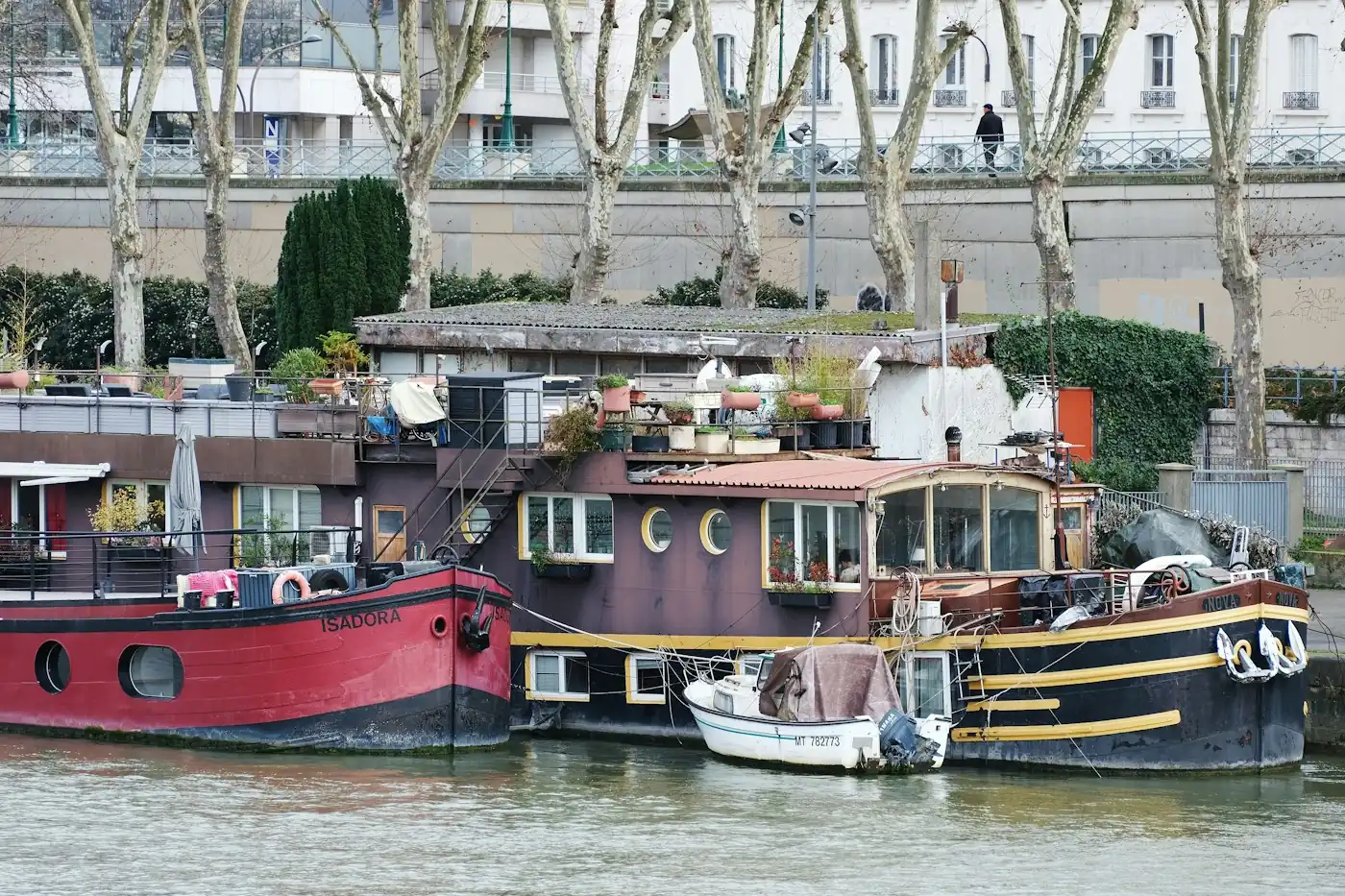
Houseboat electricity and water are your job. A houseboat sounds like freedom, and it is, but you are your own power company and your own water works.
I lived on a houseboat I built myself in Berlin. This guide is the practical part: how to plan power and water so a boat stays a home.
Quick answer
List what you run in watts, multiply by hours, and size panels and battery to that number. Treat the water you drink: boil it, or use a filter that has been tested. Fuse every consumer, and ask the local water authority what is allowed before you buy a boat.
Where to go deeper
How to Wire a Camper Van: Fuse Block, Cables and Lights
Every consumer needs its own fuse. Read more

Best Portable Power Station for Digital Nomads: Working Off the Grid
A portable power station for working off the grid. Read more
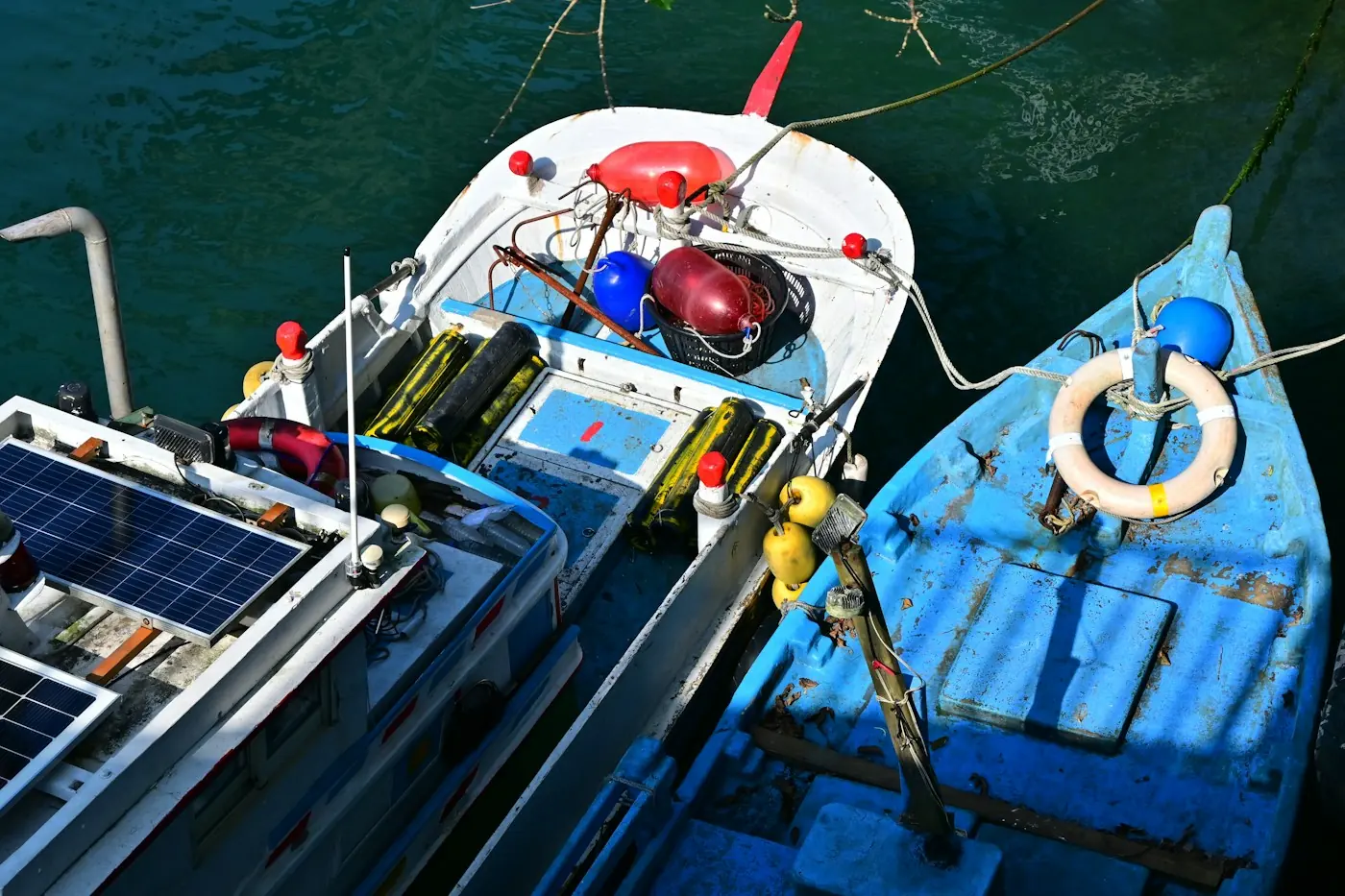
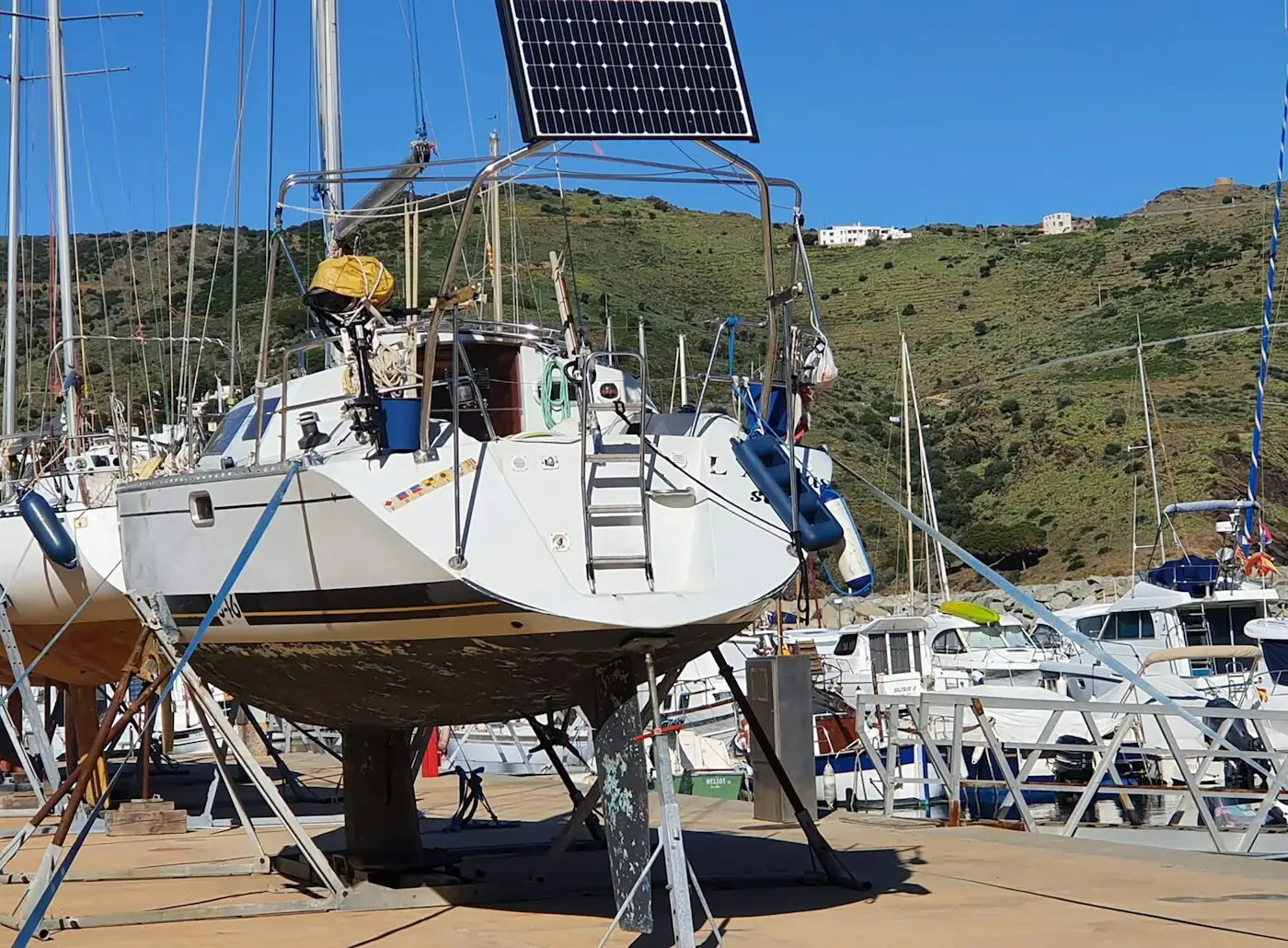
From the road: In Berlin I built my own houseboat: a big raft, a cabin boat and a dinghy, all DIY, with solar panels and my own water filter systems. I lived on it for five years, on my own pirate boat. I was really autonomous on the water.
I paid no rent, because I was anchored in the middle of the water, in the Rummelsburger Bucht.
That is my story. It is not a promise that you can do the same: rules differ by city and by water. Here is the part that holds anywhere.
How much power do you need?
Four steps to your number
1
List the devices
Write down every device and its watts. The label tells you, or a plug-in meter does.
2
Add the hours
Estimate how many hours a day each one runs.
3
Multiply
Watts times hours is watt-hours. Example: a device that draws 60 watts for 5 hours uses 300 watt-hours.
4
Add a margin
Plan for cloudy days, then size panels and battery to the total.
The maths is the same on a boat as in a van, so our solar panel guide and power station guide help you pick the gear.
What keeps the wiring safe?
Victron's wiring guide says each consumer needs a fuse in the positive cable, however small it is, and that a fault without one can cause a fire. The fuse has to match the rating of the consumer or the cable, whichever is lower. Our wiring guide walks through a fuse block step by step.
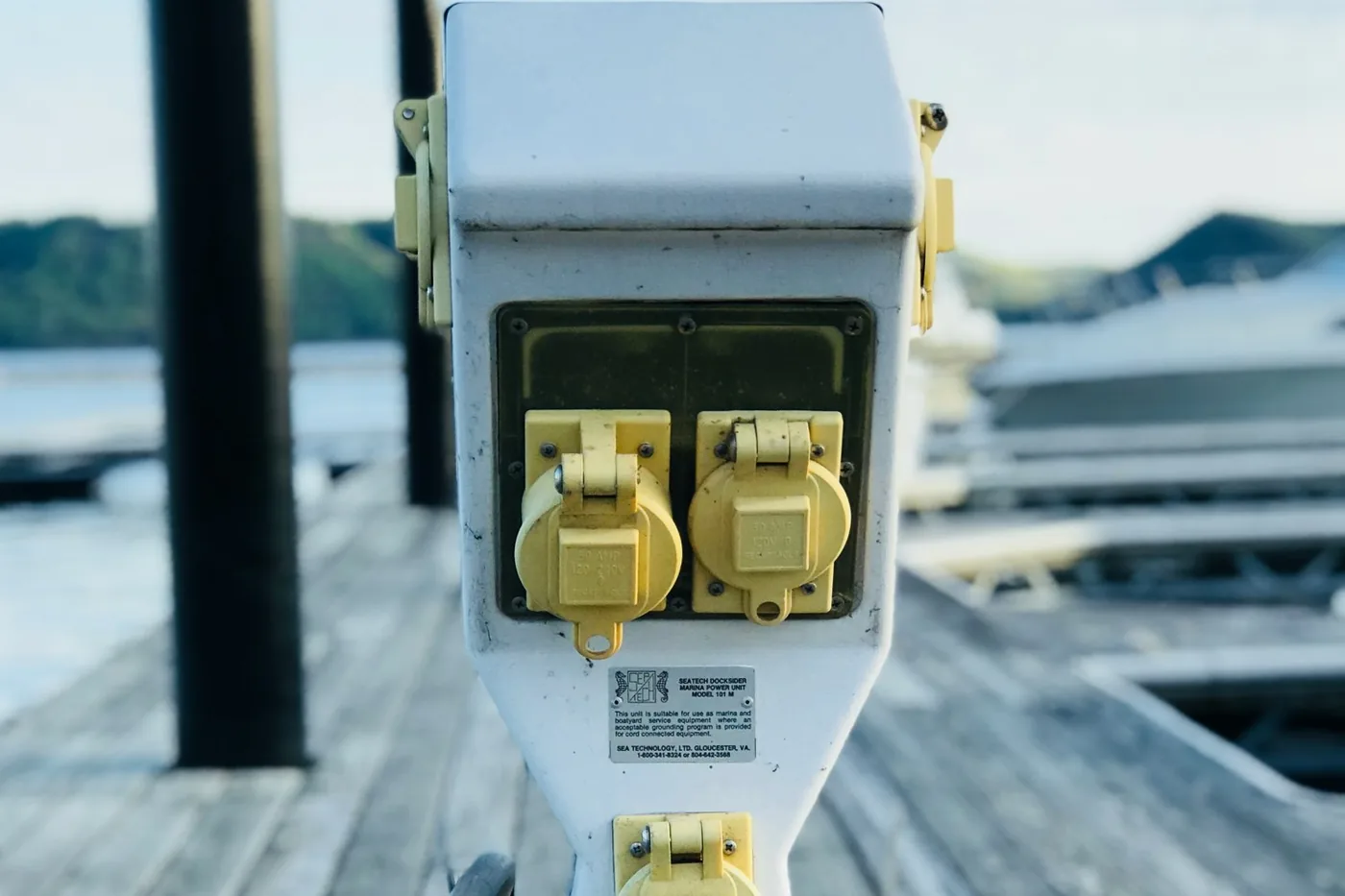
How do you get water you can trust?
WHO says microbiologically contaminated drinking water can transmit diseases such as diarrhoea, cholera, dysentery, typhoid and polio. It also says it has tested household water treatment products against its health-based performance criteria since 2014, so ask which tests your filter has passed.
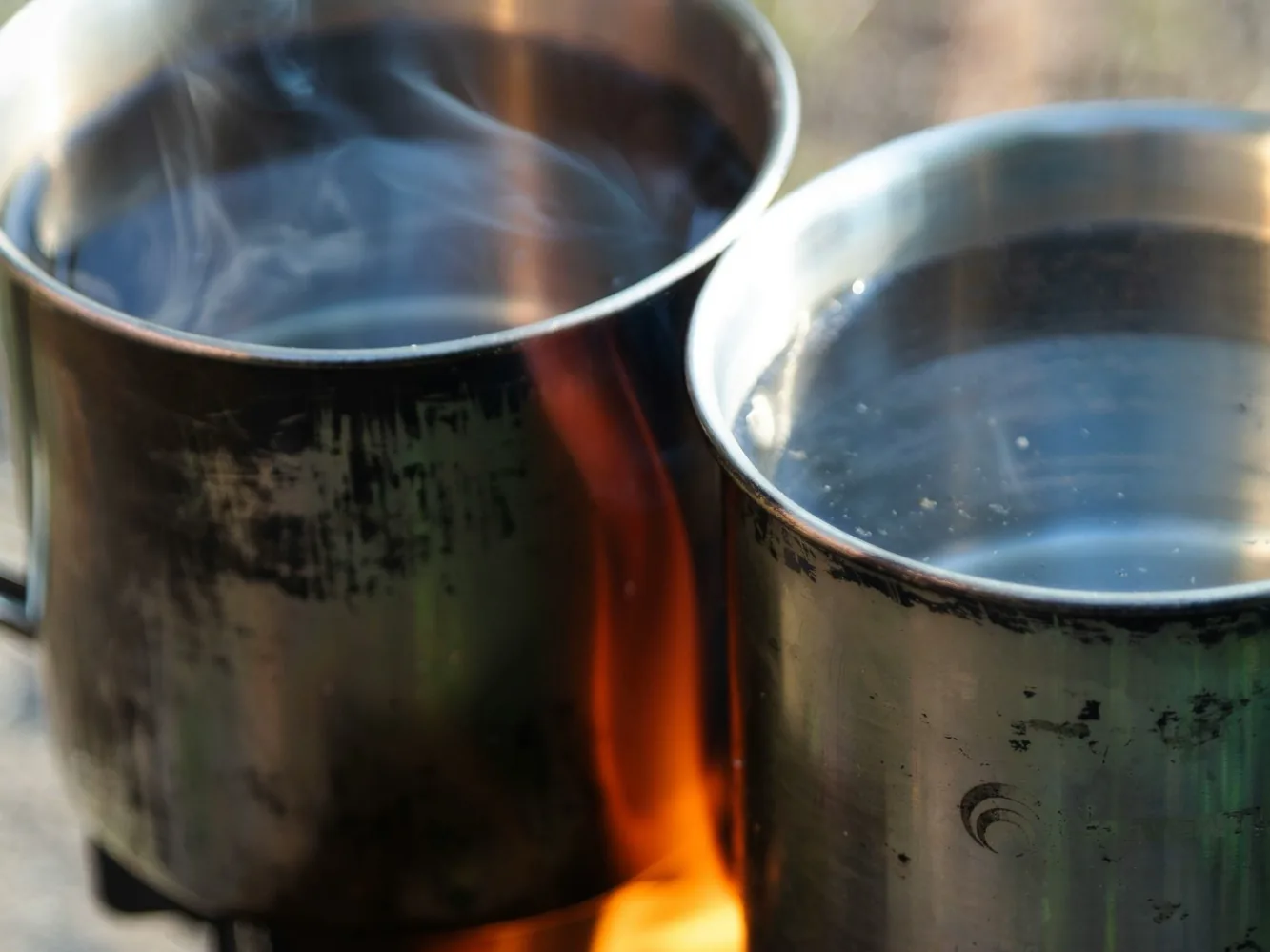
The EPA says to bring water to a rolling boil for at least one minute, and for three minutes above 5,000 feet (1,000 meters). If the water is cloudy, let it settle and filter it through a clean cloth, a paper towel or a coffee filter first.
Do
- Boil or properly treat all drinking water.
- Decide which water is for washing and which is for drinking.
- Check the test results of your filter.
Do not
- Drink straight from the bay or river.
- Trust a filter you cannot find test results for.
Warm water on a boat is a separate question from clean water: our best portable shower for camper van life guide covers showers that do not use gas, and why propane water heaters stay off the boat.
Can you live at anchor where you want?
I lived anchored in the middle of the water and paid no rent. I am not saying you can do that anywhere. Before you buy a boat, ask the harbor master or the local water authority:
- what is allowed
- where you can anchor
- how a boat is registered and insured
Key takeaways
- Everything starts with watt-hours per day: list devices, multiply watts by hours.
- Fuse every consumer. A fuse protects the cable.
- Treat all drinking water: boil it, filter cloudy water first, and check the tests of your filter.
- Ask the local authority what is allowed before you buy.
Building a van instead of a boat? It is the same principle: see cargo van conversion for beginners.
Cables get chewed on land too: how to stop rats chewing wires in a van.
Looking for a filter for the water you load? See the camper van water filter guide, which reads what Camco, GRAYL and LifeStraw say about their filters. For a bottle or straw you carry yourself, see GRAYL vs LifeStraw.
FAQ
How many solar panels does a houseboat need?
There is no single number. It depends on your watt-hours per day: list every device and its watts, multiply by the hours you use it, add a margin for cloudy days, then size panels and battery to the total.
Is river or bay water safe to drink after filtering?
Not automatically. WHO says microbiologically contaminated water can transmit diseases such as diarrhoea, cholera, dysentery, typhoid and polio. The EPA says to bring water to a rolling boil for at least one minute, and to let cloudy water settle and filter it first. Check which tests your filter has passed.
Do I need fuses on a boat?
Yes. Victron's wiring guide says every consumer needs a fuse in the positive cable, because a fault can cause a fire. The fuse must match the rating of the consumer or the cable, whichever is lower.
Your next step