Best Backpacks for Remote Workers and Digital Nomads
As an Amazon Associate I earn from qualifying purchases. Some links on this page earn us a small commission, at no extra cost to you. Full disclosure.
Quick answer
Here are the best backpacks for remote workers who travel. For most nomads, the Peak Design Travel Backpack 45L is the pick: one bag that handles everything. On a tighter budget, the Osprey Farpoint 40 is the best value.
Our top picks
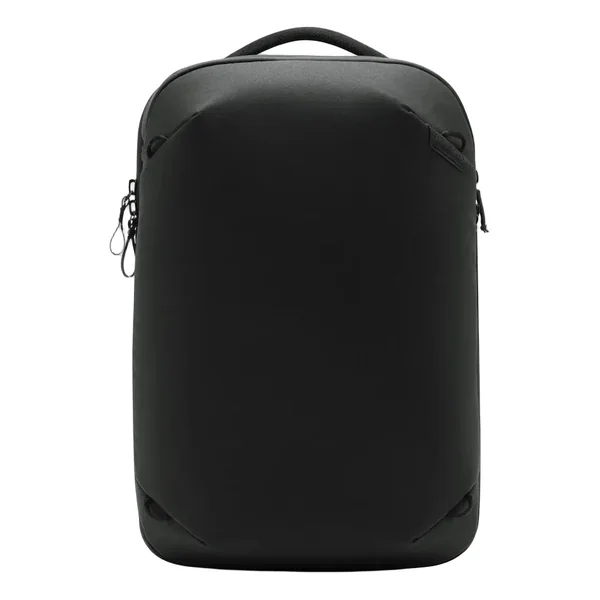
Peak Design Travel Backpack 45L
Serious travelers who want one bag that handles everything Read more
Tortuga Outbreaker 45L
Tall travelers and anyone who finds standard backpacks uncomfortable Read more
From the road: After eleven years backpacking through South America and years since, my bag has gone from stuffed full to seriously minimal.
Best Travel Backpack: Quick Answers
- Best travel backpack overall: the Peak Design Travel Backpack 45L.
- Best budget backpack: the Osprey Farpoint 40.
- Best carry on backpacks: the Osprey Farpoint 40 is the true carry-on size pick. Aer lists its Travel Pack 3 carry-on backpack at 21.5 inches (54.5 cm) long (checked on 5 October 2026).
Quick Comparison: All 5 Side by Side
| Backpack | Best for | Capacity, weight | Shop |
|---|---|---|---|
| Everything | 30-45L, 4.2 lbs | Get yours on Amazon |
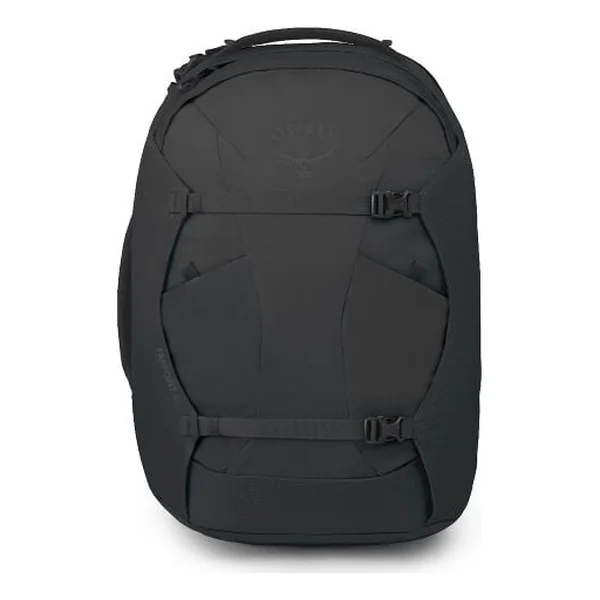 | Budget travelers | 40L, 3.95 lbs | Get yours on Amazon |
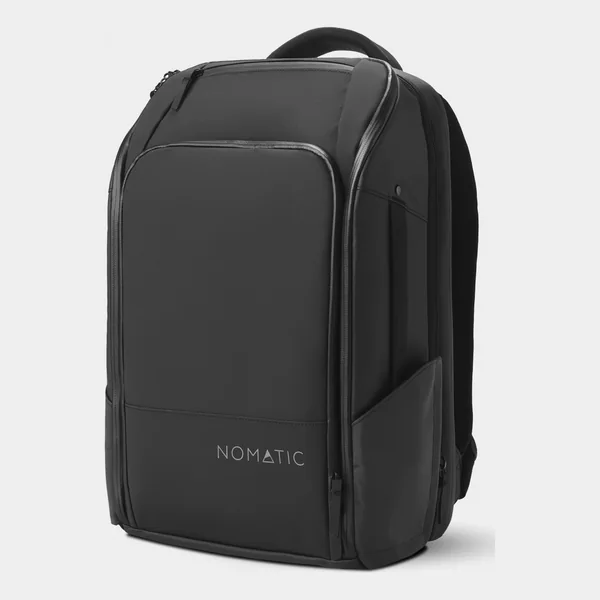 | Tech workers | 20-30L, 4.1 lbs | Get yours on Amazon |
| Tortuga Outbreaker | Tall travelers | 45L, 4.8 lbs | Get yours on Amazon |
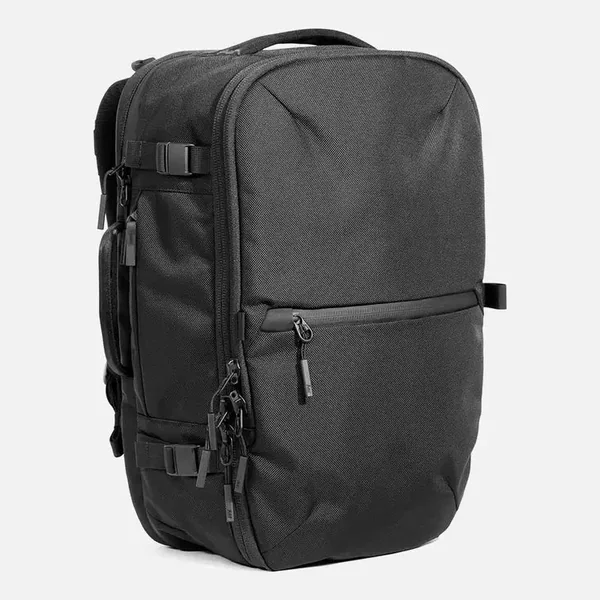 | Urban travelers | 35L, 4.1 lbs | Get yours on Amazon |
The 5 Best Backpacks for Digital Nomads
1. Peak Design Travel Backpack 45L: Best Overall
Peak Design Travel Backpack 45L
Pros
- Incredible organizational system
- True expandable capacity
- Excellent weather resistance
- TSA-friendly design
- Lifetime warranty
- Comfortable carry even when full
Cons
- Premium price point
- Slightly heavier than some alternatives
- Takes time to master all compartments
- Not as minimalist as smaller bags
Best for: Serious travelers who want one bag that handles everything
If we could only recommend one backpack to every nomad we meet, it's the Peak Design Travel Backpack. It has a strong reputation among one-bag travelers, and the build quality backs that up. What makes it special is the "Harness System",this incredibly clever design lets you adjust the bag's structure to fit YOUR body, not the other way around. The expandable capacity means it can compress to 30 liters for light weeks, then expand to 45 liters when you're heading somewhere cold and need thicker layers. The weather-resistant exterior is made for rain, dust and rough airport handling. Weighing it against NOMATIC? See Peak Design vs Nomatic.
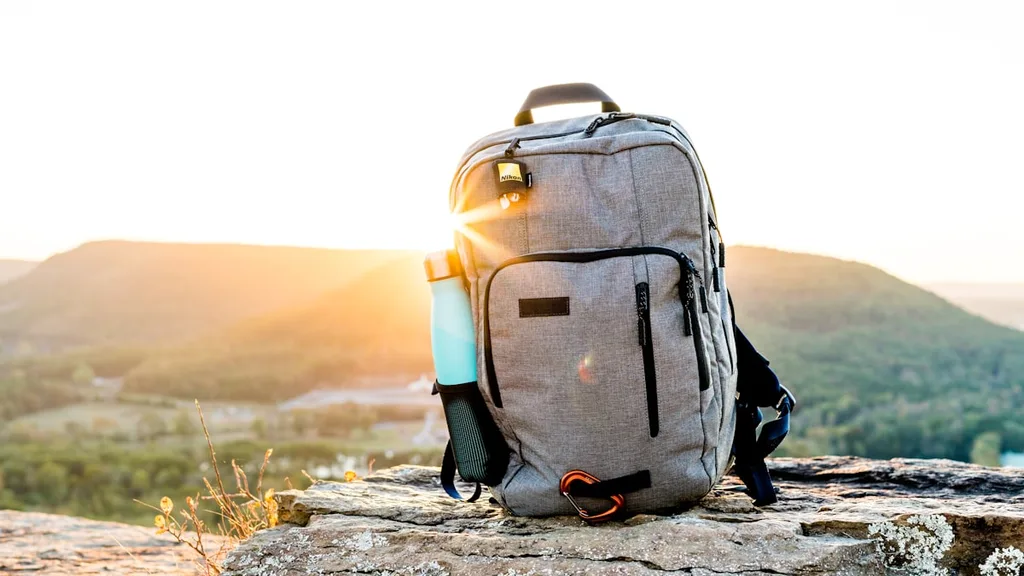
The organizational design is phenomenal. The laptop compartment keeps your laptop separate from everything else. Small pockets give headphones, charging cables and a passport their own place, instead of all your tech ending up next to dirty laundry. Every item has a home.
| Specification | Details |
|---|---|
| Capacity | 30-45L (expandable) |
| Weight | 4.2 lbs |
| Laptop Fit | Up to 16-inch |
| Material | Ballistic Nylon (weather-resistant) |
| Price | Get yours on Amazon |
2. Osprey Farpoint 40: Best Value
Osprey Farpoint 40
Pros
- Excellent value for money
- Very comfortable for all-day wear
- True carry-on size
- Durable Osprey construction
- Lifetime warranty
- Simple, intuitive design
Cons
- Less organizational compartments
- Fixed capacity (can't expand)
- Slightly smaller for longer trips
- Not waterproof (water-resistant only)
Best for: Budget-conscious travelers who refuse to sacrifice quality
The Osprey Farpoint 40 costs less than most premium travel packs and holds its own against bags that cost a lot more. Osprey has decades of backpack-making DNA, and you feel it immediately. The weight distribution is excellent. The straps are padded generously. The hip belt actually transfers weight to your hips instead of letting your shoulders take all the load. The 40-liter size is designed as a carry-on, but budget airlines often have stricter size and weight limits, so check yours before you fly. The fabric isn't as premium as the Peak Design, but it's completely adequate for real-world travel. Wondering about the women's version? See Osprey Farpoint vs Fairview.
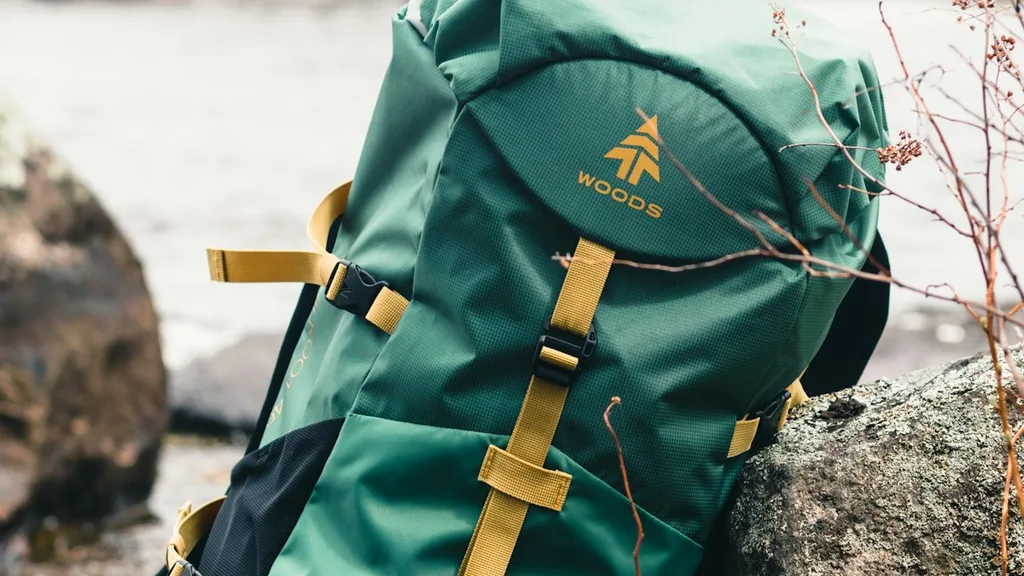
What surprised us most is how intuitive the organization is without being over-engineered. You get a main compartment, a separate laptop sleeve, and pockets in sensible places. It's not as elaborate as fancier bags, but that's actually refreshing, less to figure out when you're tired after a 20-hour travel day. For digital nomads on a tighter budget, or anyone nervous about dropping serious money on travel gear, the Farpoint 40 is legitimately one of the smartest purchases you can make.
| Specification | Details |
|---|---|
| Capacity | 40L (fixed) |
| Weight | 3.95 lbs |
| Laptop Fit | Up to 15-inch |
| Material | Nylon blend (water-resistant) |
| Price | Get yours on Amazon |
3. Nomatic Travel Pack: Best Organization
Nomatic Travel Pack
Pros
- Exceptional organization system
- Tech-focused compartments
- Premium material quality
- Hidden security compartment
- Large laptop sleeve
- Excellent for gadget-heavy setups
Cons
- Premium price
- All pockets can feel overwhelming
- Slightly heavier than minimalist bags
- Overkill if you travel ultra-light
Best for: Tech workers and gadget-heavy travelers
If you're someone who travels with multiple cables, external hard drives, laptop accessories, and all the tech infrastructure that remote work requires, the Nomatic Travel Pack is genuinely in a category of its own. Nomatic lists 22 purpose-built pockets on this bag. The front tech panel is genius, you can organize and access all your cables, USB drives, and adapters without opening the main compartment. The hidden compartment on the back is perfectly sized for a passport or documents you want kept separate from everything else. The build quality is premium. Full disclosure: it's not cheap. But if you're a tech worker who's going to live out of this bag for 6+ months, the organization alone might save you enough time to justify the investment. Less time digging for cables is the whole point.
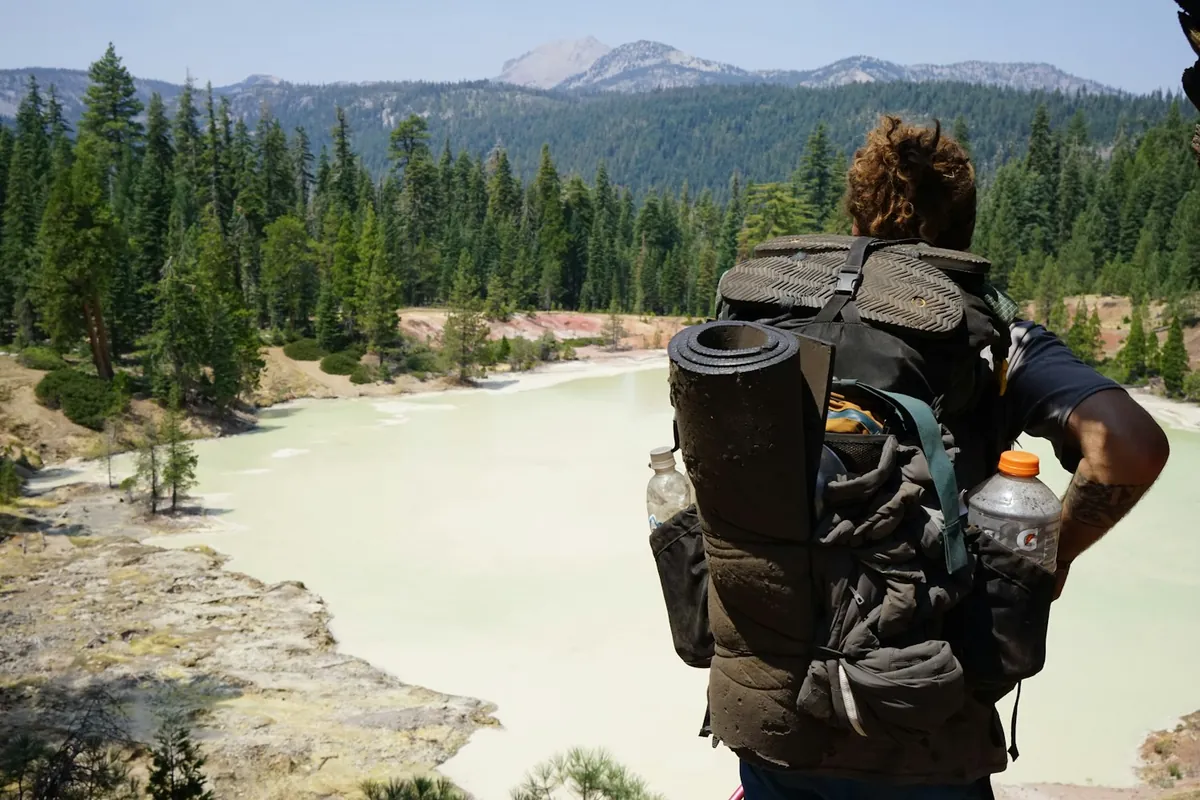
The weight distribution is slightly less comfortable than the Osprey if you're in motion all day, but it's still reasonable. The real question is whether you value having everything perfectly organized enough to pay the premium.
| Specification | Details |
|---|---|
| Capacity | 20L (expands to 30L) |
| Weight | 4.1 lbs |
| Laptop Fit | Fold-down laptop compartment |
| Material | Ballistic Nylon (water-resistant) |
| Price | Get yours on Amazon |

4. Tortuga Outbreaker 45L: Best for Larger Frames
Tortuga Outbreaker 45L
Pros
- Properly sized for taller travelers
- Dedicated tablet compartment
- Comfortable weight distribution
- Available in multiple sizes
- Excellent build quality
- Great for larger frames
Cons
- Not ideal if you're under 5'6"
- Slightly heavier pack
- Less organizational detail than competitors
- Limited color options
Best for: Tall travelers and anyone who finds standard backpacks uncomfortable
Taller travelers often struggle with standard travel packs: they sit too high or too low, and the straps don't align properly with the shoulders. The Tortuga Outbreaker is specifically designed to solve this problem. Note: Tortuga no longer lists the Outbreaker on its own site; its current range is the Travel Backpack Pro and Lite, so the Outbreaker is mainly available second hand or from remaining retail stock. If you are tall, check the torso fit options of the current Tortuga packs. The 45-liter capacity is generous without being excessive. The dedicated compartments for both a laptop and tablet are a thoughtful touch for content creators or anyone managing multiple devices. The build quality is solid, Tortuga uses durable materials that handle rough handling without complaint. If you're on the taller side or have a larger frame, most "one-size-fits-all" backpacks are actually one-size-fits-some. This one actually acknowledges that bodies come in different sizes.
The price is reasonable for the quality. It won't be the lightest pack you own, but comfort during 10+ hour travel days is worth more than saving a few ounces.
| Specification | Details |
|---|---|
| Capacity | 45L (multiple sizes) |
| Weight | 4.8 lbs |
| Laptop Fit | Up to 15-inch + tablet slot |
| Material | Ballistic Nylon (weather-resistant) |
| Price | Get yours on Amazon |
5. Aer Travel Pack 3: Best Urban Style
Aer Travel Pack 3
Pros
- Stunning minimalist design
- Blends in better with locals
- AquaGuard water-resistant zippers
- Lighter weight option
- Great carry comfort
- Looks professional in business settings
Cons
- Smaller capacity (35L)
- Less organizational compartments
- Not ideal for longer trips
- Premium price for smaller pack
Best for: City-focused travelers who want to blend in with locals
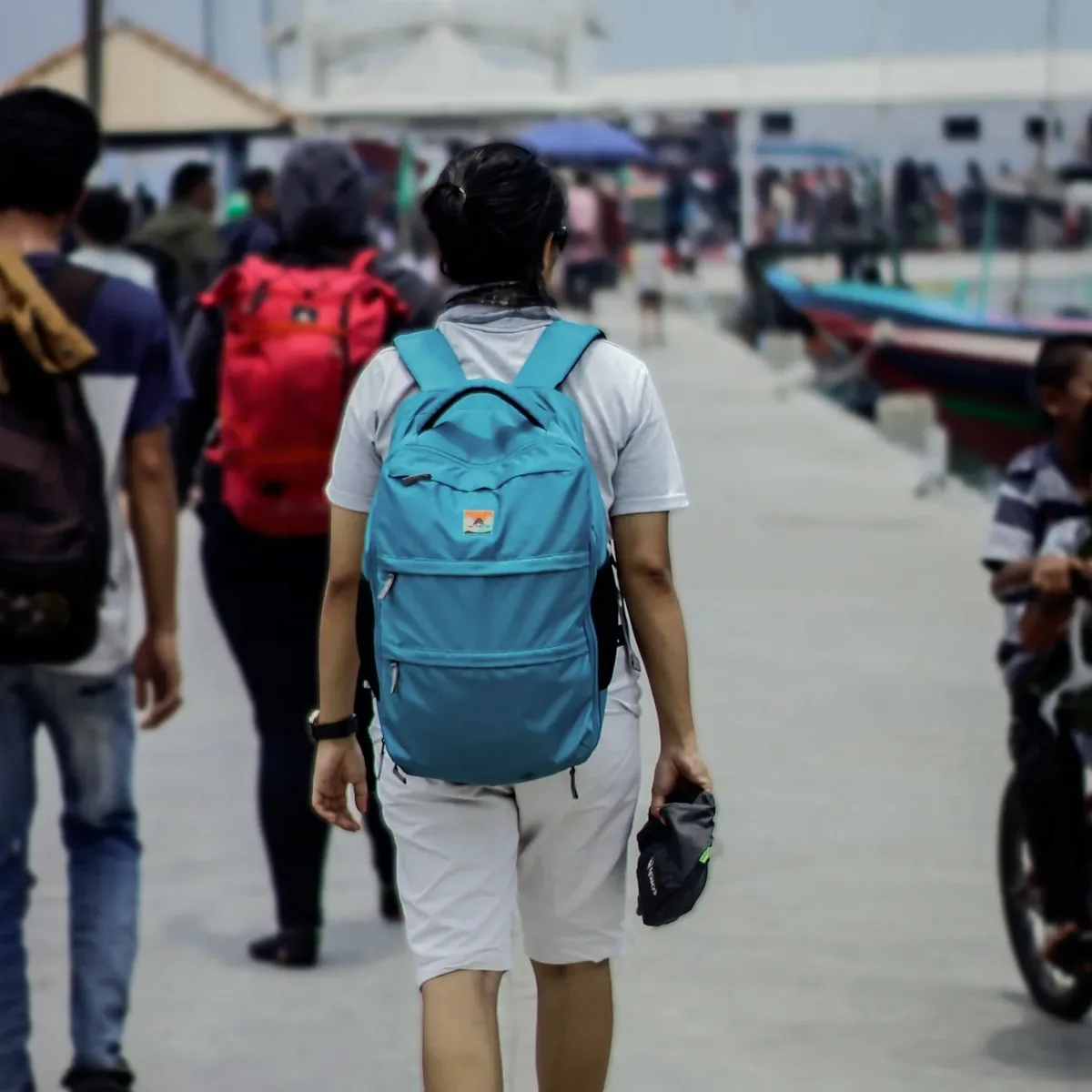
Aer Travel Packs look like normal backpacks instead of obvious tourist gear. If you're traveling to cities where standing out can sometimes feel uncomfortable, the Aer Travel Pack 3 solves that immediately. It's sleek, it's understated, and it looks like something a creative professional would actually use. The aesthetic is minimalist modern rather than "I-have-all-my-possessions-on-my-back." The AquaGuard zippers are a thoughtful detail, they provide water resistance without the bulk of a fully waterproof pack. The all-black finish ages beautifully and hides stains better than lighter-colored bags. The 35-liter capacity is slightly on the smaller side, which means it forces you to travel lighter. That's not a weakness for everyone, many travelers actually prefer having constraints that prevent overpacking. The organization is clean and straightforward without being minimalist to the point of dysfunction. The carry experience is smooth. The straps are padded. The back panel is breathable.

You're paying partly for design and aesthetic. If function is everything and style is nothing, this might not be your pick. But if you value looking intentional while you travel, and you don't need to carry an enormous amount of gear, the Aer Travel Pack 3 is genuinely exceptional.
| Specification | Details |
|---|---|
| Capacity | 35L |
| Weight | 4.1 lbs |
| Laptop Fit | Up to 16-inch |
| Material | Cordura Nylon w/ AquaGuard zippers |
| Price | Get yours on Amazon |
Need a smaller second bag for day trips? See our Osprey vs Gregory comparison of two 20 L day packs.
Why this matters
Best Backpacks for Digital Nomads (2026 Guide)
Find your perfect travel companion: Expert reviews of the 5 best backpacks for one-bag travel in 2026
How the Wrong Bag Ruins a Trip
Picture an oversized duffel catching on every cobblestone, packed with your whole wardrobe, three pairs of shoes, cables you never use and enough toiletries to stock a hotel bathroom. That is not traveling, that is lugging. It is one of the most valuable lessons of nomadic life: your backpack isn't just gear, it's your gateway to actual freedom. The right bag means you can move fast, explore spontaneously, and navigate crowded trains without feeling like a burden. The wrong bag? It anchors you to airports, trains, and hostels when you'd rather be discovering hidden cafes. This guide looks at what separates a mediocre travel backpack from one that genuinely changes how you explore the world.

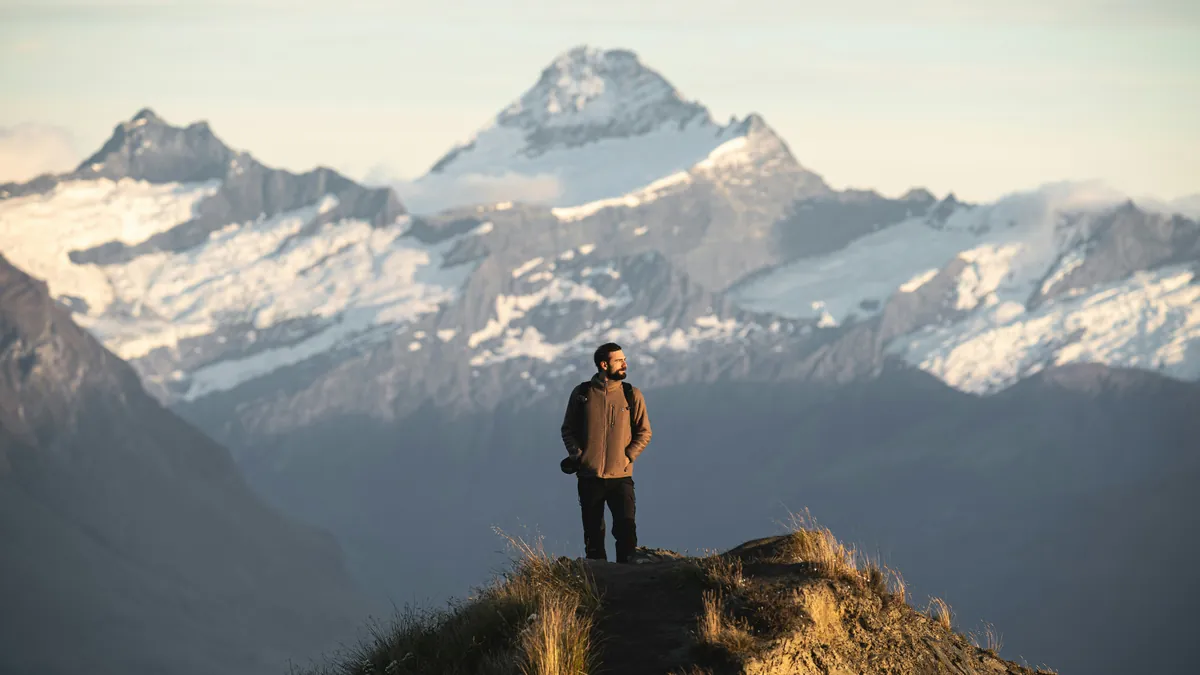
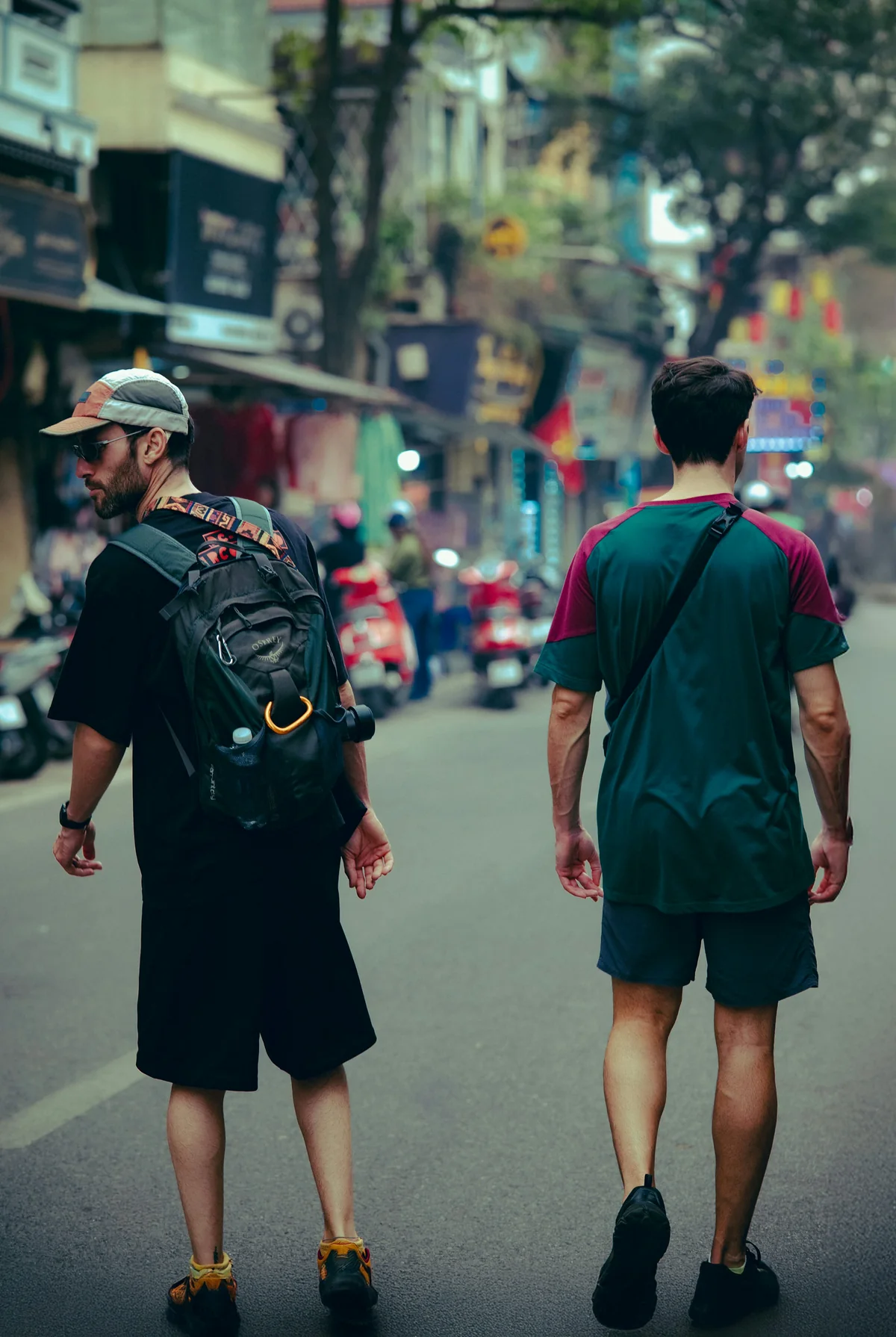
Chenzo, founder of NomadsToolsLab, walking a jungle path in Bali.
Why One-Bag Travel Actually Matters
One-bag travel isn't about deprivation or proving you're a minimalist hero. It's about freedom. When your entire world fits on your shoulders, you move differently. You can take that 6 AM train without stressing about baggage claim. You can switch hostels if the vibe is off. You can catch a last-minute flight to somewhere you'd never planned to go. You're not negotiating stairs with a massive suitcase. You're not standing in line at hotel luggage storage. But here's what most people get wrong: one-bag travel isn't about suffering. It's about the right equipment. A proper travel backpack should feel like an extension of your body, not a punishment. It should organize your stuff intuitively so you're not digging through layers at customs. It should protect your laptop, fit in overhead bins, and handle rain without turning your electronics into expensive bricks. We've seen people abandon the one-bag dream after two weeks because they chose the wrong pack. They picked something cheap, or too heavy, or designed for hiking instead of urban exploration. This guide is here to make sure that doesn't happen to you. If a roller suits your trip better than a pack, our Travelpro vs Samsonite carry-on comparison sets a soft and a hard shell side by side.
From the road
I've carried a lot of backpacks over the years, eleven of those years were spent backpacking through South America. I had one stolen there once, mid trip, and I've sat through more than a few 24 hour bus rides with everything I owned on my back. In the beginning my bag was packed full. After enough years on the road you realize you don't need most of it, so it kept getting smaller. These days it's: toothbrush, basic hygiene and grooming stuff, a couple of medicines, a few pairs of underwear and shirts, one thick sweater for when it gets cold, socks, an extra pair of shoes, slippers, chargers, laptop. That's it.
What to Look For in a Nomad Backpack
Not every quality backpack is right for travel. Hiking packs, for instance, are fantastic if you're summiting mountains, but they're miserable for navigating city streets and fitting in overhead bins. Here's what actually matters:
Capacity: Most digital nomads thrive with 35-45 liters. Anything smaller and you're contorting yourself to pack underwear. Anything larger and you're basically carrying a suitcase on your shoulders. The sweet spot is 40 liters, big enough for real trips, small enough for true mobility.
Weight: Every pound matters when you're moving through cities. A 5-pound backpack might not sound like much, but it's the difference between exploring comfortably and dragging through museums. Look for bags under 5 pounds if possible. Your shoulders will thank you after 20+ hours of wear.
Comfort: If a backpack isn't comfortable after 5 minutes, it won't become comfortable after 5 hours. The straps matter enormously. Padded hip belts matter. The back panel should be shaped somewhat to your back, not a flat plank. Test before you buy, or buy from somewhere with good return policies.
Water Resistance: Rain happens. You don't need completely waterproof (those bags are heavy), but water-resistant materials and sealed seams keep your electronics safe when things get wet. This is non-negotiable.
Organization: Different people need different things. Minimal travelers want simplicity. Tech workers want compartments. Figure out your own style before assuming more pockets are always better. The best organizational system is one you'll actually use.
Our remote work setup
The gear guides we compare for working from cafes, coliving rooms and rentals:
Related reading: Backpacking South America: What to Actually Pack (2026).
Worried about theft on the road? See our Pacsafe vs Travelon anti-theft comparison. Want the full setup in one place? Grab the Free Digital Nomad Setup Guide.
Frequently Asked Questions
Can I really live out of one 40-liter backpack?
Absolutely, but it requires honest minimalism. You're not bringing "just in case" items. You're bringing things you actually wear and use. For most people in most climates, 40 liters is plenty. Colder climates require slightly more space (thermal layers take up room), so you might lean toward 45 liters. The key is being thoughtful about every item, not deprivation.
Watch: the Peak Design Travel Backpack 45L after six years
Video by Gear Grind Reviews.
Seen enough? Here is the Peak Design Travel Backpack 45L from this article.
Peak Design Travel Backpack 45L
Pros
- Incredible organizational system
- True expandable capacity
- Excellent weather resistance
- TSA-friendly design
- Lifetime warranty
- Comfortable carry even when full
Cons
- Premium price point
- Slightly heavier than some alternatives
- Takes time to master all compartments
- Not as minimalist as smaller bags
What about a carry-on roller suitcase instead?
Roller suitcases are better if you're in one place for weeks or months. But for actual nomadic travel, moving between cities frequently, they're a nightmare. Stairs, cobblestones, crowded trains, narrow hostel hallways, a backpack handles these infinitely better. You can't navigate Southeast Asia with a roller suitcase without constant frustration.
Should I buy a specialized "travel" backpack or a regular hiking pack?
Travel packs are specifically designed for urban environments and frequent movement. Hiking packs are designed to transfer weight to your hips during sustained activity and often have features (like hydration bladder sleeves) that don't matter for city travel. Travel packs typically have better laptop organization and airport-friendly designs. They're worth the specificity.
How often will I actually need to expand capacity?
More often than you'd think. Winter trips require thicker layers. Photography trips need more equipment. Projects sometimes require bringing specific gear. The Peak Design's expandability helps here: pack tight most of the year, then expand when you need the extra space. If you travel to varied climates, expandability is worth the feature.
Do I really need to spend that much?
The Osprey Farpoint 40 proves you don't. It's genuinely a solid bag. But here's the calculus: if you're traveling for even 6 months, you're using this backpack for 180 days. That's a small amount per day on a premium bag, and the better organization and durability typically saves you money and frustration. That said, if budget is tight, don't skip travel altogether for a fancier bag. The Osprey is genuinely a great option.
- The Peak Design Travel Backpack 45L is the pick for most nomads: one bag that handles everything, expandable from 30 to 45 liters.
- The Osprey Farpoint 40 is the best value and true carry-on size, but budget airlines often have stricter limits, so check yours before you fly.
- The Nomatic Travel Pack suits tech workers and gadget-heavy travelers, with 22 purpose-built pockets listed by Nomatic.
- The Tortuga Outbreaker 45L is for taller travelers. Tortuga no longer lists it on its own site, so it is mainly available second hand or from remaining retail stock.
- The Aer Travel Pack 3 is the city pick: 35 liters and a design that looks like a normal backpack.
- Capacity: most nomads do well with 35 to 45 liters. Look for a bag under 5 pounds if possible.
The Final Verdict
Here's the honest take: there is no single "best" backpack. There's the best backpack for YOUR travel style.

If you want one bag that genuinely handles everything and don't have budget constraints, the Peak Design Travel Backpack is worth every penny. The organizational system and expandability are in a class of their own. If you're on a tighter budget, the Osprey Farpoint 40 delivers 90% of the functionality for 50% of the price. If you're a tech worker who lives with gadgets, the Nomatic's organization is unmatched. If you're taller than average, the Tortuga actually cares about your comfort. And if urban aesthetics matter to you, the Aer Travel Pack 3 is genuinely beautiful.
Your backpack is one of the most important pieces of nomadic equipment you'll own. It's worth buying something good. It's worth testing before you commit to six months of travel. And it's worth accepting that the cheap duffel bag from college isn't going to cut it anymore.
Choose the bag that matches your actual travel style, your budget, and your values. Then stop thinking about the backpack and start thinking about where you're going to take it.
Related Articles You Might Find Helpful
The Ultimate Packing List for One-Bag Travel
Best Travel Insurance for Digital Nomads
How to Organize Your Digital Nomad Finances
Co-Working Spaces in 15 Digital Nomad Hotspots
How to Stay Healthy While Traveling Long-Term
Disclaimer: Some links on this site are affiliate links. We earn a commission if you click and purchase, at no additional cost to you.
The Nomad Toolkit
Tools We Recommend on the Road
These four cover the boring but essential parts of nomad life. These are the four we recommend first for most nomads:
- SafetyWing, monthly nomad insurance, subscribe once, keeps running as you move country to country
- Airalo, eSIM for 200+ countries, activate before you land, no more SIM card hunting
- Revolut, multi-currency account with real exchange rates, my daily card abroad
- DiscoverCars, best car rental prices worldwide, filter for automatic and unlimited km
Updated:
Affiliate disclosure. This post contains affiliate links. If you click and buy something, this site earns a small commission at no extra cost to you. Picks are based on published specs, independent reviews and manufacturer information, and we only recommend what we would use ourselves. As an Amazon Associate I earn from qualifying purchases. Read the full affiliate disclosure. Amazon and the Amazon logo are trademarks of Amazon.com, Inc. or its affiliates.
Your next step