Tokyo for Digital Nomads: The Complete 2026 City Guide
As an Amazon Associate I earn from qualifying purchases. Some links on this page earn us a small commission, at no extra cost to you. Full disclosure.
Tokyo shows up again and again on "surprising nomad hub" lists, not because it's cheap, but because the exchange rate has made it far more affordable than its reputation suggests, and because almost nowhere else combines this level of safety, transit reliability and sheer scale. This is our complete Tokyo digital nomad guide. Japan's digital nomad visa, launched in 2024, gave remote workers a legal way to stay for up to six months. This guide covers what's worth seeing, the real fare numbers from both Narita and Haneda, and where to sort connectivity before you land.
Quick answer
Is Tokyo good for digital nomads? Yes for safety, transit and internet, but it is not a budget base, and Japan's nomad visa needs an income of 10 million yen a year, so most visitors stay on a tourist stay. The Narita Express or Keisei Skyliner are the standard ways in from Narita, the Tokyo Monorail is the quick option from Haneda, and a metered taxi runs on the Tokyo Hire-Taxi Association's tariff which is worth avoiding for the airport run given the distance. Sort your eSIM first, then plan Shibuya and Senso-ji around opening hours.
Checked on 5 October 2026: the Japan digital nomad visa rules against the Immigration Services Agency of Japan Q&A (edition of July 2024), and the airport fares on 30 September 2026.
Book these first

Klook

Welcome Pickups

Yesim

Holafly
Code NOMADSTOOLSLAB gives 5% off at checkout.

Radical Storage

KKday
- The Narita Express runs direct to Tokyo Station with all seats reserved, and the Keisei Skyliner is the faster budget alternative to Nippori or Keisei-Ueno.
- From Haneda, the Tokyo Monorail reaches Hamamatsucho in as little as 13 minutes.
- A metered taxi from either airport typically runs well over 15,000 to 20,000 yen, several times the cost of the train.
- Japan's digital nomad visa, launched in 2024, allows a stay of up to six months, with an income bar of around 10 million yen a year.
- Senso-ji is free to enter and best visited early in the morning, and the Tokyo Metropolitan Government Building observation deck in Shinjuku is free too.
What makes Tokyo worth the trip
Tokyo is enormous enough that most first visits barely scratch the surface, but a handful of areas anchor almost everyone's list:
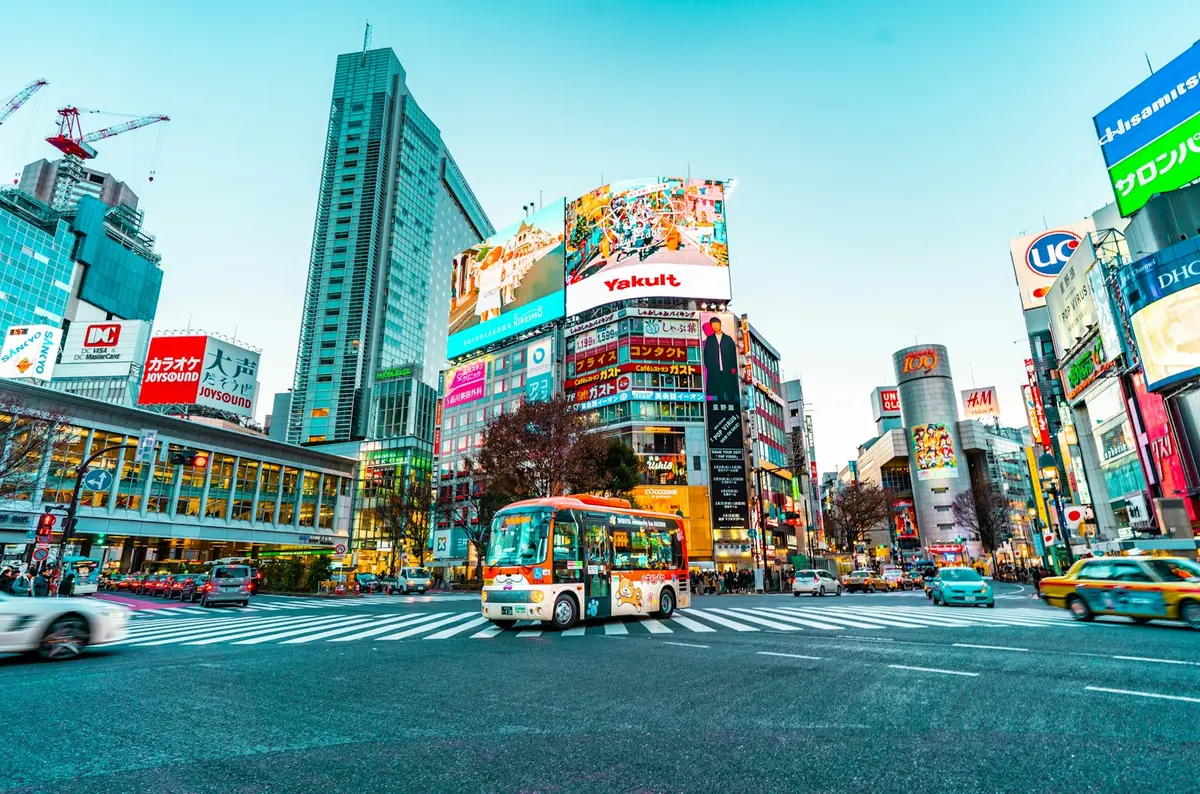
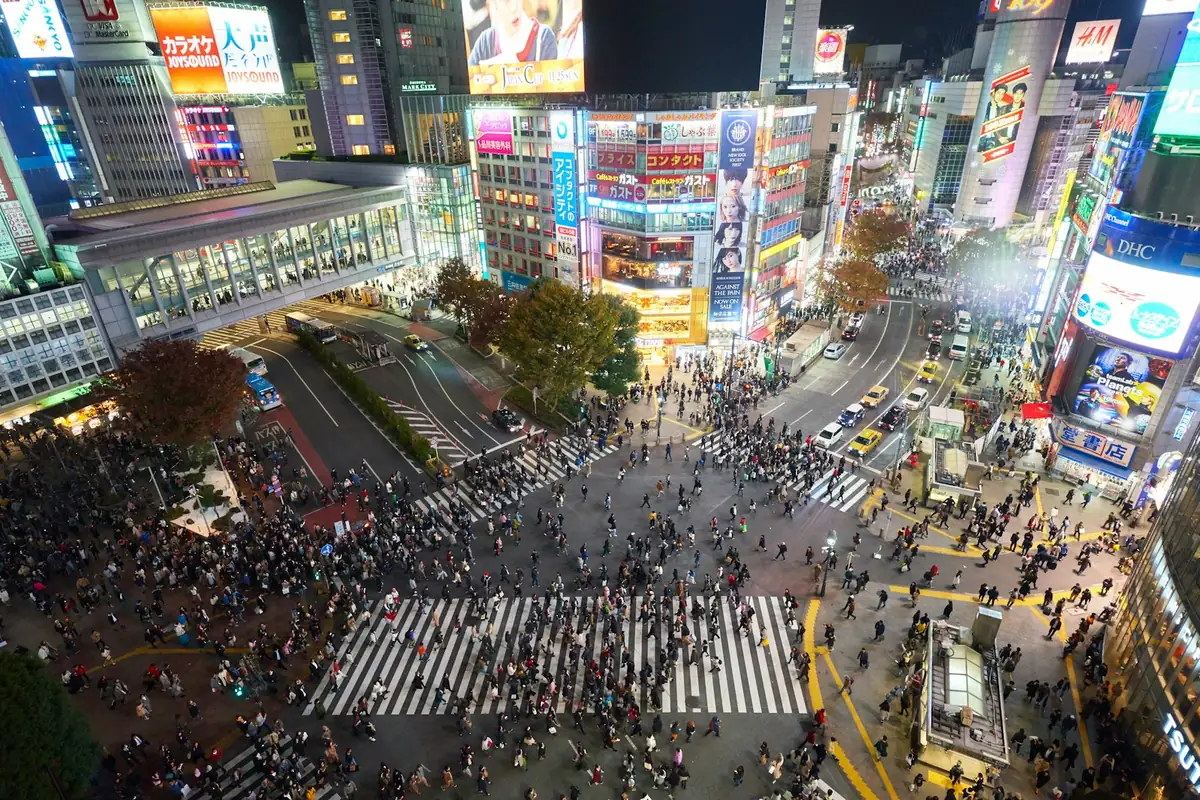
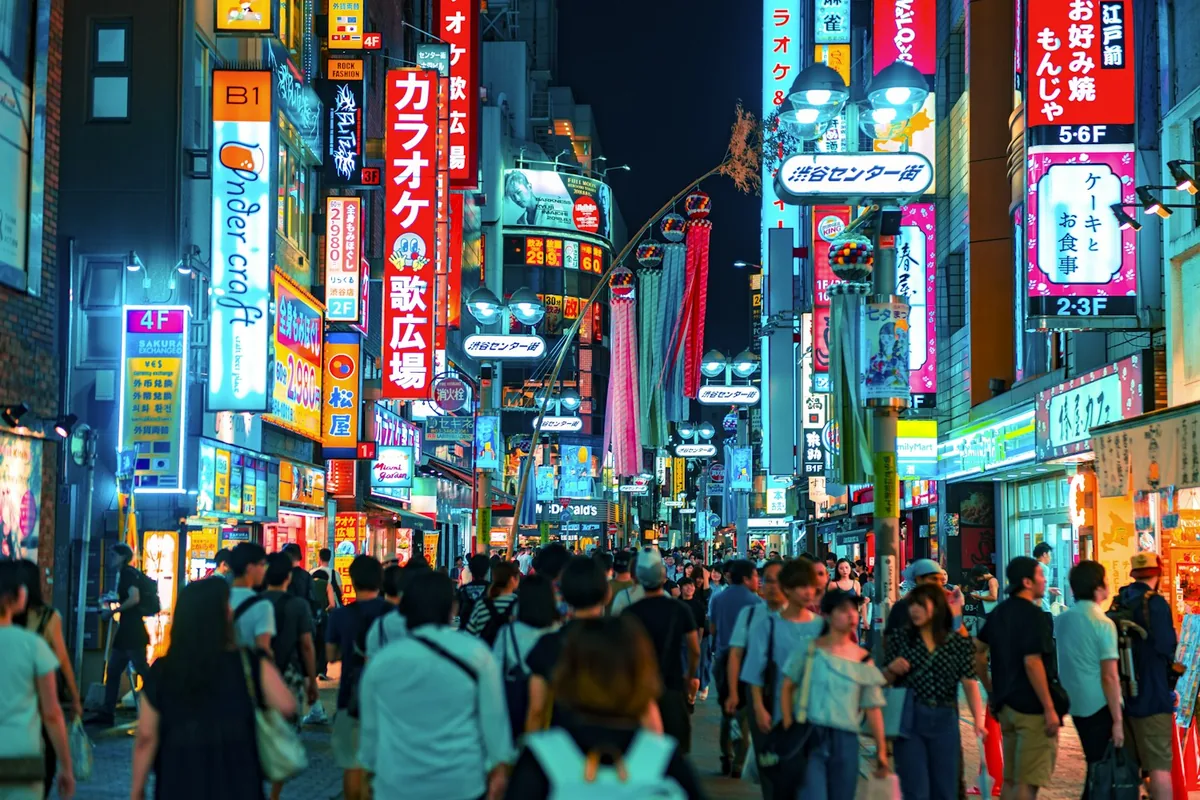
Shibuya Crossing. The world's busiest pedestrian crossing, up to 3,000 people at once, best seen from above at the Shibuya Sky observation deck or one of the crossing-facing cafes rather than just from street level.
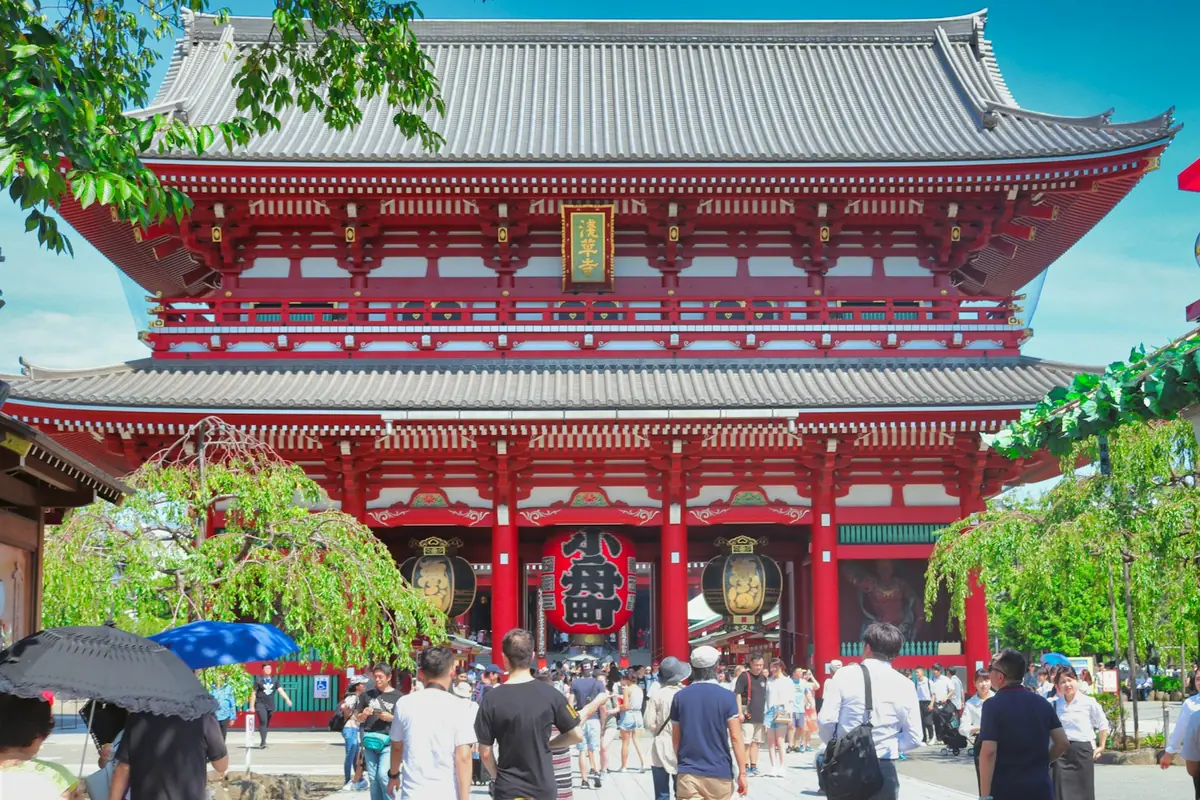
Senso-ji. Tokyo's oldest temple, entered through the giant red Kaminarimon gate in Asakusa, with the Nakamise shopping street leading up to it. Free to enter, and it's genuinely worth an early-morning visit before the tour buses arrive.
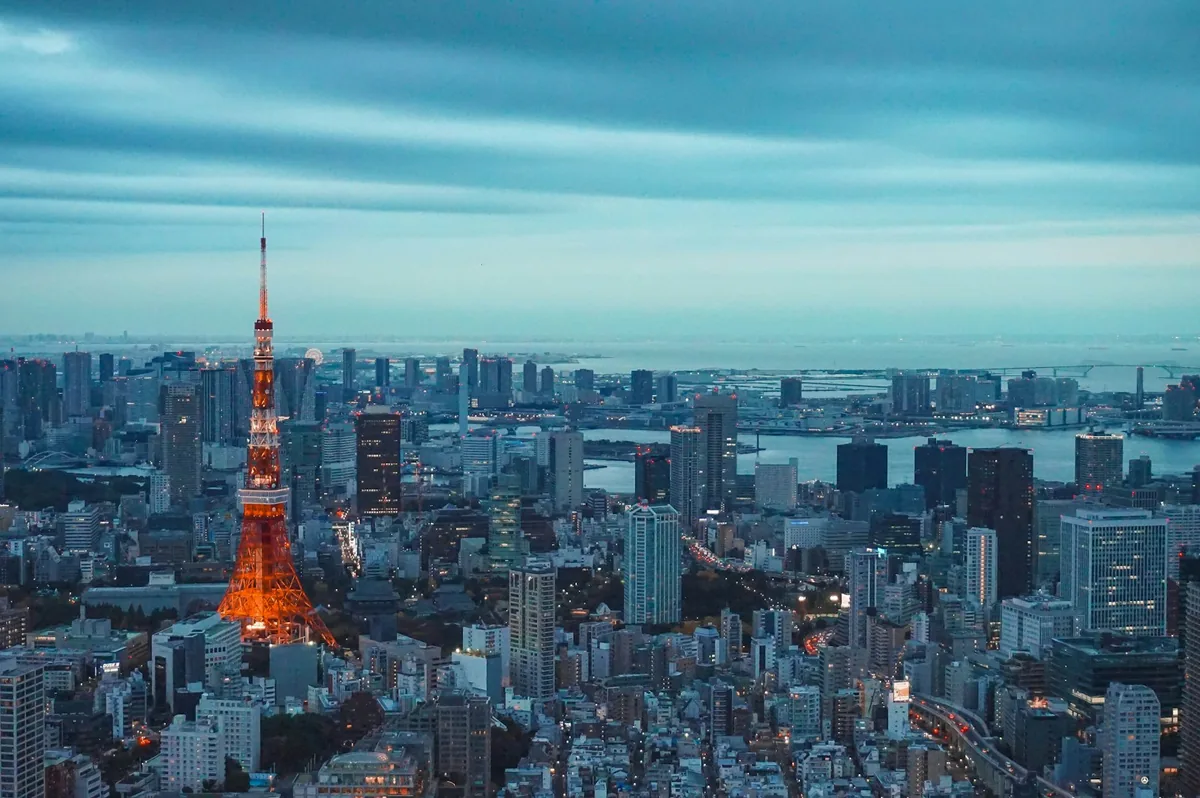
Tokyo Tower. The 1958 Eiffel Tower lookalike still lights up the skyline every night, and its observation deck is usually less crowded than the newer Tokyo Skytree across town.
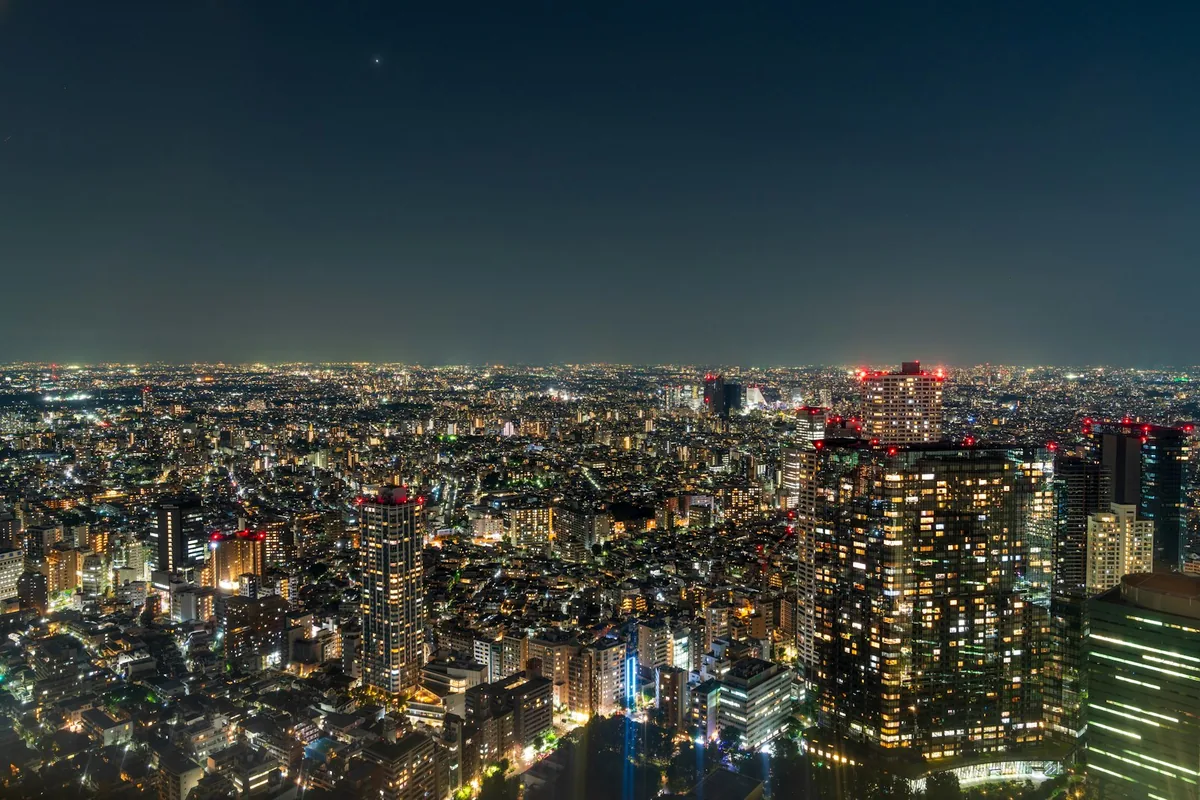
Shinjuku. The busiest train station on earth sits at the center of a district that runs from neon-lit Kabukicho to the free observation deck at the Tokyo Metropolitan Government Building, one of the best sunset views in the city at zero cost.
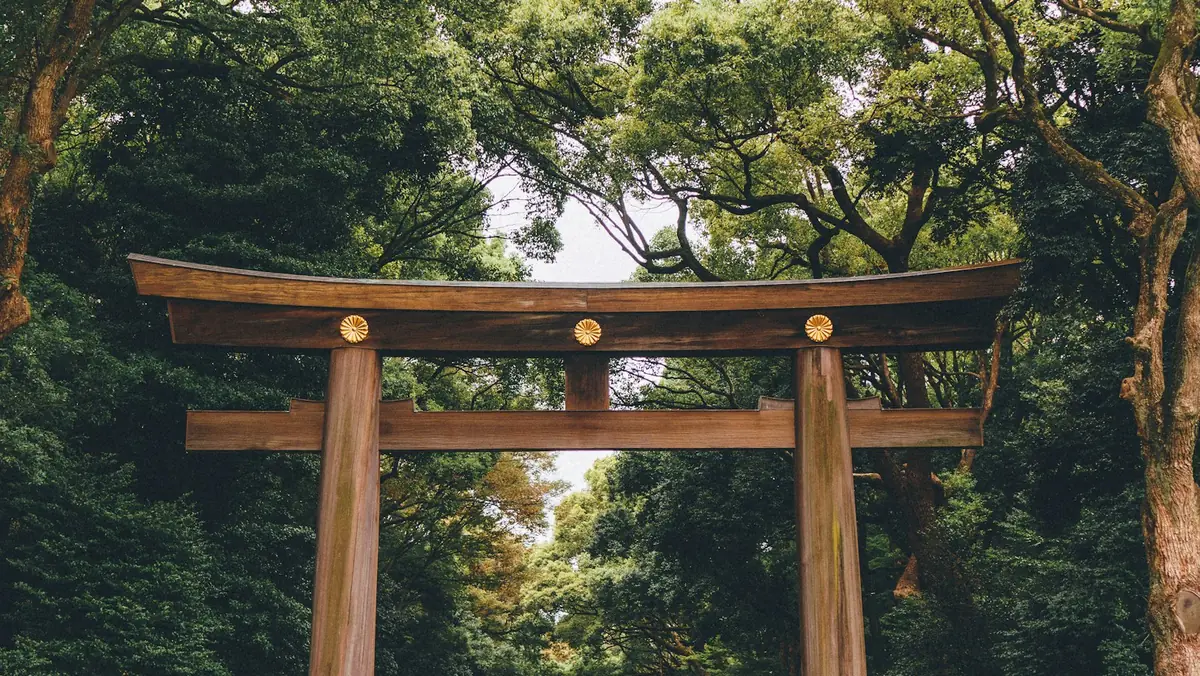
Meiji Shrine. A forested shrine wrapped around a genuine 100,000-tree man-made forest, right next to Harajuku, the contrast between the two in a single afternoon is one of the better Tokyo experiences.
Coworking is dense around Ginza and Shibuya, and internet is fast and reliable everywhere. For visa and cost context across the rest of the country, our Japan digital nomad guide covers the wider picture.


Go City
Worth comparing against single tickets if you're planning to hit several paid observation decks and museums
Getting from Narita or Haneda into the city
Tokyo has two airports: Narita (NRT), further out and used by many international long-haul flights, and Haneda (HND), closer in and increasingly the arrival point for major carriers.
From Narita: Narita Express or Keisei Skyliner
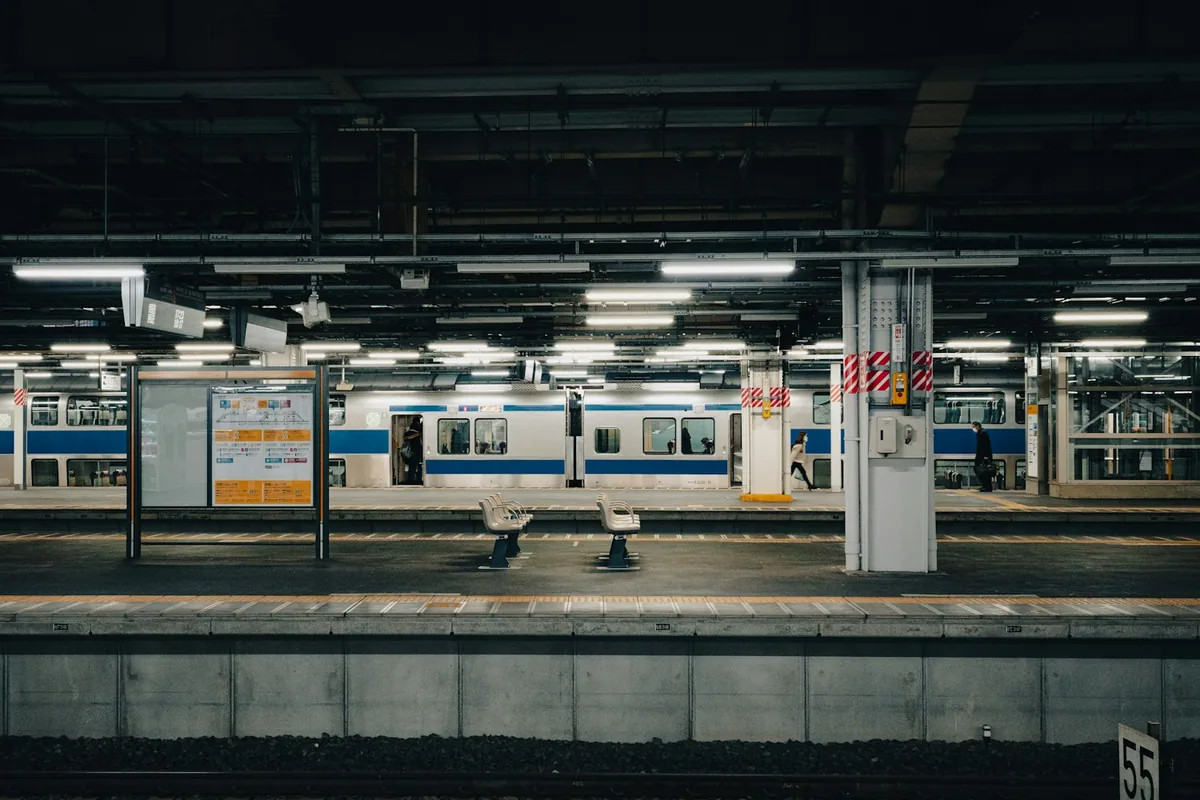
JR East's Narita Express (N'EX) runs direct to Tokyo Station, with all seats reserved. Per JR East's official site, the one-way ordinary-car adult fare is ¥3,070 following the March 2026 fare revision. Keisei's Skyliner is the faster budget alternative to Nippori or Keisei-Ueno, at ¥1,280 (paper ticket) per Keisei's official fare page, checked 30 September 2026, connecting onward to the JR Yamanote Line.
From Haneda: Tokyo Monorail
The Tokyo Monorail runs from Haneda Airport to Hamamatsucho in as little as 13 minutes on the Haneda Express service. Per the operator's official site, the one-way adult fare is ¥520 (¥519 with an IC card like Suica or Pasmo), checked 30 September 2026.
Taxi
Tokyo's taxis are metered and regulated by the Tokyo Hire-Taxi Association together with the Kanto Regional Transport Bureau. Following the April 2026 revision widely reported via Japanese outlets citing the Association: the flagfall stayed at ¥500 but now covers a shorter initial distance, with ¥100 added roughly every 232 meters after that. Given the distance from either airport, a metered taxi into central Tokyo typically runs well over ¥15,000 to ¥20,000, several times the cost of the train.
Taxis are not the airport-transfer default here. Unlike some cities on this site, Tokyo's taxi scene has essentially no scam problem, drivers are licensed and honest, but the distance from either airport makes a metered taxi a genuinely expensive choice rather than a risky one. Save it for getting around once you're already in the city.
| Option | Where it goes | Best for |
|---|---|---|
| Narita Express | Tokyo Station direct, reserved seats | Narita arrivals with heavy luggage |
| Keisei Skyliner | Nippori / Keisei-Ueno, connects to Yamanote Line | Narita arrivals on a budget |
| Tokyo Monorail | Hamamatsucho in ~13 minutes | Haneda arrivals, fastest option |
| Pre-booked transfer | Door to door, price agreed before landing | Late arrivals, groups, heavy luggage |
If you'd rather not navigate ticket machines after a long-haul flight, Welcome Pickups covers both Narita and Haneda with a driver waiting at arrivals and a price agreed before you land.
Power plugs: Japan uses Type A and B sockets, the flat-pin plugs also used in the US, and a universal adapter such as the TESSAN 28W universal adapter covers other plug shapes on the same trip.
Before you go: connectivity and cover
Two things worth sorting before you land rather than after. An aloSIM or Airalo eSIM gets you connected the moment you land, no SIM-card counter queue. For health cover, most short-stay travelers compare a single-trip plan, while longer-term nomads bouncing between countries tend to use SafetyWing. If you're weighing the two, our digital nomad insurance comparison and eSIM comparison go through the options in more depth.
Booking hotels or Shinkansen seats? Our Trip.com review looks at whether Trip.com is good for Japan.
Yesim is another eSIM option, with plans for 170+ countries listed on its site. Arriving early or leaving late? Radical Storage lets you book luggage storage at partner locations in Tokyo online. For things to do, KKday sells tours and tickets in Tokyo.
Holafly is another eSIM option, with unlimited data plans under a fair use policy.
What could be better
- It's not actually a budget city. Rent and dining out both run higher than Southeast Asian hubs, even with a favorable exchange rate.
- Japan's digital nomad visa has a high income bar. The current threshold sits around 10 million yen a year, well above what many nomads earn, most visitors are on a standard tourist stay instead.
- The language barrier is real. English signage exists in transit and tourist areas, but day-to-day life outside those runs mostly in Japanese.
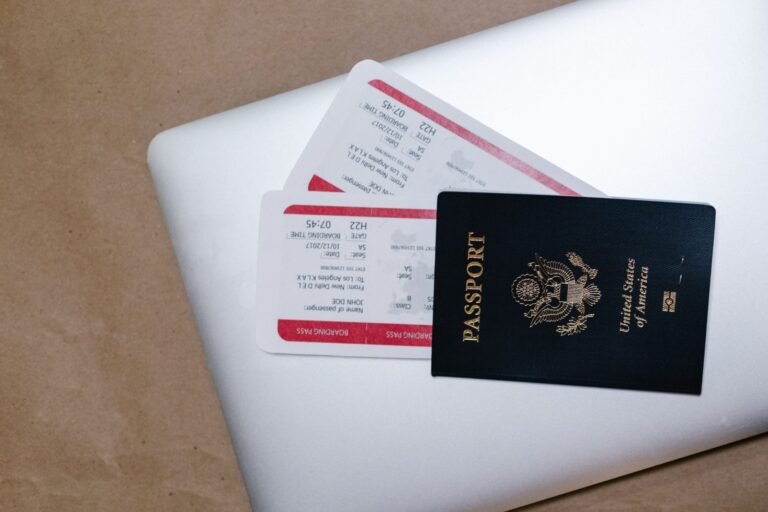
The official rules, from the Immigration Services Agency of Japan (Q&A of July 2024): the stay is a maximum of six months and cannot be renewed, you can come back on the same status once six months have passed after leaving, and you do not receive a residence card. The visa covers remote work for a foreign employer or foreign clients, not work for a Japanese company or individual. You also need medical insurance of at least 10 million yen for injury and illness, because you cannot join Japan's public health insurance (Immigration Services Agency Q&A).
Affiliate disclosure. This post contains affiliate links. If you click and buy something, this site earns a small commission at no extra cost to you. Picks are based on published specs, independent reviews and manufacturer information, and we only recommend what we would use ourselves. As an Amazon Associate I earn from qualifying purchases. Read the full affiliate disclosure. Amazon and the Amazon logo are trademarks of Amazon.com, Inc. or its affiliates.
Your next step
Sort connectivity and cover, then check whether Japan's income bar for a nomad visa fits your situation.
Our remote work setup
The gear guides we compare for working from cafes, coliving rooms and rentals:
FAQ
What is the cheapest way from Narita or Haneda to Tokyo?
From Narita, the Keisei Skyliner to Nippori or Keisei-Ueno at Y1,280 is cheaper than the Narita Express (Y3,070 to Tokyo Station). From Haneda, the Tokyo Monorail to Hamamatsucho costs Y520 and takes as little as 13 minutes.
How much should a taxi from a Tokyo airport cost?
Tokyo taxis are metered under the Tokyo Hire-Taxi Association's tariff (Y500 flagfall plus roughly Y100 per 232 meters after the April 2026 revision), but the distance from either airport typically makes the fare well over Y15,000, several times the cost of the train.
Do I need a visa to work remotely from Tokyo?
Japan's digital nomad visa, launched in 2024, allows up to six months but requires proof of roughly 10 million yen in annual income, a high bar most nomads don't meet. Most visitors instead rely on a standard tourist stay.
Is Tokyo good for digital nomads?
Yes for safety, transit reliability and internet speed, though it's a more expensive base than most Southeast Asian hubs and the language barrier is more noticeable outside tourist and transit areas.
Can I extend the Japan digital nomad visa?
No. The Immigration Services Agency says the maximum stay is six months and renewal is not permitted. You can enter again on the same status once six months have passed after you leave Japan.
Can I work for a Japanese client on the digital nomad visa?
No. The status covers remote work for a foreign employer or services to people outside Japan. Working for a Japanese company or individual under an employment or contractor agreement is not permitted.