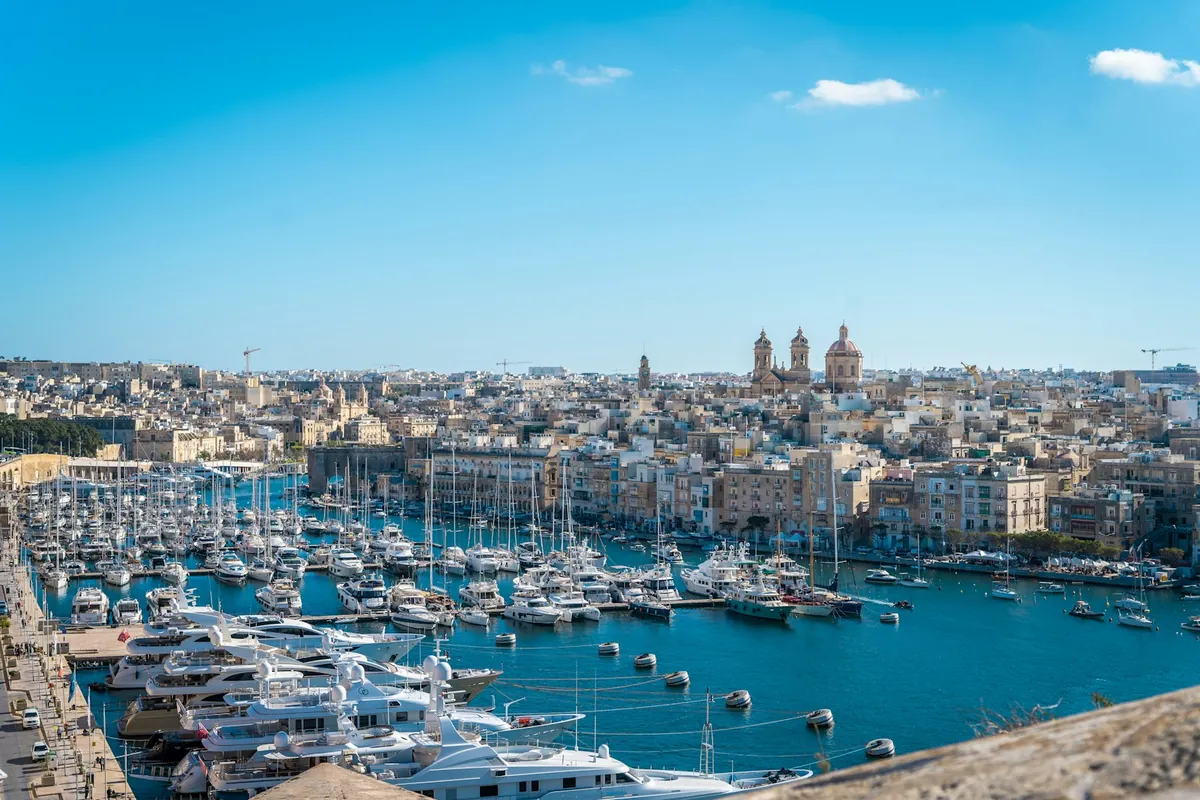
Malta Digital Nomad Guide 2026: Visa, Cost, Best Areas
As an Amazon Associate I earn from qualifying purchases. Some links on this page earn us a small commission, at no extra cost to you. Full disclosure.
This Malta digital nomad guide covers the visa, cost and best areas. Malta keeps landing on shortlists for English-speaking nomads, and the reasons are simple: it's the only EU country where English is an official language, the whole island is small enough to feel manageable, and there's an actual visa built for remote workers. It also comes with a real cost of living, a taxi rank that has a reputation to watch out for, and a nomad scene split between three very different bases. This guide covers the Nomad Residence Permit, what a flight into Malta International Airport actually costs to finish, and where digital nomads tend to end up living.
Quick answer
The Malta Nomad Residence Permit needs a minimum income of 42,000 euros a year, the official Airport Direct bus into Valletta or Sliema costs 3 euros, and a prepaid taxi from the airport should run roughly 17 to 30 euros depending on the area. Sort a transfer or an eSIM before you land, then pick a base once you've seen Sliema and Valletta side by side.
Checked on 5 October 2026: the Airport Direct and Tallinja bus fares on the Malta Public Transport website.
Book these first

Welcome Pickups

Kiwitaxi

Saily

Holafly
Code NOMADSTOOLSLAB gives 5% off at checkout.

WeGoTrip
- The Malta Nomad Residence Permit needs at least 42,000 euros gross a year from work outside Malta, costs 300 euros to apply and takes roughly two months.
- The Airport Direct bus into Sliema or Valletta costs 3 euros; a prepaid taxi runs roughly 17 euros to Valletta and 20 euros to St Julian's.
- At the airport, stick to the prepaid desk or a metered white taxi, not unlicensed drivers offering "cheap" rides.
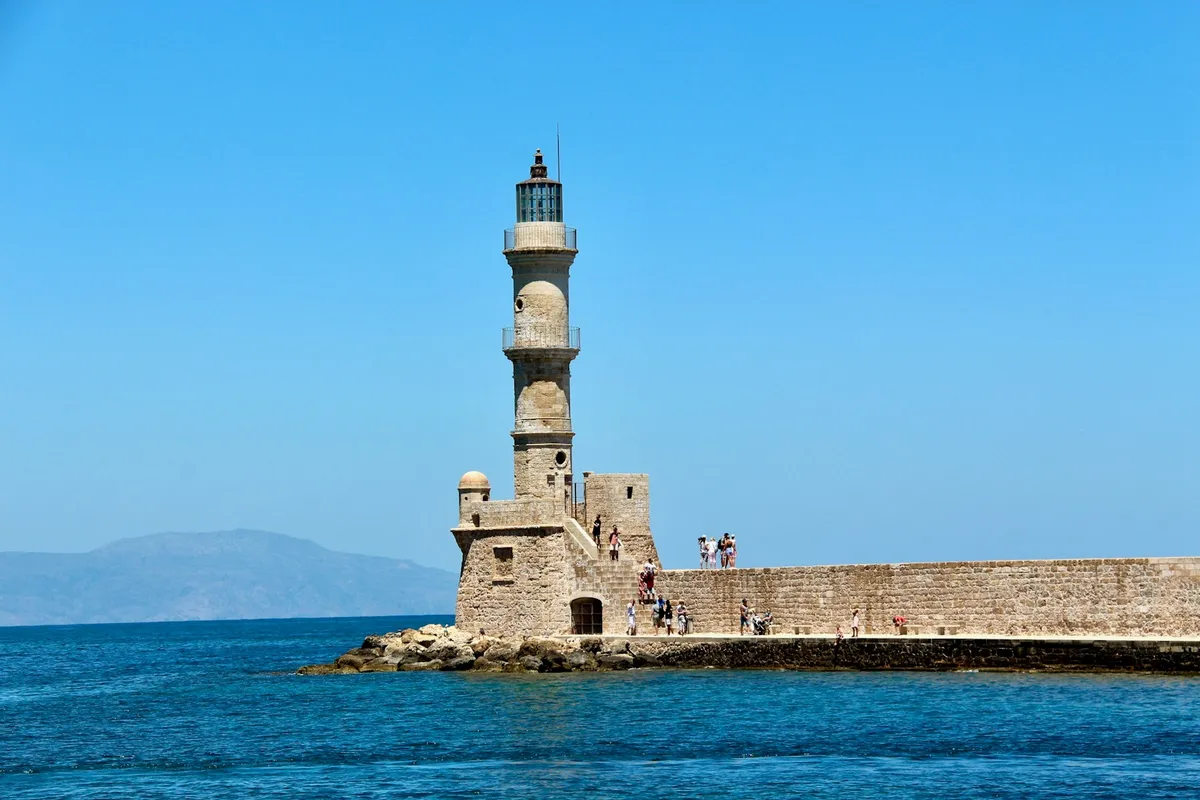
- The usual bases are Sliema and Gżira, Valletta, St Julian's and Paceville, and the quieter island of Gozo.
- April to May and September to October balance mild weather and smaller crowds, and you do not need a car.
Where digital nomads actually base themselves
Malta is small enough to see most of it on weekend trips, but where you sleep during the week matters. The areas that come up again and again:
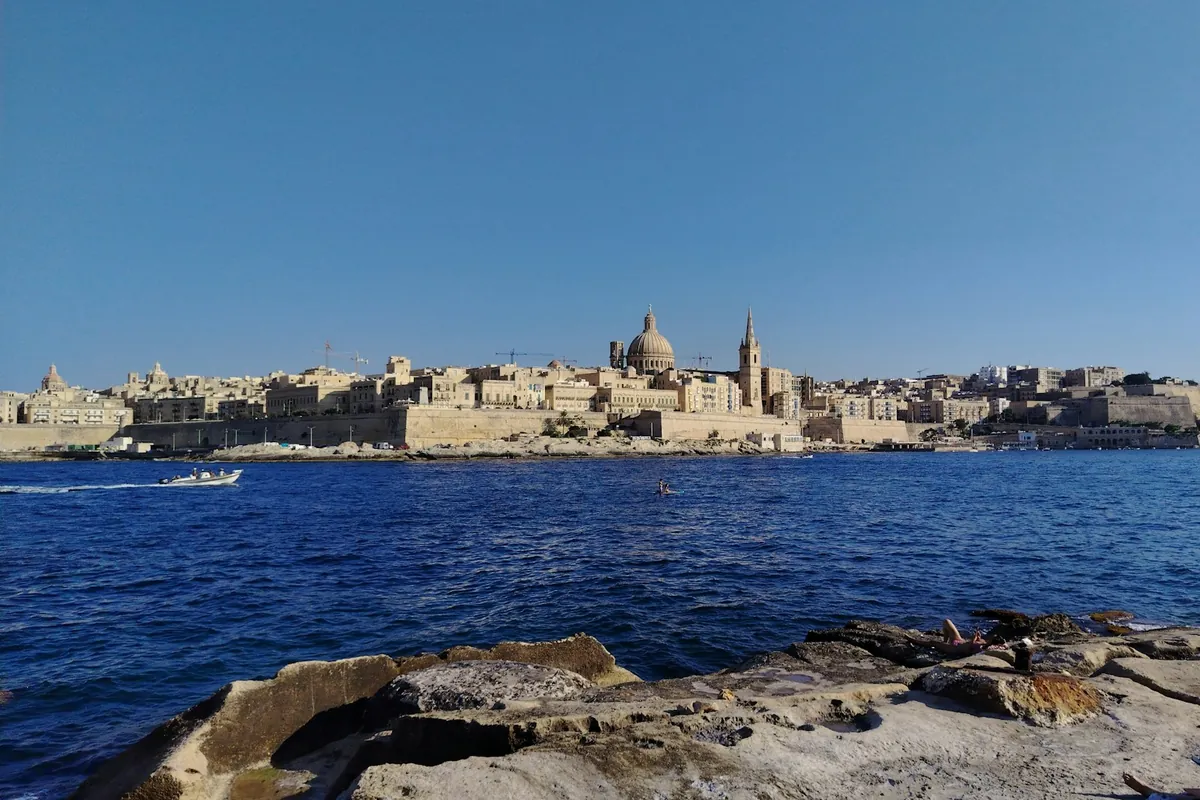
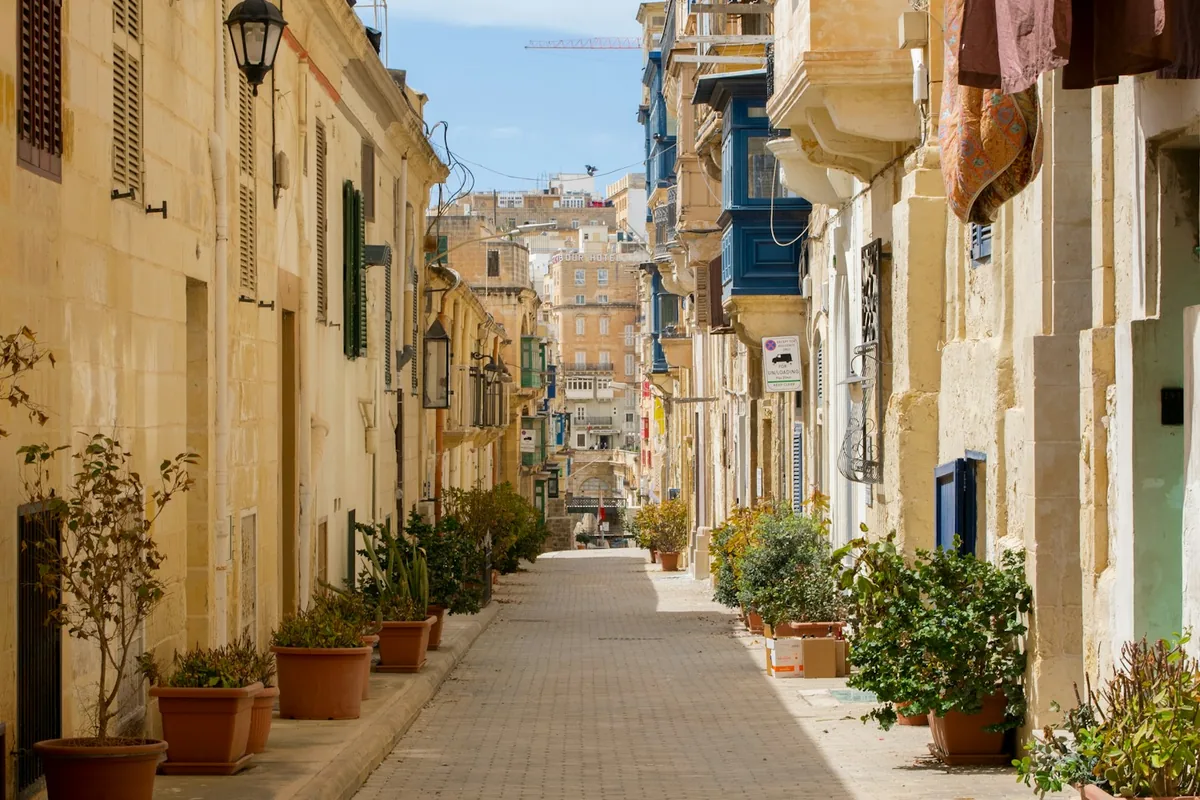
- Sliema and Gżira. The promenade strip with the largest concentration of short-term rentals and coworking, and the classic postcard view straight across the harbour at Valletta.
- Valletta. The capital itself, UNESCO-listed, walkable, and home to most of the government and older coworking spaces like Grand Central.
- St Julian's and Paceville. Malta's nightlife and iGaming/tech hub, which is also why a lot of the expat and remote-work crowd ends up here.
- Gozo. The quieter sister island, a short ferry ride away, cheaper to live on, and popular with nomads who want fewer distractions.
Another place to look for a bed is ZenHotels, where you can search and compare hotels, hostels and apartments.
Compare hotel prices on ZenHotels
For a stay of a few months, HousingAnywhere is a platform for mid to long-term rentals.
Find a mid-term rental on HousingAnywhere
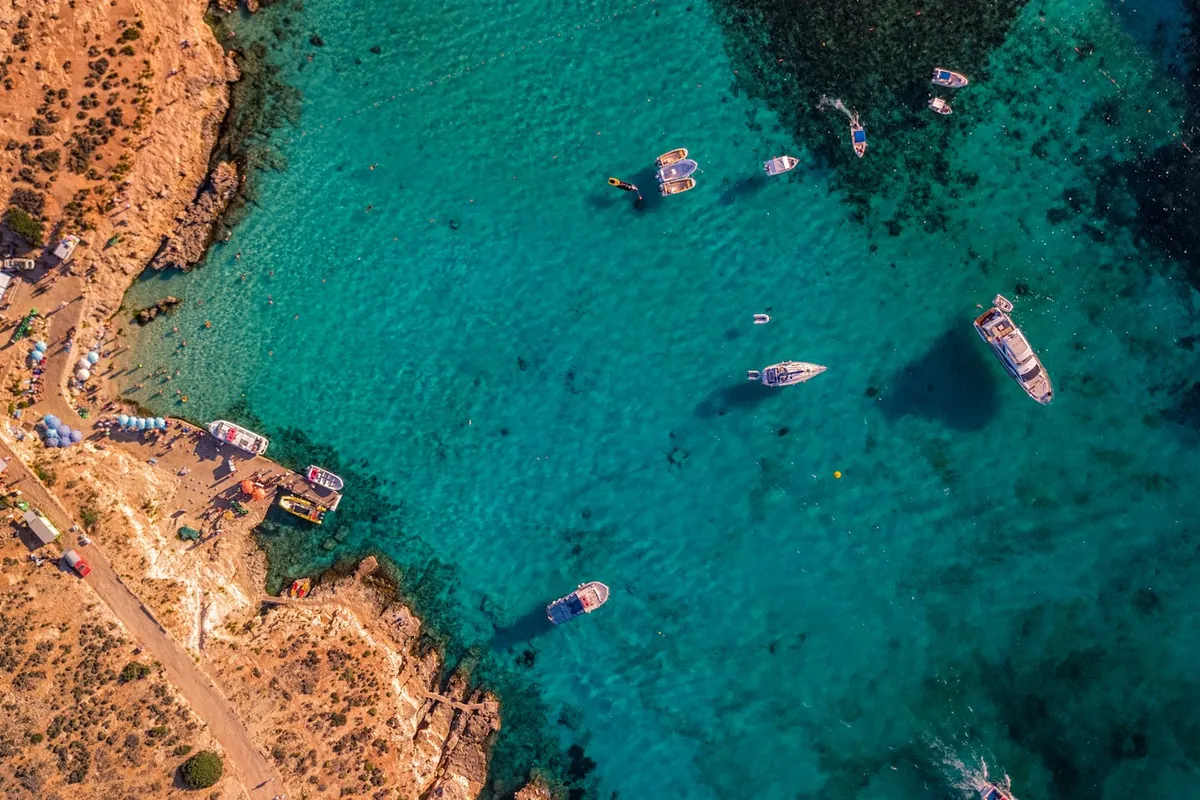
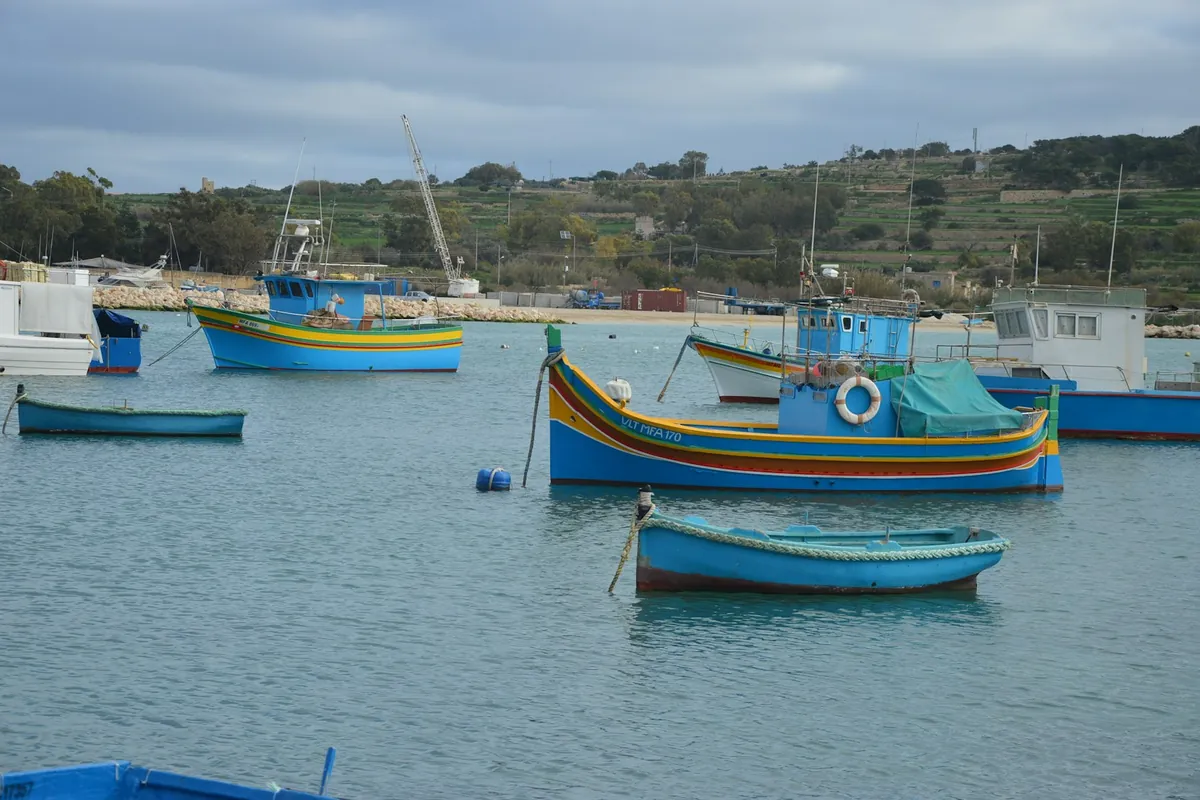
On weekends, the usual trips are Mdina, Malta's walled former capital known as the "Silent City", the Blue Lagoon at Comino, and Marsaxlokk's Sunday fish market. A boat trip to the Blue Lagoon can be booked through Tiqets rather than haggling with the touts at Ċirkewwa. Our best countries for digital nomads guide has more on how Malta stacks up against other EU nomad visa options.
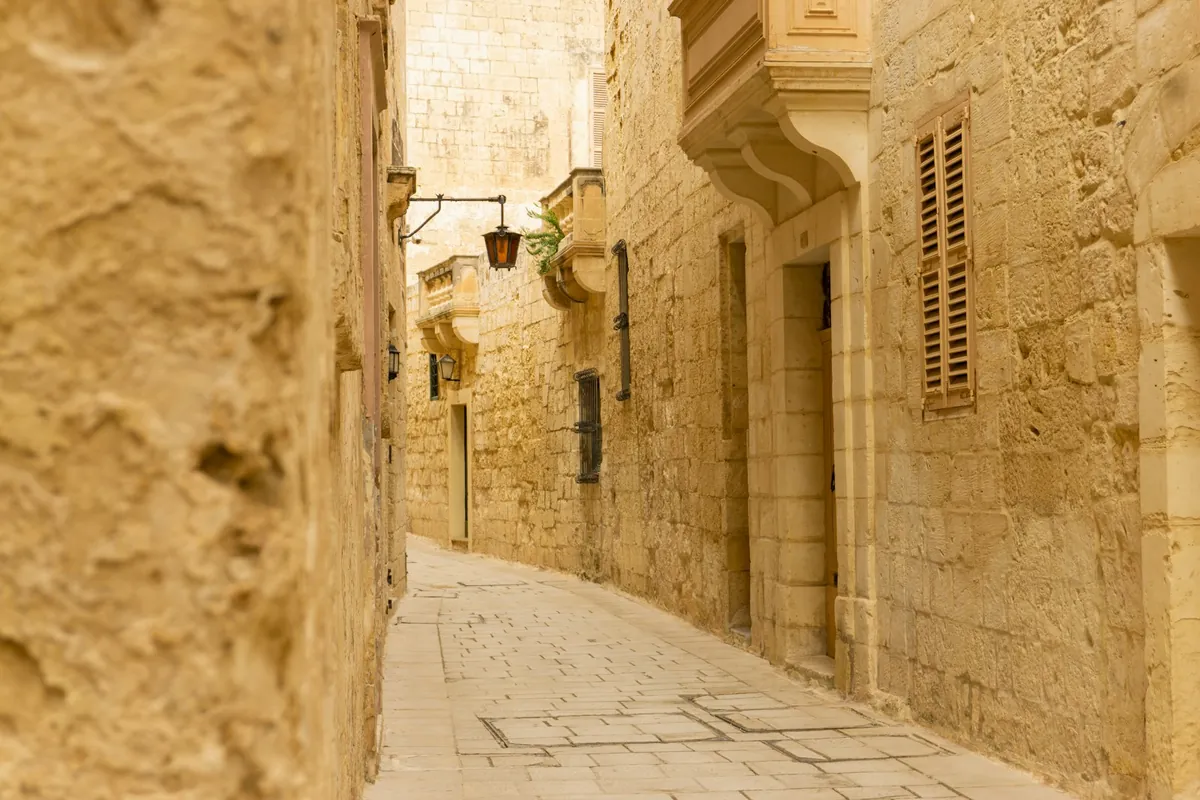
Mdina, the Silent City
A half-day trip from anywhere on the island, best done early before the tour buses arrive
Getting from Malta International Airport into the city
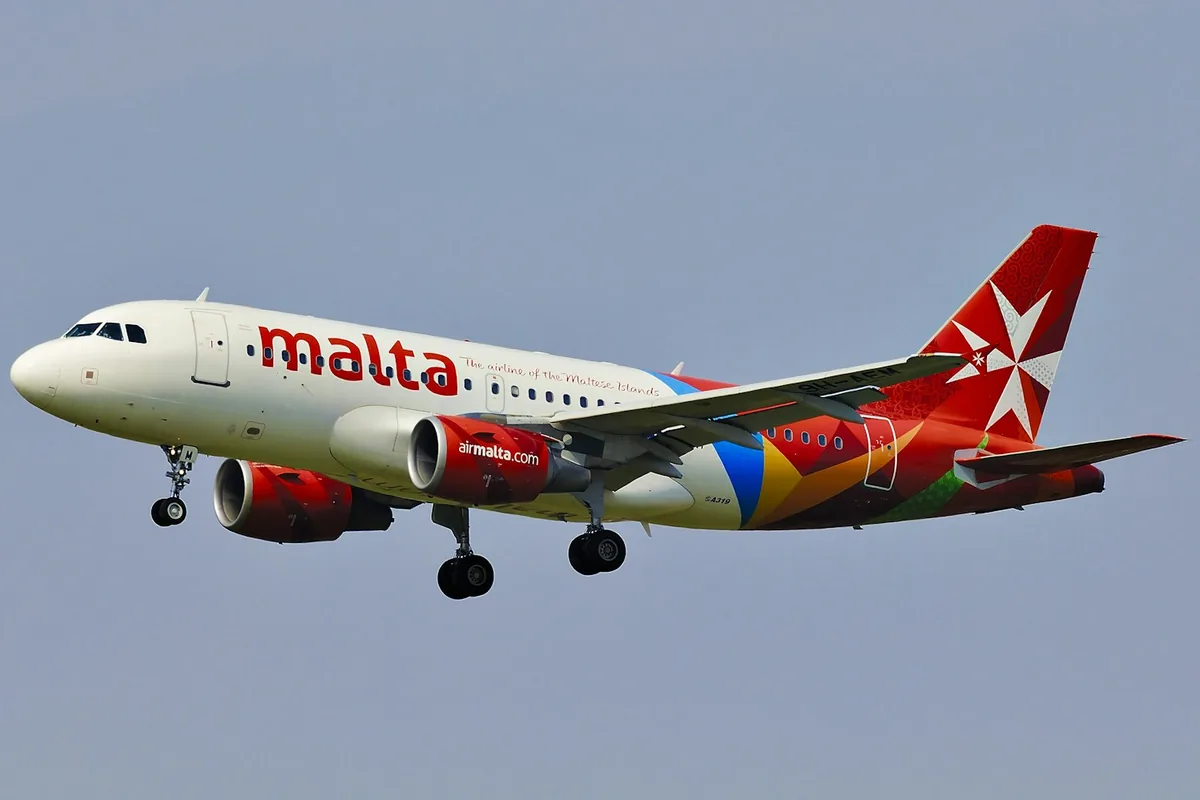
Malta has one airport, MLA, near Luqa, southeast of Valletta. The official carrier is Malta Public Transport (Tallinja), and there are two direct "Airport Direct" lines: TD3 runs to St Julian's, Sliema and Gżira, and TD4 runs to Valletta and the Gozo ferry terminal, both roughly every 30 minutes. A ticket costs 3 euros per passenger and you pay onboard with cash or contactless, no pre-booking needed. (Source: Malta Public Transport, publictransport.com.mt, checked 5 October 2026.)
Taxi
Transport Malta regulates taxi fares. There's a prepaid taxi desk in arrivals with fixed rates: roughly 17 euros to Valletta, 20 euros to St Julian's, and anywhere from 15 to 30 euros depending on distance. Outside the fixed-fare desk, the metered rate is a 3.50 euro flag fall plus 2.50 euros for the first kilometer, dropping in steps from 1.60 euros per km (1 to 5 km) down to 0.85 euros per km beyond 20 km. (Source: figures published by taxi-calculator.com, welcomepickups.com and allaboutmalta.com, all citing Transport Malta's regulated rates, checked 30 September 2026. Transport Malta's own tariff page returned an access error when we tried to load it directly.)
Watch out at the airport rank and near nightclubs. UK government travel advice and independent scam-tracking sites report a pattern of drivers trying to skip the meter and push a high flat rate, or unlicensed drivers offering "cheap" rides outside the official queue. Stick to metered white taxis or a prepaid desk, and ask for the tariff card if a price sounds off. (Sources: gov.uk foreign travel advice for Malta and atlas-guide.com, checked 30 September 2026.)
| Option | Where it goes | Best for |
|---|---|---|
| Airport Direct TD3/TD4 bus | Sliema, St Julian's, Gżira, Valletta, Gozo ferry | Budget travelers, light luggage |
| Prepaid taxi desk | Fixed rate to your area, arrivals hall | No haggling, known price upfront |
| Metered taxi or Bolt/eCabs | Door to door | Late arrivals, groups |
| Pre-booked transfer | Door to door, price agreed before landing | First trip, no cash needed on arrival |
If you'd rather skip the arrivals-hall queue entirely, Welcome Pickups and Kiwitaxi both cover Malta with a driver waiting at arrivals and a price agreed before you land.
Coworking, cost and the Nomad Residence Permit
Malta's remote-work infrastructure is real but small. Grand Central and Soho run coworking spaces in Valletta, and The Hub and SOHO Malta cover Sliema. Average fixed broadband on the island runs at roughly 193 Mbps, well above what any video call needs. (Sources: careergappers.com, evolvecoliving.io and the Speedtest Global Index via worldpopulationreview.com, December 2025 data, checked 30 September 2026.)
The actual visa is the Malta Nomad Residence Permit (NRP), applied for through Residency Malta. It's open to non-EU/EEA/Swiss citizens earning at least 42,000 euros gross a year from work outside Malta, costs 300 euros to apply, and takes roughly two months to process. It's issued for one year and can be renewed up to a total of four. (Source: nomad.residencymalta.gov.mt, checked 30 September 2026.)
Best time to visit and getting around the island
April to May and September to October hit the best balance of mild weather and smaller crowds; peak summer gets hot and packed. (Sources: eskimo.travel and thetripverdict.com, checked 30 September 2026, no single official meteorological source confirms this specific window.)
You don't need a car. Malta is compact enough to get around on the Tallinja bus network (a day-route ticket is 2.00 euros in winter and 2.50 euros in summer, and Explore Flex cards start at 21 euros for 4 days and 27 euros for 7 days; Malta Public Transport fares page, checked 5 October 2026) plus Bolt or eCabs when you need a direct ride. Renting a car through a comparison site like DiscoverCars can help if you're regularly heading outside the coastal strip, but driving on the left and parking in the old towns both get mentioned as genuine hassles in local guides. (Sources: mydigitalnomadtips.com and wanderwithlaura.com, checked 30 September 2026.)
Power plugs: Malta uses Type G sockets, the three-pin UK plug, so pack a Type G adapter such as the TESSAN UK adapter (2 pack).
Before you go: connectivity and cover
An aloSIM or Airalo eSIM gets you online the moment you land, no SIM-counter queue in a small arrivals hall. For health cover during a longer stay, most nomads on the island use SafetyWing. Our digital nomad insurance comparison and eSIM comparison go into more depth if you want to compare options first.
Comparing apps first? Our guide puts Nomad eSIM vs Holafly and Airalo side by side.
Saily, the eSIM service from the team behind NordVPN, is another eSIM option. WeGoTrip offers audio guides and attraction tickets in Valletta.
Holafly is another eSIM option, with unlimited data plans under a fair use policy.
What could be better
- The taxi rank has a reputation. It's manageable once you know to use the prepaid desk or a metered white taxi, but it catches tired arrivals who just want to get to their rental.
- 42,000 euros is a real bar. The Nomad Residence Permit's income minimum rules out a chunk of freelancers and early-stage founders who'd otherwise love the island.
- Sliema's popularity shows in the price. The most convenient nomad base is also the most expensive one on the island.
Booking tours or day trips? See our comparison of the best activities booking sites.
Affiliate disclosure. This post contains affiliate links. If you click and buy something, this site earns a small commission at no extra cost to you. Picks are based on published specs, independent reviews and manufacturer information, and we only recommend what we would use ourselves. As an Amazon Associate I earn from qualifying purchases. Read the full affiliate disclosure. Amazon and the Amazon logo are trademarks of Amazon.com, Inc. or its affiliates.
Your next step
Compare Malta against the rest of the field, sort your cover, and get a feel for what you'd actually spend.


Our remote work setup
The gear guides we compare for working from cafes, coliving rooms and rentals:
Related reading: Cyprus Digital Nomad Guide 2026: Visa, Cost, Towns.
FAQ
How much do you need to earn for the Malta Nomad Residence Permit?
At least 42,000 euros gross a year from work outside Malta, according to the official application portal at nomad.residencymalta.gov.mt. The permit costs 300 euros to apply and takes roughly two months to process.
What is the cheapest way from Malta airport to the city?
The Airport Direct bus lines TD3 (to Sliema, Gzira and St Julian's) and TD4 (to Valletta and the Gozo ferry) cost 3 euros per passenger and run roughly every 30 minutes; you pay onboard with cash or contactless and do not need to pre-book (Malta Public Transport, checked 5 October 2026).
How much should a taxi from Malta airport cost?
The prepaid taxi desk in arrivals quotes fixed rates of roughly 17 euros to Valletta and 20 euros to St Julian's. Outside that desk, metered fares start at a 3.50 euro flag fall plus 2.50 euros for the first kilometer. Stick to licensed white taxis or a prepaid desk to avoid the airport's known overcharging pattern.
Do you need a car in Malta as a digital nomad?
No. The Tallinja bus network plus Bolt and eCabs cover the island well. A rental car can help for exploring outside the coastal strip, but left-hand driving and parking in the old towns are commonly reported hassles.