

Best Countries Digital Nomads 2026
Some links on this page earn us a small commission, at no extra cost to you. Full disclosure.
Quick answer
The best countries for digital nomads in 2026 are Portugal, Thailand, Indonesia (Bali), Mexico and Colombia, followed by Spain, Georgia, Croatia, Malaysia and Costa Rica. Georgia is the easiest on visas (365 days visa-free for many passports), Thailand and Georgia the cheapest.
Georgia note, checked on 5 October 2026: visa-free entry is for visiting. UK government travel advice says that since 1 March 2026 working in Georgia, including remotely, needs a work permit. The Law of Georgia on Labour Migration (Article 1, paragraph 4, point k, matsne.gov.ge) lists an exception for work for a non-resident party that relates to activities outside Georgia, so check with the Georgian authorities before you rely on it. Details in our Tbilisi guide.
Quick links

I have traveled and worked remotely for years, and the "best" country for a digital nomad depends on what matters most to you: beaches and cheap beers, rock-solid internet and coworking, or taxes. So instead of crowning one winner, here are the 10 best countries for digital nomads in 2026, picked for accessible visas, cost of living, infrastructure and nomad community, with visa details, costs and honest pros and cons.

1. Portugal: The European Sweet Spot
Portugal hits different in 2026. It has a dedicated digital nomad visa, a big remote work community and a lot of coworking spaces.

D7 Visa (Passive Income): For people living on pensions, rental or investment income. You need to show at least the Portuguese minimum wage (EUR 920 a month in 2026). Remote workers usually apply for the D8 digital nomad visa instead, which asks for an average income of at least four times the minimum wage (about EUR 3,680 a month in 2026).
Schengen Visa: If you just want to visit, the standard 90-day tourist visa works fine. Our Portugal D8 visa guide has the details on the D8.
Cost of Living: From about EUR 1,000 a month for a small room, around EUR 2,000 for a two-bedroom apartment, and EUR 3,000 or more for a house, that is what a comfortable life in Lisbon costs depending on your housing. Outside the capital, you're looking at EUR 800/month easily. This includes a decent apartment, food, and coworking.
Internet Quality: Excellent. Portugal's internet is genuinely reliable. Mobile data plans are affordable too.
Coworking Scene: Lisbon and Porto both have robust coworking communities. LACS (Lisbon, Cascais and Porto) and Second Home (Lisbon) are well-known names.
Lifestyle: The beach is close. The wine is incredible. The people are friendly. The food scene is legit. Cons? Winter gets a bit gray and rainy. English isn't always spoken outside tourist areas, though it's improving.
2. Thailand: The Nomad Classic
Thailand remains the gold standard for budget nomads. The visa situation is straightforward, the internet is solid, and the food is absolutely worth the trip alone.

Visa Exempt / Visa on Arrival: Most Western passports get 30 days visa-free or can extend to 60 days. This is renewable, but requires border runs if you stay long-term.
ED Visa (Education): Study Thai or English. Extends for a year, renewable.
Cost of Living: $600-1,000/month for a good quality life. Apartments run $200-400. Food is insanely cheap, you can eat incredible meals for $2-5.
Internet Quality: Bangkok and Chiang Mai have excellent internet (50-100 Mbps). Secondary cities are fine but occasionally less stable. True remote work is possible, but know your backup plan.
Coworking Scene: Thriving. Punspace (two locations in Chiang Mai) and many others in Bangkok and Chiang Mai.

Lifestyle: Food is world-class. The culture is fascinating. The people are genuinely warm. Weather is hot and humid most of the year (unless you hit the northern mountains). Monsoon season can be intense.
3. Indonesia (Bali): The Island Escape
Bali has evolved. It's no longer just a beach destination, it's become a legitimate remote work hub with infrastructure to match.
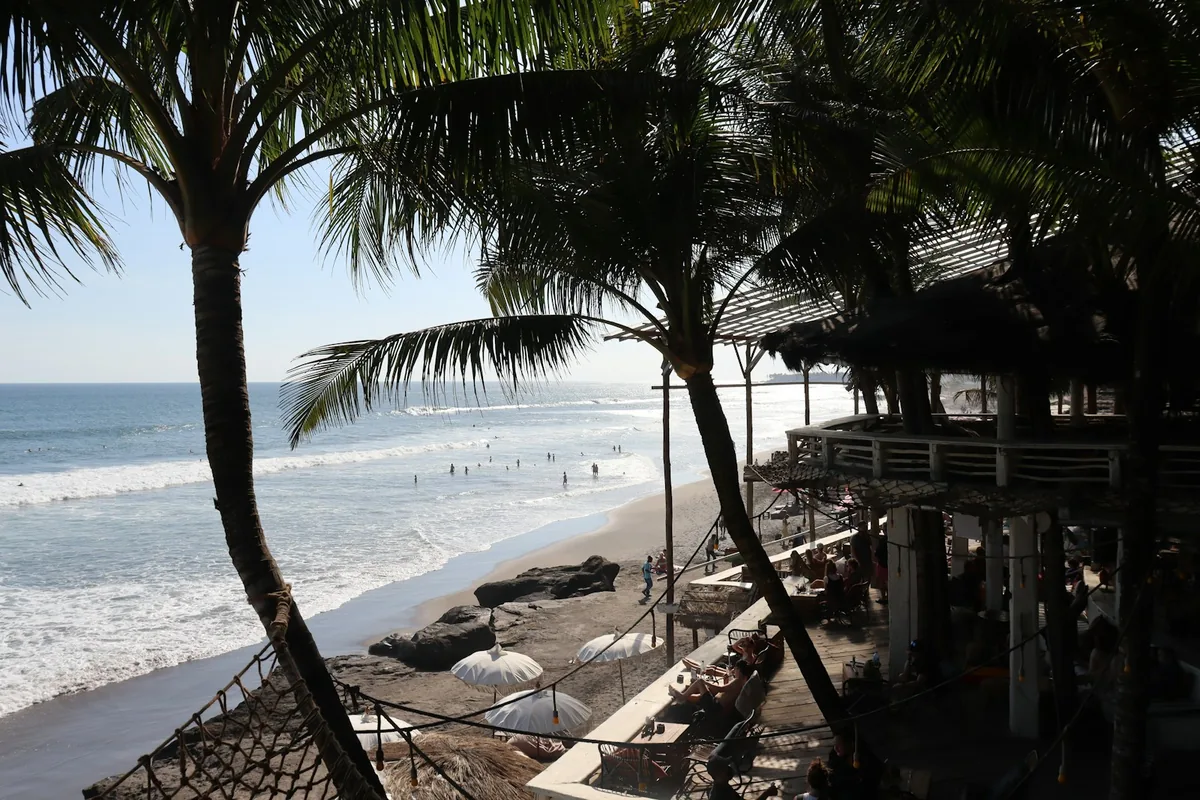
Visa on Arrival: 30 days (renewable to 60), official fee IDR 500,000 (imigrasi.go.id, Sept 2026). Available on arrival at the airport, or buy the e-VOA online in advance through the official Indonesian e-Visa website.
Visit visa (C1, the successor of the old B211A): single entry, first stay up to 60 days, extendable to 180 days in total, applied for as an e-visa on the official Indonesian e-Visa website. Most passports do not need a sponsor, and an agent is optional. For remote workers there is also the E33G remote worker visa.
Cost of Living: $700-1,200/month for comfortable living. Canggu is pricier. Ubud is cheaper. Still remarkably affordable.
Internet Quality: Generally solid in Canggu and Ubud (50+ Mbps). Backup plans are smart. Mobile hotspots are reliable and cheap.
Coworking Scene: Exploding. Outpost, BWork and many others. Community is strong and welcoming.
Lifestyle: Beaches, rice terraces, incredible food, spiritual vibes. Cons: increasingly touristy in Canggu. Traffic and air quality can be challenging. Rainy season is wet.
Tip: Buy your e-VOA online before you fly. With an e-VOA and an electronic passport, you can use the automatic gates (autogates) at Bali’s Ngurah Rai airport, faster than the manual counters (source: Directorate General of Immigration). Also pay the Bali Tourism Levy (IDR 150,000) through the official Love Bali portal before or on arrival.
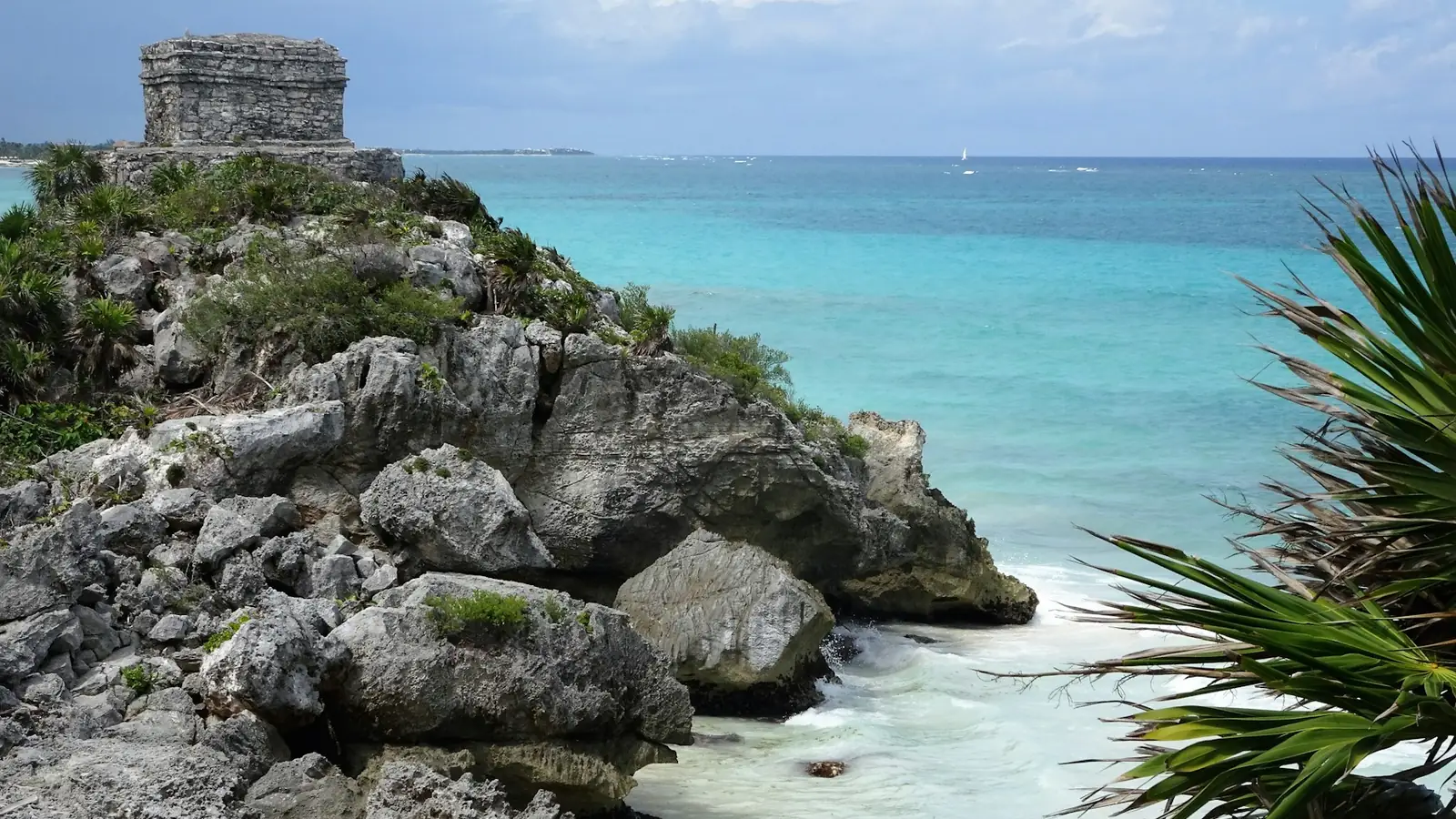
4. Mexico: Gateway to the Americas
Mexico is criminally underrated as a nomad destination. It's close to North America, the infrastructure is solid, and the culture is rich. Our Mexico digital nomad guide covers the best cities, costs and visa options in more detail.

Temporary Resident Visa: for longer stays, applied for at a Mexican consulate before you travel. You need to show steady income or savings above thresholds the consulates set, which change every year.
Visa-free entry: up to 180 days for many nationalities, including the EU, UK, US and Canada. For a city-level view, see our Mexico City guide.
Cost of Living: $800-1,500/month depending on the city. Mexico City and Playa del Carmen are pricier. Oaxaca and Merida are cheaper.
Internet Quality: Excellent in major cities. Fiber is becoming standard. Mobile data is cheap and reliable.
Coworking Scene: Robust in Mexico City, Playa del Carmen, and Merida. Usually $150-250/month.

Lifestyle: Amazing food, vibrant culture, proximity to the US (good for business), warm people. Time zone alignment with North America clients is a huge plus.
5. Colombia: The Rising Star
Colombia is having a moment. It's safe, affordable, and the digital nomad visa is designed for us.
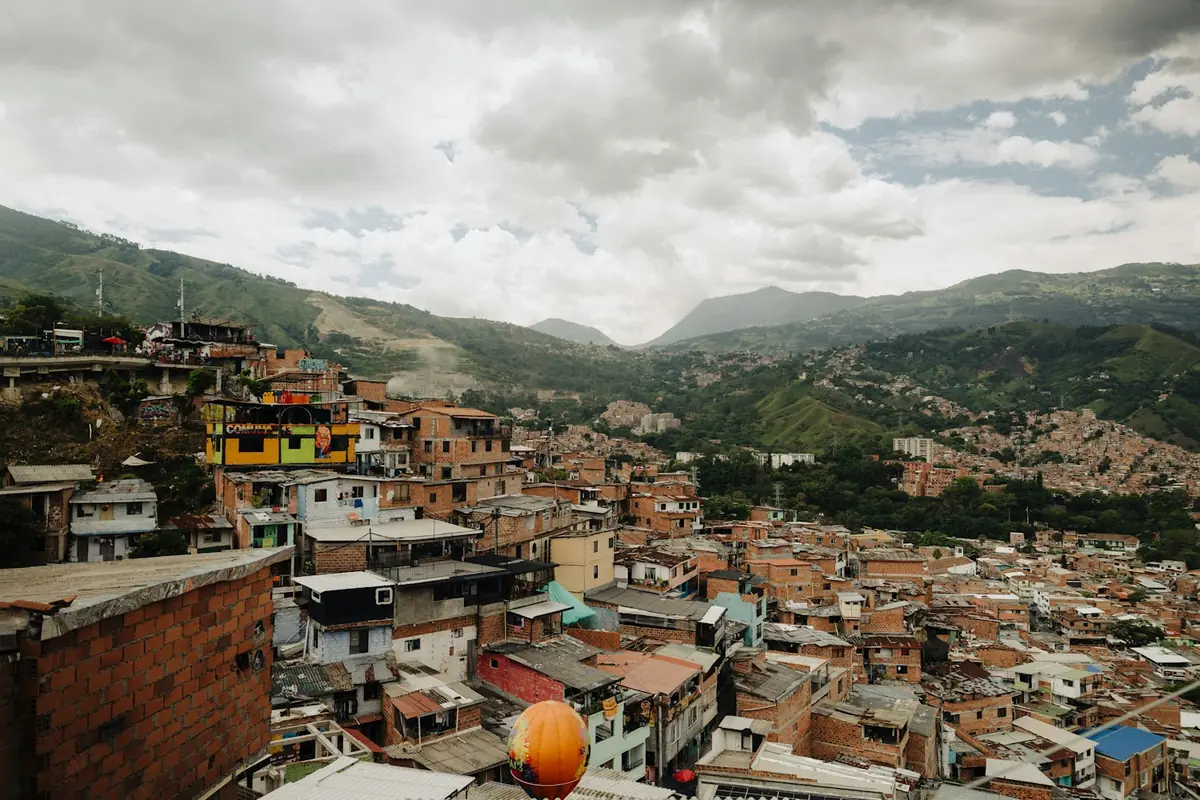
Digital Nomad Visa (V): up to 2 years. Requires income of at least three times the Colombian monthly minimum wage (check the current amount).
Tourist Visa: 90 days, extendable.
Cost of Living: $700-1,200/month. Bogota is the most expensive. Medellin and Cartagena offer great value.
Internet Quality: Solid in major cities. Fiber is becoming standard. Mobile data is excellent.
Coworking Scene: Growing. Socialtel (formerly Selina) has hostels in Medellin, Bogota and Cartagena, and WeWork and local spots are available too. Usually $100-200/month.
Lifestyle: Friendly people, incredible coffee, diverse geography (beaches, mountains, cities), affordable. Safety concerns are largely outdated in touristy areas, just use common sense.
6. Spain: The Southern European Charm
Spain offers a different vibe than Portugal, more energy, better weather, more expensive.

Digital nomad visa (international teleworking visa): for remote workers whose employer or clients are outside Spain. The visa is valid for up to one year and can be followed by a residence permit. (The D7 is a Portuguese visa, not a Spanish one.) Want island sun inside Spain? Our Tenerife guide covers the Canary Islands.
Cost of Living: EUR 1,500-2,500/month in major cities. Barcelona and Madrid are pricier. Valencia and Seville offer better value.
Internet Quality: Excellent throughout. Fiber is standard in cities.
Coworking Scene: Large. WeWork dominates but plenty of local options. EUR 200-400/month.
Lifestyle: Great food, vibrant nightlife, excellent public transit, Mediterranean climate. Siesta culture means some businesses close midday.
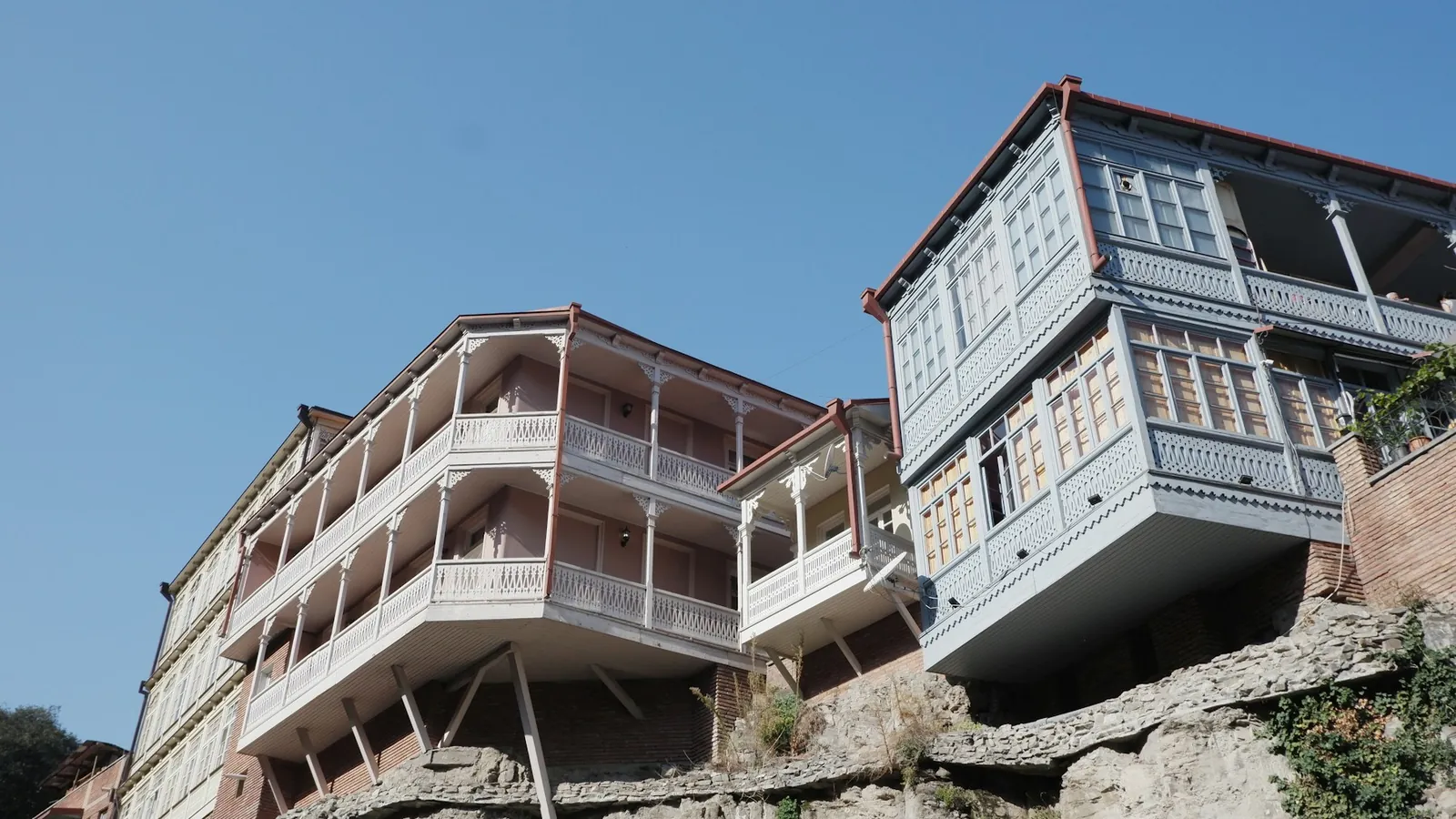
7. Georgia: The Hidden Gem
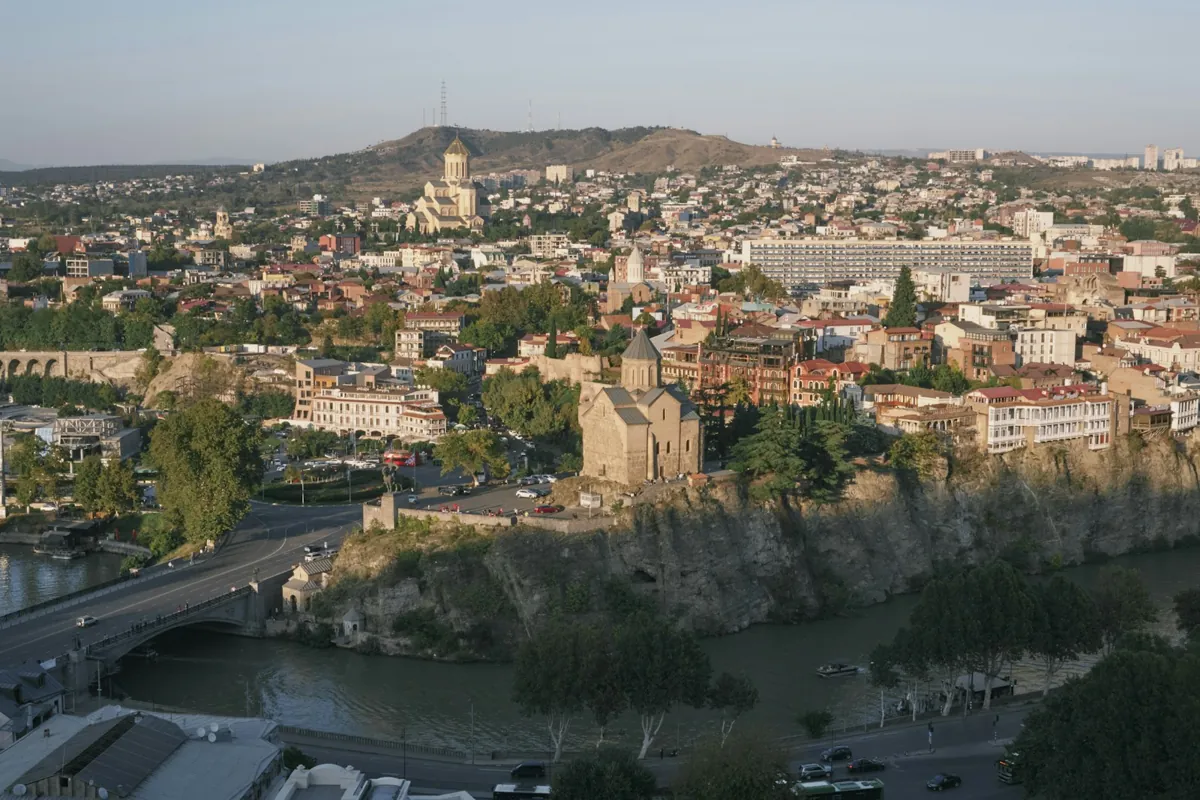
Georgia is flying under the radar, but it shouldn't be. Visas are incredibly easy, costs are low, and the country is genuinely beautiful.

Visa Exempt: Citizens of around 95 countries, including the EU, UK, US, Canada and Australia, can stay up to one year visa-free.
Working there: visa-free entry is for visiting. UK government travel advice says the rules on who can work in Georgia changed on 1 March 2026, and a foreign national who wants to work there, including working remotely or running a business, must have a work permit (UK government travel advice, checked 5 October 2026). Check the official Georgian sources for your passport before you plan to work from Tbilisi. The Law of Georgia on Labour Migration (Article 1, paragraph 4, point k, matsne.gov.ge) lists an exception for work for a non-resident party that relates to activities outside Georgia, so check with the Georgian authorities before you rely on it.
Cost of Living: $500-900/month. Tbilisi is cheapest for the quality you get. Gonio and mountain towns even cheaper.
Internet Quality: Surprisingly solid. Fiber is becoming standard. Mobile is cheap and reliable.
Coworking Scene: Growing. Tbilisi has a growing number of coworking spaces.
Lifestyle: Mountains, wine, culture, incredibly hospitable people, budget-friendly. Language barrier is real (Georgian is complex), but young people speak English.
8. Croatia: The Adriatic Alternative
Croatia offers European charm without Western European prices. It's in the EU, so infrastructure is solid.
Digital nomad temporary stay: up to 18 months for remote workers, with a minimum income of EUR 3,622.50 a month (or savings for the full stay) plus health insurance.
Tourist stay: Croatia is part of the Schengen area, so the 90 days in any 180 days rule applies.
Cost of Living: EUR 1,000-1,500/month. Cheaper outside summer season and major cities.
Internet Quality: Excellent. EU standard infrastructure.
Coworking Scene: Developing. Spaces exist in major cities. EUR 150-250/month.
Lifestyle: Adriatic coast is stunning. Historic cities (Split, Dubrovnik, Zadar). Friendly culture. Summer is touristy and crowded.
9. Malaysia: The Asian Tiger
Malaysia is underrated. Modern infrastructure, good English, excellent food, and a brand new digital nomad visa.
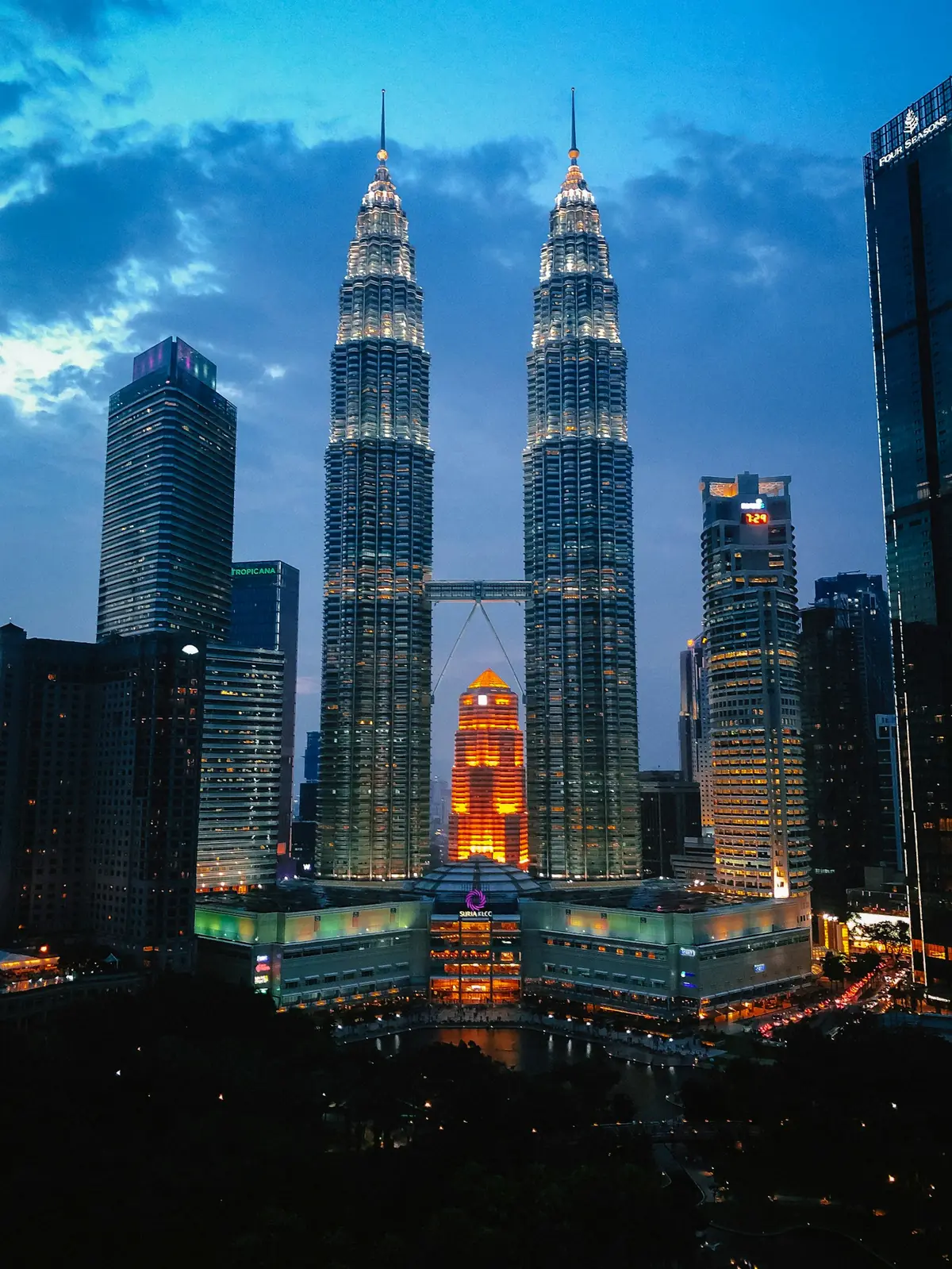
DE Rantau Nomad Pass: 3 to 12 months, renewable for up to 12 more. Requires an income of more than USD 24,000 a year.
Tourist Visa: 90 days visa-free for most Western nationalities.
Cost of Living: $700-1,200/month. Kuala Lumpur is pricier. Penang and Malacca offer great value.
Internet Quality: Exceptional. Fiber is standard. Mobile is cheap and fast.
Coworking Scene: Solid. Plenty of spaces in Kuala Lumpur and Penang.
Lifestyle: Modern cities, excellent food, English is widely spoken, tropical weather. Kuala Lumpur has real skyscrapers and infrastructure. Can feel a bit sterile compared to other Southeast Asian options.
10. Costa Rica: The Central American Paradise
Costa Rica is pricier than other Central American options, but it offers stability, natural beauty, and reliable infrastructure.
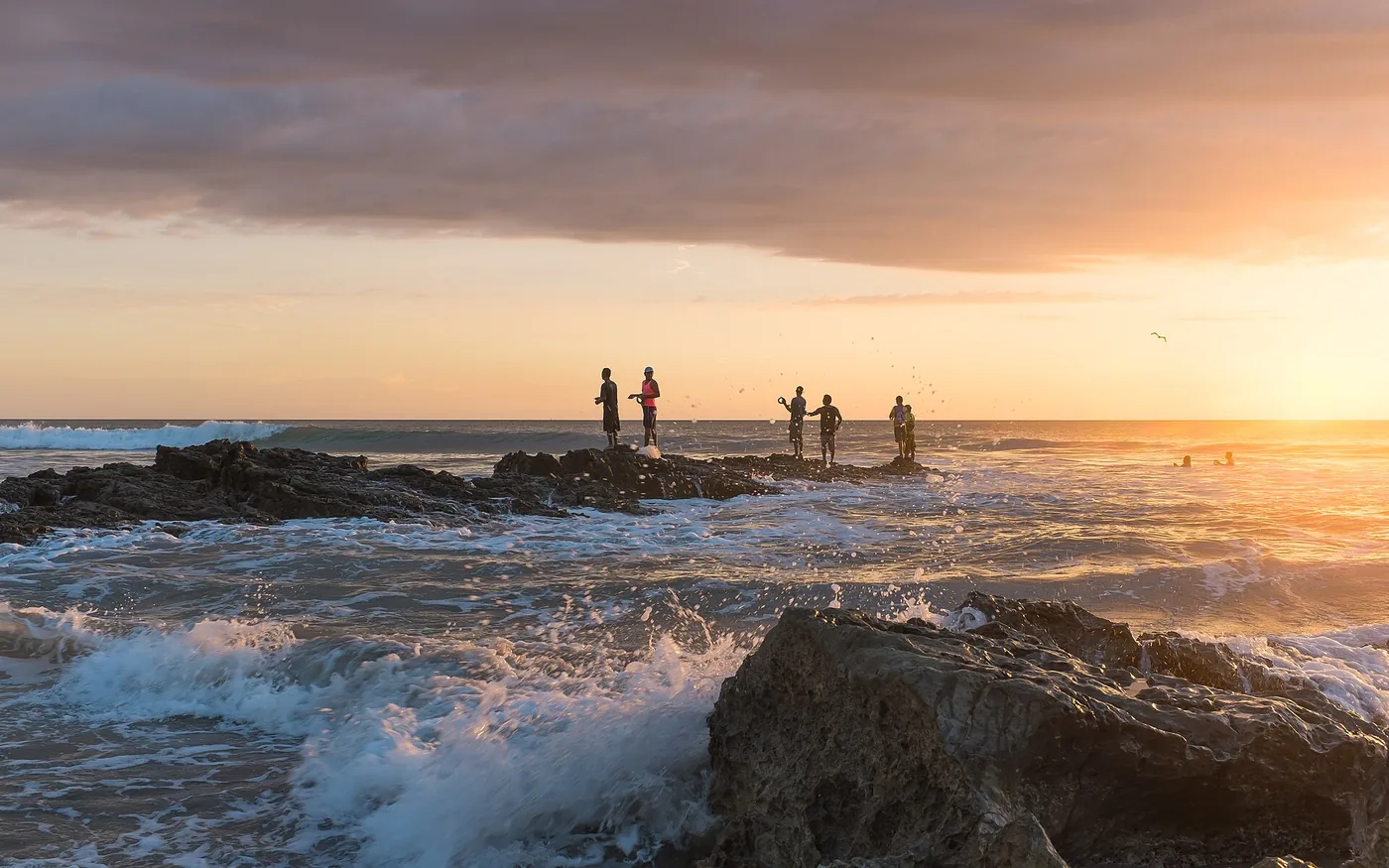
Digital nomad stay: Costa Rica has a dedicated stay for remote workers with foreign income; check the current income requirement with the immigration service (migracion.go.cr). The pensioner (pensionado) residency is for pension income, not for remote work.
Visa-free entry: up to 180 days for EU, US, Canadian and many other citizens.
Cost of Living: $1,200-1,800/month. San Jose is cheaper than beach towns.
Internet Quality: Generally solid. Mobile data is reliable. Some areas are less stable.
Coworking Scene: Growing. Spaces in San Jose and beach towns. Usually $150-250/month.
Lifestyle: Stunning natural beauty, tropical forests, beaches, wildlife. Costa Ricans are warm. It's pricier than neighbors but feels safer and more developed.
Best Countries for Digital Nomads Compared
| Country | Visa Ease | Cost/Month | Internet | Community |
|---|---|---|---|---|
| Portugal | Moderate | EUR 1-1.5k | Excellent | Strong |
| Thailand | Easy | $600-1k | Good | Excellent |
| Indonesia (Bali) | Easy | $700-1.2k | Good | Strong |
| Mexico | Moderate | $800-1.5k | Excellent | Growing |
| Colombia | Easy | $700-1.2k | Excellent | Growing |
| Spain | Moderate | EUR 1.5-2.5k | Excellent | Strong |
| Georgia | Very Easy | $500-900 | Good | Developing |
| Croatia | Moderate | EUR 1-1.5k | Excellent | Growing |
| Malaysia | Easy | $700-1.2k | Excellent | Growing |
| Costa Rica | Moderate | $1.2-1.8k | Good | Growing |

- The ten countries: Portugal, Thailand, Indonesia (Bali), Mexico, Colombia, Spain, Georgia, Croatia, Malaysia and Costa Rica.
- Georgia is the easiest on visas: citizens of around 95 countries can stay up to one year visa-free.
- Visa-free in Georgia is for visiting: since 1 March 2026, UK government advice says working there, including remotely, needs a work permit.
- Georgia ($500 to 900 a month) and Thailand ($600 to 1,000 a month) are the cheapest on the list.
- Colombia and Malaysia also offer dedicated digital nomad visas.
- You do not have to choose just one country: many nomads stay about three months in one place and then move on.
How to Pick Your Country
Choosing a country is about what gives you energy and lets you do your best work. One person falls in love with Portugal, another cannot wait to leave and thrives in Thailand instead.
Our real advice? Pick a country that addresses your top 3 priorities. If yours are internet quality, cost of living and coworking community, look at Thailand or Colombia. For someone prioritizing culture and European proximity? Portugal or Spain. For pure visa ease? Georgia wins.
And remember, you don't have to choose just one. The beauty of being a digital nomad is that you can stay for three months and try somewhere new. Most of these countries are close enough that regional exploration is cheap and easy.
Start with one of these ten countries, build your toolkit and test your workflow. Once you have your rhythm, expand from there. Safe travels.
Related reading: Prague Digital Nomad Guide 2026: Visa, Cost, Coworking.
Related reading: Istanbul for Digital Nomads: The Complete 2026 City Guide.
FAQ
What is the best country for digital nomads in 2026?
It depends on your priorities. Portugal is the European sweet spot, Thailand the budget classic, Bali the island hub, Mexico the gateway to the Americas and Colombia the rising star with a dedicated digital nomad visa.
Which country is cheapest for digital nomads?
Georgia ($500 to 900 a month) and Thailand ($600 to 1,000 a month) are the cheapest on this list, followed by Bali, Colombia and Malaysia at around $700 to 1,200.
Which country has the easiest visa for digital nomads?
Georgia: citizens of around 95 countries, including the EU, UK and US, can stay up to one year visa-free. Colombia and Malaysia also offer dedicated digital nomad visas with modest income requirements.
Can I switch countries as a digital nomad?
Yes. Many nomads stay about three months in one place and then move on, and most of these countries are close enough to hop between regions.
Updated:
Affiliate disclosure. This post contains affiliate links. If you click and buy something, this site earns a small commission at no extra cost to you. Picks are based on published specs, independent reviews and manufacturer information, and we only recommend what we would use ourselves. As an Amazon Associate I earn from qualifying purchases. Read the full affiliate disclosure.


One Comment