Digital Nomad Guide to Vietnam (Ho Chi Minh vs Hanoi vs Da Nang)
As an Amazon Associate I earn from qualifying purchases. Some links on this page earn us a small commission, at no extra cost to you. Full disclosure.
Vietnam has become a serious alternative to Thailand for digital nomads: low costs, good internet in the big cities and a straightforward e-visa. In this Vietnam digital nomad guide, here is the breakdown of the 3 main nomad cities.
Quick answer
Ho Chi Minh City is the business hub, Hanoi the cultural one and Da Nang the beach base. Apply for the 90-day e-visa online about a week before you fly.
Checked on 5 October 2026 against the UK government's travel advice for Vietnam (e-visa and cash rules).
Set up before you land



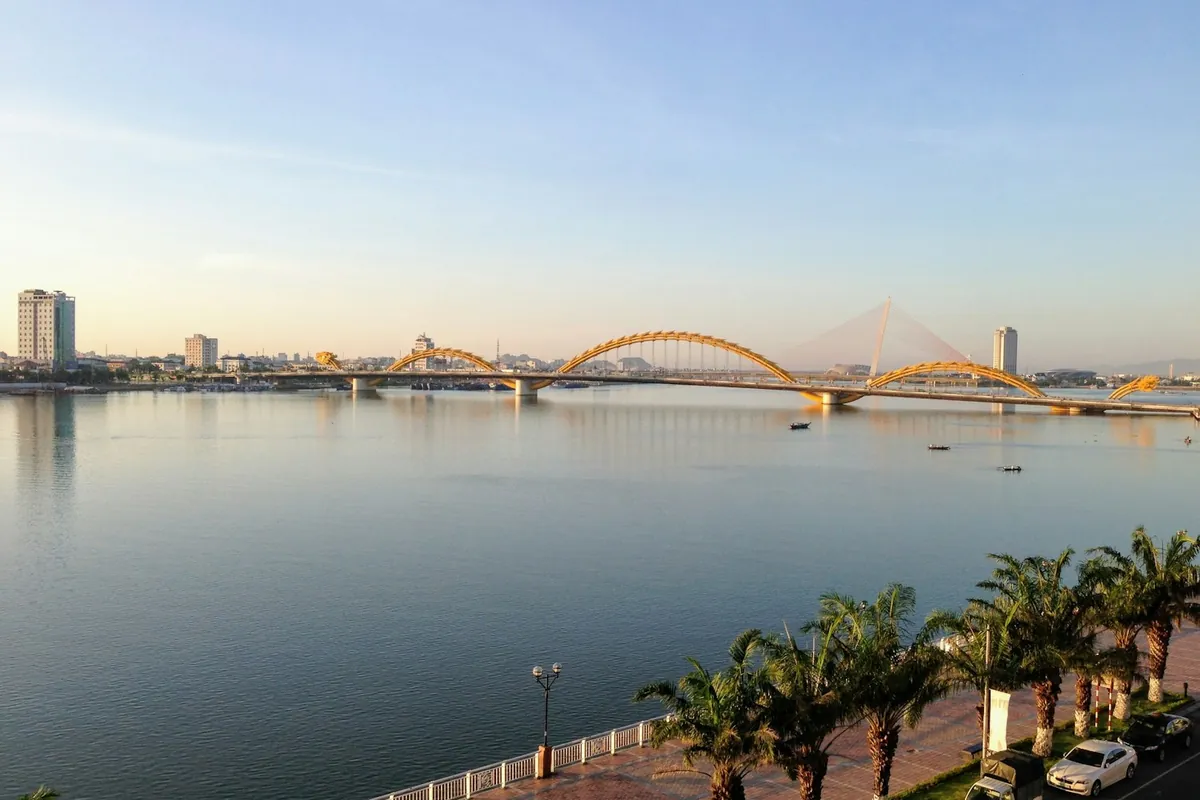
- Ho Chi Minh City is the business hub, Hanoi the cultural one and Da Nang the beach base.
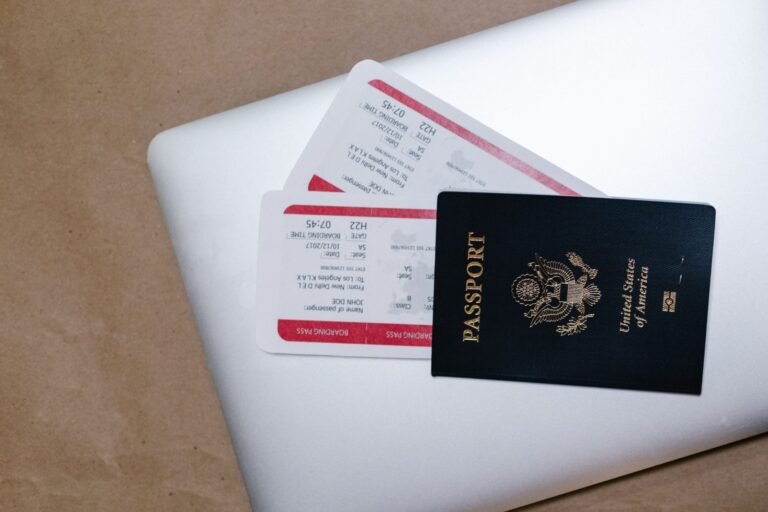
- Apply for the 90-day e-visa online about a week before you fly; it costs 25 USD.
- Apartments run about 350 to 800 USD a month in Da Nang, 400 to 1,000 USD in Hanoi and 500 to 1,200 USD in Ho Chi Minh City.
- Vietnam banned e-cigarettes and heated tobacco from January 2025, so leave vapes at home.
- Take at least SafetyWing-level insurance: motorbike accidents are the biggest risk.
Ho Chi Minh City (the business hub)
Energy of Bangkok mixed with French colonial architecture. District 1 is touristy. District 3 is where local life happens. Thao Dien (in the former District 2) is where many expats and nomads live.
Pros: Best international food, biggest nomad scene, English widely spoken. Cons: Air pollution, traffic chaos, hot all year.

Hanoi (the cultural hub)
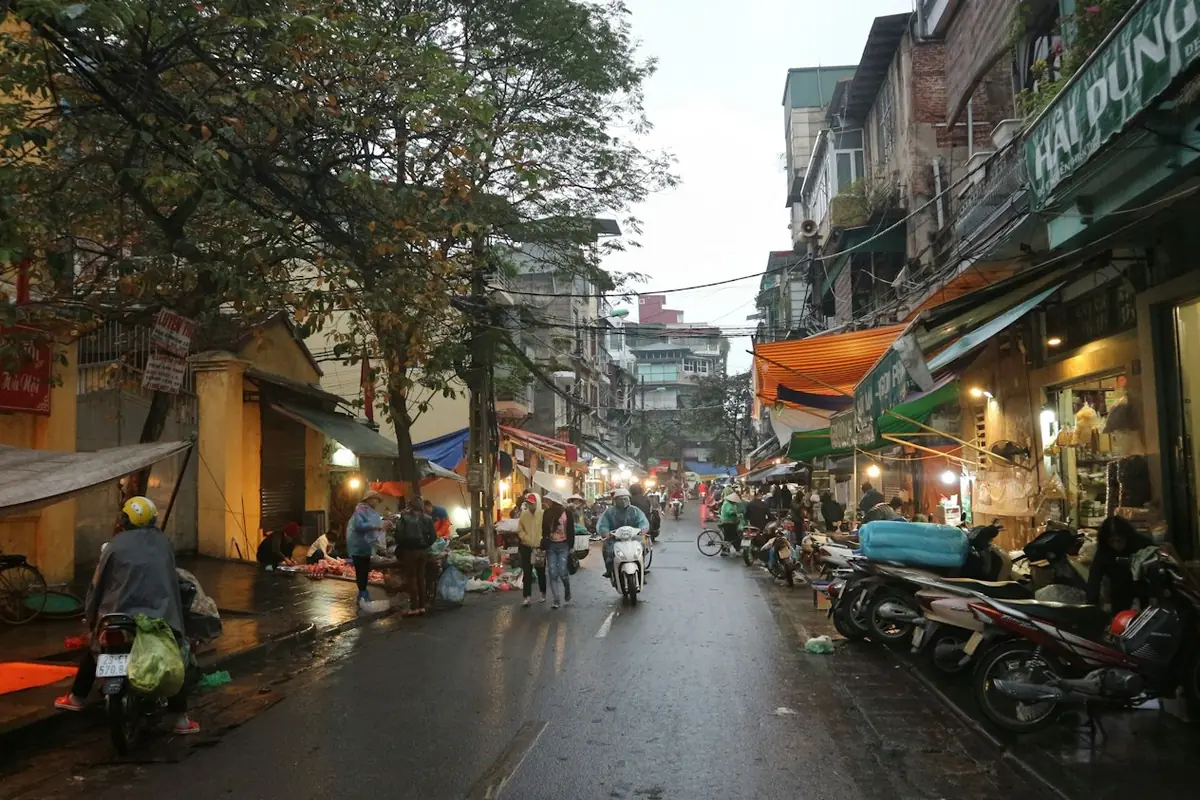
Old Quarter has 1,000 years of history. Tay Ho (West Lake) is where expats live. Slower pace than HCMC.
Pros: Cooler weather (sometimes 10°C in winter), better food culture, walkable. Cons: Smaller nomad scene, more bureaucracy, can be aggressive with tourists.
Da Nang (the beach hub)
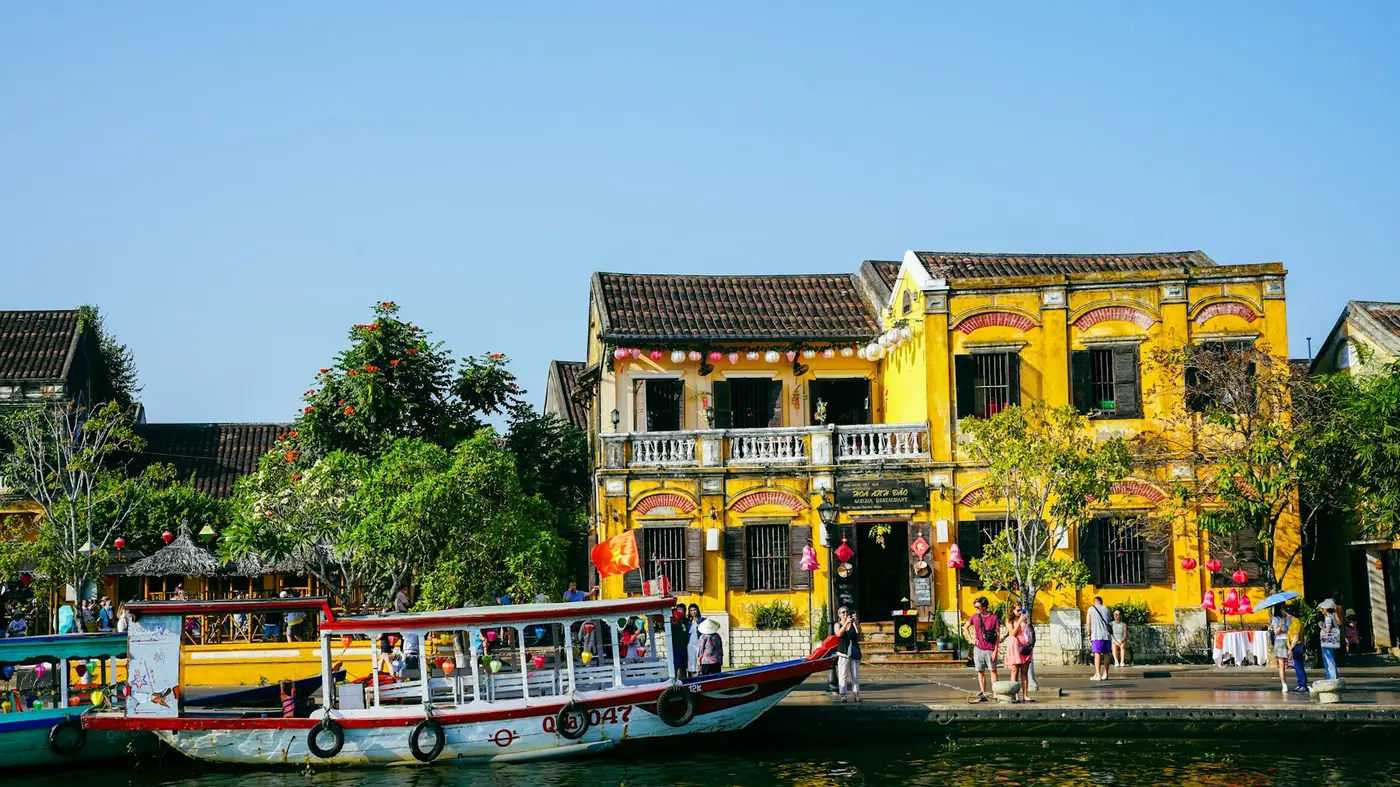
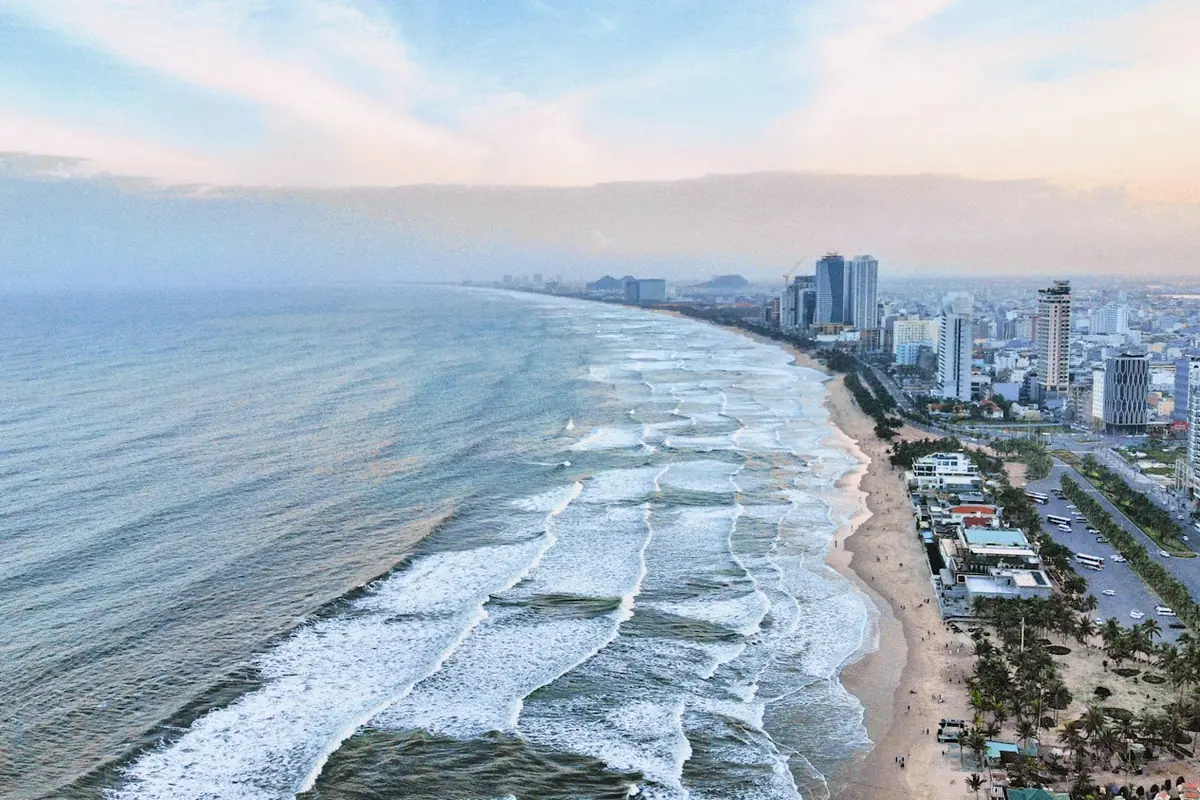
Beaches + city + mountains. Often the cleanest air of the 3, with the long My Khe beach right in the city.
Pros: Best quality of life, beach access, modern infrastructure. Cons: Smallest nomad community, fewer late-night options, can feel sleepy.

Power plugs: Vietnam uses Type A, B, C and F sockets, so one universal adapter such as the TESSAN 28W universal adapter is the simplest way to cover them.
Setup before arriving
- Visa: 90-day e-visa available online before flying. Cost: 25 USD. Apply 1 week ahead.
- eSIM: Airalo Vietnam pack - Viettel network is best
- Airport transfer: GetTransfer from SGN, HAN, or DAD airports. Skip the airport taxi scam.
- Insurance: SafetyWing minimum. Motorbike accidents are the biggest risk.
- Tours: Klook is widely used in Vietnam for Ha Long Bay, Mekong Delta, Halong cruises
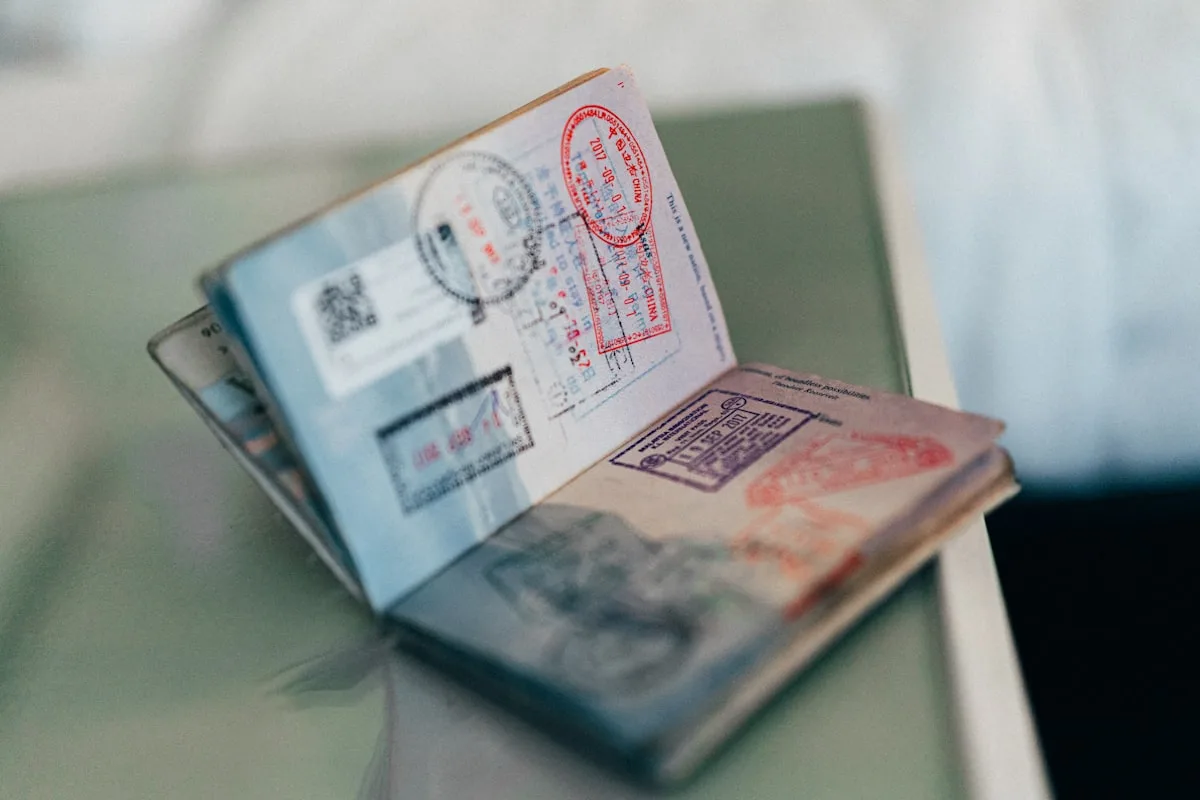
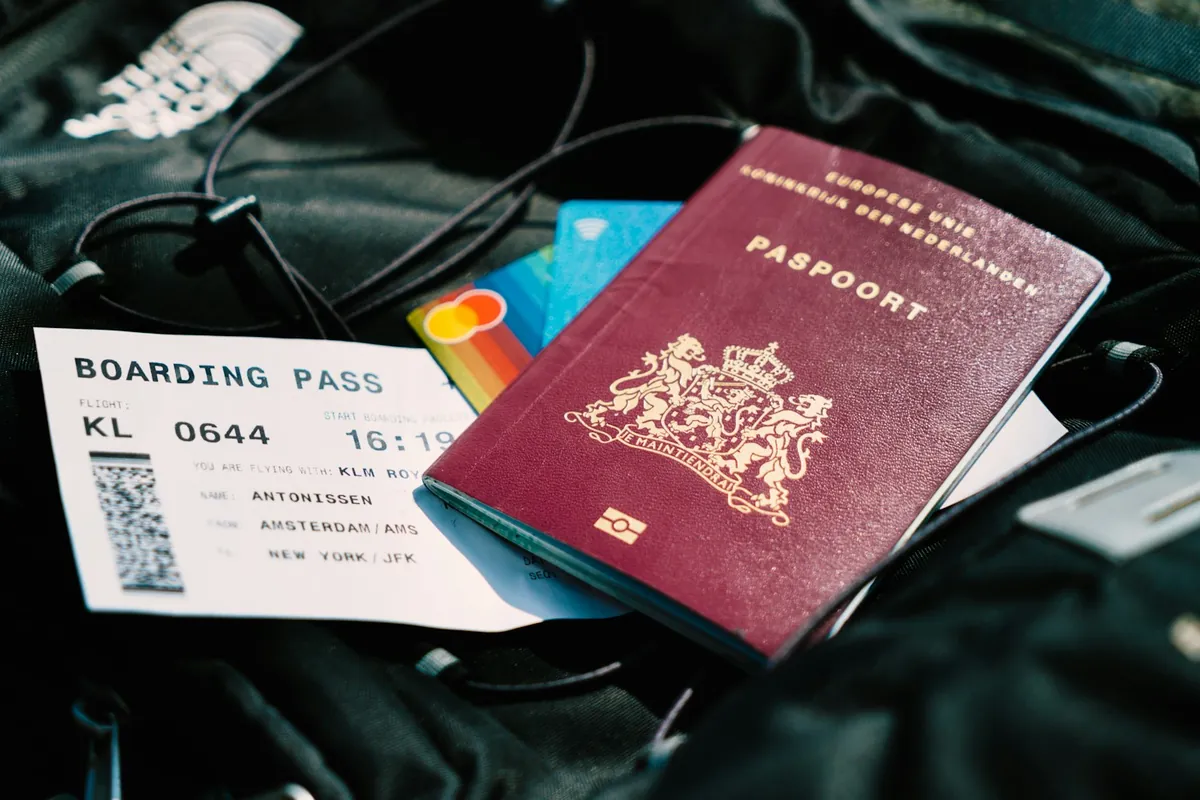
Three practical points from the UK government's travel advice for Vietnam (gov.uk, checked 5 October 2026): the e-visa allows a 90-day stay with multiple entries, it restricts you to the entry and exit points you choose when you apply, and your passport must be valid for at least 6 months beyond arrival. The same page says you must declare cash above 5,000 US dollars or 15 million dong. Long flight ahead? Our list of the best travel books to download has Kindle and Audible picks.

Cost of living 2026
- Apartment HCMC: 500-1,200 USD/month
- Apartment Hanoi: 400-1,000 USD/month
- Apartment Da Nang: 350-800 USD/month
- Coworking: 80-150 USD/month
- Street food meal: 1.50-3 USD
- Coffee: 1-2.50 USD (a strong coffee culture)
Cost of living comparison 2026
Vietnam remains the best value-for-money digital nomad destination in Southeast Asia in 2026. Rough 2026 estimates per city (not quotes):
| Item | Da Nang | Ho Chi Minh | Hanoi |
|---|---|---|---|
| 1-bed apartment | 350-700 USD | 500-1,200 USD | 400-1,000 USD |
| Coworking monthly | 80-130 USD | 110-180 USD | 100-150 USD |
| Street food meal | 1.50-3 USD | 1.50-3 USD | 1-2.50 USD |
| Specialty coffee | 1-2.50 USD | 1.50-3 USD | 1-2.50 USD |
| Monthly groceries | 150-250 USD | 200-350 USD | 150-300 USD |
| Total comfortable | 800-1,400 USD | 1,100-2,000 USD | 900-1,700 USD |
Da Nang continues to attract digital nomads for its beach access, cleaner air than the bigger cities, and best price-to-quality ratio. The expat and nomad community in Da Nang is smaller but tight-knit.
Do's and don'ts in Vietnam
Vietnam runs several rules that catch visitors off guard, from a nationwide vape ban to strict limits on what you can film or say online. None of this is complicated once you know it, and most of it takes five minutes to sort before you land.
Do
- Apply for an International Driving Permit issued under the 1968 Vienna Convention before you travel. Vietnam only recognizes the 1968 IDP, not the older 1949 version many countries still hand out by default, so check which one your home country issues.
- Hand your passport to reception when you check in. Hotels and homestays are legally required to register foreign guests with local police, and staff normally handle this within minutes without keeping your passport.
- Keep cash under USD 5,000 or VND 15,000,000 if you want to avoid filling out a customs declaration form, both on entry and on exit.
- Start the drone permit process early if you plan to fly anything larger than a small toy drone. Approval from the Ministry of Defence usually goes through a local agency and can take weeks, so build that into your travel plans.
- Leave vapes, pods, and heated tobacco devices out of your luggage entirely. The ban covers possession, not just sale, so packing one from home is enough to cause a problem.
Don't
- Don't bring e-cigarettes or heated tobacco products into the country. Vietnam banned production, import, sale, and use nationwide from January 2025, and customs can fine tourists and confiscate the device on the spot.
- Don't point a camera or phone at military bases, border checkpoints, or uniformed personnel, even from a public road. Equipment gets seized and travelers have been held for questioning over it.
- Don't fly a drone without confirming the current permit rules first. There is an exception for very small recreational drones outside restricted zones, but check the latest requirement before you take off, since it has changed recently.
- Don't post criticism of the Vietnamese government or Communist Party online, even casually. Vietnamese authorities have questioned, detained, and deported foreigners over political posts and protest activity, not only citizens.
- Don't treat drug laws as flexible. Possession and use are actively prosecuted, trafficking can carry the death penalty, and police do carry out drug checks at bars and nightclubs.
- Don't carry more than the declared cash limit without the paperwork. The same USD 5,000 or VND 15,000,000 threshold applies when you leave the country too.
- Don't rely on a driving license or IDP that Vietnam does not recognize. Riding a scooter on an invalid permit can also void your travel insurance if something goes wrong.

Our remote work setup
The gear guides we compare for working from cafes, coliving rooms and rentals:
FAQ
Which city in Vietnam is best for digital nomads?
Ho Chi Minh City is the business hub with the biggest nomad scene, Hanoi the cultural one with cooler winters, and Da Nang the beach base with the cleanest air and best quality of life.
How much does it cost to live in Vietnam as a digital nomad?
Apartments run about 350 to 800 USD a month in Da Nang, 400 to 1,000 USD in Hanoi and 500 to 1,200 USD in Ho Chi Minh City. Coworking costs 80 to 150 USD a month.
What visa do digital nomads use in Vietnam?
The 90 day e-visa, applied for online before you fly. It costs about 25 USD; apply a week ahead.
Can I bring a vape to Vietnam?
No. Vietnam banned the production, import, sale and use of e-cigarettes and heated tobacco from January 2025, and customs can fine you and confiscate the device.
Can I leave Vietnam from a different airport than I entered on an e-visa?
The UK government's travel advice for Vietnam (checked 5 October 2026) says e-visas restrict you to the entry and exit points you select in the application.
Updated:
Booking flights or hotels for Asia? Read our Trip.com review for Asia.
Before you fly, see how to set up an eSIM before you land and how travel insurance works for nomads.
Affiliate disclosure. This post contains affiliate links. If you click and buy something, this site earns a small commission at no extra cost to you. Picks are based on published specs, independent reviews and manufacturer information, and we only recommend what we would use ourselves. As an Amazon Associate I earn from qualifying purchases. Read the full affiliate disclosure. Amazon and the Amazon logo are trademarks of Amazon.com, Inc. or its affiliates.