As an Amazon Associate I earn from qualifying purchases. Some links on this page earn us a small commission, at no extra cost to you. Full disclosure.
Rain starts while your van feels stuffy, and the maxxair vs fantastic fan decision becomes practical. Do you want the vent to stay open under a cover, or close when a sensor detects rain? That rain response is the main difference to understand before choosing.
Quick answer
Checked on 19 October 2026. Choose MaxxAir for a van where you want ventilation to continue in rain beneath a built-in cover. Choose Dometic FA75 if you want a cover plus automatic rain closure, or consider the Kohree alternative if you want a sensor and included remote. The tradeoff is continued ventilation versus closure, with different limits on published airflow information.
All 3 picks at a glance
Covered ventilation
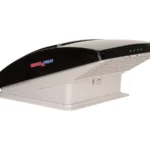
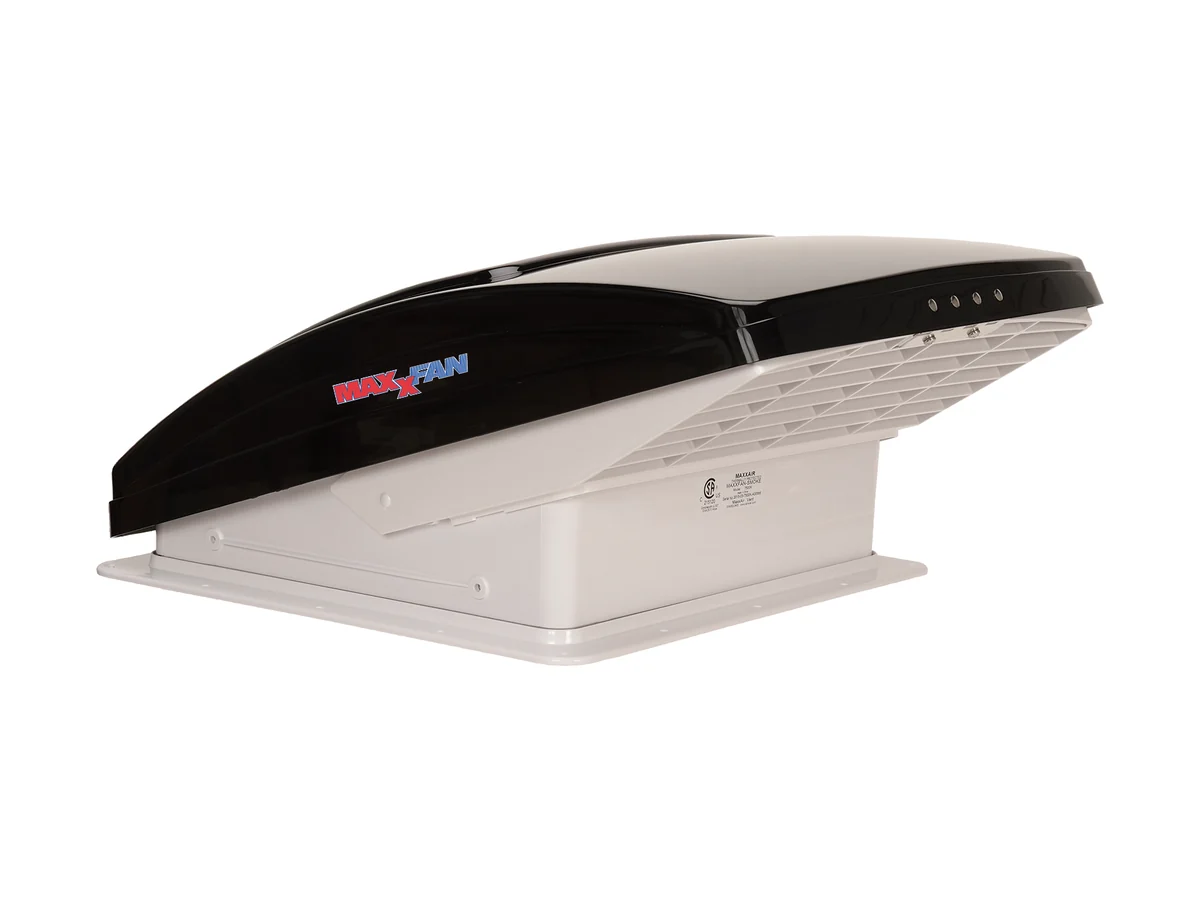
MaxxAir Maxxfan Deluxe 10-Speed (00-07500K)
Its built-in cover lets the vent stay open in rain and while driving. Read more
The NomadsToolsLab team read the maker pages and spec sheets on 19 October 2026 and checked each Amazon US listing with a US address. We compared rain protection, speeds, thermostat operation and remote availability. A key distinction was cover versus automatic closure, while airflow disclosure also differed between MaxxAir and Dometic.
Rain cover or rain sensor: the real difference
In short: A cover lets the opening remain protected while ventilation continues. A sensor triggers lid closure when rain arrives, so closing changes the airflow through the roof opening.
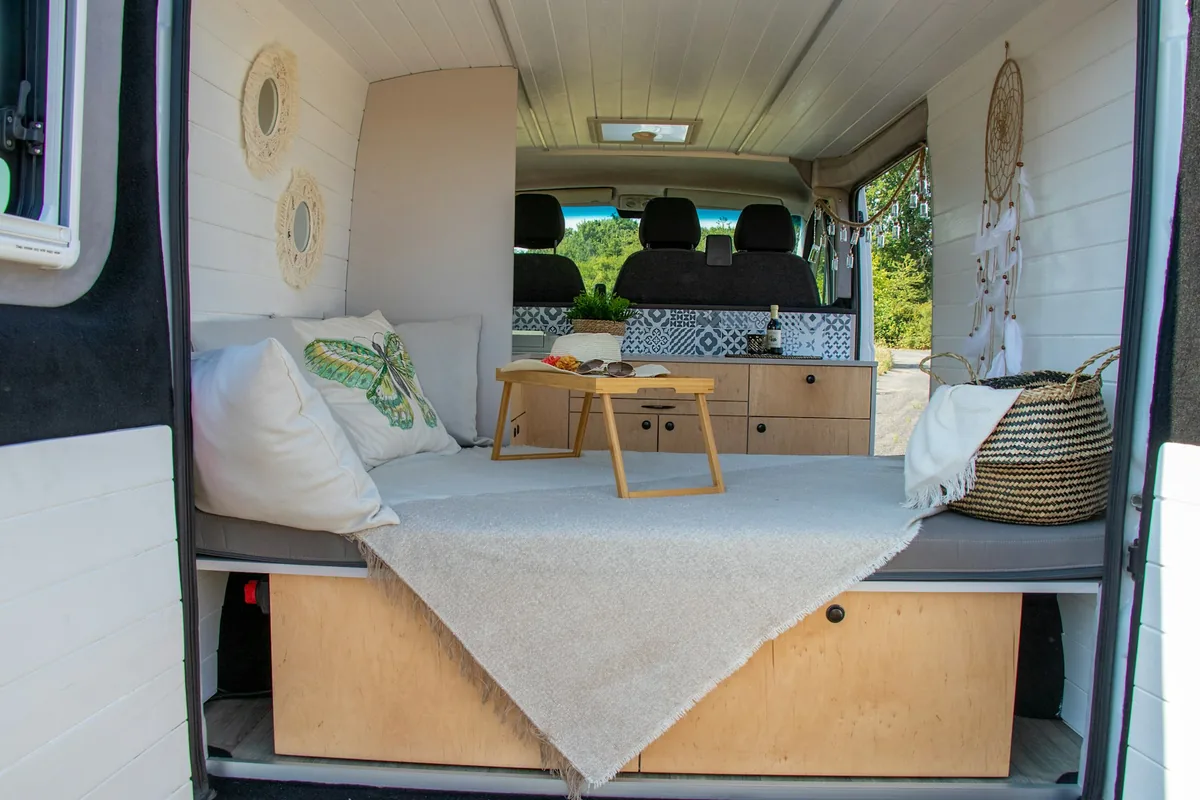
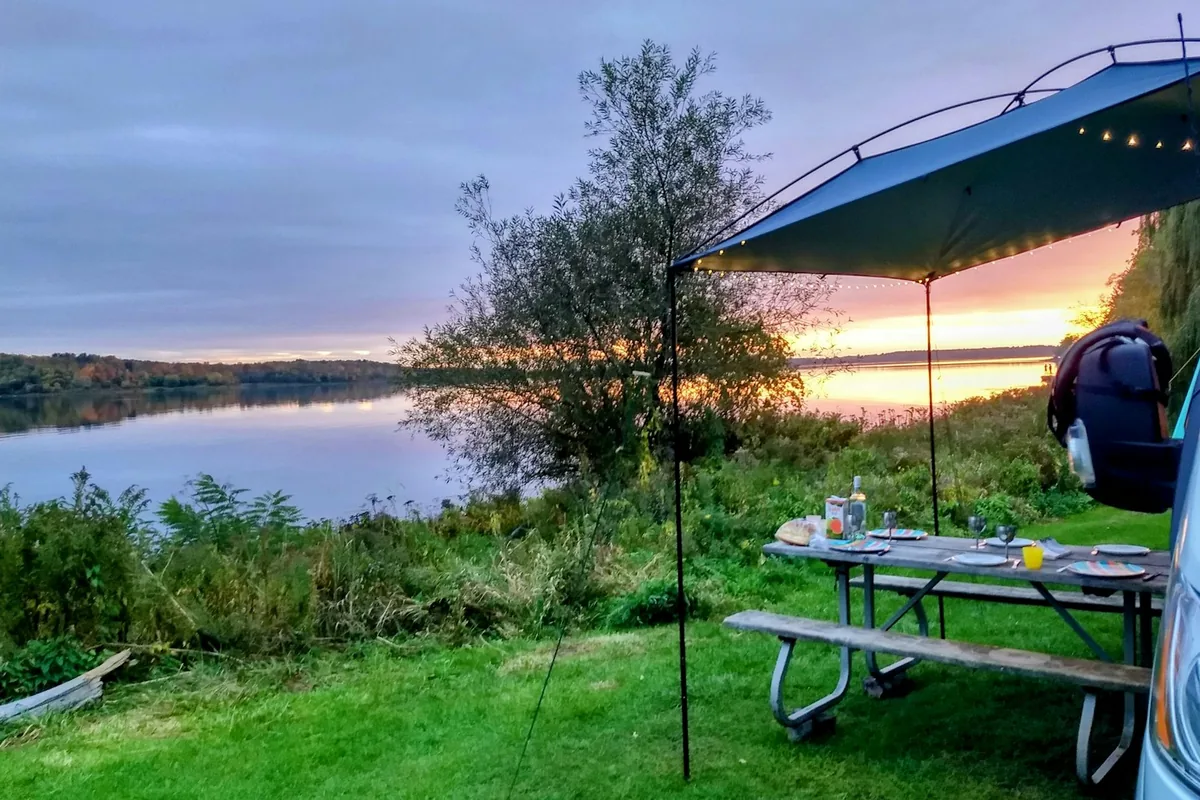
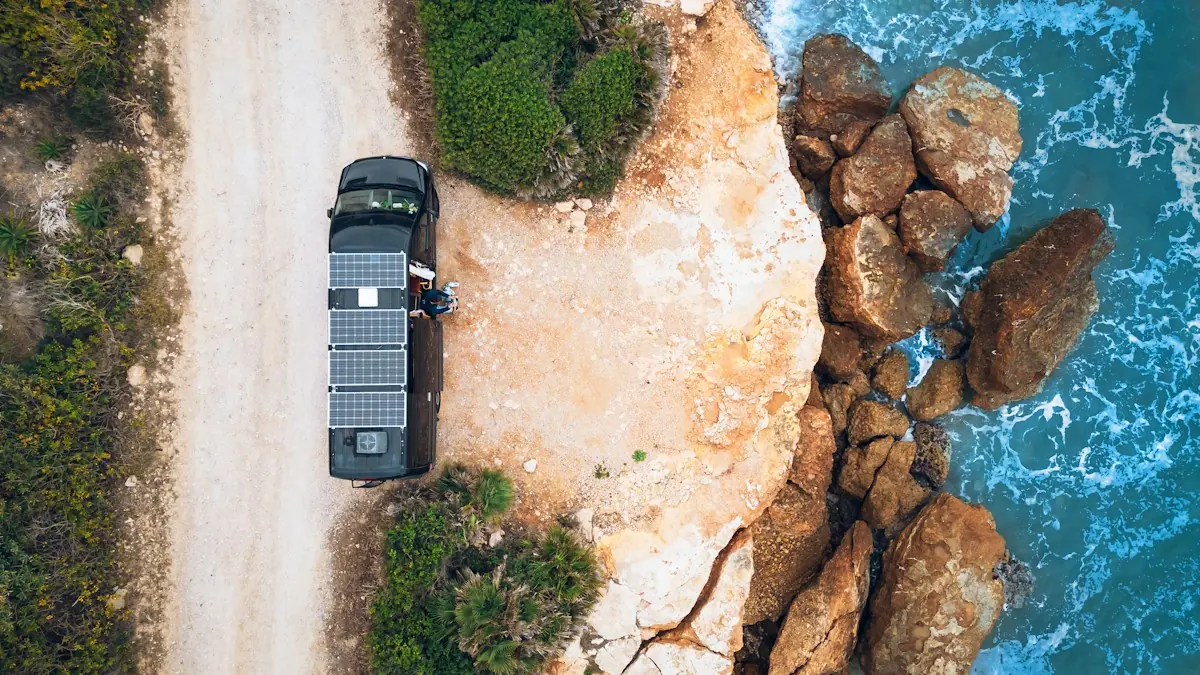
Parked by the water on a warm evening, a roof fan pulls the heat out of the van. Photo: Alex Guillaume on Unsplash
MaxxAir relies on its built-in cover. Its specification explicitly lists no rain sensor, so do not choose it expecting automatic rain closure.
The Dometic FA75 combines a Stormhood rain cover with a sensor that closes the lid in rain. Kohree also uses a rain sensor and powered lid, giving it a different rain response from MaxxAir.
MaxxAir vs Fan-Tastic side by side
Fan
Speeds
Rain protection (maker)
Thermostat
Remote
MaxxAir Maxxfan Deluxe
Speeds: 10, reversible
Rain protection (maker): Built-in rain cover, no rain sensor
Thermostat: Yes
Remote: Included
Fan-Tastic Vent Complete FA75
Speeds: 10, reversible
Rain protection (maker): Stormhood cover plus rain sensor
Thermostat: Yes, automatic
Remote: Bluetooth remote optional
Kohree roof vent fan
Speeds: 10, reversible
Rain protection (maker): Rain sensor with powered lid
Thermostat: Yes
Remote: Included
From the makers' pages and spec sheets, read on 19 October 2026: MaxxAir, Dometic and Kohree. All three fit a 14 x 14 inch roof opening.
MaxxAir Maxxfan Deluxe: keep the vent open in rain
In short: A covered roof vent with an included remote and a ceiling-fan mode.
Pick the MaxxAir Maxxfan Deluxe if your priority is keeping ventilation going during rain, because its cover allows the vent to remain open. The limitation is clear: it has no sensor to close the lid when rain arrives.
When you want air movement with the lid shut, its ceiling-fan mode gives you another way to use it. For airflow comparisons, remember that MaxxAir publishes its figure for the product line, which limits what that number tells you about this specific model.
Dometic FA75: a cover with automatic rain closure
In short: The FA75 adds sensor-controlled closure to its Stormhood cover.
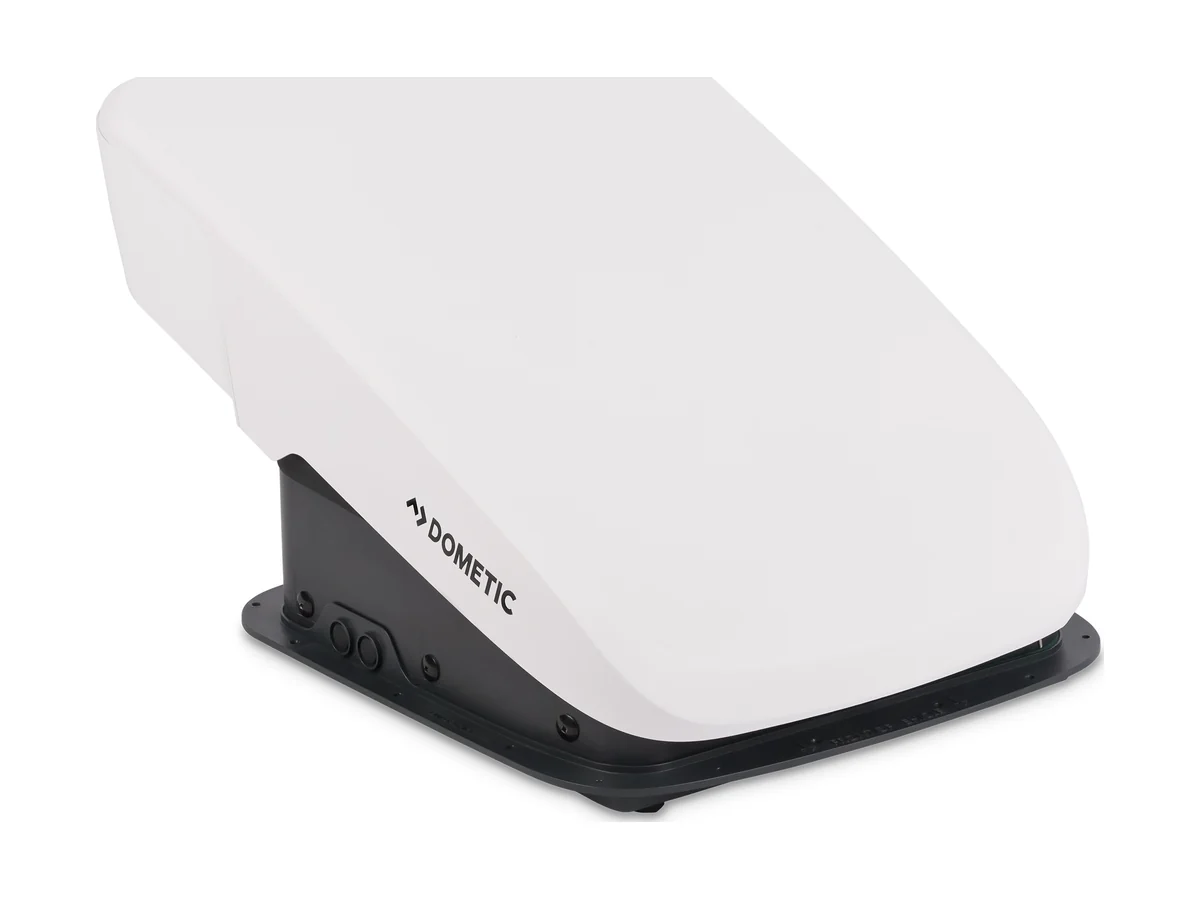
Pick the Dometic Fan-Tastic Vent Complete FA75 if you want automatic rain closure as well as a cover, because it includes both forms of protection. The limitation is that Dometic publishes no airflow figure on the pages reviewed, leaving a gap in a direct airflow comparison.
Its magnetic screen and tool-free dome removal are useful details to consider when planning access for cleaning. Check your control needs before choosing: the Bluetooth remote is optional and listed as coming soon, so remote availability matters here.
With people sleeping inside, condensation is the reason to keep air moving. Photo: Royce Fonseca on Unsplash
Kohree KR5312: the rain-sensor option
In short: A powered lid, automatic temperature start and included remote.
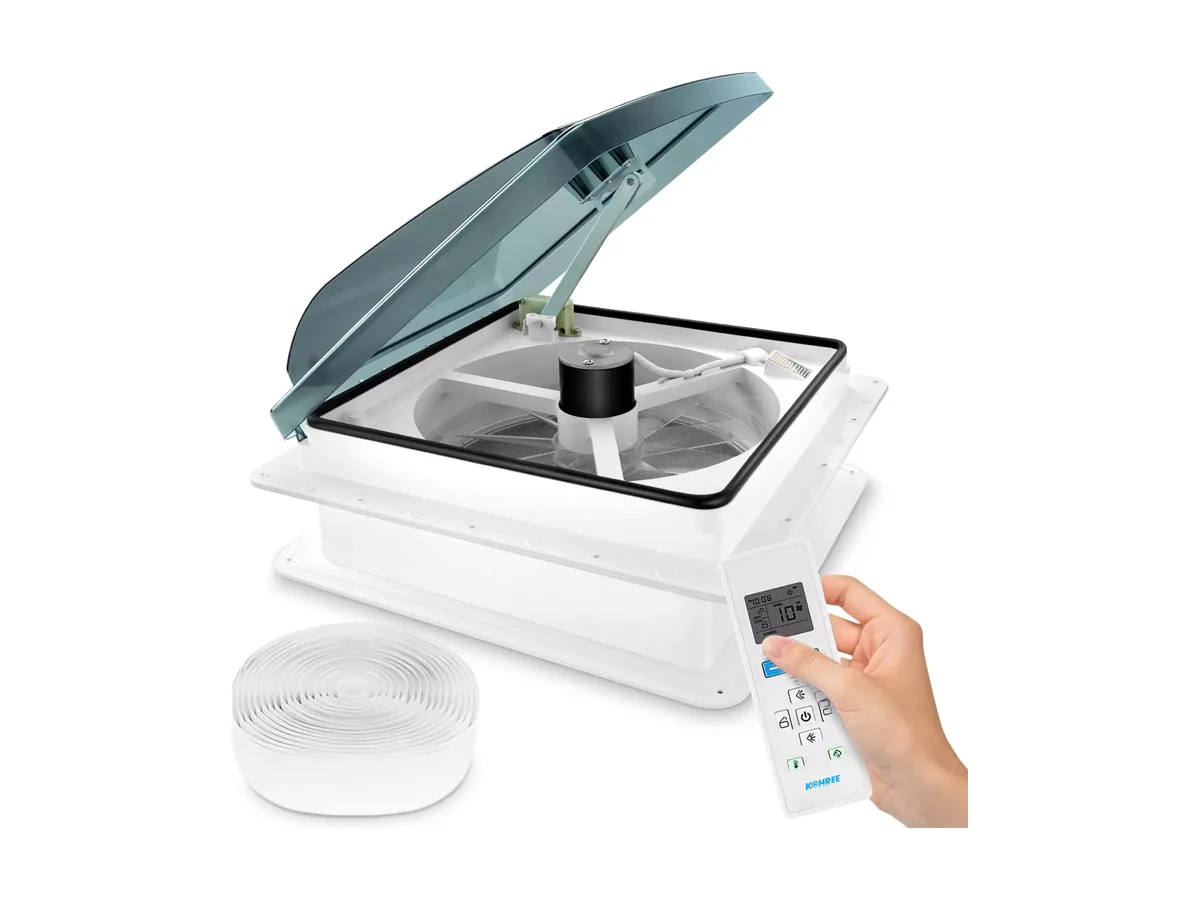
Pick the Kohree RV Vent Fan KR5312 if you want an alternative with automatic rain closure, because its sensor operates the powered lid. Its limitation is the evidence behind the airflow and noise figures: treat them as manufacturer claims when comparing.
The fan starts automatically when the inside temperature reaches 78.8 F. That temperature trigger and its rain response serve different purposes, so consider whether you want warm-air ventilation that may then stop when the lid closes.
Choose by what you want the lid to do
Start with your preferred rain response. MaxxAir suits a van where keeping the vent open in rain is the priority, while Dometic suits a setup where automatic closure is part of the requirement.
Kohree combines a rain sensor with an included remote. If published airflow information matters to your decision, keep the evidence limits visible: MaxxAir provides a line figure, Dometic provides none on the reviewed pages, and Kohree supplies its own figure. Running a fan all night on 12V? Check our power stations for van life and solar panels for a camper van.
Key takeaways
MaxxAir can stay open in rain under its cover, but has no rain sensor.
Dometic FA75 has both a Stormhood cover and automatic rain closure.
Kohree includes a remote and rain sensor, with maker-supplied airflow and noise figures.
Remote inclusion differs: MaxxAir and Kohree include one, while Dometic lists its optional Bluetooth remote as coming soon.
Watch: MaxxAir vs Fan-Tastic
The Savvy Campers video, “MaxxAir MaxxFan VS Fantastic Fan Review,” dates from 2021. It shows older Fan-Tastic models, so keep that model difference in mind when comparing it with the FA75.
Does the MaxxAir Maxxfan Deluxe have a rain sensor?
No. Its maker specification lists no rain sensor. It relies on a built-in cover that lets the vent remain open in rain.
Does the Dometic FA75 have a rain cover or a sensor?
It has both a Stormhood rain cover and a rain sensor. The sensor closes the lid when rain arrives.
Do these fans fit the same roof opening?
All three makers specify a 14 x 14 inch roof opening. Dometic specifies that fit on its DryDock base.
Which fans include a remote?
The MaxxAir Maxxfan Deluxe and Kohree KR5312 include a remote. Dometic lists the FA75 Bluetooth remote as an option coming soon.
Affiliate disclosure. This post contains affiliate links. If you click and buy something, this site earns a small commission at no extra cost to you. Picks are based on published specs, independent tests and manufacturer information. As an Amazon Associate I earn from qualifying purchases. Read the full affiliate disclosure. Amazon and the Amazon logo are trademarks of Amazon.com, Inc. or its affiliates.
The honest packing list for one year of nomadic travel in 2026. Everything fits in a carry on. Clothes, tech, toiletries and the system that actually works.
I'm Chenzo and I run this site myself. I use cookies to see which guides people read and which country they visit from. No names, no email addresses. That helps me write better guides for you.
Functional
Always active
The technical storage or access is strictly necessary for the legitimate purpose of enabling the use of a specific service explicitly requested by the subscriber or user, or for the sole purpose of carrying out the transmission of a communication over an electronic communications network.
Preferences
The technical storage or access is necessary for the legitimate purpose of storing preferences that are not requested by the subscriber or user.
Statistics
The technical storage or access that is used exclusively for statistical purposes.The technical storage or access that is used exclusively for anonymous statistical purposes. Without a subpoena, voluntary compliance on the part of your Internet Service Provider, or additional records from a third party, information stored or retrieved for this purpose alone cannot usually be used to identify you.
Marketing
The technical storage or access is required to create user profiles to send advertising, or to track the user on a website or across several websites for similar marketing purposes.