
Carbon Monoxide Detector for Camper Van: 5 Things to Buy
As an Amazon Associate I earn from qualifying purchases. Some links on this page earn us a small commission, at no extra cost to you. Full disclosure.
A carbon monoxide detector for camper van use is not the same thing as the one in a house. The maker of RV alarms says a home alarm does not belong in a vehicle, and a big home-safety brand says on its own travel alarm that it is not approved for RV use. This guide shows what to buy for a van in the US and in Europe, what to buy for hotels, and what to check first, with the makers' own pages as proof. There is a pick for the US and one for Europe. Comparing the two best-known brands? See Kidde vs First Alert, side by side.

Quick answer
In the van: an alarm the maker approves for vans or RVs: a wired 12 V one, or a battery one in Europe. Next to it: a smoke alarm and an extinguisher. In hotels and rentals: a small battery alarm, but never as your van alarm.
Checked on 5 October 2026 against the makers' own pages: Safe-T-Alert (25 Series: vehicles, UL 2034 RV, 12 V, temperature range) and FireAngel (FA6813: EN 50291-2, caravans, motor caravans and boats).
All five, with a buy button each
Safe-T-Alert 25 Series Dual CO and Propane Alarm
Built for RVs and wired in. Our pick if you are in the US. Read more
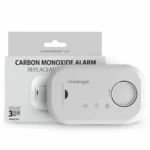
FireAngel FA6813 Carbon Monoxide Alarm
Maker says: suitable for caravans, motor caravans and boats. Read more
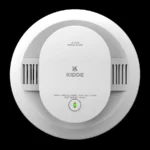
Kidde 20SD10 Smoke Alarm
Sealed battery, no wiring. A home alarm, so check the limits. Read more
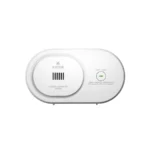
Kidde COB Portable CO Alarm
Kidde says: not approved for RV or boat use. Read more
Where to go deeper

A propane water heater is the other gas appliance to think about: our best portable shower for camper van life guide explains why the ones we found are for outdoor use only.
Why a van needs its own carbon monoxide alarm
From the road: I had a CO alarm, a smoke alarm and a fire extinguisher in the van, and I think all three are very important. I do not remember which brands they were.
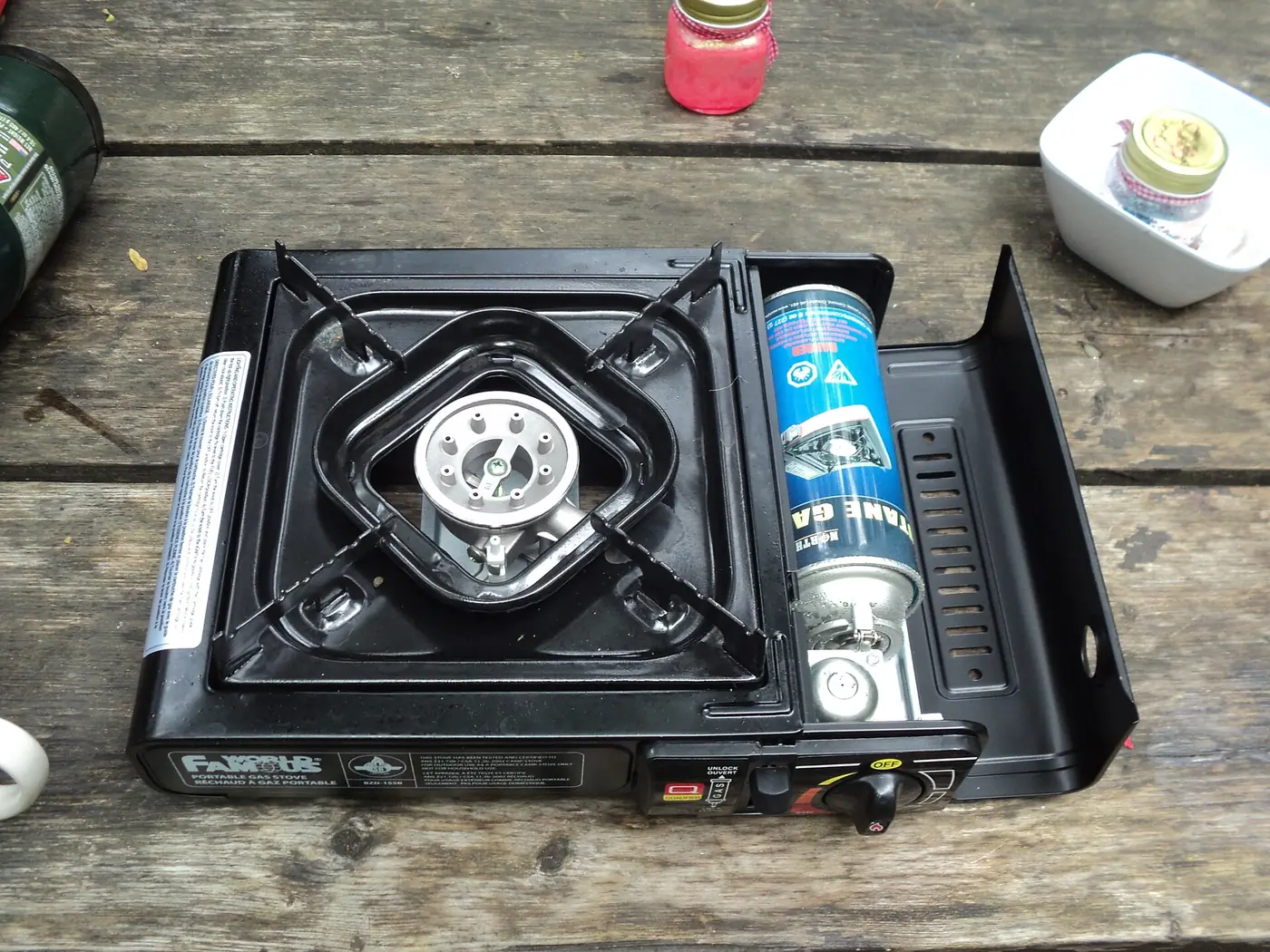
The UK Health and Safety Executive says carbon monoxide is colourless, odourless and tasteless, and comes from fuel that does not burn properly: gas, oil, wood and coal. Safe-T-Alert, which makes RV alarms, lists the sources in an RV: engine exhaust, a defective exhaust system, portable space heaters, gas stoves and ovens, portable grills, camp fires, generators and other RVs.
The NHS lists a headache, dizziness, feeling sick, weakness, tiredness and confusion. The US CDC adds that people who are sleeping can die from CO poisoning before they have any symptoms. That is the case for an alarm in the place where you sleep.
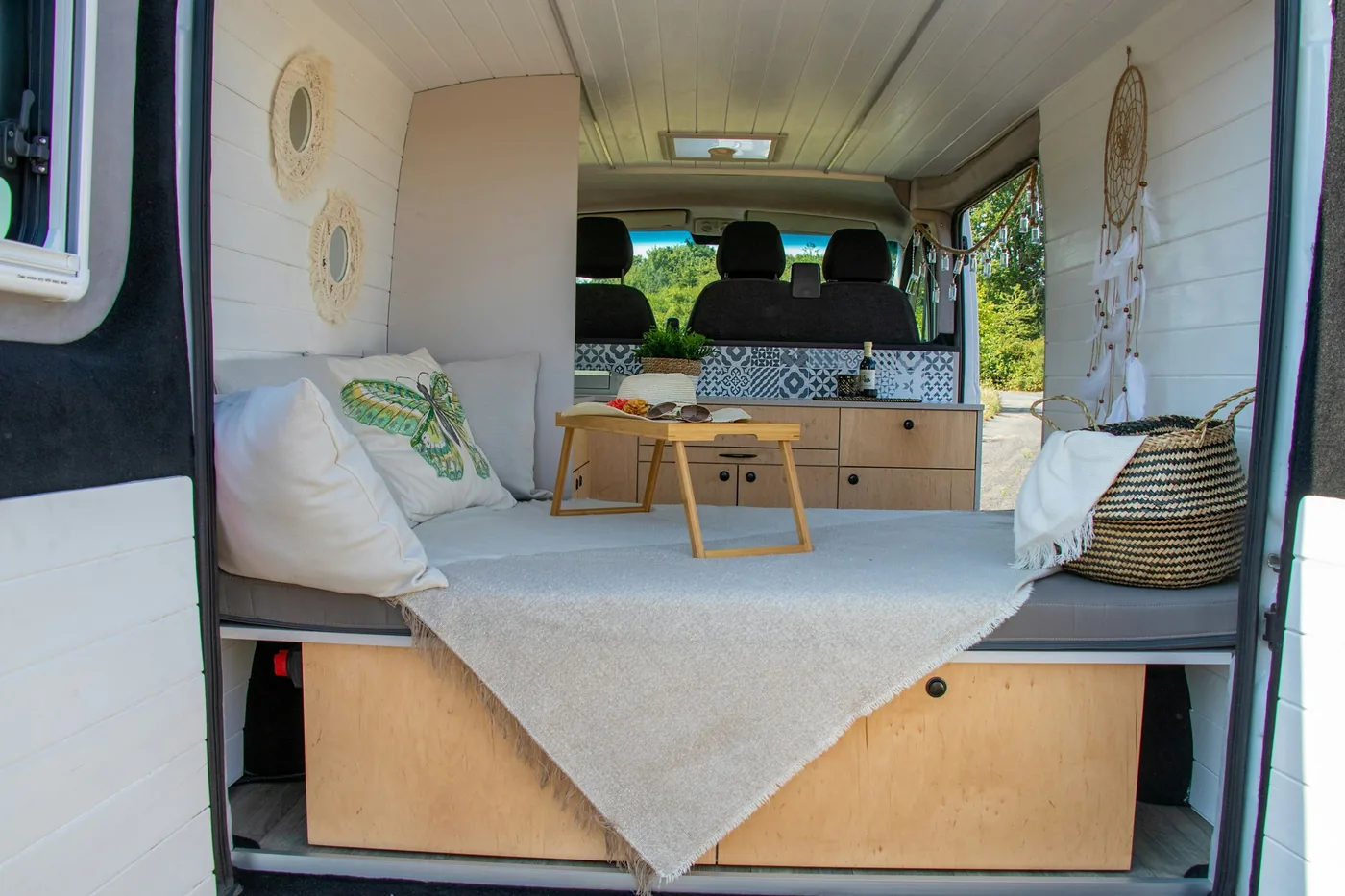
From the road: I had a heating on gas, but also on electricity. So it could heat both ways. That was really good. Make sure you point it in a good direction, check where your window is, otherwise it can blow straight back in through your window into the caravan. I had this, so I needed to change that.
He was talking about the exhaust of his heater, and he did not say anything about CO. Kidde lists back drafting and a blocked flue among the causes of CO build-up, so a heater exhaust that blows back in is the kind of fault an alarm is there to catch.
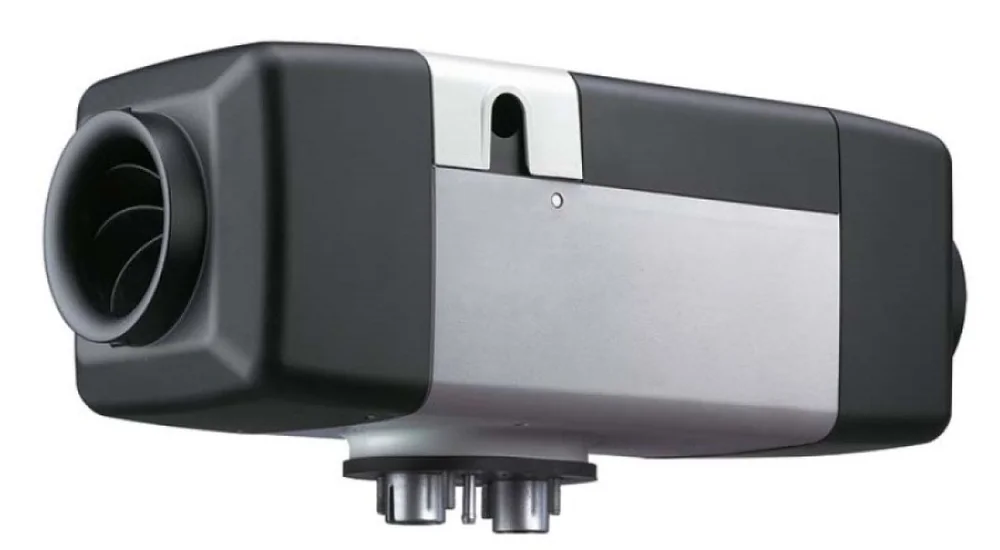
The UK caravan council says never to block the ventilation in a caravan, because gas appliances need a constant supply of air to burn completely. We give no heater installation advice here: the heater's own manual decides where its exhaust may go. We cover heating in the van conversion guide. Choosing a diesel air heater? Our Espar vs Webasto comparison reads both makers' exhaust warnings side by side.
Home alarm or RV alarm?
Safe-T-Alert says on its resources page: never install a residential CO alarm in an RV, install only alarms marked for RV use. That is a maker with a product to sell, so look at what its comparison of the US standard UL 2034 says. An RV alarm must also pass these tests, and a home alarm does not have to:
| Requirement | Home alarm | RV alarm |
|---|---|---|
| Marked "Recreational Vehicle Carbon Monoxide Alarm" or similar | No | Yes |
| Heat, cold and humidity test (for example 72 hours at minus 40 °C) | No | Yes |
| Salt spray test, 48 hours | No | Yes |
| Vibration test, 120 hours | No | Yes |
| Cooking by-products test | No | Yes |
| Batteries rated minus 20 to 60 °C (alkaline do not meet it) | No | Yes |
Source: Safe-T-Alert comparison sheet (MTI Industries, 2016), quoting UL 2034 section 70.1 and sections 71 to 74. Kidde, a home-safety brand, says the same about its own travel alarm: "Not approved for RV or boat use ... For use in conditioned spaces only."
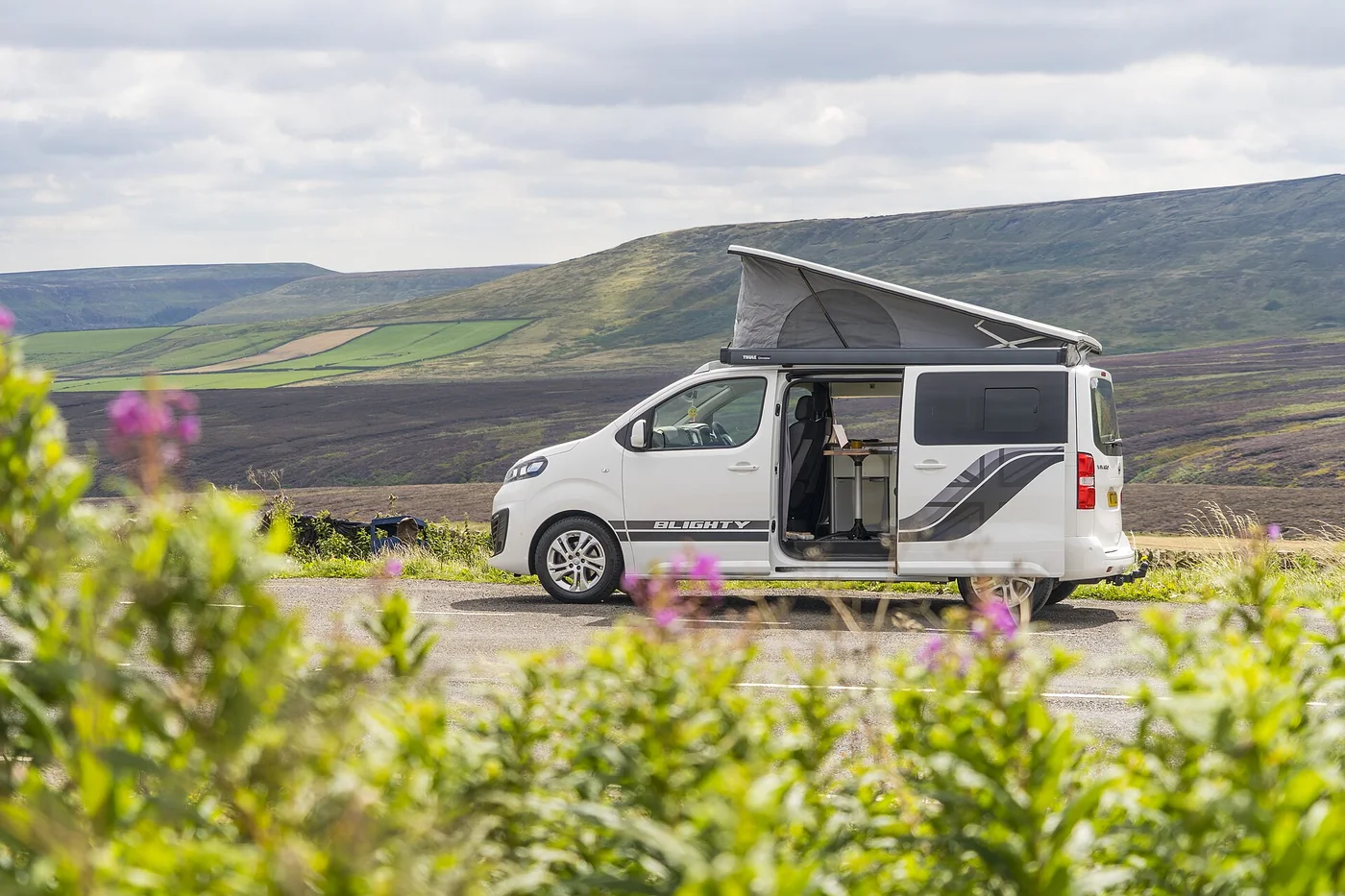
The US Consumer Product Safety Commission says CO alarms are available for boats and recreational vehicles and should be used. For a van, that means one marked for it.
In Europe? UK government advice (Public Health England, 2015) names the European standard EN 50291 for CO alarms, and the National Caravan Council advises alarms that comply with BS EN 50291 in its carbon monoxide booklet for holiday caravans, lodges and park homes (March 2026). UL 2034 and the RV marking are US standards. FireAngel says on its own page that its FA6813 is EN 50291-2 certified and suitable for caravan holiday homes, caravans, motor caravans and boats. That is the maker's statement, not a test we did. Whatever you buy in Europe, look for EN 50291 on the box and ask the maker or a dealer if it may be used in a vehicle.
The 5 things to buy
1. Safe-T-Alert 25 Series Dual CO and Propane Alarm: made for RVs
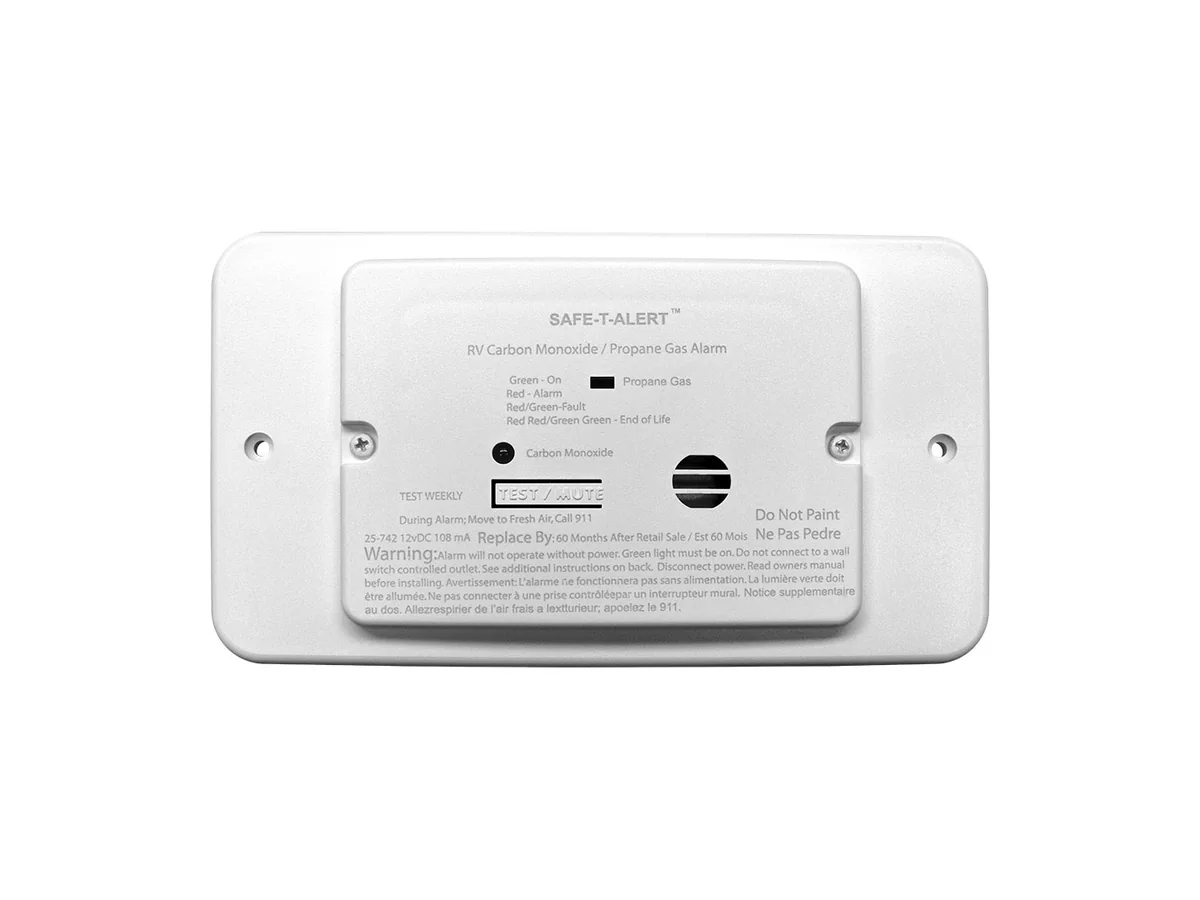
Safe-T-Alert 25 Series Dual CO and Propane Alarm
Safe-T-Alert says the 25 Series detects propane gas and carbon monoxide, is made for Class A, B and C motorhomes, travel trailers, fifth wheels and campers, and lists Class B van campers by name. It conforms to UL 2034 RV and 1484 RV, meets RVIA/NFPA requirements and works from -40 °F to +158 °F. It has a mute button for when you ventilate.
It runs on 12 V, with no batteries. The label on the unit says 108 mA at 12 V, which by our math is about 2.6 amp-hours a day, so count it in your power budget. The label also says "Test weekly", "Replace by 60 months after retail sale" and "Alarm will not operate without power", so it protects you only while the 12 V supply is on.
From the road: I do not remember which brand mine was. If I bought one today for a van, this is the one I would pick: its maker says it conforms to the US standard for RV alarms, UL 2034 RV.
On Amazon we found this listing on the US and Italian stores, but not on the UK, German, French or Spanish ones. If you are in those countries, use the next pick.
This one is wired in, not plugged in. Our camper van wiring guide covers fuse blocks and cable sizes, and the maker's manual covers the connection. The unit lists propane. If your van runs on another gas, ask the maker.
2. FireAngel FA6813 Carbon Monoxide Alarm: the battery one for Europe
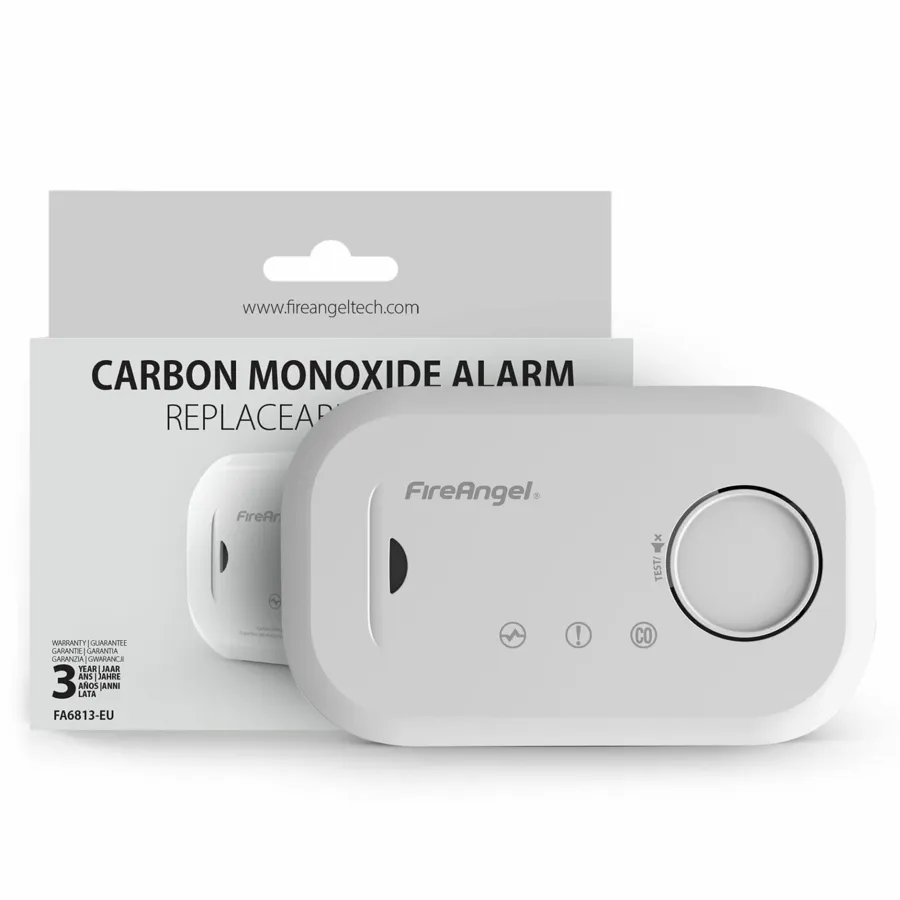
FireAngel FA6813 Carbon Monoxide Alarm
FireAngel answers the question "Can I take this CO alarm on holiday with me, or use in my caravan, boat or motorhome?" on its FA6813 page with: "Yes, this Carbon Monoxide Alarm is EN 50291-2 certified and IP44 splash resistant, suitable for all domestic settings, including caravan holiday homes, caravans, motor caravans, and boats." It runs on two replaceable AA batteries and chirps when they run low.
The Amazon listing says it conforms to BS EN 50291-1:2008 and EN 50291-2:2019. It carries no RV marking like the US UL 2034 one above: it is a battery alarm that its maker says is fine in a van, not a hard-wired one. Test it every week like any other. UK readers can also use Amazon.co.uk.
3. Kidde 20SD10 Smoke Alarm: no wiring, 10-year battery
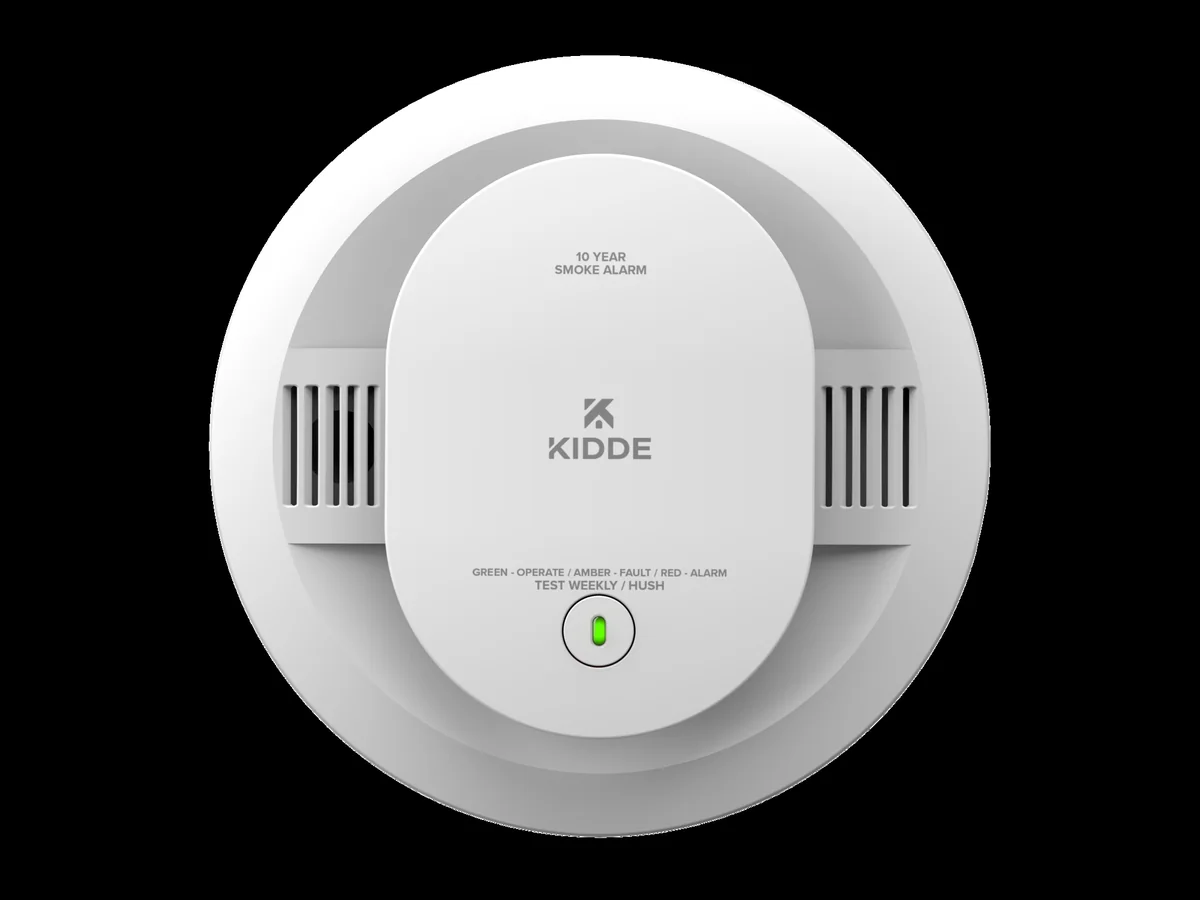
Kidde 20SD10 Smoke Alarm
Kidde lists the 20SD10 with a built-in 10-year battery, a beep that says to replace it 10 years after power-up, and sensing that reduces false alarms often caused by cooking. The Amazon listing says it is tested to UL 217 10th Edition and suitable for homes.
The listing names UL 217, a US standard, and the Amazon stores in Europe show this same listing. We found no maker statement about use in a vehicle, so read the temperature and humidity limits in the manual before you screw it to the ceiling. Safe-T-Alert's RV tip poster tells RV owners to test the smoke alarm every week and replace a smoke alarm after 10 years.
From the road: One time I had a cable in front of the heater so it burned my cable. I had it on a good spot, but the thing I fixed it with broke, and then the cable fell down and it was in front of the exhaust of the heater. That was of course a huge problem.
4. Kidde Pro 210 Fire Extinguisher: within quick reach
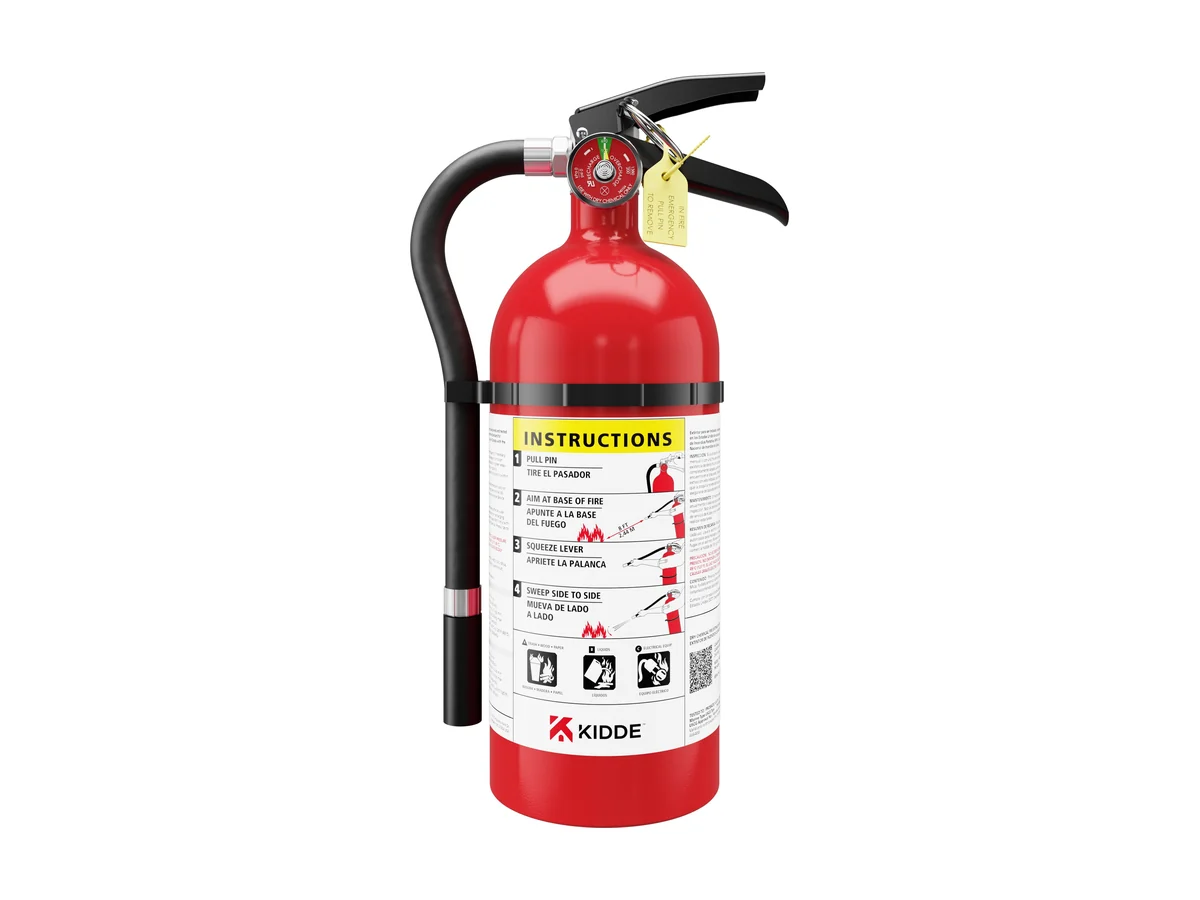
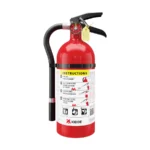
Kidde Pro 210 Fire Extinguisher
Kidde's Amazon listing for the Pro 210 says it is rechargeable and reusable, holds 4 lb of dry chemical and is rated 2-A:10-B:C for common, flammable liquid and electrical fires. Discharge time is 13 to 15 seconds and the range 12 to 18 feet. The rating is a US (UL) rating, so check what your country expects in a vehicle.
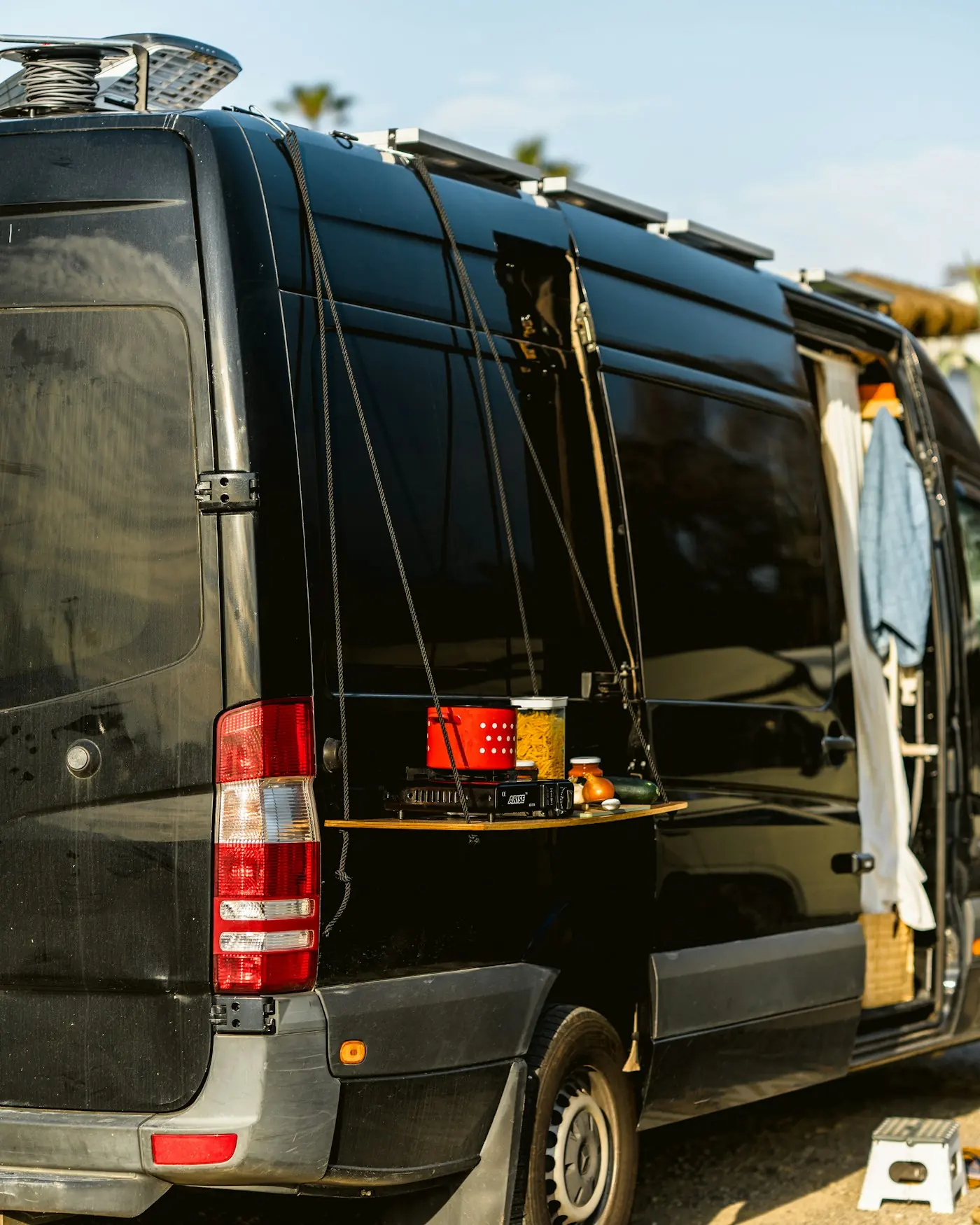
Kidde's camping safety page says to pack a fire extinguisher and never use fuel-burning devices in enclosed spaces.
From the road: Be careful for fire, really be careful, and please use the right fuses. It is so important, it can save your life. You do not want to be in a burning car or a burning caravan.
5. Kidde COB Portable CO Alarm: for hotels and rentals, not for the van
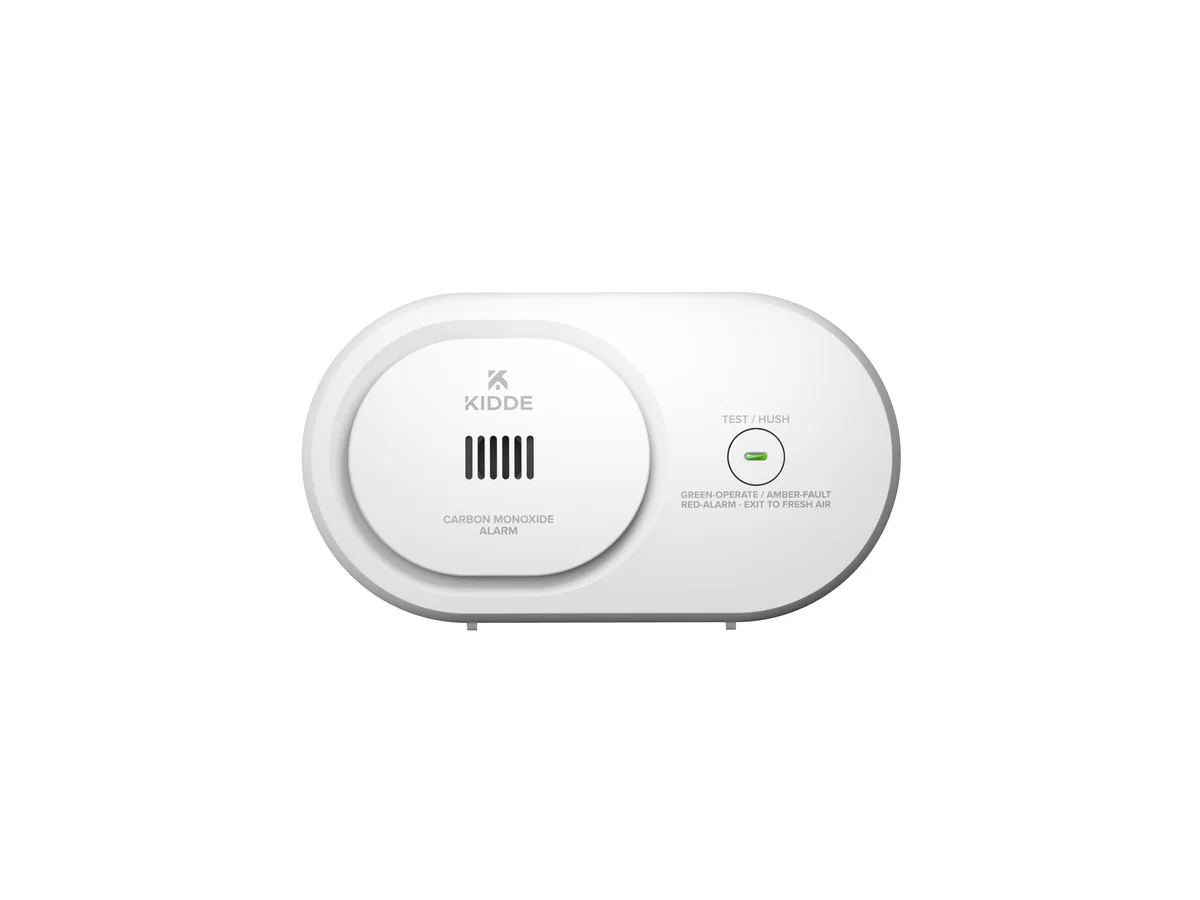
Kidde COB Portable CO Alarm
Kidde says the COB runs on two AA batteries and slips into a suitcase. Its advice: take a CO alarm on your trip since not all hotels and rentals are required to have CO detection, remove the batteries in transit, reinstall and test it on arrival. The Amazon listing says it is tested to UL 2034 5th Edition and ETL listed.
The same page says it is "Not approved for RV or boat use" and "For use in conditioned spaces only". So this one is for the nights between van stints, not for the van itself.
Test it, replace it, and what to do when it sounds
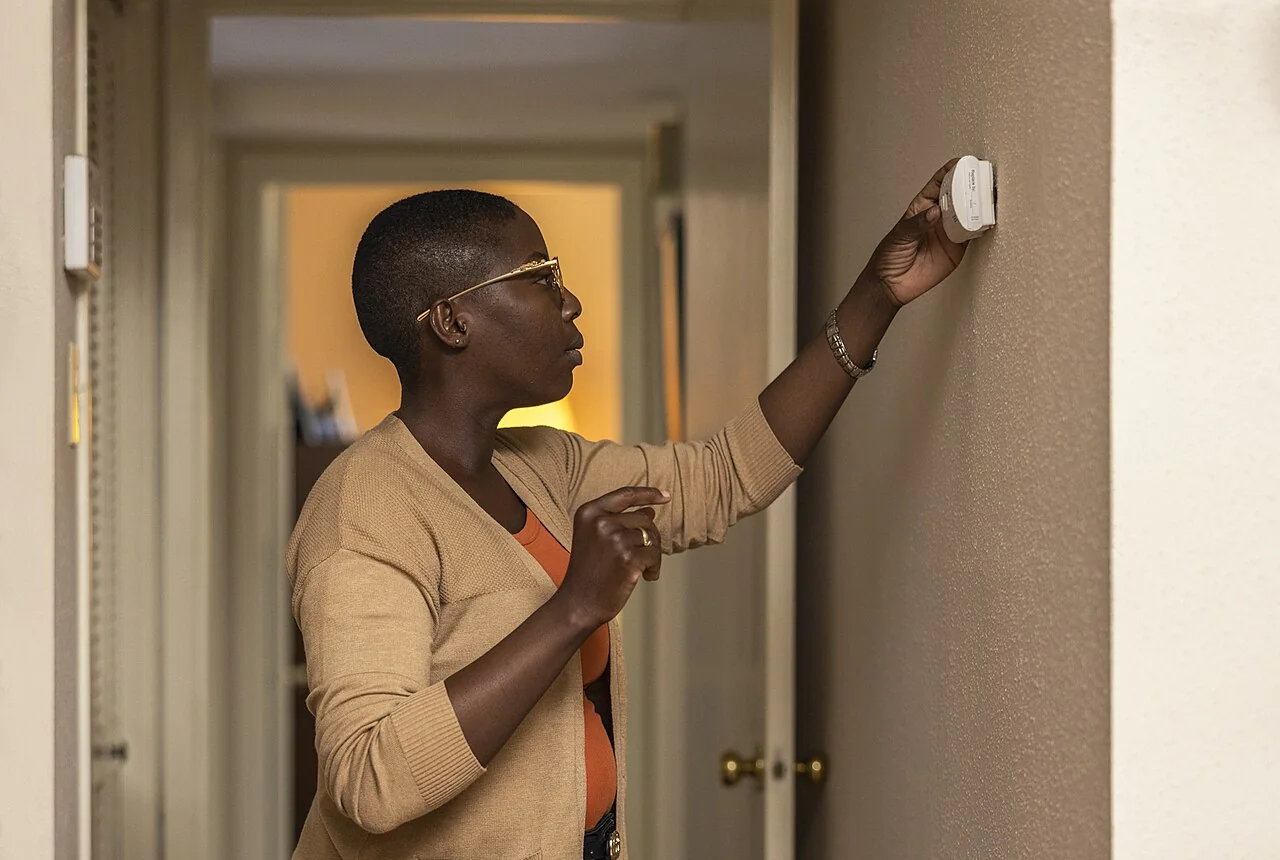
Test it
Kidde and Safe-T-Alert say to test weekly. The UK caravan council says at least once a month.
Replace it on time
Safe-T-Alert says the useful life of CO and propane alarms is 5 years and of smoke alarms 10 years. The UK caravan council says CO alarms usually need replacing about every five years. Check the date on your unit.
If it sounds, get out
The UK caravan council: everyone out quickly, turn off the gas at the cylinder valve, get medical attention for anyone who feels unwell, do not go back in until told it is safe. The US CPSC says the same in short: never ignore an alarm, move to fresh air, call emergency services.
If the alarm sounds again within 24 hours, Kidde says to call a qualified technician to check the fuel-burning appliances.
- A home CO alarm is not the same as an RV alarm: Safe-T-Alert and Kidde both say a home alarm does not belong in a vehicle.
- The Safe-T-Alert 25 Series is the one we could verify as made for RVs. It is 12 V and needs wiring.
- In Europe the FireAngel FA6813 is a battery alarm that its maker says suits caravans, motor caravans and boats.
- Add a smoke alarm and an extinguisher, and read the temperature limits of a home smoke alarm.
- The Kidde COB is for hotels and rentals only, by Kidde's own note.
- Test weekly, replace on time, and leave the van and call for help if an alarm sounds.
Where to go next
Wiring a 12 V alarm? Read the wiring guide and the cargo van conversion guide. Power for the van: power stations for van life and solar panels for a camper van. Also read about how to stop van break-ins, camper van tires and a camper van water filter. Rodents that chew wires are a fire risk too: rats chewing wires.
FAQ
Do you need a carbon monoxide detector in a campervan?
The US CPSC says CO alarms are available for recreational vehicles and should be used. Safe-T-Alert names engine exhaust, heaters, gas stoves and generators as sources in an RV. If your van burns any fuel, an alarm is the only way to detect CO.
Can you use a home carbon monoxide alarm in a camper van?
Safe-T-Alert says never to install a residential CO alarm in an RV, and Kidde says its travel alarm is not approved for RV or boat use and is for conditioned spaces only. Look for an alarm marked for RV use.
Where should I put a carbon monoxide alarm in a campervan?
Follow the manual of your alarm. Kidde advises against dead air spaces and spots next to a window or door, and the CPSC advises against places near heating vents or covered by furniture or curtains.
How often should I test and replace a camper van CO alarm?
Safe-T-Alert and Kidde say to test weekly, the UK caravan council says at least monthly. Safe-T-Alert says CO and propane alarms have a useful life of 5 years and smoke alarms 10 years.
What should I do if the carbon monoxide alarm goes off in my camper?
The UK caravan council says to get everyone out quickly, turn off the gas at the cylinder valve, get medical attention for anyone who feels unwell and not to go back in until it is safe. Kidde says to call a qualified technician if it sounds again within 24 hours.
Which carbon monoxide alarm standard applies in Europe?
UK government advice and the National Caravan Council name EN 50291. UL 2034 is the US standard. FireAngel says its FA6813 is EN 50291-2 certified and suitable for caravans, motor caravans and boats. Check the box for the standard that applies where you live and ask the maker about use in a vehicle.
Watch: a Safe-T-Alert propane and CO alarm installed in a trailer
Video by Odometer Dave.
Seen enough? Here is the Safe-T-Alert alarm from this article.
Safe-T-Alert 25 Series Dual CO and Propane Alarm
Can I silence the Safe-T-Alert 25 Series while I cook?
Safe-T-Alert says the 25 Series has an alarm mute button that silences the alarm while the RV is ventilated, with a rapid recovery sensor that resets when silenced and reactivates if dangerous levels persist. Source: Safe-T-Alert product page, read 5 October 2026.
What voltage and temperature range does the Safe-T-Alert 25 Series use?
Safe-T-Alert lists 12 volts plus or minus 15 percent, a draw of 108 mA at 12 VDC and an operating range of -40 F to +158 F. It lists Class B van campers among the vehicles it suits. Source: Safe-T-Alert product page, read 5 October 2026.
Is the FireAngel FA6813 approved for a motorhome or boat?
FireAngel says on its page that the FA6813 is EN 50291-2 certified and IP44 splash resistant, suitable for all domestic settings including caravan holiday homes, caravans, motor caravans and boats. That is the maker statement; the alarm carries no US RV marking. Source: FireAngel, read 5 October 2026.

Chenzo, founder of NomadsToolsLab
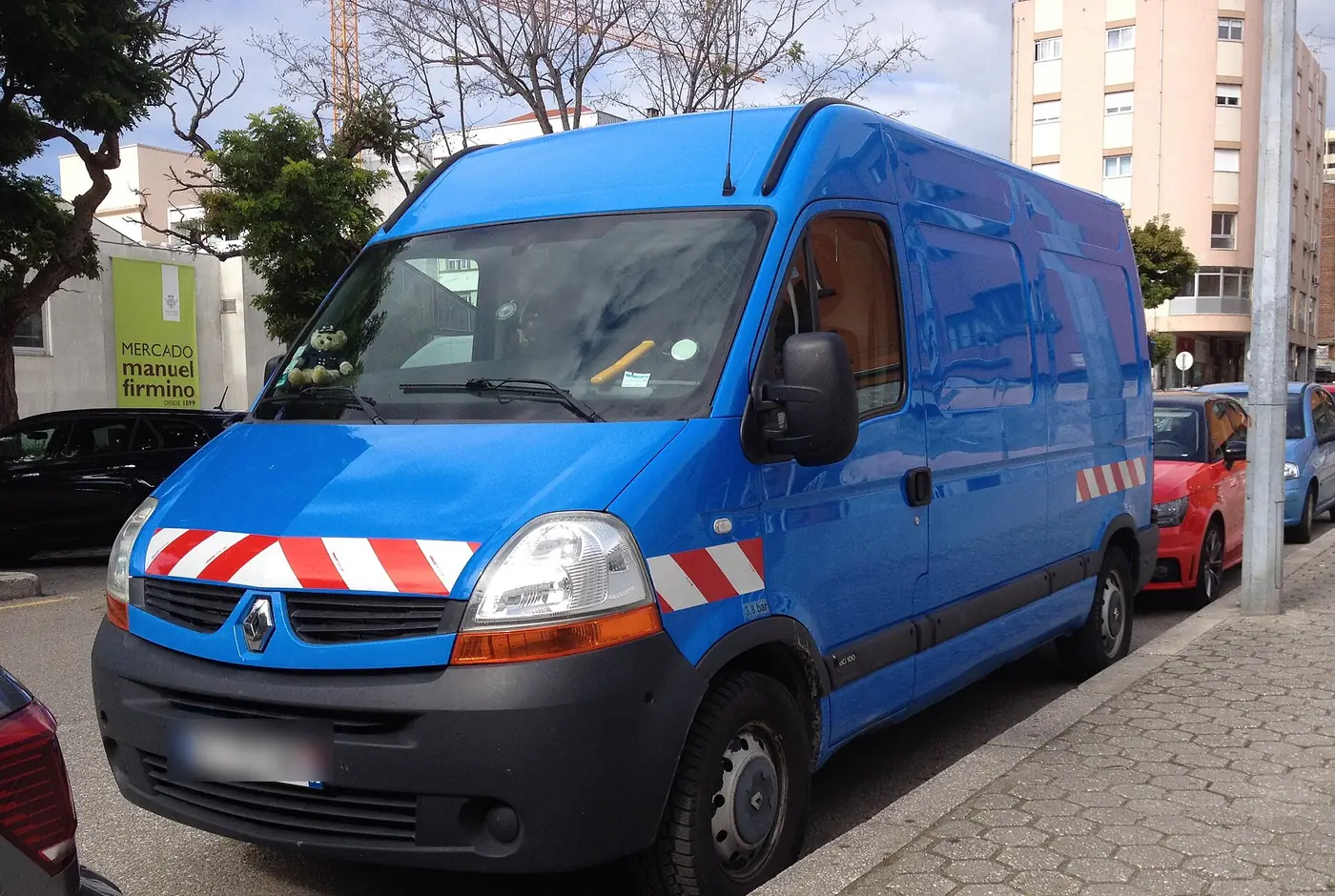
I lived in a van and a caravan for seven years in Spain and Portugal, off grid. The van was a Renault Master and I built everything inside myself.
Cooking outside the van with a camp stove? Our Jetboil vs MSR comparison covers two canister stoves and quotes the Jetboil manual: never use it inside a camper, caravan, tent or car.
Affiliate disclosure. This post contains affiliate links. If you click and buy something, this site earns a small commission at no extra cost to you. Picks are based on published specs, independent tests and manufacturer information. As an Amazon Associate I earn from qualifying purchases. Read the full affiliate disclosure. Amazon and the Amazon logo are trademarks of Amazon.com, Inc. or its affiliates.
Your next step