Malaysia Digital Nomad Visa: DE Rantau Guide 2026
As an Amazon Associate I earn from qualifying purchases. Some links on this page earn us a small commission, at no extra cost to you. Full disclosure.
You earn from clients abroad, you want a legal base in Southeast Asia, and you would rather not live on repeated tourist stamps. The Malaysia digital nomad visa, the DE Rantau pass, is one of the easier ways to do exactly that.
If you’re comparing digital nomad visas in Southeast Asia, Malaysia's DE Rantau pass is worth a serious look. It doesn’t get the hype Bali or Chiang Mai get, but it's genuinely one of the more accessible nomad visas in the region: a reasonable income bar for tech workers, no need to set up a local company, and a straightforward online application. Add year-round tropical weather, no "best season" planning needed, and Malaysia becomes a solid, low-drama base.
Quick answer
DE Rantau lets remote workers with foreign income live in Malaysia for 3 to 12 months, renewable for up to another 12 months (24 months in total), with an income bar of more than $24,000 a year for digital and tech roles, or more than $60,000 for eligible non-tech roles. Kuala Lumpur is the default base, Penang the cheaper and more walkable one. Checked on 5 October 2026 against MDEC's official FAQ (version 10.0, 28 August 2026).
Get ready to apply


What Is the Malaysia Digital Nomad Visa (DE Rantau)
DE Rantau is Malaysia's official nomad pass, run by the Malaysia Digital Economy Corporation (MDEC). It lets remote workers and freelancers who earn money from outside Malaysia live in the country legally without taking a local job. The appeal compared to neighbors: no elaborate proof-of-funds theater and a straightforward online application.
Eligibility and income requirements
| Requirement | Detail |
|---|---|
| Minimum age | 18 |
| Employment type | Remote work or freelance for clients/employers outside Malaysia |
| Income | More than $24,000 USD/year (digital and tech roles), more than $60,000 USD/year (eligible non-tech roles) |
| Income proof | Employment contract, client agreements, payslips, invoices, or bank statements |
| Health insurance | Required, covering your full stay in Malaysia |
| Passport validity | Typically at least 14 months with several blank pages |
| Criminal record | Clean record check usually required |
MDEC's own FAQ lists a signed contract, payslips or invoices and three months of bank statements, and the contract must be at least three months old. It does not list a criminal record check, so confirm in the portal whether your case needs one.
MDEC uses two income bars: more than $24,000 a year for digital freelancers, contractors and remote workers in tech and digital roles, and more than $60,000 a year for eligible non-tech roles such as managers in business development, marketing, finance or HR (MDEC DE Rantau page, September 2026). MDEC also weighs the consistency of your income, not just the total, so a steady freelance income record helps even if the headline number is tight.
Duration and cost
The pass is valid for 3 to 12 months, renewable for up to another 12 months, for a 24-month total cap. There's no path to longer residency from DE Rantau itself. Renewal requires MDEC to re-check your income and insurance. The processing fee is RM 1,080 including 8% SST for the main applicant and RM 540 per dependent, paid when you apply and non-refundable even if you are rejected. An immigration pass fee of RM 90 per three months or RM 360 for one year is paid later, at endorsement (MDEC FAQ, version 10.0, 28 August 2026). MDEC says processing takes 6 to 8 weeks, and the e-Pass is issued about a week after a complete endorsement, so budget roughly 8 to 10 weeks total before you're set up.
Good to know from MDEC's own FAQ (version 10.0, 28 August 2026)
- You can apply from abroad. A tourist pass cannot be converted: if you are in Malaysia when you are approved, you leave and re-enter on the visa named in your approval letter.
- The approval letter is valid for 6 months and cannot be extended. Finish the endorsement within 1 month of entering, and use a normal immigration counter on that first entry, not the autogate, so you get the entry stamp.
- The pass covers Peninsular Malaysia and Labuan. Sabah and Sarawak are visits on a tourist pass.
- Your spouse cannot work on the dependent pass, and most Malaysian banks do not accept this pass to open an account.
- Since 1 August 2026 there are no appeals for rejected applications. You can apply again when you meet the requirements.
Comparing visas? See our Thailand digital nomad guide and our Japan digital nomad guide.
How to apply
- Confirm your income and documentation meet the bar.
- Gather documents: passport, photo, proof of remote income, insurance, CV, criminal record check.
- Apply online through the official DE Rantau portal.
- Pay the application fee.
- Wait for review, MDEC says 6 to 8 weeks.
- On approval, complete entry formalities and collect your pass in Malaysia.
Get travel insurance sorted before you apply, since proof of coverage is part of the package.
Before you apply
- Income of more than $24,000 a year from outside Malaysia (tech and digital roles), or more than $60,000 for eligible non-tech roles.
- Passport, photo, proof of remote income, insurance, CV and a criminal record check.
- Expect 6 to 8 weeks of review.

Where to base yourself
Kuala Lumpur: the default choice. Biggest coworking scene, most international flight connections, best healthcare access, widest range of condos via Booking.com. What could be better: real traffic, real air pollution on bad days, and it feels much more like a big Asian capital than a laidback nomad hub.
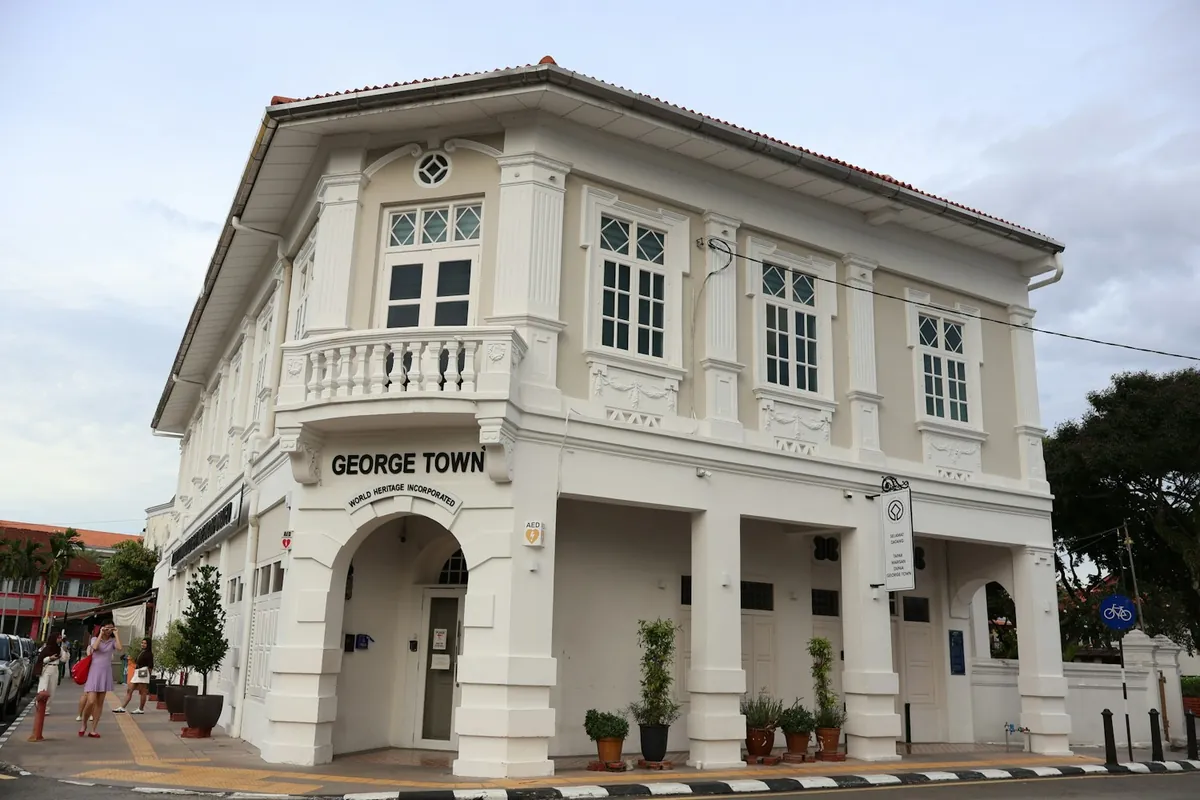
Penang (Georgetown): smaller, walkable, strong food scene, growing nomad and expat community, noticeably cheaper than KL. What could be better: internet and coworking are solid but thinner than KL's.
Langkawi: island life, duty-free shopping, a genuinely relaxed pace. What could be better: flights and logistics take more planning, and digital infrastructure and coworking are the least developed of the three.
Cost of living
Malaysia is cheap by nomad-hub standards, generally more affordable than Bali for equivalent housing and noticeably cheaper than Chiang Mai for eating out. For day-to-day spending, a multi-currency account like Wise avoids the worst of local bank fees.
Internet quality
Malaysia's internet infrastructure is genuinely good. Fiber broadband is widely available in KL and Penang, and speeds are reliable. For mobile data from day one, grab an Airalo eSIM before you land.
Before you go
Sort these three things before you fly: health cover, data on landing and a card that does not eat your money in fees.

What could be better about nomading in Malaysia
- Heat and humidity, year-round, no cool season to look forward to.
- KL traffic is real, budget extra time for anything cross-town.
- The nomad scene is thinner than Bali's or Chiang Mai's, fewer meetups and less community density.
- Renewal isn't guaranteed, MDEC re-checks your finances and insurance each time.
- Coworking and digital infrastructure thin out fast once you leave KL and Penang.
Malaysia earns its place on this list for the income bar alone, a genuinely low threshold for tech workers, paired with good infrastructure and a low-drama lifestyle. It just won't hand you the community energy of Bali or Chiang Mai on day one.
Power plugs: Malaysia uses Type G sockets, the three-pin UK plug (Types C and M also appear), so pack a Type G adapter such as the TESSAN UK adapter (2 pack).
Related reading: Kuala Lumpur for Digital Nomads: 2026 City Guide.

Before you fly, see how to set up an eSIM before you land and how travel insurance works for nomads.
FAQ
How much income do I need for the Malaysia digital nomad visa?
More than $24,000 a year from outside Malaysia for tech and digital roles, and more than $60,000 a year for eligible non-tech roles. A steady income record helps.
How long can I stay on DE Rantau?
3 to 12 months, renewable for up to another 12 months, so 24 months in total. There is no path to longer residency from DE Rantau itself.
How much does DE Rantau cost and how long does it take?
The processing fee is RM 1,080 including 8% SST for the main applicant (RM 540 per dependent), non-refundable. Plan on roughly 8 to 10 weeks in total: MDEC says 6 to 8 weeks for its review, then the endorsement and e-Pass in Malaysia.
Where should I live in Malaysia as a digital nomad?
Kuala Lumpur for the biggest coworking scene and flight connections, Penang (Georgetown) for a smaller, walkable and cheaper base with great food, Langkawi for island life with the least developed infrastructure.
Affiliate disclosure. This post contains affiliate links. If you click and buy something, this site earns a small commission at no extra cost to you. Picks are based on published specs, independent reviews and manufacturer information, and we only recommend what we would use ourselves. As an Amazon Associate I earn from qualifying purchases. Read the full affiliate disclosure. Amazon and the Amazon logo are trademarks of Amazon.com, Inc. or its affiliates.