How to Become a Digital Nomad in 2026: The Real Step by Step Guide
Some links on this page earn us a small commission, at no extra cost to you. Full disclosure.
Quick answer
To become a digital nomad, lock in remote income first, save a 6 month runway, sort a travel friendly bank card and insurance, then book a 30 day test trip. From an office job that takes 4 to 9 months, already remote it can be 4 to 8 weeks. In short, that is how to become a digital nomad.
Quick links

Most guides on becoming a digital nomad either skip the hard parts or sell a fantasy. The truth sits in the middle. Almost anyone with a remote skill can do it, and it takes less time than people think. This is the path we would walk a friend through: eight real steps, in the order that works.
How Long It Takes to Become a Digital Nomad
Starting from an office job with no remote experience, expect 4 to 9 months from decision to first trip. Already remote? It can be 4 to 8 weeks. What decides the pace is not how badly you want it, but how ready your work, money and logistics are.
The path in short
- Lock in remote income first.
- Build a 6 month runway.
- Pick your first city carefully and sort your money stack.
- Get insurance before the first flight.
- Book a 30 day test trip before you commit.

Step 1: Lock In Remote Income First
This is where most would be nomads stall, and nothing else matters until it is solved. You need remote income before the first plane ticket. The four common paths in 2026:
- Remote employee: convert your current job to remote, or get hired at a remote first company
- Freelancer: deliver services for multiple clients (design, writing, dev, marketing)
- Solopreneur: build a business that generates income from products or services
- Creator: monetize an audience through content, sponsorships, courses or affiliate
Pick one path and commit, rather than trying all four at once. The fastest route for most people is turning an existing skill into freelance work, or negotiating remote work at their current company.

For more on the money side, see our 15 real methods to make money as a nomad.
Step 2: Build A 6 Month Runway
Save six months of expected costs before you leave. Three is too risky, twelve usually means you are delaying. That runway covers:
- Two to three months of trying to recover income while still traveling
- Two months of returning home if needed
- Buffer for unexpected costs (lost gear, medical bills, flight changes)
Step 3: Pick Your First City Carefully
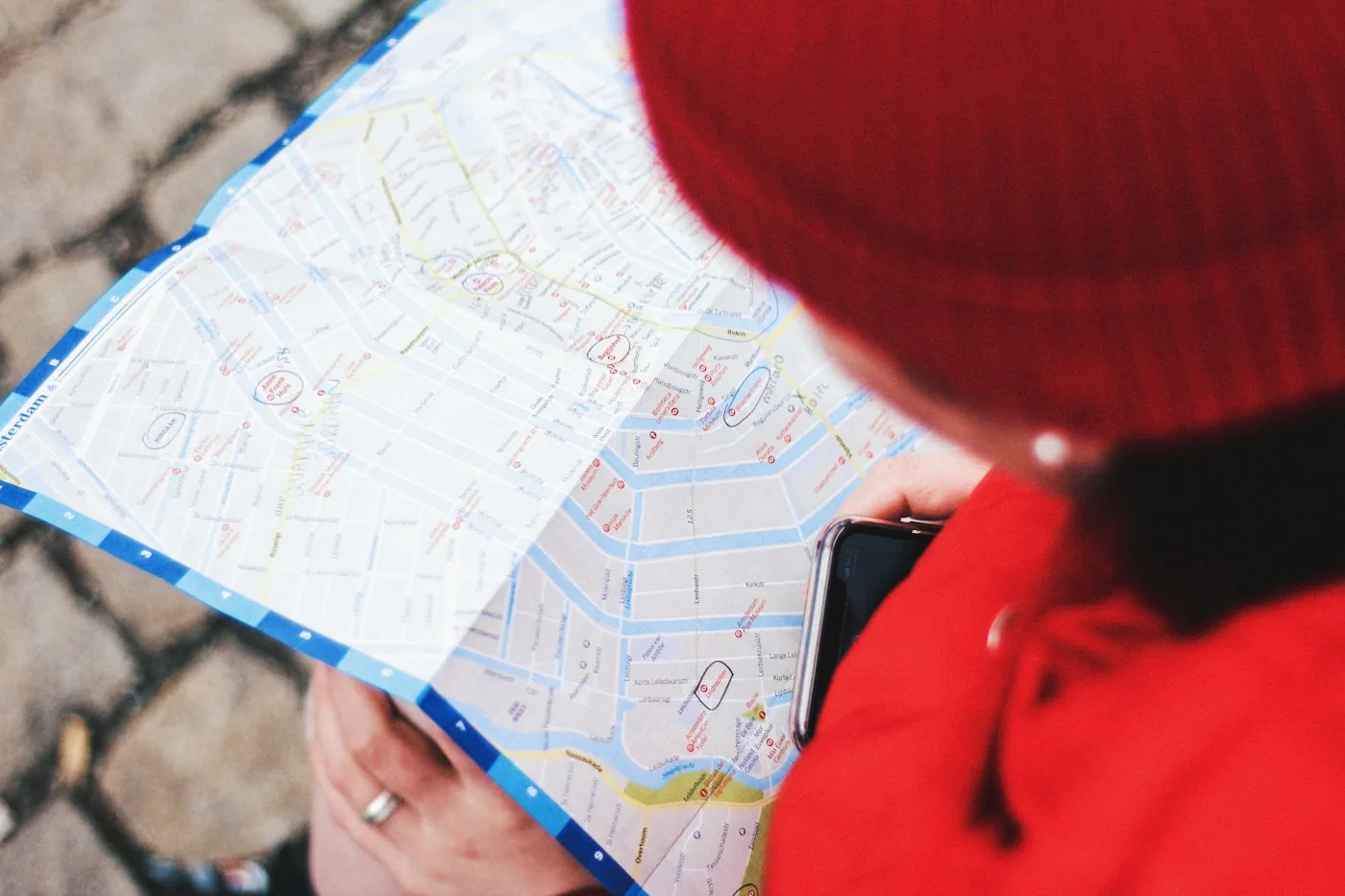
Your first city can make or break the experience. Pick well and you build momentum. A good first city has:
- Established nomad community (Lisbon, Mexico City, Chiang Mai, Bali, Medellin, Tbilisi)
- Solid wifi and coworking infrastructure
- Visa requirements you actually meet
- Cost of living that fits your runway
- Some shared language or strong English in the daily flow
- Reasonable safety
For first timers, our top three picks are Lisbon (easy logistics, strong community, English friendly), Chiang Mai (cheap, friendly, great wifi) and Mexico City (good food, walkable, strong coworking). All three have written city guides on the site.
Check whether you are allowed to work there. A tourist stay is usually not a work permit. UK government travel advice says tourists in Mexico cannot do any type of paid or voluntary work, and that since 1 March 2026 working in Georgia, including remotely, needs a work permit (read 5 October 2026; details in our Mexico City guide and Tbilisi guide). The Law of Georgia on Labour Migration (Article 1, paragraph 4, point k, matsne.gov.ge) lists an exception for work for a non-resident party that relates to activities outside Georgia, so check with the Georgian authorities before you rely on it. Rules differ per country and passport, so read the official entry page for each place you plan to work from, and see our digital nomad visa guide.

Step 4: Sort The Money Stack
Before you fly, get the money stack in place:
- One home country bank account (keep your existing one)
- One multi currency account (Wise, Revolut or N26)
- One credit card with zero foreign transaction fees
- A backup debit card stored separately from the main wallet
- If applicable, a Deel or similar payment platform for getting paid by foreign clients

Revolut
Tell your home bank you are traveling so they do not freeze cards on the first foreign transaction. Set up two factor authentication on everything (banking, email, payment platforms).
For more on this, see Wise vs Revolut vs N26.
Step 5: Insurance Before The First Flight
This one is non negotiable. Travel health insurance covers medical emergencies, evacuation, lost luggage, gear theft and flight trouble. The two most popular options for nomads:
- SafetyWing: monthly subscription, the Essential plan starts at about 63 USD per 4 weeks for ages 18 to 39 (Sept 2026), popular with younger nomads
- World Nomads: a well known alternative; compare its adventure sports and gear cover with your plans before you buy

SafetyWing
Book the insurance the same day you book your first flight, so you are covered from day one.
Read what the plan covers before you pay. SafetyWing's own page (5 October 2026) lists a US$250,000 overall medical limit, says cover in your home country is limited to 30 days at most, and says the plan does not cover pre-existing conditions, maternity care or cancer treatment.
If you are staying abroad for longer, HelloSafe has an Expat option when you compare plans. It is an independent comparison of 40+ insurers, and the certificate is instant once you pick a plan.

HelloSafe
Step 6: Pack Light
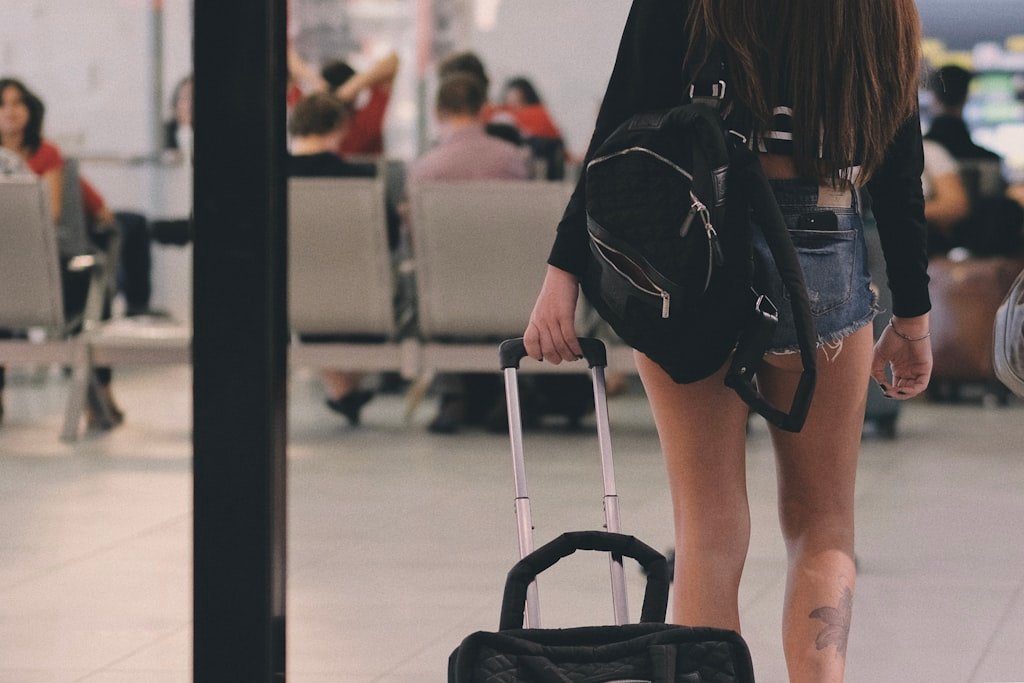
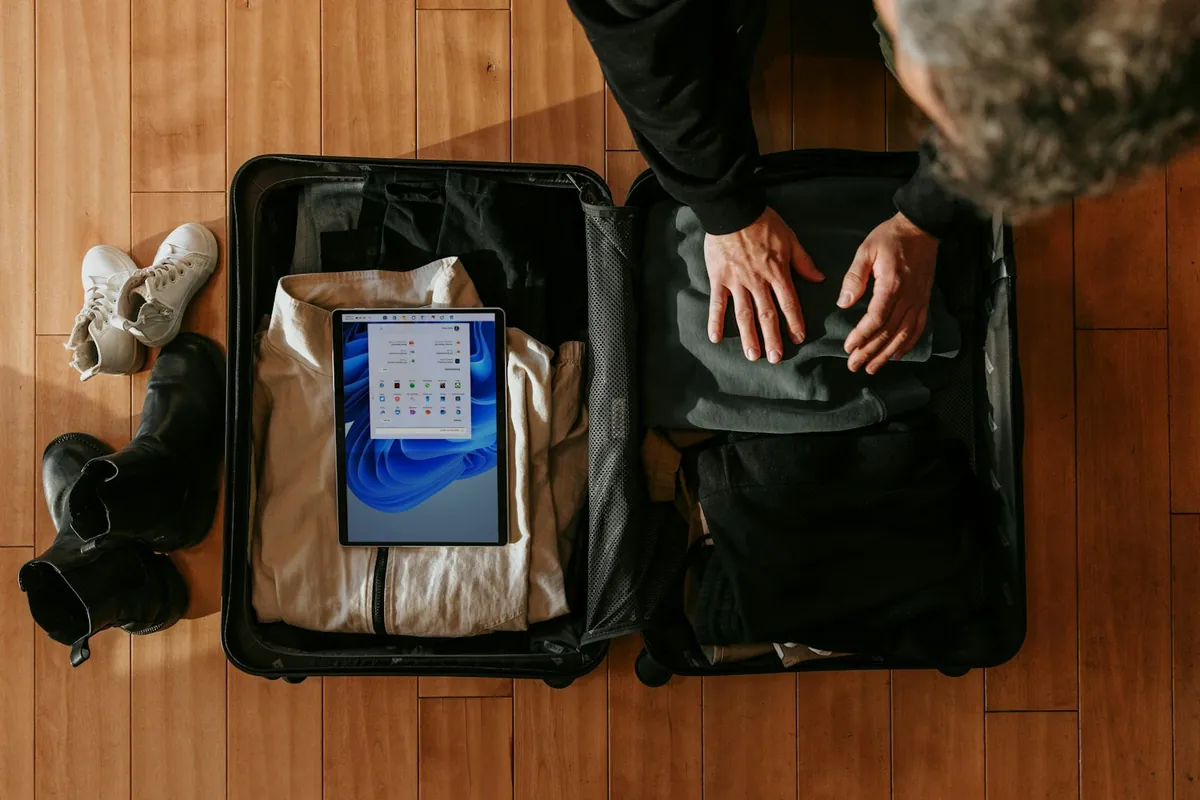
The carry on rule: if it does not fit in a carry on suitcase plus a backpack, it stays home. After your first trip you will thank yourself. The list that works:
- Laptop, phone, portable monitor, accessories (in a 20 to 30 liter backpack)
- Clothing for 7 days (you do laundry weekly anyway)
- One pair of versatile shoes (sneakers that look acceptable in restaurants)
- One pair of sandals or slip ons
- Universal adapter, power bank, portable charger
- Toiletries in 100ml containers in a clear bag
- Passport, backup ID, vaccination card
- Microfiber towel, packing cubes, reusable water bottle
That is the whole list. Anything else you can buy locally for less than the cost of overweight luggage fees.
Step 7: Set Up Your Mail And Address
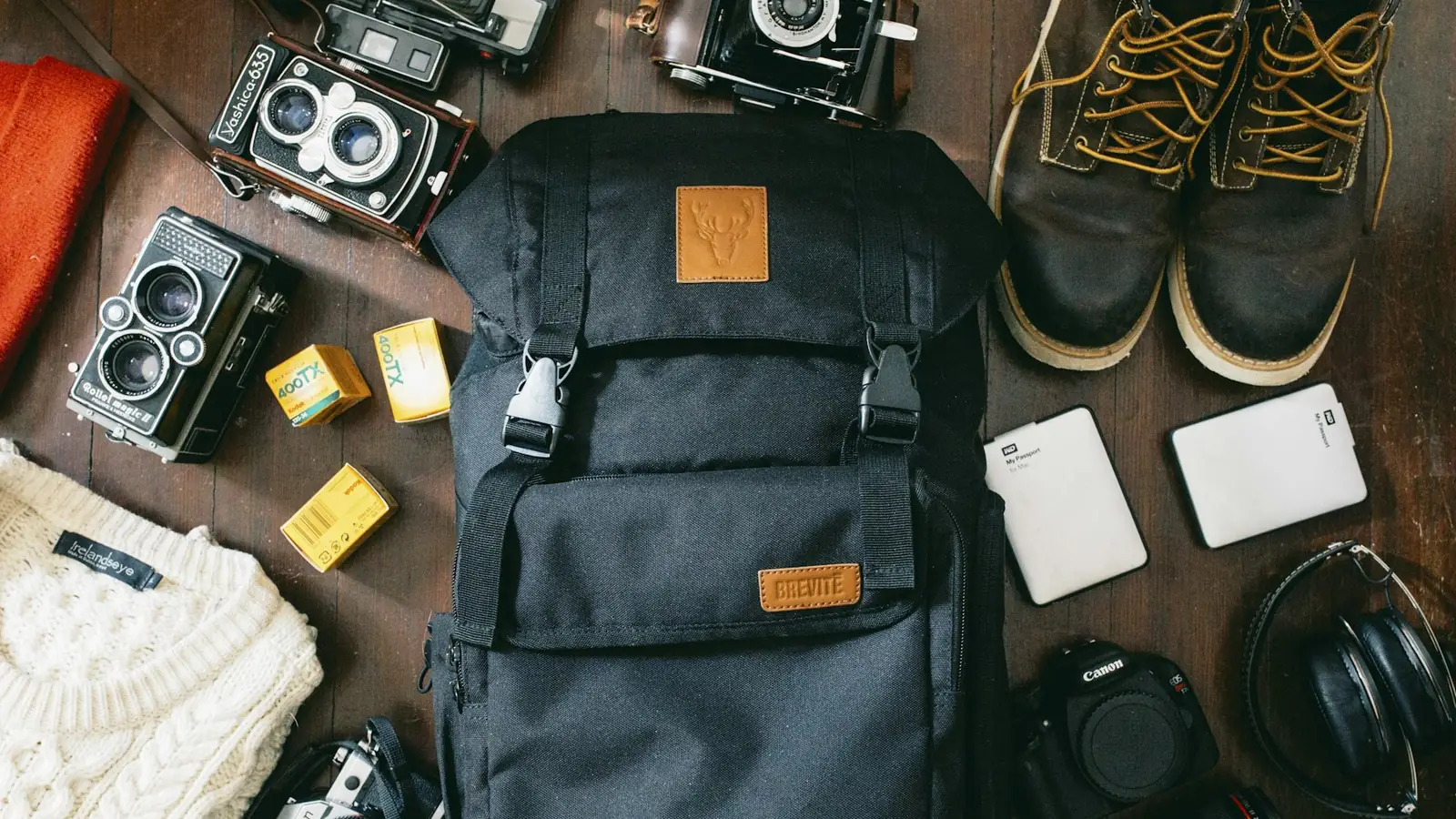
The boring step nobody mentions. You still need an address for legal reasons (bank statements, tax filings, ID renewal). The options:
- Family member: cheapest and easiest if you have a willing one
- Virtual mailbox service: services like Anytime Mailbox, Traveling Mailbox or LegalZoom's virtual mail (formerly Earth Class Mail) scan your mail and email you the contents. Anytime Mailbox lists plans from about 10 USD a month, LegalZoom's virtual mail from 39 USD a month (Sept 2026)
- Mail forwarding from your last address: works for the first few months but not long term
Sort it before your first long trip. Coming home to a missed tax notice is a bad day.
Step 8: Book A 30 Day Test Trip First
Do not sell everything and leave for a year. Book a 30 day test trip to the city you picked in step 3, alone or with a partner who is testing it too. What you are testing:
- Can you still do your work productively from the road?
- Does the lifestyle suit you emotionally? (loneliness, missing home, novelty fatigue)
- Does your money math actually hold up?
- What gear did you bring that you did not need?
- What did you wish you had brought?
Come back home, debrief, fix what was broken, then book a longer trip. Skipping this step is one of the easiest ways to end up quitting early.
From the road
My own start was the opposite of a step by step plan. I flew to Aruba with 100 euros because a friend was getting married, and within five minutes on the island I had a beach bar job, a room and a borrowed jeep. I did not go back.
That is how it went for me. For most people the steps above are the safer way: start small.
Common Mistakes
Leaving before income is stable. Three months of savings and a hope usually ends with a discouraged trip home. Lock the income in first.
Moving too fast. Five cities in two months is exhausting. Stay at least 30 days per city for your first six months and build routines.
Comparing yourself to Instagram nomads. The perfect feeds often hide outside money, much harder work than they show, or quiet misery. Build your own version.
What The First 90 Days Actually Look Like
Week one you are buzzing. Week three brings a kind of jet lag of the soul. Week five you find your rhythm. Week eight you wonder whether to go home. By week twelve most people decide to keep going, with a clearer idea of how.
Knowing this helps. The first 30 days are the adjustment, not the lifestyle. Real nomad life starts around month two or three, when the novelty fades and routines kick in.
What Comes After The First Trip
If the test trip works, the next steps:
- Decide on tax residence: most nomads either stay tax resident in their home country or move to a country with friendlier nomad tax rules
- Look at digital nomad visas: dozens of countries now offer them, see our visa guide
- Build a stable rotation: many long term nomads settle into 2 to 4 cities they cycle through, not constant new places
- Invest in community: coliving, Nomads.com (formerly Nomad List), conferences, your favorite cafe
- Plan for the long term: insurance for chronic care, savings rate, retirement
Before you go
The two things to sort before your first flight: insurance and a money setup that works abroad.
Final Take
Becoming a digital nomad in 2026 is more accessible than ever. The cities are ready and the playbook is written. The hard part is doing the income work first, then taking your test trip seriously. Follow these eight steps and you can be on that first 30 day trip within 4 to 9 months.
For the rest of the system, our complete setup guide covers what to bring, our cost of living comparison covers where to go, and our make money guide covers the income side.
Related reading: How to Build Passive Income as a Digital Nomad (Real Methods 2026).

Still have questions? Our FAQ answers the most common ones.
FAQ
How long does it take to become a digital nomad?
4 to 9 months from decision to first trip if starting from a non remote office job. 4 to 8 weeks if you are already working remotely. The variable is how prepared your income, savings and logistics are.
How much money do I need to start?
Six months of expected expenses saved, plus 1500 to 3000 USD for gear, plus your first month of travel costs (usually 1500 to 2500 USD depending on destination).
What is the easiest country to start as a digital nomad?
Portugal (Lisbon), Mexico (Mexico City), Thailand (Chiang Mai), Indonesia (Bali) and Georgia (Tbilisi) are the easiest first stops. Strong infrastructure and established communities. Visa-free or tourist stays range from 30 days (Bali visa on arrival, extendable) to a full year (Georgia, for many passports), so check the rules for your passport.
Do I need a digital nomad visa?
Not for the first few short trips on a tourist visa. If you plan to stay longer than 90 days or want legal tax residence in a country, look at digital nomad visas. Dozens of countries now offer them.
Can I be a digital nomad without a tech job?
Yes. Writers, marketers, coaches, consultants, designers, video editors, virtual assistants, online teachers, course creators and many others nomad full time. The job needs to be remote, not tech.
Do I need a visa to work remotely as a digital nomad?
Not usually. UK government travel advice says tourists in Mexico cannot do paid work, and that Georgia has needed a work permit for remote work since 1 March 2026. The Law of Georgia on Labour Migration (Article 1, paragraph 4, point k, matsne.gov.ge) lists an exception for work for a non-resident party that relates to activities outside Georgia, so check with the Georgian authorities before you rely on it.
Updated:
Affiliate disclosure. This post contains affiliate links. If you click and buy something, this site earns a small commission at no extra cost to you. Picks are based on published specs, independent reviews and manufacturer information, and we only recommend what we would use ourselves. As an Amazon Associate I earn from qualifying purchases. Read the full affiliate disclosure.





One Comment