Mexico Digital Nomad Guide: Best Cities, Costs, Visa (2026)
As an Amazon Associate I earn from qualifying purchases. Some links on this page earn us a small commission, at no extra cost to you. Full disclosure.
You want a winter base where your 9 to 5 still happens in daylight, flights home are short, and the food is worth the trip. Mexico checks those boxes, but the right city and the right months make all the difference. This Mexico digital nomad guide helps you pick both.
If you're planning a Mexico digital nomad trip before you book flights, here's the short version: Mexico works best from November to April, when the weather is dry and mild across most of the country. It's become one of the easiest warm-winter escapes for North American remote workers, thanks to short flights and time zones that barely shift from US and Canadian business hours. But the popularity has a cost, literally, and this guide covers that honestly along with the visa rules, city choices, and safety picture.
Quick answer
Go between November and April, pick your base on purpose (Mexico City, Playa del Carmen and Tulum, Oaxaca and Merida each feel very different), and know that most nomads enter on the FMM tourist permit. Safety depends on the region, not the country. Visa figures checked on 5 October 2026.
Sort these before you fly



Why Mexico works for remote work
For anyone based in the US or Canada, Mexico solves a problem Southeast Asia or Europe can't: you can work a normal 9-to-5 without staying up until 3am for meetings. Flights from most major US hubs run 2 to 5 hours. Time zones overlap almost entirely with US Central and Mountain time (Mexico City), or Eastern time (Cancun, Playa del Carmen, Tulum). If your clients or team are in Europe or Asia, that advantage disappears.
Best time to visit: the dry season window
Roughly November through April is Mexico's dry season across the central highlands, the Yucatan, and the Pacific coast, sunny days, low humidity, comfortable evenings, but also peak tourist and nomad crowds and higher accommodation prices, especially December to February. The rainy season (May to October) brings afternoon downpours and, on the Caribbean coast, hurricane risk from June to November.
Day of the Dead (October 31 to November 2) sits right at the edge of the dry season and is genuinely worth timing a trip around, especially in Oaxaca and Mexico City. Book accommodation months ahead if you want to be in Oaxaca for it.
Choosing a base: four very different Mexicos
| City | Vibe | Monthly budget (1 person, mid-range) | Best for |
|---|---|---|---|
| Mexico City | Big, cosmopolitan, real city with real problems | $1,400-2,200 | Long stays, culture, food, career networking |
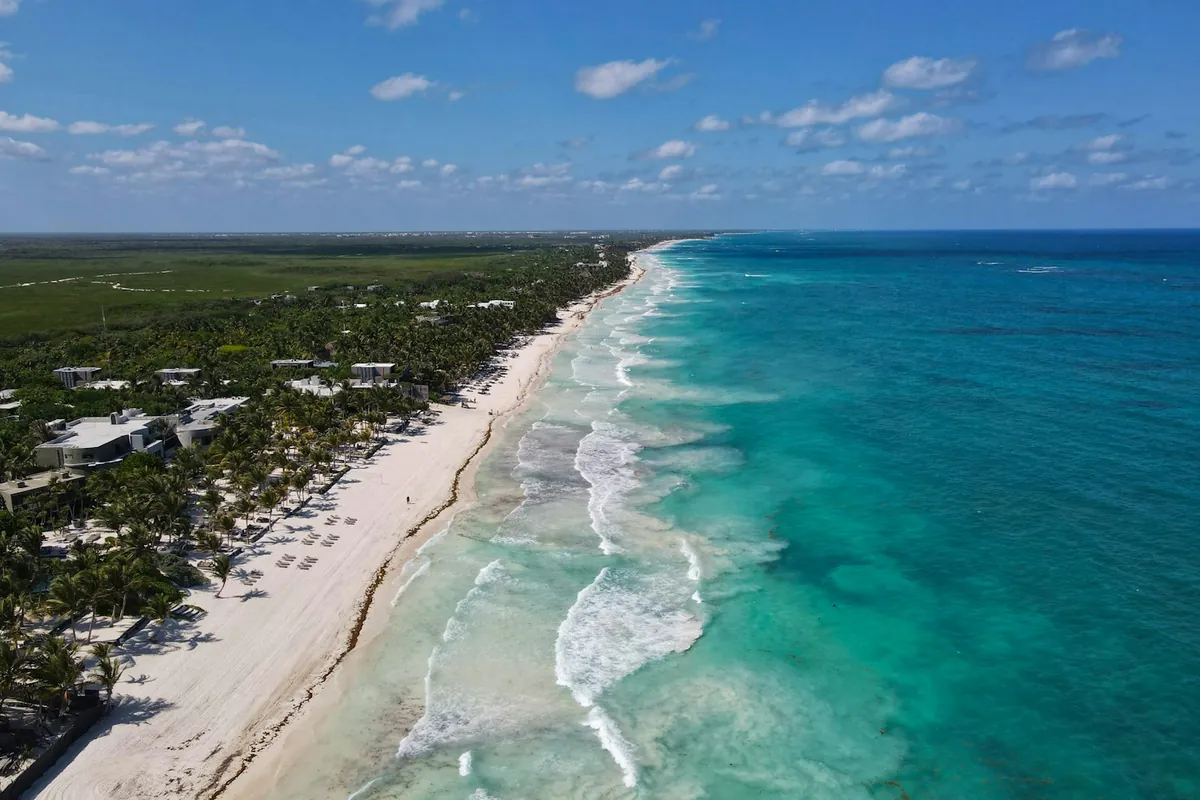
| Playa del Carmen / Tulum | Beach, nomad-heavy, party-adjacent | $1,600-2,800 | Short stays, beach lifestyle, community events |
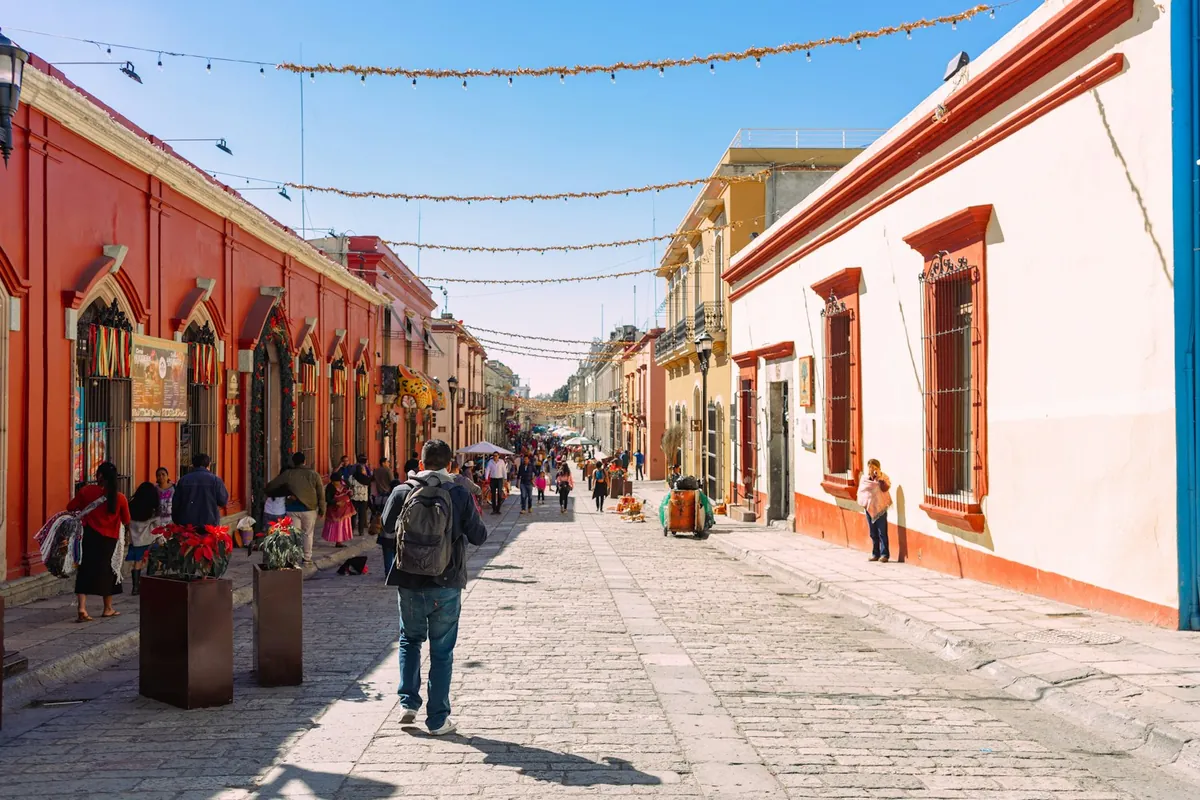
| Oaxaca | Slower, artisan culture, food scene | $1,000-1,600 | First-timers, culture without the CDMX pace |
| Merida | Calm, safe, colonial, hot | $900-1,400 | Longer-term settling, families, heat-tolerant nomads |
Mexico City is the honest pick for anyone who wants a functioning city: good hospitals, real public transport, a huge food scene. The trade-off is traffic, altitude adjustment, and air quality that isn't great on bad days.
Playa del Carmen and Tulum get the Instagram version of Mexico, but are the most saturated with short-term nomads and tourists, and Tulum specifically has had recurring water and power infrastructure issues.
Adding a water sport to a beach base? See our guides to the best surf spots for digital nomads and the best kitesurfing spots for digital nomads.
Oaxaca is smaller and slower with one of the best food scenes in the country, but has less consistent digital infrastructure than Mexico City.
Merida is consistently rated one of the safest cities in Mexico, but it's genuinely hot and humid most of the year with a thinner nomad nightlife and social scene.
Cost of living: cheaper than the US, but not what it was
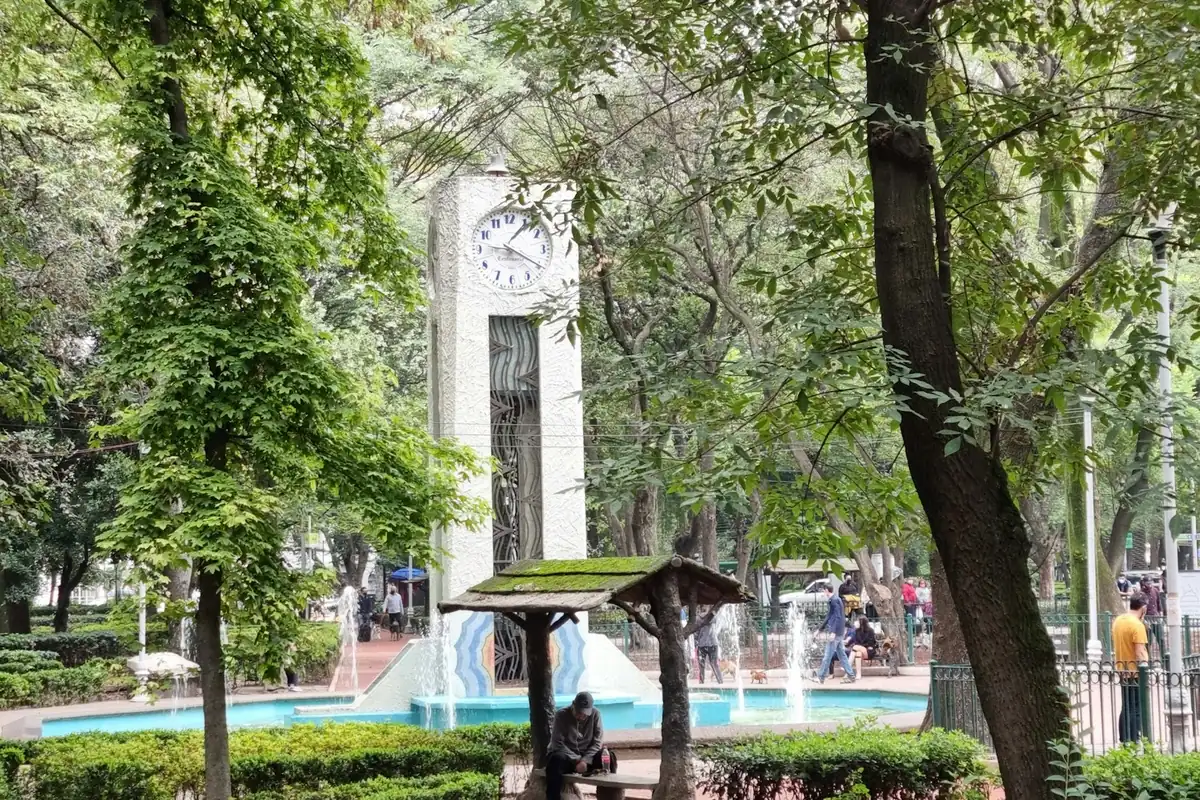
Roma Norte and Condesa in Mexico City, and the Tulum town/beach corridor, have seen rents climb noticeably as short-term rental demand pushed out longer-term local renters, documented by local and international press as a real driver of displacement. Outside those pockets, Mexico City and most of the rest of the country remain considerably cheaper. If budget is a priority, look at neighborhoods slightly outside the obvious nomad clusters, or consider Oaxaca or Merida.
The gentrification issue: an honest look
In July 2025, protests against gentrification and mass tourism took place in Mexico City, targeting the concentration of foreign remote workers and tourists in Roma Norte and Condesa. Mexico's president called the framing of the protests as anti-foreigner xenophobic, while activists argued the core issue is a genuine housing affordability crisis accelerated by short-term rental demand and rising rents.
What this means practically: don't expect a uniformly warm welcome in Roma Norte or Condesa the way you might have a few years ago. Learn some Spanish, don't broadcast wealth, support local businesses, and consider that a less saturated neighborhood or city also eases the specific pressure point everyone is talking about.
Visa and entry: what most nomads actually use
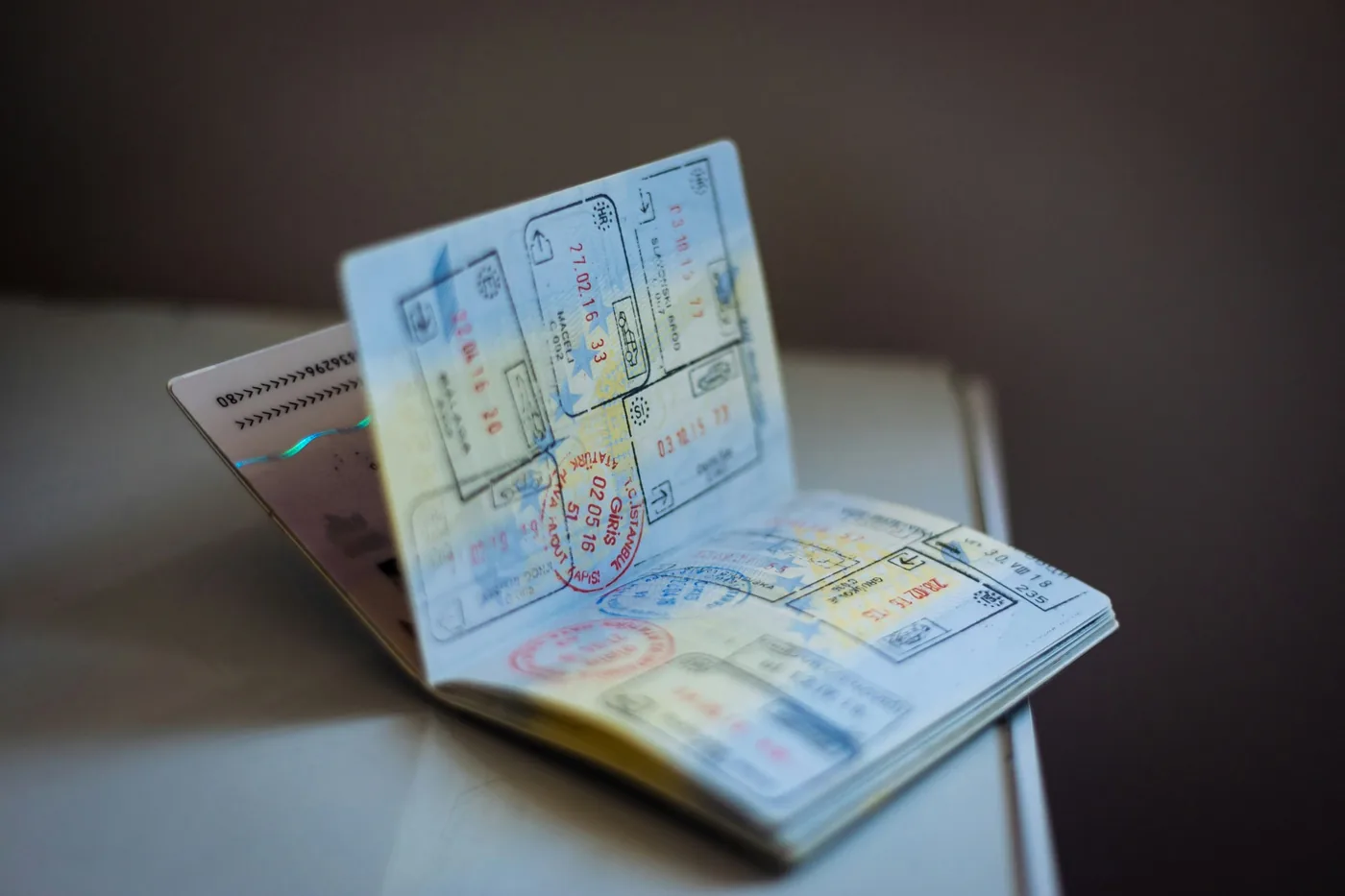
Most short-stay nomads enter on the FMM tourist permit, issued on arrival, which can allow a stay of up to 180 days depending on what the immigration officer grants (not automatic, shorter stamps of 30-90 days have been reported more often recently). This permit does not authorize working for a Mexican employer, remote work for a foreign employer while on it is a commonly cited gray area, not clearly regulated.
Mexico does not currently market a dedicated digital nomad visa. The closest formal option is the Temporary Resident Visa, applied for at a Mexican consulate in your home country, requiring proof of sufficient income or savings, granting one to four years but involving more paperwork and an in-person consulate appointment before you travel.
Checked on 5 October 2026: the 2026 requirements of the Consulate General of Mexico in San Diego ask for original bank statements showing either a balance of at least 68,241 USD for each of the previous twelve months, or an income of at least 4,049 USD a month from employment or a pension for the previous six months. For employees, a signed letter from a supervisor on company letterhead must name the monthly salary and explicitly agree to your plan to live in Mexico and work remotely. The processing fee there is 56 USD, cash only, and the decision can take up to ten business days with no guarantee. Other consulates publish their own lists, so check the one you will use. Looking at another visa route? See our guides to the Medellin digital nomad guide and the Portugal D8 visa.
Visa in short
- Most short-stay nomads use the FMM tourist permit, up to 180 days, at the officer's discretion.
- There is no dedicated digital nomad visa.
- For longer stays, the Temporary Resident Visa is applied for at a Mexican consulate.
Safety: regional, not national
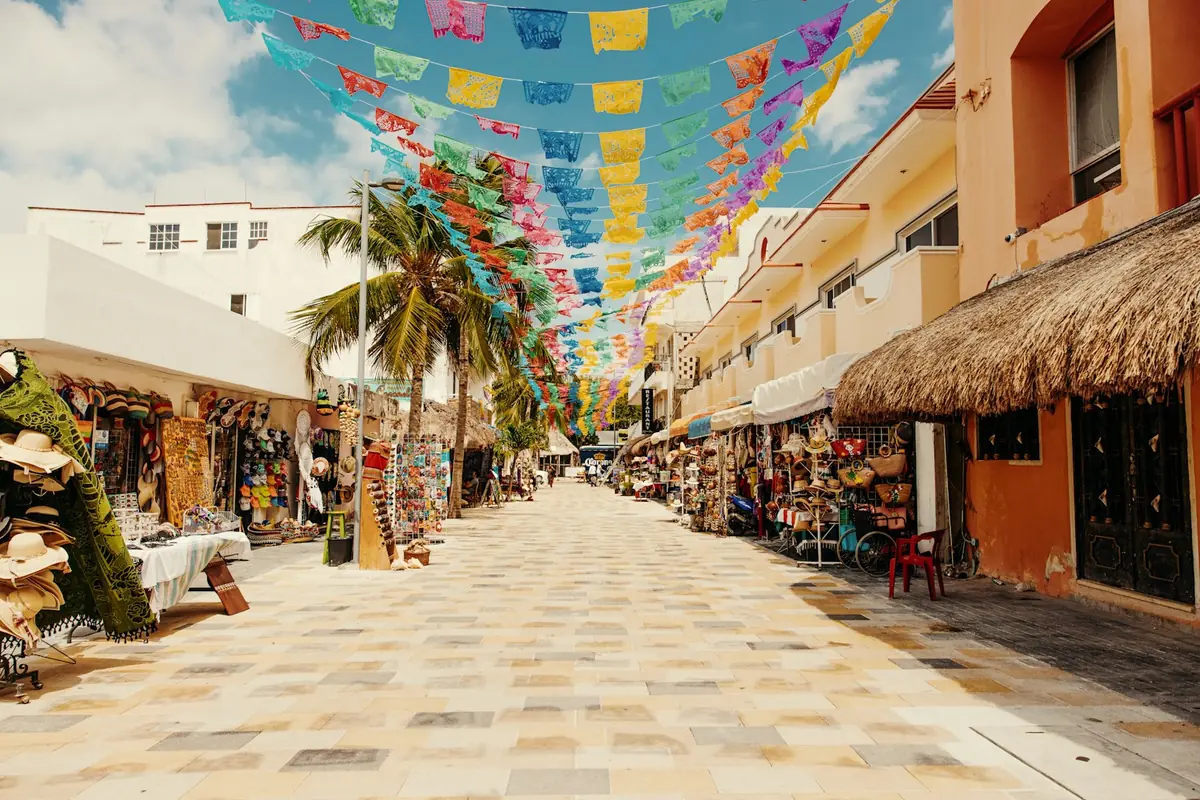
Mexico's safety situation varies enormously by region. Mexico City, Merida, Oaxaca city, and the main tourist corridors of the Riviera Maya are visited by millions of foreigners a year without incident. Certain states and border regions have genuine cartel-related violence risk and are worth researching specifically before travel. Standard precautions apply: use registered taxis or ride apps, be more careful late at night.
Internet and coworking
Mexico City, Playa del Carmen, and Tulum all have mature coworking scenes with fast fiber as the norm. Oaxaca and Merida have fewer options, and power outages or slower fiber rollout can be more common outside the biggest cities.
Power plugs: Mexico uses Type A and B sockets, the flat-pin plugs also used in the US, and a universal adapter such as the TESSAN 28W universal adapter covers other plug shapes on the same trip.
Practical tools
Travel/health insurance: SafetyWing or World Nomads. What could be better: coverage limits and exclusions vary a lot between plans, read the policy before you assume something is covered.
eSIM/data: Airalo for instant setup, no physical SIM needed. What could be better: speeds vary by region and aren't always as fast as a local SIM.
Banking/money transfer: Wise or Revolut for good exchange rates. What could be better: ATM fees and card acceptance still vary outside big cities.
Accommodation: Booking.com for wide selection and flexible cancellation. What could be better: budget listings in Roma Norte, Condesa, and Tulum book out fast in peak season.
Car rental: DiscoverCars, useful for cenotes and ruins outside the main cities. What could be better: insurance add-ons and deposit holds can be confusing, read the fine print.
Before you go
Sort these three things before you fly: health cover, data on landing and a card that does not eat your money in fees.
What could be better about nomading in Mexico
- Rising costs in the popular pockets, Roma Norte, Condesa, and Tulum are no longer the budget destinations they were.
- Local tension in the most saturated neighborhoods, the gentrification backlash is real.
- No clean visa path for long-term remote work, the 180-day FMM isn't guaranteed.
- Uneven internet outside the big cities.
- Safety varies more than the marketing suggests, "Mexico is safe" isn't accurate as a blanket statement.
- Heat and humidity in the Yucatan year-round.
None of this makes Mexico a bad choice, it remains one of the most practical warm-winter bases for North American remote workers.
Our remote work setup
The gear guides we compare for working from cafes, coliving rooms and rentals:
Before you fly, see how to set up an eSIM before you land and how travel insurance works for nomads.
FAQ
When is the best time to be a digital nomad in Mexico?
November to April, the dry season across most of the country. December to February is the busiest and priciest stretch. The Caribbean coast has hurricane risk from June to November.
Does Mexico have a digital nomad visa?
Not a dedicated one. Most short stay nomads enter on the FMM tourist permit, up to 180 days at the officer's discretion. The closest formal option is the Temporary Resident Visa, applied for at a Mexican consulate before you travel, for one to four years.
Which city in Mexico is best for digital nomads?
Mexico City for a real, functioning city with a huge food scene, Playa del Carmen and Tulum for the beach (and the most crowds), Oaxaca for food and a slower pace, and Merida for safety, if you can handle the heat.
Is Mexico safe for digital nomads?
It depends on the region. Mexico City, Merida, Oaxaca city and the main Riviera Maya corridors see millions of visitors without incident, while some states and border regions carry real risk. Use registered taxis or ride apps and take more care late at night.
Affiliate disclosure. This post contains affiliate links. If you click and buy something, this site earns a small commission at no extra cost to you. Picks are based on published specs, independent reviews and manufacturer information, and we only recommend what we would use ourselves. As an Amazon Associate I earn from qualifying purchases. Read the full affiliate disclosure. Amazon and the Amazon logo are trademarks of Amazon.com, Inc. or its affiliates.