Digital Nomad Guide to Phuket, Thailand (2026)
As an Amazon Associate I earn from qualifying purchases. Some links on this page earn us a small commission, at no extra cost to you. Full disclosure.
Quick answer
Phuket digital nomad guide in short: Phuket works for digital nomads who want the beach and good flight connections. Base yourself in Rawai and Nai Harn for the long-stay community, Phuket Town for lower costs or Bang Tao for comfort, budget roughly $800 to $1,500 a month outside high season, and leave vapes and IQOS at home.
Quick links




Yesim is another eSIM option, with plans for 170+ countries listed on its site. Arriving early or leaving late? Radical Storage lets you book luggage storage at partner locations in Phuket online. For things to do, KKday sells tours and tickets in Phuket.
Holafly is another eSIM option, with unlimited data plans under a fair use policy.
What makes Phuket different
Phuket is an island, not a city, and that changes everything about how you live there. Chiang Mai is walkable, cheap and built around a compact old town. Phuket is spread across beaches, headlands and a couple of real town centers, and you will need wheels to get almost anywhere. If you are coming from our Chiang Mai guide expecting the same setup, adjust your expectations now.
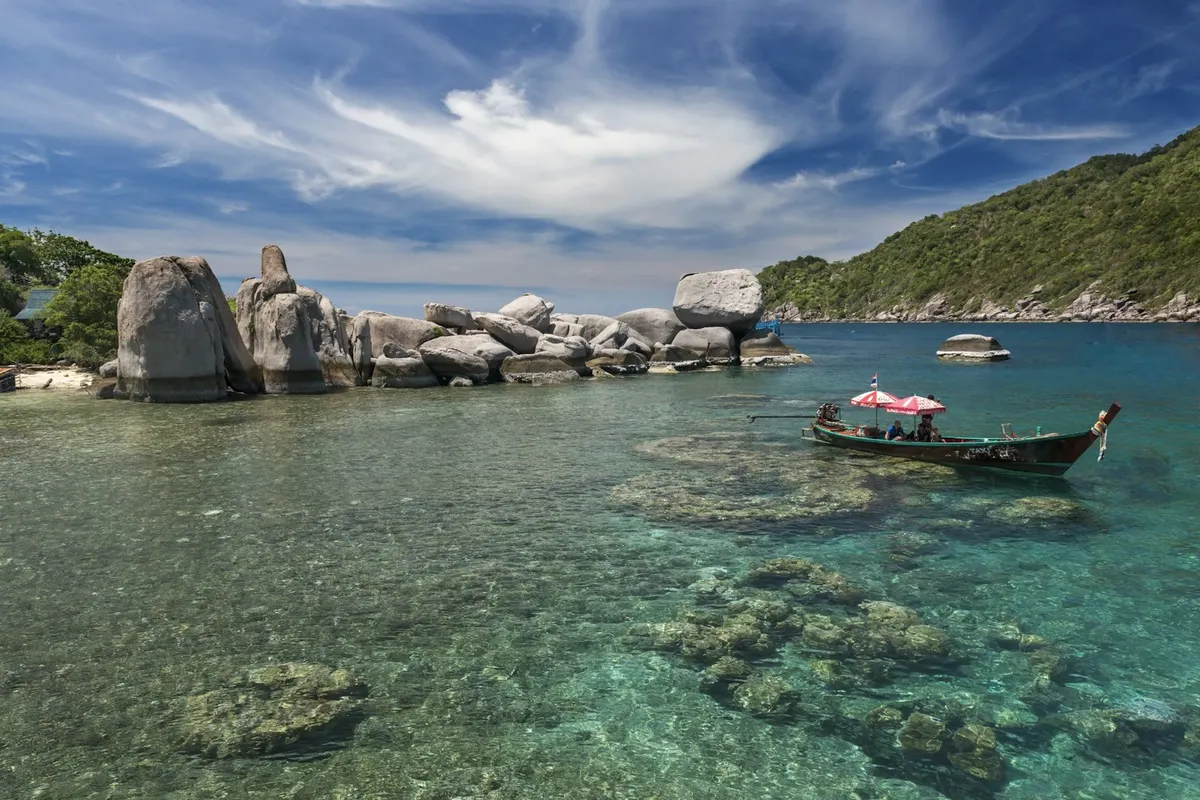
The honest trade-off: Phuket costs more than Chiang Mai on rent, food, transport and even coffee, and it is far more touristy, especially around Patong. In return you get the sea on your doorstep, an international airport (HKT) with direct flights across Asia and a growing list of European routes, and a nomad scene that has grown a lot, mostly in the north and south of the island.
Want quiet, cheap and local? Chiang Mai still wins. Want the beach and better flights, and fine paying for it? Phuket earns its spot. For visas, costs and timing across the country, see our Thailand digital nomad guide.
Best areas for nomads
Phuket Town
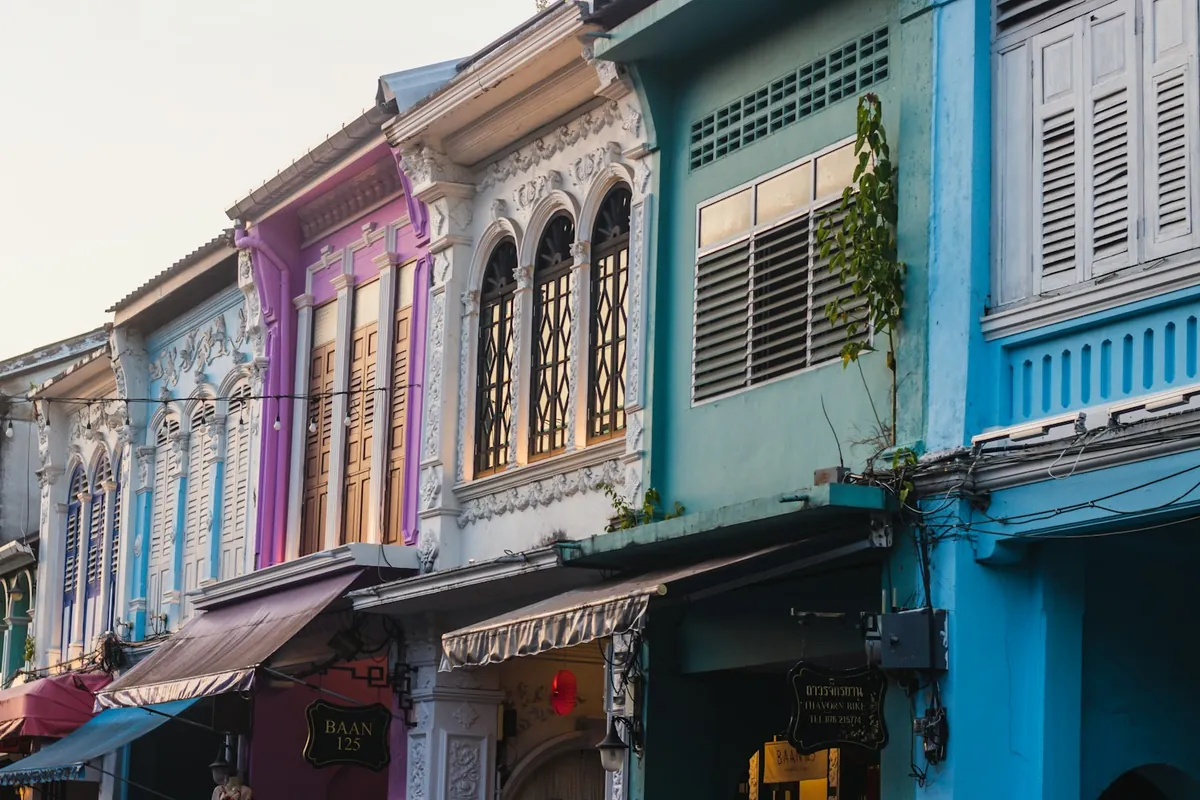
The old center and the cheapest base: Sino-Portuguese shophouses, real local food, a growing cafe scene and a few coworking friendly spots. The catch is no beach. The coast is a 20 to 40 minute scooter ride, with bad weekend traffic.
Rawai and Nai Harn
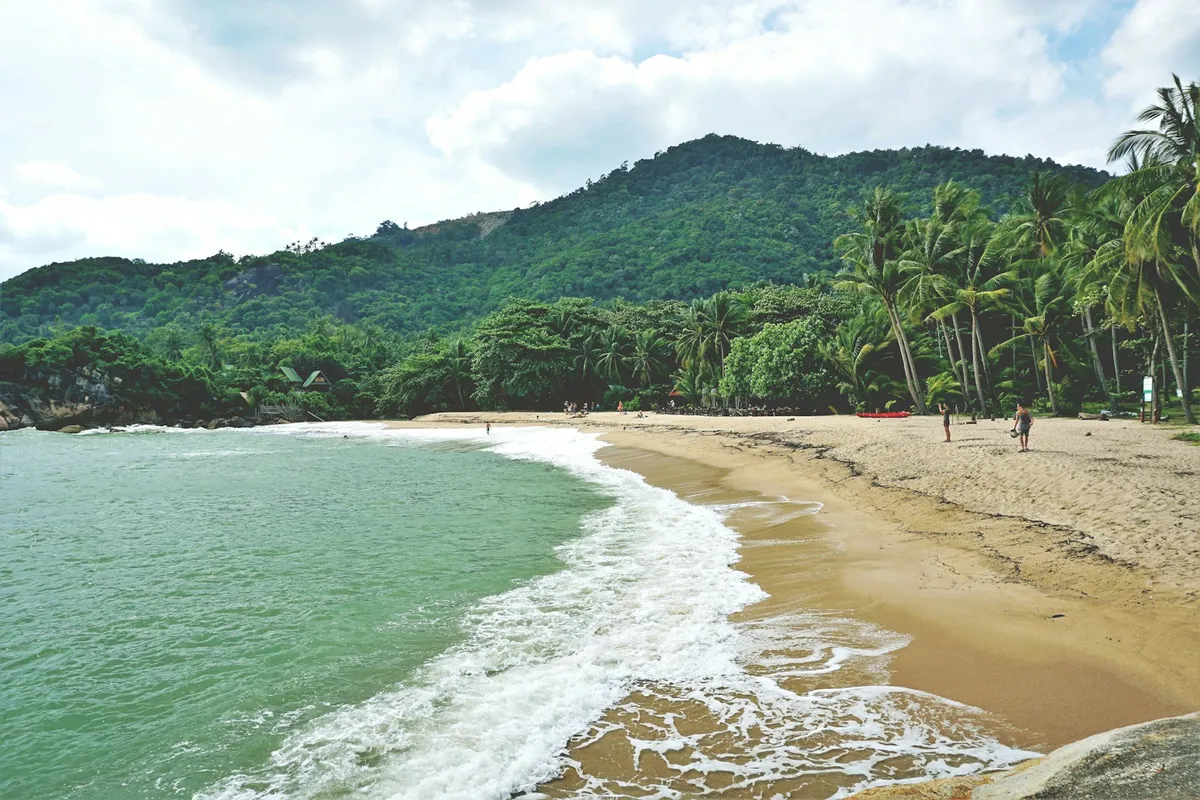
The south end, and probably the favorite of long-term nomads and expats. Rawai has a strong long-stay community, a fishing village feel in parts, and easy access to Nai Harn, one of the nicer and calmer beaches. It is quiet, which some love and others find isolating: little nightlife, early closing restaurants and a lot of scooter time.
Bang Tao and Laguna
The polished north-west coast: beach clubs, higher-end condos and coworking spaces with a pool and good coffee near the beach. It is also the most expensive area on this list and can feel like a resort bubble. Great for a comfortable few months, less so on a budget.
Chalong
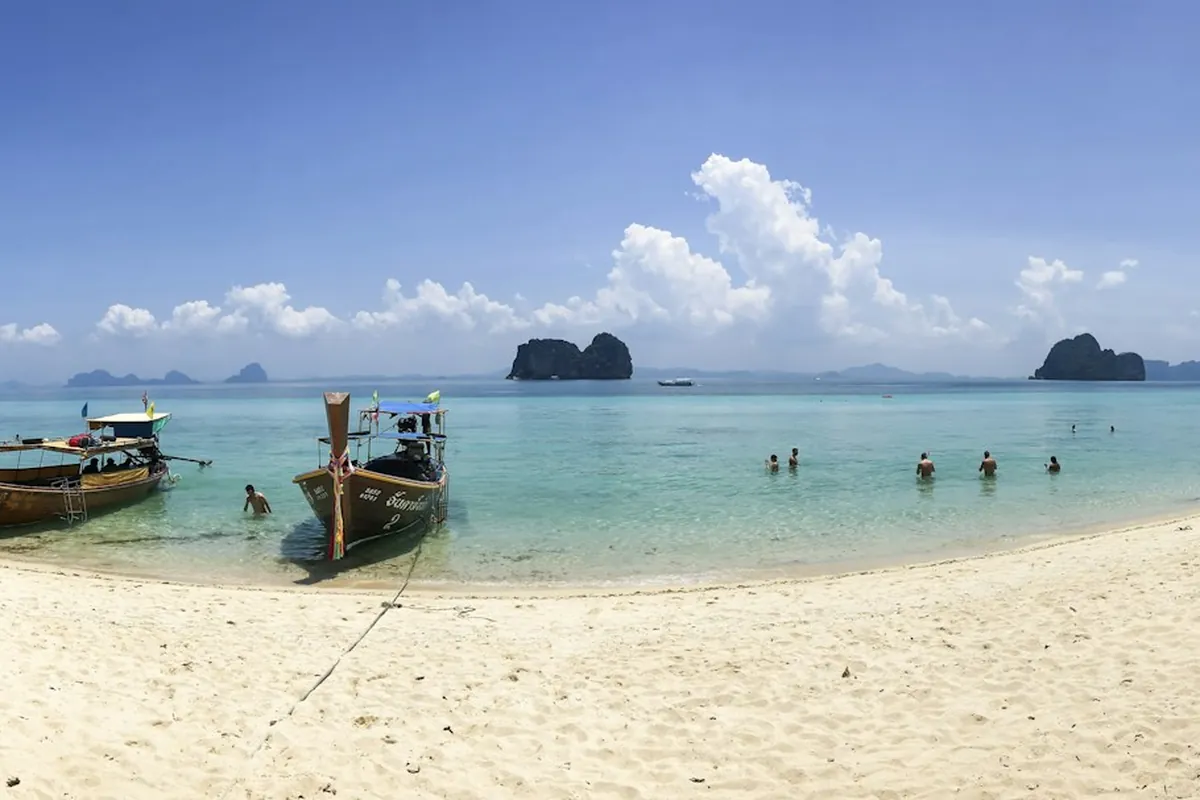
Not glamorous, but practical for long stays. Chalong sits centrally, with mechanics, gyms, hospitals, international schools nearby and a big marina, and rent is more reasonable than on the beach. You will drive everywhere, and it feels suburban rather than like a nomad hub.
Looking for a Muay Thai gym? See our guide to boxing while traveling.
Want to try a water sport too? See our guide to the best surf spots for digital nomads.
Power plugs: Thailand uses Type A, B, C and O sockets, so one universal adapter such as the TESSAN 28W universal adapter is the simplest way to cover them.
Internet and the setup you need
Fiber is widely available in condos and serviced apartments, and 100 to 500 Mbps is common in newer buildings in Bang Tao, Rawai and Phuket Town. Ask your landlord about the provider and speed before booking, since older buildings can be slower. Coworking spaces sit mainly around Bang Tao and Phuket Town; check recent reviews before buying a membership.
For your first days, or as backup at the beach, an eSIM is the easiest fix: install it before you fly and you are online when you land at HKT. We recommend Airalo for this; our Airalo eSIM review has the details on coverage and pricing.

Airalo
Big warning: read this before you pack
Phuket is one of the most touristed places in Thailand, so airport and roadside checks happen more often than in quieter cities. Read this before you pack.
On Phuket, spot checks happen more around Patong and near the airport. A vendor selling vapes openly near Bangla Road does not make it legal, and you are the one who takes the risk if you are stopped.
Before you pack
- Vapes and IQOS are illegal in Thailand, even though you see them everywhere.
- Heated tobacco sticks are treated the same as vapes.
- Spot checks happen more around Patong and the airport.
Getting around
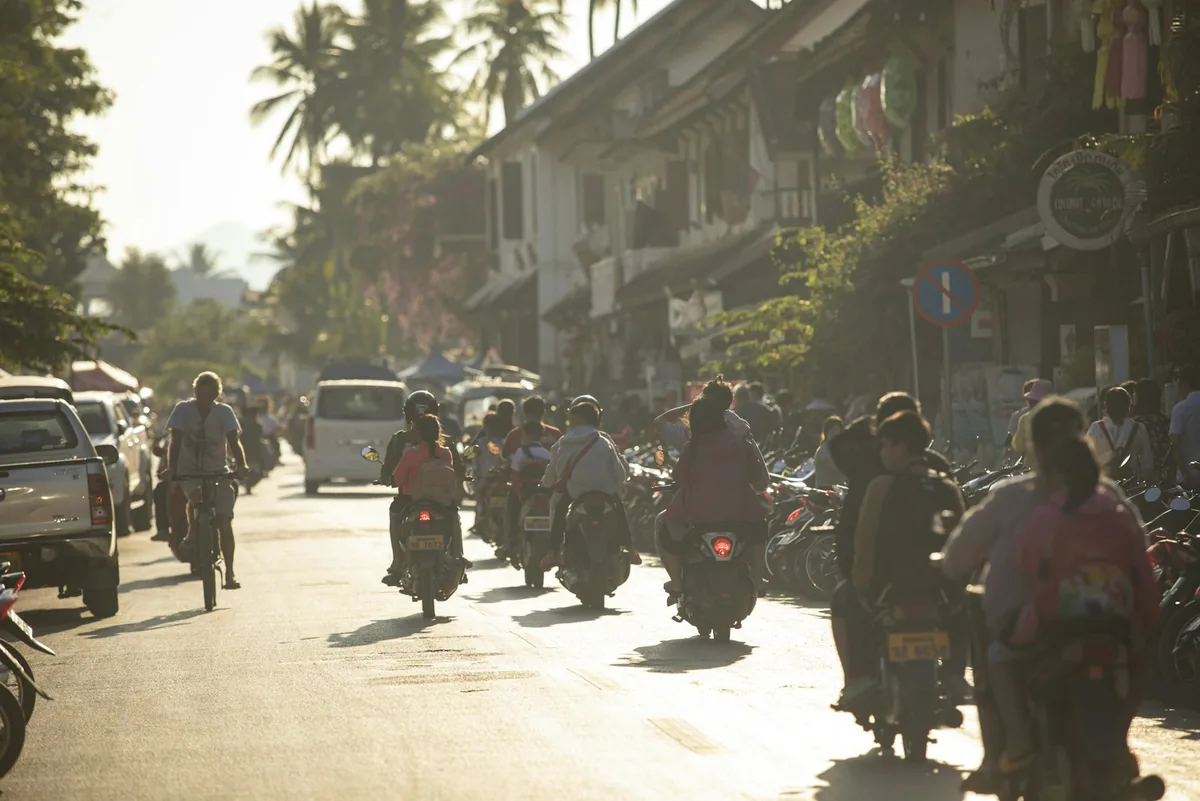
A rented scooter is the default way to get around, and there is no real way around it if you live outside one small area. It is also where people get hurt: Thailand has one of the higher road fatality rates in the world, many of them motorbike accidents involving tourists.
If you rent one, wear a helmet every time and carry a valid motorcycle license, ideally with an International Driving Permit. Without it, your travel insurance can refuse to pay after an accident and police can fine you on the spot. Rental shops rarely check, which is why so many people skip it.
Traveling with family or would rather not ride? A rental car is more predictable, especially outside the town centers. DiscoverCars is a handy way to compare providers and prices on the island, since rates vary a lot by season.
Before you book, read our DiscoverCars reviews and rental guide for the deposit and insurance details.

DiscoverCars
Cost of living
Phuket costs more than Chiang Mai in nearly every category, and the gap widens in high season (roughly November to February). Rough monthly ranges to plan with:
| Category | Low season estimate | High season estimate |
|---|---|---|
| Studio or 1BR condo | Expect roughly $400 to $700/month depending on area | Expect roughly $600 to $1,100/month depending on area |
| Food (mix of local and Western) | Expect roughly $300 to $500/month | Expect roughly $350 to $550/month |
| Scooter rental | Expect roughly $60 to $100/month | Expect roughly $70 to $120/month |
| Coworking or cafe work sessions | Expect roughly $50 to $150/month | Expect roughly $50 to $150/month |
For a fuller comparison across other nomad destinations, our cost of living guide for 20 nomad cities puts Phuket next to Chiang Mai, Bali and others side by side. Bang Tao and Laguna sit toward the top of these ranges or above them, Phuket Town and Chalong tend to sit toward the bottom.
Health, safety and insurance
Phuket is safe day to day, with two real risks. Scooter accidents are the most likely way a nomad ends up in hospital. And box jellyfish turn up on some beaches, especially around the rainy season; watch the warning flags and get medical help right away if you are stung.
None of this should keep you out of the water, just take normal precautions. Private hospitals like Bangkok Hospital Phuket are good but not cheap out of pocket, which is exactly what travel insurance is for. SafetyWing is a common pick for ongoing nomad cover: it includes emergencies and evacuation and runs month to month.

SafetyWing
Visas in 2026
The Destination Thailand Visa (DTV) has been the main option for remote workers since 2024: valid for five years, up to 180 days per entry, with one extension possible inside the country. Fees and documents change without much notice, so treat this as a starting point.
For the current process, requirements and alternative visa routes, check our full digital nomad visa guide before you apply, and confirm details with the nearest Thai embassy or consulate since requirements can differ slightly by location.
Checked on 5 October 2026: the Royal Thai Embassy in Budapest lists the DTV with at least 500,000 THB in financial assets and says it does not give you a Thai work permit. Since 31 August 2026 applicants must also submit proof of permanent residence and a criminal record certificate, according to the Royal Thai Embassy in Moscow. More in our Thailand digital nomad guide.
Rainy season reality
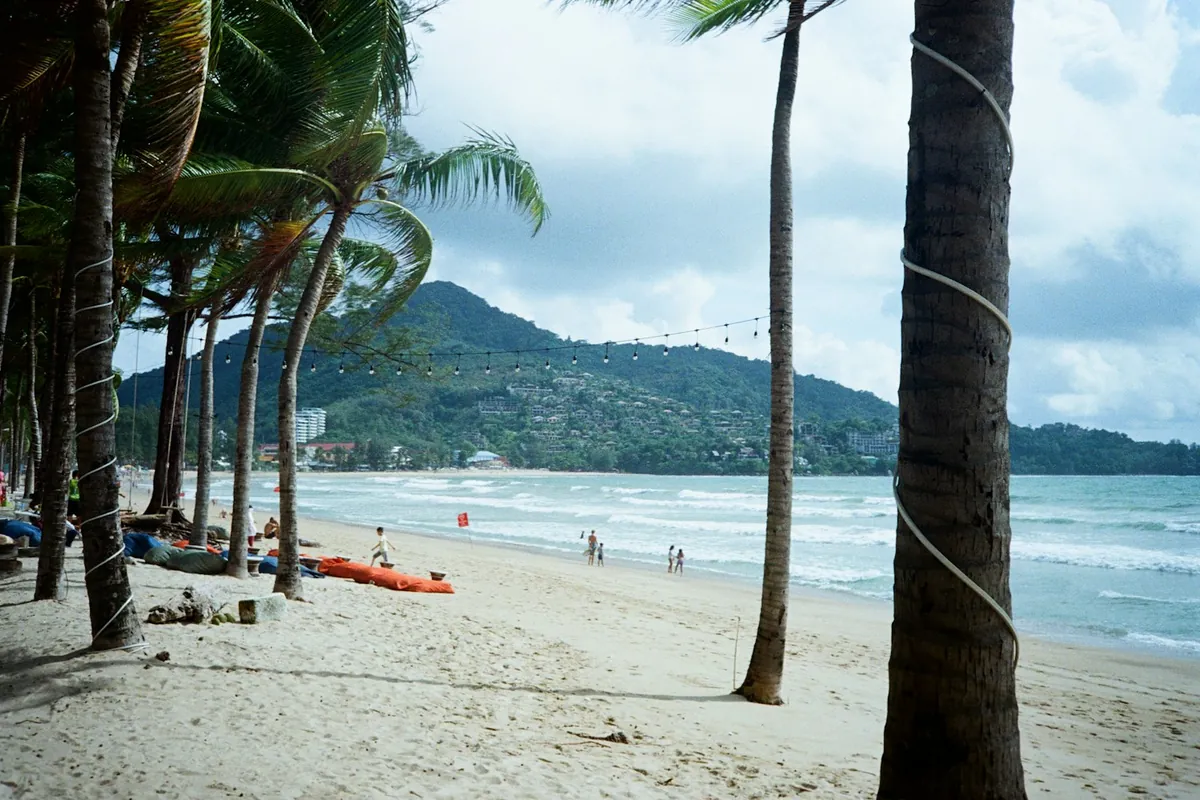
The rainy season runs roughly May to October: usually short, intense afternoon or evening downpours rather than gray days, brief flooding on low roads, and rough seas on the west coast beaches (Patong, Kata, Karon) with red flags on some days. On the upside, prices drop and crowds thin out, so it is a perfectly good and cheaper time to be based here.
Do's and don'ts in Phuket
Thailand runs on rules that most travelers have never met anywhere else: a monarchy protected by one of the strictest defamation laws in the world, a cannabis market that flipped from open to medical only in a single year, and beach rules that get ignored right up until someone drowns. None of this is here to scare you, it is here to stop you from repeating mistakes other tourists already made.
Do
- Respect red flags on the beach. Phuket sees tourist drownings every year, many from rip currents on beaches where the red flag was already flying.
- Carry your original passport (or a certified copy) at all times. Thai law requires it, and tourists have been fined for not being able to show one.
- Photograph a rental jet ski from every angle before you take it out, and only book through a licensed operator. The "damage deposit" claim is one of the most common tourist scams on the island.
- If you want cannabis, get a prescription from a licensed clinic first. It takes about 30 minutes with just your passport.
- Buy alcohol during legal sale hours only. Thailand restricts sale times and has adjusted them recently, so check locally, especially around elections and religious holidays, when sales can be banned outright for a day or two.
Don't
- Never say or post anything that could be read as critical of the Thai monarchy. Article 112 carries three to fifteen years in prison per offense, it applies to online posts made from abroad, and tourists are not exempt.
- Don't smoke on Patong Beach or any of the other beaches with a smoking ban. It carries up to a year in prison or a fine up to 100,000 baht, not just a warning.
- Don't swim past a red flag because the water looks calm from the sand. Rip currents are invisible from the shore, and the flag system exists because people already drowned finding that out.
- Don't pay a jet ski "damage" claim in cash on the spot just because the operator is pushy or brings in a friend acting as police. Call the Tourist Police at 1155 first.
- Don't get a Buddha tattoo. Thai authorities have openly discouraged tattoo studios from inking Buddha images on foreigners, and it can cause real offense.
- Don't assume cannabis works the way it did a couple of years ago. Recreational use without a prescription is illegal again since June 2025, with fines and possible jail time.
- Don't smoke or vape assuming nobody minds at the beach bars. Vaping and e-cigarettes are illegal to even possess in Thailand, not just banned for sale, see the warning box in this guide.
- If you're in a road accident, whether with a rental car, a jet ski or on foot, be ready for the local assumption that the foreigner is at fault or should pay, sometimes simply because you're seen as wealthier. Carry a valid license and solid insurance, stay calm, and let the police report determine liability instead of settling in cash on the spot.
Our remote work setup
The gear guides we compare for working from cafes, coliving rooms and rentals:
FAQ
Is Phuket good for digital nomads, or is it mostly for tourists?
Both. The tourist infrastructure is real and can feel overwhelming in spots like Patong, but areas like Rawai, Chalong and parts of Bang Tao have a genuine long-term nomad and expat presence with decent internet and community.
How much does it cost to live in Phuket as a nomad?
Expect roughly $800 to $1,500 a month for a modest but comfortable setup outside high season, more if you choose the beach-club areas or travel during peak months.
Do I need a visa to work remotely from Phuket?
Technically you need a valid visa to stay, and the DTV is the option built with remote workers in mind, but rules shift, so check current requirements before you commit to dates.
Is Phuket safer than Bangkok for nomads?
They carry different risks rather than one being simply safer. Bangkok has more traffic and pollution exposure, Phuket has more scooter and water-related risk. Neither is dangerous if you take normal precautions.
Should I rent a scooter or a car in Phuket?
A scooter is cheaper and more flexible for solo travelers who are comfortable riding one with a proper license, a car is the safer and more practical choice for families or anyone who would rather not ride in Phuket traffic.
Affiliate disclosure. This post contains affiliate links. If you click and buy something, this site earns a small commission at no extra cost to you. Picks are based on published specs, independent reviews and manufacturer information, and we only recommend what we would use ourselves. As an Amazon Associate I earn from qualifying purchases. Read the full affiliate disclosure. Amazon and the Amazon logo are trademarks of Amazon.com, Inc. or its affiliates.