
Rats Chewing Wires in a Van: How to Stop Them
Rats chewing wires in a van are not only a repair bill: a chewed cable can be a fire. Rats ate the cables in my van.
Here is how to keep them out, what does not work, and what protects you if they get in anyway.
Quick answer
Rats get in through any opening bigger than 1/4 inch, and they chew electrical wires. Remove food, seal gaps, use snap traps, and fuse every circuit, because a gnawed cable can short. Clean up without sweeping or vacuuming.
Where to go deeper

How to Wire a Camper Van: Fuse Block, Cables and Lights
Fuse block, cables and lights, step by step. Read more


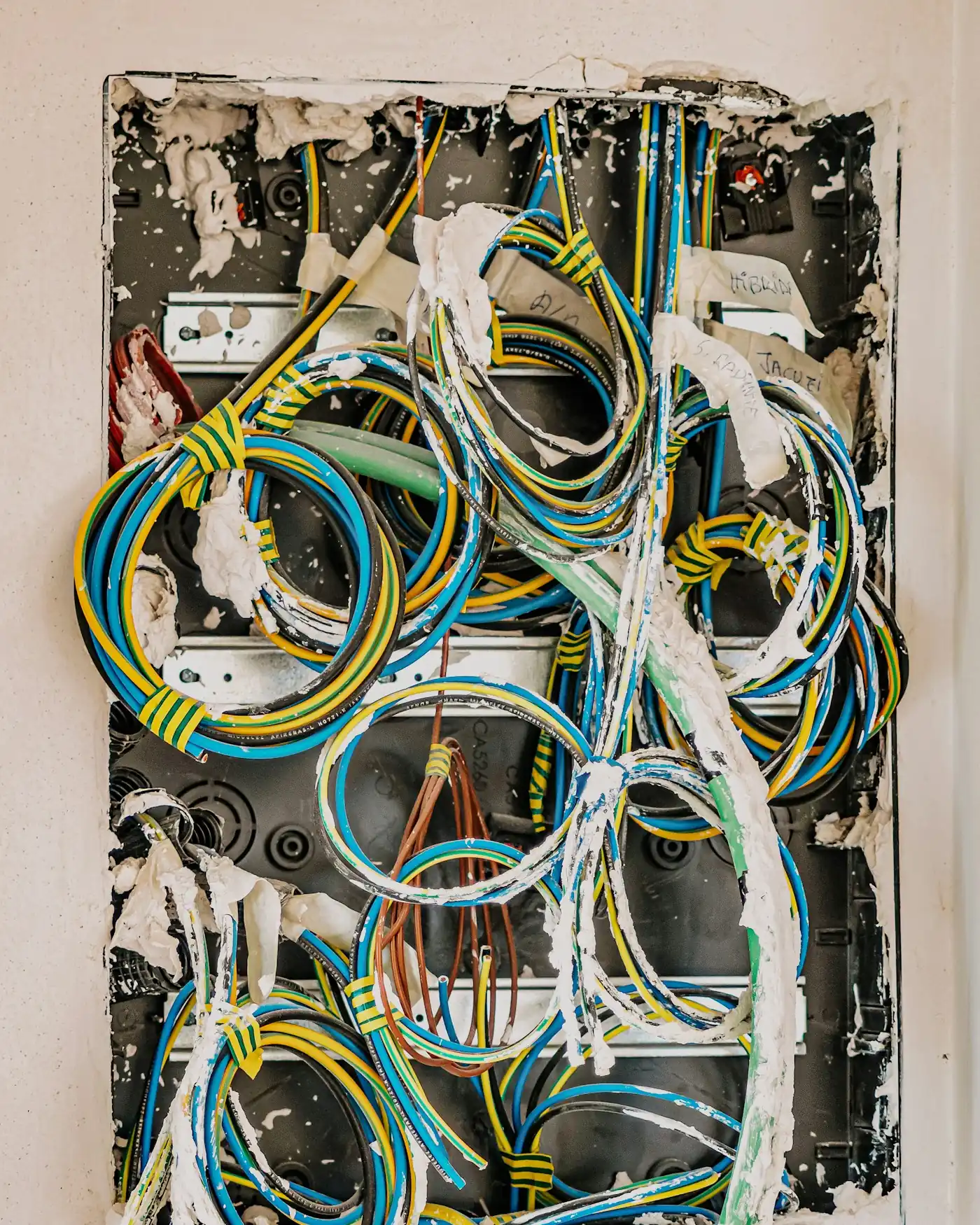
From the road: I lived off grid in a van and a caravan, in Portugal and Spain. Rats ate my cables.
From the road: The plus and minus got turned around on the plugs once, while a friend was helping. Not nice. So be careful for fire, really be careful, and please use the right fuses. It is so important, it can save your life. You do not want to be in a burning car or a burning caravan.
How do rats get into a van?
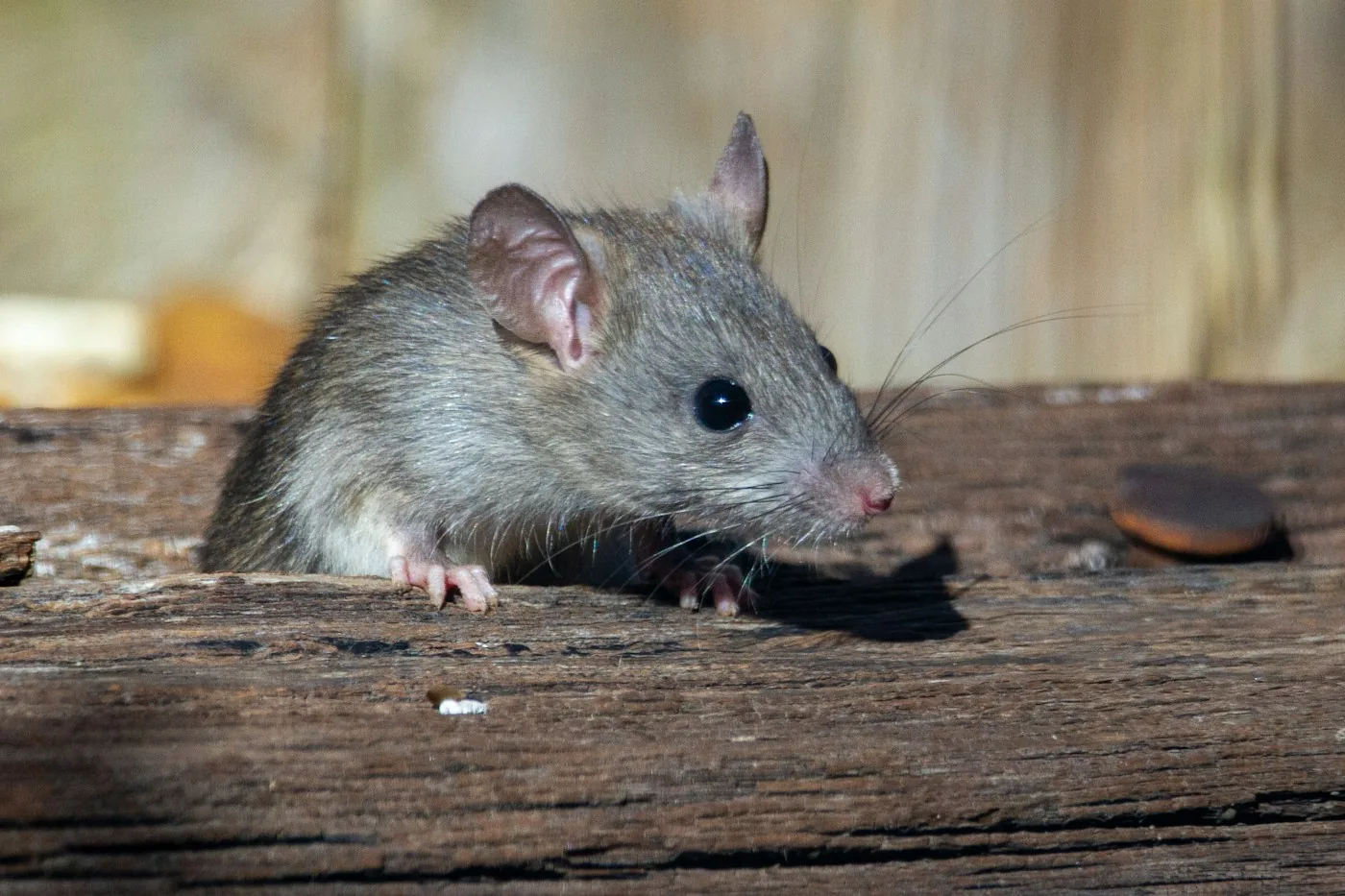
UC Integrated Pest Management says to seal cracks and openings larger than 1/4 inch with steel wool, wire screen or sheet metal. It warns that rats can chew through plastic, foam, wood and caulk. Rats can squeeze under a door with only a 1/2-inch gap.
It also says rats commonly gnaw on the insulating sheaths of engine wires in cars, which leads to malfunctions and expensive repairs. It says gnawing on electrical wires in buildings creates a risk of sparks and fire.
That advice is written for houses, but a van is a small building with gaps:
- the cable passages through floor and walls
- vents
- the engine bay
- the spaces around pipes
Walk around yours with a flashlight and look for any gap bigger than 6 mm.
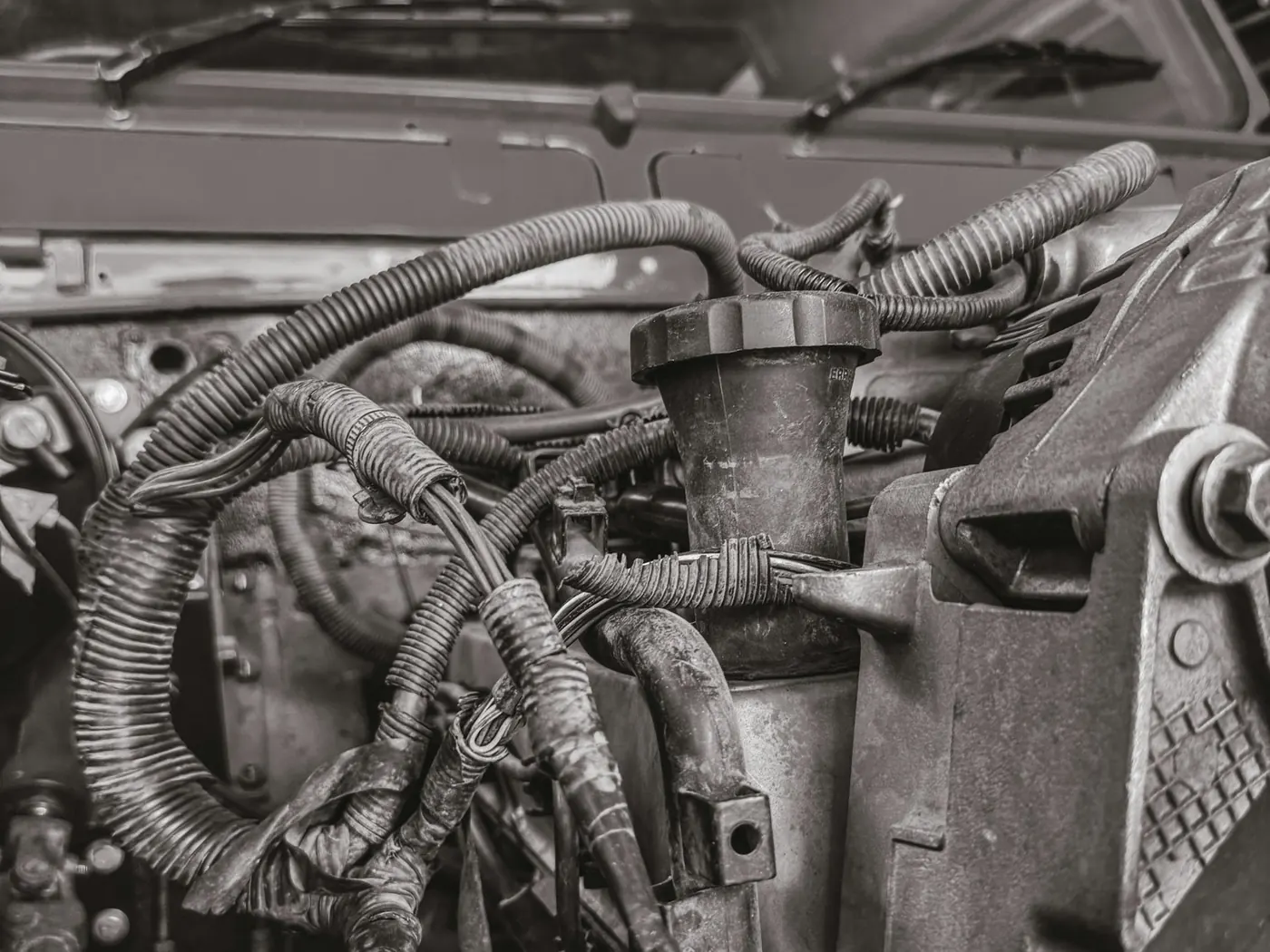
From the road: Underneath the car, under the motor, you need to protect it for rats, because they can go in the motor but they can also eat your cables.
What actually keeps them out?
Does not solve it
Ultrasonic and other frightening devices: rats get used to repeated sounds
Repellents: none has solved a rat problem for more than a very short time
What UC IPM recommends
Seal openings larger than 1/4 inch with steel wool, wire screen or sheet metal
Remove food, water and shelter
Snap traps, "the safest, most effective, and most economical way to trap rats", out of reach of children and pets
For the wiring itself, Techflex says that in its own testing rodents completely avoided its Flexo RRN rodent-resistant sleeving, even when it was stuffed with food. That is the maker's claim, not independent proof, but the product is made for this problem.
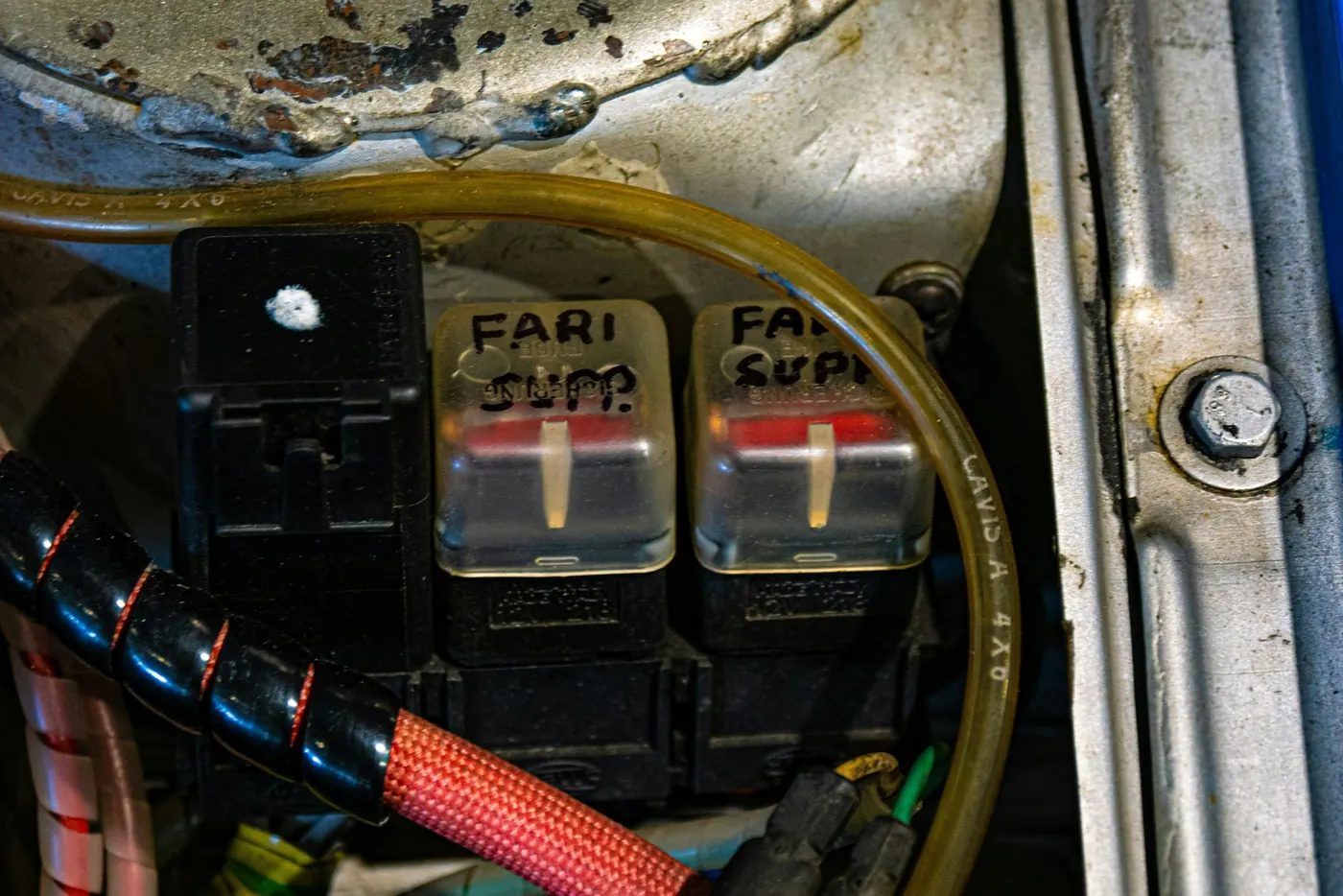
How a cable is fixed matters as much as where it runs. This one is mine:
From the road: One time I had a cable in front of the heater so it burned my cable. I had it on a good spot, but the thing I fixed it with broke, and then the cable fell down and it was in front of the exhaust of the heater. That was of course a huge problem.
Checking under the van and in the engine bay is a job for a headlamp: our best headlamp for camping guide compares six headlamps and a pocket flashlight. Choosing between two? See Petzl vs Nitecore.
Why does the right fuse matter most?
Three checks
1
Fuse every consumer
Victron says each consumer needs a fuse in the positive cable, however small, because a fault can cause a fire.
2
Match the fuse to the cable
The fuse has to match the rating of the consumer or the cable, whichever is lower. Blue Sea says to always select a fuse size that protects the wire according to its rating.
3
Check polarity first
Fluke says that with the probes on reversed poles a meter shows a negative sign. A minus sign where you expect plus means plus and minus are turned around.
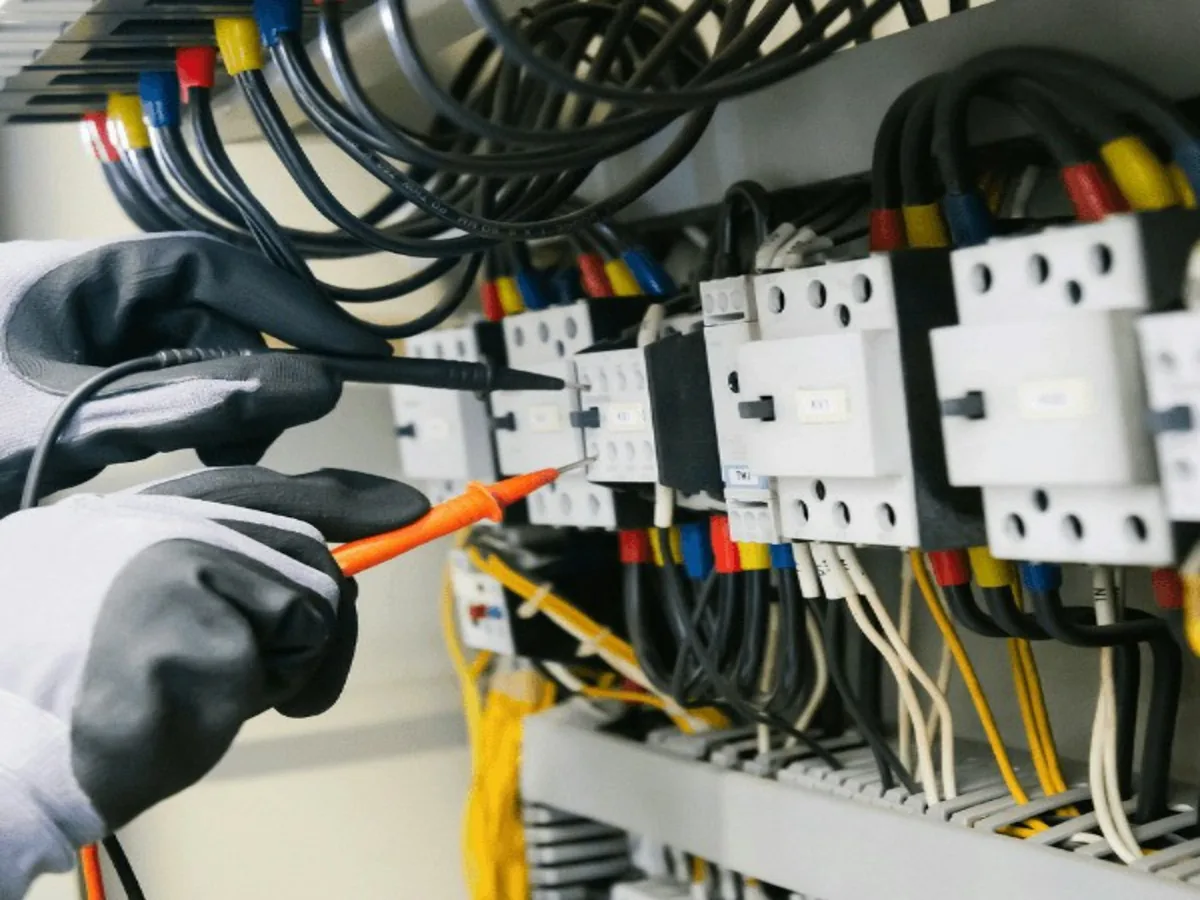
Our wiring guide goes through fuse blocks and cables step by step. For power, see the solar panel guide and the power station guide.
A chewed cable is a fire risk, and so is every gas appliance in the van. Our carbon monoxide detector for camper van guide covers the alarms, a smoke alarm and an extinguisher.
How do you clean up after rats?
Cleaning up, per the CDC
1
Ventilate
Open all doors and windows for 30 minutes before you start.
2
Wear gloves and wet it
Spray urine and droppings with a bleach solution or an EPA-registered disinfectant until very wet and let it soak for 5 minutes.
3
Wipe, do not sweep
The CDC says not to vacuum or sweep: it can put droplets with viruses into the air. Wipe with paper towels and put them in a covered garbage can.
Wash your hands with soap and warm water after you take off the gloves. The steps follow the CDC guide How to Clean Up After Rodents.
Key takeaways
- Rats get in through gaps bigger than 1/4 inch and chew plastic, foam and wire insulation.
- Seal gaps, remove food and use snap traps. Repellents and ultrasound do not solve it.
- A fuse does not stop the chewing. It limits the damage if a cable shorts.
- Clean up with wet wipes and gloves, never with a broom or vacuum.
Planning the whole build? Read cargo van conversion for beginners, and the houseboat electricity and water guide for the same principle on the water.
Also worth reading: 6 camper van security fixes, for the other kind of unwanted visitor.
FAQ
Do ultrasonic repellents stop rats chewing cables?
UC Integrated Pest Management says rats quickly get used to repeated sounds, so frightening devices, including ultrasonic ones, are ineffective, and no repellent has solved a rat problem for more than a very short time.
Will a fuse stop a rat chewing a cable?
No. A fuse does not stop the chewing. It limits the damage if a gnawed cable shorts: Victron says every consumer needs a fuse in the positive cable and that a fault without one can cause a fire.
What should I do if I find droppings in my van?
Ventilate for 30 minutes, wear gloves, spray with a bleach solution or an EPA-registered disinfectant until very wet, wait 5 minutes, wipe with paper towels and never vacuum or sweep, says the CDC.
Your next step