BougeRV vs Renogy: Which 200W Solar Panel for a Camper Van?
As an Amazon Associate I earn from qualifying purchases. Some links on this page earn us a small commission, at no extra cost to you. Full disclosure.
BougeRV vs Renogy for a camper van comes down to one choice before any spec: flexible or rigid. The BougeRV Arch Pro 200W bends and weighs 7.9 lb. The Renogy ShadowFlux 200W is a framed rigid panel at 23.83 lb. Both are N-type 200 W panels sold as shade tolerant, and both makers list 25% cell efficiency. We read both makers' pages and both Amazon listings on 9 October 2026 and went through what independent testers measured.

Quick answer
Checked on 9 October 2026. Pick the BougeRV Arch Pro 200W if weight or a curved roof decides it: it lists 7.9 lb, a 270 degree bend and a 5-year workmanship warranty. Pick the Renogy ShadowFlux 200W if you want a framed rigid panel that sells in bigger numbers on Amazon (500+ bought last month against 100+) and that read slightly higher in direct sun in one independent test (180 W against 173 W).
Both, with a buy button each
BougeRV Arch Pro 200W Anti-Shading Flexible Solar Panel
Maker lists 25% cell efficiency, 28 bypass diodes and IP68. Ships from Amazon. Read more
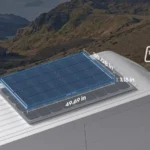
Renogy ShadowFlux 200W N-Type Solar Panel
Maker lists 20.7% module efficiency, IP67 and a 25-year 80% output warranty. Sold by Amazon.com. Read more
Where to go deeper
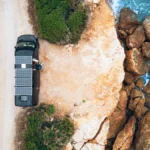
Best Solar Panels for Camper Van (2026)
More panels for a van roof, with the sizing basics. Read more

Victron vs Renogy Charge Controller: Which for a Camper?
The box between these panels and your battery. Read more
How we compared them
The NomadsToolsLab team read the BougeRV Arch Pro page and the Renogy ShadowFlux page end to end on 9 October 2026 and checked both Amazon pages with a US address. What surprised us: the weight gap. The Arch Pro lists 7.9 lb and the ShadowFlux 23.83 lb, so four panels differ by about 64 lb.
Gab and Bren (YouTube) tested the Arch Pro, the ShadowFlux and a Rich Solar 250 W panel side by side in Key West in January 2026. In direct sun the ShadowFlux read 180 W and the Arch Pro 173 W. Flat in indirect sun the Arch Pro read 124 to 125 W and the Renogy 123 to 124 W. With a quarter of the panel covered from one side both gave 78 to 79 W, but covering the top quarter dropped the Renogy to zero while the BougeRV still gave 60 W. They recommend flexible for the weight saving but not ten glued to a roof: their older BougeRV 100 W panels developed heat spots and were hard to remove.
Will Prowse (DIY Solar Power, YouTube) tested the ShadowFlux against an ordinary bifacial panel with deliberate shading and measured 4.5 to 10 percent more energy per day from the ShadowFlux. His verdict: it works, but the premium only makes sense if you are very short of space and badly shaded, because no panel makes up for a lack of light.
Our conclusion: the two panels are closer than their marketing, and the real choice is weight and mounting against a rigid frame. Every number in the table comes from the makers' own pages.
BougeRV vs Renogy at a glance
| BougeRV Arch Pro 200W | Renogy ShadowFlux 200W | |
|---|---|---|
| Type (maker) | BougeRV Arch Pro 200W: Flexible, N-type TOPCon, 16BB cells | Renogy ShadowFlux 200W: Rigid framed, N-type, 16BB cells |
| Power (maker) | BougeRV Arch Pro 200W: 200 W (±5%) | Renogy ShadowFlux 200W: 200 W at STC |
| Size (maker) | BougeRV Arch Pro 200W: 53 x 31 x 0.1 in | Renogy ShadowFlux 200W: 49.69 x 30.08 x 1.18 in |
| Weight (maker) | BougeRV Arch Pro 200W: 7.9 lb | Renogy ShadowFlux 200W: 23.83 lb (10.81 kg) |
| Voc / Vmp (maker) | BougeRV Arch Pro 200W: 36.4 V / 31.1 V (±5%) | Renogy ShadowFlux 200W: 36.5 V / 31.3 V |
| Efficiency (maker) | BougeRV Arch Pro 200W: 25% cell | Renogy ShadowFlux 200W: 20.7% module, 25% cell |
| Waterproof (maker) | BougeRV Arch Pro 200W: IP68 | Renogy ShadowFlux 200W: IP67 |
| Warranty (maker) | BougeRV Arch Pro 200W: 5 yr workmanship, 25 yr 80% output | Renogy ShadowFlux 200W: 5 yr workmanship, 25 yr 80% output |
| Amazon, 9 Oct 2026 | BougeRV Arch Pro 200W: In stock, BougeRV, 100+ bought | Renogy ShadowFlux 200W: In stock, Amazon.com, 500+ bought |
BougeRV's own Amazon listing carries a note that the open-circuit voltage (36 V, plus or minus 5%) may not suit certain power stations, so check your station's input limits before you buy. Both makers' figures are lab ratings at standard conditions, not what you will see on a roof. For the station side, see our Bluetti vs EcoFlow comparison.
1. BougeRV Arch Pro 200W
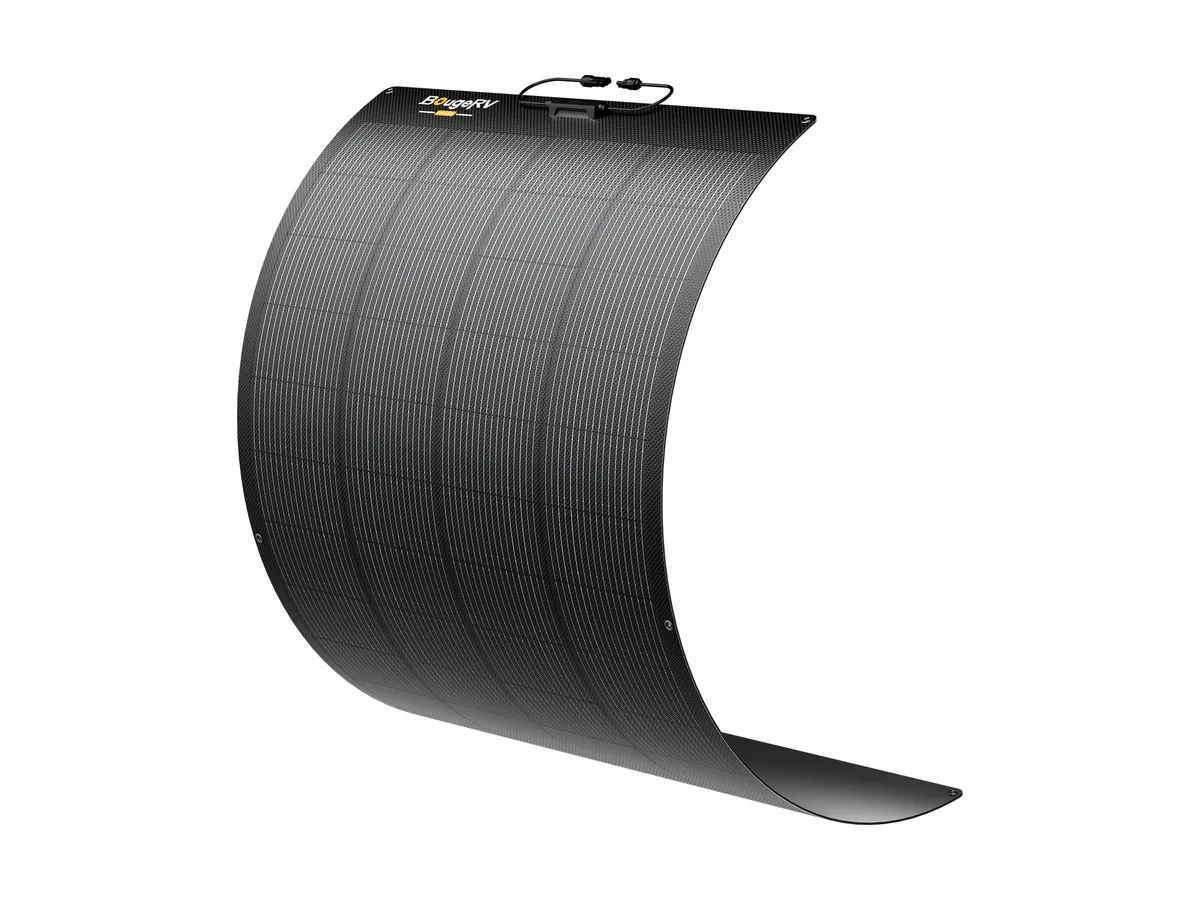
BougeRV Arch Pro 200W Anti-Shading Flexible Solar Panel
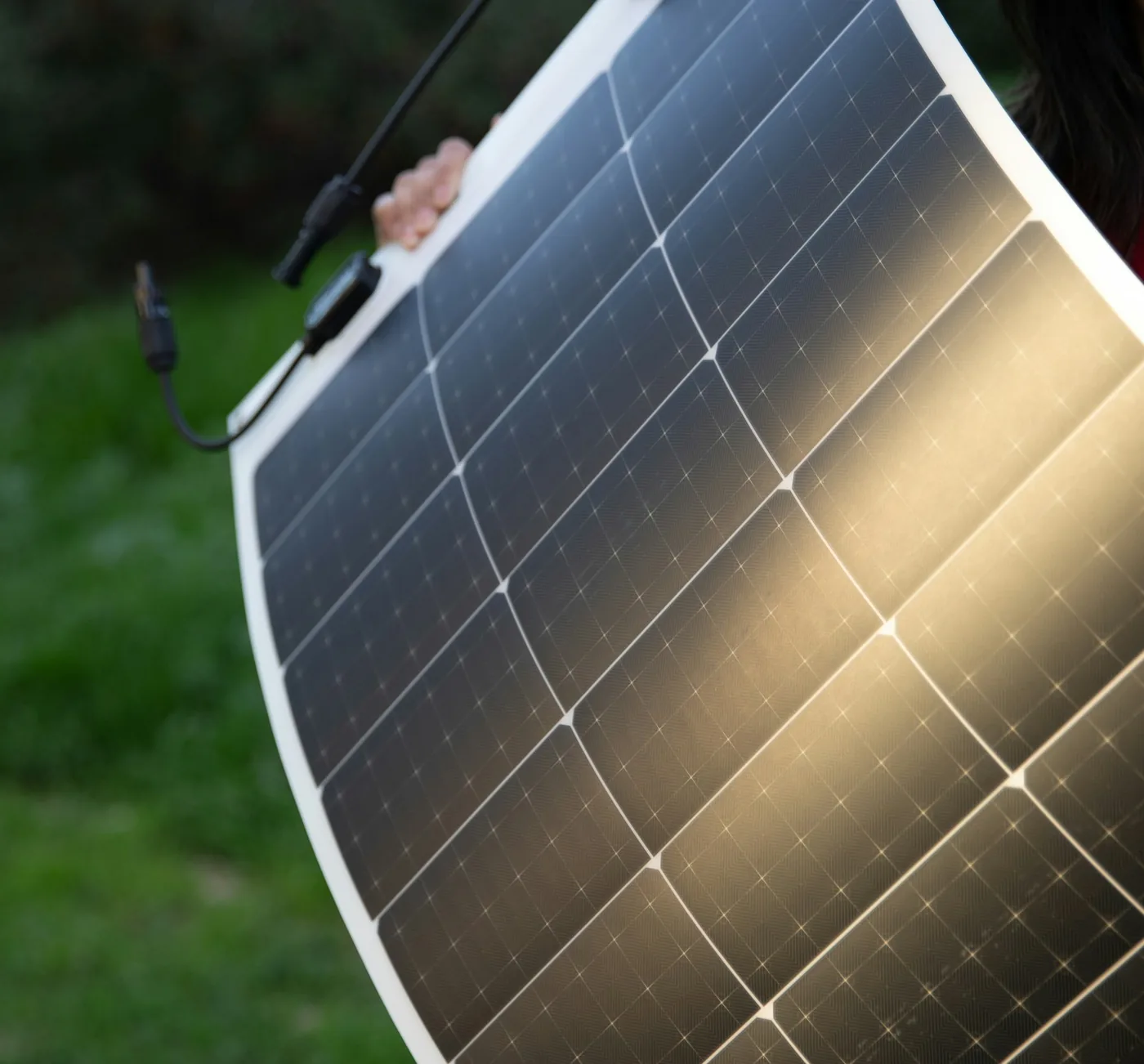
The BougeRV Arch Pro is a flexible 200 W panel with 16-busbar N-type cells at a listed 25% cell efficiency. The BougeRV page lists 31.1 V at maximum power, 36.4 V open circuit, 28 bypass diodes, IP68 waterproofing, wind and snow ratings of 2,400 Pa and 5,400 Pa and a 270 degree flexible arc for curved surfaces. It says you can fix it with tape, adhesive or pre-drilled holes, and it lists -40 to 185 F operating limits.
On 9 October 2026 the listing we link showed In Stock with an Add to cart button, shipped from Amazon and sold by BougeRV, with a 30-day refund or replacement and a bought-in-the-past-month line of 100+. The page showed no category rank. BougeRV's warranty is 5 years on material and workmanship and 25 years at 80% output.
The flexible format has a price: Gab and Bren say their ten older BougeRV 100 W panels, glued to the roof, developed heat spots, and one was a pain to remove. They say the Arch Pro is thicker and heavier than that older model, which is what they hoped would help, and that they will report back after a year of sun. On a surface thermometer in the sun the Arch Pro read 135 F, against 127 to 129 F for the Renogy.
2. Renogy ShadowFlux 200W
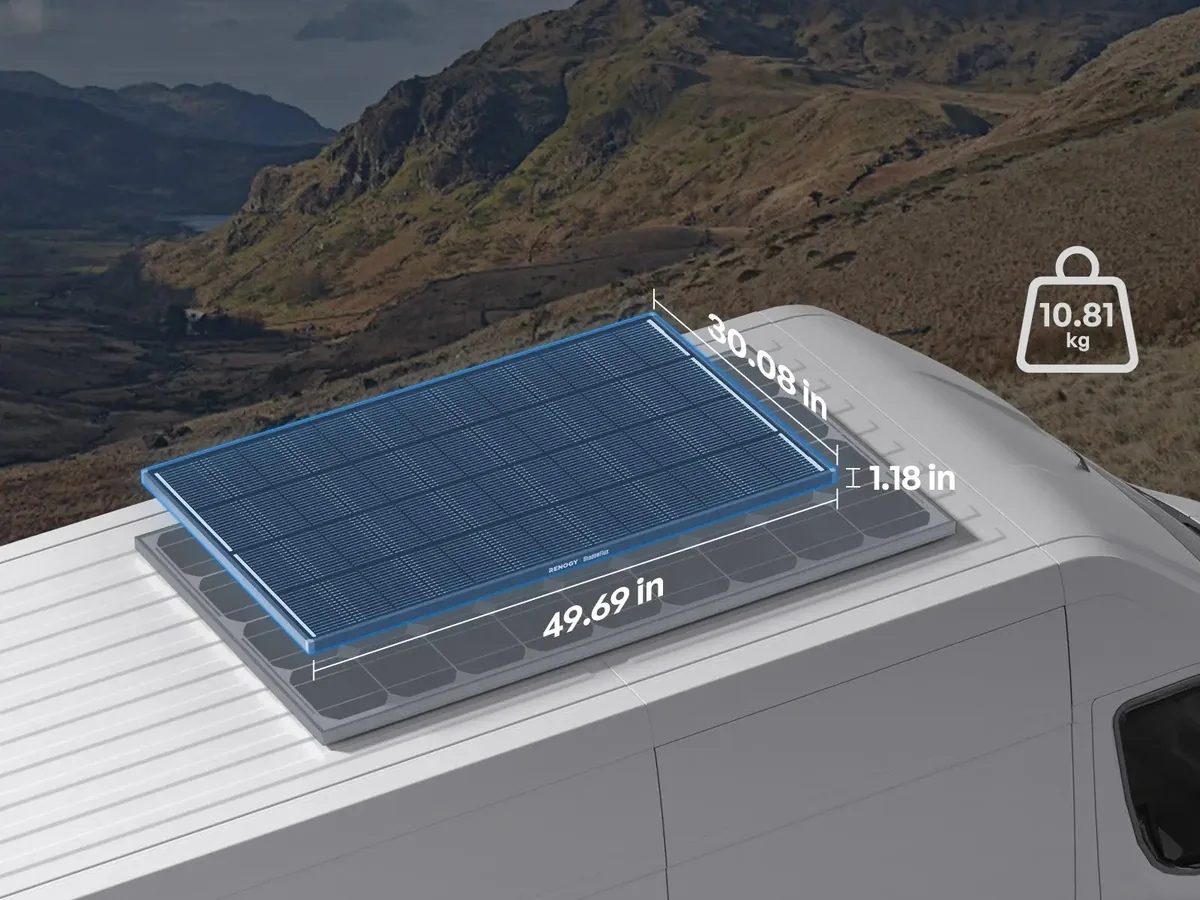
Renogy ShadowFlux 200W N-Type Solar Panel
The Renogy ShadowFlux is a rigid framed panel. The Renogy page lists 200 W at standard conditions, 31.3 V at maximum power, 36.5 V open circuit, a module efficiency of 20.7% from 25% cells, IP67 waterproofing and a rating for 5,400 Pa of snow and 2,400 Pa of wind. Renogy says its ShadowFlux design delivers up to 85 percent more output in partial shade than a standard panel, which is the maker's own claim. Z brackets and tilt mounts are sold separately on its site.
On 9 October 2026 the listing we link showed In Stock with only 5 left (more on the way), an Add to cart button, sold by Amazon.com, a 30-day refund or replacement and 500+ bought in the past month. Renogy's warranty is 5 years on material and workmanship and 25 years at 80% output.
Shade: what the tests found
Will Prowse ran the ShadowFlux against a traditional bifacial panel with a mast and a wall shading both for much of each day. Over four days the ShadowFlux produced 10.19, 9.05, 4.53 and 9.03 percent more. He says that was less than he expected, that most panels in a series string already bypass a shaded panel, and that the premium is only worth it for someone very short of space who is shaded all day.
Gab and Bren covered parts of the two panels with a piece of foam in full sun, with about 120 W showing on each before shading. Covering the top quarter dropped the ShadowFlux to zero and the Arch Pro to 60 W; covering a quarter from the other side left the ShadowFlux at 79 W and the Arch Pro at 78 W. The test is one deck, one day and a foam board, so read it as a hint, not a ranking.
Flexible or rigid: the choice before the brand
A flexible panel is a good fit for a curved roof and a vehicle where weight matters, and BougeRV says you can mount it with tape or adhesive. A rigid framed panel is heavier but can be raised on a bracket or tilted. Gab and Bren say the panel they would love is a lightweight rigid one, which neither of these is. Renogy also sells tilt mounts and Z brackets for the ShadowFlux.
From the road: plugs, cables and a mobile panel

Chenzo, founder of NomadsToolsLab
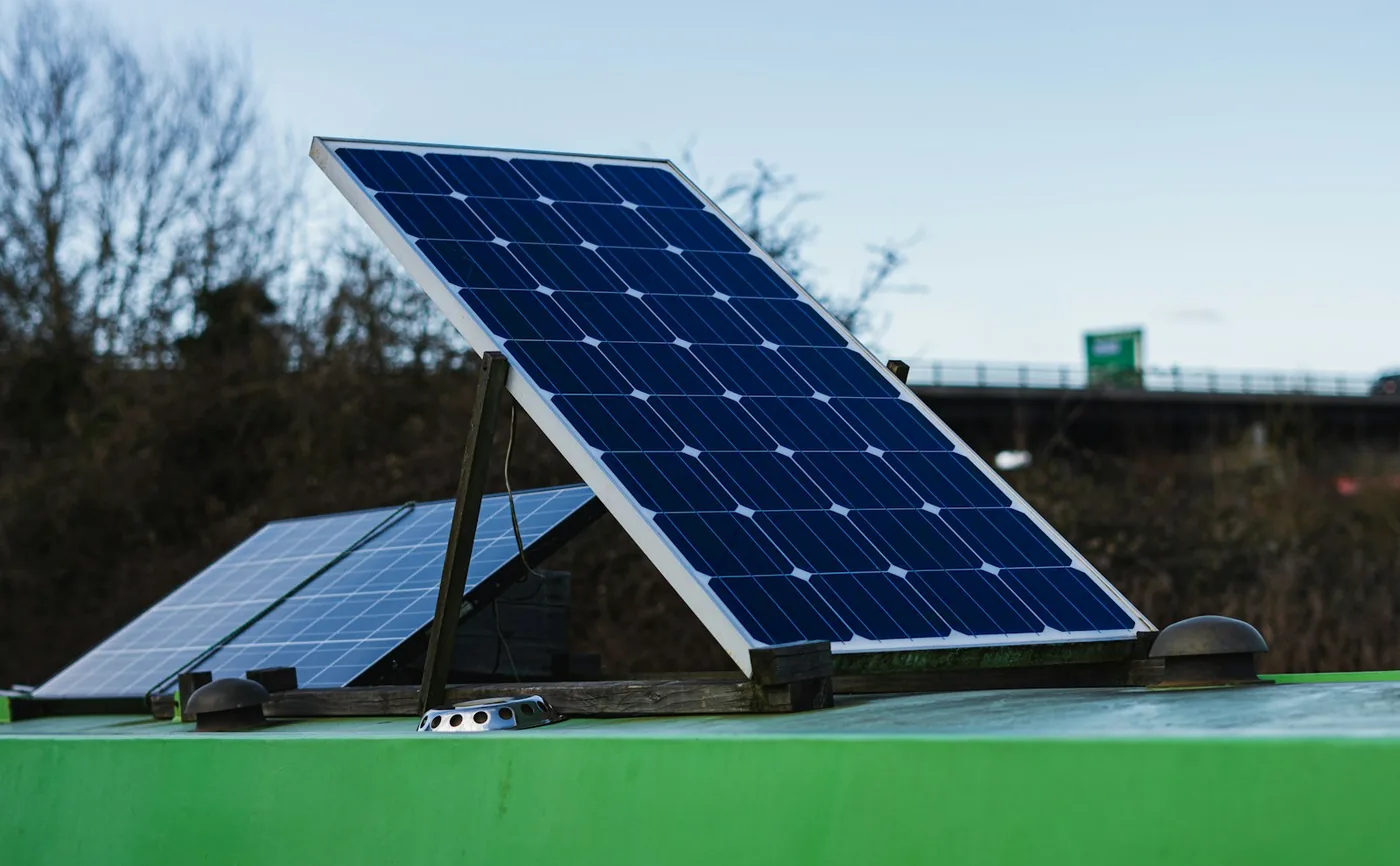
I had sun panels on the roof. And I had also a really strong one, it was not super big, but it was big, and that one I just put outside. It was mobile, with a long cable.
Somebody helped me to put the plugs on the cables from the sun panels and he did plus on minus and minus on plus. I did everything the right way, so when I plugged it in, it was not good. We had to change that afterwards.
Use the right size of the cables. So important. And the length of the cables is also important, to choose the thickness. But also the amount of power that is going through.
Chenzo did not say which panels he had. The lesson holds for any panel: check polarity before you plug in, and size the cable for its length and the current. Our camper van wiring guide goes through fuses, cables and polarity, and the best solar panels guide shows more options for a van roof.
Which one to pick
Curved roof, or every pound counts: the BougeRV Arch Pro at 7.9 lb. Flat roof and you like a bracket: the Renogy ShadowFlux, which Gab and Bren list as their top performer. Heavily shaded roof: either panel, but Will Prowse measured a gain of 4.5 to 10 percent against an ordinary panel, so move the panel out of the shade first if you can. You glue it down: do it with one or two panels, as Gab and Bren advise, not ten.
Before you buy either, check the voltage against your charge controller and power station. Our Victron vs Renogy charge controller comparison covers the controller side, and lithium vs AGM batteries the storage.
Watch: BougeRV Arch Pro against Renogy ShadowFlux
Video by Gab and Bren. Their description carries affiliate links and discount codes for BougeRV and Amazon.
Gab and Bren, who are fitting out a 27 ft RV, test the Arch Pro and the ShadowFlux against a Rich Solar 250 W panel in low light, indirect sun, direct sun and partial shade. Both panels from this guide are below.
BougeRV Arch Pro 200W Anti-Shading Flexible Solar Panel
Renogy ShadowFlux 200W N-Type Solar Panel
Watch: how much a shade-tolerant panel really gains
Video by DIY Solar Power with Will Prowse. His description links Renogy with a coupon code.
Will Prowse measured the ShadowFlux against a traditional bifacial panel on shaded days, with numbers from his Victron charge controllers. Here is the Renogy panel.
Renogy ShadowFlux 200W N-Type Solar Panel
- BougeRV Arch Pro 200W: flexible, 7.9 lb, 53 x 31 inches, IP68, 25% cell efficiency, 28 bypass diodes, 270 degree arc.
- Renogy ShadowFlux 200W: rigid, 23.83 lb, 49.69 x 30.08 inches, IP67, 20.7% module efficiency from 25% cells.
- Both list a 5-year workmanship warranty and a 25-year warranty at 80% output.
- In Gab and Bren's test in January 2026 the ShadowFlux read 180 W in direct sun and the Arch Pro 173 W; in indirect sun the Arch Pro read 124 to 125 W against 123 to 124 W.
- Will Prowse measured the ShadowFlux producing 4.5 to 10 percent more than a traditional panel under heavy shading.
- On 9 October 2026 both were in stock on Amazon: BougeRV with 100+ bought last month, Renogy with 500+.
FAQ
Is BougeRV or Renogy better for a camper van?
They are close on paper: both are 200 W N-type panels with 25% cell efficiency. BougeRV's Arch Pro is flexible and weighs 7.9 lb; Renogy's ShadowFlux is rigid and weighs 23.83 lb. Pick by roof shape and weight.
Is a flexible solar panel as good as a rigid one?
In Gab and Bren's January 2026 test the Arch Pro read about the same as the ShadowFlux in indirect sun (124 to 125 W against 123 to 124 W) and slightly lower in direct sun (173 W against 180 W). They liked the weight saving but advised against gluing many flexible panels to a roof.
How much does a 200 W solar panel weigh?
BougeRV lists 7.9 lb for the Arch Pro 200W and Renogy lists 23.83 lb (10.81 kg) for the ShadowFlux 200W.
Do shade-tolerant solar panels really work?
Will Prowse measured 4.5 to 10 percent more energy per day from a Renogy ShadowFlux than from an ordinary panel under heavy shading. He says no panel can make up for a lack of light, so moving the panel out of the shade matters most.
Will the BougeRV Arch Pro work with my power station?
Check the input limits first. BougeRV's Amazon listing notes that the open-circuit voltage (36 V, plus or minus 5%) may not be compatible with certain power stations.
Can I glue a flexible panel to my van roof?
BougeRV says the Arch Pro can be fixed with tape, adhesive or pre-drilled holes. Gab and Bren say adhesive suits a curved surface with one or two panels, and warn against ten panels glued down.
Affiliate disclosure. This post contains affiliate links. If you click and buy something, this site earns a small commission at no extra cost to you. Picks are based on published specs, independent tests and manufacturer information. As an Amazon Associate I earn from qualifying purchases. Read the full affiliate disclosure. Amazon and the Amazon logo are trademarks of Amazon.com, Inc. or its affiliates.
Where to go next
Read the best solar panels for a camper van and the best portable solar panels, then the Victron vs Renogy charge controller comparison. For the battery, see lithium vs AGM, and for winter in a van, Espar vs Webasto diesel heaters.
Your next step