

Living in Ubud as a Digital Nomad: The Honest 2026 Guide
As an Amazon Associate I earn from qualifying purchases. Some links on this page earn us a small commission, at no extra cost to you. Full disclosure.
Picture your first morning in Ubud: rice fields outside the window, a cafe that doubles as a yoga studio, and a laptop that needs a stable connection by nine. This guide to living in Ubud as a digital nomad helps you set that up without the surprises.
If you're researching what living in Bali as a digital nomad is actually like in 2026, you've probably already read five guides that make it sound like paradise with fast wifi. It mostly is that. But it's also more crowded, more expensive, and more bureaucratic than it was even three years ago. I live on Bali, so this isn't a two-week scouting trip write-up. It's what the day-to-day actually looks like, including the parts that don't photograph well.
This guide covers where to base yourself, what things really cost, the visa basics (with a link to our full Indonesia visa breakdown), and an honest list of what's gotten worse. For the broader island overview and neighborhood-by-neighborhood detail across all of Bali, see our Bali digital nomad guide, this piece is a deeper, more personal Ubud-focused companion to it.
Quick answer
Ubud is a calmer, greener base than Canggu, but Bali in 2026 is busy, pricier than older guides suggest, and the visa rules are stricter than in the old visa run days. Try a couple of coworking day passes before you commit, and book your first weeks somewhere flexible.
Sort these before you fly




Saily, the eSIM service from the team behind NordVPN, is another eSIM option. For things to do, KKday sells tours and tickets in Ubud.
Holafly is another eSIM option, with unlimited data plans under a fair use policy.

Airalo eSIM

SafetyWing
Bali in 2026: no longer a secret, and that matters
Bali stopped being an "undiscovered" nomad spot a long time ago. In 2026 it's a mainstream remote-work destination with the crowding to match. Canggu's main roads back up for 20-30 minutes at peak times. Popular coworking spaces fill up during high season (roughly May to September, plus December). Rental prices in the well-known areas have climbed noticeably compared to five years ago.
None of that means you shouldn't come. It means you should plan like it's a busy destination, not a hidden gem.
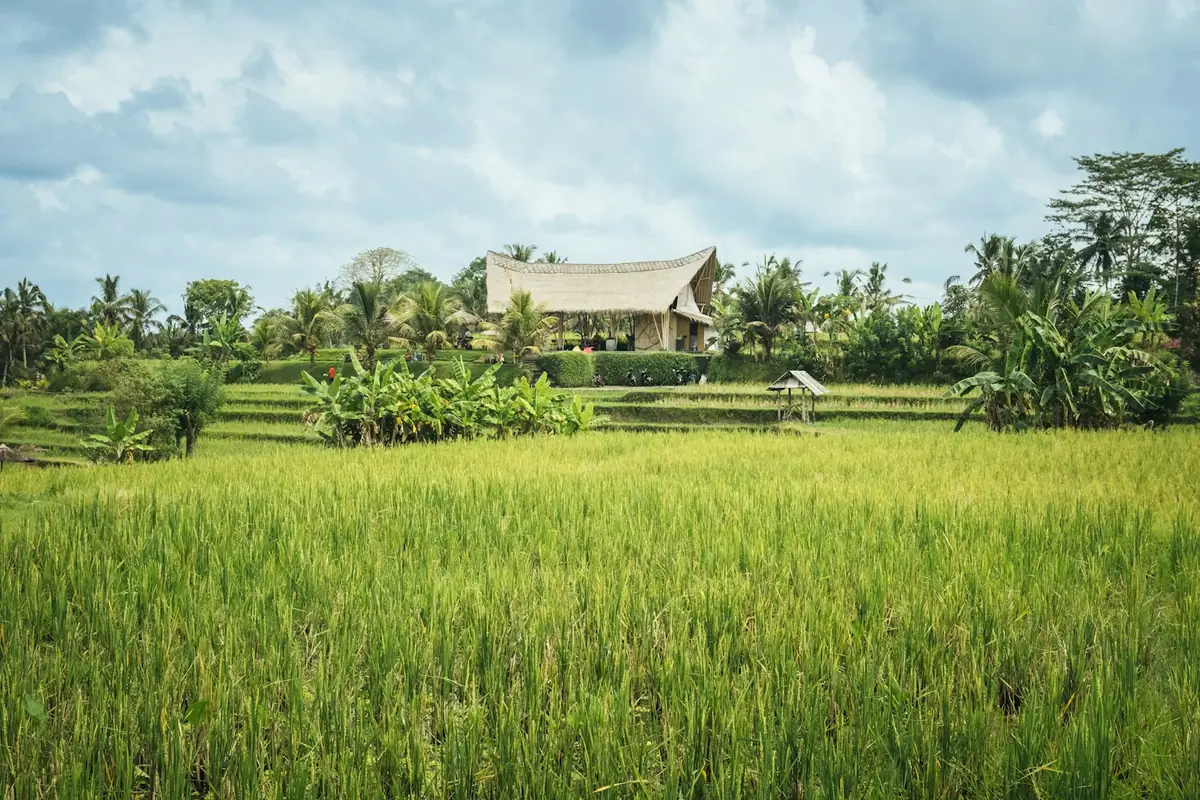
Ubud, neighborhood by neighborhood
Since this is where I actually live, here's the level of detail the generic guides skip.
Ubud center (around Jalan Hanoman, Jalan Monkey Forest): walkable, lots of cafes, but busiest and noisiest part of town, especially with day-trip tourist traffic.
Penestanan: quieter, rice-field views, a short scooter ride into the center. Popular with longer-term remote workers who want some calm without full isolation.
Nyuh Kuning: close to the Monkey Forest, home to some of the wellness-and-work cafe scene, a bit more residential.
Sayan / Kedewatan: river valley, more upscale villas, further from the center, better if you have your own transport.
Tegallalang / Tegenungan area: further out, cheaper, genuinely rural, but a real commute for groceries or coworking.
Ubud is known for its wellness-and-work cafe culture, places that double as slow-wifi social hubs and yoga studios as much as workspaces. That's charming, but if you need dead-reliable connectivity for video calls, a dedicated coworking space with a proper backup generator and wired ethernet beats a beautiful jungle cafe every time.
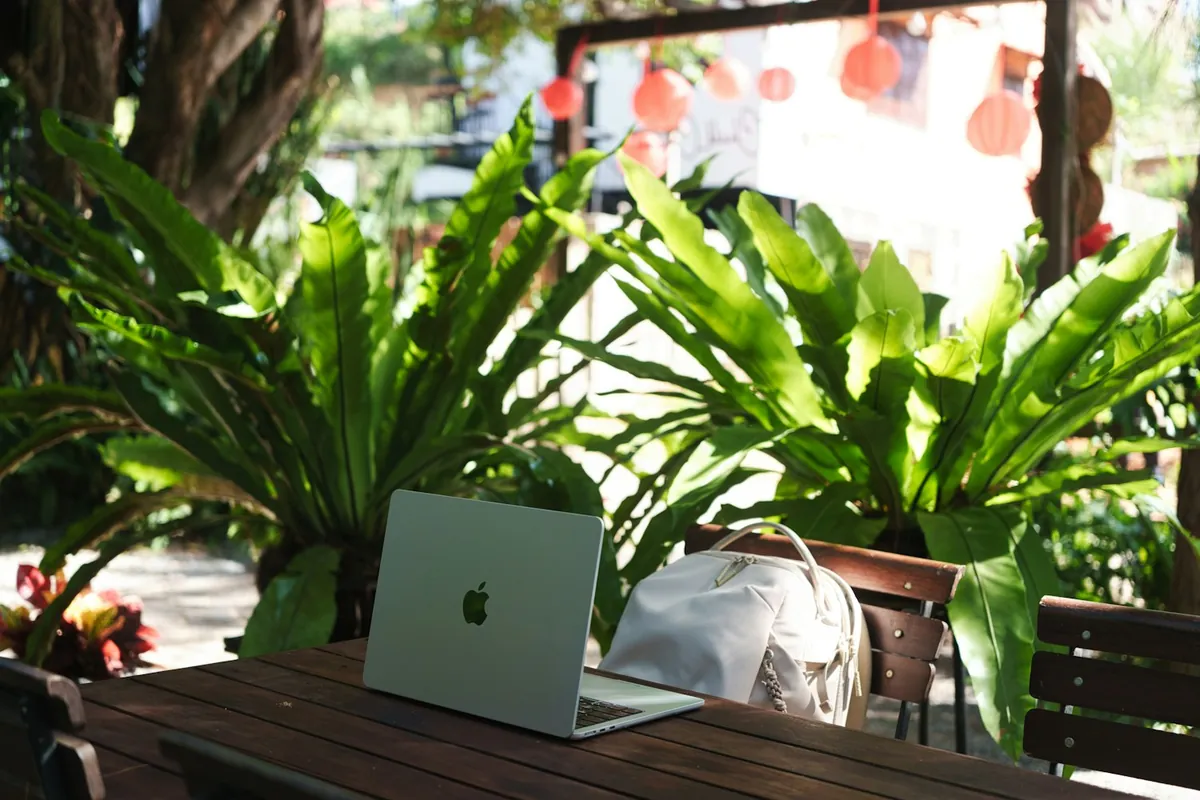
Coworking in Ubud: what's actually there
Ubud's coworking scene has shifted a lot over the years. Hubud, Ubud's original coworking pioneer, now says on its website that it is closed until further notice (still the case when we checked on 9 October 2026), and Dojo Bali in Canggu officially closed in December 2022. Outpost runs two campuses, Nyuh Kuning and Penestanan, both in Ubud; its own site no longer lists a Canggu or Lombok location as of September 2026. Space availability and pricing changes often enough that we won't quote exact day-pass prices here. Before you commit to a monthly membership, check current hours and availability yourself.
What we'd actually suggest: don't buy a full month up front on your first week. Try a day pass or two at a couple of spaces first.

What it actually costs per month
Realistic 2026 ranges for a single remote worker, not backpacker minimums and not luxury villa numbers.
| Area | Modest budget | Comfortable | Notes |
|---|---|---|---|
| Ubud | $1,000-1,400 | $1,600-2,400 | Villa/room rental drives most of the range |
| Canggu | $1,200-1,700 | $2,000-3,000 | Higher rents, more spending on food and social life |
| Seminyak | $1,500-2,200 | $2,500-3,800 | Most expensive of the main hubs |
| Sanur / rest of Bali | $900-1,300 | $1,400-2,000 | Cheapest of the popular options |
These have risen compared to a few years ago. If you're working from a 2022 or 2023 budget guide, add at least 15-25% to be realistic in 2026.
Key takeaways
- Add at least 15 to 25 percent if you are budgeting from a 2022 or 2023 guide.
- Test coworking spaces with a day pass before paying for a month.
- Book your first two to four weeks flexibly and see a place in person before a long lease.
Power plugs: Indonesia uses Type C and F sockets, so a Type C adapter such as the TESSAN European adapter (2 pack) covers it.
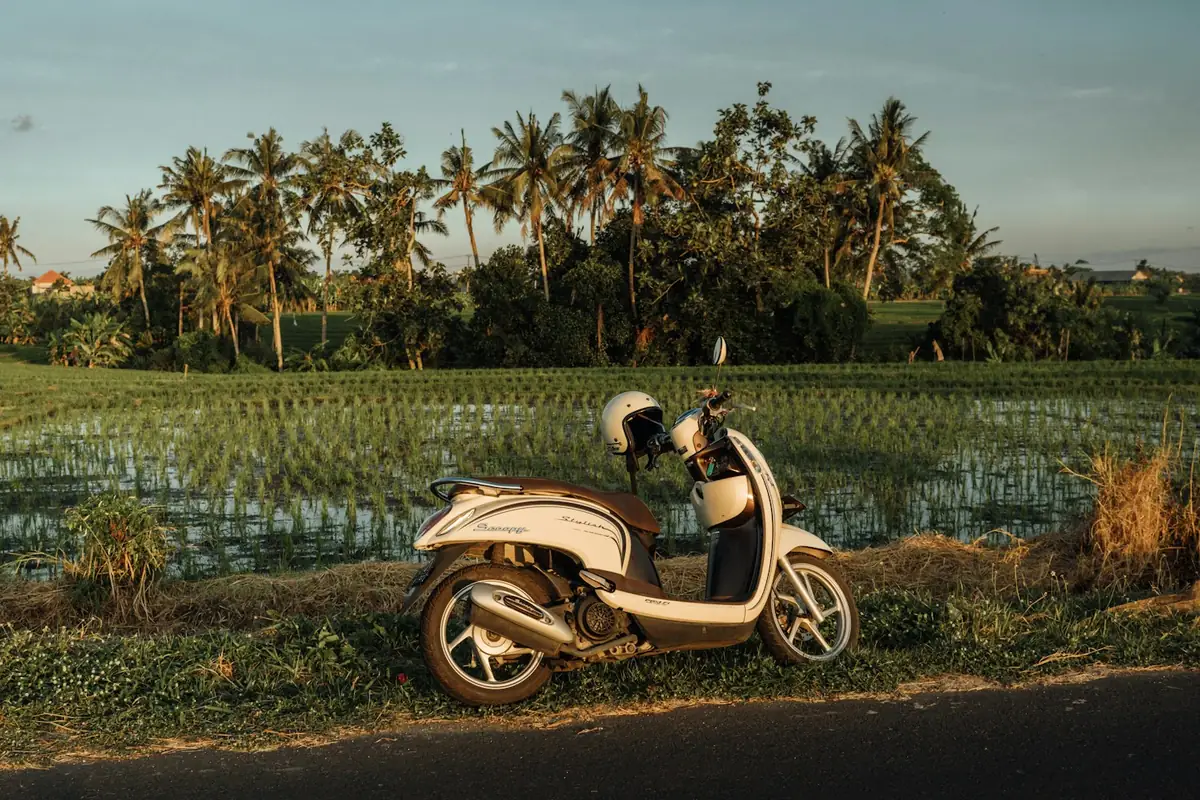
Getting set up: the practical stuff
eSIM: Skip the airport SIM queue and get connected before you land with Airalo. Coverage in central Ubud and Canggu is solid; it gets patchier the further you go into rural areas.
Airport transfer: Denpasar's arrivals hall is not the place to negotiate a taxi price after a long flight. Welcome Pickups covers Bali with a pre-booked, English-speaking driver waiting at arrivals, fixed price agreed before you land.

Welcome Pickups
Premium service, English-speaking local drivers, worth it for a first trip to a country
Insurance: Indonesia's public healthcare isn't built for foreigners and private clinics add up fast. SafetyWing covers ongoing nomad life well; for a plan geared toward a single trip with higher medical limits, World Nomads is worth comparing.
Banking: Wise or Revolut will save you real money on ATM fees and currency conversion compared to a regular home bank card.
Getting around: Most nomads end up on a scooter, but for longer distances or if you're not confident on one, DiscoverCars is worth checking for a rental car.
First accommodation: Book your first two to four weeks somewhere flexible through Booking.com before you commit to a longer lease. Seeing a place in person before signing a 6-12 month rental agreement is genuinely worth the extra cost of a short-term stay first.

Visas: the short version
Visa rules for foreigners in Indonesia have gotten more complex, not simpler, over the past few years. The three options nomads ask about most: the C1 visit visa (formerly known as the B211A: a shorter-term visit visa, 60 days, extendable to 180 days in total, the most common entry point), KITAS (a limited stay permit for longer, sponsored arrangements), and the E33G (a remote-worker KITAS for foreigners earning income from outside Indonesia, 1 year, extendable according to the official immigration site).
Visa runs used to be treated almost like a fun mini-holiday loophole. In 2026 that reputation doesn't hold up. Rules have tightened, enforcement is more visible, and a visa run now reads more like a genuine hassle than a perk.
This is a deliberately short summary. For the full breakdown of requirements, costs, and how to actually apply, see our complete visa guide on the Indonesia digital nomad hub.
Tip: Coming to Bali as a tourist before you sort out a longer visa? Buy your e-VOA (visa on arrival) online in advance through the official Indonesian e-Visa website. e-VOA holders with an electronic passport can use the automatic gates (autogates) at Bali’s Ngurah Rai airport, which is faster than the manual counters (source: Directorate General of Immigration). Also pay the Bali Tourism Levy (IDR 150,000) through the official Love Bali portal before or on arrival; the portal lists it as IDR 150,000 under Bali Provincial Regulation No. 2 of 2025 (checked on 9 October 2026).
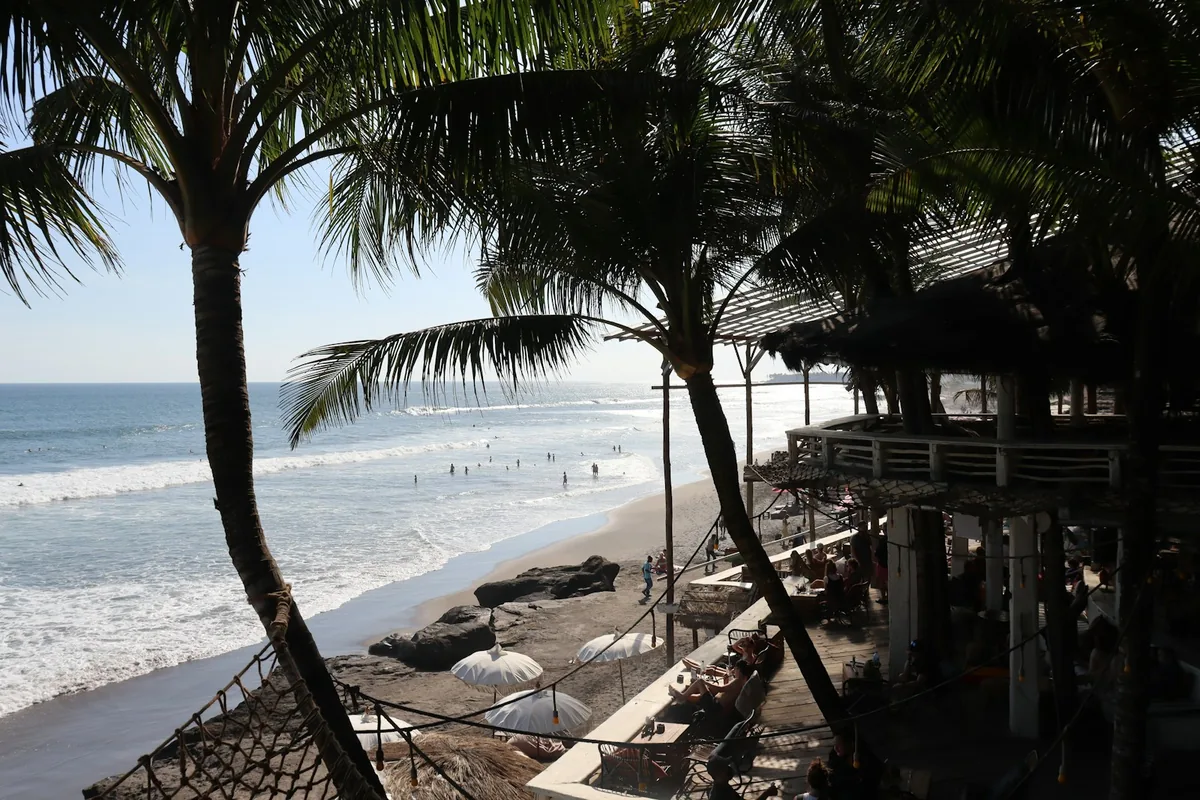
Honest downsides worth knowing before you book a flight
Canggu traffic and overcrowding. This is real, not exaggerated. What used to be a 10-minute scooter ride can now take 30 during peak hours on the main roads.
Visa runs are a hassle now, not a loophole. Don't plan your budget or schedule around the old "easy visa run" reputation.
Rising costs. Rent, food, and coworking prices have all climbed compared to a few years back. Bali is still cheaper than most Western cities, but it's not the ultra-budget destination it was in 2018-2020.
Scooter accidents and road safety. Road conditions vary, helmet enforcement is inconsistent, and scooter accidents involving foreigners happen regularly enough that it's worth taking seriously: get proper insurance, wear a real helmet, and don't ride if you haven't ridden before.
Saturation. More community and more infrastructure, but also more competition for good coworking spots during high season, and less of that "we found this hidden spot" feeling.
Before you go
Sort these three things before you fly: health cover, data on landing and a card that does not eat your money in fees.

What could be better about nomading in Bali right now
- Traffic infrastructure hasn't kept pace with growth, especially around Canggu. Road improvements are happening but slowly.
- Visa processes are inconsistent. Requirements and enforcement for options like the E33G have shifted since launch, which makes planning harder than it should be.
- Coworking space turnover. Spaces open, close, rebrand, or merge often enough that guides (including this one) go stale faster than you'd like.
- Rising costs without a matching rise in wages for local workers. Worth being aware of as a guest in this economy, not just a line item in your own budget.
- The "undiscovered paradise" marketing is outdated. Coming in expecting a busy, well-developed nomad hub with real trade-offs will set you up to actually enjoy it.
Bali in 2026 is still a genuinely good base for remote work, good food, good weather, a real community, decent infrastructure. It's just not a secret anymore, and pretending otherwise does new arrivals a disservice.

Our remote work setup
The gear guides we compare for working from cafes, coliving rooms and rentals:
Before you fly, see how to set up an eSIM before you land and how travel insurance works for nomads.
FAQ
Is Ubud good for digital nomads?
Yes, if you want a calmer, greener base than Canggu. Ubud has coworking spaces and a big wellness and cafe scene. Just plan for a busy destination: Bali in 2026 is more crowded and more expensive than older guides suggest.
How much does it cost to live in Ubud per month?
For a single remote worker, roughly $1,000 to $1,400 on a modest budget and $1,600 to $2,400 for a comfortable month. If you budget from a 2022 or 2023 guide, add at least 15 to 25 percent.
Which part of Ubud is best for nomads?
Penestanan is popular with longer term remote workers: quieter, rice field views and a short scooter ride to the center. Ubud center is walkable but the busiest and noisiest part of town.
Which visa do nomads use for Bali?
Most start on the C1 visit visa (formerly B211A). The E33G remote worker KITAS is the option for people earning from outside Indonesia who want a longer, more official stay. See our Indonesia guide for the full breakdown.
Affiliate disclosure. This post contains affiliate links. If you click and buy something, this site earns a small commission at no extra cost to you. Picks are based on published specs, independent reviews and manufacturer information, and we only recommend what we would use ourselves. As an Amazon Associate I earn from qualifying purchases. Read the full affiliate disclosure. Amazon and the Amazon logo are trademarks of Amazon.com, Inc. or its affiliates.





2 Comments