Best Cameras for Content Creating Digital Nomads in 2026
As an Amazon Associate I earn from qualifying purchases. Some links on this page earn us a small commission, at no extra cost to you. Full disclosure.
Quick answer
For most nomad creators the Sony ZV-E10 II is the pick among the best travel cameras for digital nomads: compact, with autofocus that keeps your face sharp while you walk and talk. Want cinematic B roll without carrying a gimbal? Go for the DJI Pocket 3. Shooting a lot in the evening or indoors? The full frame Sony A7C II handles low light best here.
Checked on 9 October 2026: the DJI Osmo Pocket 3 and Fujifilm X-T5 specs against the makers' pages, the Sony specs against DPReview's lab reviews.
Our top picks
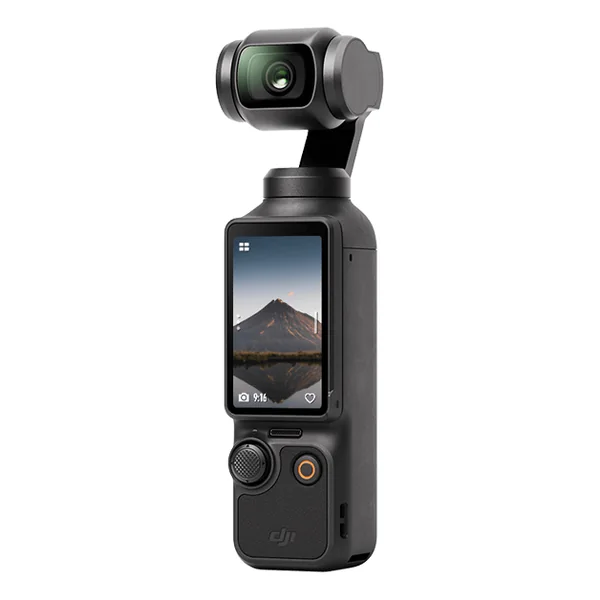
DJI Pocket 3
Built in gimbal, so you get cinematic movement without extra gear Read more
Quick Comparison Table
| Camera | Weight | Video Quality | Key Strength | Shop |
|---|---|---|---|---|
| Sony ZV-E10 II | 377g | 4K 60fps, excellent autofocus | Autofocus | Get yours on Amazon |
| 179g | 4K 60fps, built-in gimbal | Built-in gimbal | Get yours on Amazon |
| GoPro Hero 13 | 154g | 5.3K 60fps, extreme stabilization | Ruggedness | Get yours on Amazon |
| Sony A7C II | 514g | 4K 60fps, full-frame versatility | Low-light | Get yours on Amazon |
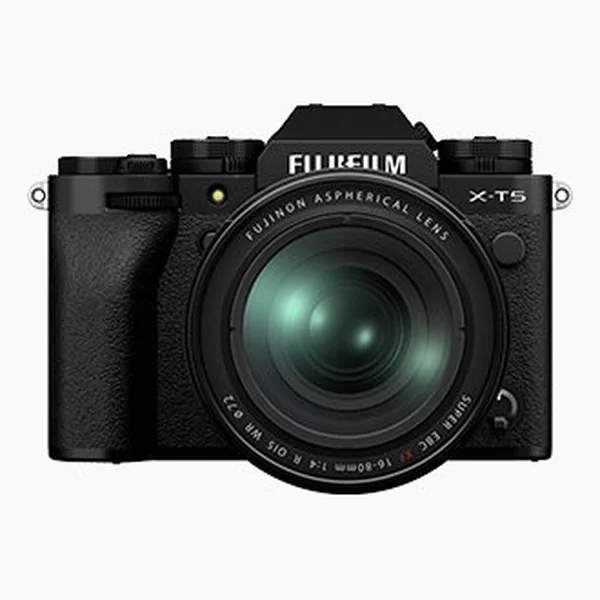 | 557g | 4K 60fps, authentic film simulations | Film sims | Get yours on Amazon |
| Canon EOS R50 | 375g | 4K 30fps, reliable autofocus tracking | Value | Get yours on Amazon |
| iPhone 16 Pro | 199g | 4K 120fps, computational photography excellence | Portability | Get yours on Amazon |
Seven Best Cameras for Digital Nomad Content Creators
Sony ZV-E10 II
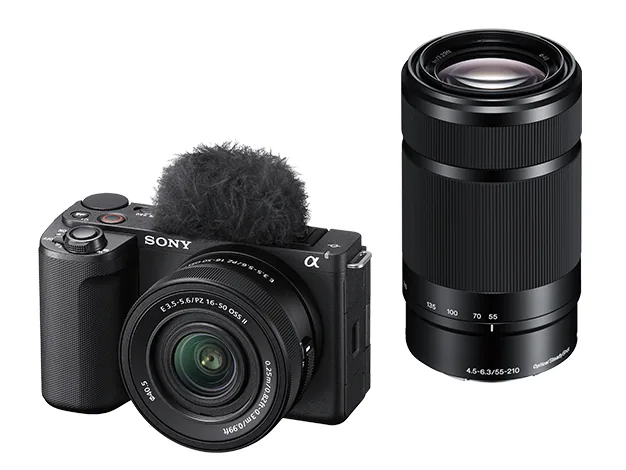
Sony ZV-E10 II
Pros
- Compact mirrorless design
- Outstanding autofocus tracking
- Built-in microphone jack
- Real-time Eye AF for face tracking
Cons
- No in-body stabilization
- Smaller lens ecosystem than full-frame systems
Weight: 377g
Video Quality: 4K 60fps, excellent autofocus
Best For: Vloggers prioritizing autofocus performance and compact size
The Sony ZV-E10 II represents the apex of compact vlogging cameras designed specifically for content creators. Its specialized autofocus system includes Real-time Eye AF that maintains perfect focus on your face as you move during filming. The built-in 3.5mm microphone jack eliminates the need for wireless systems when recording audio directly. Sony has tuned the image processing specifically for skin tones, ensuring that you look your best in every frame. The compact body fits comfortably in a crossbody bag, making it ideal for nomads who need quick camera setup in unpredictable environments.
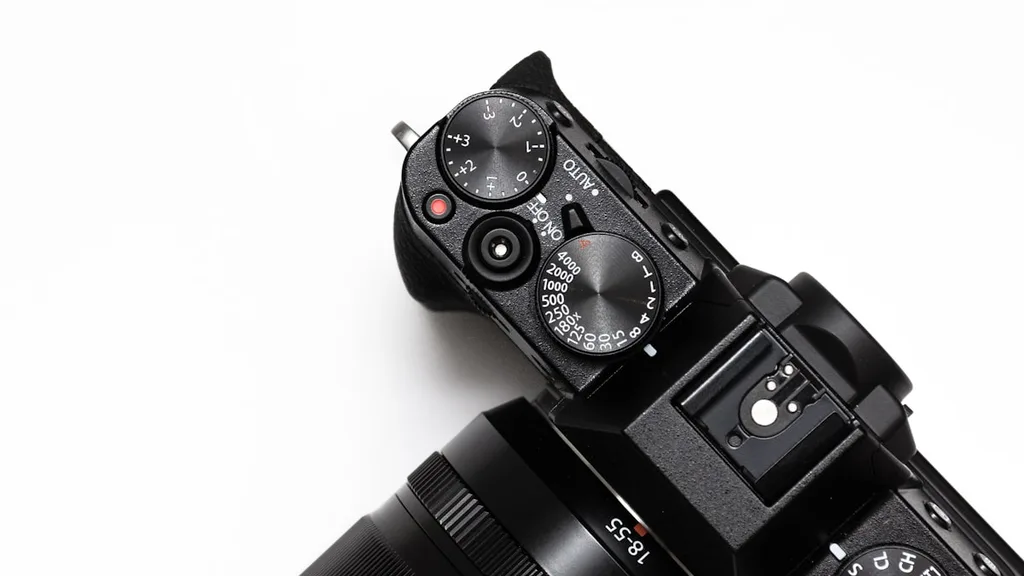
DJI Pocket 3
DJI Pocket 3
Pros
- Integrated gimbal eliminates all camera shake
- Ultra-portable complete system
- 1-inch sensor in a pocket-size body
- Built-in omnidirectional microphone with windshield
Cons
- Small built-in screen for framing
- Limited manual exposure controls
- Wind sensitivity affects stabilization quality
Weight: 179g
Video Quality: 4K 60fps, built-in gimbal
Best For: Nomads wanting cinematic B-roll without carrying extra stabilization gear
The DJI Pocket 3 represents a paradigm shift in portable video production. Rather than adding weight through gimbal equipment, the Pocket 3 integrates three-axis stabilization directly into the mechanical design. It is a complete camera with its own 1-inch sensor and screen, so you do not need to attach your phone. For nomads traveling light, the Pocket 3 eliminates the need to purchase a separate gimbal, reducing both cost and weight. The built-in omnidirectional microphone with windshield handles most recording scenarios without additional audio equipment.
GoPro Hero 13
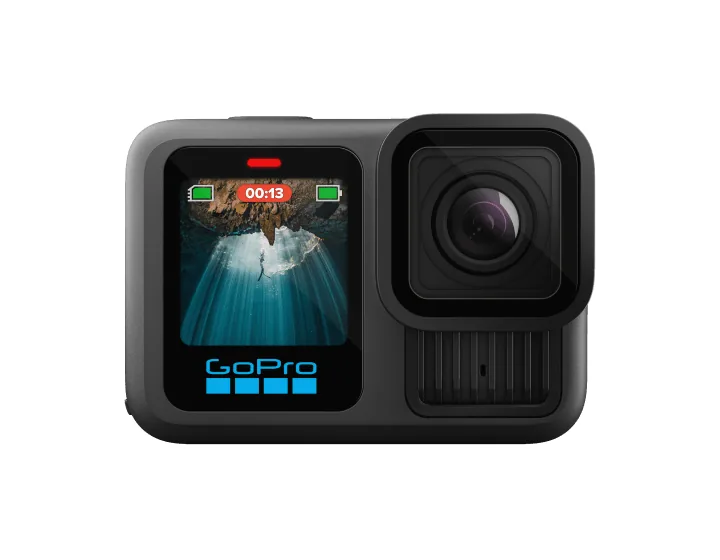
GoPro Hero 13
Pros
- Rugged construction survives drops and impacts
- Waterproof to 33 feet without housing
- HyperSmooth stabilization reduces shaky footage
- Wide dynamic range captures detail in shadows and highlights
Cons
- Fixed ultra-wide lens limits creative framing
- Thermal throttling in extreme heat
- Limited low-light performance compared to larger sensors
Weight: 154g
Video Quality: 5.3K 60fps, extreme stabilization
Best For: Adventure and outdoor content creators seeking durability and stabilization
The GoPro Hero 13 represents the ultimate action camera for nomadic adventurers. Its rugged construction means you can drop it, submerge it, and push it to physical limits that would destroy other cameras. The fixed lens provides an ultra-wide perspective perfect for capturing entire scenes without moving. HyperSmooth stabilization electronically corrects camera shake from running, jumping, or riding, producing footage that looks like it was shot on a tripod. The high dynamic range sensor captures detail across extremely bright and dark areas simultaneously, preserving sky and ground information that other cameras lose. For travelers planning to hike, swim, or engage in active sports, the GoPro eliminates camera anxiety.
If you want a camera that films in every direction, our Insta360 X5 vs X4 comparison covers the 8K 360 cameras from Insta360, and our Insta360 GO Ultra vs GO 3S comparison covers the tiny clip-on ones.
Sony A7C II
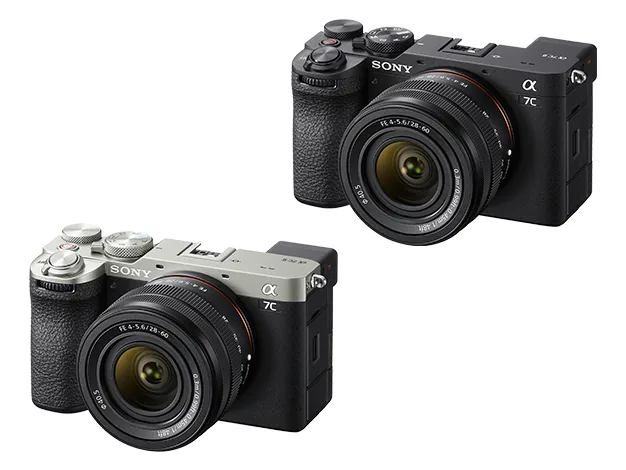
Sony A7C II
Pros
- Full-frame sensor exceptional in low light situations
- Excellent color science reduces editing time
- Compact full-frame design for professional quality in small package
- Strong E-mount lens ecosystem with many options
Cons
- Expensive compared to APS-C sensor options
- Heavier investment limits upgrade flexibility
- Full-frame power may exceed pure vlogging needs
Weight: 514g
Video Quality: 4K 60fps, full-frame versatility
Best For: Professional nomads needing cinematic quality and low-light performance for storytelling
The Sony A7C II represents the gold standard for traveling cinematographers who prioritize image quality above all else. The full-frame sensor captures significantly more light than smaller sensors, enabling usable footage in venues where other cameras would require massive additional lighting. Sony color science produces natural skin tones and vibrant landscapes straight from the camera, reducing your post-production workload when traveling with limited internet bandwidth. The compact form factor proves smaller than many professional mirrorless bodies while retaining full-frame capabilities. The extensive E-mount lens ecosystem provides options for every creative need, from ultra-wide travel documentation to compressed telephoto perspectives for capturing distant details.
Fujifilm X-T5
Fujifilm X-T5
Pros
- Film simulations provide instant aesthetic styling without color grading
- Retro design provides comfortable ergonomic grip
- Advanced autofocus system optimized for eye tracking
- Compact APS-C body with strong lens selection
Cons
- Unique color science requires learning curve
- Smaller lens selection than Sony ecosystem
Weight: 557g
Video Quality: 4K 60fps, authentic film simulations
Best For: Content creators valuing aesthetic consistency and distinctive visual style
The Fujifilm X-T5 takes a radically different approach to video production by including film simulations that instantly apply professional color grading to your footage. These are not simple filters but recreations of classic film looks, developed by Fujifilm from its own film heritage. This approach drastically reduces your editing burden when working with inconsistent lighting and color temperatures across different travel locations. The retro design influences the ergonomics, providing a textured grip that feels comfortable during long filming sessions. Advanced autofocus tracking locks onto your eye and maintains focus even as you move through complex environments. For creators seeking a consistent visual brand that requires minimal post-production, the X-T5 delivers unmatched efficiency.
Canon EOS R50
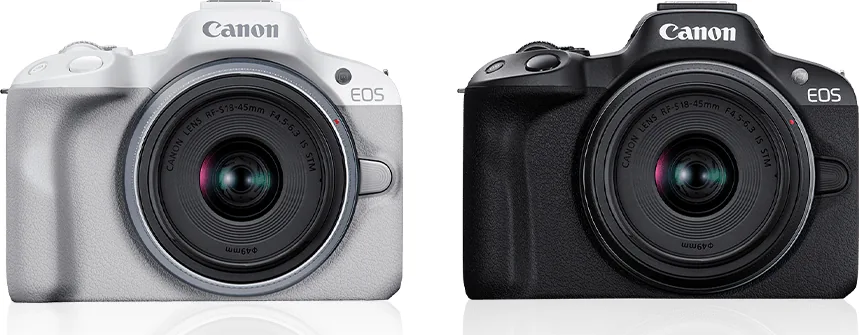
Canon EOS R50
Pros
- Excellent value proposition for serious creators
- User-friendly interface reduces learning curve
- Growing RF mount lens ecosystem expanding options
- Compact, light form factor
Cons
- Newer RF system means fewer third-party lens options
- Less distinctive color character compared to competitors
- Stabilization performance moderate compared to peers
Weight: 375g
Video Quality: 4K 30fps, reliable autofocus tracking
Best For: Budget-conscious creators wanting professional capability without excessive expense
The Canon EOS R50 hits the optimal price-to-performance ratio for nomads building a professional video workflow on a limited budget. Canon designed the menu system with user-friendly conventions, making it approachable even for creators upgrading from smartphones or compact cameras. The RF mount system represents Canon commitment to mirrorless technology, meaning new lenses will continue launching for this system for years to come. Autofocus performance rivals more expensive systems, delivering reliable face and eye tracking even in challenging conditions. For creators prioritizing savings without compromising capability, the R50 represents an intelligent financial choice.
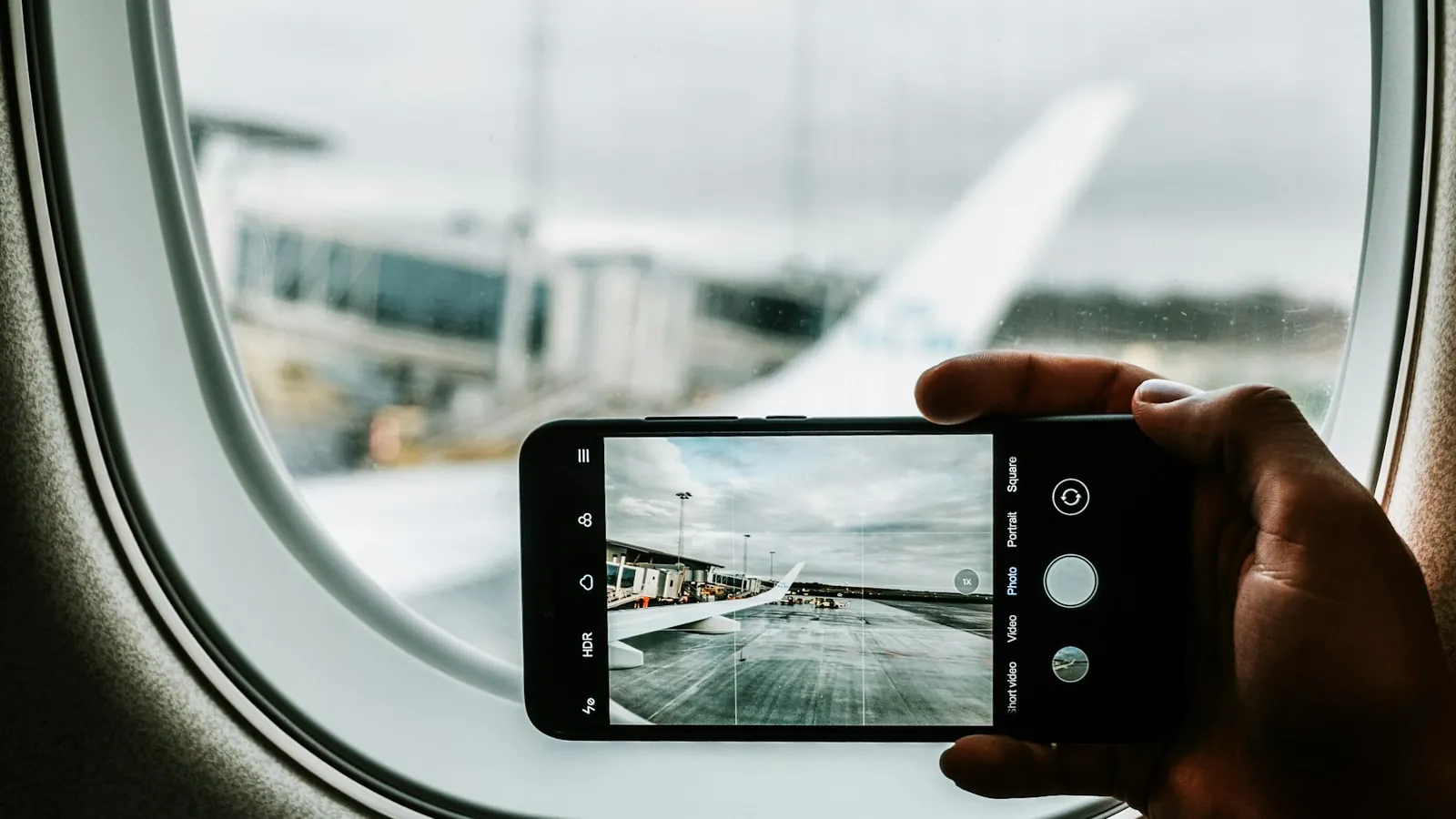
iPhone 16 Pro
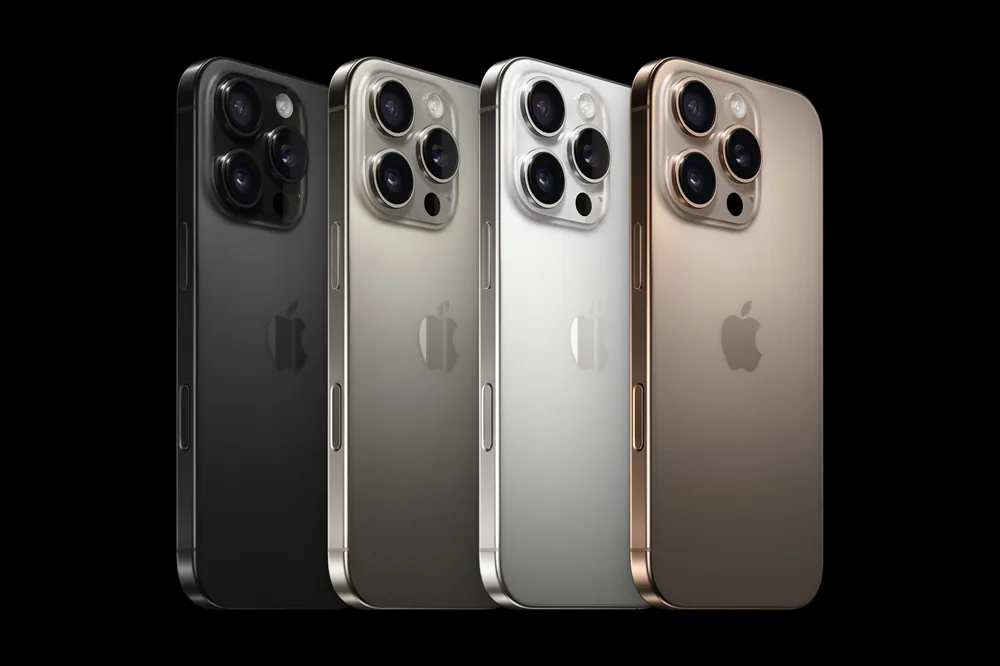
iPhone 16 Pro
Pros
- Always available in your pocket requires no additional equipment
- Exceptional stabilization compensates for handheld shooting
- Professional cinematic mode creates depth-of-field effects
- Seamless integration with Mac, iPad, and Apple ecosystem
Cons
- Small sensor compared with a dedicated camera
- Thermal throttling causes overheating in extreme heat
- Flagship pricing higher than dedicated cameras
Weight: 199g
Video Quality: 4K 120fps, computational photography excellence
Best For: Budget-conscious nomads maximizing their existing smartphone ecosystem for content creation
The iPhone 16 Pro transforms your primary communication device into a legitimate video production tool. You already carry the phone everywhere, eliminating the need for additional camera equipment in your luggage. The optical and computational stabilization combines hardware gimbal-like smoothness with software enhancement, producing professional-looking footage from handheld shooting. Cinematic mode creates depth-of-field effects that mimic professional cinema cameras, focusing on your subject while smoothly blurring the background. For nomads already invested in Apple products, the seamless integration across Mac, iPad, and iPhone means you can shoot on the phone, edit on the iPad, and finalize on the Mac without ever exporting or converting files. The ecosystem efficiency saves tremendous time compared to managing multiple device ecosystems.
How to Choose the Right Camera for Your Nomad Setup
Selecting the right camera depends on five key factors specific to your nomadic workflow. Understanding how these factors interact ensures you invest in equipment that genuinely serves your content creation needs rather than pursuing specifications that sound impressive but deliver diminishing returns.
Budget Considerations
Budget constraints often determine your entire setup architecture. The iPhone 16 Pro costs one thousand dollars, while the Sony A7C II costs nearly twice that amount. However, the true cost extends beyond the camera body. Interchangeable lens cameras require lenses, batteries, memory cards, and often a motorized gimbal for smooth footage. A budget of one thousand dollars might represent just the body, with another five hundred to one thousand dollars required for essential accessories. Conversely, the DJI Pocket 3 and GoPro Hero 13 represent complete systems that work effectively without additional purchases.
Calculate your total investment including essential accessories before making a decision. Budget-first cameras like the DJI Pocket 3 and GoPro Hero 13 often deliver better value when you factor in the full ecosystem cost. A one-thousand-dollar mirrorless body that requires eight hundred dollars in lenses, stabilization equipment, and accessories becomes significantly more expensive than it initially appears. A wireless mic is the accessory most vloggers add first: see DJI Mic 2 vs RODE Wireless GO.
For the two best-known action cameras head to head on low light, battery and waterproofing, see our DJI Osmo Action 5 Pro vs GoPro HERO13 comparison.
Weight and Portability Requirements
Nomads who change locations weekly prioritize different cameras than those based in one city for several months. The difference between a two-hundred-gram camera and a seven-hundred-gram camera becomes profound across multiple daily walks and flights. Airlines increasingly scrutinize carry-on weight, making ultra-portable options like the iPhone 16 Pro and DJI Pocket 3 strategically valuable. However, if you are basing yourself in one location for extended periods, the additional weight of a full mirrorless system becomes acceptable.
Consider your daily routine when evaluating weight and portability. If you are regularly hiking to scenic filming locations, weight matters tremendously. If you are filming in your apartment or studio workspace for extended periods, weight becomes irrelevant. Matching camera portability to your actual lifestyle prevents investing in unnecessary constraints.
Content Type and Style
Your content genre determines ideal equipment. Adventure vloggers and travel creators thrive with the GoPro Hero 13 because its exceptional stabilization and ruggedness simplify filming in demanding environments. Speaking-to-camera vloggers benefit from the Sony ZV-E10 II because its autofocus tracks your face perfectly as you move. Cinematic filmmakers creating episodic content choose the Sony A7C II for its full-frame sensor and low-light performance.
Document what type of content you actually create most frequently. Your ideal camera should optimize for your primary content style rather than trying to excel at everything. Specialization beats versatility every single time in practical production workflows.
Accessory Ecosystem and Availability
When traveling internationally, your ability to source replacement batteries, cables, and SD cards affects your continuity. The iPhone 16 Pro offers unparalleled advantage here because phones are ubiquitous and accessories are available everywhere. Sony and Canon systems face better availability in major cities, while Fujifilm accessories can prove challenging to locate in smaller countries. This practical consideration often deserves more weight than specification sheets suggest.
Research accessory availability in the countries you plan to visit before committing to a camera system. Buying specialty batteries or rare lens cables becomes exponentially harder once you are already traveling in remote locations. Choosing a camera with widely available accessories prevents production bottlenecks caused by broken equipment and unavailable replacements.
Learning Curve and User Interface
Your willingness to invest time in learning complex camera systems varies. The iPhone 16 Pro requires virtually no learning because you already own the device and likely understand its camera interface. The DJI Pocket 3 and GoPro Hero 13 have minimal learning curves measured in minutes. Mirrorless cameras like the Sony A7C II require hours of deliberate practice to master autofocus settings, picture profiles, and video menu systems. If you are a technical person who enjoys optimization, the learning curve becomes an asset. If you prefer simplicity, it becomes a liability.
Realistically assess your technical comfort level and available learning time before purchasing. Buying a complex mirrorless system only to avoid the learning curve represents wasted capital. Conversely, oversimplifying your setup may limit your creative potential if you genuinely enjoy technical mastery and optimization.
Essential Nomad Content Creator Camera Tips
Beyond camera selection, your actual filming practices determine output quality more than hardware specifications. Consider these practical strategies developed through the real experiences of successful nomadic creators.
Invest in Stabilization
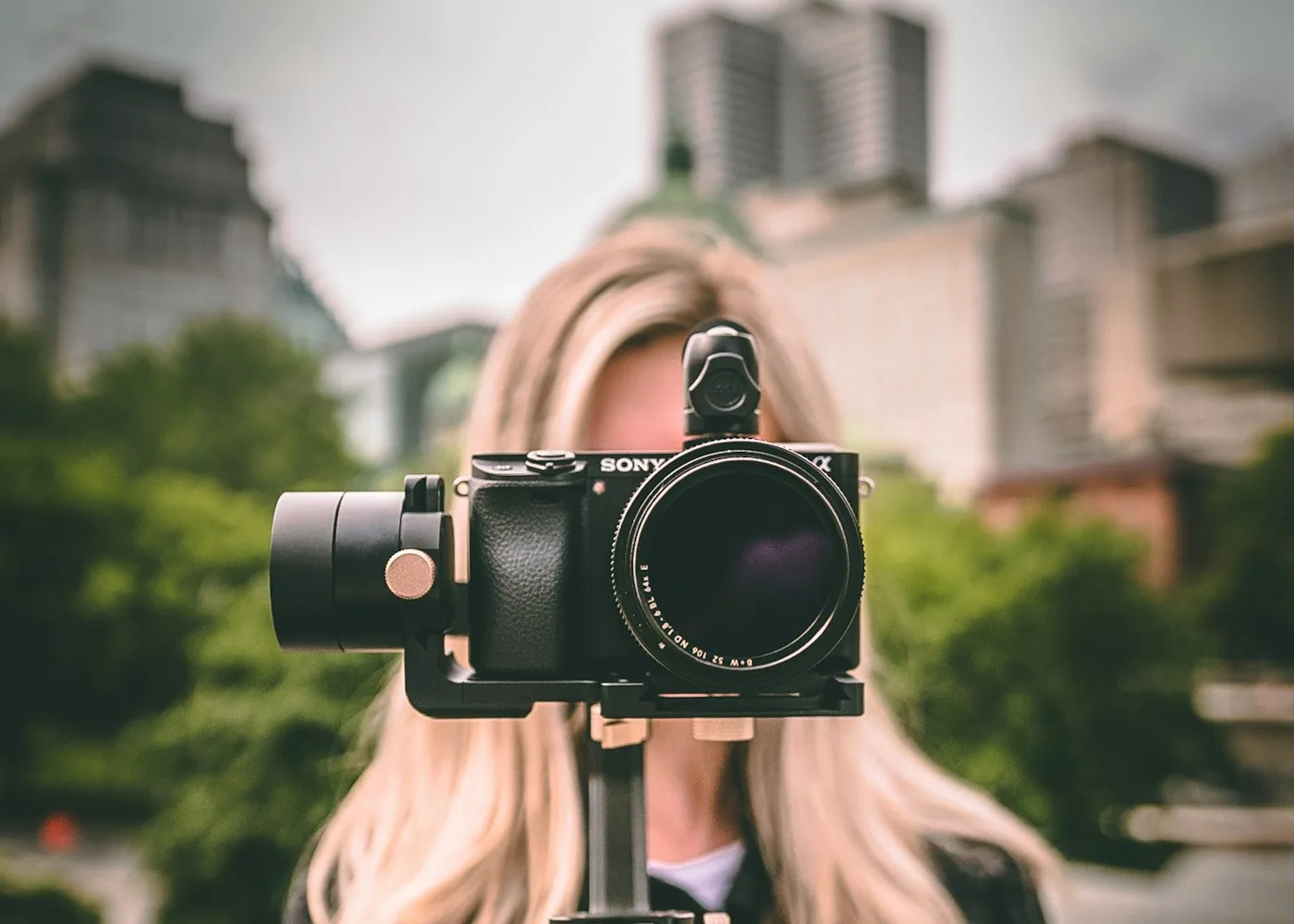
Professional stabilization transforms amateur footage into broadcast-quality content. The DJI Pocket 3 includes built-in gimbal stabilization. For cameras without gimbals, invest in a small motorized gimbal or quality tripod. Viewers perceive shaky footage as amateurish regardless of your camera sensor quality. Stabilization matters more than resolution for viewer engagement. Consider adding a small motorized gimbal to your setup even if your camera includes in-body stabilization. Dual stabilization systems often outperform single solutions.
Master Lighting Fundamentals
Most nomads neglect lighting because adding equipment increases luggage weight. However, two small LED panels that weigh barely five hundred grams completely transform video quality. Film during golden hour whenever possible. Use reflectors to fill shadows. Understand your camera sensor limitations in low light and shoot accordingly. Lighting competence matters more than owning the most expensive camera. Many successful nomadic creators achieve outstanding results with minimal camera investment but professional-grade lighting equipment.
Shoot for Post-Production Simplicity
When traveling in countries with unreliable internet, your editing workflow matters tremendously. Shoot in flat color profiles that require minimal color grading. Use in-camera stabilization to reduce motion correction during editing. Frame shots with intentional composition rather than relying on digital cropping during post. These practices reduce processing demands and allow you to edit on lower-powered devices. Your editing capability while traveling often matters more than your shooting capability.
Backup and Storage Strategy
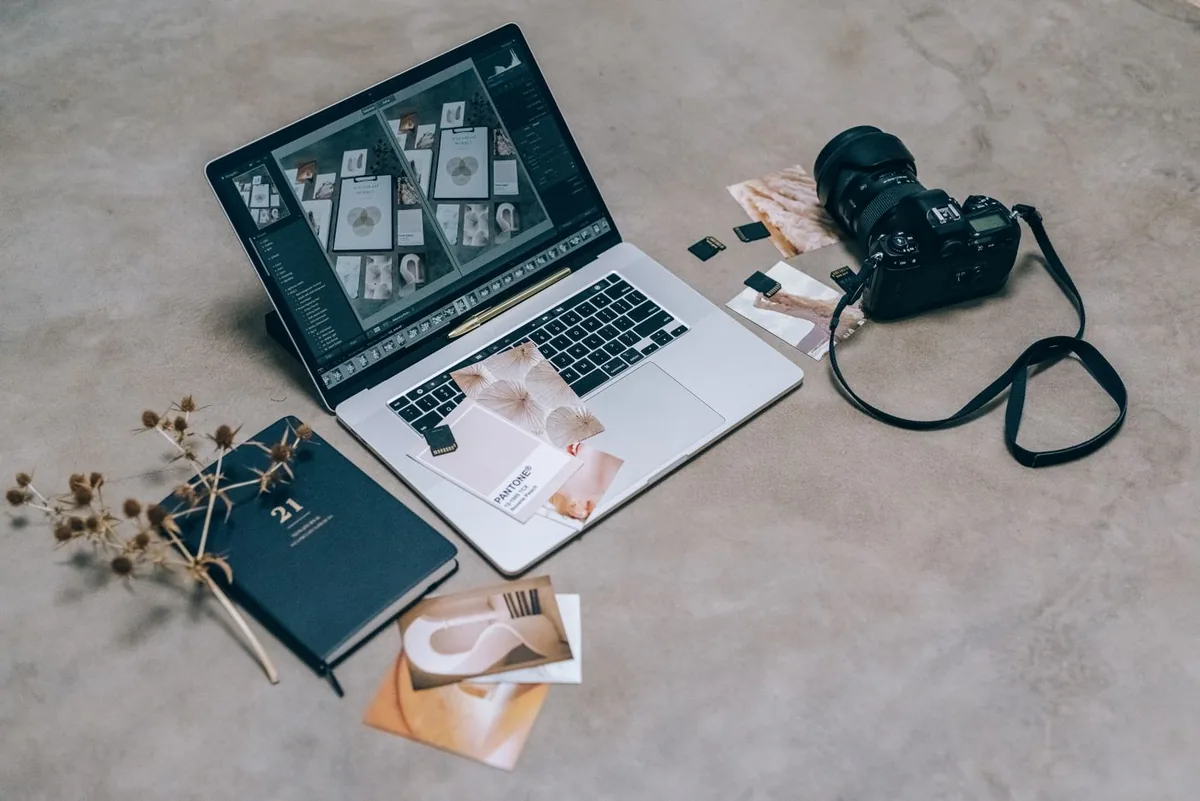
Losing months of travel footage due to SD card failure represents a catastrophic loss. Maintain a backup strategy involving portable SSDs and cloud uploading during convenient internet windows. Use high-speed V90 rated SD cards rather than economizing on cheaper cards. Keep backups in separate locations to protect against theft or loss. Many professional nomadic creators carry three copies of their footage across different physical locations while traveling. For help choosing the drive, see Samsung T7 Shield vs SanDisk Extreme. Here is how to set up a travel backup with four SSD picks.
Battery Management
Camera battery life rarely matches manufacturer claims in real-world usage. Carry at least two spare batteries for any camera system. Invest in a portable battery pack that can charge both your camera and phone. Understand your power consumption patterns and charge strategically during rest periods. Battery technology represents one of the biggest constraints on nomadic filming capacity.
Our remote work setup
The gear guides we compare for working from cafes, coliving rooms and rentals:
The Bottom Line: Best Camera for Digital Nomads
There is no universally best camera for all nomadic content creators because the optimal choice depends entirely on your specific situation, budget, content type, and technical comfort level.
For pure convenience and integrated ecosystem: iPhone 16 Pro remains unmatched for creators whose primary device functions as their camera. The computational photography and stabilization eliminate traditional post-production bottlenecks.
For cinematic B-roll and adventure content: DJI Pocket 3 delivers professional gimbal stabilization in a device that weighs less than a smartphone. Its built-in gimbal eliminates the need to purchase separate stabilization equipment.
For speaking-to-camera vlogging: Sony ZV-E10 II offers mirrorless quality with autofocus specifically optimized for creators. Its compact size and direct vlogging features create the fastest path to upload-ready footage.
For professional-grade cinematic quality: Sony A7C II represents the sweet spot between full-frame capability and portable size. Its low-light performance and color science justify the investment for creators building premium brands.
For outdoor and action content: GoPro Hero 13 combines ruggedness, stabilization, and ease of use in a package that survives conditions that would damage other cameras.
For aesthetic consistency and retro design appeal: Fujifilm X-T5 delivers film simulations that reduce editing time while offering excellent video quality in a compact APS-C body.
For value-conscious creators: Canon EOS R50 provides excellent capabilities at a price point between budget and premium options, backed by a growing lens ecosystem.
Start with the camera that aligns with your budget and immediate needs. Invest in stabilization, lighting, and storage infrastructure equally with your camera investment. Build your skills with your chosen system rather than perpetually upgrading hardware. The best camera ultimately is the one you carry with you, use consistently, and actually understand deeply.
Ready to upgrade your nomadic content creation setup? Check out our carefully curated selection of camera gear, stabilizers, and accessories handpicked for traveling creators. Some of the links in this post are affiliate links, which earn us a small commission at no extra cost to you.
About NomadsToolsLab
NomadsToolsLab is your comprehensive resource for digital nomad lifestyle optimization. We test equipment, develop workflows, and create guides helping location-independent professionals work effectively while traveling. We compare gear on the things that matter when you work on the road. Our mission is delivering honest product recommendations based on real-world travel and production experience rather than manufacturer specifications.
Why this matters
Complete Guide to Choosing the Right Camera for Your Nomadic Content Creation Journey
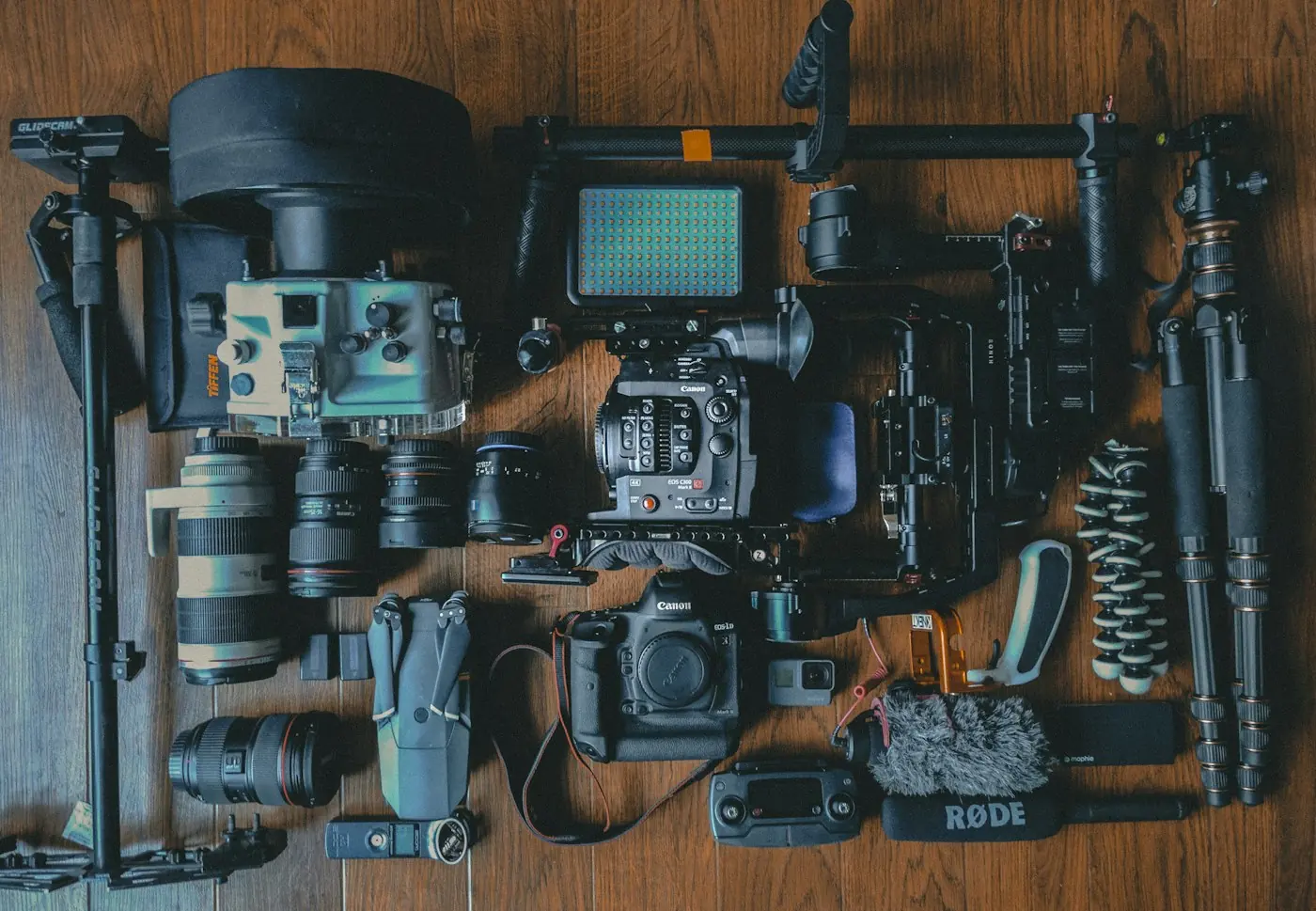
In 2026, digital nomads have unprecedented access to powerful cameras that rival professional broadcast equipment while remaining portable enough to fit in a carry-on. Whether you are creating YouTube content, TikTok videos, Instagram Reels, or documentary-style films while traveling, choosing the right camera can make the difference between mediocre footage and viral-worthy content. This comprehensive guide explores seven of the best cameras available for nomads, analyzing each based on real-world factors that matter when you are constantly on the move.
The nomadic content creator faces unique challenges. You need gear that is lightweight, durable, offers exceptional video quality, and requires minimal post-production work when internet connectivity is unreliable. You cannot afford to travel with three camera bodies and a dozen lenses. Instead, you need solutions that maximize versatility while minimizing weight and complexity. This guide focuses on cameras that balance these competing demands.
Why Camera Choice Matters for Nomad Creators
Your camera is often the most significant investment in your content creation setup after your laptop. It directly impacts your earning potential through sponsored content, brand partnerships, and affiliate marketing. A camera that produces exceptional video quality in challenging lighting conditions allows you to maintain consistent upload schedules regardless of whether you are filming in a dimly lit Bangkok hostel or under the harsh midday sun in Marrakech.
Weight and portability affect your daily mobility. A five-pound camera seems negligible until you have carried it up four flights of stairs in a Spanish city center during a 35-degree heat wave. Ergonomics matter when you are filming yourself speaking to the camera for ten-minute takes. Battery life becomes critical when you cannot access reliable charging for extended periods. These practical considerations often matter more than raw specifications.
The right camera becomes a force multiplier for your content production. It enables consistent upload schedules, maintains audience engagement through visual quality, and generates revenue through brand partnerships that reward high production values. Your camera choice also signals credibility to potential sponsors and collaborators, directly affecting your earning potential as a location-independent creator.
Want the full setup in one place? Grab the Free Digital Nomad Setup Guide.
The Nomad Toolkit
Tools We Recommend on the Road
These four cover the boring but essential parts of nomad life. These are the four we recommend first for most nomads:
- SafetyWing, monthly nomad insurance, subscribe once, keeps running as you move country to country
- Airalo, eSIM for 200+ countries, activate before you land, no more SIM card hunting
- Revolut, multi-currency account with real exchange rates, my daily card abroad
- DiscoverCars, best car rental prices worldwide, filter for automatic and unlimited km
Updated:
Choosing between two action cameras? Insta360 Ace Pro 2 vs GoPro HERO 13 compares the sensor, low light, waterproof depth and mounts.
Watch: the Sony ZV-E10 II after 500 days
Video by Tech Through The Lens.
Seen enough? Here is the Sony ZV-E10 II from this article.
Sony ZV-E10 II
Frequently Asked Questions
Does 4K 60fps work at full width on these cameras?
Not always. DPReview measured a roughly 1.1x crop for 4K at 60p on the Sony ZV-E10 II. On the Sony A7C II, 4K at 60p uses the Super 35 mode with a 1.5x crop, while full-frame 4K tops out at 30p.
Which of these cameras have in-body stabilization?
The Fujifilm X-T5 has 5-axis in-body stabilization rated up to 7.0 stops, and DPReview lists the Sony A7C II at 7.0 EV. The Sony ZV-E10 II has none and relies on electronic stabilization, which adds a further crop. The DJI Osmo Pocket 3 stabilizes with a physical 3-axis gimbal.
Is there a newer DJI camera than the Osmo Pocket 3?
Yes. DJI's site lists an Osmo Pocket 4 with 4K video at up to 240fps. The specs in this guide are for the Pocket 3.
Affiliate disclosure. This post contains affiliate links. If you click and buy something, this site earns a small commission at no extra cost to you. Picks are based on published specs, independent reviews and manufacturer information, and we only recommend what we would use ourselves. As an Amazon Associate I earn from qualifying purchases. Read the full affiliate disclosure. Amazon and the Amazon logo are trademarks of Amazon.com, Inc. or its affiliates.
Your next step