

Indonesia Digital Nomad Guide 2026: Visas, Costs, WiFi
As an Amazon Associate I earn from qualifying purchases. Some links on this page earn us a small commission, at no extra cost to you. Full disclosure.
You have a flight to Bali in your cart and three tabs open about visas. Before you pay, here is what living and working from Indonesia really looks like: the costs, the WiFi, the safety picture and the visa you will actually need. For the rest of the setup once you land, see our digital nomad setup guide.
Here is the short version of this Indonesia digital nomad guide: Indonesia is one of the most nomad friendly countries in Southeast Asia. There is a workable visa path, costs are low outside the tourist zones, the remote work community is huge and the food makes it easy to stay for months. It is also bureaucratic, visa rules change often and infrastructure outside the main hubs is patchy. Below: costs, internet, safety and a full walkthrough of the visa options.
Quick answer
Most nomads staying under six months use the C1 visit visa (older guides still call this route the B211A). Longer stays mean a KITAS, with the E33G for remote workers who meet the income bar. Bali's nomad hubs cost more than the rest of the country, and it pays to sort insurance and an eSIM before you land.
Sort these before you fly



Why Indonesia, in short
Why nomads come: a low cost of living compared to Western Europe, North America, Australia or even Singapore, a big remote work community (mostly on Bali), tropical weather and cheap, good food. With over 17,000 islands, "Indonesia" covers everything from Bali's coworking cafes to Jakarta's traffic to islands with barely any WiFi. See our cost of living comparison for how it stacks up.
Cost of living: what to actually expect
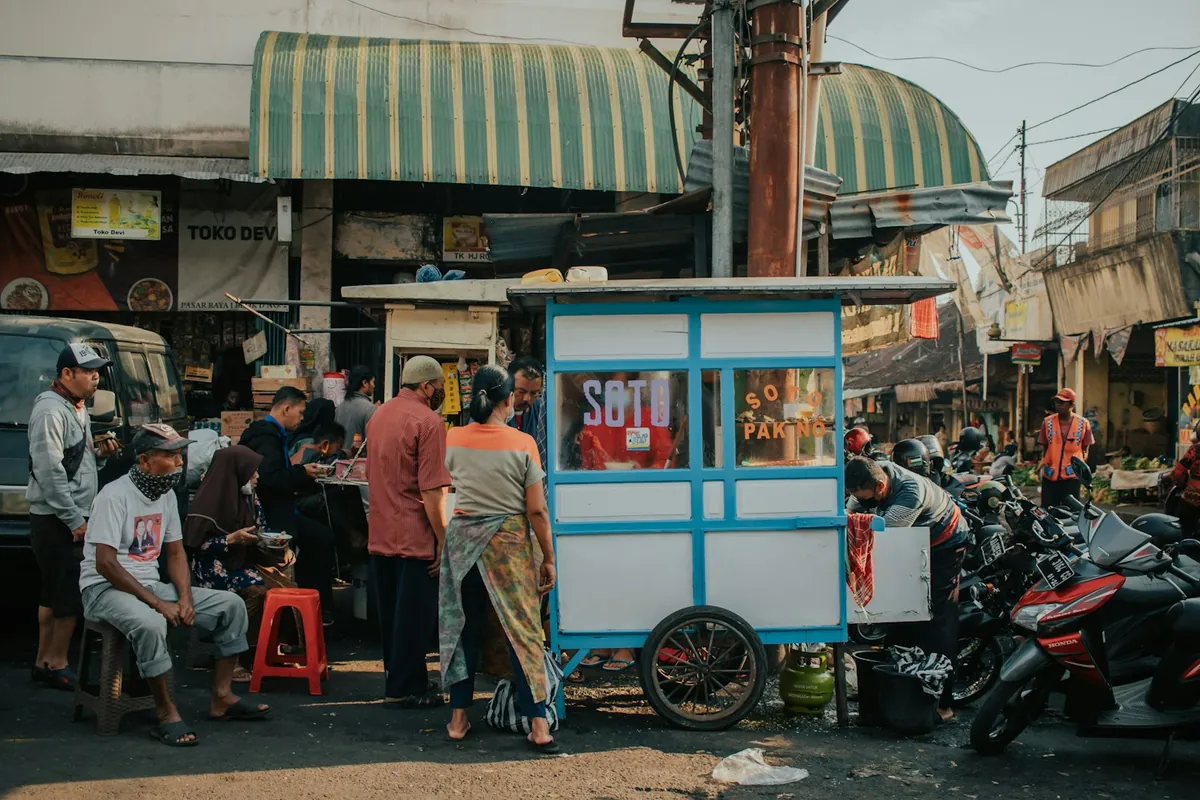
Costs vary a lot by region. Bali's nomad hubs (Canggu, Ubud, Seminyak) run noticeably higher than the rest of the country because of demand from remote workers and tourists.
| Expense | Bali hubs (Canggu, Ubud) | Secondary cities (Yogyakarta, Lombok, Malang) | Jakarta |
|---|---|---|---|
| Studio/1BR rent (monthly) | $400-900 | $200-450 | $400-800 |
| Local food (per meal) | $2-5 | $1.5-3 | $2-5 |
| Western food/cafe meal | $6-12 | $4-8 | $6-12 |
| Coworking space (monthly) | $120-250 | $60-150 | $100-200 |
| Scooter rental (monthly) | $50-90 | $40-70 | not recommended, use ride apps |
| Total monthly budget (comfortable) | $1,000-1,800 | $600-1,200 | $900-1,600 |
These are rough ranges that shift with the exchange rate and your exact area. "Bali is dirt cheap" is outdated for Canggu, although you can still live cheaply there.
Internet and connectivity: the honest picture
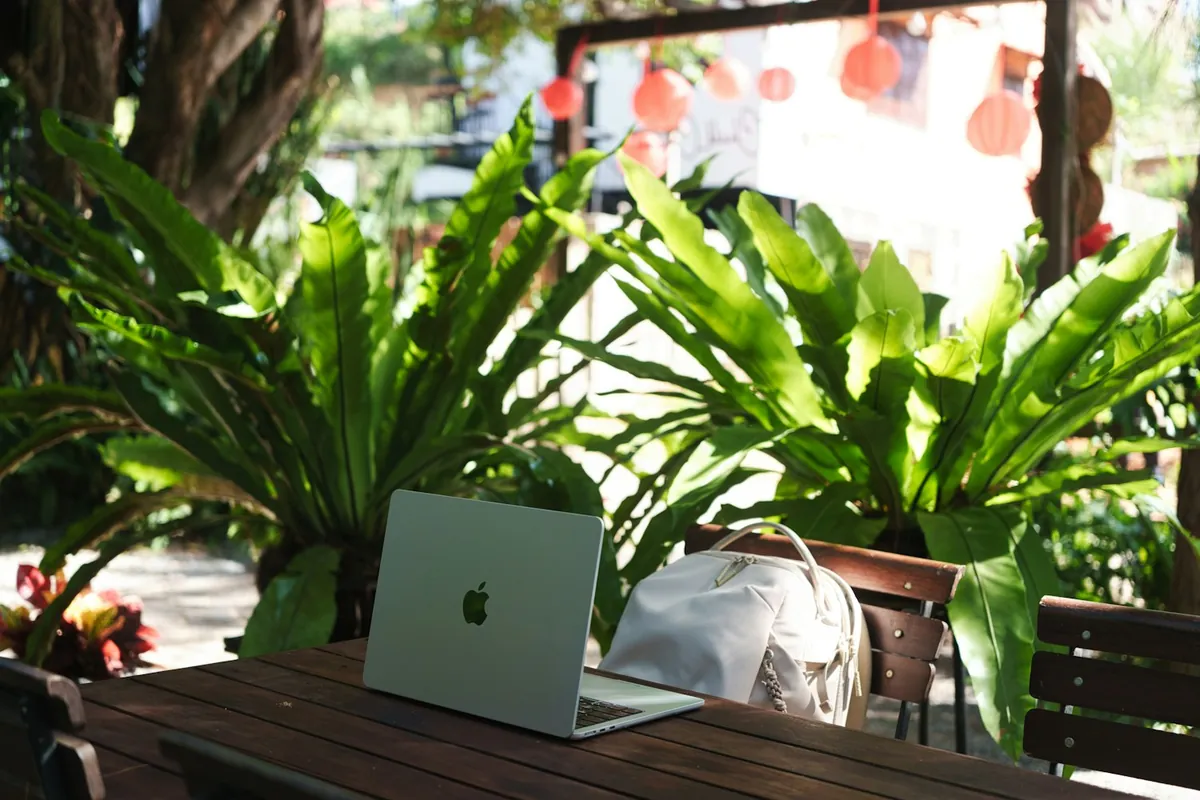
In the main nomad hubs (Bali's south, Jakarta, Yogyakarta), fiber internet is widely available and coworking spaces generally deliver 50-100+ Mbps reliably. Mobile data (Telkomsel, XL, Indosat) is solid in cities and most towns.
Outside those hubs it gets inconsistent fast. Smaller islands, rural Java and remote parts of Sumatra or Kalimantan can have slow connections and more power cuts. If you live on video calls, stay in the hubs or test your accommodation's WiFi before committing.
Our eSIM comparison covers the options, but the practical fix is a local eSIM through Airalo before you land, so you have data from the airport instead of hunting for a SIM on day one.
Safety
Indonesia is generally safe for nomads and travelers. Violent crime against foreigners is rare. The realistic risks are more mundane:
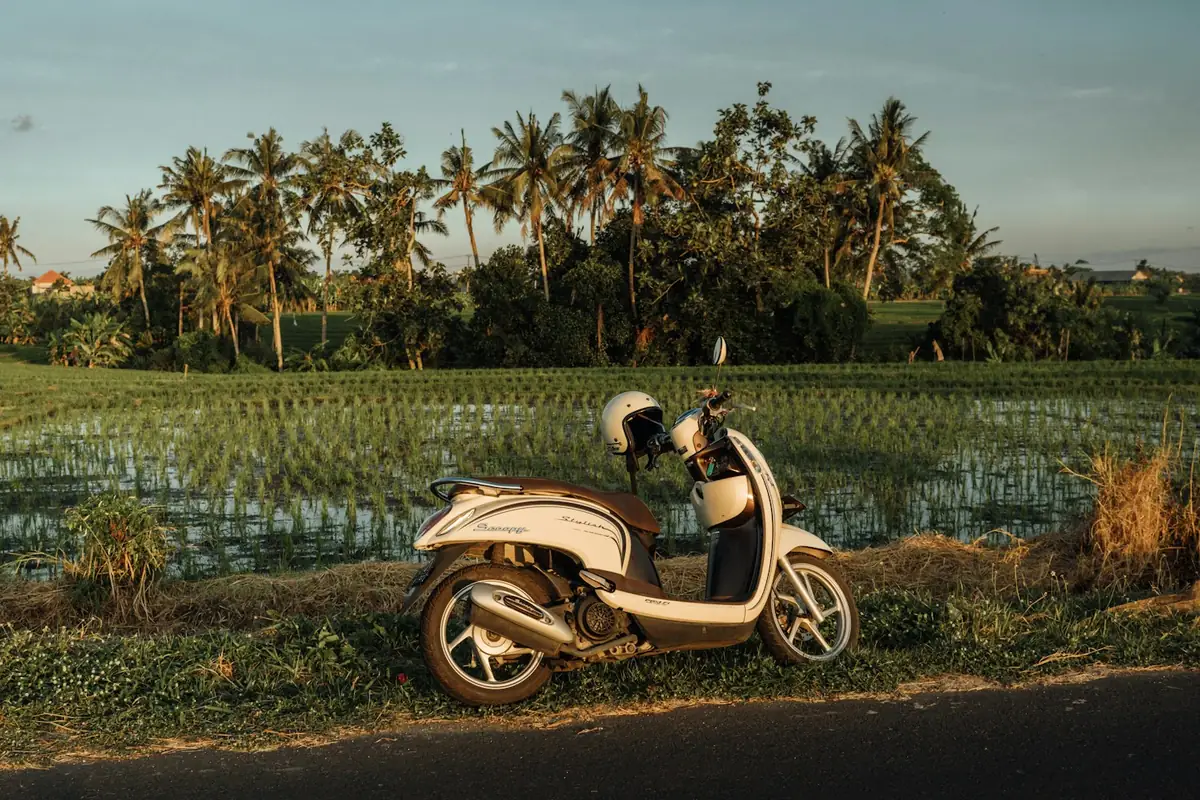
- Scooter accidents (the single biggest cause of injury and death among foreign nomads in Bali)
- Petty theft (phones and bags snatched from scooters, unlocked rooms)
- Natural hazards: Indonesia sits on the Pacific Ring of Fire, so earthquakes and occasional volcanic activity are real, and some regions have flood risk in wet season
- Water quality: tap water isn't drinkable anywhere in the country, stick to bottled or filtered
It is the same kind of risk as most of Southeast Asia. Because of the scooter accident rate, decent travel health insurance is worth having, see our full SafetyWing review: SafetyWing and World Nomads both cover long, multi country stays.

Culture notes
Indonesia is the world's largest Muslim majority country, but Bali is majority Hindu, a difference many first timers miss. Dress norms, alcohol and pace of life vary by region. English is common in nomad hubs and tourist areas, much less elsewhere, and a few Bahasa Indonesia phrases are warmly appreciated.
Ramadan affects opening hours and daytime food availability in Muslim-majority areas nationally, worth planning around if your trip overlaps with it.
The full visa deep-dive: C1 (formerly B211A), KITAS, and E33G
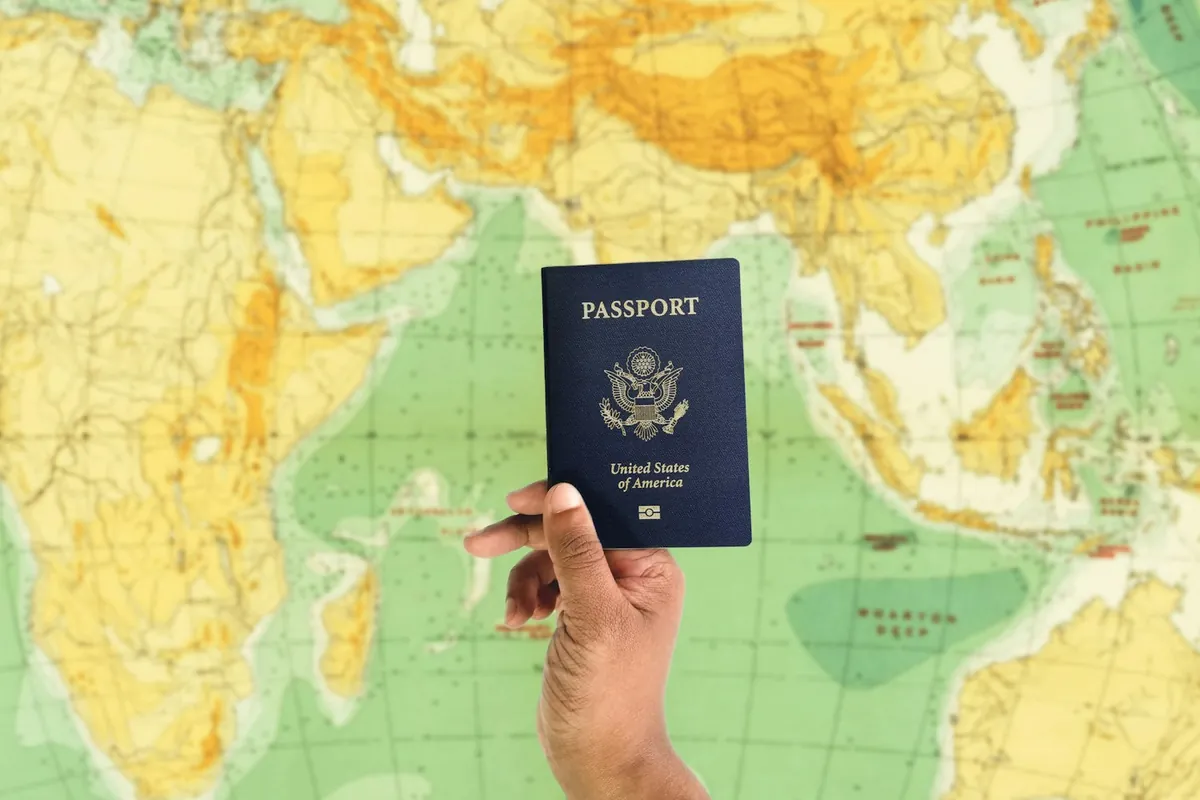
This is where most guides get vague. Indonesia has no single clean "digital nomad visa" like Portugal or Spain. There are several overlapping options, depending on how long you stay and how official you want to be. These three matter most.
C1 visit visa (formerly B211A)
The single-entry visit visa is the most commonly used entry route for nomads planning a stay of one to six months. Many guides still call it the B211A, but that code no longer appears on Indonesia's official visa list: single-entry visit visas now use the C index, with C1 for tourism and C2 for business. It's technically a "visit visa", not a formal work permit, and it does not legally authorize local employment or freelancing for Indonesian clients.
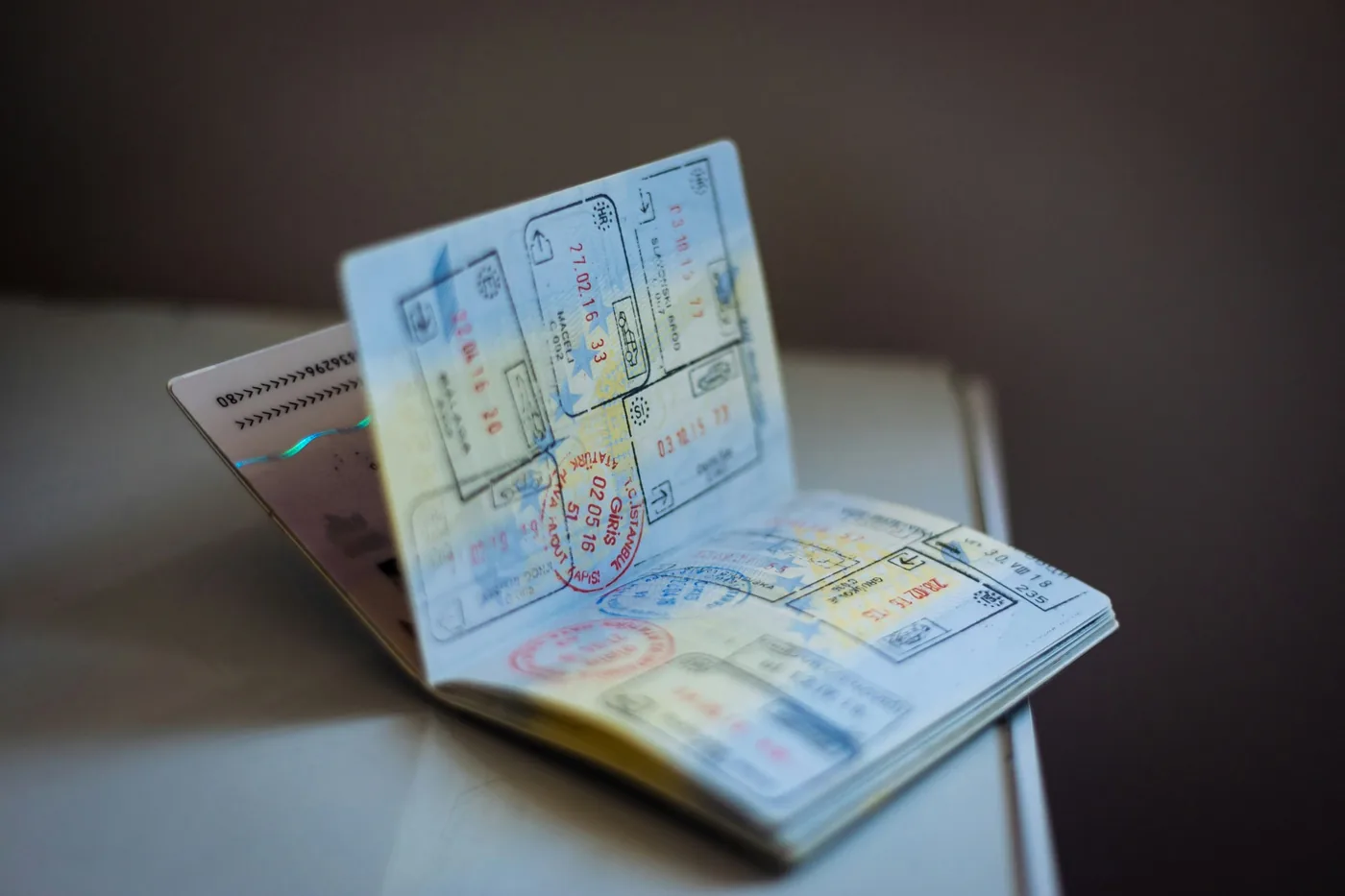
- Eligibility: Most nationalities, applied for online at the official Indonesian e-Visa website before arrival. Most passports do not need a sponsor; the official site only requires one for stateless people, holders of travel documents other than a national passport and citizens of certain listed countries. You need a passport valid for at least 6 months and a personal bank statement showing at least USD 2,000 (or the equivalent) over the last 3 months. An agent is optional.
- Cost: The official visa fee for C1 is IDR 1,000,000 for the first 60 days, as confirmed on imigrasi.go.id (Directorate General of Immigration) in September 2026. The eVisa checkout has also shown a separate administration fee of IDR 1,500,000 per application, so confirm the total before you pay. Each 60-day extension costs IDR 2,000,000.
- How long it takes: The official processing time is five working days after payment
- How long it's valid: 60 days from arrival, extendable in 60-day steps for a maximum stay of 180 days. You apply for an extension online through your eVisa account, no earlier than 14 days before your current stay permit ends and before it expires. Overstaying costs IDR 1,000,000 per person per day, and the visa must be used to enter Indonesia within 90 days of issue.
- Honest downsides: It's not a work authorization. The official terms list tourism, family visits and attending meetings, and prohibit profit-making activities in any form, so if you want a clearly legal base for remote work, look at the E33G below. The stay also stops at 180 days in total.
KITAS (Kartu Izin Tinggal Terbatas / Limited Stay Permit)
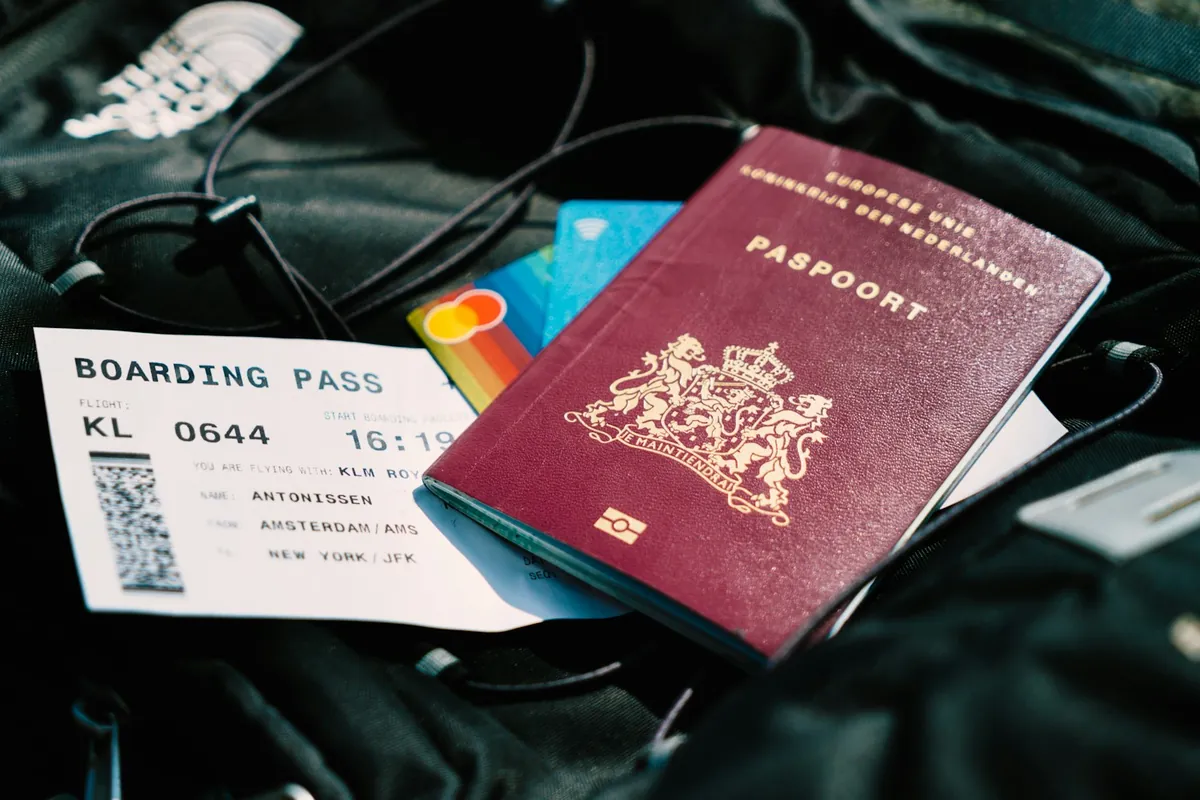
KITAS is the broader category of Indonesia's temporary stay permits, covering everyone from investors to spouses of Indonesian citizens to retirees to remote workers (the E33G, below, is technically a type of KITAS). If you're staying longer than six months or want a more stable legal footing than repeated visa extensions, a KITAS is the next step up.
- Eligibility: Depends on the sub-category, common ones include investor KITAS, retirement KITAS (55+), spouse KITAS, and remote worker KITAS (E33G)
- Cost: Depends on the category. Official fees include IDR 7,000,000 for a 1-year stay on the E33G remote worker or E33F retirement visa, and IDR 13,000,000 for up to 5 years on the E33 second home visa. Agent fees come on top if you use one.
- How long it takes: The official processing time is four to five working days after payment for the E33 and E33G, longer if documentation is incomplete
- How long it's valid: Depends on the visa behind it: 1 year for the E33G and E33F, up to 5 years for the E33 second home visa (extendable to 10 years in total). Stay permits can be extended online through the official e-Visa website.
- Honest downsides: This is where Indonesia's bureaucracy is most visible. Requirements vary by category and by which immigration office processes it, agents quote different prices for the same service, and rules have shifted multiple times in recent years.
E33G remote worker visa (the "digital nomad" KITAS)
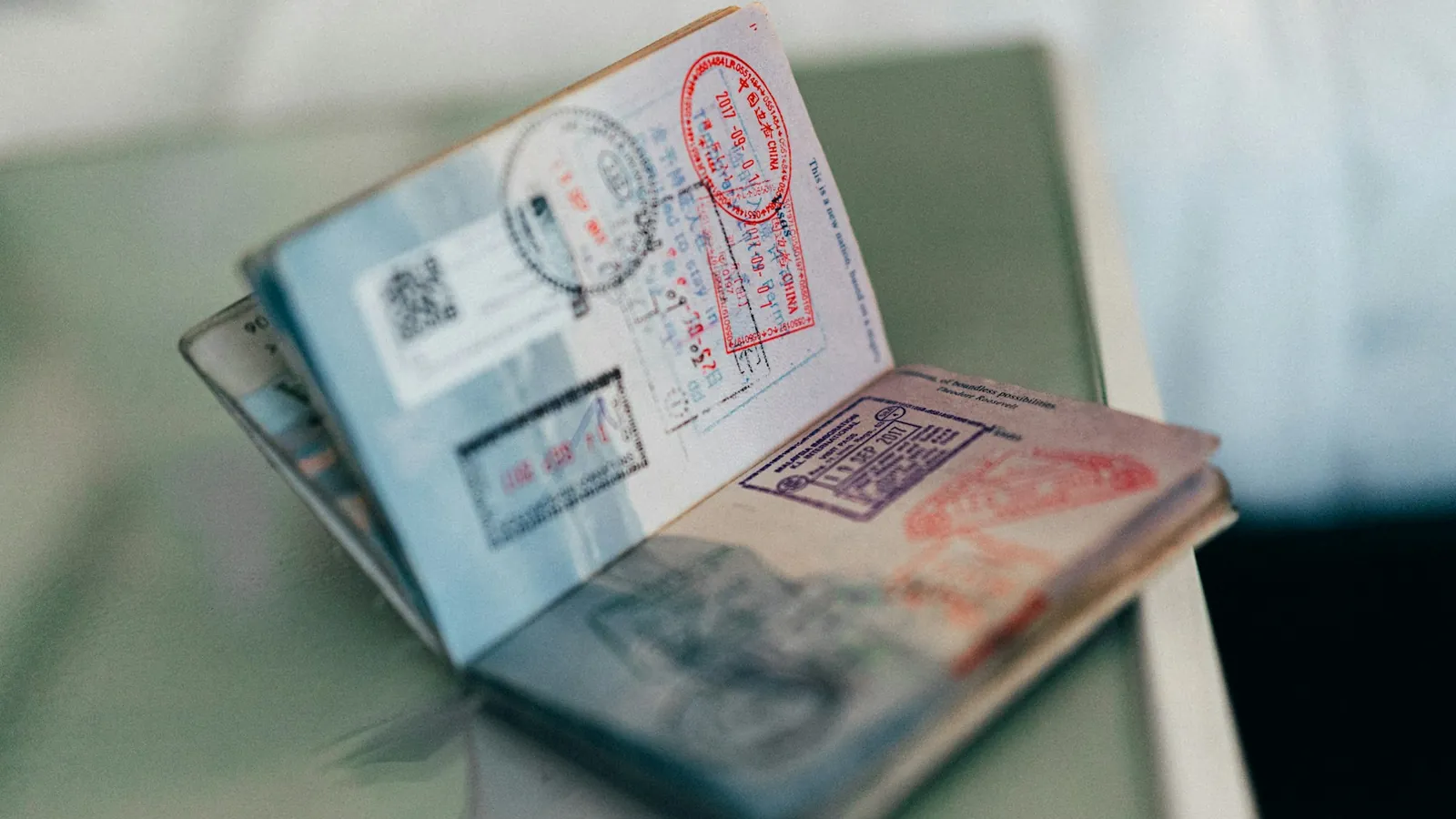
The E33G is the visa category closest to what people mean by "Indonesia digital nomad visa." It's built specifically for people employed by or contracting for a company outside Indonesia, who want to live in Indonesia without working for the local economy.
- Eligibility: An employment contract with a company established outside Indonesia, plus a bank account that proves salary or income of at least USD 60,000 a year. You also need a passport valid for at least 6 months, a personal bank statement showing at least USD 2,000 over the last 3 months, a CV and a travel itinerary. No sponsor is needed.
- Cost: The official fee is IDR 7,000,000 for a 1-year stay (visa IDR 500,000, verification IDR 2,000,000, 1-year stay permit IDR 3,000,000, 1-year re-entry permit IDR 1,500,000). An agent is optional and adds their own fee.
- How long it takes: The official processing time is five working days after payment. The stay permit is issued when you are admitted at the border, and a physical KITAS card is available at the immigration office.
- How long it's valid: 1 year. The immigration site says the stay permit can be extended online and converted into another stay permit, but it does not state a maximum number of extensions, so check the current rule before you plan beyond year one.
- Honest downsides: This is the newest and least battle-tested of the three, so processes and interpretations by individual immigration offices are inconsistent. The income threshold excludes a lot of freelancers and early-stage remote workers. You still cannot legally earn from Indonesian sources on this visa.

Bottom line: most short stay nomads (under 6 months) use the C1 visit visa (formerly B211A). Longer term nomads who want stability go for a KITAS, with the E33G for those who meet the income bar. Whatever you choose, check current requirements on the official e-Visa website or with a licensed visa agent before booking flights, because this is the fastest changing part of moving to Indonesia.
Visa options at a glance
- Under six months: C1 visit visa (formerly B211A), 60 days, extendable in 60-day steps to 180 days in total.
- Longer and more settled: a KITAS, for example 1 year on the E33G or up to 5 years on the E33 second home visa.
- Remote worker with foreign income: E33G, 1 year, IDR 7,000,000, income of at least USD 60,000 a year; the stay permit can be extended.
- Rules change often, so check the current requirements before you apply. Figures above were checked on evisa.imigrasi.go.id and imigrasi.go.id on 30 September 2026.
Tip: Flying in as a tourist first? Buy your e-VOA (visa on arrival) online before you fly, through the official Indonesian e-Visa website. e-VOA holders with an electronic passport can use the automatic gates (autogates) at Bali’s Ngurah Rai airport instead of the manual counters, which is faster (source: Directorate General of Immigration). If you land in Bali, you also need to pay the Bali Tourism Levy (IDR 150,000) through the official Love Bali portal, and it helps to fill in the free All Indonesia arrival declaration online up to 3 days before you land.

Where nomads actually go
Bali is the flagship destination by a wide margin, home to the bulk of Indonesia's coworking spaces, nomad meetups, and English-speaking services. If Bali is your main target, our Bali digital nomad guide covers neighborhoods, coworking spaces, and Bali-specific costs in detail, this page intentionally doesn't duplicate that.
Beyond Bali, more nomads now spend time in Yogyakarta (cheaper, more local, great food and culture, less nomad infrastructure), Jakarta (a real big city base, with real traffic and pollution) and the Gili Islands or Lombok (slower, patchier internet, better for a break than a work base).
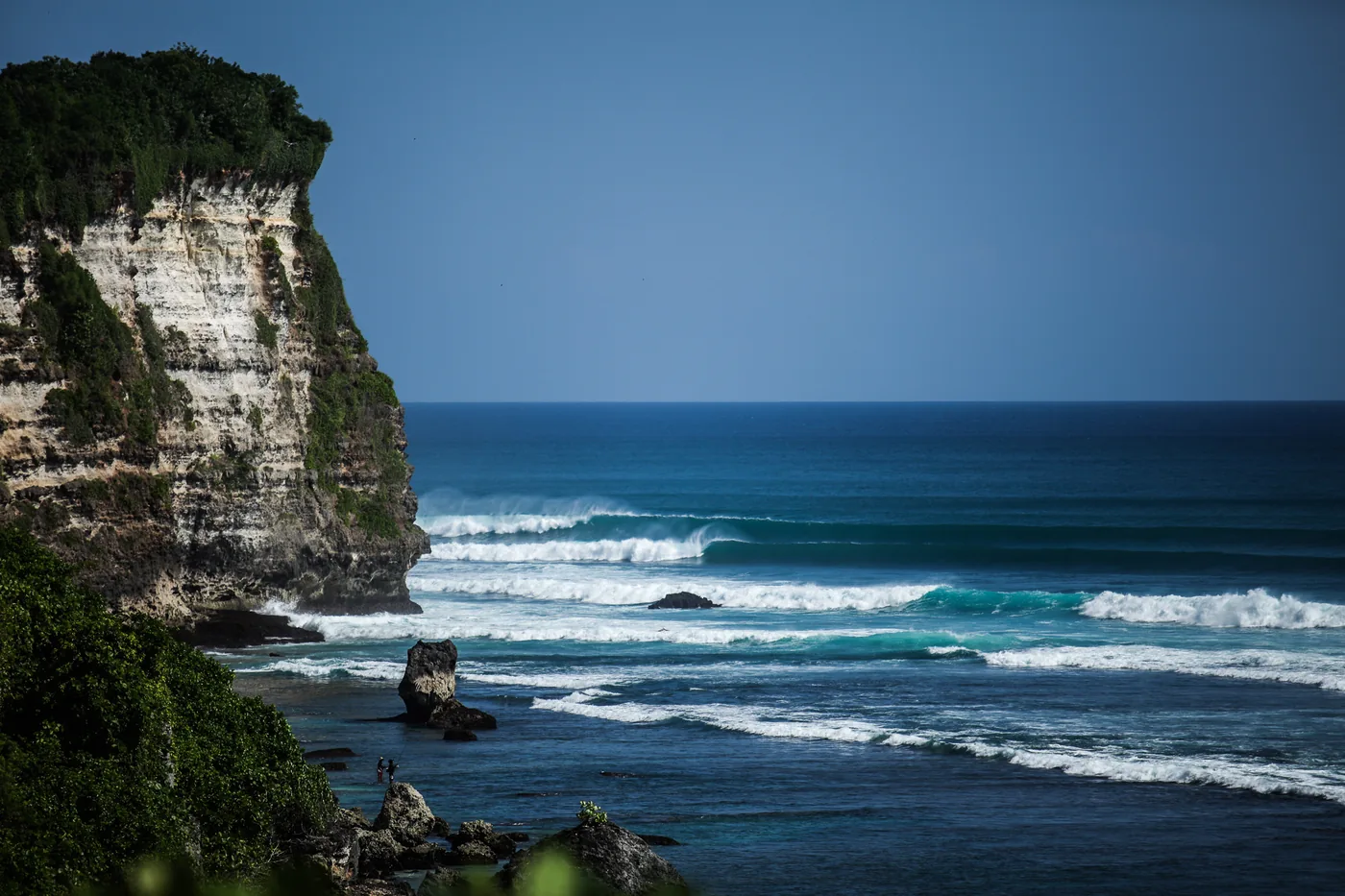
For surf, our guide to the best surf spots for digital nomads covers Canggu and Uluwatu in Bali.
Honest downsides of nomading in Indonesia generally
- Visa bureaucracy and frequent rule changes. The biggest friction point. Fees and processing shift often, so guides (this one included) need regular rechecking.
- Infrastructure outside the main hubs. Internet, power and roads drop off fast once you leave Bali's south, Jakarta or Yogyakarta.
- Red tape. Banking, SIM registration and official processes take longer than most Western nomads expect.
- Traffic. Bad and getting worse in Bali's south and Jakarta.
- Wet season (roughly November to March): heavy rain, humidity and occasional flooding in low lying areas.
Power plugs: Indonesia uses Type C and F sockets, so a Type C adapter such as the TESSAN European adapter (2 pack) covers it.
Getting set up: the practical stack
- Insurance: SafetyWing or World Nomads, given the scooter accident rate and Indonesia's mix of excellent private hospitals (expensive without insurance) and patchier public care.
- eSIM: Airalo for data from the moment you land, before you sort a local SIM.
- Banking: Wise or Revolut for low-fee currency conversion, since ATM fees and poor exchange rates add up fast over months in Indonesia.
- Accommodation: Booking.com for your first few weeks while you scout longer-term places in person.
- Car rental: if you're exploring beyond your base, DiscoverCars covers island road trips better than scooter rental for longer distances.
Before you go
Sort these three things before you fly: health cover, data on landing and a card that does not eat your money in fees.


What could be better about nomading in Indonesia generally
Indonesia earns its popularity, but three things could be better: a visa system that stops changing every few months, infrastructure outside Bali, Jakarta and Yogyakarta, and faster bureaucracy for anything official, from KITAS renewals to bank accounts. Go in with realistic expectations on those, and the cost, food, community and weather deliver. You will not get the frictionless influencer version, and that is fine.
Our remote work setup
The gear guides we compare for working from cafes, coliving rooms and rentals:

FAQ
Does Indonesia have a digital nomad visa?
Not one clean visa. The closest is the E33G remote worker KITAS, for people employed by a company outside Indonesia. It asks for proof of income of at least USD 60,000 a year, costs IDR 7,000,000 in official fees and gives a 1-year stay that can be extended online.
Which visa do most digital nomads use in Indonesia?
For stays under six months most nomads use the C1 visit visa (older guides call this route the B211A, a code that is no longer on the official visa list): 60 days, extendable in 60-day steps to 180 days in total. Most passports can apply online at evisa.imigrasi.go.id without a sponsor.
Is the internet in Indonesia good enough for remote work?
In the main hubs (Bali's south, Jakarta, Yogyakarta) fiber is widely available and coworking spaces usually deliver 50 to 100+ Mbps. Outside those hubs it gets inconsistent, so test the connection before a long stay.
Is Indonesia safe for digital nomads?
Generally yes. Violent crime against foreigners is rare. The real risks are scooter accidents, petty theft, natural hazards like earthquakes, and tap water, which is not drinkable anywhere in the country.
How much does it cost to live in Indonesia as a digital nomad?
Roughly 1,000 to 1,800 USD a month in Bali's hubs, 600 to 1,200 in secondary cities and 900 to 1,600 in Jakarta (rough ranges from our cost table).
Affiliate disclosure. This post contains affiliate links. If you click and buy something, this site earns a small commission at no extra cost to you. Picks are based on published specs, independent reviews and manufacturer information, and we only recommend what we would use ourselves. As an Amazon Associate I earn from qualifying purchases. Read the full affiliate disclosure. Amazon and the Amazon logo are trademarks of Amazon.com, Inc. or its affiliates.




2 Comments