Japan Digital Nomad Guide: Visa, Costs & Best Cities 2026
As an Amazon Associate I earn from qualifying purchases. Some links on this page earn us a small commission, at no extra cost to you. Full disclosure.
You have seen the photos of Kyoto in red and gold and you want to work from Japan for a season. Good plan, as long as you know the visa is short, the costs are higher and renting is harder than in Southeast Asia. This Japan digital nomad guide walks through each.
If you're building a Japan digital nomad plan, autumn is the reason it keeps coming up. Roughly October through November, the country turns red and gold with koyo (autumn leaves) season, and it's one of the biggest reasons Japan has become one of the most-searched digital nomad destinations for 2026. Add a dedicated digital nomad visa on top of that, and interest has genuinely spiked.
This guide covers what the visa actually requires, real cost of living, internet quality, the language barrier, and where to base yourself if you land in Tokyo, Osaka, Kyoto, or Fukuoka.
Quick answer
Japan's digital nomad visa gives you six months with no extension, so treat Japan as a defined, higher-cost season rather than an open-ended base. The internet is excellent, English is limited, and October to November is the autumn foliage window. Visa details checked on 5 October 2026 on the Immigration Services Agency of Japan site.
Sort these before you fly


SafetyWing

Airalo eSIM
The Japan digital nomad visa: what we know
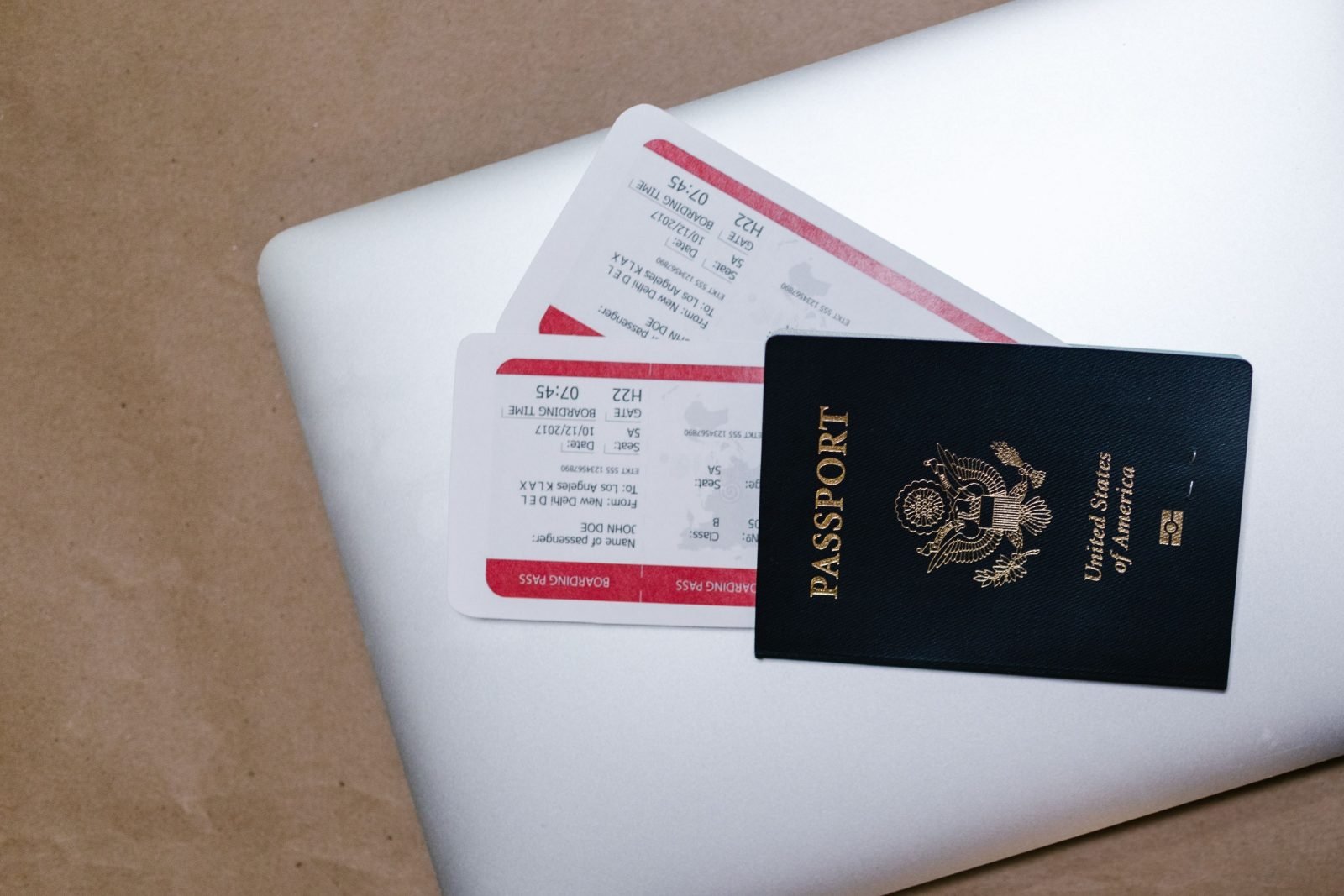
Japan launched a digital nomad visa in 2024, aimed at remote workers employed by, or contracting for, companies outside Japan. It’s newer than Portugal’s or Spain’s equivalents, and details have shifted before.
| Requirement | What's reported |
|---|---|
| Income threshold | Around ¥10,000,000/year (roughly $65,000-70,000 USD), based on your most recent annual gross income |
| Maximum stay | Up to 6 months, no extensions |
| Reapplication | Must wait roughly 6 months outside Japan before applying again |
| Eligible nationalities | Around 50 countries and regions (US, UK, most of the EU, Australia, Canada, Singapore, South Korea, Taiwan among them) |
| Health insurance | Mandatory, minimum ¥10,000,000 in coverage for injury, illness, and death |
| Path to residency | None, time on this visa doesn't count toward permanent residency |
| Family | Spouse and unmarried children under 18 can apply for matching status, each pays their own fee |
The honest read: this is a strict visa compared to Southeast Asia's nomad-friendly options. Six months with no extension and no renewal path means Japan works better as a season, not a base. The income bar also rules out a lot of freelancers and early-stage entrepreneurs.
Income figures, the eligible country list, and processing times are the parts most likely to shift. Confirm directly with the Japanese embassy or consulate handling your nationality before you commit to anything.
Checked on 5 October 2026: the Immigration Services Agency of Japan lists the visa under Designated Activities with an annual income of at least 10 million yen, health insurance of at least 10 million yen for injury and illness, and a stay of six months with no extension. Applicants must be nationals of a country that is both on Japan's short-stay visa exemption list and has a tax convention with Japan; the agency publishes a chart of those countries. Family members apply under their own Designated Activities status with the same six-month limit. Planning a longer stay in the region? Compare it with Malaysia's DE Rantau pass, which allows up to 24 months.
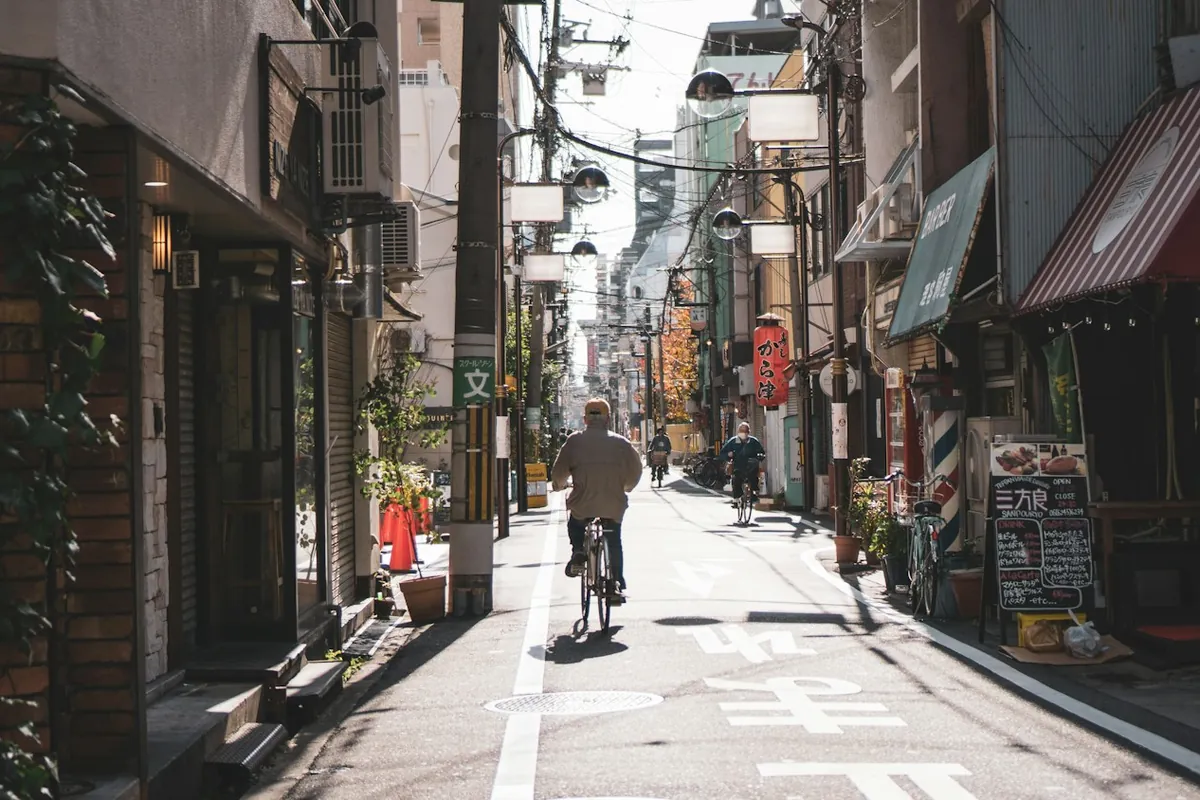
Cost of living: be honest with yourself first
Japan is genuinely more expensive than most Southeast Asian or Latin American nomad hubs.
| Expense (monthly, solo) | Chiang Mai / Bali | Tokyo/Osaka | Smaller city (Fukuoka) |
|---|---|---|---|
| Studio/1BR apartment | $400-700 | $900-1,600 | $600-1,000 |
| Coworking desk | $80-150 | $150-300 | $100-200 |
| Groceries + eating out | $300-450 | $500-700 | $400-550 |
| Local transport | $20-40 | $80-150 | $50-80 |
| Rough monthly total | $900-1,400 | $1,700-2,800 | $1,200-1,900 |
Tokyo and Osaka sit closer to Western European city prices than Southeast Asian nomad-hub prices. Kyoto and Fukuoka are noticeably cheaper. The upside: trains run on time, tap water is drinkable everywhere, food quality is consistently good, and safety is about as good as it gets anywhere.
Internet quality: one of Japan's real strengths
Fiber internet is widely available in cities, average speeds are fast and consistent, and public wifi is generally reliable. For day-one connectivity, an eSIM through Airalo works fine for calls and basic browsing, though don't rely on it for heavy video calls, abroad-facing eSIM data can be noticeably slower than a real Japanese SIM or fiber connection.
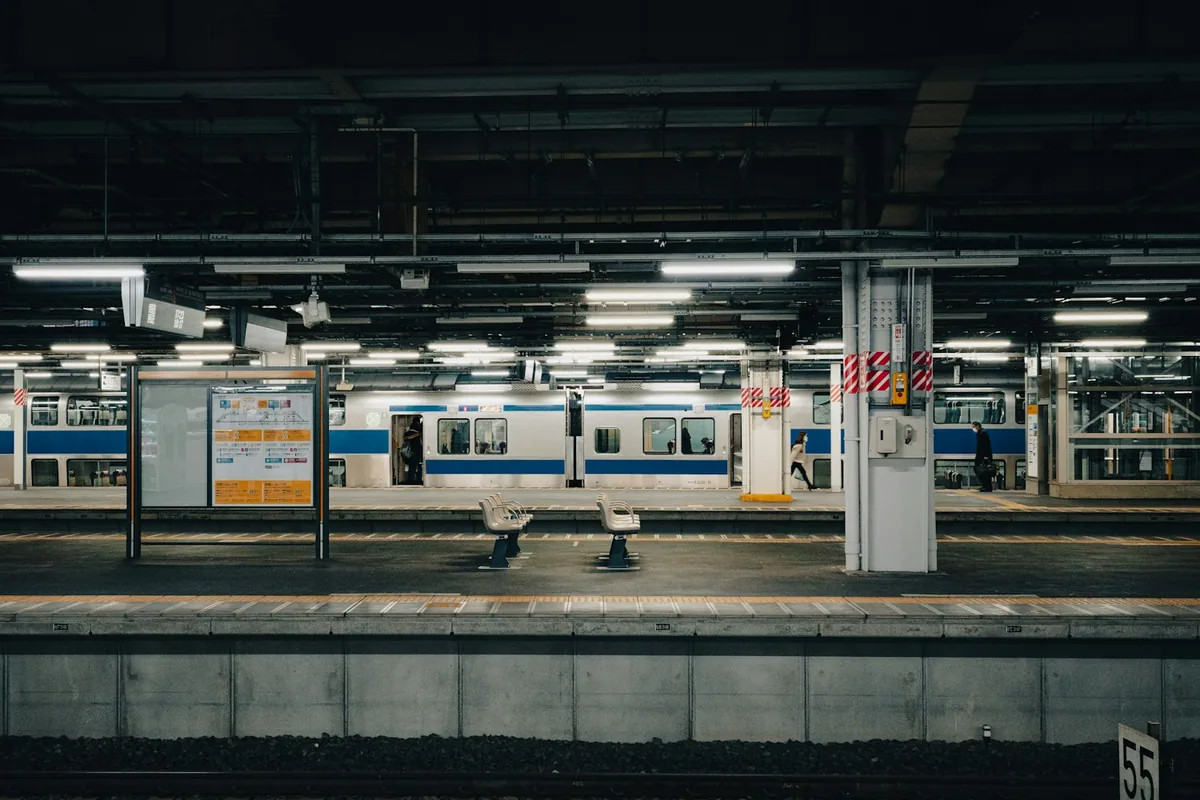
Language barrier: more real than most nomad hubs
English proficiency in Japan, especially outside major tourist areas, is lower than in Thailand's or Vietnam's nomad-friendly cities, and lower than most of Latin America's nomad hubs. Day-to-day life is manageable with translation apps. Anything involving bureaucracy, apartment contracts, city hall registration, banking, is where the barrier really bites.
Best cities for digital nomads in Japan
Tokyo: the largest coworking scene, most international community. What could be better: the most expensive city on this list, and the sheer size can feel impersonal for a few months' stay.
Osaka: a more relaxed pace, cheaper rent, strong food scene. What could be better: a smaller nomad and expat community, more effort to build a local network.
Kyoto: stunning, especially during autumn foliage, slower and more traditional. What could be better: touristy in peak seasons, pushing up short-term accommodation prices.
Fukuoka: cheaper than Tokyo or Osaka, a startup-friendly local government, a growing coworking scene. What could be better: further from Tokyo and Kyoto, more travel time if you're combining cities.
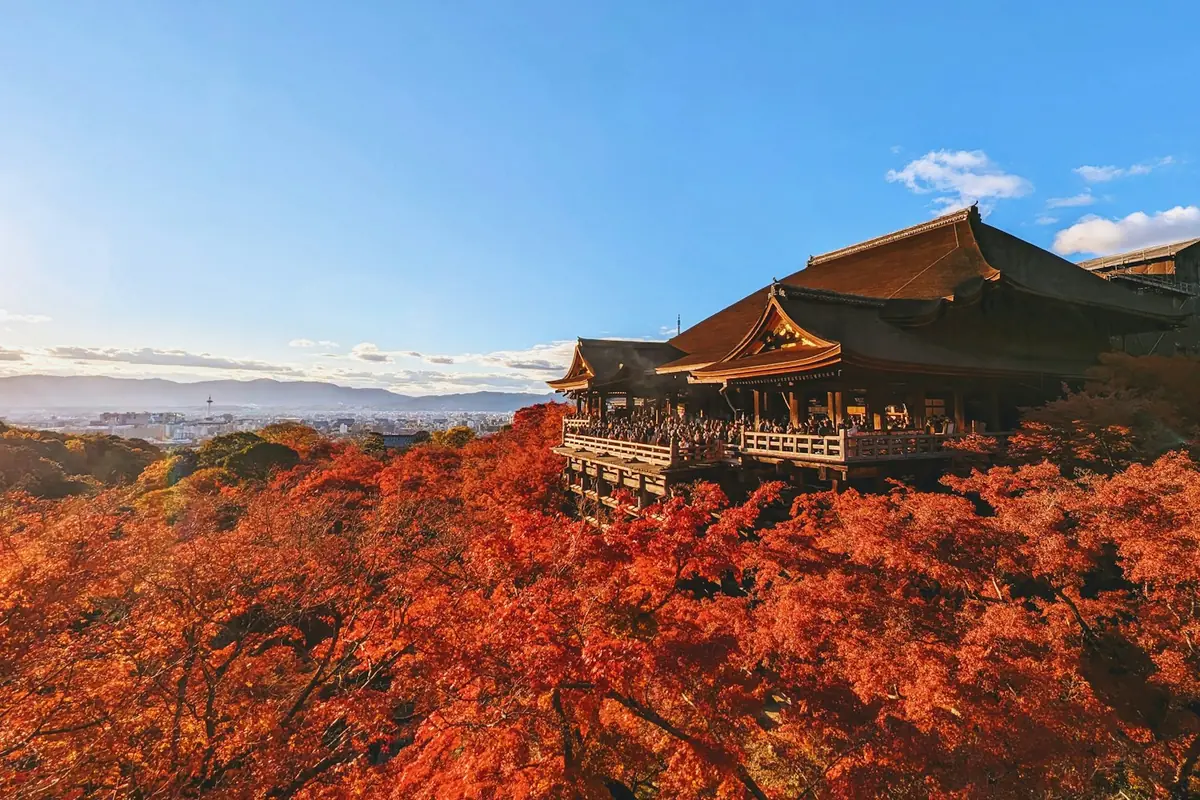
Autumn foliage season: the seasonal draw
Roughly early October through late November, Japan's maples and ginkgo trees turn. Kyoto and areas around Tokyo (Nikko, Fuji Five Lakes) are classic spots. Practically: book accommodation early, expect higher prices and busier trains and temples during peak weeks, and build in buffer time since the exact peak moves year to year.
Housing and bureaucracy for foreigners
Long-term rentals often require a Japanese guarantor, "key money" (a non-refundable payment to the landlord), and paperwork that assumes long-term residency. Many landlords are reluctant to rent to foreigners on short stays. For a visa that only covers six months, most nomads end up in serviced apartments or extended booking-platform stays. Booking.com is a reasonable place to start comparing monthly rates.
Another place to look for a bed is ZenHotels, where you can search and compare hotels, hostels and apartments.
Compare hotel prices on ZenHotels
Key takeaways
- Six months on the visa, no extension and no renewal path.
- Tokyo and Osaka cost closer to Western Europe, Kyoto and Fukuoka are cheaper.
- Serviced apartments are the easy route, because long-term rentals often need a guarantor.
Power plugs: Japan uses Type A and B sockets, the flat-pin plugs also used in the US, and a universal adapter such as the TESSAN 28W universal adapter covers other plug shapes on the same trip.
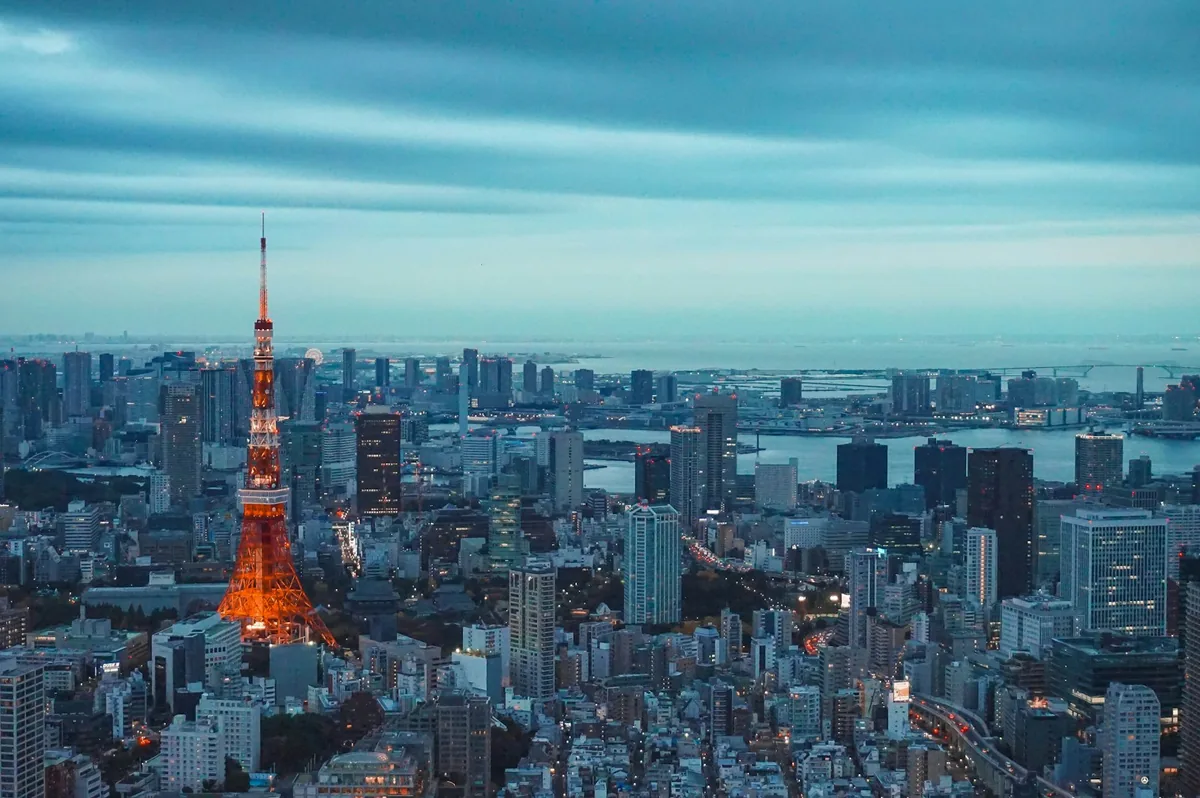
Getting ready: practical basics
Health insurance: compare digital nomad insurance through SafetyWing or World Nomads, and check the coverage minimum against the visa's ¥10,000,000 requirement. What could be better: neither plan is built specifically around this visa's insurance minimum, read the policy limits carefully before assuming it clears the bar.
Connectivity: an eSIM via Airalo for arrival, then a local SIM or pocket wifi for data-heavy work once settled.
Banking: Wise or Revolut are far easier than opening a Japanese bank account as a short-term visa holder.
Accommodation: start with Booking.com for flexibility while scoping neighborhoods.
Before you go
Sort these three things before you fly: health cover, data on landing and a card that does not eat your money in fees.
What could be better about nomading in Japan
- The visa is short and rigid, six months, no extension, no renewal for another six months after.
- Cost of living is genuinely higher, especially in Tokyo and Osaka.
- The language barrier bites hardest exactly where you need clarity most: contracts, bureaucracy.
- Renting is harder for foreigners, pushing most toward pricier serviced apartments.
- The visa is still new, processes and eligible countries may change, verify directly with an embassy or consulate.
Japan rewards nomads who come prepared for a defined, higher-cost season rather than an open-ended cheap base.
Our remote work setup
The gear guides we compare for working from cafes, coliving rooms and rentals:
Related reading: Tokyo for Digital Nomads: The Complete 2026 City Guide.
Before you fly, see how to set up an eSIM before you land and how travel insurance works for nomads.
FAQ
Does Japan have a digital nomad visa?
Yes. Japan launched one in 2024 for remote workers employed by or contracting for companies outside Japan. It gives six months with no extension and no renewal path, so Japan works best as a season, not a base.
How much income do I need for the Japan digital nomad visa?
Reported at around ¥10,000,000 a year. Income figures, eligible countries and processing times can change, so confirm with the Japanese embassy or consulate for your nationality.
Which city in Japan is best for digital nomads?
Tokyo has the largest coworking scene and international community but is the most expensive. Osaka is more relaxed and cheaper, Kyoto is beautiful but touristy in peak season, and Fukuoka is cheaper with a startup friendly local government.
Is Japan expensive for digital nomads?
Yes, compared to Southeast Asia or Latin America. Tokyo and Osaka sit closer to Western European prices, while Kyoto and Fukuoka are noticeably cheaper.
Affiliate disclosure. This post contains affiliate links. If you click and buy something, this site earns a small commission at no extra cost to you. Picks are based on published specs, independent reviews and manufacturer information, and we only recommend what we would use ourselves. As an Amazon Associate I earn from qualifying purchases. Read the full affiliate disclosure. Amazon and the Amazon logo are trademarks of Amazon.com, Inc. or its affiliates.