Thailand Digital Nomad Guide 2026: Cities, Visas, Costs
As an Amazon Associate I earn from qualifying purchases. Some links on this page earn us a small commission, at no extra cost to you. Full disclosure.
You want warm weather, fast internet and a big nomad community, and Thailand keeps coming up. The catch is timing: pick the wrong months and you get smoke in the north or a crowded, pricier peak season.
If you're planning a Thailand digital nomad guide worth following, timing matters more than most people realize. Thailand sees its biggest wave of Southeast Asia nomad traffic every year between November and February, when the cool dry season replaces the heat and humidity with clear skies and comfortable working conditions. This guide covers the practical side: when to go, where to base yourself, what it costs, how the internet holds up, and which visa options actually make sense for remote work. We'll also flag the one thing most guides bury in a footnote but shouldn’t: Chiang Mai’s burning season.
Quick answer
Go between November and February, avoid the north in March and April because of the burning season, and look at the Destination Thailand Visa if you want to stay long term. Bangkok has the best infrastructure, Chiang Mai the lower costs and the classic nomad scene. Visa details checked on 9 October 2026 on Thai embassy pages.
Sort these before you fly



When to go: the cool season window (and why it matters)
Thailand has three loose seasons:
- Cool season (November to February): Lower humidity, temperatures in the mid-20s to low 30s Celsius, minimal rain. This is peak nomad season and peak tourist season, so expect more competition for good apartments and coworking desks.
- Hot season (March to May): Heat climbs into the high 30s, sometimes low 40s. This is also when the burning season hits the north (more below).
- Rainy season (June to October): Humid with regular downpours, but often short and predictable. Cheaper accommodation, fewer crowds.
If you can only pick one window, November through February is it.
The burning season problem: don't ignore this
From roughly March to April, Chiang Mai and much of Northern Thailand experience genuinely bad air quality caused by agricultural crop burning and forest fires. PM2.5 levels in Chiang Mai during peak burning season regularly rank among the worst in the world, sometimes topping global pollution indexes for weeks at a time.
If you have any respiratory sensitivity, this is not a season to be in Chiang Mai. If your Thailand plans land you in the north between March and April, either shift your dates or plan to be in Bangkok, on an island, or out of the country entirely during that stretch.
Key takeaways
- Best window: November to February, the cool season.
- Avoid: Chiang Mai and the north in March and April, when air quality gets genuinely bad.
- Rainy season (June to October) is cheaper, with short and fairly predictable downpours.
Where to base yourself
Bangkok
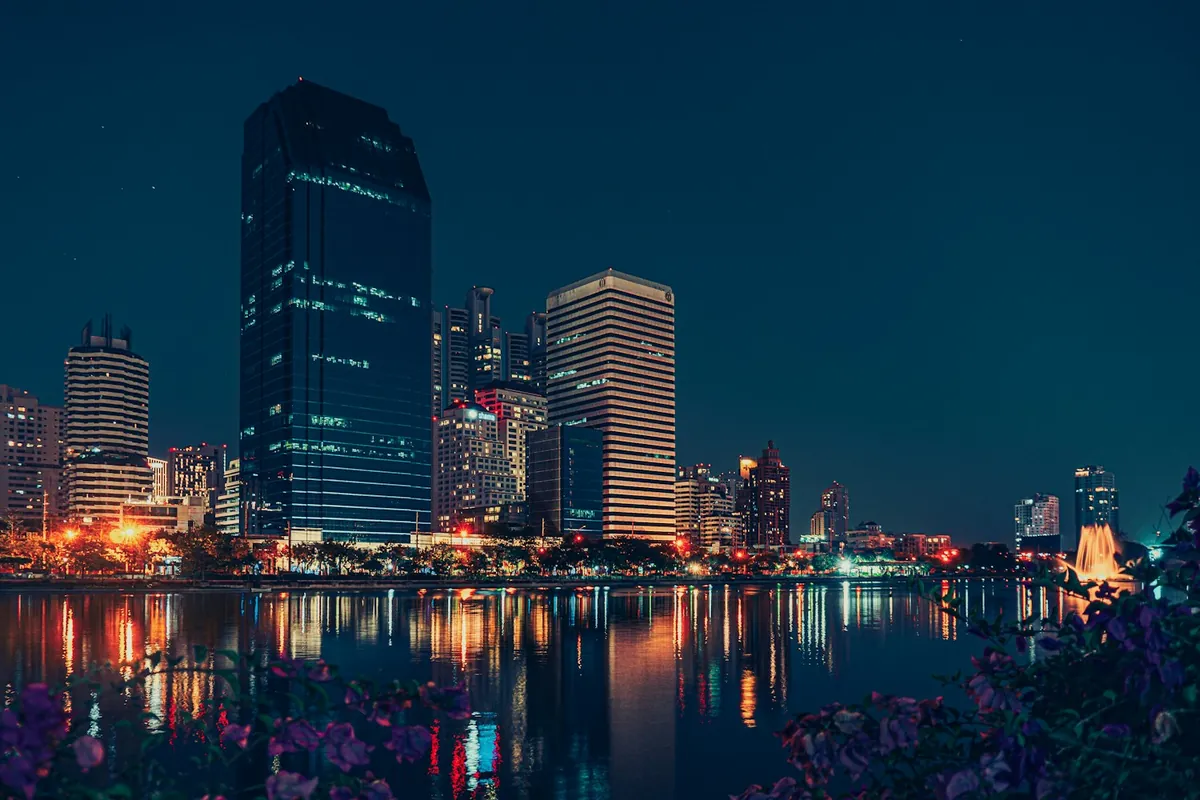
The most infrastructure-heavy option: reliable fiber internet, a huge range of coworking spaces, a proper international airport, and a food and nightlife scene that runs 24/7. It's also the most expensive of Thailand's nomad hubs and the most polluted year-round (though nowhere near burning-season Chiang Mai levels). Traffic is bad and the BTS/MRT trains don't cover everywhere.
Chiang Mai
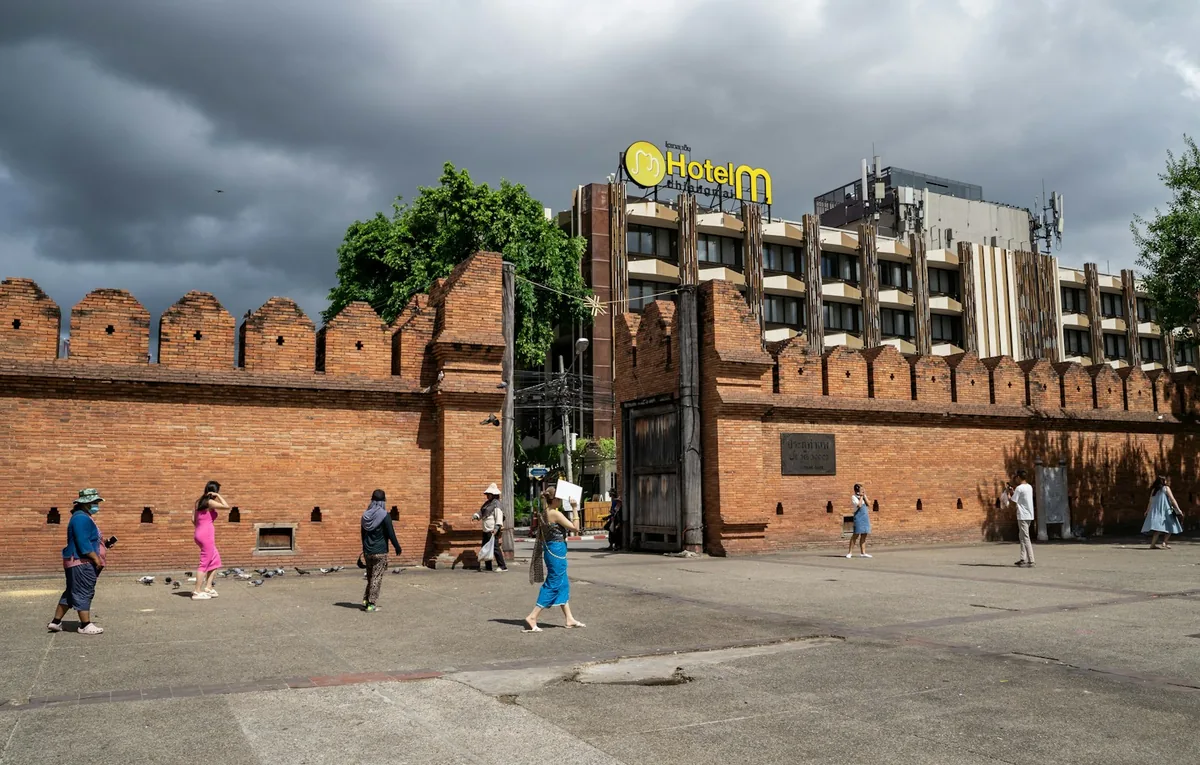
Thailand's original digital nomad hub, still popular for its lower cost of living, laid-back pace, and dense nomad community. See our full guide to the best coworking spaces in Chiang Mai for space-by-space detail. The one thing to plan around: avoid March-April unless you're fine with heavy smoke.
Phuket and the islands
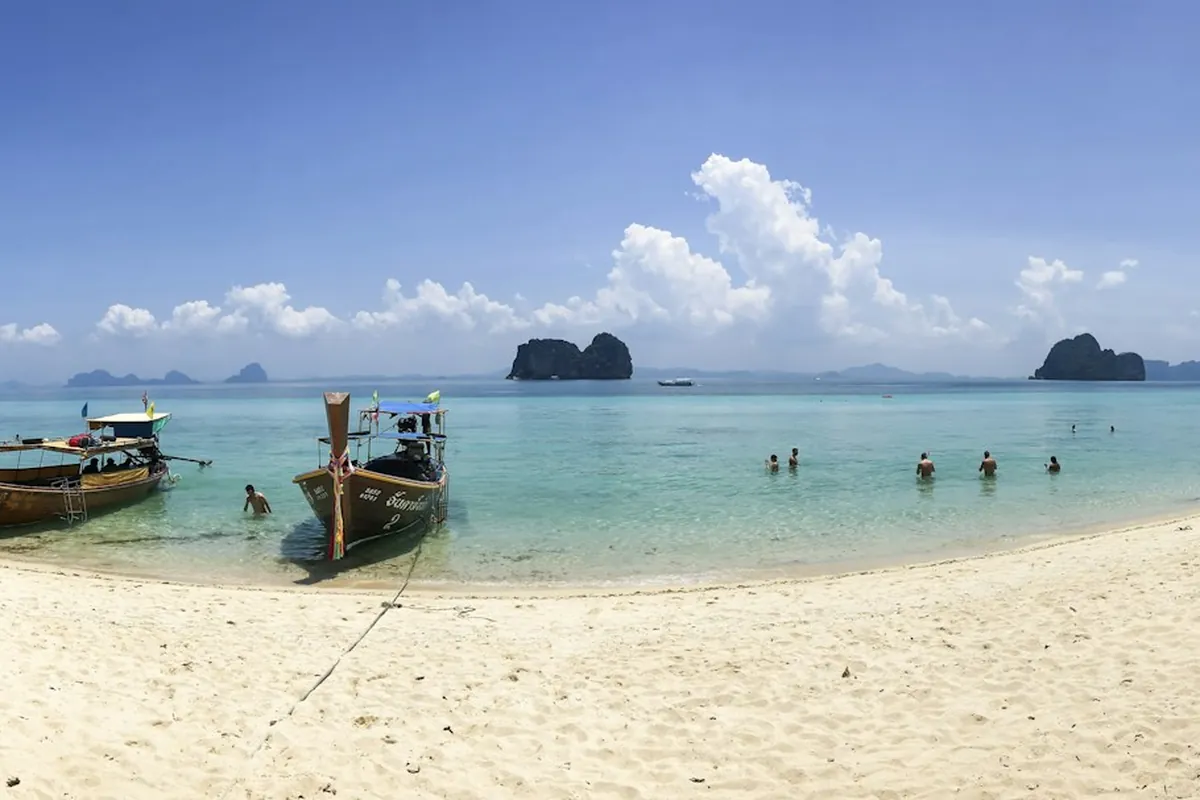
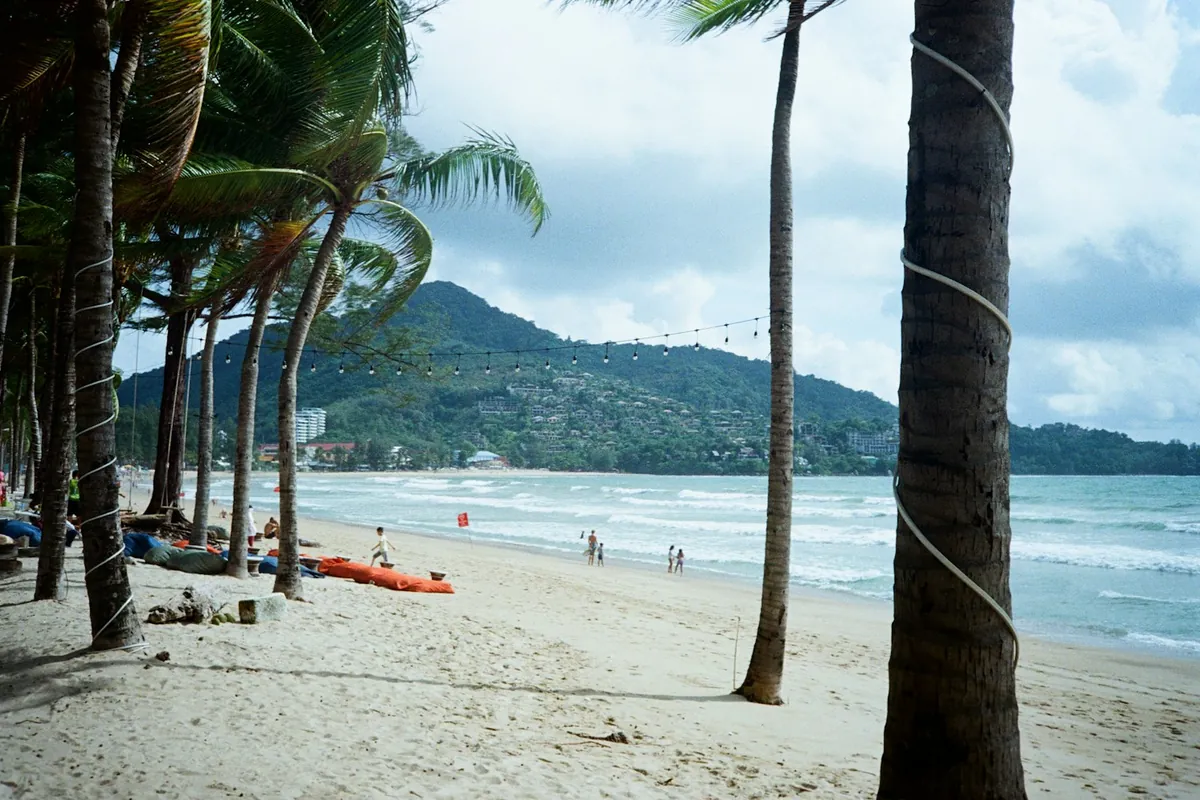
Phuket, Koh Lanta, and Koh Samui all have small but growing nomad and coworking scenes, generally attached to cafes or coliving setups. Internet is decent in the main towns and patchy further out. Costs vary a lot by island and season, spiking hard around Christmas and New Year.
Active in your spare time? See our guides to boxing while traveling and to climbing while traveling, from Muay Thai gyms to the cliffs of Railay.
Visas: what your options actually are
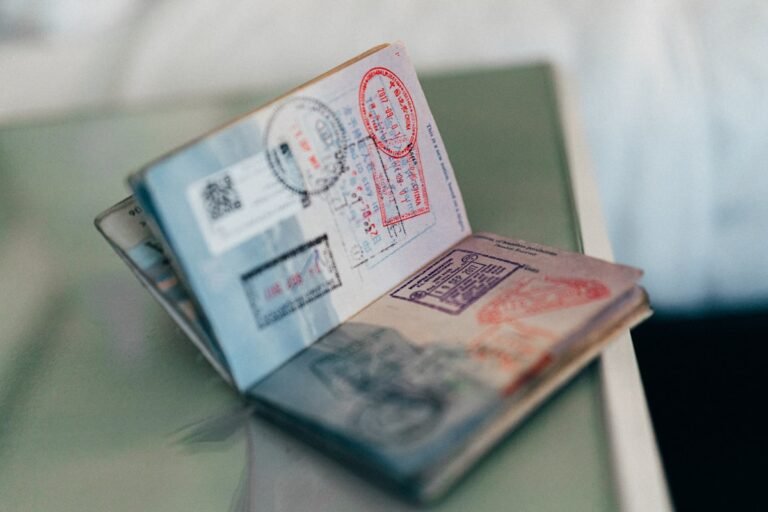
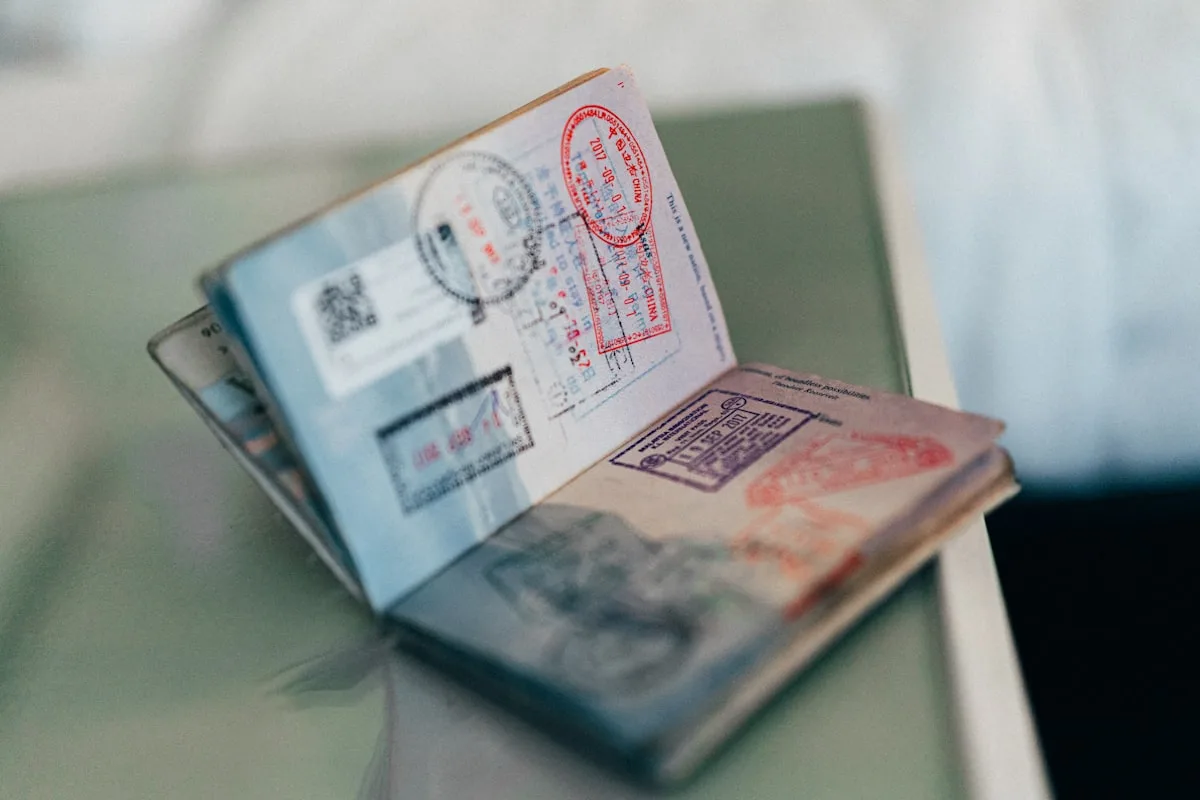
Destination Thailand Visa (DTV). Thailand's dedicated long-stay visa aimed partly at remote workers and freelancers. It's a 5-year multiple-entry visa, with each entry allowing 180 days of continuous stay (a second 180-day extension is possible at local immigration for a small fee, though discretionary). You'll need at least 500,000 THB (roughly $14,000) held in a savings account for at least three months, shown through official bank statements, cryptocurrency and investment accounts aren't accepted. The application fee is around 10,000 THB (roughly $400-500). As of 31 August 2026, applicants must also submit proof of permanent residence and a criminal record clearance certificate from their home country, a recent tightening worth knowing about before you apply.
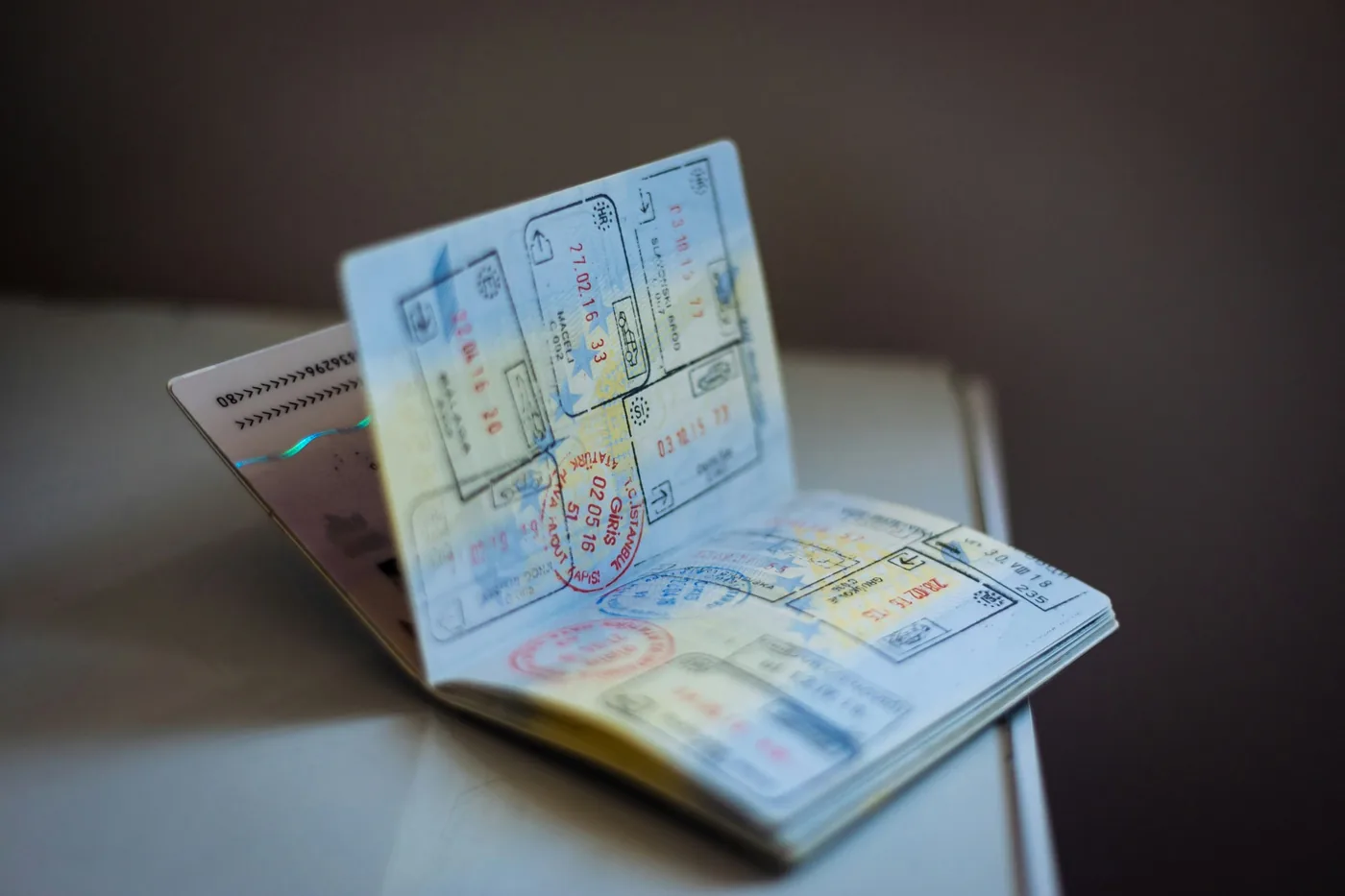
Embassy check, 5 October 2026. The Royal Thai Embassy in Budapest lists the DTV as valid for 5 years with up to 180 days per entry, at least 500,000 THB in financial assets and a Workcation category for remote workers and freelancers. It says the visa is not meant for long-term relocation and does not give you a work permit. The same embassy shows the fee in euros (350 euro there), and it accepts bank statements, payslips or a sponsorship letter as proof of funds, so embassies differ: ask the one you apply at. The 31 August 2026 document change is confirmed in the Royal Thai Embassy in Moscow's notice. Also comparing visas in the region? See our guides to Malaysia's DE Rantau pass and to Da Nang in Vietnam.
Tourist visa and visa runs. The old-school approach: enter on a tourist visa or exemption and either extend or leave-and-reenter when your stay expires. This sits in a legal gray area that Thai immigration has cracked down on periodically. Plenty of nomads still do it, but it's a compliance risk, not a real strategy, especially with the DTV now available.
For everything else travel-insurance related while your visa status is in flux, get proper coverage before you land. SafetyWing and World Nomads both cover long-stay nomad trips.
Costs: what to actually budget
| Category | Bangkok | Chiang Mai | Phuket/Islands |
|---|---|---|---|
| Studio/1BR rent | $500-900/mo | $300-600/mo | $400-800/mo |
| Coworking day pass | $8-15 | $5-12 | $8-18 |
| Local meal | $2-5 | $2-4 | $3-7 |
| SIM/eSIM data (unlimited-ish) | $15-25/mo | $15-25/mo | $15-25/mo |
Internet and connectivity
Thailand's internet infrastructure is genuinely good by regional standards. Fiber is widely available in condos and coworking spaces in Bangkok and Chiang Mai, and 4G/5G mobile coverage is solid in all three hub areas. Islands are the exception, coverage thins out fast once you're off the main strip.
For a mobile data backup or your first few days, an Airalo eSIM is the easiest way to land with data already working.
Power plugs: Thailand uses Type A, B, C and O sockets, so one universal adapter such as the TESSAN 28W universal adapter is the simplest way to cover them.
Practical logistics
- Airport transfer: Welcome Pickups covers Bangkok with a pre-booked, English-speaking driver waiting at arrivals, useful for a first landing after a long flight.
- Getting around: DiscoverCars is worth checking if you're planning day trips outside the cities or want more flexibility on the islands.
- Banking: Wise or Revolut both work well for moving money in and paying in Thai baht without brutal conversion fees.
- Accommodation: For your first few weeks, book through Booking.com so you can actually see a neighborhood before signing anything.

Welcome Pickups
Premium service, English-speaking local drivers, worth it for a first trip to a country Read more
Before you go
Sort these three things before you fly: health cover, data on landing and a card that does not eat your money in fees.

What could be better about nomading in Thailand
- Burning season air quality. March-April in the north is a real health consideration, not just an inconvenience.
- Visa complexity and change. The DTV added new document requirements as recently as August 2026, and Thailand's visa rules for remote workers have shifted multiple times in recent years.
- Overcrowded peak season. November-February is also when everyone else has the same idea, prices rise accordingly.
- Traffic and pollution in Bangkok. Even outside burning season, air quality and traffic aren't great.
- Inconsistent island internet. Don't book a remote island stay without confirming the connection first.
- Legal gray zones for tourist-visa work. Common but not actually sanctioned.
Thailand earns its reputation as a nomad hub honestly: good infrastructure, low costs relative to quality of life, and a huge existing community. Time your trip around the cool season and steer clear of Chiang Mai during the burning months.
Our remote work setup
The gear guides we compare for working from cafes, coliving rooms and rentals:
Related reading: Koh Phangan Digital Nomad Guide 2026: Cost, Wifi, Visa.
Related reading: Bangkok for Digital Nomads: The Complete 2026 City Guide.
Before you fly, see how to set up an eSIM before you land and how travel insurance works for nomads.
FAQ
When is the best time to be a digital nomad in Thailand?
November to February, the cool season, with lower humidity and little rain. It is also peak season, so book apartments and coworking early.
Does Thailand have a digital nomad visa?
The Destination Thailand Visa (DTV) is the closest thing: a 5 year multiple entry visa with 180 days per entry. You need at least 500,000 THB (roughly $14,000) in savings for three months, and since 31 August 2026 also proof of permanent residence and a criminal record certificate.
Should I avoid Chiang Mai in March and April?
If you have any respiratory sensitivity, yes. Crop burning and forest fires make the air in Chiang Mai and the north some of the worst in the world in that period. Bangkok or the islands are better choices then.
Is the internet in Thailand good for remote work?
Yes, by regional standards. Fiber is common in condos and coworking spaces in Bangkok and Chiang Mai, and 4G and 5G are solid in the hubs. Island coverage thins out fast off the main strip.
Affiliate disclosure. This post contains affiliate links. If you click and buy something, this site earns a small commission at no extra cost to you. Picks are based on published specs, independent reviews and manufacturer information, and we only recommend what we would use ourselves. As an Amazon Associate I earn from qualifying purchases. Read the full affiliate disclosure. Amazon and the Amazon logo are trademarks of Amazon.com, Inc. or its affiliates.