Camper Van Water Filter: 3 Picks and What They Skip
As an Amazon Associate I earn from qualifying purchases. Some links on this page earn us a small commission, at no extra cost to you. Full disclosure.
A camper van water filter changes the water you load into your tank, but most filters do not make unsafe water safe. This guide compares three filters using the makers' own pages: one for your hose, one for your bottle and one light backup. For each pick we say what the maker lists and what it leaves out.
Quick answer
For the water you load: the Camco TastePURE hose filter, built for taste, chlorine and sediment. For drinking water you doubt: the GRAYL GeoPress purifier bottle, which lists viruses, bacteria and cysts. Light backup: the LifeStraw Personal, which lists bacteria and parasites but not viruses. When in doubt, the EPA says boiling kills bacteria, viruses and protozoa.
Checked on 5 October 2026: the boiling times in this guide are from the CDC's own boil water advisory page.
All three, with a buy button each
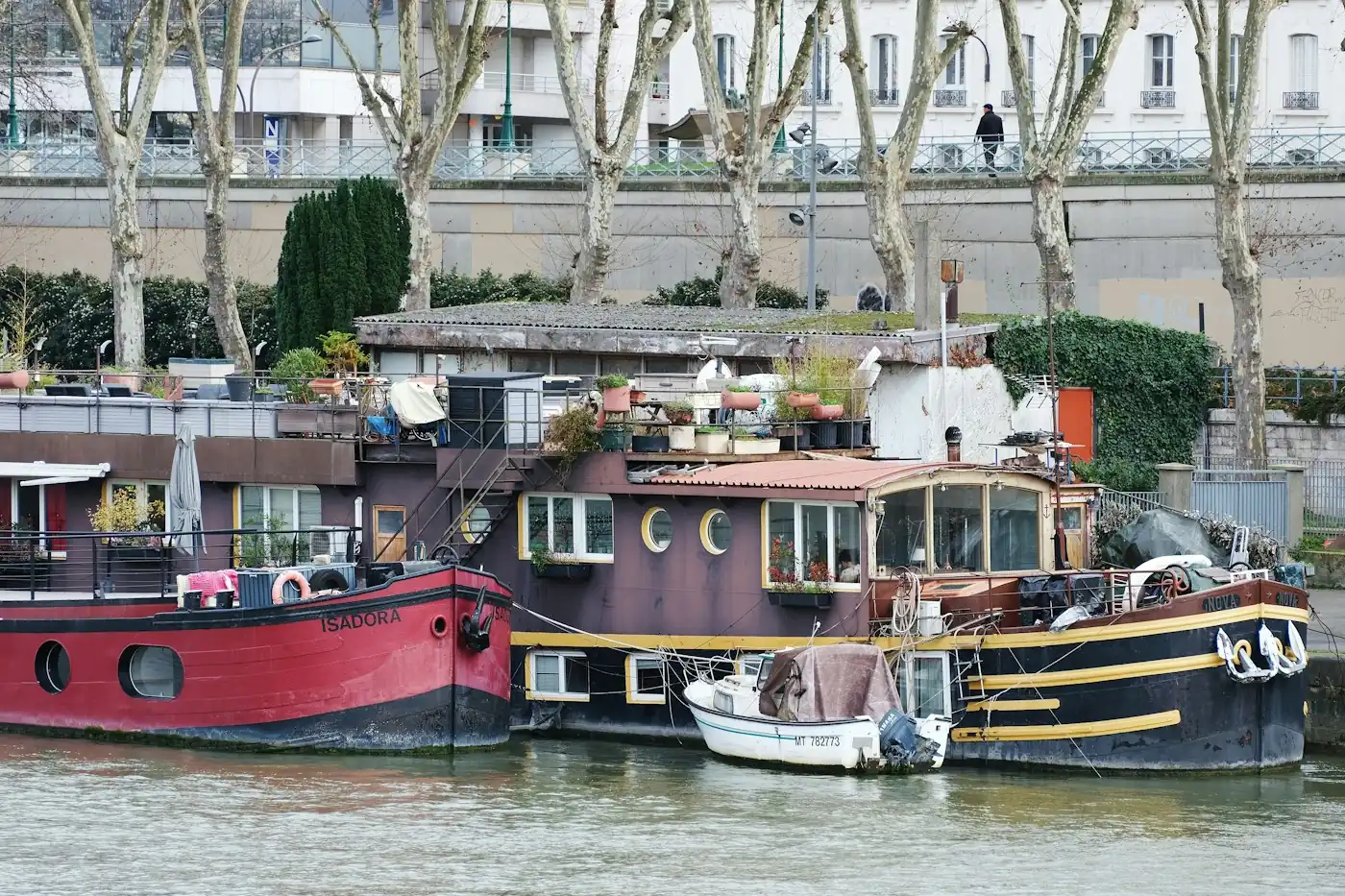
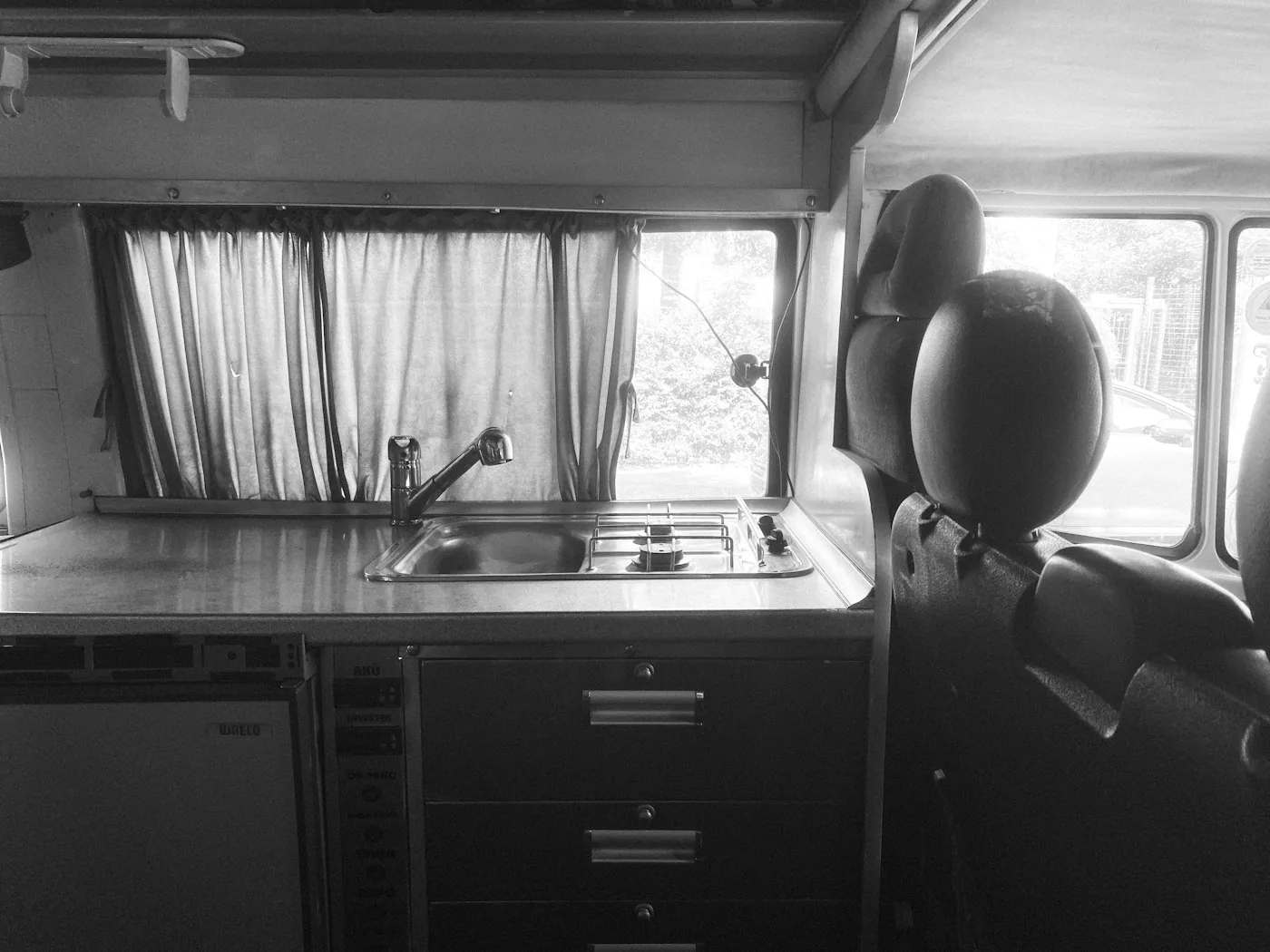
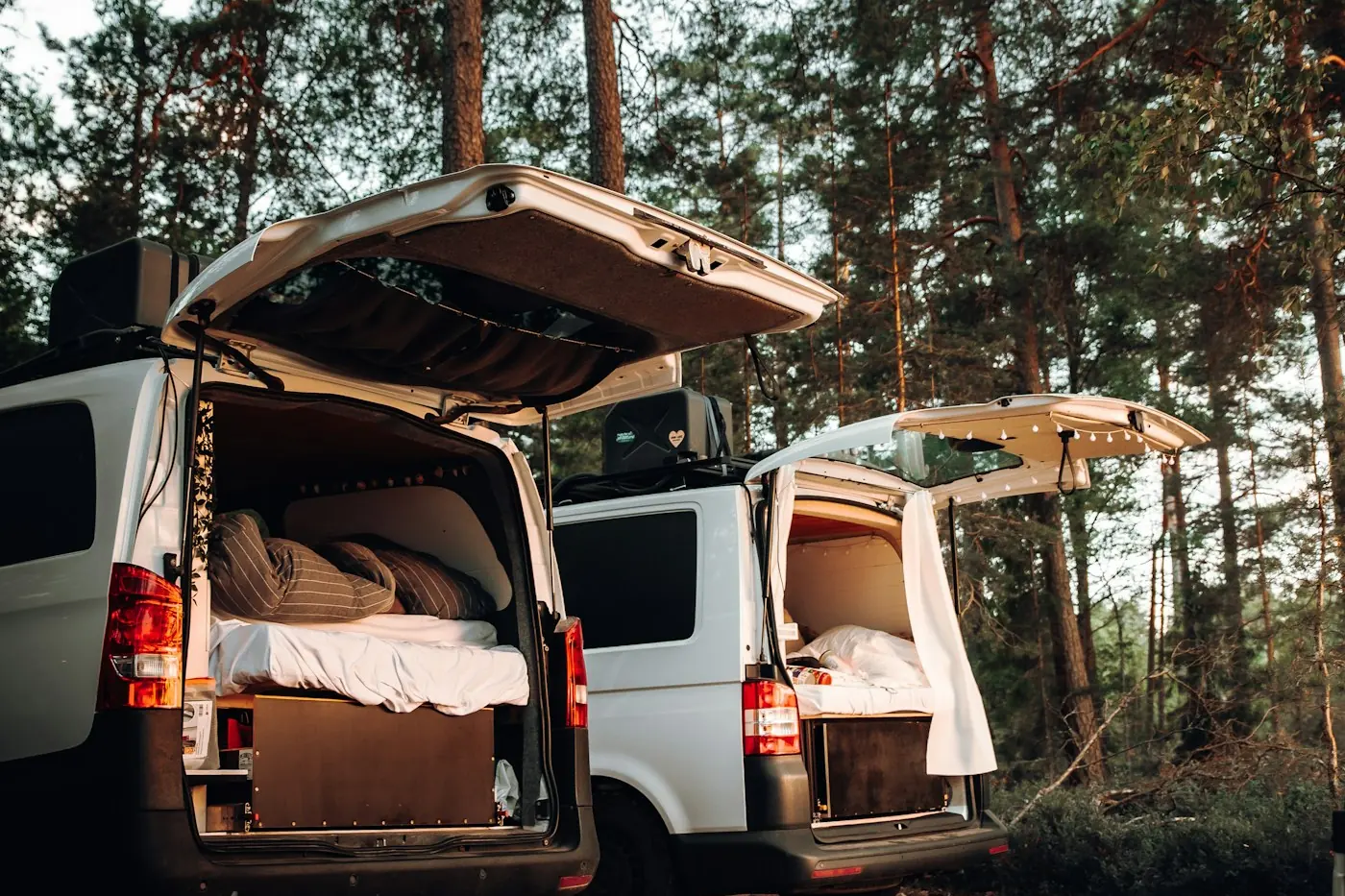
From the road: On my houseboat I had my own water filter systems, and I was really autonomous on the water. In the van it was the same idea: water with a water filter and a water reservoir.
These three are not a list of what Chenzo used. We chose them because their makers publish clear claims, which we read for you. Those claims are the makers' own, not our test results.
What a camper van water filter can and cannot do
The CDC says most portable water filters remove parasites, but not viruses or bacteria. It adds that a filter with an absolute pore size of 0.3 micron or smaller removes bacteria and parasites, but not viruses.
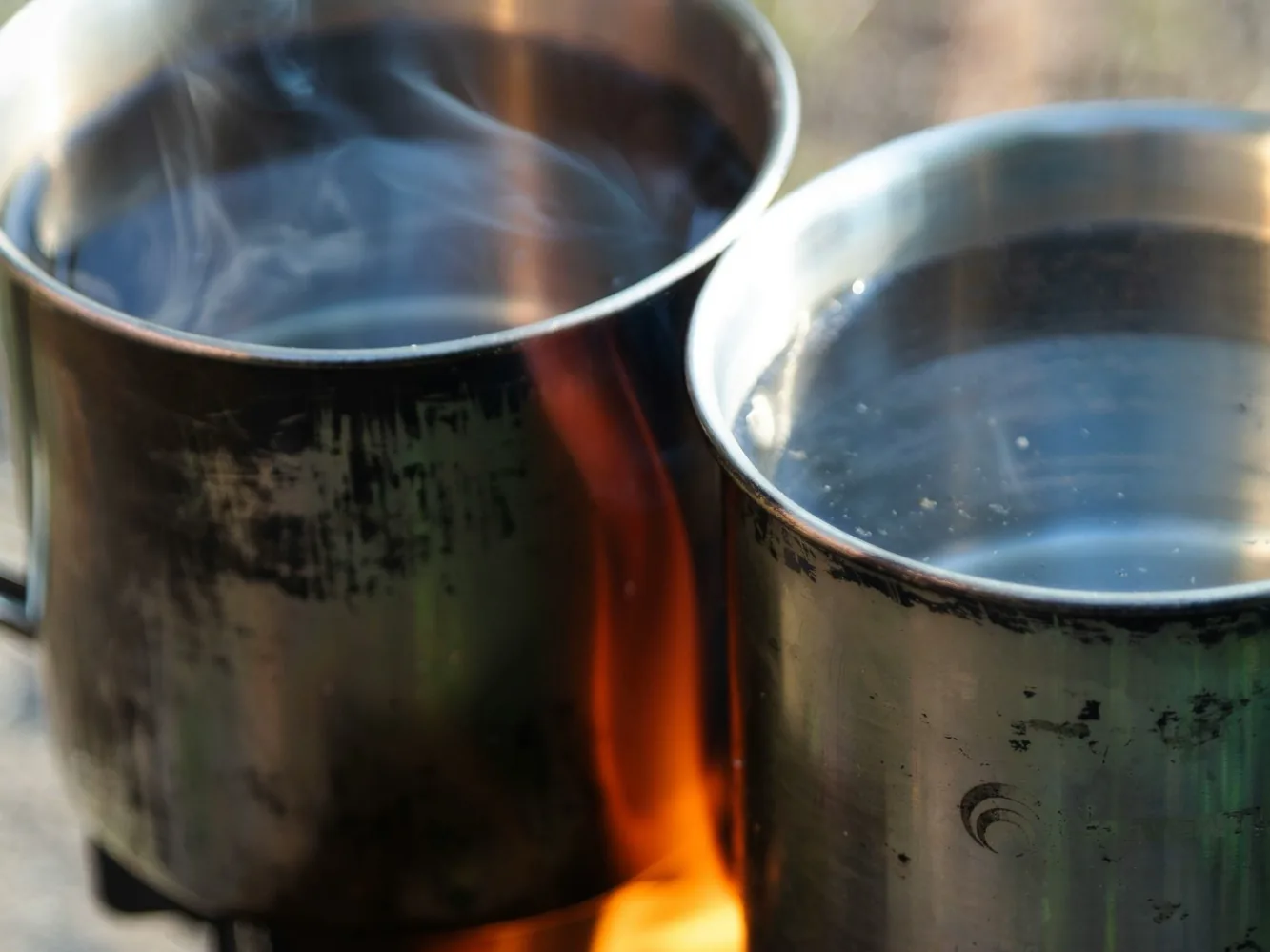
The EPA says boiling is sufficient to kill pathogenic bacteria, viruses and protozoa, and that boiling will not remove heavy metals, salts and most other chemicals. WHO warns that contaminated drinking water can transmit diseases such as diarrhoea, cholera and typhoid.
If you boil, the CDC says to bring clear water to a rolling boil for 1 minute, and for 3 minutes at elevations above 6,500 feet. It also says boiling does not remove chemicals (CDC boil water advisory page, read 5 October 2026). So boiling covers germs in the cup, not a chemical problem in the source.
| Pick | Taste and chlorine | Sediment | Bacteria | Parasites (cysts) | Viruses |
|---|---|---|---|---|---|
| Camco TastePURE | Lists it | Lists it | Not stated | Not stated | Not stated |
| GRAYL GeoPress | Lists it | Lists it | Lists it | Lists it | Lists it |
| LifeStraw Personal | Not stated | Lists it | Lists it | Lists it | Not listed |
Everything in this table is what the makers say, read on 4 October 2026. We could not find any of the three in the public search of NSF International, so treat the standards named below as the makers' statements. None of them promises that questionable water becomes safe.
1. Camco TastePURE: the filter at your tank inlet
Camco TastePURE
If I bought one today: For the water I load into the van, the Camco TastePURE is the one I would pick.
The TastePURE sits between the tap and your hose or tank inlet. On its Amazon page Camco says it reduces bad taste, odor, chlorine and sediment, with a carbon and KDF filter and a 20-micron sediment filter.
Camco also says it is tested and listed to NSF/ANSI 42 and 53, and that the lead content is certified to NSF/ANSI 372. We could not confirm those listings in NSF's public search, so read them as Camco's statements.
What the page does not say: nothing there claims it removes bacteria, parasites or viruses. If you fill from a source you doubt, a taste filter on the hose is not the answer. Fill from water you trust, and treat what you drink with one of the next two picks, or boil it.
2. GRAYL GeoPress: a purifier bottle for any tap
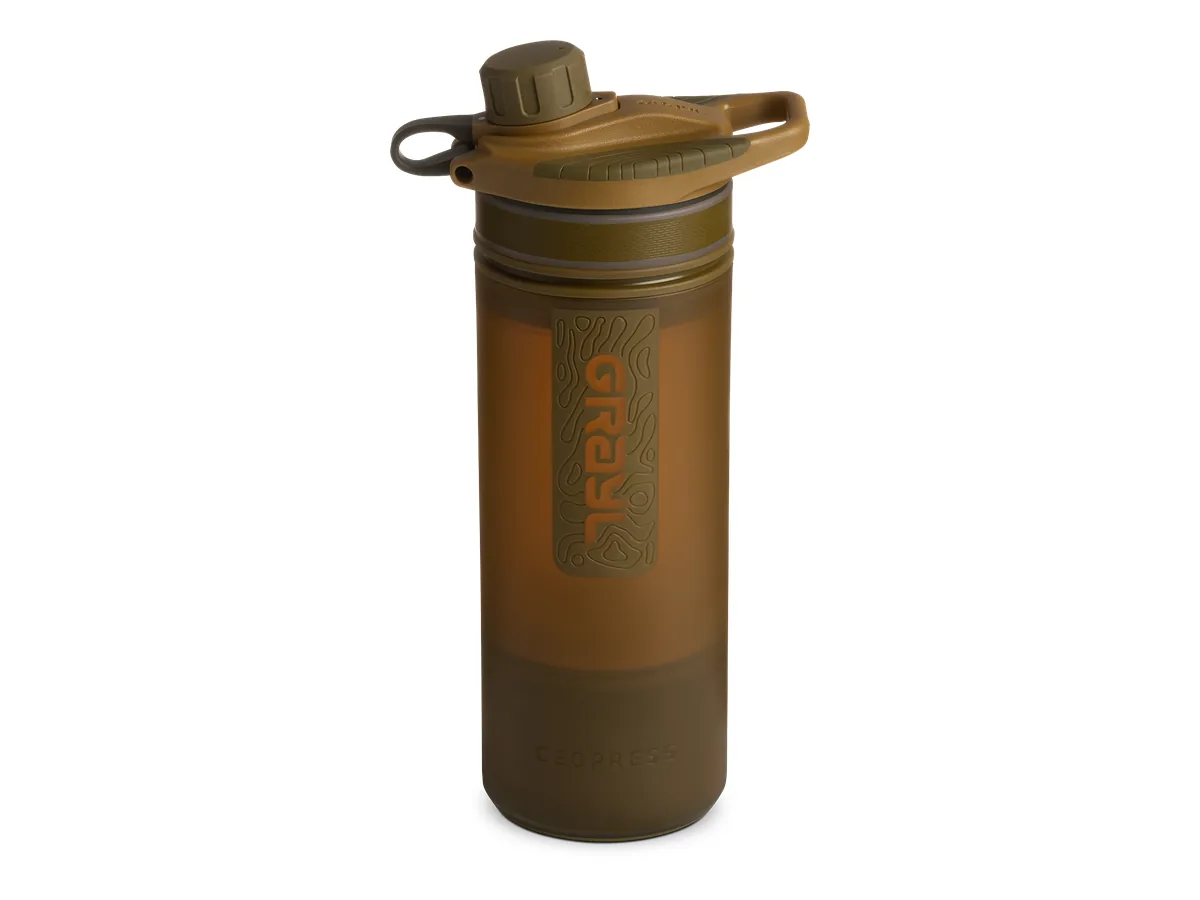
GRAYL GeoPress
GRAYL says the GeoPress removes 99.99 percent of viruses, 99.9999 percent of bacteria and 99.9 percent of protozoan cysts, and filters particles and microplastics, plus many chemicals, pesticides and heavy metals. It says an independent lab tested it to meet or exceed NSF/ANSI 42 and 53, and that it meets the EPA guide standard for microbiological water purifiers.
It is a bottle, not a tank filter. One press makes 24 fl oz (about 710 ml), and a cartridge is rated for about 350 presses, or 250 liters, or three years after first use. At 3 liters a day, 250 liters lasts about 12 weeks.
GRAYL also lists limits. It says to avoid salty or brackish water and to start with the cleanest water you have. It says the cartridge is not designed for industrial disasters, coal ash spills, high lead levels, mercury, high tannin concentrations, or water with toxic blue-green algae.
3. LifeStraw Personal: the light backup
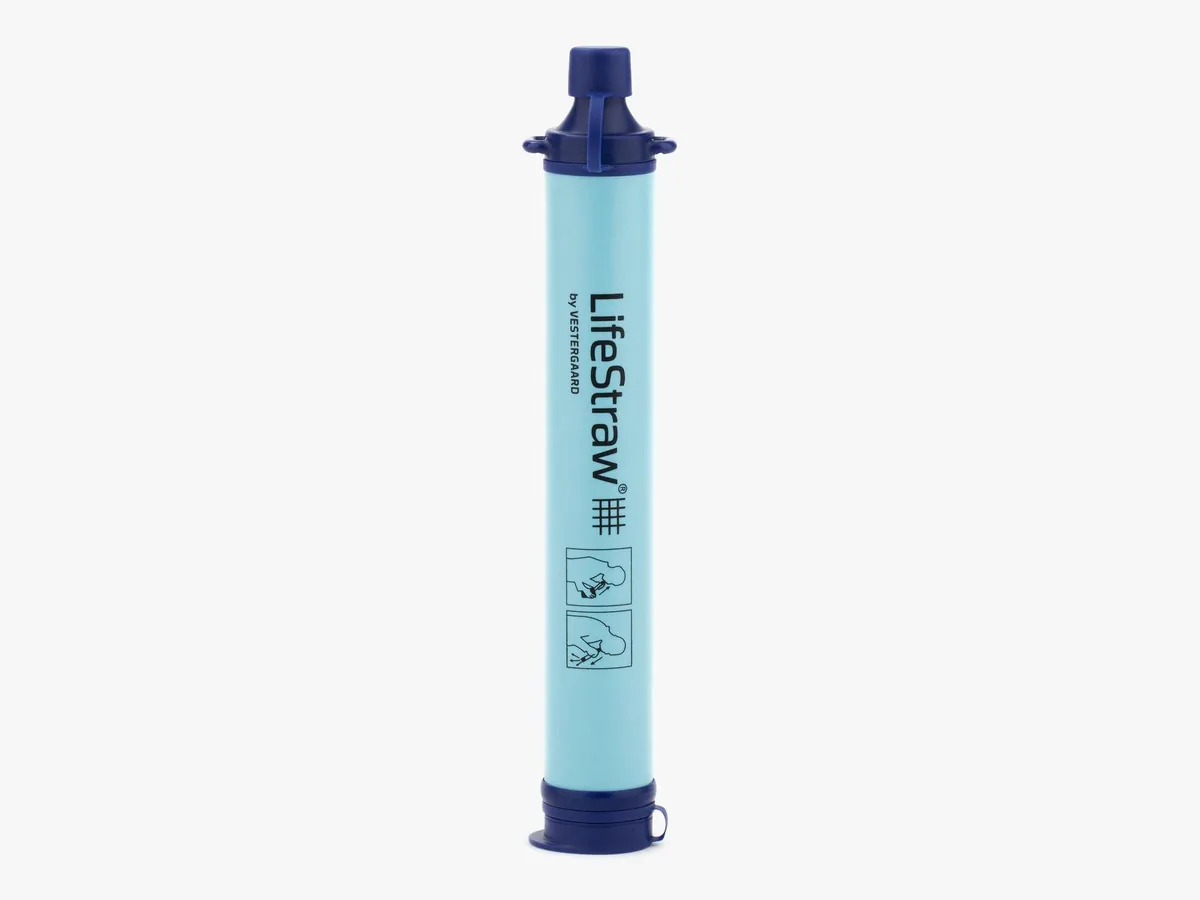
LifeStraw Personal
LifeStraw says the Personal removes 99.999999 percent of bacteria and 99.999 percent of parasites such as Giardia and Cryptosporidium, plus microplastics, dirt and sand, with a 0.2-micron membrane. It is rated for up to 1,000 gallons (4,000 liters), and the maker says it is independently certified to US EPA and NSF P231 protocols.
Its FAQ says the Personal straw is designed for biological contaminants. For chemicals or heavy metals such as PFAS or lead, LifeStraw points to other products. Want the two compared directly, with Sawyer as a third pick? See GRAYL vs LifeStraw.
You drink through it, so it does not fill a tank. The CDC says a 0.3-micron filter removes bacteria and parasites but not viruses, and LifeStraw lists no viruses for this model. If viruses worry you where you are, boil the water or choose a purifier that lists them. For a squeeze filter you carry on foot, see Katadyn vs Sawyer.
On a houseboat or boat
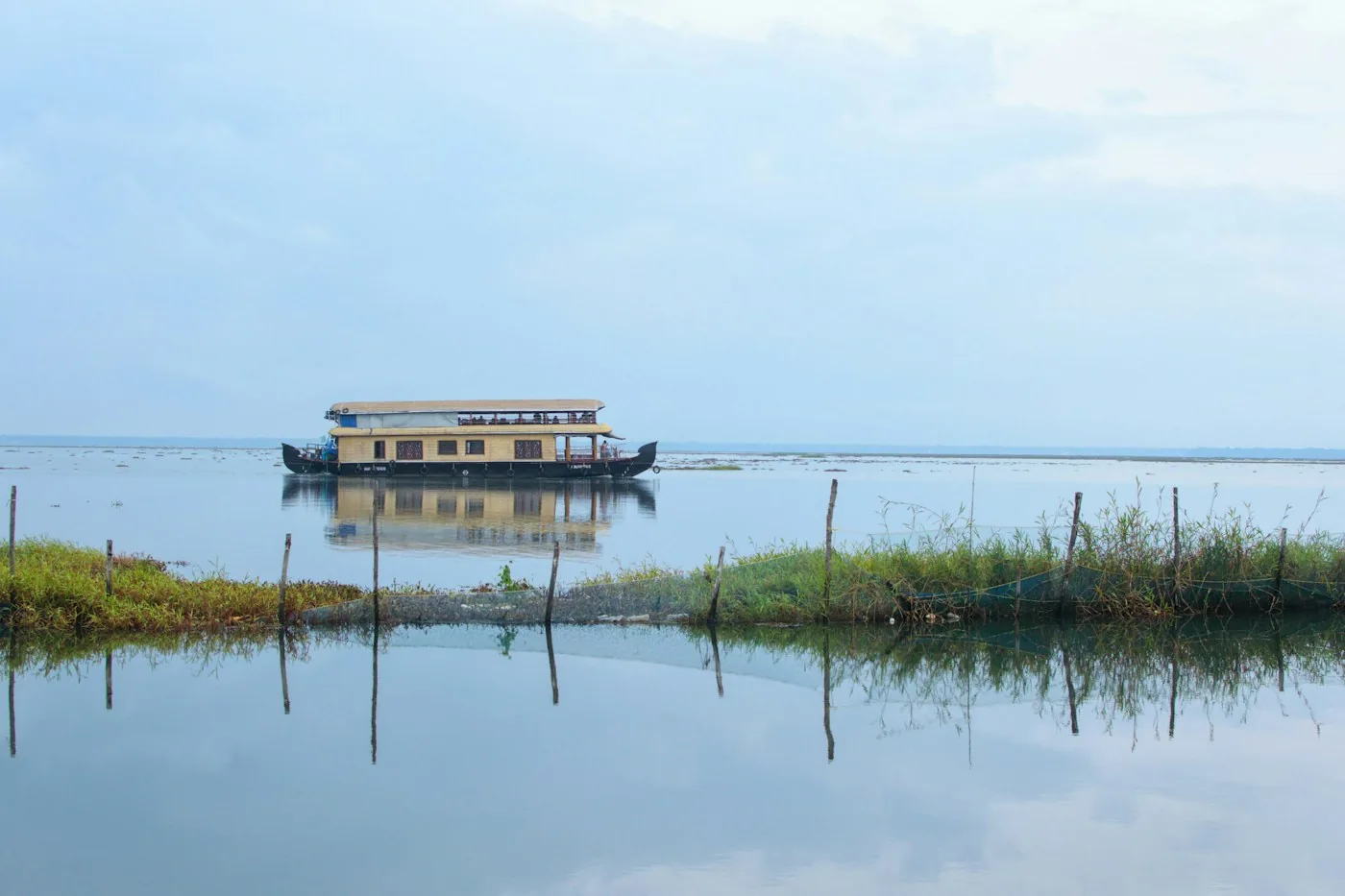
The EPA says cloudy water should settle and pass through a clean cloth, paper towel or coffee filter before you disinfect it. GRAYL says cartridges last longer on clear water and that salty or brackish water is not for its cartridge.
For power, water planning and boiling on a boat, read our houseboat guide.
Check the thread before you buy a hose filter
Wikipedia says garden hose connectors in the US and Canada use the GHT thread, while other countries use a British Standard Pipe thread. It says the two are not compatible and that forcing one onto the other damages the threads, and that adapters exist.
Camco says the TastePURE attaches to a standard garden or drinking water hose. If you drive a van in Spain or Portugal, check the thread on your tap and on the filter page before you order. Also note that Amazon may show your own country's store, where the same product may not be listed.
- A filter removes some things, not everything. Read what the maker lists, and what it leaves out.
- The Camco TastePURE is for taste, chlorine and sediment. The maker does not list germs.
- The GRAYL GeoPress lists viruses, bacteria and cysts, but it is a 24 oz bottle for drinking.
- The LifeStraw Personal lists bacteria and parasites, not viruses, and not chemicals.
- The EPA says boiling kills bacteria, viruses and protozoa. Check your hose thread before you order.

Chenzo, founder of NomadsToolsLab
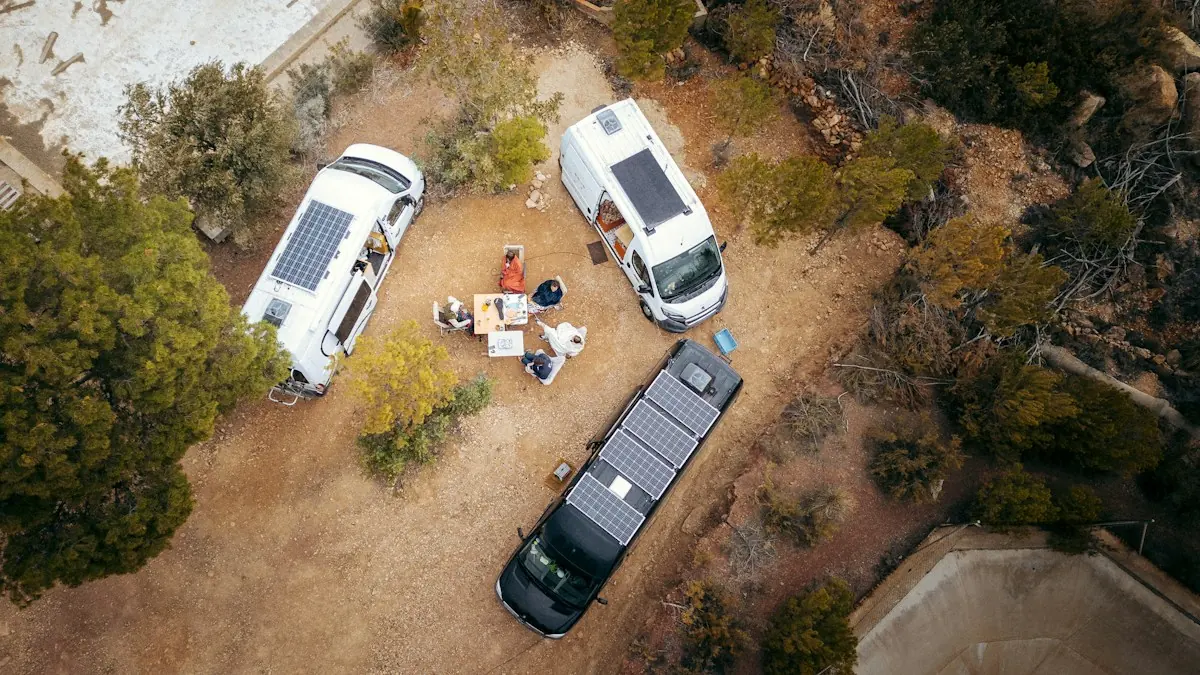
I lived in a van and a caravan for seven years in Spain and Portugal, off grid. The van was a Renault Master and I built everything inside myself.
Before that I lived on a houseboat I built myself in Berlin, with my own water filter systems.
Once the water is clean, the next question is warm water: see our best portable shower for camper van life guide.
Where to go next
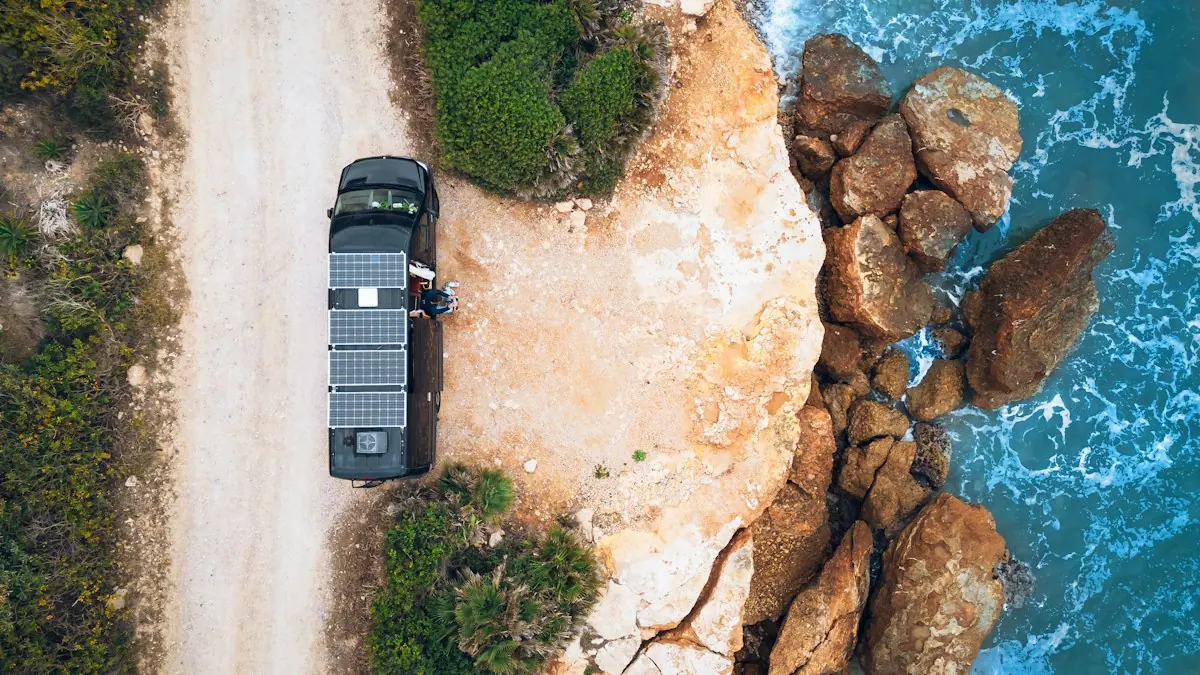
Planning the whole build? Read cargo van conversion for beginners and power and water on a houseboat. For power see solar panels for a camper van and power stations for van life, and for the wiring wiring guide. Sleeping in the van? Our guide to a carbon monoxide detector for a camper van covers the other safety gear. On the road too? Read about camper van tires, how to stop van break-ins and packable hiking shoes if you also walk the trails. Packing for a backpack trip instead? See our Southeast Asia gear list.
FAQ
Do I need a water filter in a camper van?
It depends on where your water comes from. The CDC says most portable filters remove parasites but not viruses or bacteria, and the EPA says boiling kills bacteria, viruses and protozoa. A hose filter such as the Camco TastePURE is listed for taste, chlorine and sediment.
Does a camper van water filter remove viruses?
Only if the maker lists it. GRAYL lists viruses for the GeoPress. LifeStraw lists bacteria and parasites for the Personal, and Camco lists taste, chlorine and sediment for the TastePURE. The CDC says most portable filters do not remove viruses.
Can I use a US hose filter with a European tap?
Maybe, with an adapter. Wikipedia says US garden hose threads (GHT) and British Standard Pipe threads are not compatible. Check the thread on your tap and on the filter page before you order.
Can I filter salty or brackish water with these?
GRAYL says to avoid salty or brackish water. The Camco and LifeStraw pages we read do not list salt removal, so do not use them for it.

How long do I boil water in a camper van?
The CDC says to bring clear water to a rolling boil for 1 minute, and for 3 minutes at elevations above 6,500 feet. It adds that boiling does not remove chemicals, so it does not fix a chemical problem in the water source. Source: CDC boil water advisory, read 5 October 2026.
Does boiling replace a filter?
They do different jobs. Boiling kills germs, according to the EPA and the CDC, but does not remove chemicals. A filter such as the Camco TastePURE is listed for taste, chlorine and sediment. Use the one that matches the problem you have.
Affiliate disclosure. This post contains affiliate links. If you click and buy something, this site earns a small commission at no extra cost to you. Picks are based on published specs, independent tests and manufacturer information. As an Amazon Associate I earn from qualifying purchases. Read the full affiliate disclosure. Amazon and the Amazon logo are trademarks of Amazon.com, Inc. or its affiliates.
Your next step