Cargo Van Conversion for Beginners: 5 Steps
A cargo van conversion for beginners starts with a short list. I built the inside of my van myself, and it was basically the same principle as my houseboat. This guide follows that list: power, water, bed and kitchen, internet and wiring, and the part where the safety rules are not optional.
Quick answer
A cargo van is an empty box. Decide where you sleep, cook, charge and get online before you cut anything, get your power plan on paper, and treat wiring and fuses as the one part you do not improvise.
Where to go deeper
How to Wire a Camper Van: Fuse Block, Cables and Lights
Fuse block, cables and lights, step by step. Read more
From the road: It was a Renault Master, a new one, the newest. It was just a normal van, and I built everything inside myself.
One of my vans was first my work van, full of chainsaws, because I did tree care. I had my own company in Germany. Later I lived off grid in Portugal and Spain.
What should you decide before you build?
Six decisions on paper
1
Where you sleep
A bed that stays made, or one you fold away every day.
2
Where you cook
Inside, outside, or both.
3
Where power comes from
Roof panels, a portable unit, or both. List your devices first.
4
How you get online
SIM cards, a router, or both.
5
Where the cables run
Draw the route and the fuse block before you close a wall.
6
How you stay safe
Fuses, a smoke alarm and an extinguisher.
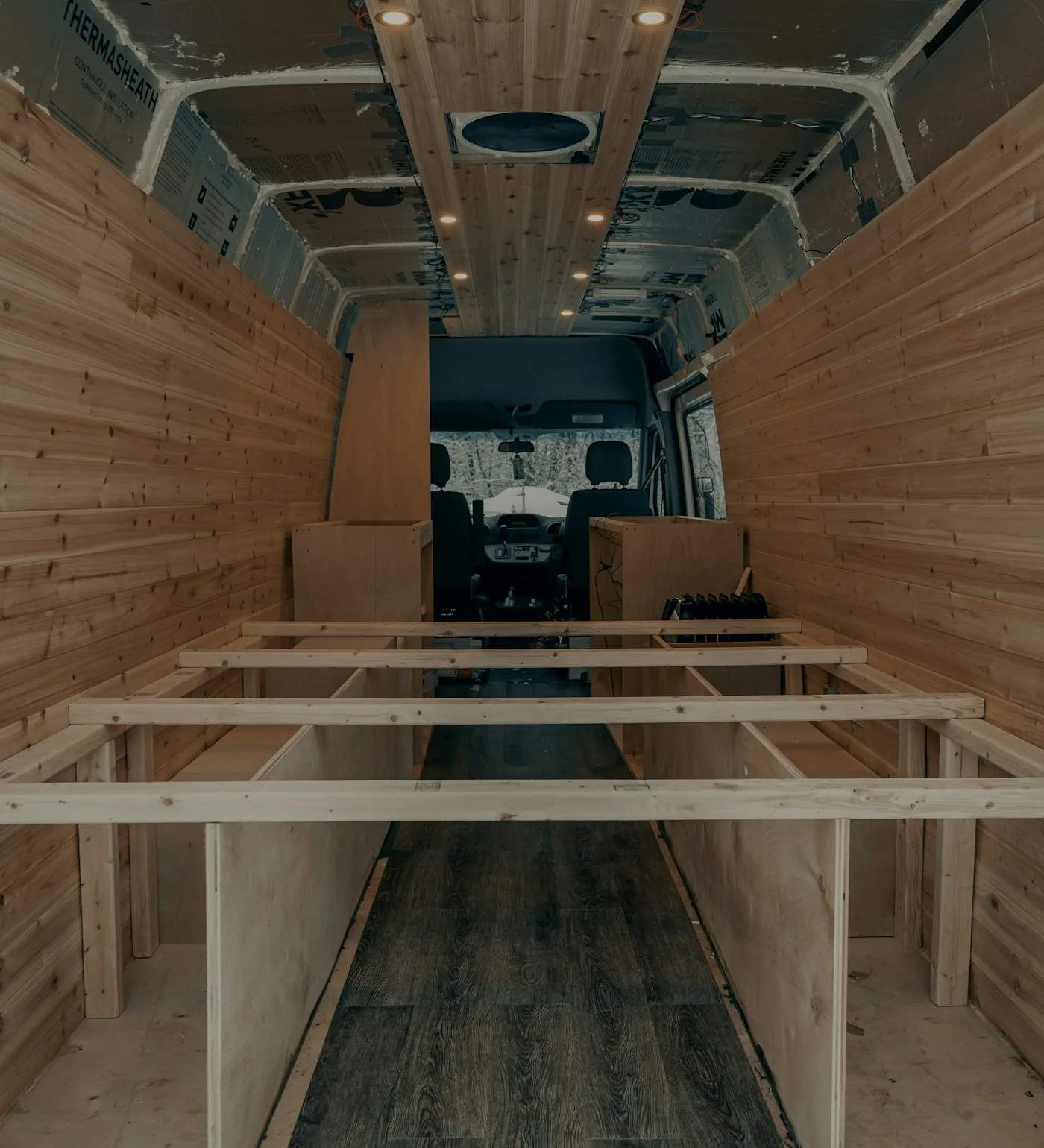
What did I build into my van?
From the road: Converting a van is actually the same as what I did with the houseboat. It is a bit the same principle.
Solar panels, batteries, water with a water filter, a water reservoir. Building a bed, building a kitchen. Building the electricity in. That kind of things.
And making sure it looks nice and cozy, because it is your little home.
That list is the backbone of this guide, in this order: power, water, bed and kitchen, wiring, and the cozy part last. If you know how I built my houseboat, you know the plan already. It is the same idea in a smaller space: see how beginners get power and water on a houseboat.
How Beginners Can Get Power and Water on a Houseboat
The houseboat build: panels, a water filter and the basics of power on the water.
Step 1: how did my van get power?
Power is the first thing on the list, and everything else depends on it. In a van you want your own power from the sun and nothing that needs fuel. If you are picking the house battery, see our lithium vs AGM battery comparison for a camper van. Choosing a fridge as well? ICECO vs BougeRV compares two 12 V compressor fridges.
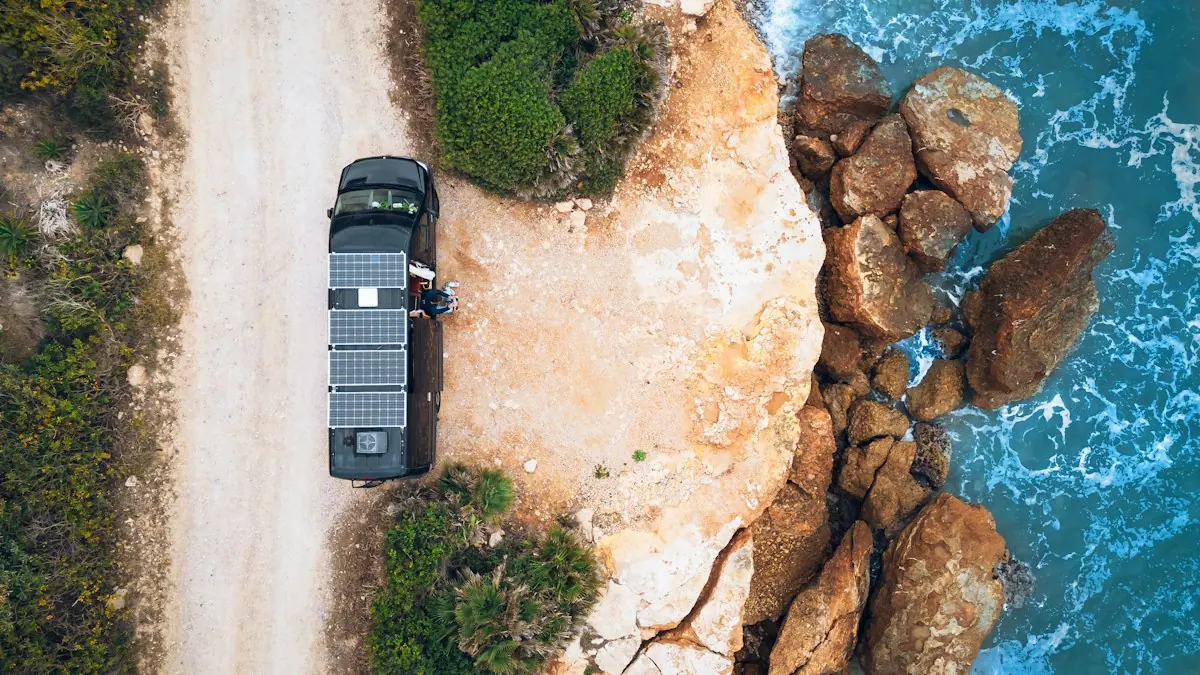
From the road: I had solar panels on the roof. I also had a really strong one, not super big but big, and I just put that one outside. It was mobile, with a long cable.
I did not have a generator. I had a unit you plug into the solar panels.
It charged the battery inside, and then you can plug in everything inside. It was a mobile thing.
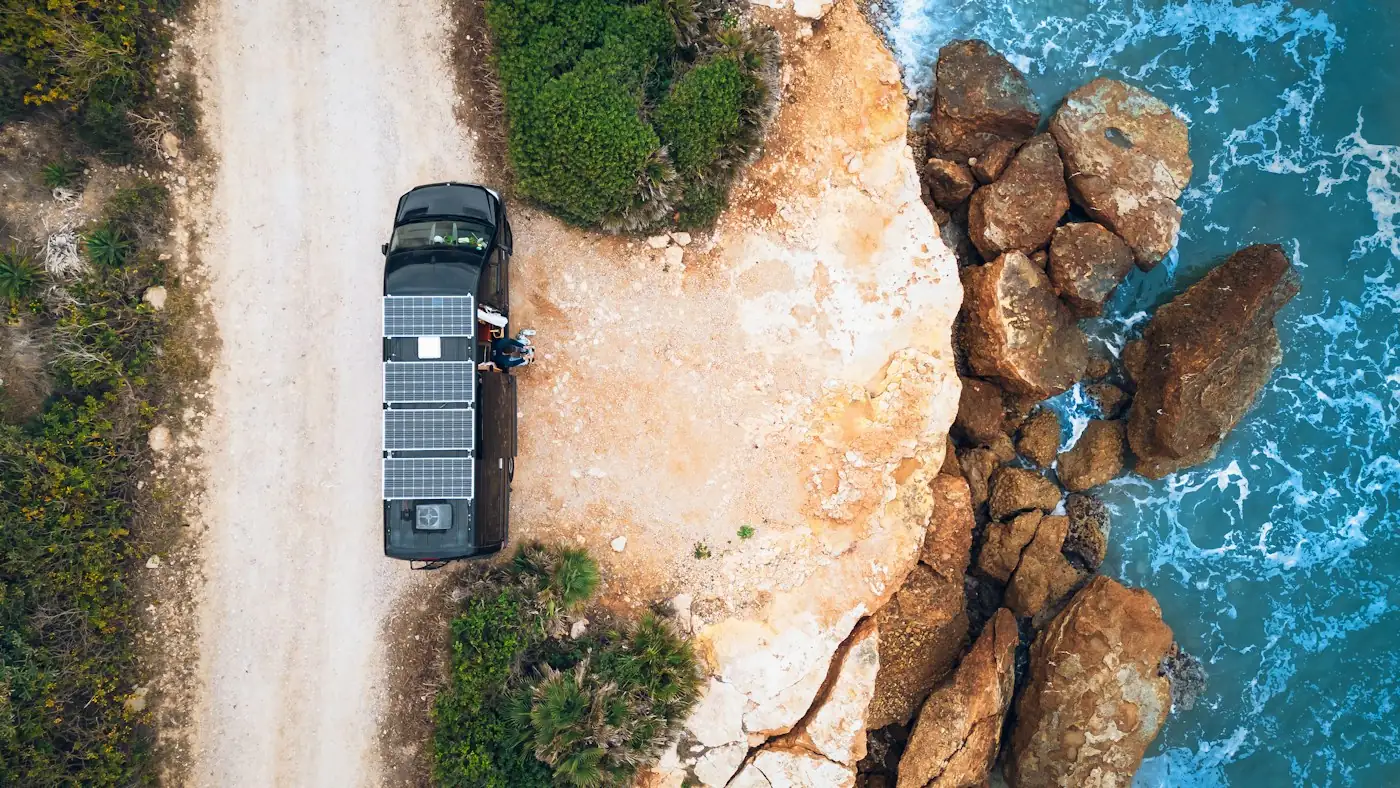
The gear itself is in our guides: solar panels for a camper van, portable solar panels and portable power stations for van life. A power bank is worth having next to all that.
Best Portable Power Station for Van Life (2026)
Portable power for van life, the kind of unit you plug panels into.
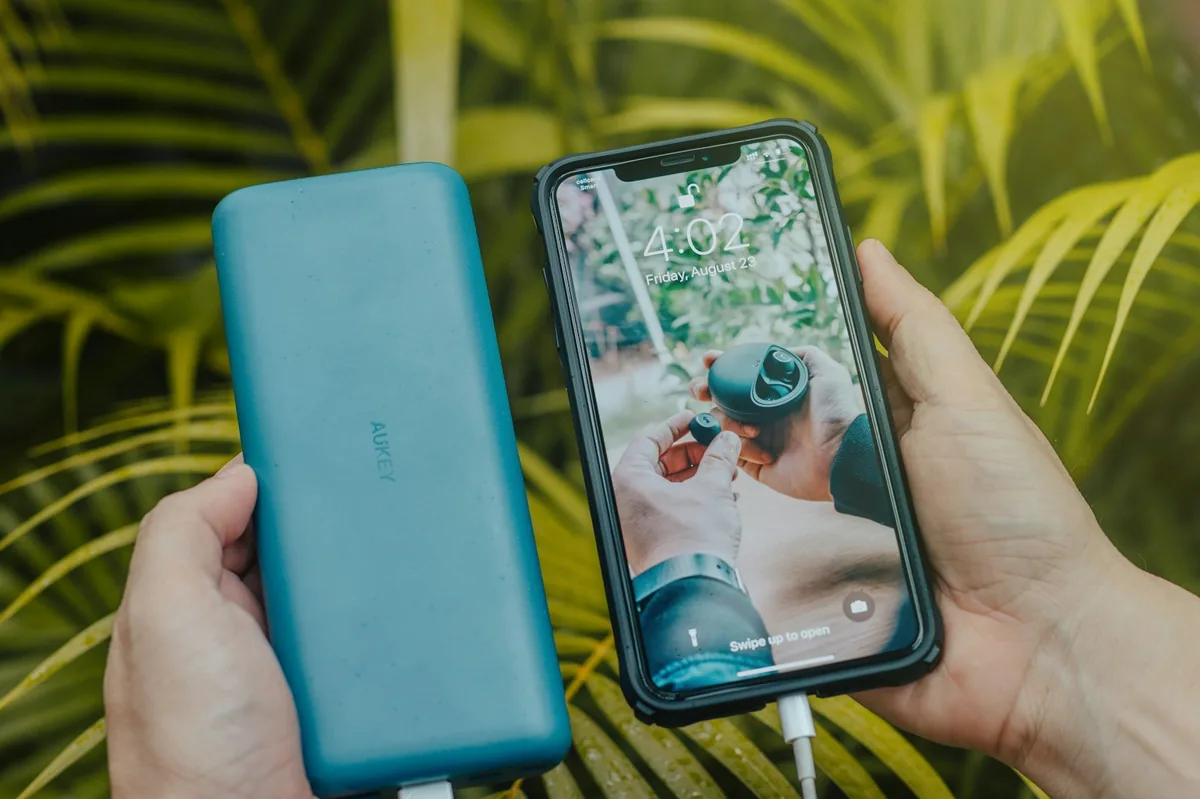
Best Power Banks for Digital Nomads (2026 Guide)
Power banks for the days you are away from the van.
Step 2: how did I handle water?
Water was the same idea as on the houseboat: a water filter and a water reservoir. I am not giving sizes or brands here, because those depend on your van and your trip. Drinking-water safety matters more than the setup, so read the water part of the houseboat guide first.
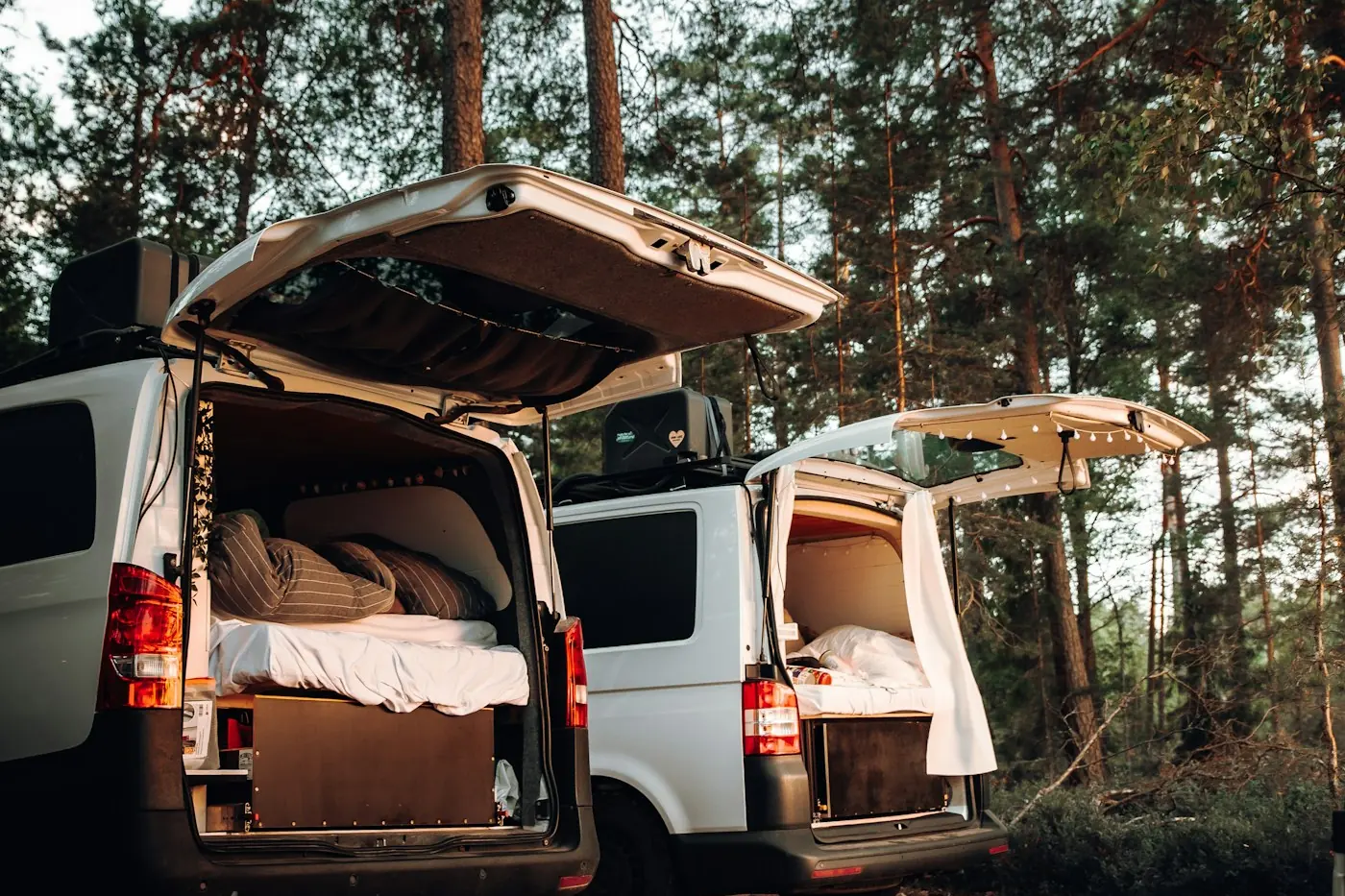
Step 3: how do you build the bed, the kitchen and the cozy part?
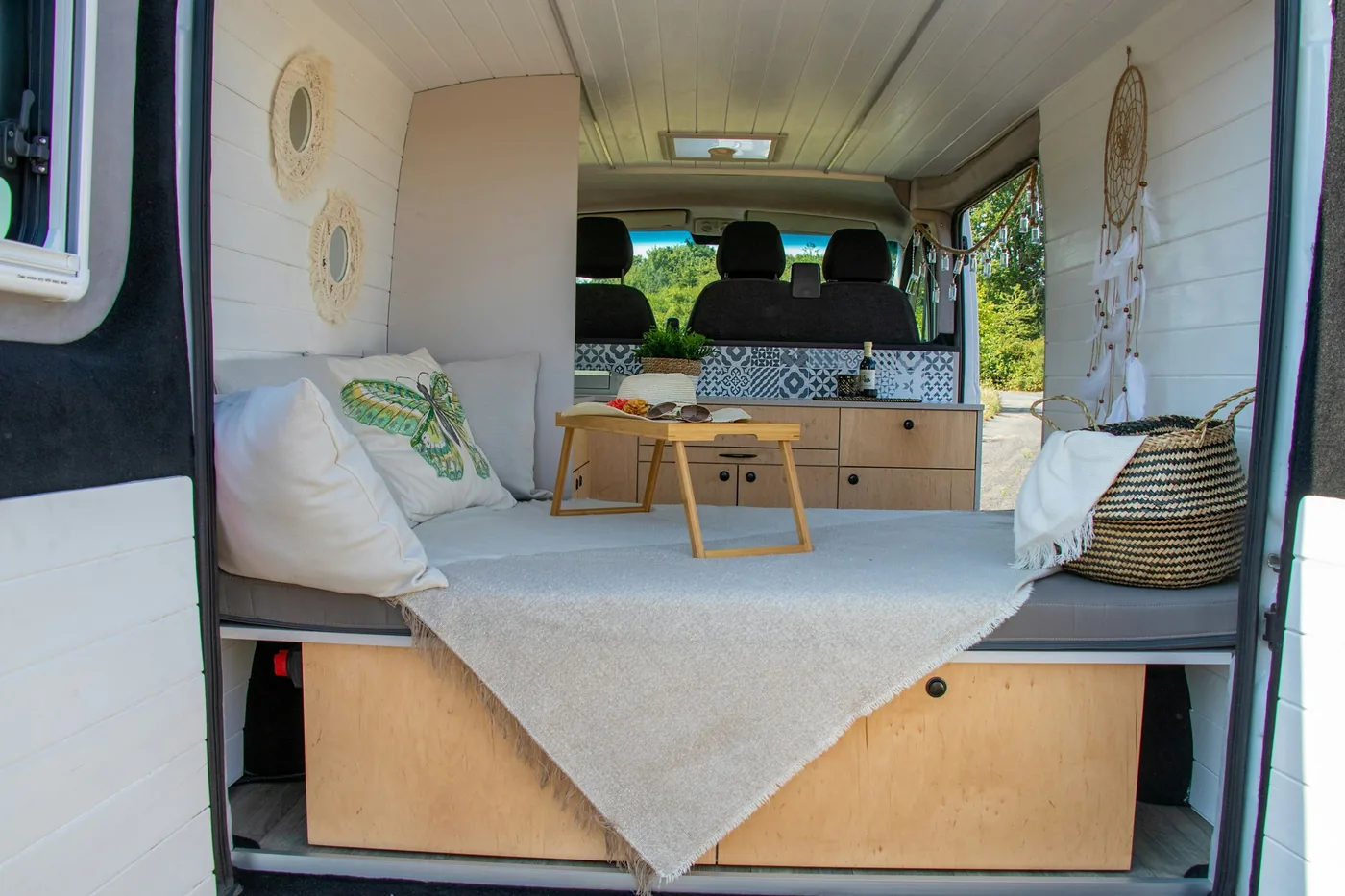
The bed and the kitchen are the part you live in every day. I built both myself.
The last step is the one people skip: make it cozy. You will be in there when it rains, so it has to feel like a home and not like a box.
Step 4: how did we get internet in the van?
From the road: For internet we had SIM cards and a router with a SIM card.
Our vanlife internet guide compares routers and eSIMs, and this guide explains how to set up an eSIM before you travel.
Best Vanlife Internet Setup 2026: Routers, eSIMs and Starlink Compared
Routers, eSIMs and Starlink compared for van life.
Step 5: how do you build the electricity in safely?
I built the electricity in myself, and this is the one step where you do not improvise. Roof panels, batteries and a router all run through cables, and cables need the right fuses.
Victron's wiring guide says:
- each consumer needs a fuse in the positive cable
- the fuse must match the rating of the consumer or the cable, whichever is lower
- undersized wiring or a bad electrical contact can cause a fire
It also says the work should be done by a qualified electrician and that rules differ per country.
From the road: The plus and minus got turned around on the plugs once, while a friend was helping. Not nice.
Be careful for fire, really be careful, and please use the right fuses. It is so important, it can save your life. You do not want to be in a burning car or a burning caravan.
Rats ate my cables too, in the years I lived off grid in a van and a caravan in Portugal and Spain. Read how to stop rats from eating your van cables before you close a wall. The full walkthrough is in our camper van wiring guide.
How to Wire a Camper Van: Fuse Block, Cables and Lights
Fuse block, cables and lights, step by step.

How to Stop Rats From Eating Your Van Cables
What to do so rats do not eat your van cables.
How did I heat, cool and cook in the van?
From the road: I had a heating on gas, but also on electricity. So it could heat both ways. That was really good.
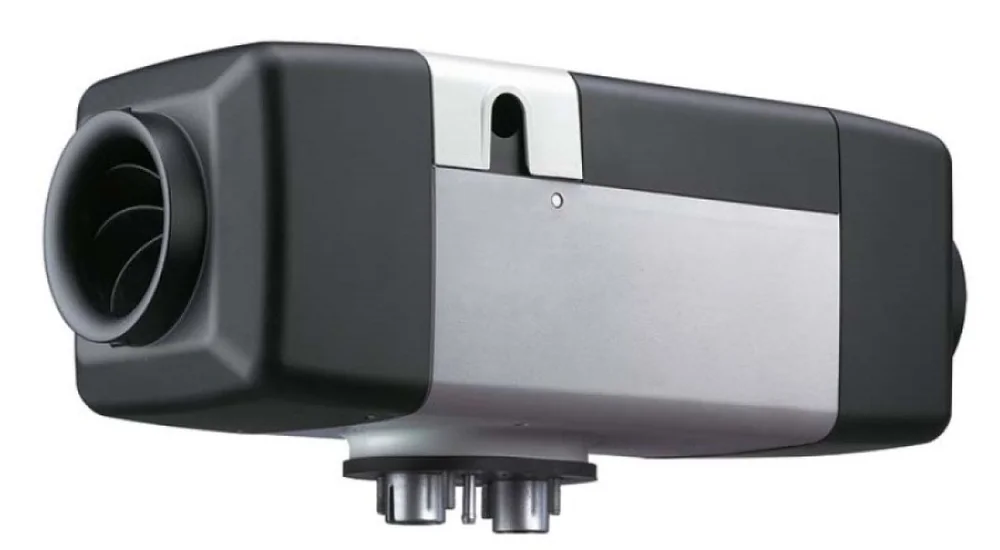
I had a parking heater of 5 kW. That was big enough. If I did it again, I would pick 3 kW, because on the lowest setting 5 kW is often far too warm.
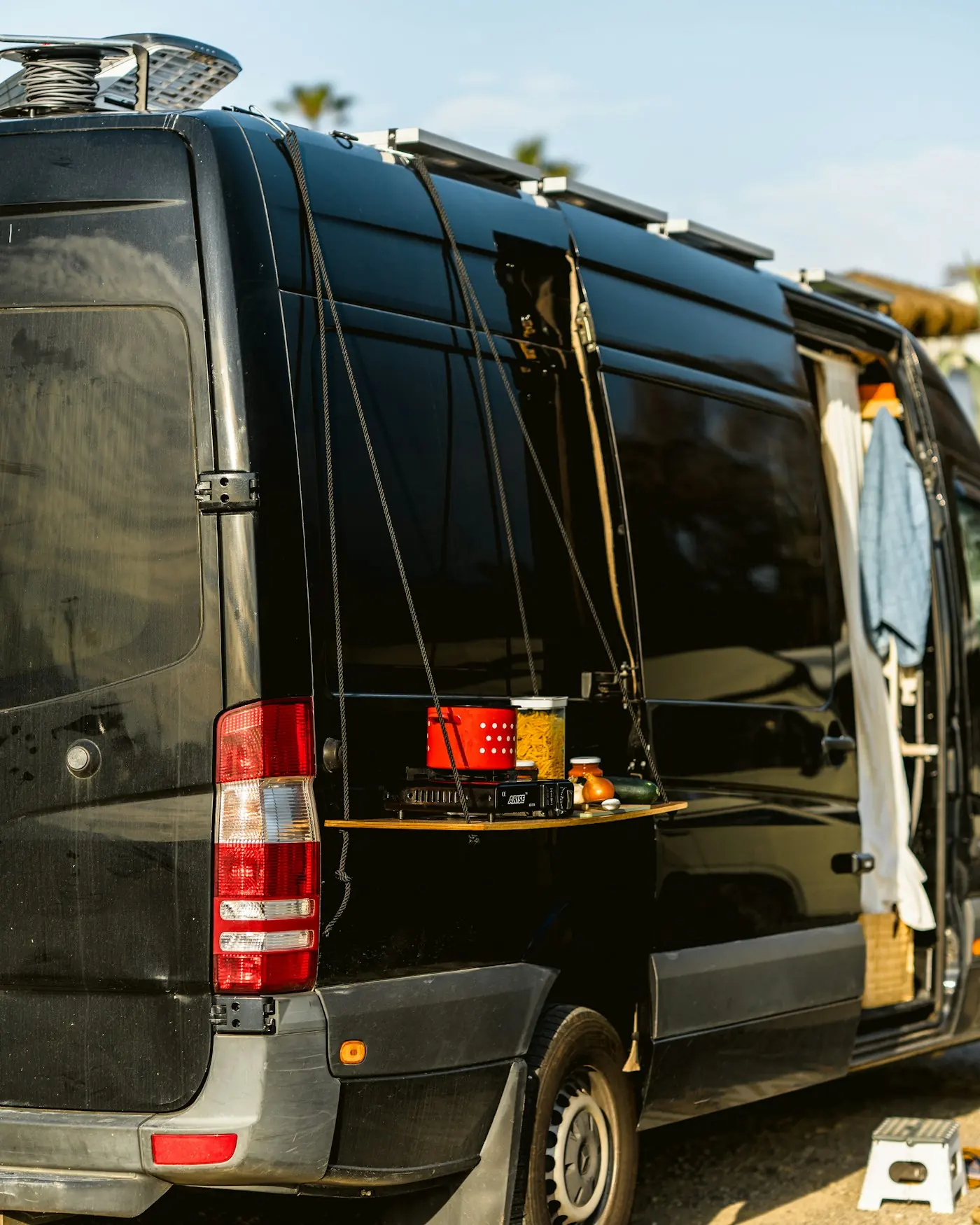
The fridge could go on gas and on electricity, that was also really nice. Cooking on gas, and we had an extra one where you can cook outside.
The photo below shows an example of this kind of parking heater from one manufacturer. It is not the one I had.
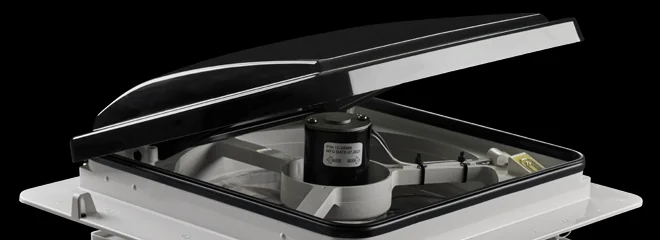
From the road: In Portugal it can get to 40, 45 degrees. So the van can get so hot. I built in roof windows that you can open, with vents in there.
That is what I saw in Portugal, not a weather forecast.
The photo below shows an example of a roof vent fan for a van. It is not the one I built in.
What went wrong, and what would I check twice?
From the road: Somebody helped me to put the plugs on the cables from the sun panels and he did plus on minus and minus on plus. I did everything the right way, so when I plugged it in, it was not good.
We had to change that afterwards.
From the road: Use fuses. I put the wrong fuse in, the wrong fuse size, and luckily it was too low, so it blew all the time.
I put a new one in three, four times, and then I found out that my calculations were bad, that I had to put a 15 amp fuse in instead of a 5.
That was my van and my numbers, so do not copy them. The right fuse depends on the cable and on what is connected to it: Victron's wiring guide says the fuse must match the rating of the consumer or the cable, whichever is lower. Our camper van wiring guide goes through it step by step.
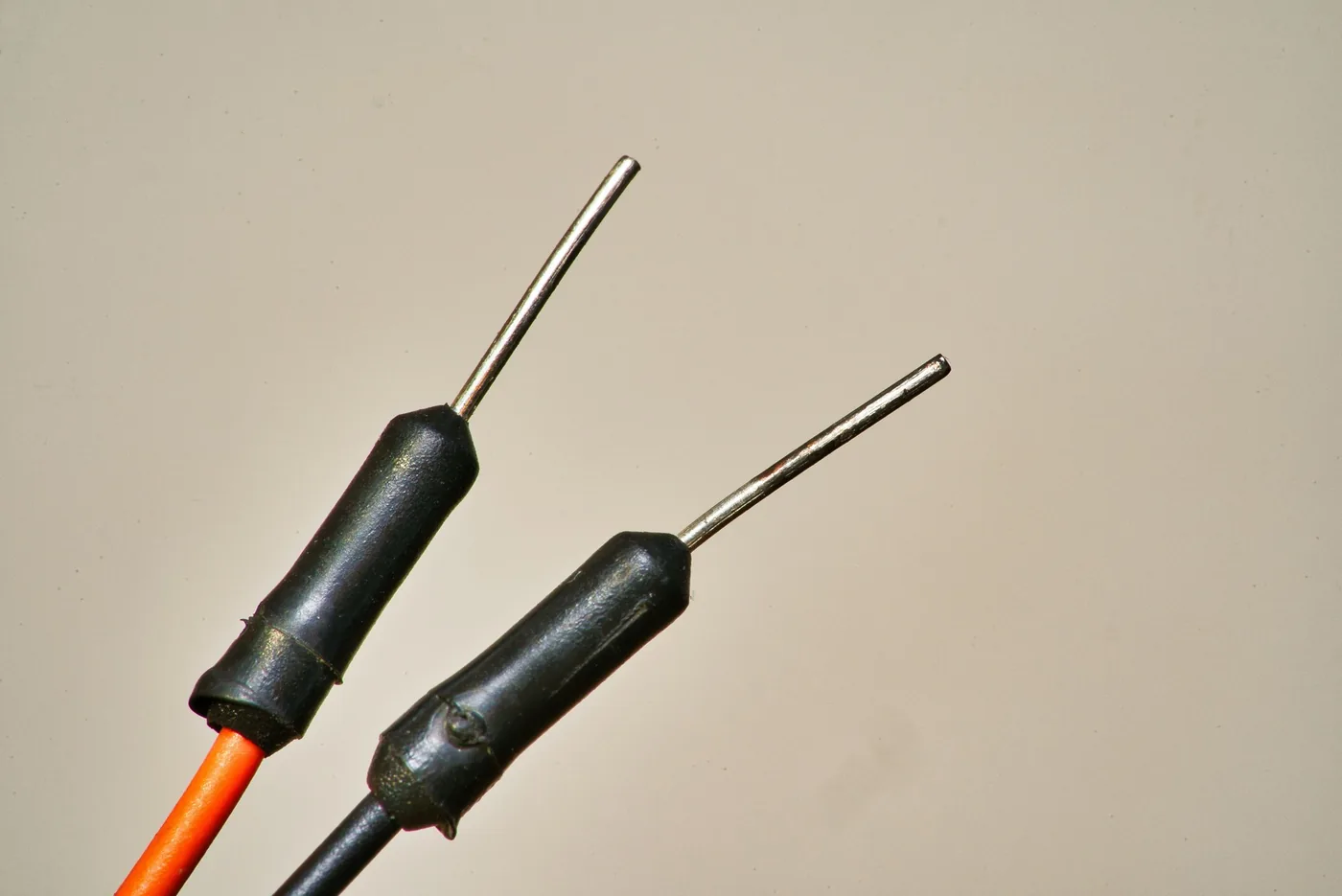
From the road: Use the right size of the cables. So important. And the length of the cables is also important, to choose the thickness.
But also the amount of power that is going through.
Two of my mistakes involved the exhaust of the heater. If you are choosing between the two best-known makers, our Espar vs Webasto comparison sets their numbers and warnings next to each other.
From the road: One time I had a cable in front of the heater so it burned my cable. I had it on a good spot, but the thing I fixed it with broke, and then the cable fell down and it was in front of the exhaust of the heater.
That was of course a huge problem.
From the road: Make sure you point it in a good direction, check where your window is, otherwise it can blow straight back in through your window into the caravan.
I had this, so I needed to change that.
How did I make the van harder to steal?
From the road: The windows were black. So from the outside it just looked like a working van. So I could park it everywhere.
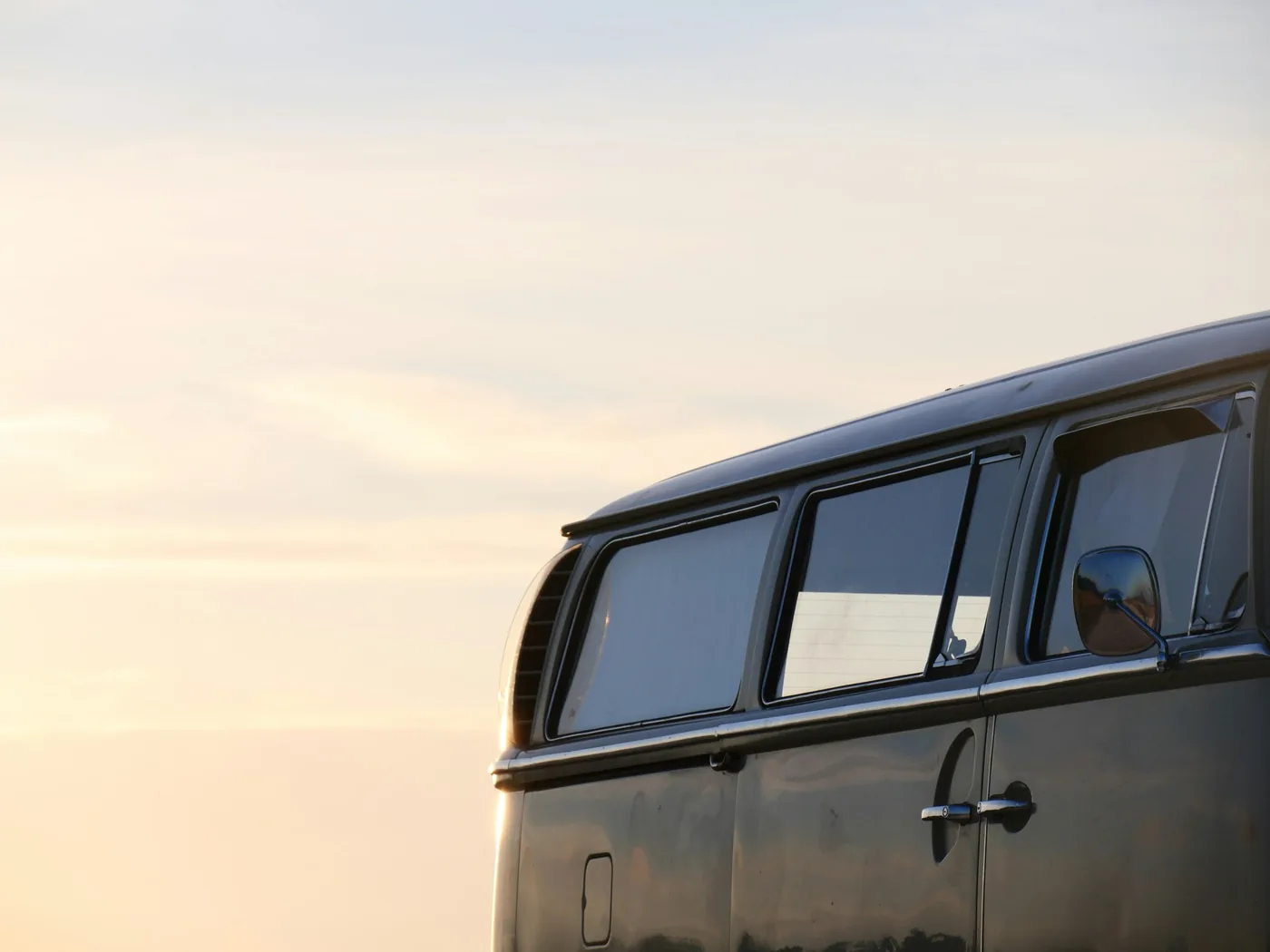
From the road: Make sure that you have some flickering lights, so it looks like you have an alarm. I had an alarm, but if you do not have an alarm, this flickering light costs you nothing.
I also had a start blocker, with the chip of your key: if it is the same key but not the right chip, it will not start.
Before you close the walls, decide where the alarms go. Our carbon monoxide detector for camper van guide shows which carbon monoxide alarm the maker approves for a van, plus a smoke alarm and an extinguisher.
Starting with a platform and a pad before the full bed is built? Our Sea to Summit vs NEMO sleeping pad comparison covers two insulated pads.
What do you check on the road?
From the road: Always check the air of your tires, because if the tire pressure is not good, you are going to ruin your tires.
From the road: I had a few times a tire that broke. So to have a fifth tire is definitely a thing to do. There is always a problem with storage, so I put it underneath the car in the back.
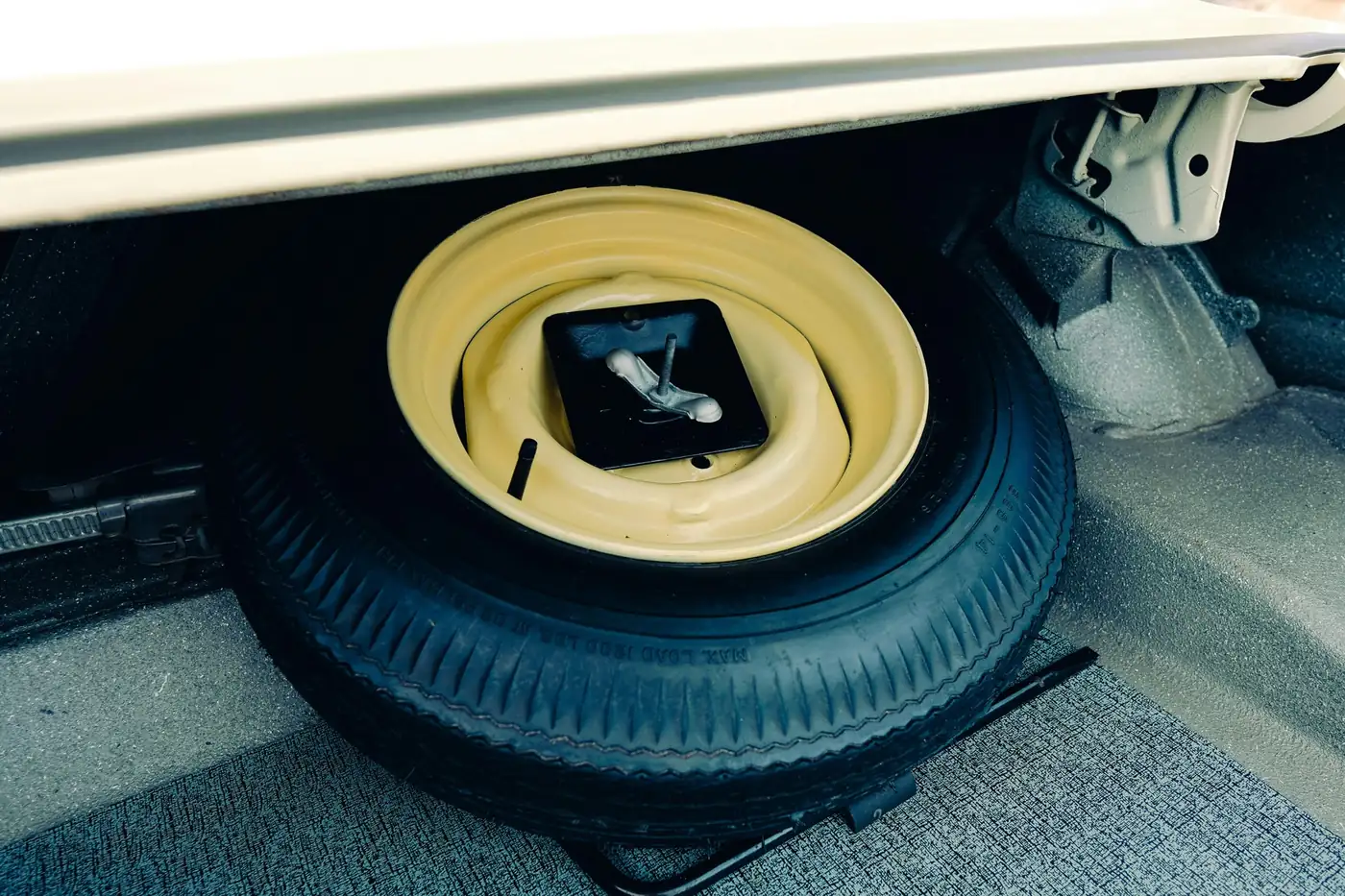
Which tires suit a van that sometimes leaves the road, and what to carry for them (a pump, a gauge and a plug kit), is in our camper van tires guide.
From the road: I had a pulling thing behind the car, so I can always pull my caravan or something else. Really nice for me.
Key takeaways
- Write down six decisions before you build.
- Plan power with a list of devices and hours, then pick panels and a battery.
- Treat wiring and fuses as the part you do not improvise.
For the filter itself, see the camper van water filter guide.
FAQ
Do I need an electrician to wire a camper van?
Victron's wiring guide says its work should be done by a qualified electrician and that rules differ per country. At minimum, fuse every consumer, as our wiring guide explains.
How do you get power in a van without a generator?
In my van I had solar panels on the roof and a strong mobile panel that I put outside, with a long cable. A unit plugged into the panels charged a battery, and I plugged everything inside into it. I did not have a generator.
How do you get internet in a van?
We had SIM cards and a router with a SIM card. Our eSIM guide explains how to set up data before you travel.
What do you need to build out a cargo van?
In my van I put in solar panels, batteries, water with a filter and a reservoir, a bed, a kitchen and the electricity, and I made it cozy, because it is your little home. It is the same principle as my houseboat.
Your next step